
Valley Restoration Pros delivers 24/7 industrial emergency water extraction, thermal psychrometric drying, and structural mitigation across Phoenix and Maricopa County with guaranteed 30–60 minute rapid arrival. All protocols strictly adhere to IICRC S500 standards, featuring upfront itemized pricing and free on-site thermal moisture assessments. Call dispatch directly at (602) 847-9593.
Why Immediate Mitigation Is Critical in Phoenix Heat
Cold storage flooding in Tolleson triggers instant glaze ice hazards, compromises insulated composite metal panel (IMP) cores, and risks catastrophic permafrost sub-slab frost heave beneath blast freezers. Under Tolleson's 115°F summer heat and 18 GPG municipal hard water, unextracted floodwaters cause rapid condensation fog, ceiling dripping, automated racking electrical failures, and massive perishable inventory condemnation under FDA FSMA rules without immediate low-dewpoint desiccant extraction.

Service Definition & The IICRC Standard of Care
Professional tolleson commercial cold storage refrigerated warehouse flood is an engineering and environmental discipline adhering strictly to IICRC S500 protocols, not mere surface mopping. When structural plumbing failures strike in Maricopa County, certified emergency water extraction and thermal structural drying procedures must be deployed immediately. Whether triggered by high-pressure burst pipe emergencies, subfloor leaks, or commercial line ruptures, bound moisture rapidly penetrates concrete subfloors and wall framing. In the desert heat, delays trigger microbial proliferation requiring rapid mold remediation. Request damage assessment through our emergency assessment portal or request 30-minute dispatch across all Valley service areas.
Securing electrical feeds, inspecting load-bearing assemblies, and containing pathogens.
Stopping the intrusion source and erecting 6-mil plastic isolation containment airlocks.
31-HP truck-mount extraction, removing gallons exponentially faster than evaporation.
LGR dehumidifiers and HEPA air scrubbers driving grains per pound below 25 GPP.
Calibrated electronic pinless testing confirming baseline dry standards.
The Complete 6-Stage Restoration Roadmap
Our IICRC-certified crews execute a disciplined, scientific 6-stage protocol to stabilize and dry structural components:
Emergency Dispatch & Perimeter Isolation
30 to 60 minute arrival. Securing electrical shutoffs, evaluating structural loads, and erecting containment airlocks.
FLIR® Thermal Mapping & Baseline Scans
Infrared thermal scans detect trapped moisture behind walls and beneath concrete without invasive exploratory demolition.
High-Volume Bulk Extraction
31-HP truck-mount extraction units pump standing water away at hundreds of gallons per minute.
Controlled Selective Demolition
Precision flood cuts 12 to 24 inches above moisture lines, removing wet insulation and opening wall framing to dry airflow.
Thermodynamic Dehumidification
Industrial Low-Grain Refrigerant dehumidifiers pull deep trapped moisture from dense framing lumber and concrete slabs.
Antimicrobial Sanitization & Verification
EPA-registered botanical application (Benefect Decon 30) and calibrated moisture testing to issue an official dry certificate.

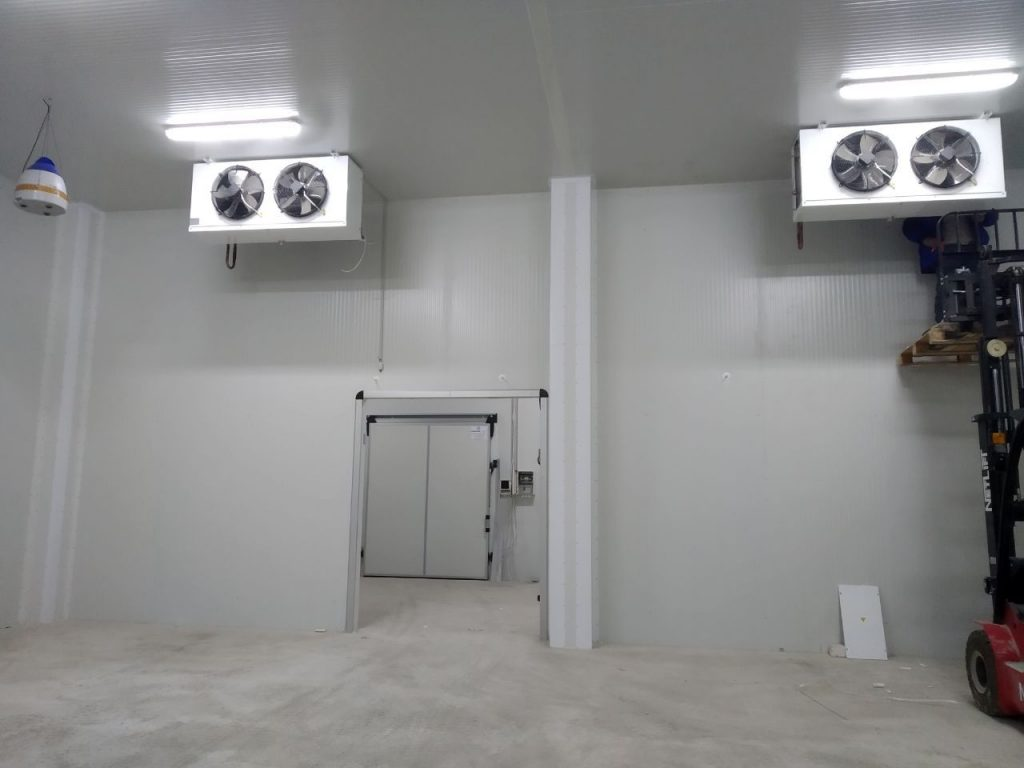
Specialized Equipment & Industrial Restoration Technology
Mitigating severe property damage requires industrial-grade technology capable of altering thermodynamic psychrometrics:
Truck-Mounted Extraction Rigs
31-HP engines producing 16+ inches Hg vacuum suction to evacuate bulk water rapidly into holding tanks.
Low-Grain Refrigerant Dryers
Pre-cooling heat-pipe systems driving ambient grains per pound below 25 GPP to draw deep trapped water out of framing.
HEPA Negative-Air Scrubbers
Hospital-grade 99.97% particulate filtration capturing microscopic fungal spores, soot, and biohazard aerosols.
FLIR® Thermal Scanners & Probes
Infrared thermography detecting evaporative cooling boundaries behind walls, combined with digital RF pinless scanners.
Professional Restoration vs. DIY Mitigation
Attempting DIY cleanup during a property disaster creates severe hidden liabilities:
- Trapped Moisture: Surface drywall dries while moisture inside cavities triggers hidden mold blooms.
- Pathogenic Risks: Category 2 & 3 water contains bio-contaminants standard cleaners fail to kill.
- Insurance Denial: Insurers require daily psychrometric logs; lack of data causes claim disputes.
Transparent Upfront Itemized Pricing
Valley Restoration Pros operates with complete transparency:
- Free On-Site Assessment: Complete physical inspection before work begins.
- Upfront Itemized Estimates: Detailed line items calculated via industry-standard Xactimate.
- Zero Surprise Billing: No hidden charges or unauthorized repairs.
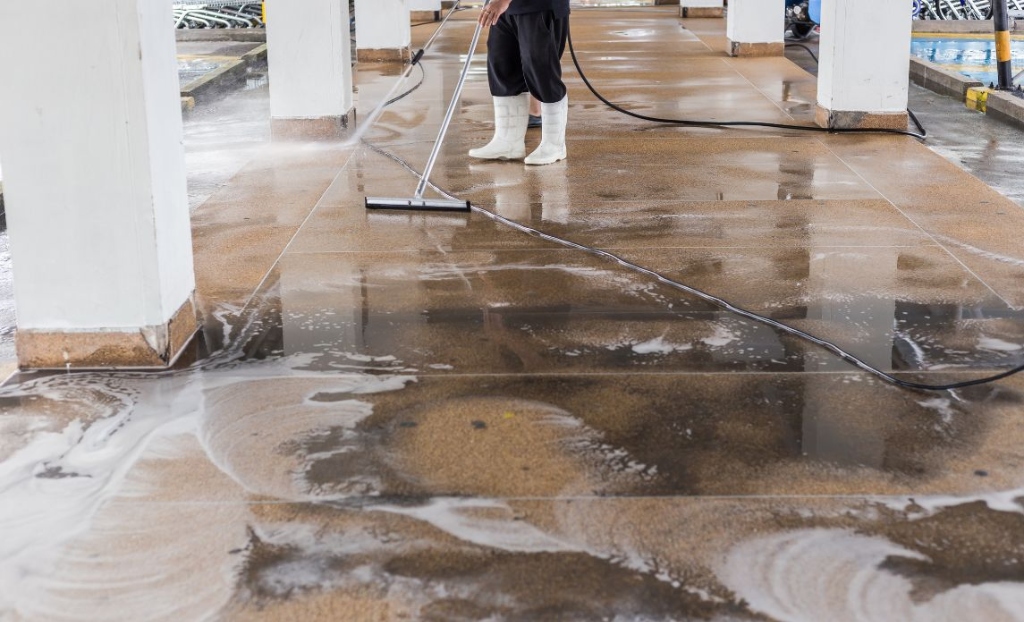
Certified Tolleson commercial cold storage refrigerated warehouse flood Field Documentation
Every response performed by Valley Restoration Pros is documented through photographic and thermographic records:
Comprehensive Tolleson commercial cold storage refrigerated warehouse flood Technical Manual & Operational Standards
Exhaustive engineering protocols, psychrometric calculations, geological multipliers, and step-by-step restoration standards for Maricopa County properties:
Executive Emergency Abstract: Tolleson Commercial Cold Storage Refrigerated Warehouse Flood & Low-Dewpoint Extraction
Within the heavy freight and distribution epicenters of the American Southwest, the Tolleson Logistics Hub—flanking Interstate 10, 91st Avenue, 99th Avenue, and Van Buren Street—serves as the primary temperature-controlled supply pipeline for millions of consumers across Arizona, Southern California, Nevada, and New Mexico. Sprawling across millions of square feet of high-cube industrial space, Tolleson cold storage facilities house hyper-critical commercial infrastructure: multi-temperature chill rooms holding produce and dairy at 34°F to 38°F, pharmaceutical cold vaults maintaining strict 2°C to 8°C tolerances, and massive sub-zero blast freezers operating continuously between -10°F and -25°F. When catastrophic water intrusion strikes these facilities—whether triggered by a sheared overhead industrial refrigeration loop, an overhead fire sprinkler deluge, a blocked evaporator condensate drain pan, or flash flood inundation at depressed truck dock aprons—the thermodynamic and operational consequences are immediate and severe.
Flooding within a low-temperature cold storage envelope defies every standard restoration assumption. Liquid water cascading across concrete slabs operating below the freezing point transforms instantly into high-friction glaze ice, immobilizing reach trucks and automated inductive-wire turret forklifts. High-velocity liquid migration penetrates structural perimeter joints, saturating the expanded polystyrene (EPS) or polyisocyanurate (PIR) cores of insulated composite metal panels (IMPs) and undermining the thermal integrity of the building envelope. Simultaneously, ambient water collecting in lower cold bays creates intense vapor pressure differentials, generating thick dense fog and frost accumulations that obscure emergency egress pathways and short-circuit precision automated storage and retrieval systems (ASRS).
Without immediate, specialized industrial mitigation governed by strict food safety regulations and thermodynamic engineering, commercial cold storage inundations rapidly escalate into total product loss claims running into millions of dollars. Municipal water delivered across Tolleson carries an aggressive mineral burden averaging 18 Grains Per Gallon (GPG) in hardness, which crystallizes upon contact with chilled coils and refrigeration piping to accelerate structural corrosion. Valley Restoration Pros deploys rapid-response industrial extraction units equipped with industrial desiccant dehumidifiers capable of operating down to -20°F dew points. Facility directors must secure immediate emergency water extraction within the first sixty minutes to stabilize the envelope, preserve perishable inventories, and safeguard sub-slab foundation heaters.
Critical Emergency Directives: First 30 Minutes of Tolleson Cold Storage Flooding
- Isolate the Upstream Hydraulic Source: Immediately shut off the sector isolation OS&Y gate valve or chiller glycol supply loop feeding the affected cold bay. Never attempt to access ceiling headers without verifying fall protection and overhead ice clearance.
- Initiate Ammonia & Refrigerant Atmospheric Scans: If the flood stems from refrigeration coils or evaporator lines, deploy photoionization and electrochemical NH3 detectors. Evacuate personnel immediately if atmospheric ammonia concentrations surpass 25 ppm.
- Preserve Sub-Slab Glycol Heating Systems: Verify that under-floor sub-slab freeze protection heating systems remain energized. Shutting off sub-slab heaters during a deep floor flood allows moisture to migrate downward and trigger catastrophic soil permafrost heave.
- Dispatch Valley Restoration Pros Industrial Recovery Team: Connect directly with Marcus Vance and our commercial large-loss team at (602) 847-9593 or initiate immediate dispatch via Commercial Emergency Dispatch Hotline for 30-minute on-site response along the I-10 Tolleson industrial corridor.
Anatomy of Cold Storage Flooding Failures: Hydraulic Surges, Phase Changes & Enclosure Dynamics
Commercial cold storage facilities are sophisticated thermodynamic enclosures where mechanical engineering, fluid mechanics, and envelope science intersect. Unlike a standard dry-goods warehouse where water intrusion follows predictable gravity flow across ambient concrete slabs, a flood in a refrigerated distribution center initiates violent thermal transitions, phase changes, and pressure imbalances that threaten structural integrity. Understanding the five primary failure vectors is essential for engineering an effective mitigation strategy.
Evaporator Coil Defrost Drainage Blockage
Industrial ceiling-hung evaporator blowers cycle through hot-gas or electric resistance defrost routines to melt frost from fin coils. Each defrost cycle liquefies dozens of gallons of meltwater into stainless steel catch pans. If drain pans or heat-traced PVC/copper drain lines freeze due to heating element burnout or calcium carbonate accumulation, the pan overflows. High-volume meltwater drops 30 feet onto high-bay racking and floor staging areas below.
Chilled Secondary Coolant / Glycol Line Rupture
Central ammonia chiller plants circulate chilled secondary coolants (water-propylene glycol mixtures) at high operating pressures through overhead distribution headers. Vibration fatigue, hydraulic hammer from rapid solenoid shutoffs, or physical impact from forklift masts can fracture overhead piping. This causes immediate high-volume release requiring urgent burst pipe repair and containment before glycol residues contaminate food packaging.
Sub-Slab Frost Heave & Permafrost Expansion
Sub-zero blast freezers maintain sub-slab glycol heating loops or electric heating mats beneath structural insulation to stop the 32°F freezing isotherm from penetrating the ground. When floodwater saturates sub-slab insulation through floor joints or damaged expansion seals, the thermal insulation value plummets. Subsurface groundwater freezes into expansive permafrost ice lenses, exerting thousands of pounds per square foot of upward heave that cracks concrete slabs and shifts structural columns.
Insulated Metal Panel (IMP) Capillary Saturation
Cold room envelopes are constructed from 4-inch to 6-inch tongue-and-groove insulated metal panels. While outer steel skins are impermeable, standing floodwater at the base channel penetrates floor-to-panel perimeter caulking. Through capillary suction, water wicks upward inside panel seams and closed-cell foam joints, creating hidden reservoirs of trapped moisture that foster anaerobic bacterial odors and cause metal delamination under thermal cycling.
Rooftop Scupper & Condenser Penthouse Deluge
Sprawling 300,000+ square foot low-slope metal roofs common to Tolleson logistics complexes support massive condenser penthouses and chiller compressor skids. When monsoon cloudbursts dump torrential rainwater across roofs with debris-choked scuppers, water ponds up to 8 inches deep. The hydraulic surcharge breaches rooftop condenser electrical pitch pockets and refrigeration pipe penetrations, dumping hundreds of gallons per minute straight down into suspended ceiling plenums and cold storage storage bays below.
The thermodynamic interaction between standing water and refrigerated air is governed by psychrometric vapor pressure. When 65°F municipal supply water or 45°F chilled cooling water discharges into a 34°F holding cooler, the warm liquid releases rapid vapor into the chilled environment. Because cold air holds far less moisture than warm air (at 34°F, air saturates at merely 29 grains per pound, compared to 110 grains per pound at 75°F), this evaporated moisture instantly condenses out of the air mass as dense, blinding fog.
Furthermore, when liquid water contacts a sub-freezing concrete slab operating at -10°F, the phase transition releases the latent heat of fusion (144 BTUs per pound of water transitioning from liquid to solid). This instantaneous energy release creates localized micro-climates of warm vapor rising directly above freezing floor surfaces. As this rising vapor collides with the sub-zero high-bay air mass, it forms thick frost layers and heavy ice rime across overhead bar joists, fire sprinkler pendant drops, and automated crane rails.
As the fog circulates through ceiling evaporator fans, it forms rapid rime ice across evaporator coil fins, choking airflow and forcing refrigeration compressors into continuous overload. Concurrently, moisture settling on cold ceiling joists, bar joists, and structural purlins begins dripping in massive droplets across food pallets. The cascading effect compounds hourly: without specialized industrial extraction and low-temperature desiccant drying, an isolated line leak escalates into facility-wide envelope destabilization requiring complete commercial chiller pipe flood restoration.
Tolleson & Sonoran Desert Multipliers: Hard Water, Caliche Shifts & 115°F Thermal Clash
Commercial cold storage facilities operating in the Tolleson industrial corridor face extreme environmental stresses found in few other logistics hubs worldwide. Located in the low-elevation alluvial plain of the West Valley, Tolleson combines extreme desert heat with heavy municipal mineral concentrations, expansive clay soils, and severe monsoon microburst hydrology. These factors amplify every commercial water damage incident, converting routine mechanical failures into high-stakes structural emergencies.
Geologically, the soil stratum beneath Tolleson consists of alluvial silt deposits interwoven with dense petrocalcic horizons, locally termed caliche. Caliche represents calcium carbonate cemented soil horizons that act as semi-impermeable bedrock until saturated. When high-volume floodwaters penetrate through cold storage expansion joints or cracked sub-floor slabs, the water cannot freely percolate downward into the water table. Instead, it forms perched subterranean reservoirs directly beneath the structural concrete slab.
This trapped sub-slab moisture creates a catastrophic double vulnerability. In ambient loading zones, the water hydrates expansive smectite clay layers, generating tremendous upward swelling that misaligns automated turret truck inductive pathways and cracks slab joints. In sub-freezing blast freezer zones, this perched water table is drawn upward toward the cold concrete by cryosuction. When it reaches the sub-slab freezing zone, it feeds continuous ice lens growth, lifting entire structural slab panels by several inches and threatening the vertical plumbness of 40-foot pallet racking arrays.
A critical biological factor unique to desert cold storage flooding is microbial acceleration in transition zones. While sub-zero freezers and 34°F chill rooms naturally inhibit mold germination, refrigerated warehouses cannot exist in isolation; they are connected to loading docks, forklift battery charging bays, administrative annexes, and mechanical maintenance shops. These surrounding unconditioned or semi-conditioned zones routinely surge to 95°F to 105°F during daytime operations.
When floodwaters migrate from cold storage into warm dock corridors or drywall partition assemblies, the combination of 100°F ambient heat, organic cardboard dust, and high relative humidity creates an ideal incubation chamber. Fungal colonization by Aspergillus niger, Penicillium, and environmental bacteria initiates within 24 to 48 hours. If air currents carry these airborne spores back across dock seals and into refrigerated food-handling zones, entire commercial facilities face mandatory shutdown and inventory condemnation under FDA Food Safety Modernization Act (FSMA) rules, requiring immediate commercial mold remediation and continuous containment. Logistics managers across the region rely on our specialized Tolleson water damage restoration protocols to isolate cold food-handling zones from adjacent ambient corridors.
Immediate Emergency First-Hour Protocol: Cold Storage Safety Isolation & Environmental Control
The initial sixty minutes following a major water intrusion event inside a Tolleson commercial cold storage facility determine whether the incident remains a contained extraction operation or degenerates into a multimillion-dollar structural failure with perishable stock condemnation. Facility operations personnel and restoration engineers must execute a disciplined sequence of safety, isolation, and environmental controls designed to protect personnel, preserve food safety, and protect structural envelopes.
Industrial Cold Storage First-Hour Emergency Sequence
Hazardous Atmosphere & Ammonia Safety Clearance
Before personnel enter flooded cold bays, industrial hygiene technicians deploy calibrated portable ammonia gas detectors. Because mechanical water impacts, pipe bursts, or falling ice can fracture anhydrous ammonia refrigeration headers, atmospheric verification is mandatory. If readings exceed 25 ppm, all personnel must stage upwind outside the building envelope until OSHA 29 CFR 1910.120 HAZWOPER-certified technicians confirm atmospheric clearance.
High-Voltage Electrical Lockout / Tagout (LOTO)
Cold storage warehouses operate massive 480V 3-phase electrical distribution networks powering high-capacity blast chillers, motorized high-speed insulated rollup doors, under-slab heating circuits, and industrial forklift battery charging stations. Standing water in contact with submerged floor junction boxes or dock leveler hydraulic pump motors presents fatal electrocution risks. Execute targeted LOTO procedures on affected distribution panels while maintaining power to facility refrigeration compressors and life-safety exhaust fans.
Glaze Ice Stabilization & Food-Safe Chemical Mitigation
Water entering sub-freezing zones instantly crystallizes into frictionless glaze ice sheets across polished concrete. Standard salt or calcium chloride deicers cannot be applied due to corrosive attack on concrete reinforcement and strict FDA restrictions on food-contact chemical contamination. Technicians deploy NSF-certified, food-grade USP propylene glycol surface depressants or mechanical friction scrapers to stabilize pedestrian pathways and reach-truck staging lanes.
Perishable Inventory Quarantine & FSMA Chain-of-Custody
Under FDA Title 21 CFR regulations, any food packaging in direct contact with non-potable floodwater, cooling tower drift, or industrial wastewater must be immediately quarantined. Establish a physical exclusion perimeter separating submerged bottom pallet tiers from elevated dry goods. Document lot codes, pallet barcodes, and temperatures to protect clean inventory and support insurance claims documentation. If biological contaminants are present, engage certified sewage cleanup protocols immediately.
Vapor Barrier Isolation & Airflow Pressure Management
Do not open exterior dock doors to ventilate flooded cold storage rooms. Introducing 115°F humid outdoor desert air into a 34°F cooler triggers violent psychrometric condensation, generating inches of ceiling dripping and massive fog clouds. Keep fast-acting insulated doors sealed tight. Immediately contact our emergency dispatch team to mobilize desiccant dehumidification trailers that pump low-dewpoint dry air directly into the sealed envelope.
Automated High-Bay Racking & ASRS Structural Inspection
Cold storage facilities feature vertical pallet racking systems reaching 35 to 45 feet, loaded with thousands of pounds of inventory per bay. Floodwater pooling around rack baseplates can cause rapid hydraulic settling or anchor bolt slippage if sub-slab voids develop. Technicians conduct immediate plumbness surveys using digital inclinometers and laser levels, establishing yellow-caution zones around rack bays showing deflection greater than 0.5 inches over 10 feet of vertical elevation.
Sub-Zero Personal Protective Equipment (PPE) Deployment
Working in cold water environments presents extreme hypothermia hazards. In water temperatures below 40°F, core body temperature drops rapidly, inducing cognitive disorientation within 15 minutes. Valley Restoration Pros technicians entering flooded refrigerated rooms wear specialized insulated immersion drysuits, studded anti-slip traction overboots rated for ice, waterproof insulated cryogenic gloves, and helmet-mounted intrinsically safe LED lighting.
Advanced Industrial Equipment Specifications: Low-Dewpoint Desiccant & Sub-Zero Recovery Systems
Standard residential or commercial restoration equipment is completely ineffective inside refrigerated cold storage warehouses. Conventional Low-Grain Refrigerant (LGR) dehumidifiers depend on condensing moisture across chilled refrigeration coils operating at 40°F to 45°F. Inside a 34°F produce room or a -10°F blast freezer, an LGR dehumidifier's coils freeze solid within twenty minutes, halting moisture removal entirely. Restoring commercial cold storage envelopes demands specialized industrial thermodynamic machinery engineered specifically for extreme low-temperature and low-humidity operation.
Desiccant Thermodynamics: Silica Sorption & Sub-Zero Dewpoint Depression
The mechanical failure of conventional refrigerant drying systems in sub-freezing zones stems from fundamental psychrometric physics. As air cools below 45°F, its vapor pressure drops precipitously, diminishing the thermal transfer efficiency of standard DX refrigeration coils. At 34°F, a cubic foot of air can hold a maximum of only 2.3 grains of moisture at saturation. An LGR unit attempting to extract water from such lean air rapidly develops coil frost, requiring continuous defrost cycles that waste 80% of operational runtime.
In contrast, industrial desiccant dehumidifiers employ active titanium silica gel rotors engineered with microscopic pore architectures (20 to 30 Angstroms in diameter) optimized for molecular vapor adsorption. The sorption process is non-condensing: incoming water vapor molecules adhere directly to the internal surface area of the desiccant media via electrostatic van der Waals forces. Because adsorption efficiency increases as air temperature decreases, our 15,000 CFM desiccant trailers deliver maximum moisture extraction efficiency precisely when operating inside -10°F blast freezers and 34°F chill rooms.
To calculate the required desiccant capacity for sprawling Tolleson distribution centers, our engineers utilize dynamic psychrometric moisture load equations. The total dehumidification requirement incorporates surface water evaporation from saturated concrete slabs ($W_p = A \times \theta \times (P_w - P_a)$), moisture infiltration through high-speed fabric dock doors, human respiration loads, and the latent heat released during glaze ice sublimation. For a typical 40,000-square-foot refrigerated envelope, our setup maintains an aggressive drying delta of 25 to 35 grains of depression between process supply and return streams, continuously pulling deep-seated moisture out of monolithic slabs and structural metal footings.
The heart of our cold storage recovery fleet is the trailer-mounted industrial desiccant dehumidifier. These massive units utilize a continuously rotating honeycomb wheel impregnated with active silica gel desiccant. The unit draws cold, moist process air from inside the flooded refrigerated envelope, adsorbs water molecules onto the silica matrix without condensation, and discharges super-dry process air with humidity levels as low as 5 Grains Per Gallon (GPP).
Concurrently, a separate heated reactivation air stream (powered by natural gas or propane burners located outdoors) drives the adsorbed moisture out of the rotating wheel and discharges the wet exhaust safely outside the building envelope. This closed-loop process allows our technicians to desiccate concrete slabs and structural metal framing inside sub-freezing blast freezers without warming the space, preserving the cold chain and preventing product thawing. When combined with our advanced structural drying protocols, commercial facilities achieve rapid baseline stabilization.
Thermodynamic engineering calculations dictate equipment placement. For example, in a 40,000-square-foot cold bay with 35-foot clear-height ceilings (1.4 million cubic feet), standard air turnover models require a minimum of 2.5 to 3 air changes per hour (ACH) to overcome boundary layer resistance. This demands 58,000 to 70,000 CFM of total airflow circulation. Valley Restoration Pros pairs 15,000 CFM desiccant units with high-static lay-flat distribution headers, positioning supply diffusers at floor level along central aisles and drawing return air from high-velocity ceiling returns.
In conjunction with desiccant drying trailers, our teams deploy continuous telemetry monitoring networks. Wireless sensors positioned at strategic elevations across the high-cube storage facility transmit real-time relative humidity, dew point, and grain depression readings directly to our field command trailer. This allows our project managers to adjust airflow distribution ducting dynamically, targeting stubborn moisture pockets beneath dense pallet racking without disrupting routine forklift traffic in adjacent unaffected bays. Learn more about our comprehensive warehouse flood damage restoration capabilities across the Valley.
IICRC S500 / S520 Commercial Protocol: 6-Stage Cold Storage Restoration Manual
Restoring commercial refrigerated warehouses requires strict adherence to the IICRC S500 Standard for Professional Water Damage Restoration and the IICRC S520 Standard for Professional Mold Remediation, integrated with FDA 21 CFR Part 117 Current Good Manufacturing Practice (cGMP) regulations. Cold storage structures represent Class 4 water intrusions—specialty drying situations involving low-evaporation materials such as concrete slabs, closed-cell insulated metal panels, and sub-slab thermal insulation. Saturated dense concrete and low ambient temperatures significantly retard evaporation rates, requiring extreme vapor pressure gradients rather than simple heat application. Valley Restoration Pros enforces a rigorous 6-stage engineering protocol for all cold storage flood operations across the Tolleson corridor.
Phase 1: Initial Psychrometric Profiling & Thermal Scanning
HOURS 0 – 2Upon arrival, master restoration engineers establish baseline psychrometric logging stations inside affected refrigerated chambers, adjacent dock staging zones, and outdoor ambient air. Technicians record dry-bulb temperature, relative humidity, dew point, and humidity ratio (GPP) across multiple elevations using calibrated thermo-hygrometers. Cold storage structures represent Class 4 water intrusions under IICRC S500 procedural standards—specialty drying situations involving low-evaporation materials such as concrete slabs, closed-cell insulated metal panels, and sub-slab thermal insulation. Saturated dense concrete and low ambient temperatures significantly retard natural evaporation rates, requiring extreme vapor pressure gradients rather than simple heat application. Using high-resolution FLIR thermal radiometers and non-penetrating Tramex radio-frequency meters, technicians scan the entire perimeter of Insulated Metal Panels (IMPs) and floor expansion joints to map hidden water travel beneath food racking systems without violating sterile panel surfaces. The water intrusion is formally classified under IICRC S500 criteria as Category 1 (potable supply), Category 2 (chilled glycol or condensate), or Category 3 (monsoon surface runoff or sewage backflow), defining the appropriate containment and sanitation thresholds.
Phase 2: Bulk Extraction & Sub-Zero Ice Removal
HOURS 2 – 8Crews deploy high-volume ride-on vacuum scrubbers and pneumatic continuous extractors to remove liquid floodwaters from staging floors, transfer aisles, and depressed dock sumps. In sub-freezing rooms where water has converted to ice, technicians utilize mechanical scarifiers and food-grade non-toxic propylene glycol melting agents to fracture and extract ice sheets down to bare concrete. All effluent is pumped through closed containment hoses directly into exterior holding tanks to prevent secondary contamination. Slurry vacuums clear fine frost crystals from floor joint seals, preparing surfaces for desiccant desorption and preventing ice from sublimating into airborne fog.
Phase 3: Critical Enclosure Containment & Air Filtration
HOURS 6 – 12To stop the rapid migration of airborne fungal spores and warm desert moisture into sanitized food holding rooms, technicians construct heavy-gauge 6-mil poly barrier ante-rooms equipped with magnetic zip doors. DOP-certified HEPA air filtration units are positioned to establish continuous negative pressure gradients in ambient transition zones (-0.02 inches of water column), scrubbing 99.97% of particulates down to 0.3 microns. Clean cold storage chambers are maintained under slight positive pressure using desiccated dry air to prevent outdoor moisture infiltration and keep bioaerosols contained within unconditioned staging corridors.
Phase 4: Low-Dewpoint Desiccant Dehumidification & Cavity Purging
HOURS 12 – 72Trailer-mounted desiccant dehumidifiers deliver deep-dry air through 20-inch spiral lay-flat ducting routed through specialized sealed wall ports. Technicians direct dry process air across concrete slabs, establishing an extreme vapor pressure differential that draws bound moisture out of the slab without elevating room temperature. In concrete desiccation, water exists in three distinct thermodynamic states: free capillary water within pore networks, physically adsorbed water adhering to cement hydrate surfaces, and chemically bound crystalline water. Desiccant air streams strip free capillary water while preventing surface crystallization that would seal moisture inside the core. In wall panel cavities, Injectidry systems force desiccated air through stainless steel base joints, evaporating trapped interstitial moisture and expelling it through high-velocity exhaust ports. Daily moisture progress is tracked against established psychrometric drying curves, monitoring grain depression across supply and return ducts.
Phase 5: FDA-Compliant Disinfection & Surface Decontamination
HOURS 48 – 72Following structural drying, technicians perform complete antimicrobial washdowns of all affected structural columns, pallet uprights, floor surfaces, and lower insulated panels. In accordance with FDA 21 CFR Part 117 regulations, only EPA-registered, no-rinse quaternary ammonium and chlorine dioxide sanitizing agents approved for food-contact establishments are deployed. Technicians utilize electrostatic misters to achieve 100% microbicidal coverage without saturating mechanical electronics or barcode scanning infrastructure, adhering to mandatory ten-minute chemical contact dwell times to achieve 6-log pathogen reduction.
Phase 6: Verification Profiling & Clearance Certification
HOURS 60 – 84Before declaring the facility dried and re-commissioning automated rack systems, engineers conduct comprehensive moisture testing. Concrete slabs must achieve equilibrium relative humidity below 75% per ASTM F2170 in-situ probe standards, or match pre-loss baseline dry standards. Technicians drill precision test sleeves to 40% slab depth (2.4 inches on a standard 6-inch industrial slab) and allow probes to equilibrate before recording final internal relative humidity. Insulated metal panels undergo ultrasonic bond testing to confirm zero core delamination. Adenosine Triphosphate (ATP) bioluminescence swabs must demonstrate cleanliness readings below 10 Relative Light Units (RLU) on all food-contact zones. A complete formal engineering clearance package—including psychrometric dry logs, thermal imaging portfolios, and ATP biological swab test results—is issued to facility management and commercial insurers. For facilities experiencing subterranean moisture migration, explore our expert slab leak water damage restoration solutions and our specialized commercial cooling tower basin overflow cleanup protocols.
Tolleson Logistics Hub Case Study: 42,000 Sq Ft Cold Distribution Center Flood Mitigation
Location: 91st Avenue & West Buckeye Road, Tolleson, AZ 85353 | Tolleson Industrial Corridor
The Incident & Critical Emergency Response
On a scorching August evening with outside temperatures exceeding 112°F, an intense Sonoran monsoon storm dropped 1.8 inches of rain over Tolleson in forty minutes. The sudden storm runoff submerged the depressed truck loading dock along 91st Avenue when the external sump pumps lost municipal power. Simultaneously, an overhead forklift collision severed a 3-inch pressurized chilled propylene glycol header suspended 28 feet above Chill Bay 3.
Over 18,500 gallons of mixed storm runoff and chilled glycol flooded across 42,000 square feet of monolithic slab operating at 34°F. The cold slab rapidly dropped the standing liquid temperature, transforming forklift aisles into slick glaze ice up to an inch thick. Thick vapor fog rolled across high-bay pallet racking holding over $4.2 million in pre-packaged organic berries and stone fruit. Valley Restoration Pros was dispatched via our commercial priority line, mobilizing twelve IICRC-certified large-loss technicians on site within 26 minutes.
Thermodynamic Drying Strategy & Metrics
Technicians deployed two 10,000 CFM trailer-mounted desiccant dehumidifiers stationed in the exterior dock yard. Lay-flat supply ducts were connected through emergency dock door seals, delivering 20,000 CFM of deep-dry process air at 8 GPP and a -15°F dew point directly across the flooded slab. Four continuous ride-on extraction units vacuumed bulk liquid, while specialized food-safe glycol ice depressants enabled rapid mechanical scraping of floor ice without heating the room or thawing produce. Pallets in immediate splash zones were safely cross-docked into temporary standby refrigerated trailers positioned in the exterior yard.
Operational Milestone Timeline: Hour 0 to Hour 72
Structural engineers surveyed all high-bay racking systems across aisles A through F, confirming that concrete slab anchor bolts maintained zero shear deformation and rack verticality remained within 1/16th of an inch tolerance. Ultrasonic testing of surrounding insulated composite panels confirmed that zero moisture wicked beyond the bottom sacrificial silicone curb.
By maintaining the room temperature at 34°F throughout the 64-hour drying cycle, zero produce spoiled and no cold-chain temperature deviations occurred. Food safety inspectors from the Arizona Department of Agriculture certified the facility with clean ATP biological swab readings, saving over $4.2 million in commercial inventory. Explore our comparable recovery projects at Sky Harbor commercial logistics warehouse sprinkler flood restoration and our specialized operations for cold storage evaporator coil water damage in Glendale.
Commercial Large-Loss Billing Transparency & Insurance Documentation Protocol
When catastrophic water intrusion impacts a commercial cold storage warehouse, the financial stakes extend far beyond physical property cleanup. Facility owners, property management REITs, and logistics operators face business interruption claims, potential inventory spoilage disputes, supply chain contractual penalties, and high-deductible commercial insurance policies. Valley Restoration Pros operates with complete billing transparency, professional insurance claims documentation, and strict adherence to commercial standard operating procedures.
Free Comprehensive On-Site Damage Assessment
Our senior commercial large-loss estimators arrive on site equipped with thermal imaging cameras, non-invasive RF moisture meters, and psychrometric data loggers. We perform an exhaustive, zero-cost physical inspection of all affected refrigerated rooms, dock pits, and electrical panels, providing facility directors with an immediate written scope of loss before any equipment is energized.
Transparent Upfront Itemized Pricing Before Work Begins
We never utilize deceptive blanket rates or hidden commercial surcharges. Every single service charge is itemized line-by-line using industry-standard Xactimate commercial pricing codes (WTR, CLN, DRY, EQP) recognized and accepted by all major commercial property insurers (including FM Global, Travelers, Chubb, Zurich, and Liberty Mutual). Facility executives receive clear itemized estimates for written approval prior to project commencement.
Assistance with Detailed Claims Documentation
Commercial claims adjusters require verifiable empirical proof. Valley Restoration Pros compiles daily psychrometric dry logs, humidity ratio charts (GPP), thermal imaging verification photos, digital moisture mapping records, and ATP biological clearance swab certificates. This comprehensive documentation dossier proves structural desiccation and satisfies carrier requirements for swift claim resolution and business interruption recovery.
Business Interruption & SLA Mitigation Defense
In the third-party logistics (3PL) industry, missed delivery windows trigger severe contractual liquidated damages and supply chain penalties. Our documented timelines demonstrate aggressive mitigation effort to satisfy commercial insurance "duty to mitigate" policy covenants, protecting facility management from liability and expediting extra expense claim payouts.
Commercial Insurance Endorsement Coordination
Navigating commercial warehouse claims requires precision alignment with commercial policy endorsements. Our forensic claims documentation directly maps to standard ISO endorsements, including Water Backup and Sump Overflow Endorsement (CP 10 30), Utility Services - Direct Damage and Time Element (CP 04 17), and Spoilage Coverage Endorsement (CP 04 40). By providing empirical psychrometric logs and chain-of-custody data, we eliminate insurer pushback and accelerate claim approval.
Valley Restoration Pros never makes misleading direct-billing promises or deceptive claims that your insurance policy will cover 100% of all mitigation costs without client responsibility. Commercial insurance policies contain specific exclusions, varying per-incident deductibles, sub-limits on water backup or sewer overflow, and strict proof-of-loss requirements. As the contracted restoration authority, we maintain a direct fiduciary relationship with the property owner or facility manager, providing the transparent itemized documentation necessary to ensure smooth claim processing with your carrier.
For commercial budgeting and cost projections, utilize our online commercial water damage cost estimator to calculate estimated mitigation investments based on affected square footage and water category. Discover our complete commercial industrial response capabilities across all Greater Phoenix service areas, including specialized emergency operations for commercial elevator pit water extraction.
Exhaustive Commercial Engineering FAQ: Cold Storage Warehouse Flood Mitigation
Conventional commercial refrigerant (LGR) dehumidifiers function by drawing process air across cooling coils chilled to approximately 40°F to 45°F. Water vapor in the ambient air condenses into liquid droplets and drains away. In a cold storage facility holding temperatures at 34°F or lower, incoming air is already colder than an LGR dehumidifier\'s evaporator coils. Moisture entering the unit freezes into a solid sheet of ice across the coils within minutes, choking airflow and risking compressor burnout. Restoring refrigerated facilities requires trailer-mounted industrial desiccant dehumidifiers utilizing rotating silica gel matrices that physically adsorb water molecules directly out of air streams at temperatures down to -20°F without relying on condensation.
Sub-zero blast freezers maintain sub-slab glycol heating loops or electric heating cables beneath concrete slabs to prevent the freezing isotherm from penetrating into the underlying soil. If floodwaters enter through perimeter joints, floor cracks, or failed vapor barriers, water saturates the sub-slab thermal insulation. Water possesses a thermal conductivity over twenty times greater than dry insulation material, creating a massive thermal bridge that overpowers the under-floor heating system. The 32°F freezing boundary drops into Tolleson\'s alluvial clay soils, freezing moisture into expansive subterranean ice lenses. As water transitions to ice, it expands by 9% with enormous hydraulic pressure, heaving concrete slabs, cracking columns, and throwing automated high-bay racking out of plumb.
Under the FDA Food Safety Modernization Act (FSMA) and Title 21 CFR Part 117 (Current Good Manufacturing Practice, Hazard Analysis, and Risk-Based Preventive Controls for Human Food), food distribution facilities are legally bound to protect food products from biological, chemical, and physical adulteration. Any floodwater entering a food storage area is classified by IICRC S500 standards as Category 2 (graywater) or Category 3 (blackwater), containing biological pathogens, chemical residues, or suspended silt. FDA mandates require immediate quarantine of affected inventory, strict physical separation between wet operations and clean food bays, and comprehensive sanitization using EPA-registered, food-contact approved biocides. Complete ATP bioluminescence swab testing and third-party laboratory verification must confirm zero microbial contamination prior to re-releasing facilities for food distribution.
Yes, in many instances Insulated Metal Panels (IMPs) can be saved in place if professional mitigation begins within the first 24 to 48 hours. Because IMPs are constructed with continuous closed-cell polyurethane or polyisocyanurate foam cores sandwiched between pre-painted galvanized steel skins, liquid water cannot easily penetrate the interior core of the foam. However, water wicks into tongue-and-groove joint profiles, base channels, and flashing trims through capillary suction. Valley Restoration Pros utilizes non-destructive radio-frequency moisture meters and thermal imaging cameras to map water migration. Technicians then deploy positive-pressure Injectidry manifolds delivering ultra-dry desiccant process air directly into perimeter trim seams, evaporating trapped moisture and restoring thermal resistance without costly panel teardowns.
Tolleson municipal water supplies contain exceptionally high levels of dissolved calcium carbonate, magnesium sulfates, and silica, averaging 18+ Grains Per Gallon. When municipal water enters cooling tower loops, wet-pipe sprinkler lines, or humidification systems, these minerals precipitate rapidly. Inside evaporator condensate drain pans, hard water scale combines with airborne dust to form a rock-hard calcium crust that blocks condensate drain outlets. During defrost cycles, hot meltwater cannot drain, backing up and overflowing across high-bay racking. Furthermore, when hard floodwater contacts structural steel baseplates or electrical conduit runs, the high electrical conductivity of the mineral salts dramatically accelerates galvanic corrosion and contact pitting.
Commercial cold storage facilities utilize large battery charging stations operating 480V 3-phase AC input and high-amperage 36V or 48V DC charging lines for electric reach trucks and pallet jacks. If floodwaters reach charging bays, the danger is twofold: high-voltage electrocution from submerged contacts and explosive hydrogen gas generation if water shorts lead-acid battery cells. Facility managers must immediately execute Lockout/Tagout (LOTO) protocols at the primary distribution panel feeding the charging room. Never attempt to disconnect battery cables while standing in floodwater. Valley Restoration Pros certified electrical safety technicians utilize non-conductive safety probes and Class 0 insulated safety gear to verify complete de-energization before extraction begins.
While refrigerated chambers holding 34°F or lower naturally arrest mold spore germination, dock staging bays, vestibules, and maintenance annexes in Tolleson often exceed 100°F during summer heat waves. When floodwaters introduce organic debris, high relative humidity (above 70%), and moisture into these warm transition zones, fungal spores such as Aspergillus, Cladosporium, and Penicillium germinate within 24 to 36 hours. If mechanical airflow or forklift traffic distributes these spores across dock door seals and into refrigerated food-handling zones, the entire cold storage inventory is at risk of biological cross-contamination. Establishing negative air containment with DOP-certified HEPA scrubbers within the first 6 hours is essential to safeguard the food distribution envelope.
Verified Local Area Dispatch: Tolleson, AZ
Official Geo-Coordinates: 33.4503° N, -112.2593° W • Maricopa County
Related Specialized Emergency Restoration Services
Explore specialized rapid-response mitigation protocols across Greater Phoenix and Maricopa County:
Valley-Wide Emergency Response Service Coverage
Our mobile restoration fleet is dispatched across the entire Phoenix metropolitan region, providing rapid 30 to 60 minute emergency response: