24/7 Emergency Line
(602) 847-9593
Dispatch Now
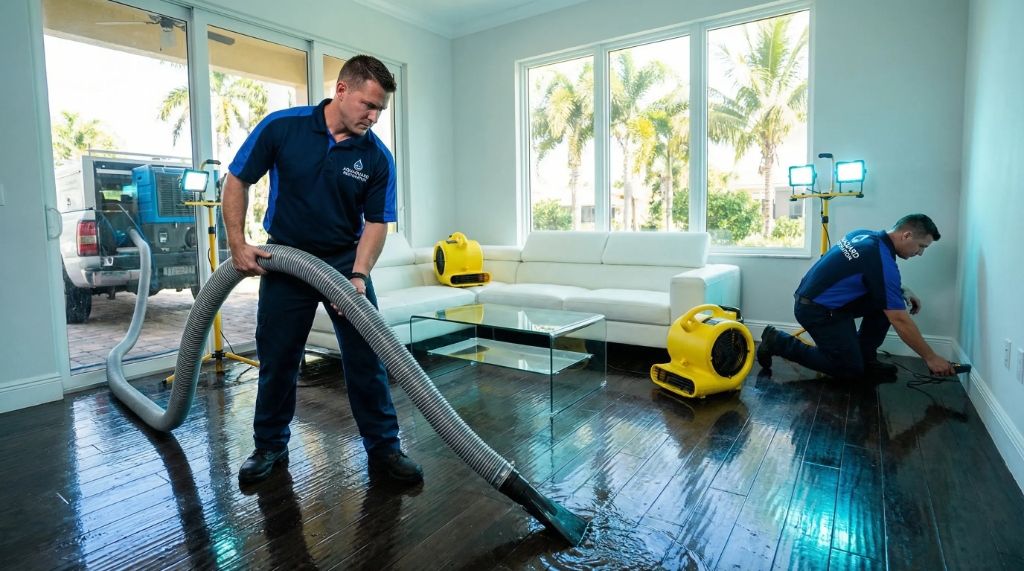
When floodwater, burst pipes, or slab leaks strike your home or commercial building, every minute counts. Our IICRC-certified Master Restorers deploy high-volume emergency water extraction, commercial LGR drying equipment, and rapid on-site structural drying across all Valley areas.
Zero Waiting • Dedicated Master Restorers On-Call 24/7 via our emergency dispatch hub

Every property damage situation is different. A small plumbing leak may require focused drying and cleanup, while a major water loss, fire, or contamination event can involve several areas of a property. Our job is to assess what happened, deploy professional emergency water extraction, address immediate cleanup needs, and help get the affected space back to a safe, usable condition.
Choosing a restoration company isn’t something most people plan for. Usually, you’re looking for one because something has already gone wrong. That’s why we focus on three things throughout the entire process: responsive service, careful work, and clear communication.
Water, smoke, and contamination can continue affecting a property if they aren't addressed. Contact us as soon as you discover a problem so we can discuss the situation and determine what needs to happen next.
Property damage isn’t always limited to what you can see. Moisture can move into building materials, smoke can spread beyond the fire area, and mold can develop where moisture remains hidden. We inspect thoroughly to treat the root cause.
Whether you're dealing with damage at your home, rental property, office, retail space, or commercial facility, we understand local building codes and help you navigate the restoration process with confidence.
Restoration can be confusing, especially when you're dealing with an emergency. We explain what we're seeing, what needs to be addressed, and what the next steps involve—keeping you in complete control.
We don't guess when it comes to property damage. Every restoration project in Phoenix is backed by certified IICRC technicians, industrial-grade moisture testing equipment, and complete containment safety.
When disaster strikes, confusion is your enemy. Here is exactly what happens from the moment you contact our team until your property is certified clean, dry, and safe.
Give us a call and explain what you’re dealing with. The more information you can provide, the better we can prepare the proper equipment and crews before arriving at your door.
We thoroughly inspect and identify all affected areas using non-invasive thermal imaging and moisture meters to determine the exact type and extent of cleanup required.
Depending on the damage, this involves immediate high-CFM water extraction, structural containment, damaged material removal, smoke cleanup, or emergency mitigation work.
Once the immediate hazard is stabilized, we focus on deep sanitization, odor neutralization, antimicrobial application, and restoring the affected space back to clean standards.
We review the completed work with you in detail, provide documentation for your insurance claim, and explain any additional restoration or repair needs that remain.
The actions you take in the first hour of water intrusion can significantly limit structural damage, protect personal property, and prevent costly insurance claim complications. Follow these safety-first steps while our emergency response team is in transit.
Locate your main water shutoff valve immediately. In most Phoenix single-family homes, this is located either on the exterior wall near the front hose bib or inside the sidewalk utility box near the curb. Turn the lever clockwise to halt water flow and stop continuous pressure feeding into walls and subflooring.
Never enter rooms with standing water if outlets, power strips, or electrical appliances are submerged. If your main electrical breaker panel is located in a completely dry, safe location outside the flooded zone, shut off power to the affected areas before approaching the water.
Water sitting beneath wooden furniture legs causes wood stain and varnish to leach permanently into carpet fibers (tannin bleeding). Slide small sheets of aluminum foil or plastic wrap under furniture feet, and pin draperies and hanging fabrics well above the wet floor surface.
Do not attempt to use conventional household vacuums to extract standing water. Standard vacuums lack liquid containment, posing severe electrical shock hazards and motor destruction. Wait for our industrial, truck-mounted extraction equipment during emergency water extraction to safely evacuate bulk gallons.
Before moving belongings or making temporary adjustments, record a comprehensive video walkthrough of the flooded area. Document the water line height on baseboards, close-ups of the source failure, and all affected personal property to support your upcoming insurance claim.
During Arizona summer conditions or dust storms (haboobs), opening windows introduces high ambient heat and fine desert silt that impedes structural drying. Keep the property closed and set your HVAC system to fan-only mode until our technicians calibrate the interior psychrometric environment.
Arizona monsoon microbursts and intense summer cloudbursts unleash sudden torrents that overwhelm municipal drainage systems across the Phoenix Valley. Valley Restoration Pro delivers certified monsoon storm and flood cleanup, high-capacity flood pumps, perimeter water diverting barriers, and hazardous site containment.
See how our thermal moisture mapping, truck-mounted extraction, and targeted drying restore high-end flooring, drywall, and cabinetry without destructive tear-outs.
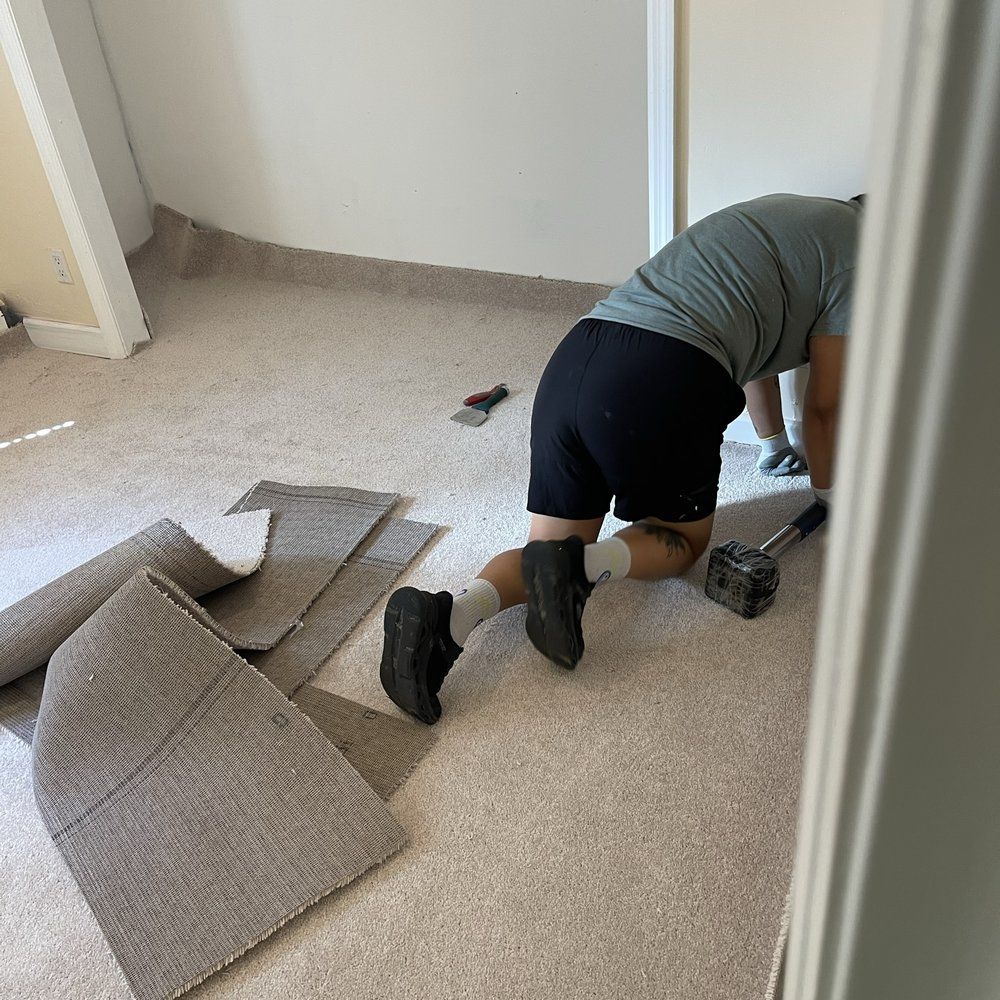
A burst water supply line flooded 1,200 sq ft of carpet and underlay. Our technician immediately extracted standing water, removed soaked padding, and applied antimicrobial drying to salvage original carpet and concrete subfloor.
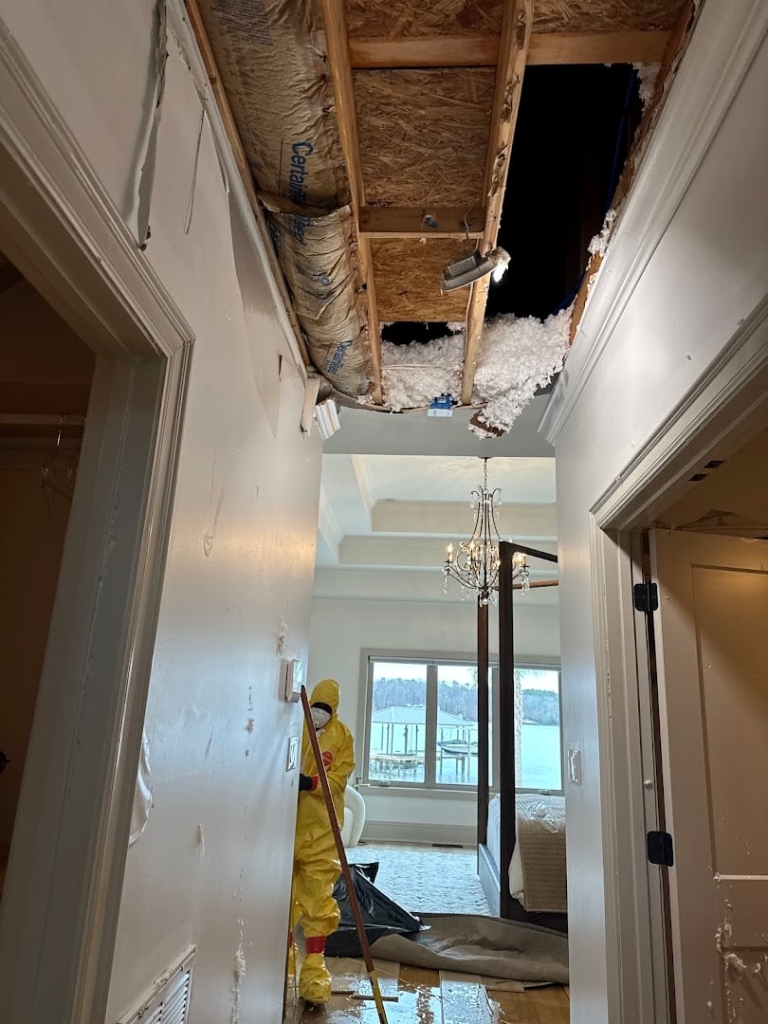
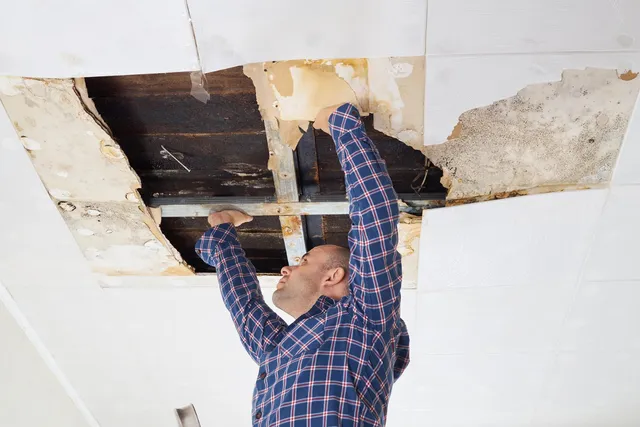
An upstairs plumbing leak produced an expansive ceiling water stain and soaked interior wall framing. We executed an engineered flood cut, mapped wet studs with electronic meters, and deployed commercial LGR drying with zero room teardown.
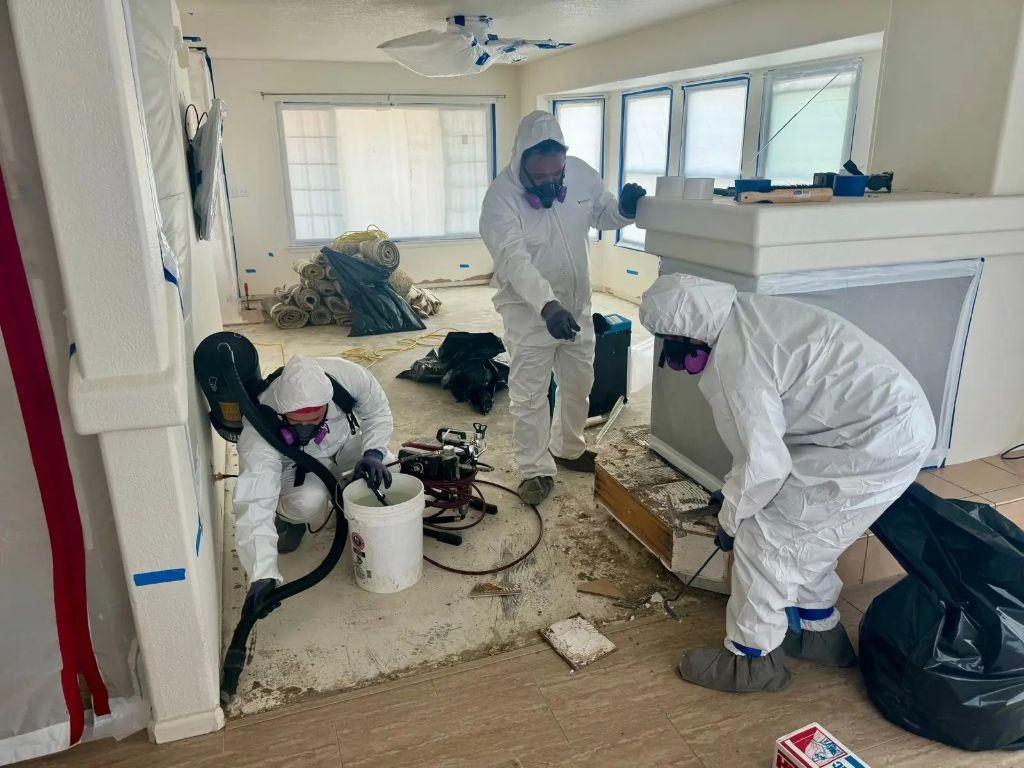
A concealed copper slab leak caused extensive black mold growth behind lower kitchen cabinetry. Valley Restoration Pro contained the zone under HEPA negative air, excised fungal decay, and sanitized the framing with EPA antimicrobials.
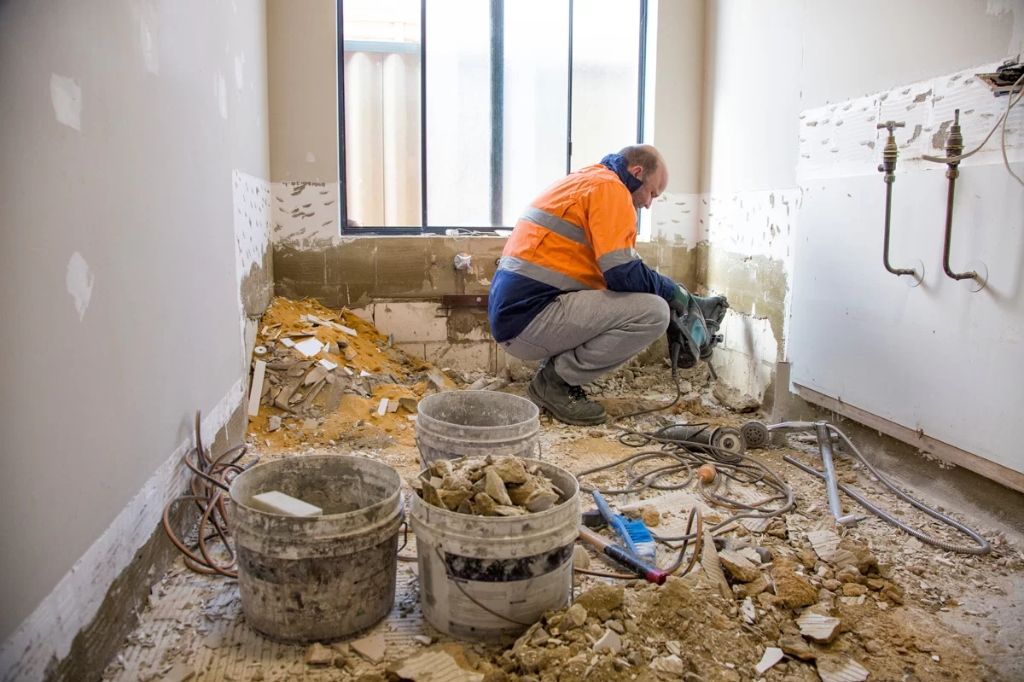
A chronic wax ring toilet leak rotted wooden subflooring beneath master bath tiles. We excavated collapsed subfloor wood, treated support joists with botanical antimicrobials, and rebuilt a reinforced level foundation.
After plumbing failure saturated crawlspace soil, our crew removed damp fiberglass, treated foundation piers with botanical antimicrobials, and sealed the entire crawlspace with a heavy reinforced 20-mil white vapor barrier.
Neglected condensation produced aggressive black mold colonization scaling four feet up partition walls. Valley Restoration Pro contained the room with HEPA scrubbers, excised drywall, and achieved 100% safe air clearance.
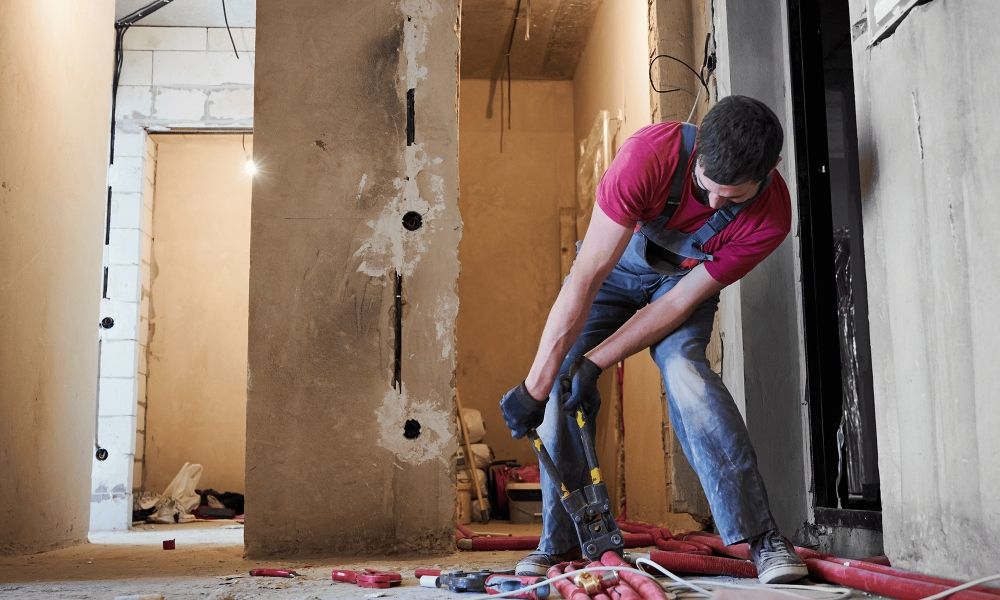
A pressurized copper supply line ruptured beneath a 4-inch concrete slab. Our crew pinpointed the fracture via acoustic ultrasound, broke through concrete with precision demolition hammer equipment, replaced the copper section, and restored the sub-base.
A second-story bathroom supply failure dumped over 800 gallons, collapsing waterlogged drywall and insulation onto custom kitchen cabinetry. We stabilized the ceiling joists, salvaged the shaker cabinets with targeted desiccant dehumidifiers, and completed structural drying.
An overhead commercial fire sprinkler discharge saturated 2,500 sq ft of restaurant flooring with soot-laden water. In full PPE, our specialists scraped saturated tile, cleared toxic soot residues, and applied antimicrobial treatments for rapid reopening.
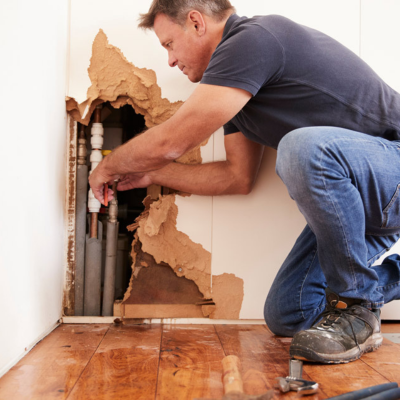
A pressurized pinhole leak behind a custom kitchen island saturated base cabinetry and subflooring. Our specialist made a precision surgical cut inside the cabinet back, repaired the oxidized copper line, and preserved the custom exterior casework intact.
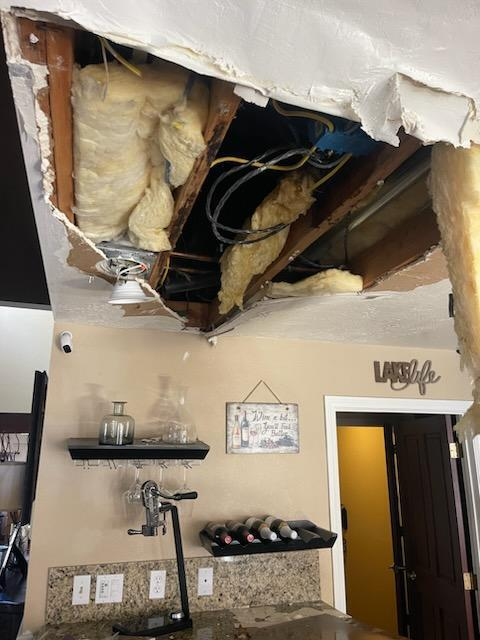
An upstairs supply failure dumped water through ceiling joists directly above a luxury wet bar and wine station. We cleared waterlogged insulation batts, protected the imported granite countertop from impact, and dried structural ceiling joists with LGR units.
HVAC condensate overflow flooded suspended ceiling gridwork across a busy corporate facility. Our team removed saturated mineral fiber tiles, sanitized the overhead steel pan deck, and replaced grid sections over a weekend with zero office downtime.
A storm retention basin failure flooded a commercial subterranean storage warehouse with 18 inches of Category 3 storm runoff. Our industrial crew in hardhats and respirators bagged hundreds of yards of soaked materials and deployed heavy trailer desiccants.
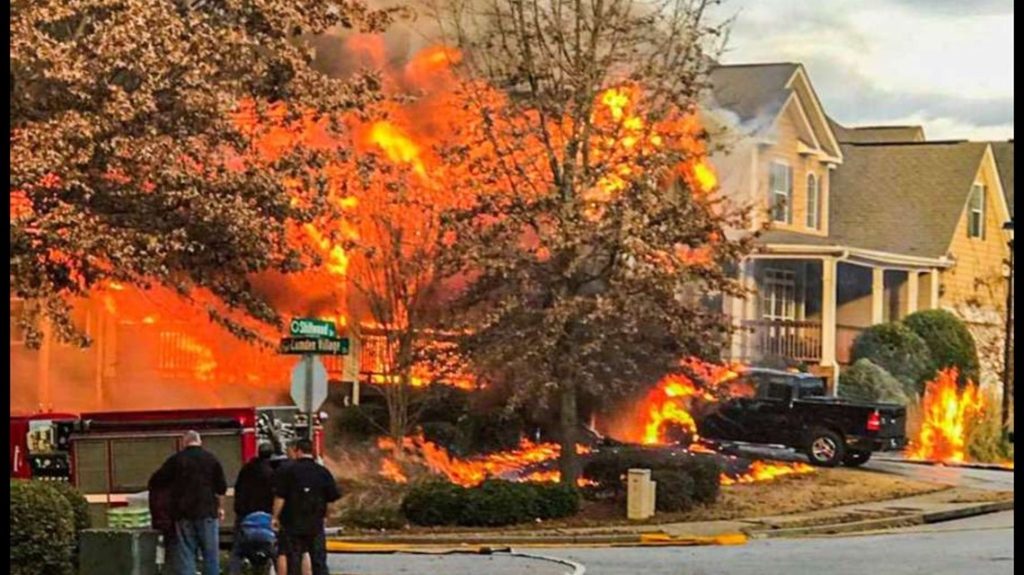
A cooking fire surged through exhaust ducting, charring overhead structural trusses and dumping blown-in attic insulation across kitchen counters. We shored weakened roof framing, scrubbed corrosive soot from interior cavities, and passed all structural inspections.
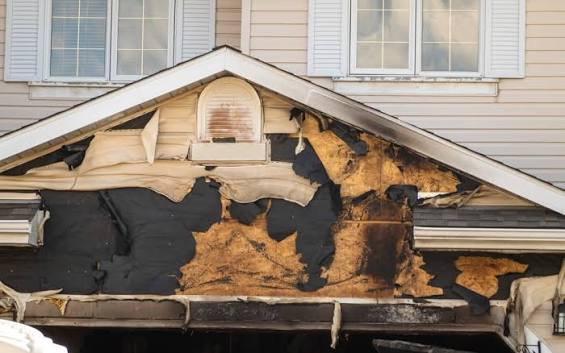
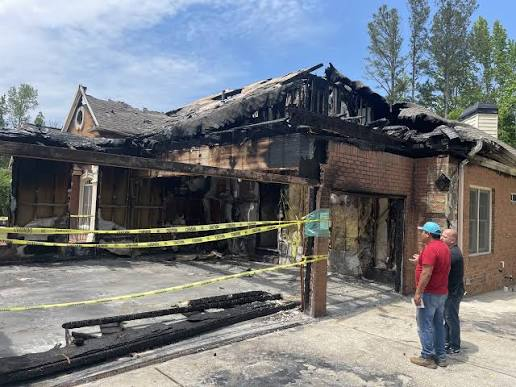
An electrical short in an exterior garage junction box ignited fascia framing and burned off vinyl siding, exposing blackened structural plywood. Our crew stripped burned sheathing, treated intact rafters with encapsulation sealants, and restored weatherproofing.
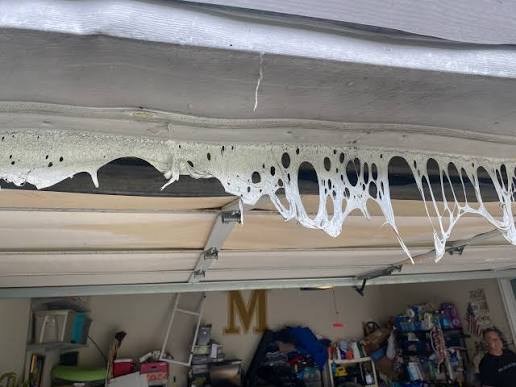
A nearby vehicle fire generated severe radiant thermal transfer, melting garage overhang vinyl soffits into drooping synthetic webbing. We protected the attic perimeter, installed fire-rated fascia ventilation, and sealed the building envelope against smoke seepage.
Read authentic, first-hand accounts from property owners across Phoenix, Scottsdale, Mesa, Chandler, and Gilbert who trusted Valley Restoration Pro when disaster struck.
“Woke up at 3:15 AM to our kitchen island supply line spewing gallons into our custom hardwood floors. I called Valley Restoration Pro in total panic. Marcus and his crew arrived in 28 minutes flat with heavy extraction units. They saved our subfloor, set up commercial desiccant dehumidifiers, and worked directly with State Farm so we didn't have to front thousands out of pocket. True lifesavers.”

“During the July monsoon storm, a roof leak caused our living room drywall ceiling to buckle and collapse onto our furniture. Valley Restoration Pro contained the dust within an hour, hauled away all waterlogged insulation, and treated the structural framing with antimicrobial spray. The crew was respectful, prompt, and thoroughly professional from start to finish.”

“We noticed a warm hot spot on our hallway tiles and heard water hissing underground. Other companies wanted to jackhammer our entire home blindly. Valley Restoration Pro brought in thermal imaging and pinpointed the exact pinhole copper leak beneath the concrete slab with minimal disruption. They handled the insurance paperwork completely.”

“An electrical fire in our service bay caused extensive soot and acrid smoke odor throughout our 8,000 sq ft showroom. Their rapid mitigation team deployed industrial HEPA air scrubbers and thermal fogging immediately. They had our commercial air quality clearance certified in 48 hours, saving us weeks of business downtime.”

“Our water heater burst in the garage while we were away for the weekend, soaking two adjacent bedrooms and closets. Valley Restoration Pro took moisture readings with digital meters, pulled the soaked carpet pad, and dried the wall cavities without tearing out our good baseboards. Honest, transparent, and extremely fast.”

“The hot water intake hose on our second-floor washing machine snapped, sending water pouring down through the downstairs dining room light fixtures. Their emergency crew arrived before the water could soak into our subflooring. The team was calm, reassuring, and their drying equipment was modern and quiet.”

“Found dark mold colonizing behind our master bathroom vanity after a slow drain leak. Valley Restoration Pro set up negative-air containment chambers, safely removed the contaminated sheetrock under strict IICRC protocols, and passed third-party air clearance on the very first test. Cannot recommend them enough.”

“A plastic fitting on our RO drinking system cracked overnight, flooding custom cabinetry and laminate flooring. Valley Restoration Pro saved our lower cabinets using toe-kick cavity drying injectidry systems. They billed our homeowner insurance carrier directly with zero hassle.”

“A flue damper malfunction backed heavy black smoke and oily soot into our cathedral ceilings and custom drapery. Valley Restoration Pro treated every surface with chemical sponge wipes and hydroxyl generators. Within three days, every trace of smoke odor was completely eradicated.”

“Our air handler's condensation drain backed up in the middle of a 115-degree August afternoon, collapsing the ceiling above our home office. Valley Restoration Pro answered my call on the second ring and had an extraction unit in my driveway in 32 minutes. Efficient, courteous, and military-grade discipline.”

Restoring property damage in the Sonoran Desert requires specialized local knowledge. From expansive caliche clay to extreme attic heat and mineral-heavy tap water, homes across the Valley face environmental challenges found nowhere else.
Valley homes are built predominantly over expansive clay and hardened caliche layers. When ground moisture fluctuates between wet monsoons and intense drought, the soil expands and contracts, causing foundation slabs to settle unevenly. This movement exerts severe stress on pressurized copper supply lines buried beneath the concrete, leading to silent foundation slab leaks that erode sub-base fill before surface dampness is detected. We provide non-invasive slab leak water damage restoration and foundation diagnostics.
Municipal water across Phoenix, Scottsdale, Mesa, and Chandler averages between 15 and 25 grains per gallon of mineral hardness. Heavy calcium carbonate scale builds up inside water heaters, valves, and copper junctions. Over time, internal chemical scaling creates pinhole leaks and weakens hot water tank seams, causing sudden pressurized ruptures that release hundreds of gallons in minutes. Our certified technicians deliver rapid copper pipe pinhole leak detection and emergency water heater burst cleanup.
During Arizona summers, closed residential attics routinely reach temperatures between 140°F and 160°F. This intense thermal environment degrades PVC condensate lines, stresses PEX expansion fittings, and cracks HVAC condensation drain pans. When a condensate line clogs with algae or dust, overflow drains directly onto attic drywall ceilings, causing structural collapses into living spaces below.
Severe monsoon thunderstorms generate microburst wind gusts exceeding 60 mph, lifting brittle concrete roof tiles and tearing away dried roofing felt. Driving horizontal rain forces water beneath damaged flashings and into roof parapets. Simultaneously, desert sand and debris clog roof drainage scuppers, ponding thousands of pounds of water over commercial flat decks and home additions.
Arizona's relentless solar radiation breaks down elastomeric coatings and dries out foam roofing membranes across Southwestern parapets and residential additions. Thermal expansion cracks flashing seams along perimeter walls. When torrential summer rains hit, compromised seals allow ponding water to seep silently into ceiling joists and exterior walls long before interior discoloration is spotted.
The Sonoran Desert experiences radical diurnal temperature swings exceeding 40°F between searing midday sun and cold desert nights. Continuous expansion and contraction cycles stress exterior hose bibs, water softener loops, and PEX crimp fittings. Over time, repeated thermal fatigue causes sudden joint separations behind stucco and drywall cavities, releasing pressurized water while residents are asleep. We provide emergency response for water softener burst brine cleanup and sub-wall desiccation.
Valley Restoration Pro proudly serves property owners throughout Phoenix, AZ and surrounding communities. Our specialized crews and equipment rigs are staged across major Valley transportation corridors for rapid emergency response.
If you're unsure whether your property is within our service area, give us a quick call.
Check Service Availability →Comprehensive insurance claims documentation, detailed psychrometric moisture logs, and direct adjuster coordination to streamline your claim.
Direct expert standards to help you navigate property damage, insurance, and emergency mitigation across the Phoenix Valley.
To deliver continuous scientific drying standards under IICRC S500 guidelines, Valley Restoration Pros participates in technical knowledge exchanges with vetted regional restoration leaders across the country. Through our ongoing collaboration with Dallas-Fort Worth disaster recovery specialists Restore Crest, our teams align advanced psychrometric data mapping, industrial desiccant trailer deployment, and non-destructive thermal imaging standards to protect residential and commercial properties nationwide.