

Valley Restoration Pros delivers 24/7 industrial emergency water extraction, thermal psychrometric drying, and structural mitigation across Phoenix and Maricopa County with guaranteed 30–60 minute rapid arrival. All protocols strictly adhere to IICRC S500 standards, featuring upfront itemized pricing and free on-site thermal moisture assessments. Call dispatch directly at (602) 847-9593.
Why Immediate Mitigation Is Critical in Phoenix Heat
Equine surgical suite inundation compromises positive-pressure laminar airflow plenums, spreading opportunistic fungal spores (Aspergillus) and aerosolized bacterial pathogens (Pseudomonas aeruginosa, Rhodococcus equi) into sterile orthopedic operating zones. Subterranean hydrotherapy pool pump ruptures discharge thousands of gallons of chlorinated wastewater beneath interlocked vulcanized rubber stall mats, creating anaerobic bacterial breeding grounds that emit toxic ammonia and hydrogen sulfide gases. Cave Creek and Carefree expansive caliche clay substrates cause severe foundation differential settlement, shearing sub-slab surgical washdown drains and hydrotherapy supply lines beneath heavy large animal recovery pads. Sonoran Desert 115°F ambient heat accelerates bacterial incubation within saturated drywall and sub-floor cavities, transforming clean Category 1 water intrusions into dangerous Category 3 biohazards in under 24 hours.
Equine Surgical Facility Flood Emergency Checklist
- Evacuate large animal patients from flooded recovery stalls to elevated dry stalls using non-slip rescue runners.
- Shut down master backflow assemblies and isolation gate valves supplying hydrotherapy pools and washdown manifolds.
- De-energize sub-floor circuits, hydraulic operating table motors, and heated recovery slab elements at main electrical panels.
- Seal return air vents in sterile surgical suites to prevent mold spores and moisture from infiltrating HVAC air handlers.
- Prohibit dragging or driving heavy farm tractors across wet rubber stall mats or soft sub-base areas.
- Call Valley Restoration Pros immediately at (602) 847-9593 for 30-minute commercial emergency dispatch.

Service Definition & The IICRC Standard of Care
Professional cave creek equine surgical veterinary hospital flood restoration is an engineering and environmental discipline adhering strictly to IICRC S500 protocols, not mere surface mopping. When structural plumbing failures strike in Maricopa County, certified emergency water extraction and thermal structural drying procedures must be deployed immediately. Whether triggered by high-pressure burst pipe emergencies, subfloor leaks, or commercial line ruptures, bound moisture rapidly penetrates concrete subfloors and wall framing. In the desert heat, delays trigger microbial proliferation requiring rapid mold remediation. Request damage assessment through our emergency assessment portal or request 30-minute dispatch across all Valley service areas.
Securing electrical feeds, inspecting load-bearing assemblies, and containing pathogens.
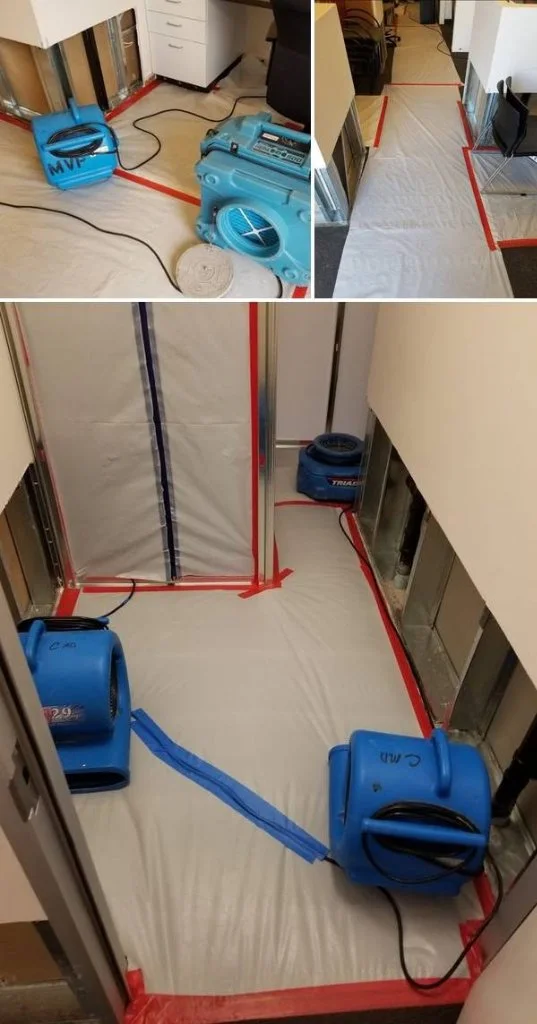
Stopping the intrusion source and erecting 6-mil plastic isolation containment airlocks.
31-HP truck-mount extraction, removing gallons exponentially faster than evaporation.
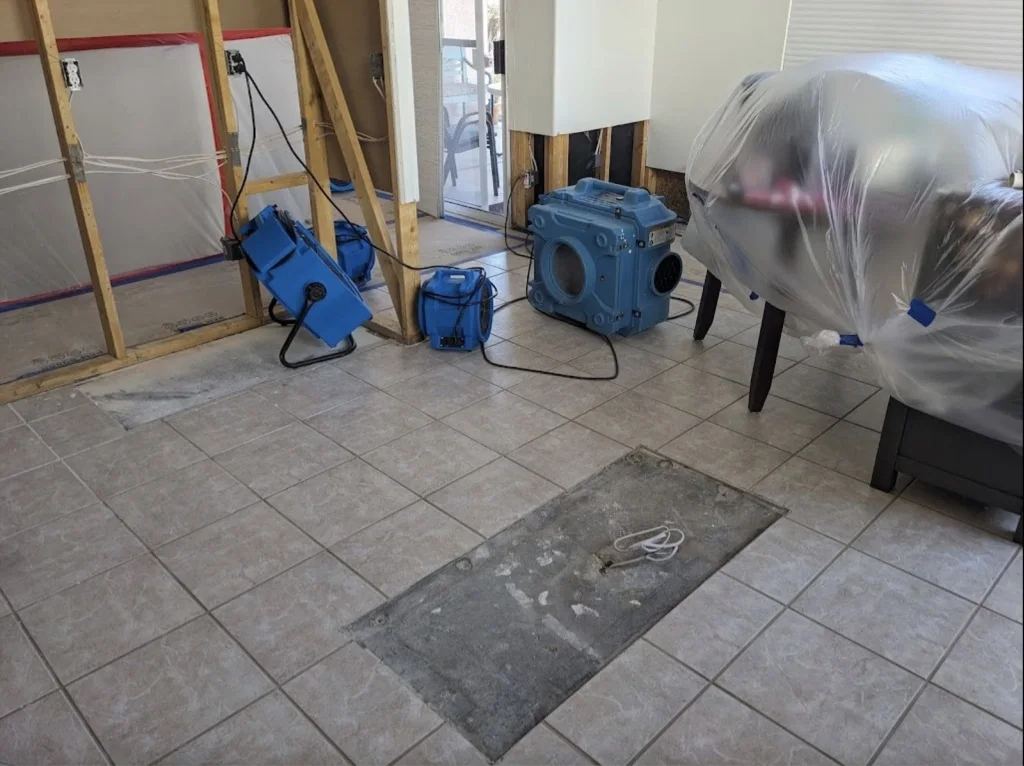
LGR dehumidifiers and HEPA air scrubbers driving grains per pound below 25 GPP.
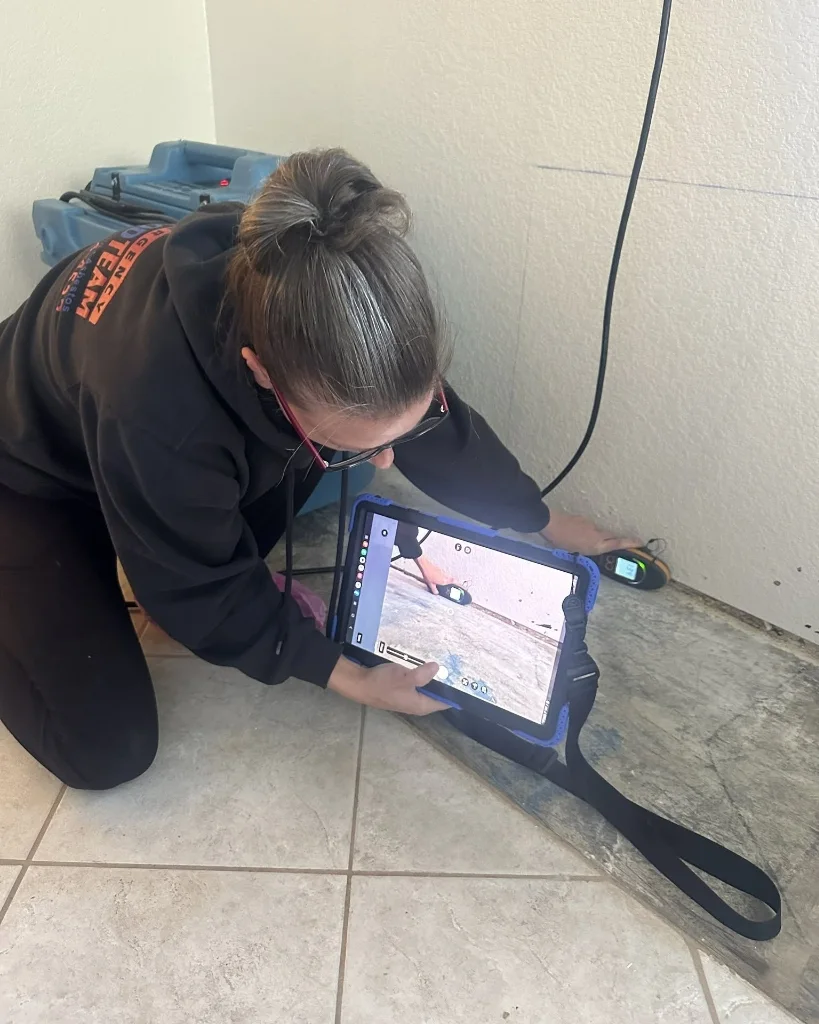
Calibrated electronic pinless testing confirming baseline dry standards.
Fatal Facility Mistakes During Equine Hospital Flooding
Property owners naturally try to act fast, but well-intentioned DIY measures frequently escalate structural damage or void insurance claims:
- Using toxic quaternary ammonium or chlorine bleach disinfectants whose chemical fumes cause severe respiratory distress in horses.
- Leaving vulcanized rubber stall mats in place, trapping stagnant wastewater and breeding dangerous anaerobic bacteria.
- Attempting to dry saturated concrete slabs with standard janitorial fans without establishing negative-air HEPA containment.
- Re-energizing flooded hydraulic operating tables before professional electronic and moisture diagnostics are completed.
Damage Severity Classification & Contamination Matrix
Industry standards categorize property damage by contamination risk and drying difficulty. Review the matrix below to understand the technical protocols required:
Source Examples: Potable supply line or RO water burst in clean surgical pharmacy
Hazards & Risks:
Certified Protocol: Rapid vacuum extraction, LGR dehumidification, baseline moisture documentation
Source Examples: Equine hydrotherapy pool pump seal rupture or wash rack overflow
Hazards & Risks:
Certified Protocol: Bulk water extraction, rubber stall mat removal, botanical biocide application, psychrometric desiccation
Source Examples: Sewer lateral backflow through kennel/stall drains or monsoon wash runoff
Hazards & Risks:
Certified Protocol: Full biohazard containment, negative-air HEPA scrubbing, controlled flood cuts, PRV & ATP testing
The Complete 6-Stage Restoration Roadmap
Our IICRC-certified crews execute a disciplined, scientific 6-stage protocol to stabilize and dry structural components:
Emergency Dispatch & Perimeter Isolation
30 to 60 minute arrival. Securing electrical shutoffs, evaluating structural loads, and erecting containment airlocks.
FLIR® Thermal Mapping & Baseline Scans
Infrared thermal scans detect trapped moisture behind walls and beneath concrete without invasive exploratory demolition.
High-Volume Bulk Extraction
31-HP truck-mount extraction units pump standing water away at hundreds of gallons per minute.
Controlled Selective Demolition
Precision flood cuts 12 to 24 inches above moisture lines, removing wet insulation and opening wall framing to dry airflow.
Thermodynamic Dehumidification
Industrial Low-Grain Refrigerant dehumidifiers pull deep trapped moisture from dense framing lumber and concrete slabs.
Antimicrobial Sanitization & Verification
EPA-registered botanical application (Benefect Decon 30) and calibrated moisture testing to issue an official dry certificate.
Specialized Equipment & Industrial Restoration Technology
Mitigating severe property damage requires industrial-grade technology capable of altering thermodynamic psychrometrics:
Truck-Mounted Extraction Rigs
31-HP engines producing 16+ inches Hg vacuum suction to evacuate bulk water rapidly into holding tanks.
Low-Grain Refrigerant Dryers
Pre-cooling heat-pipe systems driving ambient grains per pound below 25 GPP to draw deep trapped water out of framing.
HEPA Negative-Air Scrubbers
Hospital-grade 99.97% particulate filtration capturing microscopic fungal spores, soot, and biohazard aerosols.
FLIR® Thermal Scanners & Probes
Infrared thermography detecting evaporative cooling boundaries behind walls, combined with digital RF pinless scanners.
Professional Restoration vs. DIY Mitigation
Attempting DIY cleanup during a property disaster creates severe hidden liabilities:
- Trapped Moisture: Surface drywall dries while moisture inside cavities triggers hidden mold blooms.
- Pathogenic Risks: Category 2 & 3 water contains bio-contaminants standard cleaners fail to kill.
- Insurance Denial: Insurers require daily psychrometric logs; lack of data causes claim disputes.
Transparent Upfront Itemized Pricing
Valley Restoration Pros operates with complete transparency:
- Free On-Site Assessment: Complete physical inspection before work begins.
- Upfront Itemized Estimates: Detailed line items calculated via industry-standard Xactimate.
- Zero Surprise Billing: No hidden charges or unauthorized repairs.
Certified Cave Creek Equine Surgical Veterinary Hospital Flood Restoration Field Documentation
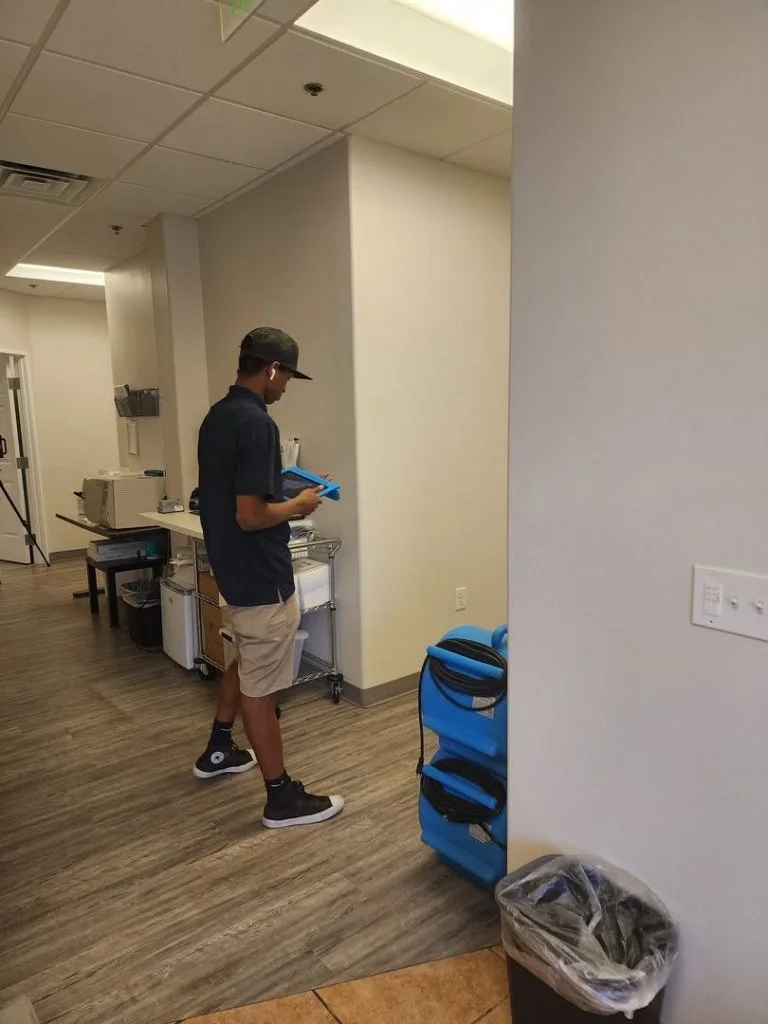
Every response performed by Valley Restoration Pros is documented through photographic and thermographic records:
Comprehensive Cave Creek Equine Surgical Veterinary Hospital Flood Restoration Technical Manual & Operational Standards
Exhaustive engineering protocols, psychrometric calculations, geological multipliers, and step-by-step restoration standards for Maricopa County properties:
Executive Emergency Abstract: Cave Creek Equine Surgical Veterinary Hospital Flood Mitigation & Biosecurity Restoration
Nestled within the high-desert equestrian corridors of Cave Creek, Carefree, and the northern foothills of Scottsdale, premier equine veterinary hospitals and specialized surgical centers provide critical medical care for multi-million-dollar equine athletes. From championship Arabian show stock and elite reining quarter horses to international grand prix show jumpers, equine patients demand clinical environments that rival human surgical trauma centers. These world-class veterinary facilities feature precision medical infrastructure: motorized hydraulic surgical tables engineered to articulate 2,500-pound equine patients, overhead gantry monorail hoist systems, padded induction and recovery boxes, closed-circuit equine ventilator anesthesia machines, digital laparoscopy and arthroscopy diagnostic towers, and high-volume rehabilitation hydrotherapy pools.
However, when catastrophic water intrusions occur—whether triggered by high-pressure hydrotherapy pump ruptures, subterranean washdown drain blockages, ceiling chilled water line bursts, or violent Sonoran Desert monsoon flash flooding—the clinical and financial stakes are immense. Inundation inside an equine surgical hospital is fundamentally different from typical commercial water damage. Floodwaters mixing with organic equine residues, stall wood shavings, fecal coliforms, and equine dander convert rapidly into hazardous microbiological reservoirs. Uncontrolled moisture infiltration threatens the delicate sterile pressure boundaries of operating suites, risking airborne spore infiltration and postoperative infections like joint sepsis or surgical site dehiscence that can permanently end an athletic horse's career.
Restoring an equine surgical hospital demands far more than basic water vacuuming and janitorial blowers. It requires certified engineering protocols conforming strictly to IICRC S500 and S520 restoration standards, true negative-pressure HEPA biosecurity containment, high-volume emergency water extraction assets, hospital-grade pet-safe botanical disinfection, and precision psychrometric moisture desiccation. Valley Restoration Pros maintains a 24/7 dedicated commercial large animal emergency response team equipped to deploy specialized truck-mounted extraction equipment, desiccant drying arrays, and ATP bioluminescence diagnostic testing across Cave Creek, Carefree, and the entire Greater Phoenix metropolitan area.
Immediate Equine Surgical Hospital Flood Action Directives
- Immediate Equine Patient Safety & Relocation: Safely transition equine patients out of flooded induction stalls and recovery suites to elevated, dry boarding wings or exterior medical paddocks. Utilize overhead hoist tracks or non-slip rescue slings with extreme caution to prevent horses from slipping on moisture-slicked concrete or saturated rubber mats.
- Isolate Sterile Operating Suite HVAC Plenums: Immediately seal return air grilles and shut down positive-pressure laminar airflow air handlers serving sterile operating rooms if floodwaters enter adjacent washrooms or corridors. Preventing the HVAC system from pulling moisture vapor and fungal spores into sterile air loops protects multi-million-dollar surgical equipment from bio-contamination.
- De-Energize Sub-Floor & Hydraulic Electrical Services: Shut off circuit breakers controlling floor-recessed hydraulic operating table pumps, motorized hoist tracks, low-voltage surgical lamps, and heated recovery floor pads at the clinical distribution sub-panel to prevent electrocution and catastrophic short circuits.
- Mobilize Specialized Large Animal Clinical Restoration: Contact Valley Restoration Pros at (602) 847-9593. Our IICRC-certified commercial restoration specialists deploy within 30 minutes with high-volume extraction units, negative-air HEPA scrubbers, and pet-safe botanical virucides to protect equine lives and preserve sterile clinical operations.
Anatomy of Equine Clinical Inundations: Hydrotherapy Failures, Stall Mat Seepage & Surgical Plenums
Large animal veterinary hospitals and equine surgical centers operate under demanding mechanical, biological, and physical parameters. The sheer volume of water utilized for equine hydrotherapy, post-surgical rehabilitation pools, washdown racks, and sterile equipment autoclaves creates severe structural vulnerabilities. When plumbing or drainage systems fail, water follows complex hydro-mechanical pathways that saturate structural substrates and compromise sterile hospital zones:
Hydrotherapy Aqua-Treadmill & Pool Failures
Equine rehabilitation pools and underwater treadmills circulate between 10,000 and 25,000 gallons of water through high-capacity commercial pump impellers and subterranean PVC manifolds operating at 60 to 90 PSI. Mechanical shaft seal failures, ruptured backwash diversion valves, or cracked subterranean suction lines release massive tidal surges that breach containment curbs, inundating adjacent medical halls and imaging rooms.
Rubberized Stall Mat Capillary Moisture Trapping
Induction boxes, recovery stalls, and intensive care units utilize dense 3/4-inch to 1-inch vulcanized rubber mats or seamless poured polyurethane cushion flooring over monolithic concrete slabs. When floodwaters flow across stall floors, moisture seeps beneath mat interlocks through capillary action. Trapped beneath impermeable rubber, standing wastewater cannot evaporate, turning into an anaerobic biohazard broth that decomposes organic shavings, urine salts, and manure into dangerous gases.
Sterile Surgical Suite Plenum Infiltration
Equine surgical suites rely on positive-pressure laminar airflow diffusers delivering HEPA-filtered sterile air down over the surgical field. When floodwaters saturate perimeter drywall cavities or sub-slab utility chases containing hydraulic and medical gas lines, moisture migrates into return air shafts. The resulting rapid spike in relative humidity compromises sterile boundary pressurization, risking fungal spore dispersal across orthopedic surgical implants and sterile instrument trays.
Sub-Slab Trench Drain Backflow & Blockages
Equine prep bays and wash racks are equipped with deep continuous trench drains engineered with sediment baskets. Over time, coarse equine hair coats, hoof packings, wood shavings, and mineral sediment bypass drain grates, creating dense fibrous dams inside underground sewer laterals. When pressurized wash water or plumbing discharges back up, Category 3 blackwater regurgitates directly into patient recovery corridors, spreading toxic bacteria across clinical flooring.
The presence of deep sub-floor moisture beneath vulcanized stall pads poses acute clinical hazards. In unconditioned or partially conditioned equine recovery barns, trapped stagnant moisture generates hazardous concentrations of ammonia ($NH_3$) and hydrogen sulfide ($H_2S$), which trigger acute reactive airway disease in equine respiratory tracts. For facilities experiencing subterranean sewer lateral overflows, our certified sewage cleanup services provide complete biological extraction, enzymatic washdown, and viral eradication.
Furthermore, water migrating beneath seamless polyurethane surgical floors creates severe osmotic blistering. Vapor pressure trapped between saturated concrete slabs and non-permeable medical floor membranes forces large bubbles to erupt across operating room surfaces, ruining the sterile floor seal and necessitating costly mechanical tear-outs if high-velocity structural drying procedures are not initiated immediately.
Phoenix & Cave Creek Climatic Multipliers: Hard Water Scale, 115°F Heat & Caliche Soils
Operating an advanced equine medical facility in Cave Creek and the Sonoran Desert foothills presents environmental and geological challenges found nowhere else in North America. Regional municipal water characteristics, extreme ambient heat, and expansive desert soils actively accelerate plumbing system degradation and compound flood severity:
1. Extreme 18 GPG Municipal & Private Well Hard Water Scale
Water supplies across Cave Creek, Carefree, and North Scottsdale originate from deep desert aquifers, Central Arizona Project canals, and the Salt River reservoir network. This water contains heavy concentrations of dissolved calcium carbonate ($CaCO_3$) and magnesium ions, routinely testing between 18 and 24 grains per gallon (GPG)—classifying it as severely hard. In equine veterinary hospitals utilizing commercial boiler loops, autoclave steam sterilizers, reverse osmosis systems, and heated hydrotherapy pools, this mineral content precipitates as rock-hard calcified scale along the internal walls of copper and galvanized steel plumbing.
Mineral scaling narrows internal pipe diameters, sharply increases fluid friction, and causes localized thermal stress points. In commercial water heaters and hydrotherapy heat exchangers, calcium accumulation creates thermal insulation barriers that superheat underlying copper walls, leading to sudden high-pressure ruptures. For facilities dealing with aged plumbing failures, our specialized burst pipe repair protocols provide emergency line freezing, pipe bypass routing, and flood containment.
2. 115°F Desert Summer Ambient Heat & 24-Hour Bacterial Incubation
During the Sonoran Desert summer from May through October, ambient outdoor temperatures regularly reach 115°F, while attic spaces and unconditioned barn roof decks exceed 140°F. When water intrudes into an equine hospital building envelope, this extreme ambient thermal energy converts saturated building assemblies into microbiological incubators. Clean Category 1 water originating from broken potable water lines degrades into Category 2 graywater in less than 24 hours, and rapidly transitions into hazardous Category 3 blackwater within 36 to 48 hours.
In large animal surgical centers, microbial proliferation poses catastrophic threats. Bacterial pathogens such as Salmonella enterica, Rhodococcus equi, Pseudomonas aeruginosa, and opportunistic fungi like Aspergillus germinate exponentially in warm, moisture-laden wall cavities and beneath damp rubber mats. Without immediate deployment of high-capacity negative-air HEPA scrubbers and pet-safe botanical antimicrobial agents, fungal hyphae penetrate porous drywall, wood framing, and acoustic ceiling panels, triggering mandatory facility shutdowns and requiring comprehensive mold remediation protocols.
3. Expansive Caliche Hardpan Soils & Sub-Slab Plumbing Shearing
Cave Creek geology is dominated by coarse alluvial outwash underlain by dense, cemented calcium carbonate layers known locally as caliche. Caliche forms an almost impermeable subterranean barrier that resists natural downward water drainage. Beneath heavy equestrian concrete slabs—which support massive 2,500-pound surgical tables and intensive large animal traffic—caliche clay lenses exhibit intense shrink-swell behavior when exposed to moisture fluctuations.
During summer monsoon flash flood storms down Cave Creek Wash or following slow sub-surface plumbing leaks, moisture collects along the impermeable caliche shelf, exerting upward hydrostatic heave against foundation slabs. This soil displacement snaps subterranean PVC drain laterals, fractures copper hydrotherapy supply lines, and creates subterranean voids. When sub-slab drainage lines rupture, pressurized water channels upward through slab expansion joints, saturating clinical suites from below. For facilities impacted by underground foundation leaks, our advanced slab leak water damage restoration teams utilize acoustic frequency locators and ground-penetrating radar to pinpoint subterranean pipe fractures with zero unnecessary slab destruction.
Immediate Emergency First-Hour Protocol, Biosecurity Safety & Equine Patient Protection
When floodwaters strike an equine veterinary hospital or surgical facility, the initial sixty minutes determine whether high-value large animal patients remain safe, sterile operating environments stay uncompromised, and property losses remain contained. Facility directors, equine surgeons, and veterinary technicians must execute strict emergency biosecurity protocols:
Stage-by-Stage Equine Clinical Emergency Triage Protocol
Phase 1: Equine Patient Triage & Controlled Evacuation
Prioritize patient safety above all building assets. Immediately inspect all post-operative recovery boxes, intensive care stalls, and induction suites. Sedated, anesthetized, or recumbent horses are in acute danger of hypothermia, chemical aspiration, and physical trauma if water levels rise. Mobilize trained equine handlers and deploy overhead gantry slings or rescue sleds to relocate immobilized horses to high-and-dry intensive care stalls. For standing horses, lead them through rubber-lined exit lanes, completely avoiding slick flooded concrete corridors where horses can slip, panic, and suffer catastrophic orthopedic injuries.
Phase 2: Complete Mechanical & Hydrotherapy Water Isolation
Immediately locate and shut down the main facility water supply valve or dedicated zone isolation valves serving hydrotherapy pools, washdown hoses, and surgical scrub stations. Close the master backflow prevention shutoff valve to prevent contaminated water from siphoning into clean municipal or well water systems. If the flood originates from an equine aqua-treadmill or pool filtration room, engage emergency pump kill switches and close return check valves to stop water surging from holding reservoirs.
Phase 3: High-Voltage Electrical & Medical Gas Isolation
Equine surgical hospitals house substantial electrical loads: 240V/480V three-phase power supplying hydraulic table pumps, laser surgical units, digital radiography transformers, and heated stall slab circuits. Water encroaching upon sub-floor junction boxes or low-mounted medical receptacles presents lethal electrocution hazards for staff and horses. De-energize affected branch circuits at the main electrical switchgear. Concurrently verify that oxygen, nitrous oxide, and medical vacuum line manifolds are secured and isolated from flood exposure.
Phase 4: Establishing Biosecurity Barriers & Zonal Quarantine
Establish three distinct operational zones: Contaminated (Hot Zone), Decontamination Buffer (Warm Zone), and Clean Clinical Operating (Cold Zone). Deploy temporary 6-mil polyethylene isolation curtains and adhesive walk-off mats at entryways between the flooded barn/recovery areas and sterile surgical corridors. Under no circumstances should staff walk freely between manure-contaminated floodwater zones and clean surgical prep rooms. To manage severe biological contamination, our certified biohazard cleanup specialists deploy medical-grade biocides and physical barrier systems.
For commercial veterinary operators facing large-scale structural water intrusions across patient treatment areas and clinical offices, explore our comprehensive commercial water damage restoration protocols or initiate instant dispatch through our 24/7 emergency command center at (602) 847-9593.
Advanced Industrial Equipment Deployment: Clinical Air Scrubbing, Desiccants & ATP Diagnostics
Restoring an equine surgical suite and large animal hospital demands specialized industrial equipment engineered to meet strict biosecurity standards while withstanding the physical rigors of equestrian facilities. Valley Restoration Pros deploys advanced technology tailored to clinical veterinary environments:
Negative-Air HEPA Scrubbers
We deploy commercial Phoenix Guardian HEPA and DefendAir HEPA 500 air filtration units configured with 3-stage filtration: 30% MERV 8 pre-filters, activated carbon gas-phase sorption filters, and true DOP-tested HEPA filters capturing 99.97% of airborne particulates down to 0.3 microns. By maintaining a continuous negative pressure gradient of at least -0.02 inches of water column relative to clean medical corridors, our equipment prevents airborne fungal hyphae and equine dander from infiltrating sterile operating suites.
Pet-Safe Botanical Virucide Fogging
Synthetic disinfectants such as quaternary ammonium compounds, chlorine bleach, and phenolics release volatile organic compounds (VOCs) that trigger acute bronchial spasm and pulmonary edema in equine respiratory systems. Valley Restoration Pros strictly utilizes EPA-registered, hospital-grade botanical biocides—specifically Benefect Decon 30—applied via Ultra-Low Volume (ULV) cold atomizing foggers and electrostatic sprayers. Its thymol active ingredient achieves 99.99% kill rates against veterinary pathogens with zero chemical off-gassing and zero toxic residues.
Industrial LGR & Desiccant Dehumidifiers
Removing bound moisture from thick monolithic concrete slabs beneath rubber mats requires immense thermodynamic vapor pressure deficits. We deploy high-capacity Low-Grain Refrigerant (LGR) dehumidifiers like the Phoenix DryMAX XL and trailer-mounted desiccant systems capable of producing ultra-dry air below 30 Grains Per Pound (GPP). This aggressive moisture deficit draws deep capillary water upward from concrete foundations and masonry partition blocks without damaging structural integrity.
ATP Bioluminescence & Psychrometric Diagnostics
Clinical verification cannot rely on visual inspection alone. Our technicians utilize Hygiena Ensure Touch ATP luminometers to collect surface swabs from recovery pads, surgical tables, and drywall framing, measuring Relative Light Units (RLU) to objectively confirm the eradication of biological matter. We pair this with calibrated Tramex concrete moisture meters, Protimeter penetrating probes, and FLIR thermal infrared cameras to map moisture plumes behind tile walls and concrete subfloors.
Comparative Technology: Equine Clinical Sanitization vs Standard Cleaning
Equine surgical centers require specialized decontamination equipment that accounts for large animal biological loads, drug interactions, and sterile air cascades. Below is an overview of how clinical restoration technology compares against conventional commercial cleanup methods:
| Restoration Vector | Conventional Commercial Cleanup | Valley Restoration Pros Clinical Equine Protocol |
|---|---|---|
| Air Quality Control | Standard axial fans blowing unfiltered air across damp debris | Negative-pressure HEPA containment scrubbing down to 0.3 microns |
| Disinfection Chemistry | Synthetic bleach or quat ammonium releasing toxic lung irritants | Benefect Decon 30 botanical thymol virucide with zero toxic off-gassing |
| Stall Mat Remediation | Surface mopping leaving stagnant blackwater trapped beneath mats | Full mat removal, pressure wash, biocide soaking, and sub-slab desiccation |
| Moisture Verification | Subjective tactile touch check ("feels dry to the touch") | Quantitative impedance moisture meters, FLIR thermal scans & ATP tests |
IICRC S500 & S520 Restoration Protocol for Large Animal & Equine Surgical Facilities
Restoring an equine surgical hospital to sterile operating readiness requires rigorous adherence to standardized scientific procedures. Valley Restoration Pros follows an exacting six-stage restoration protocol adapted from the Institute of Inspection, Cleaning and Restoration Certification (IICRC) S500 Standard for Professional Water Damage Restoration and S520 Standard for Professional Mold Remediation:
Stage 1: Multi-Vector Damage Assessment & Biosecurity Containment Setup
Our IICRC-certified Commercial Master Restoration Managers arrive on site with comprehensive diagnostic arrays. We establish baseline psychrometric readings (ambient temperature, relative humidity, dew point, and grains per pound). Technicians perform high-resolution FLIR infrared thermal imaging scans across surgical suites, recovery boxes, prep areas, and drywall chases to map every moisture pocket. Concurrently, our crews erect 6-mil polyethylene containment barriers with magnetic zipper portals, setting up negative-air HEPA scrubbers to isolate the affected areas from unaffected sterile operating suites and diagnostics labs.
Stage 2: High-Volume Industrial Bulk Water Extraction
Water extraction is five hundred times more efficient than evaporation. Valley Restoration Pros deploys truck-mounted, high-cfm extraction units equipped with weighted extraction wands and submersible trash pumps. Our crews extract standing floodwater from hydrotherapy vaults, equine wash stalls, corridor drainage basins, and surgical suite floors. Vacuum extractors pull pooled water from floor-recessed hydraulic scissor-lift pits beneath operating tables, preventing sensitive hydraulic solenoids, hydraulic fluid tanks, and 240V pump motors from experiencing catastrophic water immersion.
Stage 3: Rubberized Stall Mat Extraction & Sub-Floor Sanitization
In an equine medical environment, vulcanized rubber stall mats and recovery pads cannot be dried in place. Our technicians methodically pull each interlocking rubber mat, cataloging its position for seamless reinstallation. The underside of each mat is thoroughly pressure-washed with heated water and saturated with Benefect Decon 30 botanical biocide to eradicate anaerobic bacteria and fecal pathogens. The underlying concrete sub-slab is thoroughly vacuumed, squeegeed, scrubbed with rotary mechanical floor machines, and sanitized to eliminate trapped organic sludge.
Stage 4: Surgical Wall Cavity Flood Cuts & Antimicrobial Application
Where moisture has wicked into drywall partitions separating patient recovery stalls and surgical prep zones, our crews make precision surgical flood cuts 12 to 24 inches above the highest moisture tide mark using HEPA-shrouded oscillating tools. Saturated fiberglass batt insulation is bagged inside containment and removed. Wall cavity framing studs are treated with EPA-registered botanical virucides applied via electrostatic sprayers, creating a persistent antimicrobial barrier that inhibits mold and fungal spore germination during the drying cycle.
Stage 5: High-Vapor-Deficit Psychrometric Desiccation
We establish an engineered structural drying matrix utilizing industrial LGR dehumidifiers and high-velocity axial air movers configured in continuous circular vortex airflows. Air movers are set at 45-degree angles to sweep away the stagnant boundary layer of moist air clinging to concrete slabs, walls, and structural steel beams. Dehumidifiers continuously condense moisture vapor, driving interior specific humidity below 30 GPP. This aggressive vapor pressure differential draws bound capillary water from deep inside porous concrete slabs and masonry blocks.
Stage 6: Post-Remediation Verification & ATP Surgical Clearance
Before any equine surgical suite is cleared for clinical operations, our team conducts stringent Post-Remediation Verification (PRV). Moisture meter probes confirm that concrete slabs have returned to pre-loss dry standards (typically under 12% wood moisture equivalent or below 75% internal relative humidity). Our technicians perform ATP bioluminescence surface swabbing across surgical prep surfaces, recovery mat underlays, and floor finishes, requiring readings below 15 RLU. Once air clearance tests confirm zero fungal amplification, containment barriers are removed and clinical certification documentation is provided to the medical director.
For commercial veterinary clinic operators who also manage small animal boarding runs or canine hydrotherapy suites, review our specialized manual on veterinary clinic kennel sewage backup restoration for complete biohazard remediation protocols.
Hyper-Local Case Study: Premier Equine Surgical Hospital Flood Restoration in Cave Creek, AZ
Equine Orthopedic Hospital Hydrotherapy Line Rupture & Recovery Suite Flood
Location: Commercial Equine Medical Facility, Cave Creek Road & Carefree Highway, Cave Creek, AZ 85331
Emergency Incident Summary & Initial Conditions
At 3:15 AM following a severe late-August monsoon storm delivering 1.8 inches of rain over the Cave Creek foothills, a commercial equine hospital located near Cave Creek Road and Carefree Highway experienced a major utility rupture. Deep caliche clay shifting beneath the hydrotherapy wing sheared a subterranean 3-inch schedule 80 PVC return manifold. Over 7,000 gallons of recirculating hydrotherapy pool water erupted upward through floor expansion joints, flooding the equine rehabilitation gym, four critical intensive care stalls, two padded induction boxes, and migrating down the central corridor toward Operating Suite 1.
Two post-operative thoroughbred racehorses were stabled in adjacent intensive care stalls, while a delicate arthroscopic knee surgery was scheduled for a premier reining stallion at 9:00 AM. Stagnant water had already seeped beneath the thick vulcanized rubber stall mats, saturating wood bedding shavings and elevating the indoor relative humidity to 84% at 112°F outdoor temperature.
Deployment & Rapid Clinical Execution
Valley Restoration Pros received the emergency dispatch call at 3:32 AM. Our commercial emergency response team arrived on site in Cave Creek at 3:58 AM—within 26 minutes of dispatch—mobilizing two commercial extraction trucks, four high-capacity LGR dehumidifiers, two trailer desiccant units, 32 axial air movers, and four Phoenix Guardian HEPA air scrubbers.
Immediate tactical actions included:
- Erecting airtight negative-pressure poly containment barriers isolating the entire surgical corridor from the flooded hydrotherapy and stall zones, preventing airborne dust and moisture from entering Operating Suite 1.
- Extracting 6,400 gallons of bulk standing water in 90 minutes using truck-mounted vacuum extractors and weighted hard-surface floor wands.
- Lifting 44 heavy vulcanized rubber stall mats (weighing 90 lbs each), washing them in outdoor decontamination stations with Benefect Decon 30 botanical biocide, and extracting trapped organic slurry from the raw concrete sub-slab.
- Performing 18-inch precision flood cuts on non-bearing drywall partition walls in patient holding corridors that exhibited moisture wicking over 45% moisture content.
- Deploying 32 axial air movers in continuous thermodynamic circular vortices paired with desiccant dehumidifiers producing 24 GPP ultra-dry air.
Quantitative Psychrometric Results & Clinical Re-Opening
Within 48 hours of continuous psychrometric desiccation, ambient relative humidity inside the facility dropped from 84% to 28%, and specific humidity decreased from 104 GPP to 32 GPP. Concrete sub-slab moisture dropped from 95% WME to 11.4% (well within the dry standard of 12%). Surface ATP bioluminescence swabbing returned an extraordinary 8 RLU (the clinical pass threshold is 30 RLU), confirming zero biological contamination. Operating Suite 1 maintained sterile containment throughout the entire event, allowing scheduled orthopedic surgeries to resume with zero microbial complications or patient relocations. Total business interruption was reduced by an estimated 14 days.
Transparent Financial & Commercial Insurance Documentation Standards
Managing an emergency flood inside a commercial equine surgical center involves complex commercial property insurance, veterinary professional liability riders, and business interruption policies. In accordance with strict industry compliance and legal standards, Valley Restoration Pros operates with complete billing transparency:
Free On-Site Damage Assessment
We provide a comprehensive, complimentary on-site physical damage assessment before performing non-emergency work. Our certified project managers inspect all flooded areas, document moisture perimeters using thermal imaging cameras, and establish clear scopes of work tailored to clinical requirements.
Transparent Upfront Itemized Pricing
We never provide vague verbal quotes or lump-sum surprises. Every restoration estimate is itemized using Xactimate—the gold-standard pricing software used by major commercial insurance carriers—benchmarked to current Maricopa County labor and material price indexes.
Zero Misleading Direct Billing Promises
We strictly adhere to ethical business practices: we never promise that insurance will pay 100% of costs or that facility owners bear zero financial responsibility. Commercial insurance policies contain deductibles, special endorsements, and depreciation schedules that dictate final settlements.
Comprehensive Insurance Claims Documentation Packet
To support commercial insurance claims and minimize administrative delays, our documentation specialists assemble an exhaustive forensic evidence binder including:
- Daily Psychrometric Moisture Logs recording ambient temp, RH, dew point, and GPP across all affected clinical chambers.
- High-resolution FLIR thermal radiometric imaging maps proving the extent of subsurface moisture migration.
- ATP Bioluminescence swabbing certificates verifying microbial decontamination to clinical benchmarks.
- Equipment utilization logs detailing hourly runtime for all LGR dehumidifiers, HEPA air scrubbers, and desiccants.
- Photographic chain-of-custody documentation tracking every step of demolition, biocide sanitization, and structural desiccation.
To calculate projected restoration expenses and explore industry standard labor parameters, utilize our interactive instant cost estimator or connect directly with our commercial claims team via our emergency assessment portal at (602) 847-9593.
Exhaustive Technical FAQ: Equine Surgical Facility Flood Mitigation & Decontamination
Below are detailed technical answers addressing the critical operational, biosecurity, and structural restoration questions faced by equine hospital administrators, veterinary medical directors, and facility engineers:
Q1: How do you prevent airborne pathogen cross-contamination from flooded recovery stalls into sterile orthopedic operating suites?
Preventing cross-contamination requires creating strict physical and aerodynamic isolation. Valley Restoration Pros installs airtight 6-mil polyethylene isolation chambers equipped with magnetic self-closing zippered airlocks between flooded recovery stalls and sterile surgical zones. We deploy industrial HEPA air filtration machines exhausting filtered air outside the building envelope, generating continuous negative air pressure (-0.02 inches of water gauge) inside the contaminated recovery zone. This prevents microscopic fungal hyphae, bacterial aerosol particles (such as Pseudomonas and Rhodococcus equi), and equine dander from crossing into sterile positive-pressure surgical air spaces.
Q2: Why must vulcanized rubber stall mats be lifted and disinfected following an equine facility flood rather than dried in place?
Vulcanized rubber stall mats are impermeable to water vapor. When floodwaters submerge a stall, wastewater flows through mat seams and becomes trapped between the non-porous rubber underside and the porous concrete slab. Because air cannot circulate beneath the mats, this trapped moisture cannot evaporate. The dark, warm anaerobic space beneath the mats quickly turns into a dangerous breeding ground for pathogens like Salmonella enterica and Clostridium perfringens, generating toxic ammonia and hydrogen sulfide gases that threaten equine respiratory health. Every mat must be lifted, scrubbed, disinfected with pet-safe botanical biocides, and the underlying concrete dried to standard.
Q3: What psychrometric parameters are required to dry concrete slabs under seamless clinical polyurethane without bubbling or delamination?
Seamless clinical polyurethane flooring forms an impermeable vapor retarder over concrete slabs. If moisture remains trapped in the concrete, vapor pressure will force osmotic blisters to form, ruining the sterile floor seal. To prevent this, we maintain an interior ambient relative humidity between 25% and 35% with specific humidity below 30 GPP using high-capacity LGR dehumidifiers and desiccant units. This maintains a strong vapor pressure deficit across exposed slab edges and perimeter expansion joints, pulling moisture out until relative humidity within the concrete slab reaches 75% or lower per ASTM F2170 standards. For masonry moisture migration issues, see our manual on tile efflorescence sub-slab moisture drying techniques.
Q4: How does Cave Creek's 18 GPG municipal hard water and caliche soil affect underground veterinary plumbing and hydrotherapy lines?
Cave Creek water contains high levels of dissolved calcium and magnesium (18 to 24 GPG), which causes thick mineral scale to build up inside commercial water heating and hydrotherapy circulation loops. This scale narrows pipes, increases internal pressure, and accelerates fitting fatigue. Simultaneously, Cave Creek's subterranean caliche hardpan soil exhibits strong shrink-swell movement during wet monsoon periods followed by dry spells. This shifting soil exerts shear forces on buried PVC and copper plumbing, causing underground supply manifolds to fracture beneath heavy large animal recovery pads.
Q5: What disinfectants are safe to use around high-value equine athletes without triggering respiratory inflammation or contact dermatitis?
Synthetic chemicals like quaternary ammonium compounds, chlorine bleach, and phenolics release volatile organic compounds (VOCs) that irritate equine airways, causing acute coughing, bronchial spasms, and corneal inflammation. Valley Restoration Pros strictly utilizes EPA-registered, hospital-grade botanical disinfectants with thymol as the active ingredient (specifically Benefect Decon 30). These botanical virucides achieve 99.99% kill rates against veterinary pathogens, viruses, and fungi with zero chemical off-gassing, zero synthetic fragrance, and zero health warnings for horses or clinical staff.
Q6: How does your team verify that sub-floor moisture has reached dry standards before surgical equipment is re-energized?
We verify drying using multiple quantitative testing methods. Technicians use Tramex non-invasive electromagnetic impedance scanners to map slab moisture levels, paired with calibrated Protimeter deep pin probes and in-situ relative humidity probes installed in drilled test holes per ASTM F2170. Once readings verify that the concrete has stabilized at its equilibrium dry standard (typically under 12% Wood Moisture Equivalent or below 75% internal RH), and FLIR thermal imaging confirms no cold evaporative patterns remain, the sub-floor is cleared for hydraulic table re-energization.
Q7: What emergency clinical coverage is available for specialized medical facilities across the Valley?
Valley Restoration Pros maintains 24/7 dedicated commercial emergency restoration teams stationed throughout Maricopa County. We serve veterinary surgical hospitals, ambulatory surgery clinics, and specialized medical environments across Cave Creek, Carefree, and North Scottsdale. For related healthcare protocols, review our technical standards on medical facility water damage restoration as well as dialysis center water damage restoration procedures, or call our 24/7 master dispatch center at (602) 847-9593.
Hyper-Local Equine Hospital Emergency Dispatch Across Cave Creek & Greater Phoenix
Time is critical during an equine surgical suite flood. Our strategic fleet positioning throughout North Maricopa County enables rapid 30-minute commercial emergency mobilization to equestrian facilities, veterinary specialty centers, and equine surgical complexes across all regional hubs:
Cave Creek & Carefree Rural Enclaves
Serving Cave Creek Road, Carefree Highway, Spur Cross Ranch Corridor, and Black Mountain. Immediate dispatch for large animal surgical hospitals and equine breeding ranches.
North Scottsdale & McDowell Mountain
Rapid response to Pinnacle Peak, DC Ranch, Silverleaf, and Troon equestrian properties. Connect with our dedicated Scottsdale water damage dispatch units. For equine training facilities, see our breakdown on commercial equestrian arena dust suppression pipe burst remediation.
Central Phoenix & Deer Valley Medical Hub
Serving Desert Ridge, Norterra, Camelback Corridor, and Deer Valley commercial medical centers. Connect with our regional command center via Phoenix water damage emergency crews.
For complete regional coverage directories, explore our areas we serve index or contact our 24/7 central restoration dispatch office directly through our emergency dispatch hub at (602) 847-9593.
Psychrometric Science: Thermodynamic Equilibrium & Bound Moisture Extraction in Equine Facilities
Equine surgical facilities require precise thermodynamic environmental management. Unlike lightweight residential wood-frame structures, veterinary hospitals feature heavy monolithic concrete slabs, masonry partition blocks, structural steel I-beams, and seamless non-porous floor coatings. Saturated concrete slabs cannot release trapped water through surface evaporation alone. Restoring these heavy assemblies demands deep understanding of psychrometric science:
Thermodynamic Mechanics: Specific Humidity Deficit & Capillary Vapor Pressure
Evaporation from porous concrete depends entirely on vapor pressure differentials. When concrete is saturated, internal water vapor pressure reaches equilibrium with saturated pore air (100% relative humidity within the concrete capillaries). For evaporation to proceed, the vapor pressure of the surrounding room air must be maintained substantially lower than the vapor pressure inside the concrete.
Our high-capacity LGR and desiccant dehumidifiers continually extract water vapor from the room, lowering the indoor air specific humidity to below 30 Grains Per Pound (GPP). This aggressive humidity deficit creates an intense osmotic vapor pressure gradient that pulls bound moisture out of deep sub-slab capillaries toward the surface. High-velocity axial air movers blowing across the concrete surface continually disperse the boundary layer of moist air, sustaining maximum evaporation rates without re-saturating adjacent drywall.
Technicians monitor drying daily using psychrometric equations that calculate Dew Point, Vapor Pressure (in inches of Mercury), and Enthalpy. Every parameter is logged in digital monitoring records to verify steady progress toward established dry standards.
Equine Surgical Biosecurity: Preventing Post-Operative Sepsis & Nosocomial Infections
In equine surgical practice, post-operative infection is a devastating complication. In equine orthopedic surgeries—such as arthroscopic chip removal, internal fracture fixation with dynamic compression plates, and joint lavages—the introduction of even a single colony-forming unit of Staphylococcus aureus or Pseudomonas into a joint space can result in catastrophic septic arthritis, irreversible cartilage breakdown, and humane euthanasia.
Biosecurity Standards for Large Animal Operating Environments
Floodwaters within an equine hospital environment carry high concentrations of environmental microbes. Valley Restoration Pros implements a strict multi-layer biosecurity protocol:
- Anteroom Containment Airlocks: Establishing pressurized airlock vestibules between dirty and clean corridors with dedicated foot-bath disinfectant trays containing Benefect Decon 30.
- Protective Apparel Protocols: Technicians wear Level C PPE including Tyvek protective suits, disposable nitrile gloves, and fluid-resistant shoe covers, changing attire before entering any clean medical space.
- Sealed Ductwork Plenums: Sealing all HVAC supply and return grilles in unflooded surgical suites with magnetic vinyl covers and polyethylene tape to prevent dust intrusion.
- Continuous Differential Pressure Monitoring: Utilizing calibrated digital manometers to verify that negative pressure within containment zones remains constant 24 hours a day.
Through these biosecurity measures, Valley Restoration Pros ensures that large animal hospitals can maintain clinical integrity and protect vulnerable equine patients throughout the emergency restoration process.
Verified Local Area Dispatch: Cave Creek & Carefree, AZ
Official Geo-Coordinates: 33.8334° N, -111.9507° W • Maricopa County
Related Specialized Emergency Restoration Services
Explore specialized rapid-response mitigation protocols across Greater Phoenix and Maricopa County:
Valley-Wide Emergency Response Service Coverage
Our mobile restoration fleet is dispatched across the entire Phoenix metropolitan region, providing rapid 30 to 60 minute emergency response: