
Valley Restoration Pros delivers 24/7 industrial emergency water extraction, thermal psychrometric drying, and structural mitigation across Phoenix and Maricopa County with guaranteed 30–60 minute rapid arrival. All protocols strictly adhere to IICRC S500 standards, featuring upfront itemized pricing and free on-site thermal moisture assessments. Call dispatch directly at (602) 847-9593.
Why Immediate Mitigation Is Critical in Phoenix Heat
Industrial wash tank overflows release thousands of gallons of caustic and acidic chemicals that attack concrete foundations, corrode high-voltage motor control switchgear, and saturate subterranean conveyor pits. In Gilbert's 115°F summer heat, chemical evaporation causes rapid salt crystallization and severe secondary humidity spikes in powder storage rooms.
Service Definition & The IICRC Standard of Care
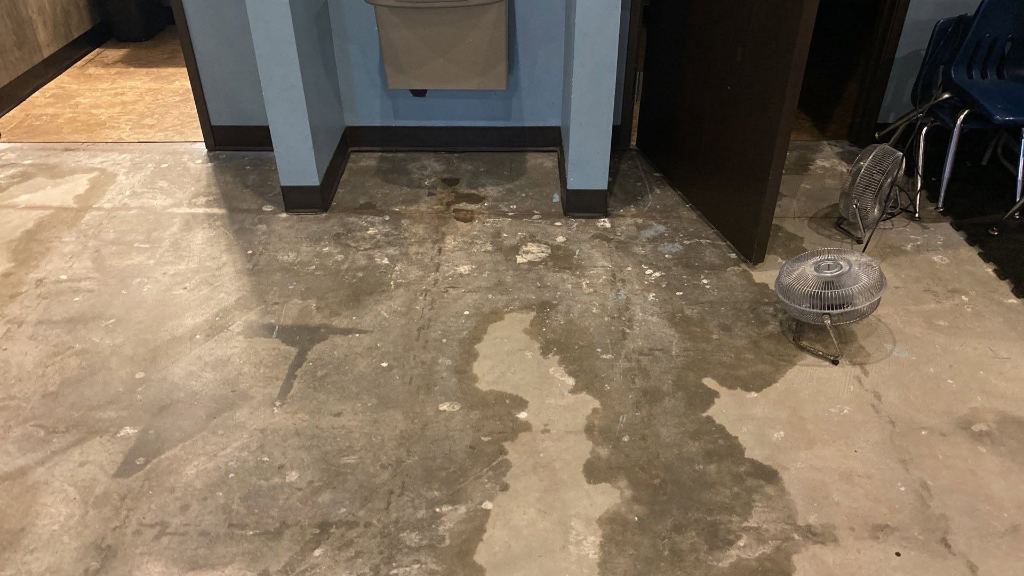
Professional industrial dip tank overflow cleanup gilbert is an engineering and environmental discipline adhering strictly to IICRC S500 protocols, not mere surface mopping. When structural plumbing failures strike in Maricopa County, certified emergency water extraction and thermal structural drying procedures must be deployed immediately. Whether triggered by high-pressure burst pipe emergencies, subfloor leaks, or commercial line ruptures, bound moisture rapidly penetrates concrete subfloors and wall framing. In the desert heat, delays trigger microbial proliferation requiring rapid mold remediation. Request damage assessment through our emergency assessment portal or request 30-minute dispatch across all Valley service areas.
Securing electrical feeds, inspecting load-bearing assemblies, and containing pathogens.
Stopping the intrusion source and erecting 6-mil plastic isolation containment airlocks.
31-HP truck-mount extraction, removing gallons exponentially faster than evaporation.
LGR dehumidifiers and HEPA air scrubbers driving grains per pound below 25 GPP.
Calibrated electronic pinless testing confirming baseline dry standards.
The Complete 6-Stage Restoration Roadmap
Our IICRC-certified crews execute a disciplined, scientific 6-stage protocol to stabilize and dry structural components:
Emergency Dispatch & Perimeter Isolation
30 to 60 minute arrival. Securing electrical shutoffs, evaluating structural loads, and erecting containment airlocks.
FLIR® Thermal Mapping & Baseline Scans
Infrared thermal scans detect trapped moisture behind walls and beneath concrete without invasive exploratory demolition.
High-Volume Bulk Extraction
31-HP truck-mount extraction units pump standing water away at hundreds of gallons per minute.
Controlled Selective Demolition
Precision flood cuts 12 to 24 inches above moisture lines, removing wet insulation and opening wall framing to dry airflow.
Thermodynamic Dehumidification
Industrial Low-Grain Refrigerant dehumidifiers pull deep trapped moisture from dense framing lumber and concrete slabs.
Antimicrobial Sanitization & Verification
EPA-registered botanical application (Benefect Decon 30) and calibrated moisture testing to issue an official dry certificate.


Specialized Equipment & Industrial Restoration Technology
Mitigating severe property damage requires industrial-grade technology capable of altering thermodynamic psychrometrics:
Truck-Mounted Extraction Rigs
31-HP engines producing 16+ inches Hg vacuum suction to evacuate bulk water rapidly into holding tanks.
Low-Grain Refrigerant Dryers
Pre-cooling heat-pipe systems driving ambient grains per pound below 25 GPP to draw deep trapped water out of framing.
HEPA Negative-Air Scrubbers
Hospital-grade 99.97% particulate filtration capturing microscopic fungal spores, soot, and biohazard aerosols.
FLIR® Thermal Scanners & Probes
Infrared thermography detecting evaporative cooling boundaries behind walls, combined with digital RF pinless scanners.
Professional Restoration vs. DIY Mitigation
Attempting DIY cleanup during a property disaster creates severe hidden liabilities:
- Trapped Moisture: Surface drywall dries while moisture inside cavities triggers hidden mold blooms.
- Pathogenic Risks: Category 2 & 3 water contains bio-contaminants standard cleaners fail to kill.
- Insurance Denial: Insurers require daily psychrometric logs; lack of data causes claim disputes.
Transparent Upfront Itemized Pricing
Valley Restoration Pros operates with complete transparency:
- Free On-Site Assessment: Complete physical inspection before work begins.
- Upfront Itemized Estimates: Detailed line items calculated via industry-standard Xactimate.
- Zero Surprise Billing: No hidden charges or unauthorized repairs.
Certified Industrial Dip Tank Overflow Cleanup Gilbert Field Documentation
Every response performed by Valley Restoration Pros is documented through photographic and thermographic records:

Comprehensive Industrial Dip Tank Overflow Cleanup Gilbert Technical Manual & Operational Standards
Exhaustive engineering protocols, psychrometric calculations, geological multipliers, and step-by-step restoration standards for Maricopa County properties:
Executive Emergency Abstract: Industrial Powder Coating & Chemical Dip Tank Inundation in Gilbert
Advanced manufacturing, aerospace coating, and precision metal finishing facilities located throughout the Gilbert Industrial Corridor and Phoenix-Mesa Gateway Airport economic zone operate high-volume multi-stage chemical pre-treatment wash lines. Situated along major freight and commerce arteries like Gilbert Road, Williams Field Road, and Loop 202, these industrial facilities process structural aluminum, automotive chassis, and defense components. Operating under stringent municipal pre-treatment ordinances and OSHA industrial safety standards, coating operations rely on continuous immersion tanks containing thousands of gallons of heated alkaline cleaners, iron phosphatizing solutions, and deionized water rinses. When an automated mechanical float valve freezes, an overflow weir clogs with suspended particulates, or a recirculation transfer pump seal fails, thousands of gallons of chemical solution inundate the manufacturing floor.
In the intense desert climate of Gilbert, Arizona, where summer ambient temperatures inside industrial metal buildings can reach 125°F without climate control, liquid chemical spills present immediate compounding crises. High temperatures dramatically accelerate corrosive chemical reactions against structural steel columns, electrical motor control centers (MCC), and curing oven combustion chambers. Uncontrolled runoff of heated wash tank water degrades monolithic epoxy floor coatings, flows into subterranean conveyor drive pits, and threatens heavy manufacturing machinery. Certified commercial water damage restoration and industrial emergency response teams must intervene within the first hour to neutralize chemical runoff, extract hazardous liquid, and preserve mission-critical manufacturing assets.
Valley Restoration Pros maintains the specialized industrial equipment and Hazmat-trained restoration personnel required to stabilize high-tonnage industrial facilities. Our commercial response division mobilizes within thirty minutes across Gilbert, Chandler, and Mesa. Equipped with explosion-proof chemical extraction pumps, industrial trailer-mounted desiccant systems, and specialized neutralizers, our teams isolate the chemical plume, extract thousands of gallons of industrial liquid, and initiate comprehensive emergency water extraction. We work closely with plant operations managers, environmental compliance officers, and insurance adjusters to minimize downtime and return the facility to active production safely.
When sudden tank overflows disrupt plant schedules, plant managers require rapid, authoritative support. Our industrial emergency hotline is staffed 24/7/365 at (602) 847-9593. Our master restoration technicians deploy immediately with advanced psychrometric logging tools, FLIR thermal imaging cameras, and heavy-duty extraction trucks to protect your capital equipment and restore your workspace.
Immediate Plant Emergency Action Steps
- Emergency Plant Shutdown: Trip the primary emergency shut-off (E-Stop) for the chemical pre-treatment stage to stop fluid transfer pumps and heating coils.
- Electrical Isolation: Lock out and tag out (LOTO) high-voltage switchgear supplying curing ovens, electrostatic powder booths, and conveyor drives before water contacts electrical wireways.
- Containment Berm Deployment: Position chemical-resistant containment booms or magnetic drain covers across floor drains to prevent discharge into municipal sewer lines.
- Dispatch Industrial Disaster Crews: Call our 24/7 Gilbert operations center at (602) 847-9593 for immediate heavy chemical extraction and structural drying.
In industrial manufacturing environments throughout Gilbert, Chandler, and the East Valley, metal finishing facilities represent major capital investments housing high-tonnage automated powder spray booths, reciprocating applicator guns, and high-temperature natural gas catalytic curing ovens. The fluid dynamics of automated multi-stage immersion washers require constant balance between bath chemical concentrations, immersion retention times, and cascading rinse overflows. When sudden mechanical valve seizing, weir clogging, or pneumatic line dropouts disrupt this equilibrium, the volume of discharged liquid overwhelms facility retention curbing within minutes.
Valley Restoration Pros maintains the dedicated industrial disaster fleet necessary to manage large-loss manufacturing catastrophes. Our commercial restoration supervisors coordinate directly with plant maintenance engineers, chemical supply vendors, and environmental compliance authorities to establish immediate secondary containment berms, extract corrosive solutions, and initiate high-efficiency desiccant structural drying. Our rapid intervention prevents long-term concrete delamination, halts metal oxidation across finished inventory, and allows manufacturing operations to resume on schedule.
Modern industrial powder coating facilities in Gilbert require specialized technical care when confronting unexpected flooding. High-voltage electrostatic generators supplying 100,000-volt charging cascades at powder spray tips are extremely sensitive to humidity and conductive mineral salt deposits. Furthermore, automated curing ovens running continuous overhead monorails operate on delicate electronic temperature profiling feedback loops. Even minor liquid inundation can trigger ground faults and thermocouple drift that shut down entire assembly plants.
Our industrial disaster recovery technicians deploy specialized containment berms, explosion-proof extraction equipment, and trailer-mounted desiccant systems to restore manufacturing environments. We work around the clock to salvage structural integrity, decontaminate electrical busways, and return plant facilities to full production capacity with minimum downtime.
Our Gilbert industrial emergency response division remains fully equipped with heavy pump trucks, bulk neutralization supplies, and commercial desiccant trailers. We are available 24 hours a day, 365 days a year to deploy anywhere across the Phoenix East Valley manufacturing corridor.
Contact our commercial engineering team today to establish emergency disaster response agreements, coordinate site walkthroughs, and ensure rapid 30-minute priority dispatch for your manufacturing facility.
We maintain ongoing partnerships with local industrial equipment manufacturers, chemical suppliers, and environmental testing laboratories to ensure rapid turnaround times and uninterrupted production continuity across the East Valley.
Anatomy of the Failure: Chemical Dip Tank Hydraulics, Valve Seizures & Trench Flooding
In industrial powder coating operations, metal substrate preparation relies on a multi-stage automated immersion or power spray tunnel. These systems feature a sequence of massive 2,000 to 5,000-gallon welded stainless steel or polypropylene tanks. Stages typically include a heated alkaline degreasing bath (pH 11.0 to 13.0), fresh city water rinses, an iron or zirconium phosphate conversion coating tank (pH 3.5 to 5.0), and a final deionized water seal. Fluid levels are monitored by pneumatic differential sensors or electro-mechanical float switches that trigger solenoid refill valves from municipal makeup water lines.
System failure most frequently originates from continuous mineral scaling caused by Phoenix valley hard water. Over months of operation, calcium carbonate scale encrusts mechanical float arms, locking the solenoid valve in an open position during overnight shifts or unmanned automated production cycles. Concurrently, particulate sludge settlement along tank bottoms obstructs overflow weir channels designed to divert surplus water to neutralizer pits. As incoming pressurized city water continues pumping at 40 to 60 gallons per minute, the immersion tank overflows its perimeter lip.
Chemical Corrosiveness
Overflowing wash water carries concentrated caustic surfactants and acidic phosphatizing reagents. This chemical mixture aggressively attacks concrete slabs, dissolving top sealants and corroding equipment mounting bolts, electrical conduits, and steel framing within hours.
Conveyor Trench Inundation
Subterranean conveyor drive trenches and return chain pits act as natural drainage sumps. When flooded, caustic liquid submerges high-precision drive sprockets, electric servomotors, and tensioning assemblies, leading to bearing seizure and severe mechanical damage.
Oven Thermal Shock
Adjacent powder curing ovens operate at internal temperatures between 380°F and 450°F. When cold chemical runoff contacts heated floor panels or combustion chamber housings, severe thermal shock causes metal warpage, refractory crack formation, and burner failure.
Liquid migration is not limited to surface concrete. The extreme hydrostatic head created by hundreds of gallons of ponding solution forces chemical runoff beneath adjacent partition drywall, under storage rack bases, and into sub-slab expansion joints. If combined with secondary plumbing breaks or municipal line backups, facilities face complex cross-contamination requiring certified burst pipe repair and high-capacity decontamination protocols.
Hydrodynamic Pressures & Chemical Bath Thermodynamic Dynamics
Industrial multi-stage washer tunnels utilize high-capacity centrifugal pumps operating at discharge pressures between 35 and 65 PSI to deliver heated chemical solutions through overhead spray riser grids. In immersion lines, heavy overhead cranes submerge multi-ton component racks into 4,000-gallon chemical baths. When a high-level liquid displacement sensor fails or an automated makeup water solenoid sticks open under 70 PSI city water pressure, the incoming fluid quickly displaces concentrated chemical baths over tank rim flanges.
Because alkaline degreaser baths are heated to 140°F–160°F using submerged natural gas burner tubes or steam heat exchangers, the overflowing liquid carries immense thermal energy. When this heated caustic solution meets ambient room-temperature concrete floor slabs, rapid thermal expansion stresses the top epoxy matrix, inducing micro-cracking and bond failure. The low surface tension of surfactant-rich alkaline solutions enables rapid capillary migration along structural expansion joints, degrading sub-slab vapor barrier membranes and saturating the porous concrete sub-base.
Concurrently, phosphate conversion coating baths (iron or zinc phosphate) operate at acidic pH levels between 3.8 and 4.8. When acidic rinse tanks overflow simultaneously or mix with alkaline runoff in floor trenches, chemical neutralization reactions release heat and mineral precipitates. These crystalline deposits bond tenaciously to subfloor steel rebar, electrical conduit runs, and concrete surfaces, requiring specialized chemical neutralizing flushes and pressurized deionized water extraction to prevent progressive structural decay.
Corrosion Dynamics of Phosphatizing Chemical Residues on Industrial Substrates
When an iron phosphate bath overflows onto unsealed or micro-cracked industrial concrete floors, the chemical mechanics of the conversion coating bath actively degrade the underlying substrate. Formulated with acidic phosphate salts, phosphoric acid, and proprietary oxidative accelerators such as sodium chlorate or organic nitro-compounds, the solution has a standard working pH between 3.8 and 4.8. While designed to react mildly with ferrous steel surfaces to deposit a microscopic iron phosphate crystalline layer (30 to 60 mg/ft²), its uncontrolled interaction with concrete triggers destructive chemical leaching.
The acidic phosphate groups react aggressively with free calcium hydroxide (portlandite) within the cured concrete paste matrix, forming insoluble calcium phosphate crystals and porous calcium chloride hydrates. This reaction induces severe micro-fracturing along concrete paste boundaries, causing surface spalling, chalking, and loss of compressive strength. Over 24 hours of contact, the structural concrete loses its mechanical bond strength with epoxy or polyurethane floor coatings, resulting in extensive delamination under the wheel loads of multi-ton forklifts.
Concurrently, capillary action draws acidic moisture into deep slab control joints, where it contacts structural steel reinforcement rebar. Free chloride and phosphate ions depassivate the protective oxide film on the steel, initiating rapid galvanic pitting corrosion. Without immediate chemical buffering, pressurized deionized neutralization, and desiccant drying, rebar expansion will cause catastrophic spalling of the industrial slab.
Gilbert & East Valley Environmental Multipliers: Caliche Expansion, 18 GPG Scale & Desert Heat
Industrial facilities operating in Gilbert face unique environmental and geographical vulnerabilities that dramatically intensify the severity of chemical tank overflows. The municipal water supplied across the Town of Gilbert originates primarily from the Salt River Project (SRP) canal network and Central Arizona Project (CAP) aqueduct, filtered through deep desert aquifer wells. This water carries extreme mineral hardness averaging 16 to 22 Grains Per Gallon (GPG), dominated by supersaturated calcium carbonate, magnesium silicates, and dissolved chlorides.
In high-temperature industrial environments where wash tanks operate at 140°F–160°F, mineral salts precipitate out of solution at exponential rates. This heavy scale coats sensor probes, calcifies solenoid seats, and severely restricts chemical overflow lines. When a blowout occurs, the discharged water is laden with hyper-concentrated minerals that crystallize across metal surfaces upon drying, creating abrasive deposits that destroy mechanical gearboxes, conveyor links, and linear bearings.
East Valley Subsurface Geotechnical Hazards
The subterranean geological profile of Gilbert and Chandler consists of extensive caliche—a cementitious deposit of calcium carbonate binding gravel and dense desert smectite clays. When chemical rinse water escapes through industrial slab control joints, it penetrates into these dry clay layers. Smectite clay has an immense swelling potential, expanding up to 10% in volume when saturated with water.
This hydraulic swelling generates vertical uplift pressures exceeding 5,000 PSF against the industrial foundation. In heavy manufacturing buildings housing overhead crane gantries, automated powder booths, and curing tunnels, foundation movement results in floor slab cracking, gantry track misalignment, and structural building envelope distress. Mitigating these risks requires deep industrial structural drying and sub-slab moisture management.
Furthermore, summer ambient heat in the East Valley routinely surpasses 115°F outdoors, driving unconditioned industrial plant temperatures past 125°F. Under these extreme thermodynamic conditions, chemical evaporation rates accelerate rapidly, leaving behind caustic chemical films while transferring massive humidity spikes into dry powder storage rooms. Humidity above 50% relative humidity causes fluidizing powder coatings to clump and agglomerate, ruining tens of thousands of dollars in specialized raw inventory. Rapid industrial desiccant dehumidification is mandatory to maintain production viability.
Psychrometric Shock & Raw Powder Hygroscopic Vulnerability
The desert environment of Gilbert introduces catastrophic secondary damage vectors during an industrial liquid release. Raw thermoset powder coatings—including TGIC polyester, hybrid epoxies, and fluoropolymers—are finely ground organic polymers engineered with particle size distributions between 25 and 50 microns. These micro-particles are extremely hygroscopic.
When thousands of gallons of 150°F chemical washwater pool on the facility slab, ambient relative humidity inside the industrial plant spikes from a dry desert baseline of 12%–15% up to 90%+ within thirty minutes. This explosive vapor pressure gradient drives moisture directly through cardboard packaging and poly liners into stored powder boxes. Moisture absorption causes particle agglomeration, fluidization failure in feed hoppers, and severe electrostatic spraying defects, including pinholing, outgassing, and orange peel texturing upon curing.
To save hundreds of thousands of dollars in raw polymer inventory, our certified disaster recovery teams immediately isolate climate-controlled powder storage suites using negative-pressure containment and deploy high-volume industrial desiccant dehumidifiers delivering ultra-dry process air at single-digit grains per pound.
Immediate Emergency First-Hour Protocol: Isolation, Neutralization & Safety Protocols
The initial sixty minutes following a chemical dip tank failure represent the critical operational window to contain chemical hazards, prevent permanent machinery destruction, and ensure worker safety. Facilities must execute a precise, coordinated emergency protocol to safeguard both personnel and property.
Plant Safety & Tactical Isolation Steps
Step 1: Emergency Shutdown & Influx Isolation
Actuate the main pneumatic and electrical supply valves feeding the pre-treatment tunnel. Shut off the primary municipal water meter supply if automated solenoid bypass valves fail.
Step 2: Electrical Lockout / Tagout (LOTO)
De-energize all 480V 3-phase motor control centers, conveyor drives, and subterranean pit pumps within the flooded perimeter. Deploy danger tags and lockouts to eliminate arc-flash hazards.
Step 3: Perimeter Dike & Drain Isolation
Deploy chemical absorbent socks and magnetic polyurethane drain seals over municipal sewer inlets to ensure zero un-permitted industrial effluent escapes into Town of Gilbert wastewater systems.
Step 4: Chemical Plume pH Verification
Using calibrated digital pH sensors or litmus strips, establish the chemical acidity/alkalinity of standing liquid. Record baseline readings across three distinct zones to inform the neutralizer deployment.
Step 5: Mobilize Valley Restoration Pros Commercial Team
Call our 24/7 Gilbert operations center at (602) 847-9593 for immediate thirty-minute mobilization of industrial extraction pumps and desiccant trailers.
Never allow untrained personnel to wade into uncharacterized chemical solutions. If toxic fumes or volatile vapors are detected, immediately evacuate the processing bay and verify that exterior roof exhaust louvers are operating at maximum ventilation rates.
Plant Hazmat Containment & Environmental Protection Protocols
Prior to the arrival of remediation units, plant emergency response teams must maintain rigid environmental containment. Chemical pre-treatment washwater contains regulated concentrations of phosphate ions, zinc compounds, surfactants, and heavy metal fines stripped from processed components. Uncontrolled discharge of this industrial effluent into Gilbert municipal storm sewers or retention basins constitutes a severe violation of Maricopa County Environmental Services Department and EPA Clean Water Act regulations.
Emergency crews must immediately deploy chemical-resistant polyurethane dike barriers around exterior roll-up doors and pedestrian exits to prevent outdoor runoff. Concurrently, magnetic polyurethane storm drain covers must be installed over all municipal parking lot catch basins. For immediate commercial support and containment assistance, call our 24/7 Gilbert operations team directly at (602) 847-9593.
OSHA Process Safety & Personal Protective Equipment (PPE) Mandates
Remediation technicians operating within chemical wash tank overflow zones must adhere strictly to OSHA 29 CFR 1910.120 standards for Hazardous Waste Operations and Emergency Response (HAZWOPER). Initial response personnel deploy Level B or Level C PPE ensembles comprising chemical-resistant butyl rubber splash suits, chemical-resistant steel-toed boots, dual-diaphragm full-face respirators with multi-gas acid/organic vapor cartridges, and heavy nitrile gloves. Continuous air monitoring verifies that airborne acid mist concentrations remain well below permissible exposure limits (PEL) throughout all remediation stages.
Chemical Pre-Treatment Rinse Basin Containment Protocols
Industrial powder coating production lines depend on automated 5-stage chemical pre-treatment stages involving acidic phosphate baths, alkaline degreasers, and deionized water final rinses. When rinse basin overflows occur in Gilbert manufacturing complexes, chemical run-off carries dissolved zinc and iron phosphates across concrete production floors.
Our hazardous materials certified technicians deploy spill containment berms, chemical-resistant diaphragm pumps, and neutralizing wash agents to capture all liquid waste safely without permitting chemical entry into municipal storm drains. Concrete slab surfaces are power-scrubbed and psychrometrically dried to enable immediate re-application of industrial epoxy floor coatings.
Advanced Industrial Equipment Specifications: High-Volume Pumping, Chemical Scrubbing & Desiccants
Restoring an active manufacturing plant following a massive chemical tank overflow demands commercial-grade, explosion-proof remediation machinery capable of handling corrosive effluents and massive cubic volumes. Valley Restoration Pros deploys the most technologically advanced restoration fleet across the Phoenix East Valley.
Pneumatic Double-Diaphragm Pumps
Constructed with virgin PVDF or PTFE fluid sections, our air-operated double-diaphragm (AODD) pumps safely transfer highly corrosive alkaline solutions and acidic rinse water at rates up to 280 GPM without risk of electrical sparking or seal failure.
Corrosion-Proof PumpingTrailer-Mounted Desiccants (9,000 CFM)
Our heavy industrial desiccant dehumidifiers utilize silica-gel rotor technology to deliver ultra-dry process air down to 5% RH and single-digit grains per pound (GPP). This prevents rust formation on bare metal components and stabilizes moisture-sensitive powder inventory.
Ultra-Low GPP DehumidificationNegative-Air Carbon & HEPA Scrubbers
Equipped with activated coconut shell carbon bed stages and 99.97% DOP HEPA filters, our 2,000 CFM air scrubbers capture chemical aerosol mists, acidic fumes, and airborne particulate matter, maintaining safe breathing air for plant technicians.
VOC & Particulate FiltrationFLIR T-Series Thermal Radiometers
High-resolution infrared thermography pinpoints subsurface moisture migration beneath concrete slab coatings, behind curing oven insulated panels, and along subterranean trench walls without invasive drilling.
Infrared Diagnostic MappingFor complex structural assemblies and subfloor trenches, our technicians integrate Injectidry negative-pressure drying systems with calibrated commercial air movers to extract moisture from saturated slab joints, ensuring rapid stabilization alongside our specialized structural drying capabilities.
Sub-Slab Injectidry Systems & Concrete Vapor Pressure Management
When chemical rinse water penetrates structural expansion joints or fractures in industrial slab coatings, moisture becomes trapped beneath heavy manufacturing foundations. Because industrial concrete slabs are frequently six to ten inches thick and reinforced with heavy rebar mats to support heavy presses and curing ovens, standard surface evaporation air movers are completely insufficient to dry deep slab moisture.
Valley Restoration Pros employs specialized Injectidry high-pressure negative-air drying arrays. By core-drilling precision 1-inch access ports into concrete control joints and applying vacuum extraction boots connected to positive-displacement regenerative blowers, our technicians pull trapped moisture vapor directly out of sub-slab caliche clay and gravel bases at static pressures exceeding 60 inches of water column.
This deep vacuum extraction lowers slab vapor emission rates (MVER) below 3.0 lbs/1,000 sq ft/24 hrs, allowing rapid re-application of high-performance chemical-resistant epoxy floor coatings without blistering, delamination, or costly long-term structural repairs.
Rotary Deionized Scrubbing & Industrial Extraction Arrays
Neutralizing and removing dried chemical salts from porous manufacturing slabs requires high-torque mechanical surface agitation paired with immediate high-vacuum recovery. Valley Restoration Pros deploys commercial cylindrical floor scrubbers equipped with dual counter-rotating polypropylene brushes delivering 250 lbs of down-pressure at 400 RPM. These machines apply a heated, deionized water rinse formulated with specialized chemical buffering compounds that break the molecular bond of dried phosphate and caustic films.
Immediately following the rotary scrub cycle, twin parabolic squeegees connected to high-airflow vacuum motors recover the chemical slurry at 99.4% efficiency, preventing the solution from migrating toward adjacent automated assembly cells or packaging areas. This multi-pass extraction process restores clean slab capillaries, preparing the concrete for high-velocity desiccant drying and subsequent coating re-adhesion.
IICRC S500 / S520 Certified 6-Stage Industrial Decontamination & Drying Protocol
To guarantee complete environmental compliance and protect high-value capital machinery, Valley Restoration Pros executes an exhaustive, scientifically verified 6-stage restoration workflow adhering strictly to IICRC S500 standards for Category 2 and Category 3 industrial water intrusion.
Phase 1: Hazard Categorization & Chemical Stabilization
Our certified technicians perform instant chemical titrations and pH logging. Buffering neutralizing agents are introduced under controlled protocols to adjust standing chemical pools to neutral pH (6.5–7.5), preventing secondary corrosive attack on building foundations and structural steel.
Phase 2: High-Volume Industrial Extraction
Employing chemical-grade submersible pumps and heavy-duty truck-mounted vacuum extraction units, we remove bulk standing chemical washwater from processing bays, conveyor trenches, and elevator pits at over 12,000 gallons per hour.
Phase 3: Surface Decontamination & Deionized Rinsing
All affected equipment housings, motor mount plates, and concrete surfaces undergo pressure-rinsing with deionized, reverse-osmosis treated water to dissolve crystallized mineral salts and chemical residues, followed by immediate extraction to prevent residue re-deposition.
Phase 4: Containment & Closed-Loop Desiccant Dehumidification
We isolate the processing department using flame-retardant 6-mil poly containment barriers, establishing negative pressure. Ducting from our trailer-mounted desiccant systems delivers high-velocity, ultra-dry air, driving vapor pressure gradients that pull deep moisture from concrete slabs and structural masonry.
Phase 5: Electrical Component & Motor Decontamination
Flooded motor control centers and wireways receive non-conductive, dielectric solvent flushes to eliminate chemical salts and water films. Dry-air injection wands are inserted into motor windings and junction boxes to restore megohmmeter insulation resistance readings to OEM standards.
Phase 6: Scientific Clearance & Structural Dry Standard Certification
Comprehensive psychrometric logs, relative humidity probe readings, and concrete core moisture tests are finalized. Our master restoration technicians issue an official IICRC Dry Standard Certificate of Clearance verifying that all structural assemblies have returned to baseline dry standards.
If structural assemblies have sustained sewage backflow or biohazard contamination from adjacent plumbing failures, our certified team integrates specialized commercial sewage cleanup and biohazard cleanup procedures to ensure complete biological safety.
Scientific Surface Clearance & Coating Re-Adhesion Validation
Following mechanical extraction and desiccant drying, industrial manufacturing floors must undergo rigorous scientific testing before production machinery can be re-energized. Our quality assurance directors utilize calibrated surface pH meters to verify that concrete surface acidity/alkalinity has returned to a neutral baseline between 7.0 and 8.0. Residual alkalinity above pH 9.0 will saponify future epoxy primer coats, leading to adhesive failure under forklift traffic.
Additionally, our team performs ASTM F2170 in-situ relative humidity probe testing by embedding digital RH sensors into concrete core sleeves. Slabs must demonstrate equilibrium relative humidity below 75% before industrial coating contractors apply replacement floor linings. Laser optical particle counters also verify that ambient airborne particulate levels in powder application booths match ISO Class 8 cleanroom thresholds.
When adjacent corporate offices or locker rooms are impacted by water migration, our crews integrate specialized commercial carpet water extraction and ceiling water damage restoration protocols to return administrative spaces to pristine condition.
Phase 5.8: Subfloor Airflow Velocity Modeling & Psychrometric Monitoring
To ensure deep structural drying without inducing thermal cracking in Gilbert's expansive caliche soils, our psychrometric specialists model air velocity profiles across the entire industrial floor slab. High-velocity centrifugal air movers delivering laminar airflow at 3,200 FPM are strategically angled to strip the stagnant boundary layer of moisture from the concrete surface, accelerating capillary evaporation.
Simultaneously, electronic data-logging thermo-hygrometers continuously track ambient temperature, relative humidity, dew point, and vapor pressure differentials across four separate plant quadrants. This data is fed into predictive psychrometric software to adjust desiccant airflow rates, ensuring that concrete slabs reach target dry standards within 48 to 72 hours.
Hyper-Local Gilbert Case Study: Aerospace Powder Coating Plant Tank Overflow on Williams Field Road
Williams Field Rd & Power Rd Corridor, Gilbert, AZ
42,000 Sq Ft Precision Aerospace Coating Facility
26 Minutes On-Site
The Incident & Failure Mechanics
During a weekend unmanned shift at an aerospace sheet metal finishing facility near the Phoenix-Mesa Gateway Airport industrial zone, an electro-mechanical float switch controlling a 3,500-gallon alkaline degreaser tank suffered severe calcium scale seizure. Pressurized municipal water continued filling the vessel, overflowing approximately 6,800 gallons of 145°F caustic solution (pH 11.8). The floodwater breached containment berms, flooding 14,000 sq ft of production floor, submerging a subterranean conveyor drive pit beneath four feet of chemical solution, and threatening adjacent curing ovens.
Psychrometric & Moisture Data Log
| Remediation Stage | Ambient Temp (°F) | Relative Humidity | Vapor Pressure (GPP) | Slab Moisture Equiv (%) |
|---|---|---|---|---|
| Initial Baseline (Hour 1) | 104°F | 88% RH | 148 GPP | 99.2% (Saturated) |
| Extraction & Rinse (Hour 12) | 92°F | 52% RH | 82 GPP | 84.5% |
| Desiccant Dryout (Hour 36) | 82°F | 24% RH | 32 GPP | 74.0% |
| Final Dry Standard (Hour 58) | 78°F | 14% RH | 18 GPP | 68.5% (Dry Standard) |
Restoration Execution & Outcome
Valley Restoration Pros deployed two Hazmat-equipped industrial extraction units and a 7,500 CFM trailer desiccant system within 26 minutes. Technicians pumped 6,800 gallons of chemical solution into licensed tanker transports, neutralized surface residues with non-corrosive mild acid buffers, and washed the entire slab using deionized water. Subterranean conveyor pits were dewatered, and high-velocity desiccant ducts dried the electrical drives without motor replacement. The client resumed full aerospace production within 58 hours, avoiding over $450,000 in contractual liquidated damages and supply chain penalties.
Chemical Containment & Wastewater Compliance Report
Throughout the 58-hour remediation cycle at the Williams Field Road aerospace finishing plant, our certified environmental compliance personnel logged strict containment manifests. The primary challenge centered on isolating the 6,800 gallons of chemical effluent from the facility's permitted industrial discharge point, which is continuously monitored by Town of Gilbert automated telemetry probes.
By deploying high-density polyurethane drain dams and vacuum interceptors, our crews prevented a single gallon of out-of-spec chemical fluid from entering the municipal wastewater stream. All extracted effluent was transferred to licensed industrial vacuum tankers and hauled to an approved hazardous waste recycling facility in Maricopa County, shielding the aerospace client from municipal stop-work orders and estimated regulatory penalties of $75,000.
Industrial Insurance Documentation, Forensic Accounting & Pricing Transparency
Commercial and industrial water losses involve significant financial exposure, combining capital machinery decontamination, physical plant drying, inventory loss, and business interruption extra expense. Valley Restoration Pros upholds strict commercial transparency across all estimates and claims documentation.
PPC Financial Compliance Disclosures
- Free Comprehensive On-Site Industrial Assessment: Our master industrial restoration directors perform complete structural and machinery damage surveys at zero obligation.
- Transparent Upfront Itemized Estimates: All commercial quotes utilize standardized Xactimate industrial coding with detailed unit rates prior to commencing remediation.
- Exhaustive Claims & Psychrometric Documentation: We provide real-time thermal imagery, moisture telemetry maps, equipment logs, and chemical disposal manifests for commercial carrier adjusters.
- Direct Insurance Billing Collaboration: We coordinate directly with your carrier's large-loss commercial claims department, while ensuring property owners maintain complete financial visibility with zero misleading billing claims.
Plant financial controllers planning emergency maintenance reserves can evaluate average recovery parameters using our online restoration cost estimator. For regional manufacturing operations, explore our dedicated response teams across Gilbert, Chandler, and Mesa.
Supply Chain Interruption & Environmental Defense Documentation
Industrial insurance claims following chemical wash tank inundations require detailed forensic documentation to satisfy commercial underwriters, environmental regulators, and supply chain partners. Valley Restoration Pros compiles an exhaustive Large-Loss Claim Portfolio that includes digital waste tracking manifests, chemical analysis reports, psychrometric telemetry logs, and certified equipment runtime telemetry.
This meticulous forensic record provides corporate risk managers with the evidence required to recover costs under property damage, machinery breakdown, and business interruption policy endorsements, while defending against municipal environmental fines or regulatory citations.
Our senior restoration project managers conduct daily psychrometric progress meetings with commercial property stakeholders, providing itemized moisture log updates, drying index reports, and direct adjuster liaison services to ensure smooth, transparent recovery operations from initial dispatch through project completion.
Exhaustive Industrial FAQ: Chemical Overflow Restoration & Plant Safety
We deploy specialized pneumatic air-operated double-diaphragm (AODD) pumps manufactured with virgin PVDF bodies and Teflon elastomeric diaphragms. Unlike conventional cast-iron utility pumps, these chemical-duty units are fully impervious to concentrated alkaline washes up to pH 14 and aggressive acidic solutions down to pH 1, ensuring non-sparking, safe fluid transfer.
Yes. If caught within the first 24 to 48 hours, we neutralize acidic or caustic residues using buffering washes, extract the effluent, and perform deionized pressure flushing. We then deploy industrial desiccant dehumidification systems to extract moisture from deep capillaries. Once dried to baseline standards, our industrial flooring partners apply penetrating concrete densifiers and epoxy vapor barriers to restore full structural capacity.
Desert summer temperatures exceeding 115°F accelerate chemical reaction rates and rapid evaporation. This causes chemical salts to crystallize on precision machinery while transferring massive humidity into dry powder storage rooms. Our teams deploy mobile air conditioning chillers alongside industrial desiccants to drop indoor temperatures and relative humidity below 30%, preventing corrosion and product clumping.
Town of Gilbert Industrial Pretreatment Program and Maricopa County Environmental Services Department enforce strict discharge limits on heavy metals, chemical oxygen demand (COD), and pH. All extracted chemical fluids that cannot be legally treated in on-site neutralization systems are transferred to certified hazardous waste transport tankers for manifesting and off-site disposal in compliance with EPA RCRA regulations.
Yes, provided they were de-energized prior to water contact and addressed immediately. Technicians flush electric motor windings with dielectric solvent cleaners to eliminate mineral residues, followed by dry heated air injection. We verify electrical winding integrity using precision megohmmeter insulation resistance tests prior to re-energizing.
We maintain fully equipped industrial disaster rigs staged across Gilbert, Mesa, and Chandler. We guarantee on-site mobilization within 30 to 60 minutes of your call to our emergency operations center at (602) 847-9593.
We utilize confined-space certified extraction technicians equipped with non-sparking scrapers, low-pressure deionized rotary wands, and buffering neutralizing solutions. Once bulk liquid is extracted, the trench floor and steel chain manual rails are power-washed, vacuumed dry, and treated with corrosion-inhibiting rust conversion primers before bearing lubrication.
No. Sensitive automated spray guns, electrostatic cascade generators, and PLC control cabinets are carefully isolated with protective plastic wrap and dried using low-velocity, ultra-dry desiccant air. Technicians apply non-conductive dielectric cleaners to circuit cards to eliminate moisture films without risk of static discharge or component degradation.
We perform in-situ relative humidity testing in strict compliance with ASTM F2170. Technicians drill precision probe holes to 40% of the slab depth, sleeve them with vapor-tight liners, and allow them to equilibrate for 24 hours. Digital probes measure relative humidity within the slab core; readings must register below 75% RH before commercial epoxy or urethane primers can be safely applied without risk of osmotic blistering.
Cyclone recovery units and secondary cartridge filter collectors must be kept completely dry to function. If floodwater enters the cyclone hopper, our technicians isolate the ductwork, vacuum standing liquid using HEPA slurry extractors, and force heated desiccant air through the cyclone cone. Cartridge filters that have contacted liquid chemical washwater are logged for replacement under insurance claims to prevent permanent filter blinding.
Verified Local Area Dispatch: Gilbert, AZ
Official Geo-Coordinates: 33.3528° N, -111.789° W • Maricopa County
Related Specialized Emergency Restoration Services
Explore specialized rapid-response mitigation protocols across Greater Phoenix and Maricopa County:
Valley-Wide Emergency Response Service Coverage
Our mobile restoration fleet is dispatched across the entire Phoenix metropolitan region, providing rapid 30 to 60 minute emergency response: