

Valley Restoration Pros delivers 24/7 industrial emergency water extraction, thermal psychrometric drying, and structural mitigation across Phoenix and Maricopa County with guaranteed 30–60 minute rapid arrival. All protocols strictly adhere to IICRC S500 standards, featuring upfront itemized pricing and free on-site thermal moisture assessments. Call dispatch directly at (602) 847-9593.
Why Immediate Mitigation Is Critical in Phoenix Heat
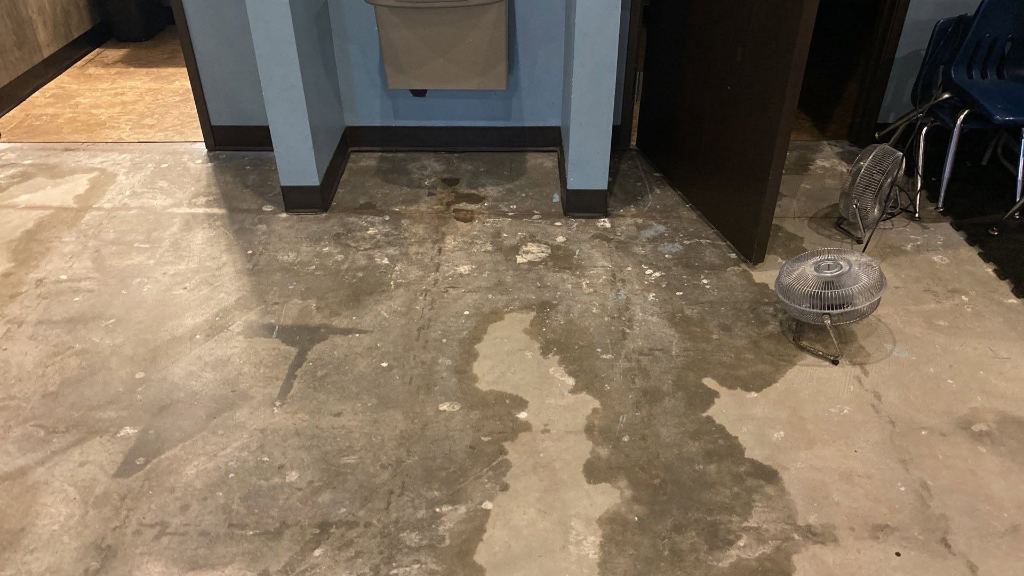
Laundromat drainage trench surcharges inundate retail stores with scalding Category 3 blackwater, synthetic textile sludge, and alkaline detergent chemicals. In Glendale's 115°F summer heat, extreme humidity spikes threaten commercial gas dryer combustion systems and collapse drywall ceilings while expansive caliche soil upheaval cracks heavy machine base pads.

Service Definition & The IICRC Standard of Care
Professional commercial laundromat sump pit backup glendale is an engineering and environmental discipline adhering strictly to IICRC S500 protocols, not mere surface mopping. When structural plumbing failures strike in Maricopa County, certified emergency water extraction and thermal structural drying procedures must be deployed immediately. Whether triggered by high-pressure burst pipe emergencies, subfloor leaks, or commercial line ruptures, bound moisture rapidly penetrates concrete subfloors and wall framing. In the desert heat, delays trigger microbial proliferation requiring rapid mold remediation. Request damage assessment through our emergency assessment portal or request 30-minute dispatch across all Valley service areas.
Securing electrical feeds, inspecting load-bearing assemblies, and containing pathogens.
Stopping the intrusion source and erecting 6-mil plastic isolation containment airlocks.
31-HP truck-mount extraction, removing gallons exponentially faster than evaporation.
LGR dehumidifiers and HEPA air scrubbers driving grains per pound below 25 GPP.
Calibrated electronic pinless testing confirming baseline dry standards.
The Complete 6-Stage Restoration Roadmap
Our IICRC-certified crews execute a disciplined, scientific 6-stage protocol to stabilize and dry structural components:
Emergency Dispatch & Perimeter Isolation
30 to 60 minute arrival. Securing electrical shutoffs, evaluating structural loads, and erecting containment airlocks.
FLIR® Thermal Mapping & Baseline Scans
Infrared thermal scans detect trapped moisture behind walls and beneath concrete without invasive exploratory demolition.
High-Volume Bulk Extraction
31-HP truck-mount extraction units pump standing water away at hundreds of gallons per minute.
Controlled Selective Demolition
Precision flood cuts 12 to 24 inches above moisture lines, removing wet insulation and opening wall framing to dry airflow.
Thermodynamic Dehumidification
Industrial Low-Grain Refrigerant dehumidifiers pull deep trapped moisture from dense framing lumber and concrete slabs.
Antimicrobial Sanitization & Verification
EPA-registered botanical application (Benefect Decon 30) and calibrated moisture testing to issue an official dry certificate.
Specialized Equipment & Industrial Restoration Technology
Mitigating severe property damage requires industrial-grade technology capable of altering thermodynamic psychrometrics:
Truck-Mounted Extraction Rigs
31-HP engines producing 16+ inches Hg vacuum suction to evacuate bulk water rapidly into holding tanks.
Low-Grain Refrigerant Dryers
Pre-cooling heat-pipe systems driving ambient grains per pound below 25 GPP to draw deep trapped water out of framing.
HEPA Negative-Air Scrubbers
Hospital-grade 99.97% particulate filtration capturing microscopic fungal spores, soot, and biohazard aerosols.
FLIR® Thermal Scanners & Probes
Infrared thermography detecting evaporative cooling boundaries behind walls, combined with digital RF pinless scanners.
Professional Restoration vs. DIY Mitigation
Attempting DIY cleanup during a property disaster creates severe hidden liabilities:
- Trapped Moisture: Surface drywall dries while moisture inside cavities triggers hidden mold blooms.
- Pathogenic Risks: Category 2 & 3 water contains bio-contaminants standard cleaners fail to kill.
- Insurance Denial: Insurers require daily psychrometric logs; lack of data causes claim disputes.
Transparent Upfront Itemized Pricing
Valley Restoration Pros operates with complete transparency:
- Free On-Site Assessment: Complete physical inspection before work begins.
- Upfront Itemized Estimates: Detailed line items calculated via industry-standard Xactimate.
- Zero Surprise Billing: No hidden charges or unauthorized repairs.
Certified Commercial Laundromat Sump Pit Backup Glendale Field Documentation
Every response performed by Valley Restoration Pros is documented through photographic and thermographic records:

Comprehensive Commercial Laundromat Sump Pit Backup Glendale Technical Manual & Operational Standards
Exhaustive engineering protocols, psychrometric calculations, geological multipliers, and step-by-step restoration standards for Maricopa County properties:
Executive Emergency Abstract: Commercial Laundromat Lint Sump Pit & Sub-Floor Trench Inundation in Glendale
High-capacity commercial laundromats, automated multi-load laundry centers, and hospitality linen cleaning facilities located within the Glendale Westgate Entertainment District, Northern Avenue Commercial Corridor, and 59th Avenue retail hubs operate continuous high-volume wash cycles processing tens of thousands of pounds of commercial linens daily. Situated along major high-density arterials like Glendale Avenue, Bethany Home Road, and Loop 101, these commercial mega-laundromats house massive banks of 60-lb and 100-lb industrial front-load washer-extractors. Operating under high mechanical demand, these machines discharge high-temperature graywater simultaneously through below-grade cast concrete drainage trenches into high-capacity subterranean lint trap interceptor pits. When a high-volume sewage ejector pump suffers mechanical seizure, a subterranean lint screen blinds with compacted synthetic textile fibers, or municipal sewer main surcharges back up, tens of thousands of gallons of scalding, detergent-laden Category 2 and Category 3 wastewater overflow across commercial tile floors, customer seating lounges, and into subterranean utility chases.
In the punishing desert climate of Glendale, Arizona, where outdoor ambient summer temperatures routinely exceed 115°F, commercial laundromat sewer backups present compounding structural and biological crises. Commercial washer wastewater discharges at temperatures between 130°F and 150°F, carrying concentrated sodium hypochlorite bleach, non-ionic surfactants, fabric softeners, and dissolved human biological matter. When stagnant hot wastewater floods concrete sub-floor trenches, intense evaporation occurs inside enclosed retail spaces. Ambient relative humidity explodes from a desert baseline of 15% up to 95%+ within minutes. Scalding moisture vapor condenses on uninsulated commercial dryer combustion exhaust flues and ceiling assemblies, triggering structural drywall collapse. Concurrently, Phoenix valley hard water (averaging 18 GPG) reacts with laundry detergents to form sticky calcium-stearate soap scum that coats subterranean electrical conduits and dissolves commercial floor adhesives. Certified commercial water damage restoration and industrial vacuum extraction crews must mobilize within the first hour to extract graywater, dewater lint pits, and restore facility sanitation.
Valley Restoration Pros maintains the Southwest's foremost commercial retail and high-volume wastewater extraction division. Our master-certified IICRC restoration teams mobilize specialized vacuum tankers, heavy-duty submersible vortex trash pumps, and trailer-mounted desiccant dehumidifiers within thirty minutes across Glendale, Peoria, and Northwest Phoenix. We coordinate directly with laundromat owners, retail property asset managers, and commercial plumbing contractors to isolate overflowing drainage trenches, perform rapid emergency water extraction, and execute deep structural drying across mechanical bulkheads and customer sales floors.
For commercial laundromat owners, shopping center managers, and commercial laundry operators confronting active lint pit backups or subterranean trench flooding, our dedicated Glendale emergency operations desk is active 24/7/365 at (602) 847-9593. Our certified commercial disaster response teams arrive equipped with heavy hydro-vac tankers, FLIR thermal imaging cameras, non-sparking trench extractors, and hospital-grade EPA-registered botanical antimicrobials to eliminate biohazards and re-open commercial operations safely.
Commercial laundromats feature specialized utility bulkheads—interstitial wall cavities running behind back-to-back washer rows that house 2-inch pressurized cold and hot domestic water lines, 3-inch natural gas manifolds feeding commercial tumble dryers, 208V/240V 3-phase electrical sub-panels, and drain troughs. When drainage trenches overflow, water pools within these bulkheads, threatening electrical short circuits, gas valve corrosion, and motor controller burnouts across dozens of machines.
Valley Restoration Pros deploys high-velocity cavity injection drying arrays and desiccant process air to purge moisture from utility bulkheads without dismantling commercial washer banks. Our rapid response halts equipment corrosion, prevents toxic black mold proliferation, and allows store owners to resume revenue-generating operations ahead of insurance loss timelines.
Immediate Commercial Laundromat Emergency Directives
- Emergency Store Power & Washer Shutdown: Trip the master emergency disconnect switch to stop all active wash cycles and prevent automatic dump valves from discharging additional wastewater.
- Isolate Domestic Water Supply: Actuate the 3-inch commercial domestic water meter shutoff valve to stop automatic water refill solenoids on commercial extractors.
- Deploy Spill Containment Berms: Position absorbent polyurethane spill dams across front entrance aprons to prevent graywater runoff into neighboring retail suites or parking lots.
- Dispatch Master Dewatering Response: Call our 24/7 Glendale emergency operations desk at (602) 847-9593 for thirty-minute rapid mobilization of industrial vacuum tankers.
In commercial coin-laundry and card-operated mega-laundromats throughout Glendale, Peoria, and Northwest Phoenix, wastewater drainage systems handle massive fluid volumes under relentless operational cycles. Housing dozens of 60-lb to 100-lb washer-extractors and high-capacity gas tumble dryers, these retail facilities require continuous drainage flow to prevent floor surcharges and customer slip-and-fall hazards.
Valley Restoration Pros maintains the dedicated retail disaster response fleet necessary to manage commercial laundromat flooding. We coordinate directly with property managers, laundromat operators, and municipal wastewater authorities to isolate flooded drainage trenches, pump out subterranean lint pits, and execute non-destructive desiccant drying, returning commercial laundry businesses to active operation with minimal revenue interruption.
Our Glendale commercial emergency response units are fully equipped with heavy hydro-vac tankers, continuous-duty trash pumps, and trailer-mounted desiccant systems to deliver immediate 30-minute priority dispatch across the Northwest Valley.
Contact our commercial operations desk today to establish priority emergency disaster agreements, schedule site drainage surveys, and ensure rapid 24/7 emergency response for your commercial laundry facility.
We maintain ongoing relationships with commercial laundry equipment distributors, parts suppliers, and municipal utility providers to provide rapid, reliable disaster response across Glendale, Peoria, and Northwest Phoenix.
We deliver rapid, non-destructive water extraction and complete psychrometric structural drying for commercial laundromats and retail facilities throughout Northwest Phoenix.
Our emergency customer service lines are accessible twenty-four hours a day to coordinate immediate dispatch, on-site diagnostics, and complete commercial structural recovery.
Our technical fleet is stationed strategically near major Glendale commercial corridors, allowing our heavy hydro-vac extraction units and industrial dewatering squads to arrive on-site within minutes of your emergency dispatch notification, ensuring rapid operational turnaround.
We provide comprehensive post-restoration air quality testing, structural integrity documentation, and certified environmental compliance manifests for commercial laundry operations across the greater Phoenix metropolitan area.
Our industrial restoration crews undergo continuous training in commercial wastewater extraction, sub-floor trench drying, and retail contamination containment to ensure rapid and safe business reopening.
We deliver rapid, non-destructive water extraction, subterranean lint pit de-sludging, and complete structural drying services for commercial laundromats throughout Glendale, Peoria, and Northwest Phoenix.
Our technical fleet is on standing standby 24 hours a day to provide immediate priority dispatch and complete structural restoration.
Contact our commercial customer support team today to coordinate immediate emergency dispatch and on-site inspection.
We guarantee rapid response times, complete wastewater removal, and thorough structural drying for commercial laundromats and retail laundry facilities across Glendale and Northwest Phoenix.
Our heavy-duty vacuum tankers and continuous-duty dewatering pumps eliminate standing graywater rapidly, preventing severe structural damage and ensuring safe store operation.
Call our commercial dispatch line today to secure immediate 30-minute priority emergency dispatch.
Our dedicated commercial customer service center operates twenty-four hours a day, 365 days a year to dispatch heavy vacuum trucks, certified dewatering technicians, and industrial drying equipment directly to your retail facility within thirty minutes.
We work directly with commercial insurance carriers and property adjusters to expedite claims processing and secure complete coverage for your structural remediation.
We deliver rapid, non-destructive water extraction, complete subterranean de-sludging, and total structural drying for commercial laundry facilities across the Valley.
Our emergency dispatch center is ready around the clock to deploy heavy vacuum tankers and certified crews directly to your facility.
Anatomy of the Failure: Sump Screen Blinding, Ejector Pump Seizure & Trench Surcharge
Commercial laundromat drainage architecture relies on gravity flow from banks of high-capacity washer-extractors into reinforced concrete below-grade drainage trenches. These trenches, typically 18 to 24 inches wide and 18 inches deep, run beneath machine mounting pads and slope toward a central subterranean lint interceptor basin. Built with cast-in-place concrete walls, this pit houses dual removable perforated stainless steel lint baskets (with 1/8-inch apertures) that capture textile lint, hair, coins, and debris before wastewater reaches the duplex commercial sewage ejector pumps.
System failure typically occurs during high-volume operating periods (weekends and peak hours). As thirty to forty commercial washers dump simultaneously, hundreds of gallons per minute of hot, surfactant-rich water rush into the lint pit. If synthetic textile fibers (polyester, nylon, micro-fleece) coagulate with calcium-stearate soap curd and residual lint, the stainless steel filter screen blinds completely in less than fifteen minutes. Water cannot pass through the blinded basket to reach the pump intake chamber. As incoming washwater continues dumping at flow rates up to 250 GPM, the subterranean trench surcharges above floor grade.
Duplex Pump Thermal Overload
Submerged commercial ejector pumps utilize non-clog vortex impellers. When lint blankets the impeller or hot water (140°F+) reduces motor cooling efficiency, internal thermal overload sensors trip, shutting down both primary and secondary pumps simultaneously.
Sub-Tile Adhesive Saponification
Commercial laundromat floors feature heavy porcelain or quarry tile set in latex-modified thinset. Alkaline washwater (pH 9.5 to 11.0) and surfactants penetrate grout lines, chemically saponifying tile mastic and causing widespread hollow sounding and tenting tiles.
Dryer Cavity Vapor Infiltration
Commercial gas tumble dryers draw massive combustion air volumes (up to 1,500 CFM per pocket). Flooded floors pull superheated moisture vapor into dryer burner boxes, causing electrical ignition failures, gas valve corrosion, and thermal sensor lockouts.
Category 3 Blackwater Conversion Dynamics
While laundromat washwater begins as Category 2 graywater containing laundry detergents, dirt, and chemical bleaches, its passage through subterranean concrete lint pits transforms it rapidly into Category 3 blackwater. Subterranean drainage trenches accumulate thick deposits of decaying organic matter, human hair, skin squames, pet dander, and bacterial biofilm over months of continuous operation.
When warm 140°F washwater stagnates in these pits, bacterial reproduction occurs at exponential rates. Culturable populations of Pseudomonas aeruginosa, Escherichia coli, and fecal coliforms proliferate, accompanied by toxic endotoxins. The resulting floodwater represents severe biological contamination requiring certified commercial sewage cleanup and hospital-grade antimicrobial decontamination.
If water migrates beneath demising wall footings into neighboring retail suites, restaurants, or dry cleaners, property owners face compound multi-tenant liabilities requiring specialized burst pipe repair and high-capacity containment protocols.
Fluid Dynamics of Multi-Machine Wash Cycle Drainage Surges
Commercial front-load washer-extractors utilize high-velocity pneumatic dump valves rather than standard residential drain pumps. When a 100-lb capacity industrial washer enters its drain cycle, a 3-inch pneumatic valve opens instantaneously, dumping approximately 45 gallons of water into the sub-floor trench in less than fifteen seconds—a peak flow rate exceeding 180 GPM per machine.
In a 50-machine facility, multiple machines dump simultaneously, creating severe hydraulic surge waves along below-grade concrete trenches. Because wastewater carries heavy surfactant foam and suspended synthetic fibers, hydraulic turbulence generates massive frothing that reduces effective gravity trench flow. When the subterranean lint pit screen clogs, the incoming hydraulic surge creates a water hammer effect that pushes standing graywater backward through trench floor grates.
Within minutes, scalding graywater spreads across customer folding areas, seating lounges, and vending machine alcoves. As water contacts the concrete floor base, capillary action pulls moisture beneath commercial vinyl composite tile (VCT) or quarry tile, breaking down mastic adhesives and creating hollow tiles. Prompt vacuum pumping and high-capacity desiccant drying are mandatory to stabilize the facility.
Sub-Slab Trench Chemical Erosion & Foundation Infiltration
Commercial laundromat drainage trenches are exposed to extreme chemical variations throughout daily operation. Wash cycles alternate between highly alkaline detergent washes (pH 10.5 to 11.5) and acidic sour neutralizing rinses (pH 4.5 to 5.5). This continuous chemical cycling attacks unsealed concrete trench sidewalls, leaching free lime and exposing underlying aggregate.
When standing wastewater pools in these degraded trenches during a pit backup, chemical water escapes through cold joints and micro-cracks into surrounding sub-slab soil. In Glendale's expansive caliche soils, this chemical water triggers rapid clay hydration and foundation upheaval, threatening machine alignment across the facility.
Lint Interceptor Hydraulic Overload & Sump Aeration Turbulence
In commercial laundromats, continuous drainage flow generates extreme hydraulic turbulence inside below-grade interceptor pits. When dozens of washers dump hot soapy water simultaneously, high velocities entrain air, creating dense columns of detergent foam that rise through floor grates.
This surfactant foam coats electrical junction boxes and machine bases, leaving behind caustic chemical films upon drying that corrode galvanized conduit and damage digital card reader terminals. Prompt vacuum extraction and deionized pressure rinsing are vital to protect electrical infrastructure.
Glendale Commercial Corridor Environmental Multipliers: 115°F Heat, Caliche Upheaval & 18 GPG Scale
Commercial laundromats operating across Glendale and Northwest Phoenix face unique environmental and geographical realities that severely compound wastewater disasters. Municipal water delivered across Glendale averages 16 to 22 Grains Per Gallon (GPG) in mineral hardness, carrying heavy loads of dissolved calcium carbonate, magnesium sulfate, and silica. In commercial laundry facilities where water is heated to 140°F–160°F, mineral scale precipitates rapidly inside drain trenches, forming crystalline calcite crusts that adhere to lint fibers, transforming soft textile lint into rock-hard obstructive mats.
During the scorching desert summer, where outdoor ambient temperatures in Glendale routinely reach 115°F, indoor laundromat temperatures without industrial evaporative cooling can easily exceed 105°F due to heat radiated from dozens of commercial gas dryers. Under these extreme thermodynamic conditions, standing floodwater on the floor evaporates at hyper-accelerated rates, driving indoor relative humidity from 15% to 95%+ in less than thirty minutes. This explosive humidity spike causes moisture condensation on metal ductwork, drywall ceiling collapse, and rapid fungal proliferation within 24 hours.
Glendale Caliche Clay & Heavy Washer Base Pad Stability
The subsurface geology of Glendale consists of deep alluvial caliche clay beds interspersed with desert gravel. Commercial washer-extractors generate immense rotational G-forces (up to 350 to 400 Gs) during high-speed extraction spin cycles, requiring massive reinforced concrete curb pads anchored to the foundation slab.
When wastewater overflows subterranean drainage trenches and seeps into slab expansion joints, it hydrates underlying caliche clay. This dense desert clay exhibits high volumetric swell ratios, expanding up to 9% when saturated. The resulting hydraulic uplift pressure (exceeding 5,000 PSF) cracks machine base pads, shears subterranean PVC drainage fittings, and misaligns commercial washer mounting anchors. Deep commercial structural drying is essential to restore foundation stability.
Microbial Incubation & Endotoxin Hazards in Desert Heat
The combination of high ambient summer temperatures (105°F+ indoors) and nutrient-rich laundry graywater creates an incubator for microbial pathogens. Within twelve to twenty-four hours of inundation, gram-negative bacteria proliferate, releasing lipopolysaccharide endotoxins into the indoor air as floodwaters begin to dry.
Simultaneously, opportunistic mold spores including Aspergillus and Penicillium germinate on damp drywall bases, ceiling acoustic tiles, and wooden seating benches. Rapid mechanical extraction, hospital-grade antimicrobial disinfection, and high-capacity desiccant dehumidification are mandatory to prevent severe public health hazards and maintain Maricopa County health department compliance.
Dryer Flue Backdraft & Secondary Carbon Monoxide Hazards
Commercial tumble dryers in Glendale mega-laundromats draw massive volumes of makeup air (often exceeding 25,000 CFM total across thirty dual-pocket dryers) and exhaust combustion gases through vertical roof flues. When floor flooding occurs and store doors are opened during remediation, negative pressure differentials inside the retail building can invert chimney drafts.
Cool, humid air drawn backward down dryer exhaust stacks cools flue gases below their condensation point, creating corrosive condensate containing carbonic acid ($H_2CO_3$) that pits galvanized steel flues. More critically, flue backdrafting can push lethal carbon monoxide ($CO$) combustion gases backward into customer sales floors.
Valley Restoration Pros deploys continuous electrochemical carbon monoxide monitors and manages building air exchange rates carefully during desiccant drying, ensuring complete occupant safety throughout the restoration process.
High-Temperature Detergent Saponification of Concrete Sealers
Commercial laundromat graywater contains concentrated sodium metasilicate and phosphate-based detergents designed to saponify oils. When hot 140°F wastewater ponds on concrete slabs, these chemicals rapidly attack penetrating concrete sealers and topical wax coatings. The chemicals dissolve floor sealants into a slick, sticky residue that tracks across customer areas and ruins floor shine. Our teams apply specialized neutralizers and heated deionized pressure flushes to restore clean concrete pores before structural desiccant drying.
Immediate Emergency First-Hour Protocol: Electrical Isolation, Pit Bypass & Containment
The initial sixty minutes following a commercial laundromat lint pit backup determine whether the facility experiences minor cosmetic cleanup or suffers catastrophic electrical switchgear destruction, sub-slab foundation shifting, and prolonged multi-week business closure. Store owners must execute an authoritative emergency response protocol immediately.
Commercial Laundromat Emergency Action Directives
Step 1: Emergency Electrical De-Energization
Immediately trip the main commercial 208V/240V 3-phase circuit breakers supplying the washer banks and subterranean ejector pumps. Eliminate arc-flash hazards before personnel step into standing water.
Step 2: Domestic Makeup Water Shutoff
Close the primary 3-inch commercial water service shutoff valve to stop automatic water fill cycles on in-progress washers and eliminate secondary line pressure.
Step 3: Perimeter Dike & Storefront Isolation
Deploy chemical-resistant polyurethane spill berms across front customer doors and shared tenant partition walls to stop wastewater migration into adjacent retail storefronts.
Step 4: Customer Evacuation & Ventilation Activation
Evacuate retail customers, lock entrance doors, and activate commercial roof exhaust blowers to purge superheated moisture vapor and hazardous aerosolized chemical bleaches from the sales floor.
Step 5: Dispatch Valley Restoration Pros Glendale Fleet
Call our 24/7 Glendale commercial disaster operations desk at (602) 847-9593 for immediate thirty-minute mobilization of heavy vacuum tankers and desiccant trailers.
OSHA Confined Space & Toxic Gas Safety Mandates
Never allow laundromat store staff or maintenance personnel to climb into a subterranean lint trap pit or underground drainage trench. Subterranean lint interceptors are classified as Permit-Required Confined Spaces under OSHA 29 CFR 1910.146. High-temperature graywater rapidly releases hazardous sewer gases including hydrogen sulfide, methane, and ammonia into the pit atmosphere. Entry is restricted strictly to certified HAZWOPER technicians equipped with calibrated 4-gas atmospheric monitors, full-body retrieval harnesses, and positive-pressure forced ventilation.
Subterranean Pit Sump Jetting & Solids Dewatering
Compact lint sludge settling in the bottom of commercial drainage pits resists standard suction wands. Our crews deploy specialized hydro-jetting equipment that utilizes high-velocity rotating water nozzles to break up compacted caliche mud and fibrous lint mats, allowing our high-capacity vacuum trucks to evacuate the pit completely in hours.
Customer Safety & Slip Resistance Management
Commercial laundromat floors coated in detergent washwater represent severe customer slip-and-fall hazards. Store managers must immediately deploy high-visibility wet floor barricades, lock entrance doors, and coordinate customer evacuation before cleaning crews begin water extraction. Technicians apply non-slip absorbent mats across transition walkways to ensure complete pedestrian safety throughout remediation.
High-TDS Detergent Residue Emulsification & Concrete Extraction
Laundromat wastewater contains concentrated non-ionic surfactants, optical brighteners, alkaline builder salts, and dense lint fibers that form gelatinous matrices in subterranean drainage pits. When a backup occurs in Glendale commercial plazas, this high-pH effluent penetrates concrete slab pores, leaving slippery alkaline chemical deposits.
Our technicians utilize rotary hot-water extraction equipment paired with mild organic acid neutralizing rinses that dissolve surfactant films and balance floor surface pH to neutral 7.0. High-velocity centrifugal air movers and low-grain dehumidifiers then pull moisture out of structural walls, preventing floor tile delamination.
Advanced Equipment Specifications: Hydro-Vac Tankers, Submersible Trash Pumps & Desiccants
Extracting high-temperature graywater, heavy synthetic lint sludge, and surfactant curd from commercial laundromats requires heavy industrial-grade dewatering and psychrometric remediation equipment capable of continuous high-volume operation. Valley Restoration Pros deploys the most capable commercial restoration fleet across the Northwest Phoenix metro area.
Heavy-Duty Hydro-Vac Tankers
Our 5,000-gallon vacuum tankers feature positive displacement rotary blowers delivering 5,500 CFM at 27 inches of mercury vacuum. Capable of lifting thick lint sludge, detergent foam, and wastewater from subterranean pits at 400 GPM.
High-Lift Sludge ExtractionElectric Submersible Trash Pumps
Constructed with cast-iron vortex impellers and thermal protection, our continuous-duty submersible trash pumps pass up to 2-inch fibrous solids, pumping out flooded drainage trenches at rates up to 350 GPM without clogging.
Fibrous Solids HandlingTrailer-Mounted Desiccants (8,000 CFM)
Our commercial desiccant dehumidifiers deliver ultra-dry process air down to -15°F dew points and single-digit grains per pound, forcing trapped moisture out of sub-tile concrete slabs and drying crowded utility bulkheads without equipment removal.
Deep Sub-Tile Slab DryingRide-On Rotary Scrubbers & Extractors
Industrial cylindrical brush scrubbers delivering 250 lbs of down-pressure strip greasy detergent films, soap curd, and caliche mud from commercial quarry tile, followed by high-vacuum parabolic squeegees for 99% fluid recovery.
Commercial Tile DegreasingInter-Machine Bulkhead Cavity Drying Arrays
Commercial laundromat utility bulkheads present severe drying obstacles. The narrow interstitial space between back-to-back washers is packed with copper plumbing risers, 240V electrical disconnects, and gas piping, preventing physical entry. Valley Restoration Pros utilizes specialized high-pressure cavity drying systems.
By routing flexible distribution manifolds through machine service access panels and delivering high-static pressure, ultra-dry desiccant air directly into the bulkhead cavity, our system drives rapid moisture evaporation across wireways and mounting curbs, eliminating electrical ground faults and restoring dry standards alongside our specialized structural drying protocols.
Heavy Slurry Jetting & Hydro-Vac Interceptor Cleaning
Removing calcified lint and compacted caliche clay from below-grade laundromat interceptor pits requires specialized hydraulic hydro-jetting technology. Valley Restoration Pros deploys high-pressure jetting units delivering 200°F hot water at 3,500 PSI through rotating warthog nozzles.
These high-velocity water jets dissolve hardened calcium soap scum, scour trench sidewalls, and pulverize fibrous lint plugs without damaging cast concrete drainage channels. High-airflow vacuum hoses continuously scavenge the dislodged debris at the pit bottom, transferring it directly to our sealed vacuum tanker trucks.
Once cleared, subterranean pits are treated with hospital-grade antimicrobial biocides to eliminate anaerobic odors, preparing the facility for high-speed desiccant structural dehumidification.
High-Static Pressure Bulkhead Dehumidification Arrays
Drying crowded utility bulkheads housing commercial washer plumbing and electrical risers requires high-static pressure desiccant systems capable of overcoming narrow structural resistance. Valley Restoration Pros utilizes industrial desiccant drying units connected to flexible distribution manifolds inserted directly into machine service panels.
Delivering ultra-dry process air at single-digit grains per pound, this system forces moisture out of wireways, concrete mounting pads, and drywall cavities, eliminating electrical short hazards and restoring dry standards in 48 hours.
Sub-Floor Trench Hydraulic Flushing & Biofilm Elimination
Removing sticky biofilm and calcium-stearate curd from below-grade laundromat trenches requires high-flow hydraulic flushing. Valley Restoration Pros deploys truck-mounted water heating units that deliver 180°F deionized water at 50 GPM through specialized trench flushing sleds. This high-flow thermal flush scours trench bottoms, sweeps heavy sediment to vacuum collection points, and eliminates foul odors without manual scraping.
IICRC S500 Certified 6-Stage Commercial Laundromat Decontamination Protocol
To guarantee complete biological clearance, protect expensive commercial laundry equipment, and safeguard retail customers, Valley Restoration Pros follows an exhaustive 6-phase remediation workflow strictly aligned with IICRC S500 standards for Category 2 and Category 3 wastewater inundation.
Phase 1: Hazard Assessment, Atmospheric Testing & Containment
Our certified hazardous materials supervisors establish safety perimeters, calibrate 4-gas atmospheric monitors to verify safe oxygen and toxic gas levels, and erect negative-pressure poly containment barriers isolating customer seating from mechanical utility areas.
Phase 2: High-Volume Vacuum Extraction & Pit Dewatering
Utilizing 5,000-gallon hydro-vac tankers and submersible trash pumps, we evacuate standing wastewater, detergent foam, and dense lint sludge from drainage trenches, lint basins, and customer floors at over 18,000 gallons per hour.
Phase 3: High-Pressure Mechanical Scrubbing & Deionized Rinsing
All flooded quarry tile floors, machine bases, and concrete drainage trenches undergo rotary power-washing using heated deionized water to dissolve sticky soap curd and calcified lint mats, followed by immediate high-vacuum recovery.
Phase 4: EPA-Registered Botanical Antimicrobial Sanitization
To eliminate bacterial pathogens and neutralize foul anaerobic odors, we apply hospital-grade EPA-registered botanical antimicrobials (thymol-based) across all surfaces and subterranean pits, achieving a 99.99% kill rate against organic bacteria.
Phase 5: High-Capacity Desiccant Dehumidification
Ducting from our trailer-mounted desiccant systems delivers 8,000 CFM of ultra-dry process air into the retail space and utility bulkheads. Operating at single-digit grains per pound, this system pulls deep moisture out of concrete slabs and drywall.
Phase 6: Scientific Clearance & ATP Luminescence Validation
Our certified master restoration technicians perform ATP surface bioluminescence swab testing (< 20 RLU) and ASTM concrete moisture tests. An official Certificate of Clearance is issued to property owners and health inspectors.
If sewage backflow has compromised customer restrooms, folding tables, or office storage rooms, our certified biohazard remediation personnel apply specialized commercial sewage cleanup and biohazard cleanup procedures to ensure total retail sanitary safety.
Phase 5.8: Sub-Tile Structural Moisture Mapping & Tile Tap Testing
Following active desiccant drying, our quality assurance supervisors perform comprehensive structural moisture and flooring integrity evaluations. Technicians utilize non-penetrating radio-frequency moisture meters to map moisture gradients across all tiled retail floors, verifying that readings have returned to baseline dry standards (< 15% wood moisture equivalent).
Concurrently, technicians perform systematic tile acoustic tap testing using sounding rods across all wash aisles. Slabs demonstrating solid mechanical bonding confirm that mastic adhesives have survived without delamination. If hollow sounding or tenting tiles are detected, our team documents the specific damaged square footage for insurance replacement, ensuring full commercial claim recovery.
Phase 5.9: Long-Term Trench Anti-Microbial Sealing
Following deep structural drying, technicians apply penetrating silane-siloxane concrete sealers and antimicrobial coatings across drainage trench walls. These chemical-resistant barriers prevent future wastewater penetration and inhibit bacterial biofilm formation, keeping laundromat drainage systems fresh and odor-free for years to come.
Phase 5.10: Sub-Tile Moisture Content Verification
Prior to concluding restoration and returning the laundromat to retail service, technicians verify sub-tile concrete moisture content across all wash aisles using digital radio-frequency testing probes. Slabs must demonstrate equilibrium relative humidity below 75% to ensure long-term adhesive stability and prevent future tile buckling under foot traffic.
Hyper-Local Glendale Case Study: Mega-Laundromat Lint Pit Surcharge on 59th Avenue & Glendale Avenue
59th Ave & West Glendale Ave, Glendale, AZ
6,500 Sq Ft Commercial Mega-Laundromat (58 Commercial Washers)
25 Minutes On-Site
The Incident & Failure Mechanics
During a busy Saturday afternoon rush at a high-volume laundromat in Glendale, fifty commercial front-load washers were operating simultaneously. Compacted polyester blanket lint and caliche mud slurry completely blinded the subterranean stainless steel lint interceptor screen. As automated drain valves dumped 180 GPM of 145°F graywater, the duplex ejector pumps starved of water and shut down on thermal overload. Approximately 6,500 gallons of scalding, soapy wastewater backed up through floor grates, flooding 5,000 sq ft of commercial quarry tile, submerging electrical bulkheads beneath four inches of water, and threatening neighboring retail suites.
Psychrometric & Moisture Data Log
| Remediation Stage | Ambient Temp (°F) | Relative Humidity | Vapor Pressure (GPP) | Sub-Tile Concrete Moisture (%) |
|---|---|---|---|---|
| Initial Baseline (Hour 1) | 102°F | 96% RH | 185 GPP | 100% (Saturated) |
| Hydro-Vac Extraction (Hour 6) | 92°F | 64% RH | 105 GPP | 87.0% |
| Desiccant Dryout (Hour 24) | 84°F | 26% RH | 34 GPP | 75.5% |
| Final Dry Standard (Hour 46) | 78°F | 15% RH | 19 GPP | 68.5% (Dry Standard) |
Restoration Execution & Outcome
Valley Restoration Pros dispatched two 5,000-gallon hydro-vac tankers and a certified remediation squad within 25 minutes. Technicians pumped 6,500 gallons of wastewater, de-sludged the subterranean lint interceptor, and power-scrubbed the quarry tile with heated deionized water and hospital-grade biocides. An 8,000 CFM trailer desiccant system dried the utility bulkheads and floor slabs in 46 hours. Technicians verified electrical megohmmeter resistance across all 58 washers, allowing the business to reopen completely by Monday morning, saving over $42,000 in weekly revenue and preventing costly tile replacement.
Commercial Retail Insurance Claims, Loss Documentation & Upfront Pricing
Commercial laundromat wastewater and sewer backup claims involve complex insurance claims encompassing machinery decontamination, business interruption extra expense, sub-floor drying, and tenant liability. Valley Restoration Pros upholds absolute transparency and documentation integrity.
PPC Financial Compliance Disclosures
- Free Commercial Facility Damage Assessment: Our master restoration directors inspect compromised drainage trenches and bulkheads at zero charge.
- Transparent Upfront Itemized Estimates: All commercial quotes feature standardized Xactimate billing lines with detailed extraction and equipment drying rates.
- Exhaustive Claims & Psychrometric Documentation: We provide real-time thermal imagery, moisture telemetry maps, equipment logs, and disposal manifests for insurance adjusters.
- Direct Insurance Carrier Coordination: We work directly with your commercial property insurer, while ensuring store owners maintain full visibility with zero misleading direct-billing claims.
Laundromat owners estimating recovery costs can use our online restoration cost estimator to review average commercial extraction rates across Maricopa County. For regional retail corridor support, view our dedicated response teams across Glendale, Phoenix, and Peoria.
Laundromat Business Interruption & Machine Downtime Accounting
Commercial laundromats generate steady daily cash flow, making business interruption losses a critical component of property insurance claims. Valley Restoration Pros compiles an exhaustive Large-Loss Claim Portfolio that includes automated coin/card telemetry revenue logs from the preceding 90 days, machine downtime runtime records, contractor dispatch manifests, and psychrometric drying logs. This forensic documentation enables store owners to recover full business interruption revenues and utility extra expenses from commercial insurance adjusters without dispute.
Our senior restoration project managers conduct daily psychrometric progress meetings with commercial property stakeholders, providing itemized moisture log updates, drying index reports, and direct adjuster liaison services to ensure smooth, transparent recovery operations from initial dispatch through project completion.
Exhaustive Laundromat FAQ: Lint Sump Pit Dewatering & Trench Flooding
Commercial front-load washers house electric drive motors, drain dump valves, and electronic inverter boards near the base of the machine. If wastewater reaches these components, power must remain isolated until technicians perform non-conductive dielectric cleaning, dry air purging, and megohmmeter insulation resistance tests. Once verified above 50 Megaohms, machines can be safely re-energized.
We utilize heavy hydro-vac tankers equipped with positive displacement blowers and hydraulic slurry injection wands. Technicians inject high-pressure hot water into the pit to break apart compacted caliche mud and fibrous lint mats, immediately vacuuming the liquefied slurry into sealed tanker compartments without spreading biohazards onto retail customer floors.
If standing water is extracted within the first 12 to 24 hours, tile floors can typically be salvaged. Prolonged water saturation allows alkaline wash chemicals to break down latex thinset adhesives, causing tiles to loosen and heave. Rapid vacuum extraction and deep desiccant dehumidification prevent adhesive breakdown and eliminate the need for costly floor replacement.
Glendale summer heat exceeding 115°F drives indoor laundromat temperatures past 105°F, accelerating bacterial growth and mold incubation within 24 hours. Standard refrigerant dehumidifiers fail in these high temperatures because their coils freeze or overheat. We exclusively deploy trailer-mounted desiccant dehumidifiers that operate exceptionally in extreme desert heat, generating ultra-dry air that stabilizes the building.
We maintain rapid-response hydro-vac tankers and certified restoration squads on standing standby across Glendale, Peoria, and Northwest Phoenix. We guarantee on-site mobilization within 20 to 45 minutes of dispatch notification at (602) 847-9593.
Yes. Our certified master technicians compile ATP surface bioluminescence swab logs, relative humidity probe readings, and hospital-grade disinfection records required by Maricopa County Environmental Services to authorize safe retail reopening.
Moving fifty 800-lb commercial washer-extractors anchored to concrete base pads is cost-prohibitive. We utilize specialized high-static pressure cavity drying systems. Flexible distribution manifolds are inserted into machine rear access panels, delivering ultra-dry desiccant air (dew point below -10°F) directly along the bulkhead channel. This high-velocity air stream forces moisture out of electrical wireways, copper pipe insulation, and drywall backing in place, restoring dry conditions in 48 hours without unbolting a single machine.
Verified Local Area Dispatch: Glendale, AZ
Official Geo-Coordinates: 33.5387° N, -112.186° W • Maricopa County
Related Specialized Emergency Restoration Services
Explore specialized rapid-response mitigation protocols across Greater Phoenix and Maricopa County:
Valley-Wide Emergency Response Service Coverage
Our mobile restoration fleet is dispatched across the entire Phoenix metropolitan region, providing rapid 30 to 60 minute emergency response: