
Valley Restoration Pros delivers 24/7 industrial emergency water extraction, thermal psychrometric drying, and structural mitigation across Phoenix and Maricopa County with guaranteed 30–60 minute rapid arrival. All protocols strictly adhere to IICRC S500 standards, featuring upfront itemized pricing and free on-site thermal moisture assessments. Call dispatch directly at (602) 847-9593.
Why Immediate Mitigation Is Critical in Phoenix Heat
When pressurized ultra-pure deionized (DI) water loops rupture within semiconductor test laboratories in Chandler, aggressive high-resistivity water floods Class 100/1000 cleanrooms and subterranean sub-fab plenums. Flooding triggers rapid galvanic leaching of building materials, catastrophic electrostatic discharge (ESD) failures across multi-million-dollar automated test equipment (ATE), sub-slab concrete wicking, and microbial colonization in 115°F desert heat.

Service Definition & The IICRC Standard of Care
Professional commercial microchip test lab deionized water loop flood chandler is an engineering and environmental discipline adhering strictly to IICRC S500 protocols, not mere surface mopping. When structural plumbing failures strike in Maricopa County, certified emergency water extraction and thermal structural drying procedures must be deployed immediately. Whether triggered by high-pressure burst pipe emergencies, subfloor leaks, or commercial line ruptures, bound moisture rapidly penetrates concrete subfloors and wall framing. In the desert heat, delays trigger microbial proliferation requiring rapid mold remediation. Request damage assessment through our emergency assessment portal or request 30-minute dispatch across all Valley service areas.
Securing electrical feeds, inspecting load-bearing assemblies, and containing pathogens.
Stopping the intrusion source and erecting 6-mil plastic isolation containment airlocks.
31-HP truck-mount extraction, removing gallons exponentially faster than evaporation.
LGR dehumidifiers and HEPA air scrubbers driving grains per pound below 25 GPP.
Calibrated electronic pinless testing confirming baseline dry standards.
The Complete 6-Stage Restoration Roadmap
Our IICRC-certified crews execute a disciplined, scientific 6-stage protocol to stabilize and dry structural components:
Emergency Dispatch & Perimeter Isolation
30 to 60 minute arrival. Securing electrical shutoffs, evaluating structural loads, and erecting containment airlocks.
FLIR® Thermal Mapping & Baseline Scans
Infrared thermal scans detect trapped moisture behind walls and beneath concrete without invasive exploratory demolition.
High-Volume Bulk Extraction
31-HP truck-mount extraction units pump standing water away at hundreds of gallons per minute.
Controlled Selective Demolition
Precision flood cuts 12 to 24 inches above moisture lines, removing wet insulation and opening wall framing to dry airflow.
Thermodynamic Dehumidification
Industrial Low-Grain Refrigerant dehumidifiers pull deep trapped moisture from dense framing lumber and concrete slabs.
Antimicrobial Sanitization & Verification
EPA-registered botanical application (Benefect Decon 30) and calibrated moisture testing to issue an official dry certificate.
Specialized Equipment & Industrial Restoration Technology
Mitigating severe property damage requires industrial-grade technology capable of altering thermodynamic psychrometrics:
Truck-Mounted Extraction Rigs
31-HP engines producing 16+ inches Hg vacuum suction to evacuate bulk water rapidly into holding tanks.
Low-Grain Refrigerant Dryers
Pre-cooling heat-pipe systems driving ambient grains per pound below 25 GPP to draw deep trapped water out of framing.
HEPA Negative-Air Scrubbers
Hospital-grade 99.97% particulate filtration capturing microscopic fungal spores, soot, and biohazard aerosols.
FLIR® Thermal Scanners & Probes
Infrared thermography detecting evaporative cooling boundaries behind walls, combined with digital RF pinless scanners.


Professional Restoration vs. DIY Mitigation
Attempting DIY cleanup during a property disaster creates severe hidden liabilities:
- Trapped Moisture: Surface drywall dries while moisture inside cavities triggers hidden mold blooms.
- Pathogenic Risks: Category 2 & 3 water contains bio-contaminants standard cleaners fail to kill.
- Insurance Denial: Insurers require daily psychrometric logs; lack of data causes claim disputes.
Transparent Upfront Itemized Pricing
Valley Restoration Pros operates with complete transparency:
- Free On-Site Assessment: Complete physical inspection before work begins.
- Upfront Itemized Estimates: Detailed line items calculated via industry-standard Xactimate.
- Zero Surprise Billing: No hidden charges or unauthorized repairs.
Certified Commercial Microchip Test Lab Deionized Water Loop Flood Chandler Field Documentation
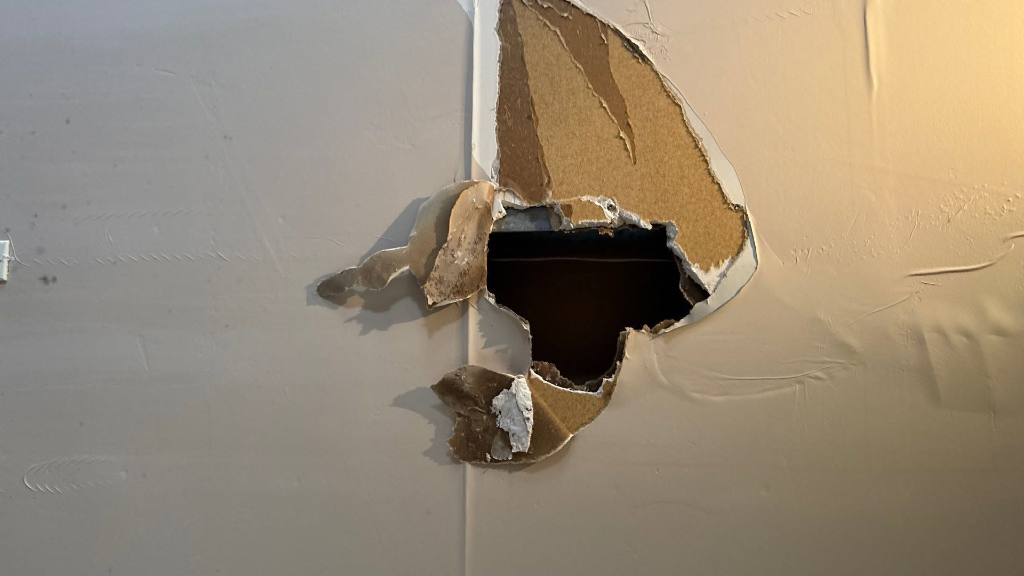
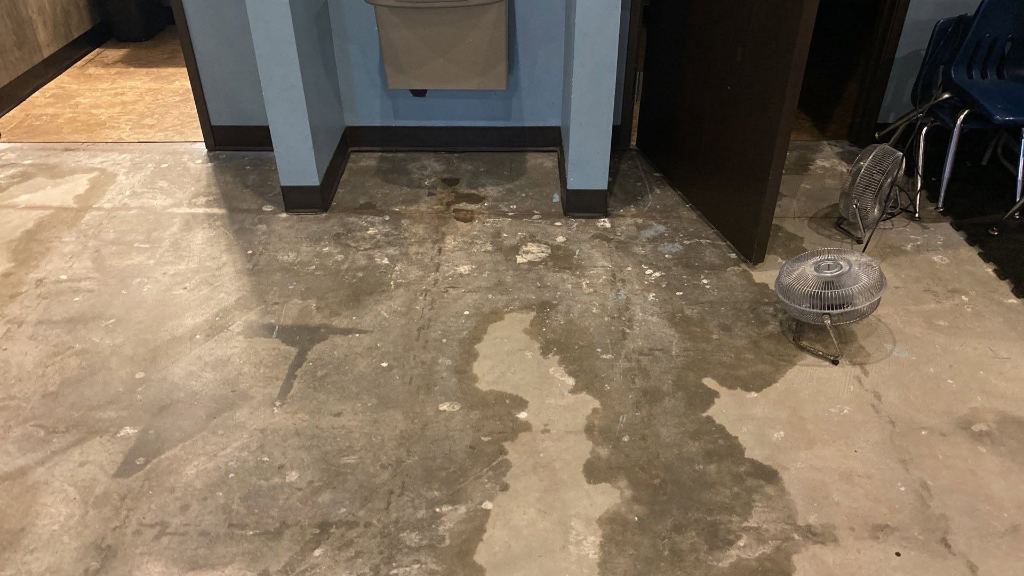
Every response performed by Valley Restoration Pros is documented through photographic and thermographic records:
Comprehensive Commercial Microchip Test Lab Deionized Water Loop Flood Chandler Technical Manual & Operational Standards
Exhaustive engineering protocols, psychrometric calculations, geological multipliers, and step-by-step restoration standards for Maricopa County properties:
Executive Emergency Abstract: Commercial Microchip Lab Deionized Water Flooding in Chandler
The Price Road High-Tech Corridor and surrounding industrial technology hubs in Chandler, Arizona, represent the epicenter of global semiconductor manufacturing, microchip packaging, and advanced semiconductor testing. High-volume wafer testing facilities, burn-in validation labs, and automated test equipment (ATE) production lines operate around the clock in ultra-controlled cleanroom environments ranging from ISO Class 5 (Class 100) to ISO Class 7 (Class 10,000). To support continuous chip fabrication, precision wafer polishing, and test socket thermal stabilization, these facilities circulate thousands of gallons of ultra-pure deionized (DI) water through pressurized closed-loop polyvinylidene fluoride (PVDF) and polypropylene distribution headers. Operating at electrical resistivity levels of 18.2 Megohm-centimeters, this specialized water is stripped of all mineral ions, making it an aggressive, hyper-pure solvent.
When a primary high-purity water loop fractures—whether due to thermal expansion stress, ultrasonic welded joint fatigue, pneumatic pressure surges, or mechanical contractor impact—hundreds of gallons per minute of high-resistivity DI water discharge into the cleanroom suite and subterranean sub-fab plenum. Escaping water cascades through perforated raised aluminum floor tiles, floods subterranean cable raceways, submerges multi-million-dollar automated test heads, and saturates epoxy-coated concrete sub-slabs. Because DI water is mineral-free, it aggressively leaches ions from concrete slabs, drywall gypsum, and metal framing, dissolving building binders and transforming into a conductive, corrosive slurry that destroys microelectronic circuitry.
In the extreme desert climate of Chandler, where summer ambient temperatures frequently exceed 115°F and semiconductor fabrication schedules tolerate zero downtime, rapid water intrusion creates an instant production crisis. High indoor relative humidity spikes destroy cleanroom dew point stability, causing microscopic condensation inside delicate wafer testing sockets and triggering catastrophic electrostatic discharge (ESD) events. Immediate professional mobilization for certified cleanroom emergency water extraction and rapid industrial structural drying is vital to stabilize the cleanroom envelope, salvage automated test equipment, and prevent catastrophic product yield loss.
Valley Restoration Pros deploys the East Valley’s premier semiconductor cleanroom disaster mitigation team. Our master-certified IICRC commercial disaster specialists and cleanroom protocol technicians mobilize within thirty minutes across Chandler, Tempe, Mesa, and Gilbert. We arrive on site equipped with static-dissipative (ESD-safe) vacuum extraction systems, trailer-mounted desiccant dehumidifiers capable of achieving sub-zero dew points, explosion-proof negative-air HEPA scrubbers, and high-resolution FLIR thermal diagnostic cameras. We work directly with semiconductor cleanroom managers, test lab directors, and facility engineering staff to isolate flooding, extract high-purity water, and return controlled environments to ISO 14644 particulate specifications without cross-contaminating adjoining production bays.
For semiconductor facility engineers, cleanroom operations directors, and quality assurance managers facing an active deionized water loop burst or cleanroom flooding incident, our commercial command center operates twenty-four hours a day, 365 days a year. Immediate emergency dispatch is available directly at (602) 847-9593. Our certified emergency teams execute rapid on-site stabilization without delay, providing guaranteed thirty-minute response windows to high-tech campuses along the Price Road corridor, Loop 101, and Loop 202.
Immediate Microchip Lab First-Hour Action Directives
- Isolate Cleanroom DI Loop Supply Valves: Close the pneumatic or manual quarter-turn PVDF isolation valves supplying the affected test bay header in the utility chase or sub-fab distribution manifold.
- De-energize Automated Test Equipment (ATE): Initiate controlled emergency shutdown of high-density wafer probers, burn-in chambers, and robotic test handlers to prevent short-circuiting across high-density pin electronics.
- Isolate Cleanroom Recirculation HVAC & FFU: Switch affected cleanroom bay fan filter units (FFU) to isolation mode to prevent high-humidity aerosolized water droplets from circulating across adjacent sterile wafer production bays.
- Mobilize Certified Cleanroom Restoration: Contact Valley Restoration Pros at (602) 847-9593 for immediate thirty-minute deployment of ESD-safe extraction units and high-capacity desiccant structural drying equipment.
In commercial semiconductor packaging and testing facilities throughout Chandler and the greater Phoenix metro area, high-purity water systems are vital yet unforgiving. Stripped of minerals, deionized water seeks equilibrium by actively dissolving surrounding materials. When a high-pressure line fractures inside a cleanroom, the released water instantly attacks concrete sub-floors, dissolving calcium hydroxide and releasing microscopic airborne particulates that clog ULPA and HEPA ceiling filtration grids.
Our technicians operate under strict adherence to ISO 14644 cleanroom standards, IEST-RP-CC018 cleanroom housekeeping protocols, and IICRC S500 procedural standards for professional water damage mitigation. We bring dedicated portable power generators, intrinsically safe lighting, and certified airside containment equipment to stabilize critical cleanroom facilities without compromising sterile environments or production schedules.
In semiconductor wafer probe suites, automated test heads dock onto probers with sub-micron robotic accuracy, connecting thousands of microscopic beryllium-copper or tungsten probe needles directly to silicon die contact pads. The introduction of high humidity or aerosolized DI water droplets into these interface docking ports causes instant dielectric breakdown. Trace water film across ceramic space transformers creates high-resistance leakage paths, producing false test failures and halting multi-million-dollar production lots.
Valley Restoration Pros maintains specialized mobile cleanroom decontamination rigs equipped with ultra-pure nitrogen purge kits and vacuum desiccation chambers. When critical test sockets, pogo-pin towers, or automated device handlers are exposed to water, our technicians execute precision de-energized isopropyl alcohol (IPA) washdowns and continuous dry-nitrogen purges to remove bound moisture molecules from micro-scale geometries before corrosion can develop.
Our East Valley semiconductor disaster command fleet is fully autonomous, outfitted with mobile 250kW whisper-quiet generator sets, oil-free medical-grade compressed air systems, and static-grounded vacuum tankers. We understand that in modern microchip testing facilities, contamination control is just as critical as moisture removal. Every process we implement is designed to protect multi-million-dollar automated testing capital equipment and safeguard the critical production schedules of our semiconductor manufacturing clients.
Anatomy of DI Water Loop Ruptures: 18.2 Megohm Leaching, Sub-Fab Plenums & ATE Electronics
Semiconductor wafer test laboratories operate on raised-access flooring systems engineered to provide laminar airflow, vibration damping, and clean routing for high-density power cabling, liquid cooling lines, and vacuum piping. Beneath the 24-inch perforated aluminum floor panels lies the sub-fab plenum—a recessed structural concrete zone typically six to twelve feet deep that houses the physical infrastructure supporting cleanroom production. Pressurized ultra-pure deionized (DI) water loops are routed through this plenum and up into individual automated test equipment (ATE) docking carts.
Because metal piping leaches trace ions into pure water, semiconductor DI water distribution systems are constructed exclusively from high-purity fluoropolymer plastics—primarily polyvinylidene fluoride (PVDF) and perfluoroalkoxy (PFA). These thermoplastic pipes are joined using automated infrared (IR) butt-welding or beadless welding techniques. Mechanical failure typically occurs at welded joints due to hydraulic water hammer shock when pneumatic rinse valves snap shut, mechanical stress from thermal expansion cycles, or physical damage during equipment re-tooling.
Sub-Fab Plenum Inundation
Pressurized DI water floods the sub-fab concrete floor, submerging high-voltage AC/DC power transformers, vacuum pumps, RF generators, and fiber-optic telemetry conduits beneath raised flooring.
Ionic Leaching & Conductivity Spike
Ultra-pure 18.2 Megohm water leaches free ions from concrete sub-slabs and epoxy coatings, transforming into a conductive electrolyte solution that short-circuits sensitive automated test heads.
Cleanroom Particulate Aerosolization
High-velocity laminar airflow aerosolizes standing water droplets, dispersing mineral salts and moisture into HEPA ceiling grids, destroying cleanroom particulate sterility.
Hydrodynamics and Chemical Aggressiveness of Deionized Water
A commercial microchip testing cleanroom circulates deionized water at continuous supply pressures between 60 and 85 PSI. When an overhead PVDF header or tool-level supply manifold fractures, water discharges at velocities exceeding 30 feet per second. Within fifteen minutes, more than 2,000 gallons of high-purity water pool across the cleanroom floor and drain into the sub-fab return air plenum.
Unlike standard potable water, 18.2 Megohm DI water is chemically unbalanced. Lacking dissolved minerals, it aggressively dissolves calcium carbonate and silicate compounds from concrete surfaces. As the water absorbs ions, its electrical conductivity surges from less than 0.055 microSiemens per centimeter (μS/cm) to over 500 μS/cm within minutes. This rapid shift means that standing water on automated test cart backplanes becomes highly conductive, establishing destructive electrical leakage paths that burn out gallium nitride (GaN) and silicon carbide (SiC) power test modules. For related cleanroom recovery protocols, cross-reference our work in semiconductor wet bench flood restoration and industrial commercial water damage mitigation.
Furthermore, water escaping into the sub-fab saturates vibration-isolation concrete plinths supporting multi-ton step-and-repeat wafer testing machines. If moisture penetrates beneath seismic anchor bolts, hydrostatic pressure causes micro-movement of test heads, throwing automated laser alignment out of calibration by tens of microns—an error fatal to 3-nanometer semiconductor packaging. To halt structural moisture migration, our teams deploy industrial burst pipe repair containment barriers and deep concrete slab drying systems.
When sub-fab water overflows floor drains, runoff can enter subterranean industrial waste neutralization (IWN) collection systems. Our technicians coordinate with facility wastewater teams using specialized sewage cleanup vacuum containment infrastructure to ensure regulatory compliance and prevent environmental releases.
The metallurgical phenomena known as electrochemical migration (ECM) and dendritic growth represent the greatest long-term threat to electronics subjected to water intrusion. When energized printed circuit boards with fine-pitch surface-mount components (such as 0.4mm pitch ball grid arrays) are exposed to water containing even minor ionic contamination, an electric potential gradient drives metal ions (primarily tin, lead, and copper) from the anode to the cathode.
These microscopic metallic dendrites grow across circuit traces like crystalline tree branches within hours, creating permanent short circuits that incinerate board traces upon system re-energization. By establishing rapid desiccant drying and executing precision solvent decontamination to remove ionic residues, our certified crews halt electrochemical migration in its initial incubation phase, salvaging circuit assemblies that would otherwise require total scrap and replacement.
In automated wafer test cells, optical inspection cameras and laser autofocus sensors rely on ultra-clean sapphire and quartz optical glass. When deionized water droplets evaporate on optical lenses, they leave behind faint evaporation rings consisting of dissolved microscopic silicates leached from piping walls. Our cleanroom technicians utilize specialized optical cleaning swabs and spectroscopic-grade solvents to restore optical components to diffraction-limited performance standards.
Chandler High-Tech Corridor Climatic Multipliers: 18 GPG Scaling, 115°F Heat & Caliche Soils
Semiconductor cleanroom facilities operating in Chandler and the East Valley face extreme climatic realities. The Sonoran Desert environment subjects industrial facilities to intense summer ambient heat, high municipal water hardness, and expansive subsurface clay caliche formations that amplify property destruction when plumbing systems fail.
Raw municipal water supplied to Chandler semiconductor campuses originates from Central Arizona Project (CAP) canal water and Salt River Project (SRP) sources, testing between 16 and 22 grains per gallon (GPG) of mineral hardness (275 to 375 ppm TDS). To produce 18.2 Megohm DI water, semiconductor facilities operate massive reverse osmosis (RO) and continuous electrodeionization (CEDI) treatment plants. However, the mineral-heavy feedwater causes intense scaling across RO membrane housings, pre-treatment heat exchangers, and primary raw water feed risers. When mineral scaling causes pressure drops, system pumps cycle erratically, creating hydraulic pressure surges that trigger downstream piping ruptures in cleanroom distribution headers.
Chandler Semiconductor Environmental Multipliers
| Environmental Factor | Chandler Operational Metric | Cleanroom & Structural Consequences |
|---|---|---|
| Feedwater Mineral Encrustation | 16 to 22 GPG (275-375 PPM) | Calcite scaling on pre-treatment RO membranes creates severe water hammer pressure spikes that rupture downstream PVDF cleanroom loop joints. |
| Ambient Summer Temperatures | 114°F to 118°F Summer Peaks | Extreme thermal contrast between 115°F exterior air and 68°F cleanroom interior creates massive vapor pressure drives across facility building envelopes. |
| Expansive Caliche & Clay Soils | Shrink-Swell Index (PI > 32) | Sub-fab water ponding saturates foundation subgrade, triggering caliche soil swelling that misaligns vibration-sensitive wafer testing tools. |
| Monsoon Haboob Particulates | Microscopic Silicate Air Particulates | Monsoon windstorms overwhelm makeup air handling units (MAU) during cleanroom envelope breaches, contaminating damp cleanrooms with silicates. |
During the scorching desert summer (June through September), ambient daytime air temperatures routinely reach 115°F to 118°F. Inside the cleanroom, air conditioning systems maintain a strict 68°F and 45% relative humidity. When a pipe burst occurs, the release of warm water into this chilled environment triggers rapid vapor condensation along metal ceiling tracks, HEPA filter housings, and cold DI water supply lines. If mechanical dehumidification is not initiated immediately, trapped moisture fosters fungal spores behind cleanroom wall liners within 24 to 36 hours.
The geological reality of the Price Road corridor in Chandler is defined by dense caliche soil layers. When floodwater escapes sub-fab drainage troughs, it pools against the building foundation. As the caliche absorbs moisture, it expands upward, exerting thousands of pounds of hydraulic pressure against concrete slabs. This foundation heave cracks sub-fab epoxy membranes, allowing moisture to wick upward continuously. For sub-surface concrete diagnostic mapping, our teams deploy advanced slab leak water damage restoration infrared testing methodologies.
During late summer monsoon storms, sudden atmospheric pressure drops and heavy rainfall overload campus retention basins. If exterior floodwaters threaten sub-fab service docks, our crews deploy rapid storm flood cleanup barriers and submersible extraction pumps to protect critical semiconductor manufacturing envelopes.
The vapor pressure physics of the Sonoran Desert in summer exert an immense drying challenge on cleanroom envelopes. While outdoor air at 115°F and 15% relative humidity possesses an ambient vapor pressure of approximately 0.44 PSI, the warm standing water inside a flooded 75°F cleanroom creates a localized surface vapor pressure of 0.87 PSI. This intense vapor pressure differential drives moisture toward cooler structural surfaces, causing hidden condensation inside electrical switchgear boxes, variable-frequency motor drives (VFD), and robotic wafer track mechanisms.
Furthermore, the high mineral density of Phoenix and East Valley municipal water supplies (averaging 18 GPG) means that any potable cooling water loop or secondary emergency water makeup line that ruptures releases heavy concentrations of calcium and magnesium carbonates. In semiconductor cleanrooms, these dissolved minerals bond tenaciously to aluminum cleanroom wall cladding and stainless steel tool enclosures, leaving conductive alkaline residues that require specialized non-abrasive chelation cleaning to restore baseline cleanliness standards.
Critical First-Hour Protocol: Cleanroom ESD Isolation, DI Water Halting & Sub-Fab Dewatering
The initial sixty minutes following a deionized water loop rupture in a Chandler microchip testing cleanroom determine whether the facility experiences brief testing interruptions or catastrophic multi-million-dollar automated test equipment destruction. Because cleanrooms are highly sensitive environments requiring strict particulate control, standard restoration extraction methods cannot be employed.
Cleanroom supervisors, semiconductor technicians, and emergency responders must execute a rigorous four-phase initial safety isolation sequence before physical water extraction begins:
Isolate DI Water Manifold
Actuate the emergency pneumatic or manual quarter-turn PVDF shutoff valve feeding the affected cleanroom test bay loop, and open the designated drain-down circuit to relieve residual pressure.
De-energize Sub-Fab Power
Execute lockout/tagout (LOTO) protocols for submerged 480V sub-fab power distribution panels, RF test generators, and ATE power supply racks to prevent arc faults and technician shock hazards.
Establish Static-Safe Zones
Deploy ESD-safe floor grounding straps and static-dissipative suction hoses to prevent static charge buildup during mechanical water extraction across sensitive semiconductor test equipment.
Mobilize Cleanroom Extractors
Deploy Valley Restoration Pros cleanroom-certified HEPA-filtered vacuum extraction units and trailer-mounted desiccant systems to dewater raised floors and sub-fab concrete trenches.
Upon arriving on site, our cleanroom-certified technicians suit up in lint-free, static-dissipative cleanroom coveralls, nitrile gloves, and conductive ESD booties before crossing the cleanroom gowning anteroom. All restoration tools, hoses, and vacuum extractors are thoroughly wiped down with 70/30 electronic-grade isopropyl alcohol (IPA) and deionized water wipes in the pass-through airlock to eliminate external particulate contamination.
Extraction begins immediately on the raised access floor tiles using specialized non-marking, static-grounded extraction wands. Perforated floor tiles are carefully removed using dual-cup vacuum tile lifters to expose the flooded sub-fab plenum beneath. Intrinsically safe pneumatic suction extractors withdraw standing liquid from cable troughs, piping chases, and concrete drainage sumps into dedicated holding tanks. If secondary cooling loops or central chiller networks are affected, we coordinate with our commercial chiller pipe flood restoration teams.
Continuous airborne particulate counting is maintained using calibrated laser optical particle counters. Air samples are logged every fifteen minutes to ensure that ISO Class 5 and Class 6 airborne cleanliness thresholds (less than 3,520 particles per cubic meter at 0.5 microns) are strictly maintained throughout the water extraction and drying operations.
Cleanroom Equipment Specifications: ESD-Safe Desiccants, HEPA Scrubbers & Laser Particulate Counters
Drying a semiconductor cleanroom and subterranean sub-fab plenum requires specialized equipment engineered to prevent particulate contamination and eliminate electrostatic discharge (ESD) risks. Conventional commercial drying fans and refrigerant dehumidifiers emit carbon brush particulates and generate static electricity charges exceeding 10,000 volts—levels that instantly destroy microchips and sensitive test heads.
Valley Restoration Pros maintains an advanced inventory of cleanroom-certified restoration technology engineered specifically for semiconductor and advanced electronics manufacturing:
Semiconductor Cleanroom Industrial Restoration Arsenal
| Equipment Type | Cleanroom Specification | Operational Mission in Cleanroom Floods |
|---|---|---|
| Trailer-Mounted Desiccant Dehumidifiers | 6,000 to 9,000 CFM, Solid Silica Gel Rotor, <8 GPP Output | Delivers ultra-low dewpoint process air through antistatic ducting into the sub-fab, vaporizing moisture from delicate test hardware without heat buildup. |
| Static-Dissipative Cleanroom Extractors | Pneumatic Air-Driven, Conductive Hoses, Surface Resistivity <10^9 Ω | Safely removes DI water from automated test heads, cable raceways, and raised access floors without generating dangerous static charges. |
| Cleanroom Negative-Air HEPA Scrubbers | True HEPA 99.99% @ 0.3μm, Brushless EC Motors, Stainless Steel Housings | Maintains negative air pressure inside the flooded cleanroom bay, preventing airborne moisture or particulates from contaminating sterile zones. |
| Handheld Laser Particle Counters | 6-Channel Simultaneous (0.3, 0.5, 1.0, 3.0, 5.0, 10.0μm), NIST Calibrated | Continuously monitors airborne particulate concentrations to verify real-time compliance with ISO 14644-1 cleanroom classifications. |
| FLIR T1020 HD Thermal Diagnostic Imaging | 1024x768 Sensor Resolution, <0.02°C Thermal Sensitivity | Pinpoints hidden moisture pockets trapped behind cleanroom honeycomb panels, under sub-fab concrete plinths, and inside wire chases. |
The desiccant dehumidification system is staged outside the cleanroom building envelope. Heavy-duty 20-inch static-dissipative lay-flat ducting is routed through dedicated mechanical access doors into the sub-fab plenum. Ultra-dry air (with dew points reaching -20°F) is introduced at high volume beneath the raised access flooring, creating a pressurized dry-air blanket that sweeps through perforated floor tiles and exhausts through return air plenums.
To dry complex automated test equipment cart bays and hollow vibration-isolated structural pedestals, our teams deploy customized cleanroom Injectidry micro-port drying manifolds. These non-marking silicone systems deliver low-grain desiccant air directly into enclosed tool bases and cable raceways through existing tool inspection knockouts, vaporizing trapped capillary moisture without requiring invasive mechanical disassembly or tool re-anchoring.
Our mobile cleanroom fleet also includes specialized class-certified ultrasonic parts cleaners and vapor degreasing chambers. Removable circuit assemblies, wafer carrier trays, and test socket interface blocks that were splashed during the pipe rupture undergo multi-stage ultrasonic cavitation baths using pure electronic-grade fluids, completely stripping away microscopic mineral residues and flux residues before final high-vacuum baking.
To calculate accurate drying requirements and operational costs for mission-critical cleanroom environments or evaluate project budgets, facility directors can access our interactive cost estimator tool for transparent, itemized commercial estimates.
IICRC S500 Cleanroom Protocol: 6-Stage Semiconductor Lab Stabilization Framework
Restoring a semiconductor wafer testing laboratory following a major deionized water loop burst requires an uncompromising engineering methodology. Valley Restoration Pros implements a specialized 6-stage cleanroom mitigation framework developed in compliance with IICRC S500 professional water damage restoration standards, ISO 14644 cleanroom particulate standards, and ESD Association ANSI/ESD S20.20 electrostatic discharge control standards.
The 6-Stage Cleanroom Restoration Framework
Stage 1: Cleanroom Containment Isolation & Pressure Balancing
Isolate the flooded cleanroom bay from adjacent production suites using antistatic polyethylene barriers and zipper airlocks. Establish negative pressure containment using HEPA scrubbers with stainless steel housings.
Stage 2: Static-Safe Bulk DI Extraction & Sub-Fab Dewatering
Deploy ESD-grounded pneumatic suction wands to extract thousands of gallons of deionized water from raised access flooring and subterranean sub-fab trenches without generating electrostatic charges.
Stage 3: Thermal Infrared Diagnostic Moisture Mapping
Execute precision FLIR high-definition thermal imaging scans across cleanroom aluminum honeycomb walls, sub-fab concrete plinths, and cable tray raceways to map all hidden moisture pockets.
Stage 4: Ultra-Low Dewpoint Desiccant Dehumidification
Inject ultra-dry process air (<8 GPP) from trailer-mounted desiccant systems into the sub-fab plenum, creating deep vapor pressure gradients that desorb moisture from concrete slabs and ATE test heads.
Stage 5: Dielectric Testing & Electronic Decontamination
Wipe down all exposed hardware with electronic-grade isopropyl alcohol (IPA). Perform insulation resistance testing (Megger test) across high-voltage power feeds to ensure dielectric integrity exceeds 1,000 Megohms.
Stage 6: ISO 14644 Recertification & Commissioning Handover
Conduct comprehensive laser optical particle counts across all cleanroom test grids to certify ISO Class 5/6 air cleanliness. Provide complete psychrometric logs and engineering reports for production sign-off.
Throughout this multi-stage framework, biological contamination risks are continuously controlled. In the warm ambient climate of Chandler, any stagnant moisture left behind wall panels can foster mold growth within 36 hours. Our procedures integrate certified mold remediation containment standards and EPA-registered botanical antimicrobials to guarantee complete indoor air hygiene.
To ensure uninterrupted cleanroom recovery, our project managers provide real-time psychrometric tracking to semiconductor facility directors and cleanroom quality coordinators. Moisture content readings, temperature, relative humidity, and grains-per-pound metrics are recorded hourly, verifying continuous progress toward full structural dry standard compliance.
Final cleanroom recertification is conducted strictly in accordance with ISO 14644-1 Annex B verification protocols. Our certified cleanroom auditors establish a statistical sampling grid across the entire flooded bay and sub-fab plenum, operating calibrated 6-channel optical laser particle counters to measure particulate concentrations at 0.3, 0.5, 1.0, and 5.0 microns. The facility is only signed off and handed back to client operations once particulate counts consistently verify within ISO Class 5 or Class 6 limits across three consecutive operating shifts.
Chandler Case Study: Price Road Corridor 14,000 Sq Ft Wafer Test Lab Stabilization
Incident Profile: Advanced Semiconductor Packaging & Test Facility, Chandler, AZ
- Location: South Price Road & West Willis Road, Chandler, AZ 85286
- Facility Description: 14,000-square-foot ISO Class 6 cleanroom housing twenty-four automated wafer probers and high-density semiconductor burn-in validation test cells.
- Incident Cause: A 3-inch high-purity PVDF deionized water loop supply pipe suffered an infrared weld joint separation at 1:15 AM, discharging approximately 5,400 gallons of 18.2 Megohm water into the sub-fab plenum and raised floor cavity before automatic shutoff was triggered.
- Initial Environmental Conditions: Water depth of 7 inches across the concrete sub-fab slab; cleanroom relative humidity of 96%; particulate counts spiking to ISO Class 8 levels; high-resistivity DI water actively leaching concrete binders, driving conductivity from 0.05 μS/cm to 420 μS/cm.
Mitigation Execution & Results
Valley Restoration Pros was dispatched via our commercial semiconductor hotline at 1:28 AM. Our certified cleanroom disaster crew arrived on site at 1:54 AM with static-dissipative suction trucks, cleanroom antistatic lay-flat ducting, and two 6,000 CFM mobile desiccant dehumidifiers. Following confirmed electrical lockout/tagout of submerged sub-fab power busways, technicians suited up in ISO Class 5 cleanroom apparel and deployed ESD-grounded pneumatic diaphragm pumps.
Within 90 minutes, 5,200+ gallons of deionized water were extracted from the sub-fab plenum into clean holding containers. Technicians duct-connected the desiccant trailers directly to the sub-fab plenum, introducing -18°F dewpoint process air while stainless-steel negative-air HEPA scrubbers filtered air at 0.3 microns. By 7:00 AM, cleanroom relative humidity dropped from 96% to 28%, and laser particle counts returned to ISO Class 6 specifications.
Outcome: Complete cleanroom structural drying achieved in 48 hours. Dielectric insulation testing (Megger test) verified all 480V sub-fab power distribution circuits exceeded 1,800 Megohms. Zero automated test equipment (ATE) carts suffered electronic damage. The facility passed independent ISO 14644-1 airborne particulate recertification, saving an estimated $6.2 million in equipment replacement and wafer scrap costs. Full production testing resumed on schedule with zero customer shipment delays.
For semiconductor facility directors and cleanroom operators across Chandler water damage service territories, our rapid emergency deployment provides unparalleled cleanroom restoration expertise. We serve major tech hubs across Maricopa County, including Tempe, Mesa, and Phoenix.
Semiconductor Financial Transparency: Xactimate Itemization, Claims Documentation & Billing
Commercial semiconductor cleanroom water damage claims involve intricate insurance policy dynamics, including high-tech manufacturing endorsements, business interruption coverages, specialized equipment inland marine transit riders, and cleanroom recertification expenses. Navigating these claims requires exhaustive empirical documentation, certified psychrometric logs, and standardized industry pricing before claims can be approved.
Our Semiconductor Commercial Financial Transparency Standards
- Free Comprehensive On-Site Damage Assessment: We provide detailed initial cleanroom and sub-fab structural damage evaluations at zero initial cost to semiconductor plant directors and cleanroom facility managers.
- Transparent Upfront Itemized Pricing: All commercial cleanroom mitigation work is scoped, itemized, and priced utilizing standardized Xactimate commercial rate codes before work commences. We never issue vague or unitemized invoices.
- Assistance with Detailed Claims Documentation: We furnish complete psychrometric moisture logs, daily equipment run-time logs, certified thermal imaging scans, and Megger test reports directly to commercial adjusters and high-tech underwriters.
- Zero Direct Billing Guarantees: In accordance with Arizona commercial compliance standards, we maintain clear client financial transparency. Property owners retain final fiscal oversight while we assist in navigating complex commercial claims adjusters.
Our commercial account managers work directly with major high-tech commercial insurers (including FM Global, Zurich, Travelers, Chubb, and Munich Re) to ensure every mobilization hour, cleanroom desiccant operating cycle, and particulate monitoring log complies with carrier audit standards. We deliver complete psychrometric logs detailing daily grains-per-pound (GPP) reduction alongside certified laboratory water analysis reports verifying complete absence of volatile chemical compounds before facility re-commissioning. For cleanroom facility directors seeking to project emergency remediation scopes, our commercial engineering team provides real-time consultation and detailed preliminary Xactimate scopes of work to streamline corporate risk approvals. For more information on commercial restoration costs, visit our restoration cost estimator or connect directly with our emergency dispatch team.
Frequently Asked Questions: Microchip Test Lab Deionized Water Flood Mitigation
Why is 18.2 Megohm deionized water dangerous to semiconductor building materials?
Ultra-pure deionized water has been stripped of all dissolved minerals and ions. In chemical equilibrium, it acts as an aggressive solvent, actively leaching calcium, magnesium, silicates, and heavy metals from concrete sub-floors, epoxy coatings, and metal structural framing. As it absorbs ions, its electrical conductivity increases tenfold, transforming what was non-conductive water into a highly conductive fluid capable of causing catastrophic short circuits across microelectronics.
How does Valley Restoration Pros prevent electrostatic discharge (ESD) during cleanroom drying?
We utilize certified static-dissipative (ESD-safe) extraction equipment, antistatic lay-flat ducting, and grounded pneumatic suction tools. All technicians wear conductive ESD cleanroom footwear and grounding wrist straps. Air movers and desiccant ducting are continuously bonded to facility equipment grounds to prevent triboelectric static voltage buildup above 100 volts, in strict compliance with ANSI/ESD S20.20 standards.
Can flooded automated test equipment (ATE) carts be saved without full replacement?
Yes. If high-voltage power is de-energized immediately before water penetrates test head electronics, equipment can be salvaged through precision restoration. We utilize non-conductive dielectric solvent rinses, ultrasonic bath cleaning of circuit assemblies, and high-vacuum desiccant baking to eliminate moisture and microscopic mineral deposits before megohmmeter dielectric testing and re-commissioning.
How is ISO 14644 cleanroom air quality maintained during water extraction?
We erect antistatic poly containment chambers with airlocks around the flooded bay and deploy negative-air scrubbers fitted with certified 99.99% HEPA filtration at 0.3 microns. Continuous optical particle counters monitor airborne particulate counts in real time, ensuring that remediation activities never discharge particulates into adjacent operating cleanroom suites.
Why are standard refrigerant (LGR) dehumidifiers prohibited in semiconductor cleanrooms?
Standard LGR dehumidifiers utilize carbon-brush motors that discharge thousands of conductive carbon dust particles into the air, violating cleanroom particulate standards. Furthermore, LGR units cannot achieve the ultra-low dew points (below 0°F) necessary to pull bound moisture from microscopic crevices in electronic test boards. Only cleanroom-rated desiccant dehumidifiers with external process exhaust can meet these requirements.
How quickly can Valley Restoration Pros deploy to Chandler cleanroom facilities?
Our rapid emergency cleanroom disaster response units are staged strategically in the East Valley, enabling guaranteed on-site arrival within thirty minutes for facilities along the Price Road Corridor, Loop 202, Loop 101, and the Chandler Airpark technology center. Our teams arrive fully equipped with mobile desiccant trailers, static-safe extraction units, and cleanroom containment ready for immediate deployment.
What documentation is provided to semiconductor facility insurers and OEM auditors?
We deliver an exhaustive technical documentation package, including hourly psychrometric drying logs, laser particle count certifications, high-definition FLIR thermal scans, megohmmeter insulation resistance verification reports, and Xactimate itemized pricing records conforming to commercial insurance audit standards.
How does sub-fab water accumulation affect concrete foundation stability in Chandler?
Standing water that seeps beneath the sub-fab slab saturates native caliche clay subsoils. Because Chandler caliche has a high shrink-swell index, water absorption causes hydraulic foundation heave that tilts sensitive vibration-isolated concrete equipment plinths, throwing multi-million-dollar automated wafer probers out of optical alignment. Immediate sub-slab extraction is critical to halt soil movement.
What specific procedures protect against particle cross-contamination during structural drying?
To prevent particulate cross-contamination between bays, our crews erect flame-retardant static-dissipative polyethylene barrier walls anchored with spring-loaded isolation poles. Negative-air HEPA scrubbers maintain continuous inward air pressure of at least -0.02 inches of water column relative to adjacent cleanroom zones. Differential pressure gauges with digital telemetry alarms continuously verify containment integrity throughout all phases of extraction and dehumidification.
How is deionized water line restoration documented for semiconductor equipment warranties?
Original Equipment Manufacturers (OEMs) of semiconductor automated test equipment (such as Advantest, Teradyne, and TEL) require rigorous proof that moisture, ionic contaminants, and ESD events did not compromise tool internal assemblies. We furnish complete forensic packages containing NIST-traceable psychrometric records, certified dielectric insulation resistance readings, ionic surface swab chromatography results, and laser particle count data to satisfy OEM field service engineers and protect existing tool maintenance warranties.
Verified Local Area Dispatch: Chandler, AZ
Official Geo-Coordinates: 33.3062° N, -111.8413° W • Maricopa County
Related Specialized Emergency Restoration Services
Explore specialized rapid-response mitigation protocols across Greater Phoenix and Maricopa County:
Valley-Wide Emergency Response Service Coverage
Our mobile restoration fleet is dispatched across the entire Phoenix metropolitan region, providing rapid 30 to 60 minute emergency response: