

Valley Restoration Pros delivers 24/7 industrial emergency water extraction, thermal psychrometric drying, and structural mitigation across Phoenix and Maricopa County with guaranteed 30–60 minute rapid arrival. All protocols strictly adhere to IICRC S500 standards, featuring upfront itemized pricing and free on-site thermal moisture assessments. Call dispatch directly at (602) 847-9593.
Why Immediate Mitigation Is Critical in Phoenix Heat
Catastrophic stormwater scupper failure and roof membrane collapse discharge over 250,000 gallons of contaminated monsoon runoff into multi-story central atrium courts, shattering acoustic ceiling grids and overloading vertical structural support columns. Uncontrolled deluge through escalator shafts inundates subterranean mechanical pits, submerging 480V three-phase drive motors, hydraulic reservoirs, step chains, and safety braking mechanisms in silt-heavy runoff. Multi-tenant retail demising walls absorb lateral capillary migration through double-layer Type X drywall and fiberglass sound batts, generating hidden fungal incubation zones across adjoining anchor stores within 24 to 48 hours. Saturated commercial terrazzo, polished concrete, and engineered luxury vinyl tile (LVT) flooring across pedestrian concourses suffer severe adhesive delamination, sub-slab osmotic blistering, and extreme slip-and-fall liability. Glendale summer ambient temperatures reaching 115°F transform non-conditioned mall retail bays into high-humidity thermal incubators, accelerating bacterial amplification and secondary moisture damage to tens of millions of dollars in retail inventory.
Service Definition & The IICRC Standard of Care
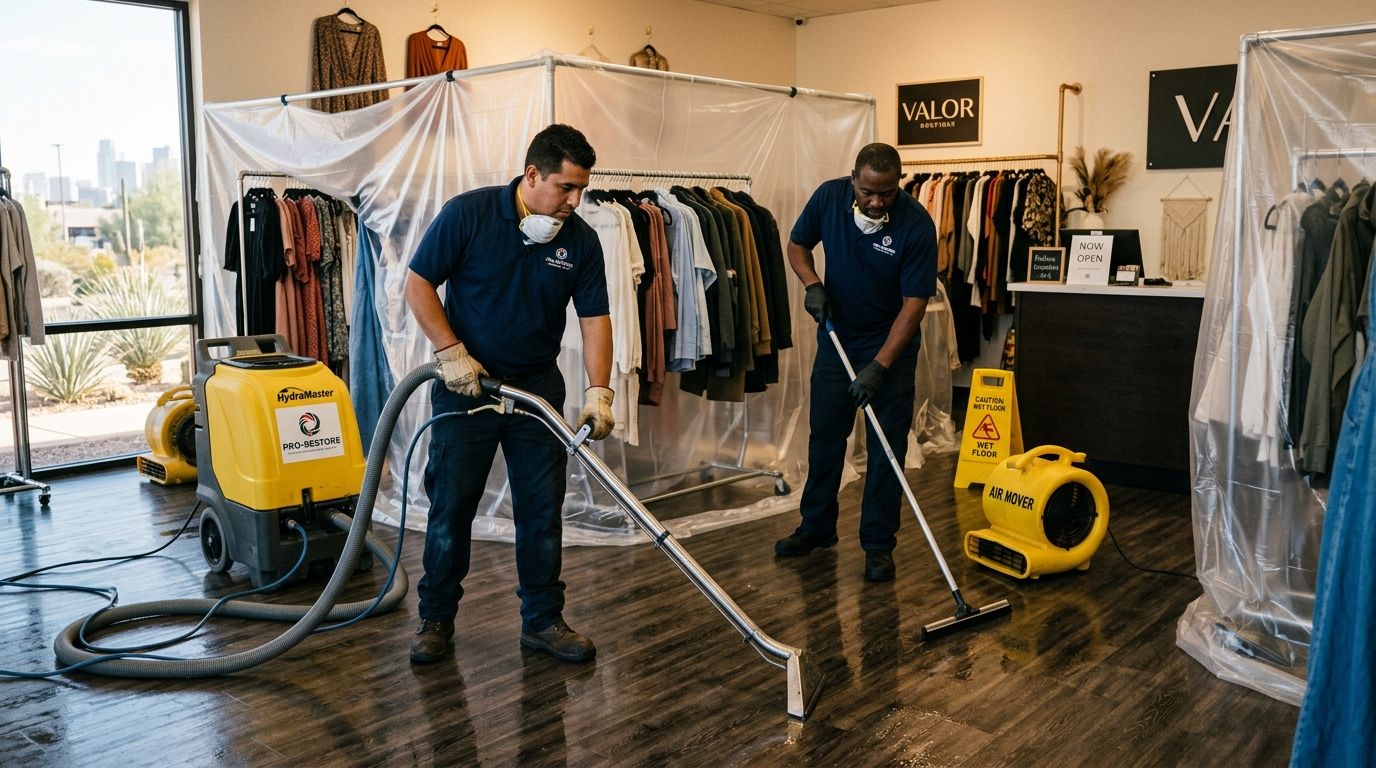
Professional arrowhead towne center commercial mall water extraction glendale is an engineering and environmental discipline adhering strictly to IICRC S500 protocols, not mere surface mopping. When structural plumbing failures strike in Maricopa County, certified emergency water extraction and thermal structural drying procedures must be deployed immediately. Whether triggered by high-pressure burst pipe emergencies, subfloor leaks, or commercial line ruptures, bound moisture rapidly penetrates concrete subfloors and wall framing. In the desert heat, delays trigger microbial proliferation requiring rapid mold remediation. Request damage assessment through our emergency assessment portal or request 30-minute dispatch across all Valley service areas.
Securing electrical feeds, inspecting load-bearing assemblies, and containing pathogens.
Stopping the intrusion source and erecting 6-mil plastic isolation containment airlocks.
31-HP truck-mount extraction, removing gallons exponentially faster than evaporation.
LGR dehumidifiers and HEPA air scrubbers driving grains per pound below 25 GPP.
Calibrated electronic pinless testing confirming baseline dry standards.
The Complete 6-Stage Restoration Roadmap
Our IICRC-certified crews execute a disciplined, scientific 6-stage protocol to stabilize and dry structural components:
Emergency Dispatch & Perimeter Isolation
30 to 60 minute arrival. Securing electrical shutoffs, evaluating structural loads, and erecting containment airlocks.
FLIR® Thermal Mapping & Baseline Scans
Infrared thermal scans detect trapped moisture behind walls and beneath concrete without invasive exploratory demolition.
High-Volume Bulk Extraction
31-HP truck-mount extraction units pump standing water away at hundreds of gallons per minute.
Controlled Selective Demolition
Precision flood cuts 12 to 24 inches above moisture lines, removing wet insulation and opening wall framing to dry airflow.
Thermodynamic Dehumidification
Industrial Low-Grain Refrigerant dehumidifiers pull deep trapped moisture from dense framing lumber and concrete slabs.
Antimicrobial Sanitization & Verification
EPA-registered botanical application (Benefect Decon 30) and calibrated moisture testing to issue an official dry certificate.

Specialized Equipment & Industrial Restoration Technology
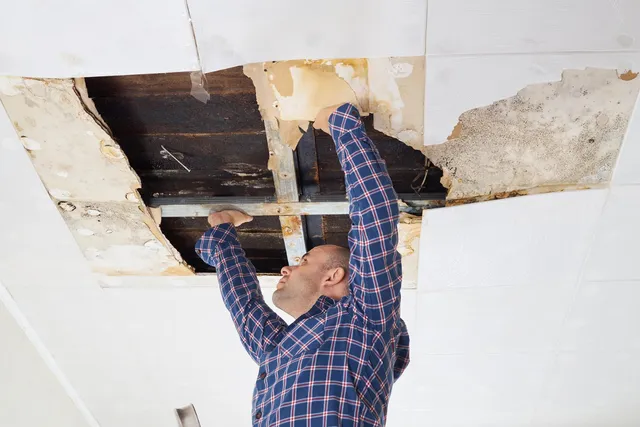
Mitigating severe property damage requires industrial-grade technology capable of altering thermodynamic psychrometrics:
Truck-Mounted Extraction Rigs
31-HP engines producing 16+ inches Hg vacuum suction to evacuate bulk water rapidly into holding tanks.
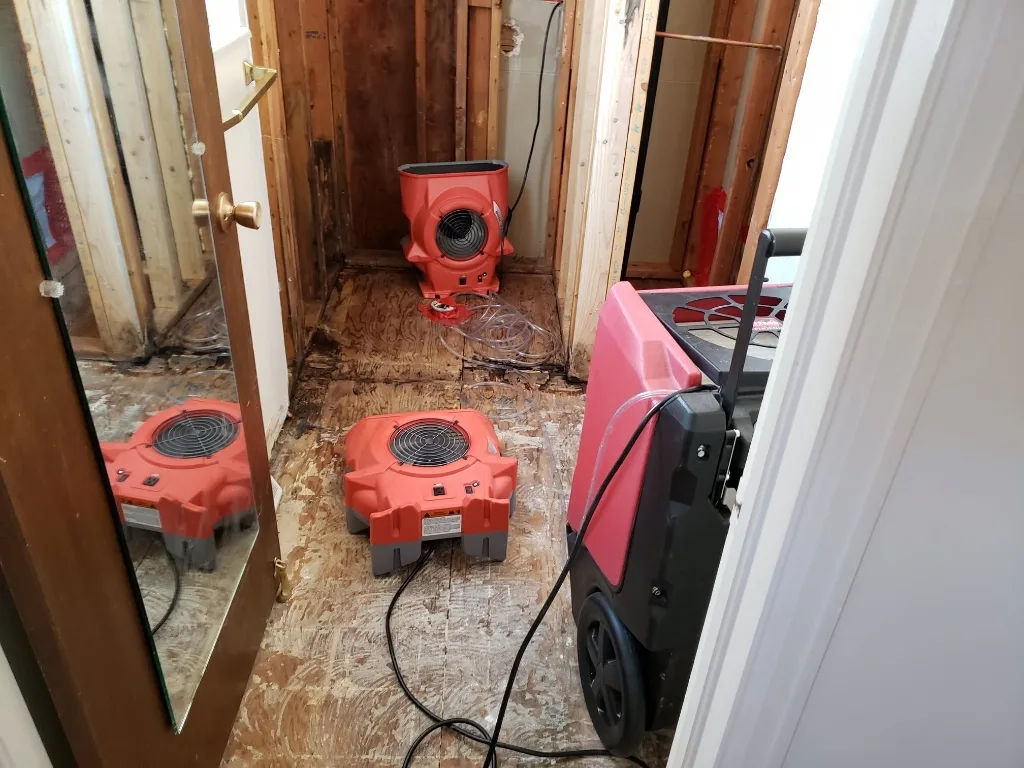
Low-Grain Refrigerant Dryers
Pre-cooling heat-pipe systems driving ambient grains per pound below 25 GPP to draw deep trapped water out of framing.
HEPA Negative-Air Scrubbers
Hospital-grade 99.97% particulate filtration capturing microscopic fungal spores, soot, and biohazard aerosols.
FLIR® Thermal Scanners & Probes
Infrared thermography detecting evaporative cooling boundaries behind walls, combined with digital RF pinless scanners.

Professional Restoration vs. DIY Mitigation
Attempting DIY cleanup during a property disaster creates severe hidden liabilities:
- Trapped Moisture: Surface drywall dries while moisture inside cavities triggers hidden mold blooms.
- Pathogenic Risks: Category 2 & 3 water contains bio-contaminants standard cleaners fail to kill.
- Insurance Denial: Insurers require daily psychrometric logs; lack of data causes claim disputes.
Transparent Upfront Itemized Pricing
Valley Restoration Pros operates with complete transparency:
- Free On-Site Assessment: Complete physical inspection before work begins.
- Upfront Itemized Estimates: Detailed line items calculated via industry-standard Xactimate.
- Zero Surprise Billing: No hidden charges or unauthorized repairs.
Certified arrowhead towne center commercial mall water extraction glendale Field Documentation
Every response performed by Valley Restoration Pros is documented through photographic and thermographic records:
Comprehensive arrowhead towne center commercial mall water extraction glendale Technical Manual & Operational Standards
Exhaustive engineering protocols, psychrometric calculations, geological multipliers, and step-by-step restoration standards for Maricopa County properties:
Executive Emergency Abstract: Super-Regional Mall Water Inundation & Atrium Structural Dewatering at Arrowhead Towne Center Glendale
Arrowhead Towne Center, situated prominently at the junction of West Bell Road and the Loop 101 Agua Fria Freeway in Glendale, Arizona, is a premier super-regional enclosed retail complex serving the Northwest Valley of metropolitan Phoenix. Spanning more than 1.2 million square feet of gross leasable area across two expansive enclosed levels, the facility anchors major multi-department retail tenants, an upper-level multi-screen cinema complex, dozens of national inline specialty retailers, high-density food court franchises, and soaring multi-story pedestrian atriums. The architectural design features immense open-span steel truss roofing, complex low-slope membrane roof expanses, exterior parapet drainage configurations, and cascading multi-bank escalator corridors that vertically bridge high-traffic concourses.
During severe North American desert monsoon cycles, violent microburst cells and convective atmospheric disturbances unleash localized rainfall intensities exceeding three inches per hour across Glendale and Peoria. When intense desert windstorms deposit dense layers of airborne silt, caliche grit, palm fronds, and storm debris across commercial flat roof expanses, primary drainage scuppers, interior roof drain sumps, and secondary overflow scupper assemblies become catastrophically obstructed within minutes. As stormwater volume outpaces discharge capacity, low-slope ethylene propylene diene monomer (EPDM) and thermoplastic polyolefin (TPO) roof systems experience extreme hydrostatic ponding loads. The structural weight of hundreds of thousands of gallons of trapped water exerts tremendous downward deflection forces on roof joists, leading to perimeter parapet counter-flashing rupture, interior expansion joint separation, or sudden catastrophic deck puncture.
When an overhead commercial roof barrier fails over a regional enclosed mall, the resulting incursion discharges hundreds of thousands of gallons of Category 3 contaminated stormwater through ceiling plenums directly into central court atriums, multi-tenant retail storefronts, and lower-level pedestrian avenues. Suspended heavy commercial acoustic ceiling tiles, light fixtures, and flexible HVAC ducting saturate, tear free from grid tie-wires, and collapse under extreme dynamic water weight. Uncontrolled cascades pour down vertical structural columns, penetrating tenant demising walls and cascading directly down active escalator stairwells into mechanical machinery pits below.
In an active retail environment housing hundreds of independent business operators and tens of millions of dollars in luxury soft goods, designer apparel, consumer electronics, and high-end restaurant culinary fixtures, uncontrolled water intrusion represents immediate financial catastrophe. Rapid facility stabilization requires an industrialized, multi-disciplined commercial emergency response capable of high-volume fluid extraction, rapid structural containment, complex escalator pit dewatering, and aggressive large-volume desiccant dehumidification. Valley Restoration Pros maintains a dedicated Commercial Large-Loss Disaster Response Team stationed adjacent to the Loop 101 corridor, prepared to deploy heavy industrial extraction trailers within 30 minutes of notification. Commercial property managers and facility directors facing critical flooding incidents can immediately mobilize our emergency water extraction teams, or engage our master specialists for comprehensive commercial water damage mitigation across Maricopa County.
Critical Facility Emergency Protocols for Mall Operations
- Immediate High-Voltage Electrical Isolation: Execute localized de-energization at the primary substation or individual tenant distribution panels. Terminate 480V 3-phase supply to escalator step motors, vertical passenger conveyance systems, and submerged floor-box conduits to prevent fatal arc-flash or electrocution hazards.
- Life-Safety Zone Evacuation & Perimeter Barricading: Establish an immediate physical exclusion boundary extending a minimum of 60 feet beyond visible water boundaries beneath compromised ceiling spans. Suspend all pedestrian passage under structural roof joists showing deflection or drywall sag.
- HVAC Air-Handling Unit Shutdown: Immediately de-energize rooftop air handling units (RTUs) and variable air volume (VAV) distribution systems servicing the central atrium to prevent the mechanical distribution of wet bioaerosols and mold spores throughout unimpacted tenant wings.
- Retail Tenant Threshold Sandbagging & Siphon Containment: Deploy quick-dam water barriers and weighted containment dams along tenant lease lines to prevent progressive lateral flow into dry apparel, electronics, and jewelry boutiques.
- 24/7 Glendale Emergency Restoration Dispatch: Contact Valley Restoration Pros at (602) 847-9593. Our industrial large-loss crews deploy multi-thousand CFM extraction arrays and desiccant units directly to Bell Road within 30 minutes.
Anatomy of the Failure: Monsoon Drainage Scupper Choking, Hydrostatic Ponding & Parapet Failure
Commercial regional malls feature sprawling roof structures covering tens of thousands of square yards of low-slope single-ply membrane roofing, primarily reinforced TPO or ballasted EPDM. In engineered arid desert environments like Glendale, roof drainage configurations are engineered to funnel precipitation toward designated roof drain sumps, exterior perimeter collector boxes, and through-wall scupper outlets. However, desert monsoon atmospheric conditions create severe mechanical vulnerabilities that diverge drastically from temperate commercial roofing behaviors:
Microburst Windshear & Scupper Clogging Dynamics
Prior to heavy rainfall, Glendale desert monsoons generate intense haboob dust storms with sustained straight-line winds of 50 to 70 mph. These winds shear palm fronds, dislodge commercial HVAC filter media, and lift dense caliche dust and landscape litter onto low-slope mall roofs. When torrential downpours strike moments later, this debris is swept instantly toward primary drainage openings. Sump dome strainers and rectangular scupper flutes become completely choked with dense organic silt and debris mats, reducing drainage discharge flow rates by over 90 percent within minutes.
Progressive Hydrostatic Ponding & Structural Deflection
Water weighs 8.34 pounds per gallon, or approximately 5.2 pounds per square foot per inch of standing water depth. On a vast retail roof plate, a localized 6-inch accumulation creates over 31 pounds per square foot of static dead load. As water pools due to blocked scuppers, the open-web steel bar joists and wide-flange girders begin elastic downward deflection. This sagging alters engineered roof slopes, creating a self-perpetuating bowl that pulls additional surrounding runoff into the lowest depression, multiplying structural stress beyond design tolerances.
Parapet Counter-Flashing & Coping Cap Shearing
As standing water surpasses the vertical height of roof membrane base flashings along the perimeter parapet walls, immense hydrostatic head pressure attacks flashing termination bars and elastomeric sealants. The prolonged 115°F summer heat bake degrades polyurethane caulking, turning it brittle. Under hydraulic pressure, water forces past rusted termination fasteners and into the unsealed masonry parapet core, saturating interior insulation and penetrating directly behind structural wall panels into the mall interior.
Deck Membrane Rupture & Interior Gravity Waterfall
When ponding water reaches catastrophic depths of 10 to 14 inches, localized steel decking seams buckle or mechanical fasteners pull through deteriorated polyisocyanurate insulation boards. The pressurized membrane tears along stress vectors, creating an immediate breach. Tens of thousands of gallons cascade into the ceiling plenum above the atrium, instantly overloading drywall systems and structural framing, mirroring the severe interior destruction detailed in our technical analysis of ceiling water damage restoration procedures.
This volume of water cascading into a multi-story retail complex cannot be managed through ordinary commercial custodial tools. It demands large-loss industrial water mitigation apparatus designed to handle immense square footage and complex commercial building envelopes.
Glendale & Northwest Valley Desert Monsoon Dynamics: Dust Storms, Thermal Spikes & Microbial Risks
Commercial restoration operations in Glendale, Arizona must reckon with harsh meteorological realities that do not exist in temperate climates. Between July and September, the Salt River Valley and Northwest Valley commercial zones experience extreme thermal and barometric swings. Intense surface heating drives ambient temperatures between 110°F and 118°F across expansive asphalt parking lots surrounding Arrowhead Towne Center, while surface roof temperatures on dark or ballasted membranes regularly exceed 165°F. When high-altitude moisture plumes sweep northward from the Gulf of California, these intense surface heat pockets trigger violent convective thunderstorms characterized by severe windshear and sudden deluges.
Atmospheric & Environmental Factors Governing Northwest Valley Restoration
Haboob Dust Particulate & Silt Infiltration
Dense wall-like dust storms transport millions of tons of desert silt and organic particulate into Glendale. This fine abrasive powder settles in roof drains and scuppers. When wet, it forms an impermeable paste that accelerates drainage failure. Furthermore, this silt is carried by roof deluge water into the mall interior, depositing Category 3 microbiological contaminants across retail merchandise and porous building materials.
Extreme Ambient Heat & Fungal Amplification
When roof breaches cause widespread electrical shutdowns, indoor mall temperatures rapidly equalize with desert ambient conditions, soaring past 95°F to 105°F within hours. Under elevated relative humidity (RH > 85%) and trapped heat, microbial reproduction accelerates logarithmically. Stachybotrys chartarum, Aspergillus, and Penicillium spores germinate within 24 to 36 hours on wet drywall paper, ceiling tiles, and carpet backing, making rapid mobilization and professional mold remediation containment mandatory.
Expansive Caliche & Sub-Slab Moisture Trapping
Glendale sub-soils contain heavy layers of caliche (calcium carbonate cemented soil) and expansive montmorillonite clay. When vast quantities of water saturate perimeter foundations or penetrate deep concrete expansion joints inside retail ground-floor slabs, moisture becomes trapped against impermeable caliche strata. Hydrostatic pressure builds beneath concrete floorplates, causing osmotic blistering of luxury vinyl tile (LVT), debonding of terrazzo, and slab upheaval unless specialized deep structural drying is initiated.
Managing these severe desert variables requires robust industrial drying systems with the capacity to extract high moisture loads in high-heat environments. Valley Restoration Pros coordinates directly with commercial facility managers to implement proven storm flood cleanup procedures adapted to the physical conditions of the Sonoran Desert.
Immediate Emergency First-Hour Protocol & Structural Load Safety Assessment
The initial sixty minutes following a commercial roof collapse or major overhead deluge in an enclosed shopping center dictate whether the event remains a manageable property loss or escalates into structural failure and severe life-safety liability. Mall management, engineering personnel, and first-in restoration commanders must execute a coordinated tactical protocol to stabilize the building envelope and protect human life:
Engineering teams perform visual and laser deflection checks across structural roof trusses, verifying framing integrity before permitting restoration personnel beneath compromised ceiling spans. These decisive initial measures prevent catastrophic structural collapse and safeguard personnel during recovery.
Advanced Industrial Extraction & Equipment Deployment: High-Volume Pumping Arrays & Desiccant Trailers
Extracting hundreds of thousands of gallons of stormwater from a multi-level commercial shopping mall requires an industrialized equipment fleet capable of massive fluid throughput and continuous deep moisture dehydration. Standard portable extractors and residential dehumidifiers are completely useless in an enclosed atrium exceeding 2,000,000 cubic feet of airspace. Valley Restoration Pros mobilizes specialized heavy-duty restoration hardware tailored for large-loss commercial incidents:
Industrial Truckmounted Extraction Arrays
We deploy banks of high-horsepower PTO-driven truckmounted vacuum plants capable of producing 650+ CFM airflow and 16 inches of mercury (Hg) vacuum lift. Equipped with dual-wand extraction manifolds and continuous pump-out sub-systems, these units extract standing water from expansive terrazzo walkways, tile concourses, and saturated commercial carpeting at rates exceeding 2,500 gallons per hour per vehicle.
Trailer-Mounted Desiccant Dehumidifiers
For massive open-air mall atriums, conventional refrigerant dehumidifiers lose efficiency as ambient moisture levels shift. We deploy 5,000 to 15,000 CFM trailer-mounted desiccant dehumidifiers powered by on-board generators. These units utilize silica gel rotor wheels to deliver ultra-dry air at under 10 grains per pound (GPP) moisture content, creating extreme vapor pressure differentials that pull trapped water from structural concrete, steel framing, and multi-tenant demising assemblies.
Submersible Trash Pumps & Sump Dewatering
When stormwater floods deep escalator pits and lower-level elevator hoistways, heavy solids and silt cause standard pumps to seize. We position 2-inch and 3-inch cast-iron electric submersible trash pumps with vortex impellers capable of passing 1.5-inch solid debris, dewatering submerged pits at 120 gallons per minute per pump. For specialized lift shaft protocols, review our dedicated procedures for commercial elevator pit water extraction.
High-Velocity Axial Air Movers & HEPA Scrubbing
Breaking the boundary layer of stagnant, saturated air across expansive mall floors requires targeted aerodynamic airflow. We place industrial axial fans delivering over 3,000 CFM each along continuous vortex pathways. Operating simultaneously, high-efficiency particulate air (HEPA) air filtration units (2,000 CFM) capture airborne dust, insulation fibers, and fungal particulate, maintaining pristine air quality for surrounding unimpacted retail zones.
This combined equipment infrastructure establishes complete thermodynamic control over the retail environment, halting secondary microbial degradation and accelerating the restoration timeline to minimize operational disruption.
IICRC S500 & S520 Step-by-Step Restoration Protocol for Commercial Retail Facilities
Commercial restoration within an enclosed shopping mall must adhere strictly to established industry science. Valley Restoration Pros executes every phase of emergency mitigation under the rigorous benchmarks of the Institute of Inspection, Cleaning and Restoration Certification (IICRC) S500 Standard for Professional Water Damage Restoration and S520 Standard for Professional Mold Remediation. Because stormwater cascading through commercial roofing systems, dirty plenums, and bird-waste-laden scuppers is classified as Category 3 water (grossly contaminated blackwater), stringent sanitization and containment procedures are mandatory:
Six-Stage Commercial Atrium & Retail Restoration Process
- Psychrometric Assessment & Hydro-Thermal Mapping: Lead restoration technicians map moisture boundaries across all impacted surfaces using non-invasive impedance meters and calibrated thermal imaging cameras. Baseline measurements—including ambient temperature, relative humidity, dew point, and grains per pound (GPP)—are established across affected and unaffected control areas to calculate exact drying targets.
- Critical Containment & Negative-Pressure Engineering: Flame-retardant 6-mil polyethylene barrier walls with magnetic zipper doorways are erected to isolate flooded retail corridors and atrium zones from active tenant spaces. Negative air machines equipped with multi-stage HEPA filtration are vented directly to building exteriors, creating a minimum pressure differential of -5 Pa to ensure zero airborne contaminant migration into operating stores.
- Bulk Fluid Extraction & Sub-Surface Dewatering: Industrial extraction crews deploy weighted ride-on extractors (Rover HVE) across commercial carpeting and multi-orifice wand systems across hard surfaces. Standing water is continuously pumped into authorized municipal sanitary sewer drain receptacles in compliance with local Maricopa County environmental regulations.
- Controlled Decontamination & Demolition of Saturated Non-Salvageable Assemblies: Category 3 stormwater requires the controlled removal of contaminated porous building assemblies. Technicians execute clean flood cuts 24 inches above peak moisture lines along affected drywall partitions, bag and remove collapsed acoustic ceiling tiles, extract water-logged fiberglass sound batt insulation, and dispose of compromised gypsum boards according to hazardous waste regulations.
- Hospital-Grade Botanical Antimicrobial Application: All exposed structural framing, light-gauge steel studs, concrete subfloors, and ceiling grid tracks undergo deep mechanical scrubbing and application of an EPA-registered botanical biocide (thymol-based). This sanitization neutralizes bacteria, fungal spores, and viral pathogens without releasing toxic chemical VOCs into public mall air handling systems.
- Controlled Structural Desorption & Evaporative Equilibrium: Desiccant dehumidifiers and high-velocity air mover grids operate continuously under tight psychrometric monitoring. Daily moisture logs track GPP reduction and wood/concrete moisture equilibrium until all structural assemblies achieve certified dry standard benchmarks. For comprehensive details on our drying technology, review our structural drying methodologies.
By executing this disciplined engineering protocol, our teams prevent permanent structural warping, eliminate liability from hidden microbial colonization, and provide commercial property managers with certified third-party defensible documentation.
Hyper-Local Restoration Case Study: Arrowhead Towne Center Commercial Atrium Deluge
Commercial Claims Management: Transparent Financial Protocols & Forensic Documentation
Navigating property casualty insurance claims following a large-scale commercial mall flood in Glendale involves complex legal, lease, and financial considerations. With multiple commercial policies involved—including mall master building policies, individual corporate retail tenant policies, and general liability coverages—disputes over causation, subrogation, and scope of work are common. Commercial property owners and retail facility directors require complete billing transparency and forensic documentation to ensure swift claim settlements without financial surprises:
Valley Restoration Pros Commercial Transparency Standard
Free On-Site Commercial Loss Assessment
We provide commercial facility directors with an immediate, obligation-free on-site assessment. Our certified large-loss project managers deploy radiometric thermal cameras and calibrated hygrometers to quantify the physical scope of intrusion across anchor spaces and inline retail bays before any contractual obligations commence.
Upfront Itemized Xactimate® Estimates
We do not provide vague verbal quotes or produce surprise billing statements. Every commercial mobilization is documented through industry-standard Xactimate® line-item estimating, utilizing standardized Phoenix-Glendale regional pricing matrices for equipment hours, labor rates, and consumable supplies.
Zero False Direct-Billing Promises
We maintain strict regulatory compliance: we never falsely promise that commercial insurance carriers will pay 100% of costs or that facility owners have zero financial responsibility. Deductibles, policy limits, commercial endorsements, and tenant betterment clauses govern coverage. We work directly with adjusters to maximize legitimate policy coverage.
Psychrometric Forensic Moisture Logs
Every phase of mitigation is backed by daily electronic psychrometric logs, thermal infrared imaging portfolios, photographic proof of non-salvageable materials, and ASTM F2170 in-situ relative humidity testing results for concrete subfloors. This data defensibly proves the scientific necessity of every drying day.
Commercial building owners can explore expected project parameters by utilizing our interactive cost estimator tool, or connect directly with our billing coordination department through our contact us page to initiate emergency response services.
Exhaustive Technical Commercial FAQ: Regional Mall Water Extraction & Disaster Restoration
Large-volume enclosed shopping atriums cannot be conditioned using standard portable dehumidifiers due to thermal stratification and massive air volumes. We utilize trailer-mounted industrial desiccant dehumidifiers producing 5,000 to 15,000 CFM of ultra-dry processing air. Flexible heavy-duty 20-inch layflat ductwork is routed from exterior trailers through designated service docks and hung along high-level walkways. High-velocity axial air movers establish a continuous circular convection vortex that disrupts the boundary layer across high walls, structural trusses, and ground-floor concourses, driving moist air toward desiccant return ducts.
Yes, provided emergency dewatering and corrosion suppression occur within the first 6 to 12 hours. We rapidly evacuate standing pit water using high-volume submersible trash pumps, followed by immediate pressure-washing with de-greasing agents to remove silt and abrasive desert caliche. Technicians apply moisture-displacing dielectric corrosion inhibitors across step chains, bull gears, truss framing, and roller track assemblies. High-voltage drive motors, safety braking solenoids, and electronic comb-plate sensor modules that were fully submerged must be removed, tested, and re-certified by licensed commercial elevator and escalator technicians under ASME A17.1 codes.
Retail demising walls typically consist of double-layer 5/8-inch Type X gypsum board over light-gauge steel studs, containing sound attenuation fiberglass blankets. Water that enters from concourses wicks laterally through the gypsum paper and sound batts. We deploy high-resolution FLIR thermal cameras to pinpoint the exact capillary boundary. Saturated baseboards are detached, and precision flood cuts are executed 24 inches above the moisture line. Technicians remove wet insulation and install positive-pressure wall cavity injection drying systems (Injectidry HP-PLUS) that force heated, ultra-dry air directly into stud bays, drying them without disturbing adjacent retail buildouts.
Although rain originates as atmospheric condensation, once it contacts an expansive commercial mall roof, it mixes with accumulated environmental contaminants. Desert bird droppings (fecal coliform and histoplasmosis vectors), rodent debris, fungal spores, decayed roofing bitumen, industrial fallout, and heavy caliche silt instantly contaminate the water. Furthermore, passage through dirty ceiling plenums, fiberglass insulation, and electrical conduits introduces chemical residues. Under IICRC S500 standards, this liquid is classified as Category 3, requiring personal protective equipment (PPE), containment barriers, and EPA-registered biocide decontamination.
Terrazzo flooring requires careful moisture extraction to prevent matrix micro-cracking and efflorescence formation. For retail spaces with glued-down LVT or engineered planks, standing water penetrates perimeter expansion joints, trapping water against the concrete slab. This trapped moisture emulsifies water-based acrylic adhesives, causing plank cupping and adhesive failure. We deploy weighted surface extraction machines followed by negative-pressure floor mat drying panels that pull moisture upward through seams without requiring wholesale floor tear-out. Where subfloor saturation is severe, our specialized hardwood floor water damage drying and hard-surface restorative drying protocols preserve expensive architectural finishes.
In complex commercial mall networks, severe roof deluges often overload internal storm drainage leaders, which can burst under hydrostatic head pressure inside enclosed retail wall cavities. When plumbing or utility risers rupture, we isolate the supply valves and combine overhead structural mitigation with pressurized line remediation. For comprehensive procedures governing pressurized pipe failures, consult our technical standard for burst pipe repair and containment.
Yes. Our large-loss teams implement strict containment boundaries utilizing flame-retardant poly barriers, negative-pressure HEPA filtration, and sound-dampening baffles. By establishing independent exterior staging paths and running exhaust lines through service docks, we isolate the disaster zone entirely, allowing regional mall operations, anchor department stores, and distant specialty corridors to continue retail trading safely.
Deep Psychrometric Calculations for Large-Volume Enclosed Atrium Drying
Engineering the structural drying of an enclosed shopping mall atrium requires advanced thermodynamic and psychrometric calculations. Atrium spaces are characterized by immense vertical clearances (often 35 to 55 feet), multi-million cubic foot volumes, extensive glass skylight assemblies that generate intense solar radiant heat loads, and multi-level pedestrian mezzanines. Applying standard residential equipment sizing formulas to these large-scale environments results in systemic drying failure, prolonged moisture retention, and catastrophic secondary mold amplification.
Thermodynamic Sizing Formulas & Moisture Load Calculations
To determine the required moisture extraction rate and desiccant airflow volume, our certified psychrometric engineers calculate the total latent water load present in the structure using the following governing equations:
Air Mass Flow (m_dot) = (V × Air Exchanges Per Hour [ACH]) / 60 [lb/min]
Moisture Removal Rate (W_dot) = m_dot × (GPP_in - GPP_out) / 7,000 [lb/hr of water]
In a representative regional mall atrium court measuring 220 feet long, 160 feet wide, and 45 feet high, the total enclosed volume equals 1,584,000 cubic feet. Under peak summer monsoon conditions in Glendale, indoor unconditioned air temperatures can reach 95°F at 80% relative humidity, translating to an atmospheric moisture ratio of 196 grains per pound (GPP) of dry air. To stabilize this atmosphere and establish an aggressive drying gradient, the target indoor state is 75°F at 30% relative humidity, corresponding to 38 GPP.
With a required air exchange rate of 1.5 ACH to maintain positive drying pressure, the desiccant processing capacity must deliver:
CFM Required = (1,584,000 cu. ft. × 1.5 ACH) / 60 minutes = 39,600 CFM of low-humidity processing air.
This demand is met by staging three 15,000 CFM industrial desiccant dehumidification trailers operating in parallel, providing continuous dry-air injection across multi-level concourses.
Solar Radiation & Thermal Stratification
Glendale atriums feature extensive glass skylights. Intense solar thermal gain creates vertical temperature stratifications, with upper roof trusses reaching 120°F while floor slabs remain at 78°F. Warm air holds significantly more water vapor than cool air. Without targeted vertical de-stratification fans, moisture collects in upper ceiling plenums, triggering condensation on steel beams and dripping back down onto dry areas.
Vapor Pressure Differentials Across Substrates
Evaporation is driven by vapor pressure differential (VPD)—the difference between the saturation vapor pressure inside wet building substrates and the ambient vapor pressure of the surrounding air. By depressing ambient atrium air to 38 GPP (0.28 inches of mercury vapor pressure), while saturated concrete slabs register 0.95 inches of mercury, we establish a steep 0.67 inHg gradient that rapidly accelerates deep subfloor desorption.
These detailed thermodynamic models ensure that every piece of dehumidification equipment operates at peak efficiency, preventing wasteful energy use while accelerating the structural drying process across massive commercial floorplates.
Escalator Pit & Sub-Floor Structural Mechanical Dewatering Procedures
In a multi-level regional mall, vertical pedestrian conveyance systems—specifically escalators and hydraulic elevators—act as natural drainage conduits during a major overhead deluge. Water cascading down the steps collects directly into the lower escalator truss well and subterranean machine pits. These reinforced concrete pits, typically recessed 4 to 6 feet below the finished lower-level floor slab, house sensitive mechanical, hydraulic, and electrical equipment that requires specialized dewatering and rehabilitation procedures:
Step-by-Step Escalator Machine Pit Recovery Protocol
Phase 1: Mechanical De-Energization & OSHA Confined Space Entry Compliance
Before technicians approach an inundated escalator pit, licensed technicians verify complete Lock-Out/Tag-Out (LOTO) of the 480V 3-phase power supply at the central motor control center. Under OSHA 29 CFR 1910.146 regulations, escalator machine pits are evaluated as permit-required confined spaces. Technicians conduct atmospheric testing (oxygen content, combustible gases, carbon monoxide, hydrogen sulfide), establish continuous mechanical ventilation, and deploy safety harness retrieval tripods prior to pit entry.
Phase 2: Sludge Evacuation & High-Volume Fluid Pumping
Technicians deploy industrial submersible pumps with polyurethane vortex impellers to extract standing fluid. Stormwater entering from mall roofs carries abrasive grit, sheetrock dust, and roof gravel that settles into a thick sludge at the pit bottom. Truckmounted high-vacuum extraction wands remove dense sediment from the pit floor, drainage sumps, and truss structural recesses.
Phase 3: High-Pressure Mechanical Washing & Degreasing
All structural steel truss members, bull gears, drive sprockets, step chains, and roller rail track assemblies are thoroughly washed using high-pressure hot-water extraction (180°F at 1,200 PSI) combined with specialized industrial degreasers. This process removes silt, mud, and degraded lubricants without damaging polished bearing surfaces.
Phase 4: Dielectric Moisture Displacement & Corrosion Inhibition
To prevent rapid flash rusting in Glendale high ambient humidity, all unpainted ferrous components, drive chains, and tension carriages are immediately treated with moisture-displacing dielectric corrosion inhibitors. Step tracks, safety microswitches, and emergency stop brake solenoids undergo thorough ultrasonic testing and drying before mechanical re-lubrication.
Similar procedures apply to commercial passenger and freight elevator shafts throughout the mall. In complex commercial developments, secondary plumbing leaks can also affect lower utility rooms; for specialized procedures, see our technical protocols for sewage cleanup and sanitary remediation across Greater Glendale.
Anchor Department Store & Multi-Tenant Inventory Protection: Demising Wall Moisture Diagnostics
In a commercial super-regional mall, the legal and operational boundaries between the mall developer and retail tenants are strictly defined by corporate lease agreements. When stormwater cascades across central concourses, it inevitably breaches retail storefront security grilles, spreading into specialty boutiques, jewelry stores, consumer electronics outlets, and multi-level anchor department stores. Protecting millions of dollars in retail inventory while preventing cross-tenant moisture transfer requires rigorous forensic diagnostics and containment protocols:
Commercial Inventory Elevation & Asset Preservation
The primary loss multiplier in retail flooding is inventory damage. Palletized stock, floor garment racks, and stockroom shelving units absorb water through cardboard packaging and fabric wicking within minutes. Our immediate response teams deploy high-density composite blocks to elevate retail display gondolas and merchandise racks a minimum of 4 inches above flooded floor slabs. In stockrooms, sensitive consumer electronics, cosmetics, and luxury apparel are relocated to dry mezzanines or transferred into climate-controlled mobile storage containers.
Demising Wall Cavity Moisture Migration Diagnostics
Demising walls separating retail suites are engineered for 1-hour or 2-hour fire separation and high acoustic transmission loss (STC 50+). These walls feature staggered light-gauge steel studs, resilient channels, fiberglass sound insulation, and multiple layers of 5/8-inch Type X gypsum board. When floodwater saturates the floor track, water wicks upward through capillary action. Using calibrated FLIR T865 thermal cameras and Protimeter MMS3 moisture meters, our technicians identify hidden internal moisture boundaries without destructive testing across adjacent leaseholds.
Targeted Cavity Injection Drying Systems (Zero-Demolition Approach)
Traditional drywall replacement in multi-tenant environments requires complete demolition of retail display walls, triggering extended store closures and massive tenant disputes. Where floodwater is Category 2 or addressed immediately prior to microbial growth, Valley Restoration Pros deploys the Injectidry HP-PLUS system. Technicians detach rubber vinyl cove baseboards and core small 3/8-inch penetrations behind the baseboard line. High-pressure manifolds inject heated, low-grain desiccant air directly into every stud bay, venting moisture out through top expansion joints. Once dry standards are reached, holes are sealed and baseboards reinstalled, leaving zero visible evidence of remediation.
Where sub-slab moisture has penetrated deep concrete foundations, our technicians coordinate with our slab leak water damage restoration division to assess deep slab moisture vapor emission rates (MVER) and prevent long-term adhesive delamination.
This meticulous approach protects tenant relationships, minimizes business interruption insurance payouts, and prevents unnecessary property demolition across commercial retail portfolios.
Post-Intrusion Structural Framing Integrity & Commercial Ceiling Grid Restoration Standards
Following the extraction of standing stormwater and the establishment of continuous desiccant drying arrays, commercial facility directors must address the structural integrity of the building components exposed to dynamic water weight and excessive moisture. Commercial suspended ceiling grids, structural steel joists, light-gauge metal stud framing, and mechanical MEP hangers operate under precise engineering tolerances. A severe overhead roof deluge alters these dynamics and requires rigorous post-mitigation inspection and re-certification before public occupancy can be permitted:
Comprehensive Glendale Commercial Restoration Coverage
Valley Restoration Pros delivers rapid, large-loss emergency water extraction, structural desiccant drying, and commercial disaster recovery across all Northwest Valley commercial corridors. From regional malls along Bell Road to logistics hubs, corporate campuses, and entertainment complexes, our fleet is available 24 hours a day, 365 days a year.
Explore our comprehensive Valley-wide capabilities by visiting our areas we serve regional portal, check our specialized service capabilities for Glendale water damage emergencies, or contact our commercial dispatch team at (602) 847-9593 for immediate 30-minute mobilization.
Verified Local Area Dispatch: Glendale, AZ
Official Geo-Coordinates: 33.5387° N, -112.186° W • Maricopa County
Related Specialized Emergency Restoration Services
Explore specialized rapid-response mitigation protocols across Greater Phoenix and Maricopa County:
Valley-Wide Emergency Response Service Coverage
Our mobile restoration fleet is dispatched across the entire Phoenix metropolitan region, providing rapid 30 to 60 minute emergency response: