

Valley Restoration Pros delivers 24/7 industrial emergency water extraction, thermal psychrometric drying, and structural mitigation across Phoenix and Maricopa County with guaranteed 30–60 minute rapid arrival. All protocols strictly adhere to IICRC S500 standards, featuring upfront itemized pricing and free on-site thermal moisture assessments. Call dispatch directly at (602) 847-9593.
Why Immediate Mitigation Is Critical in Phoenix Heat
Cryogenic lyophilizer condenser coils operating at -80°C undergo catastrophic thermal shock during high-temperature defrost cycles, bursting pressurized headers and releasing 2,000 to 4,500 gallons of high-temperature defrost water and thermal heat transfer fluid across sterile cleanroom suites. Submersion of low-wall return air plenums immediately collapses cleanroom differential pressure cascades (+35 Pa to 0 Pa), causing rapid reverse air entrainment that pulls unfiltered desert particulates and fungal spores into sterile pharmaceutical filling zones. Commingling of active biological APIs and peptide cell culture cakes with 18+ GPG municipal hard water scale accelerates microbial amplification and hazardous endotoxin proliferation within 6 to 12 hours under Phoenix desert ambient heat. Pressurized fluid penetrating seamless coved vinyl floor seams migrates into subterranean caliche clay subsoils beneath Downtown Phoenix, triggering foundation upheaval and unbalancing high-precision robotic lyophilizer loading mechanisms.

Service Definition & The IICRC Standard of Care
Professional biomedical research lyophilizer condenser coil burst flood phoenix is an engineering and environmental discipline adhering strictly to IICRC S500 protocols, not mere surface mopping. When structural plumbing failures strike in Maricopa County, certified emergency water extraction and thermal structural drying procedures must be deployed immediately. Whether triggered by high-pressure burst pipe emergencies, subfloor leaks, or commercial line ruptures, bound moisture rapidly penetrates concrete subfloors and wall framing. In the desert heat, delays trigger microbial proliferation requiring rapid mold remediation. Request damage assessment through our emergency assessment portal or request 30-minute dispatch across all Valley service areas.
Securing electrical feeds, inspecting load-bearing assemblies, and containing pathogens.
Stopping the intrusion source and erecting 6-mil plastic isolation containment airlocks.
31-HP truck-mount extraction, removing gallons exponentially faster than evaporation.
LGR dehumidifiers and HEPA air scrubbers driving grains per pound below 25 GPP.
Calibrated electronic pinless testing confirming baseline dry standards.
The Complete 6-Stage Restoration Roadmap
Our IICRC-certified crews execute a disciplined, scientific 6-stage protocol to stabilize and dry structural components:
Emergency Dispatch & Perimeter Isolation
30 to 60 minute arrival. Securing electrical shutoffs, evaluating structural loads, and erecting containment airlocks.
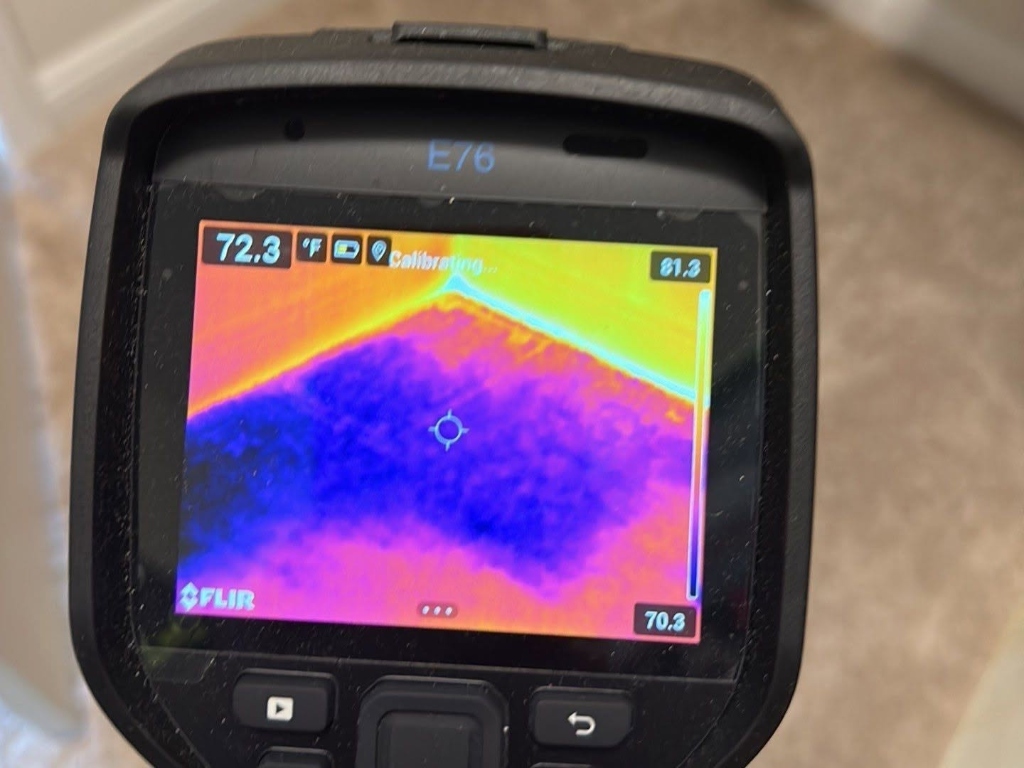
FLIR® Thermal Mapping & Baseline Scans
Infrared thermal scans detect trapped moisture behind walls and beneath concrete without invasive exploratory demolition.
High-Volume Bulk Extraction
31-HP truck-mount extraction units pump standing water away at hundreds of gallons per minute.
Controlled Selective Demolition
Precision flood cuts 12 to 24 inches above moisture lines, removing wet insulation and opening wall framing to dry airflow.
Thermodynamic Dehumidification
Industrial Low-Grain Refrigerant dehumidifiers pull deep trapped moisture from dense framing lumber and concrete slabs.
Antimicrobial Sanitization & Verification
EPA-registered botanical application (Benefect Decon 30) and calibrated moisture testing to issue an official dry certificate.

Specialized Equipment & Industrial Restoration Technology
Mitigating severe property damage requires industrial-grade technology capable of altering thermodynamic psychrometrics:
Truck-Mounted Extraction Rigs
31-HP engines producing 16+ inches Hg vacuum suction to evacuate bulk water rapidly into holding tanks.
Low-Grain Refrigerant Dryers
Pre-cooling heat-pipe systems driving ambient grains per pound below 25 GPP to draw deep trapped water out of framing.
HEPA Negative-Air Scrubbers
Hospital-grade 99.97% particulate filtration capturing microscopic fungal spores, soot, and biohazard aerosols.
FLIR® Thermal Scanners & Probes
Infrared thermography detecting evaporative cooling boundaries behind walls, combined with digital RF pinless scanners.


Professional Restoration vs. DIY Mitigation
Attempting DIY cleanup during a property disaster creates severe hidden liabilities:
- Trapped Moisture: Surface drywall dries while moisture inside cavities triggers hidden mold blooms.
- Pathogenic Risks: Category 2 & 3 water contains bio-contaminants standard cleaners fail to kill.
- Insurance Denial: Insurers require daily psychrometric logs; lack of data causes claim disputes.
Transparent Upfront Itemized Pricing
Valley Restoration Pros operates with complete transparency:
- Free On-Site Assessment: Complete physical inspection before work begins.
- Upfront Itemized Estimates: Detailed line items calculated via industry-standard Xactimate.
- Zero Surprise Billing: No hidden charges or unauthorized repairs.
Certified biomedical research lyophilizer condenser coil burst flood phoenix Field Documentation
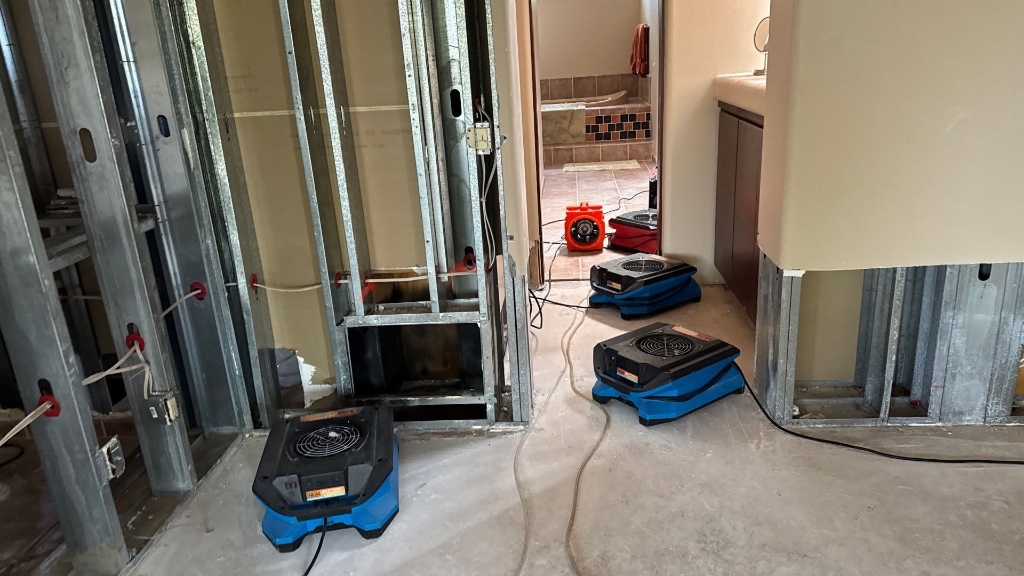
Every response performed by Valley Restoration Pros is documented through photographic and thermographic records:
Comprehensive biomedical research lyophilizer condenser coil burst flood phoenix Technical Manual & Operational Standards
Exhaustive engineering protocols, psychrometric calculations, geological multipliers, and step-by-step restoration standards for Maricopa County properties:
Executive Emergency Abstract: Biomedical Research Lyophilizer Condenser Coil Burst & Cleanroom Flood Containment in Phoenix, Arizona
Within the premier biotechnology and medical research epicenter of Downtown Phoenix, centered at the Phoenix Bioscience Core (PBC) along North 5th Street and East Van Buren Street, biomedical institutions operate state-of-the-art life science infrastructure. Anchored by the Translational Genomics Research Institute (TGen), the University of Arizona College of Medicine – Phoenix, Arizona State University Health Solutions, and high-throughput contract biopharmaceutical manufacturing suites, these facilities house advanced pilot and commercial freeze-drying operations. At the heart of downstream biologic formulation and pharmaceutical preservation are large-scale industrial lyophilizers. These specialized systems process high-value therapeutics, including messenger RNA (mRNA) lipid nanoparticle vaccines, viral vector gene therapies, monoclonal antibodies, lyophilized peptide reagents, and human clinical diagnostic enzymes. These mission-critical systems operate within strictly regulated ISO Class 5 (Class 100 / Grade A) local zones and ISO Class 7 (Class 10,000 / Grade C) background cleanroom suites under Food and Drug Administration (FDA) Current Good Manufacturing Practice (cGMP 21 CFR Part 211) mandates.
When a high-pressure refrigeration condenser coil or rapid hot-water defrost loop within an industrial lyophilizer experiences a catastrophic breach, the result is an immediate commercial large-loss emergency. Lyophilizer condenser chambers (cold traps) utilize internal 316L stainless steel serpentine coils or finned tube bundles chilled to cryogenic temperatures between -50°C and -85°C by cascade mechanical refrigeration circuits or liquid nitrogen heat exchangers. Following product sublimation cycles, these condenser coils accumulate hundreds of kilograms of solid frozen ice. During automated Clean-In-Place (CIP), Steam-In-Place (SIP), or hot-water defrost sequences, pressurized water or clean steam at 85°C to 125°C is rapidly injected to melt the ice cake. The sudden, violent thermal transition creates an acute thermal shock gradient (ΔT exceeding 170°C) across metallic tubing and silver-brazed joints. Combined with hydraulic water hammer or undetected stress corrosion cracking, the condenser coil ruptures under 60 to 90 PSI of hydrostatic pressure.
A ruptured condenser coil rapidly discharges 1,500 to 4,500 gallons of high-temperature defrost water, chilled process glycol, polydimethylsiloxane (silicone) thermal heat transfer fluid, and melted sublimation condensate across the cleanroom. This flood fluid is not clean municipal water; it is heavily commingled with synthetic thermal oils, chemical sanitizers, and residual biological formulations or active pharmaceutical ingredients (APIs). The pressurized liquid spreads violently across seamless, coved vinyl cleanroom floors, breaches magnetic interlock airlock thresholds, cascades into sub-floor stainless steel utility chases, and completely submerges low-wall HVAC return air grilles.
The immediate downstream consequence is the instantaneous collapse of the cleanroom differential pressure cascade. Designed to maintain positive pressure (+25 to +40 Pascals) relative to non-classified corridors, the blockage of low-wall return grilles and humidity spikes cause HVAC variable air volume (VAV) dampers to destabilize. Unfiltered desert air laden with Sonoran dust, environmental bacteria, and fungal spores is drawn into sterile research suites. Simultaneously, ambient summer heat across the Salt River Valley reaching 115°F rapidly elevates interior laboratory temperatures, turning stagnant bio-fluid pools into an active incubator for microbial proliferation within 6 to 12 hours. Mitigating such extreme biomedical large-loss events requires immediate industrial intervention by certified Master Commercial Restorers. Facility directors and lab managers require immediate deployment of certified emergency water extraction units, trailer-mounted desiccant dehumidification systems, and forensic biocontainment protocols engineered to restore facility compliance across downtown phoenix water damage scenarios.
Immediate Commercial Cleanroom First-Hour Action Directives
- Mechanical Utility Isolation: Immediately actuate manual and pneumatic quarter-turn isolation ball valves on the primary chilled water loop, Clean-In-Place (CIP) hot-water supply, and silicone heat transfer fluid supply and return headers serving the lyophilizer condenser skid.
- High-Voltage Safety De-Energization: Safely trip the dedicated 480V 3-phase motor control center (MCC) breakers powering the lyophilizer vacuum roughing pumps, roots blowers, refrigeration cascade compressors, and shelf thermal fluid circulating pumps to prevent catastrophic electrical shorting and arc-flash hazards.
- HVAC & Biocontainment Stabilization: Coordinate with building automation engineers to modulate supply and return air handling unit (AHU) variable frequency drives, establishing temporary negative pressure within the inundated cleanroom suite to prevent volatile silicone vapors and biological aerosols from migrating into adjacent occupied laboratory suites.
- Mobilize Industrial Disaster Command: Contact Valley Restoration Pros immediately via our 24/7 Biomedical Emergency Response Command at (602) 847-9593. Our certified commercial disaster teams arrive on site at the Phoenix Bioscience Core within 30 minutes equipped with explosion-proof sanitary extraction units, stainless steel vacuum skids, and industrial trailer-mounted desiccant systems.
Anatomy of the Lyophilizer Condenser Coil Burst & Cryogenic Defrost Fluid Dynamics
Industrial freeze-dryers engineered for pharmaceutical and high-throughput genomic applications are highly complex thermodynamic systems governed by the physical principles of sublimation. Lyophilization relies on reducing pressure below the triple point of water (0.01°C and 4.58 Torr / 6.11 mbar) so that water within frozen biological formulations transitions directly from solid ice to water vapor without passing through an intermediate liquid phase. To sustain the continuous vacuum driving force, the lyophilizer condenser chamber (also termed the cold trap or vapor condenser) must continuously collect and freeze sublimated vapor on its internal condensing coils.
In a commercial pharmaceutical freeze-dryer located within the Phoenix Bioscience Core, the condenser coil assembly comprises hundreds of feet of electropolished 316L stainless steel tubing or heavy-wall copper-nickel alloy piping configured in concentric circular or serpentine arrays. During primary and secondary drying phases, these coils circulate cascade refrigerants (such as R-507A or R-23) or cryogenic heat transfer fluids chilled between -50°C and -85°C. As the process proceeds over 48 to 96 hours, thick solid cakes of ice accumulate across the coil surfaces. Once the biological product vials are stoppered under vacuum and unloaded into the sterile cleanroom, the condenser enters its defrost phase.
The defrost phase represents the point of maximum mechanical and thermal vulnerability. Modern pharmaceutical production mandates rapid cycle turnaround times, prompting automated control systems to flood the condenser chamber with pressurized hot water (85°C to 95°C) or inject saturated clean steam at 121°C (250°F) to melt the ice cake. This sudden thermal injection creates an intense differential temperature shock (ΔT > 170°C) across the cold metal substrate. Under these extreme thermal transition gradients, thermal expansion and contraction occur unevenly throughout the metal assembly.
Mechanisms of Mechanical Failure in Lyophilizer Condenser Piping
- Thermal Fatigue & Braze Shearing: The recurring cycle of cryogenic chilling followed by high-temperature steam or hot-water defrost induces severe cyclic thermal fatigue. Silver-brazed joints connecting dissimilar metals (such as stainless steel headers to copper-nickel condenser tubes) suffer micro-fracturing along the heat-affected zone (HAZ), culminating in sudden structural separation under line pressure.
- Severe Hydraulic Water Hammer: Defrost loops rely on fast-acting pneumatic solenoid valves to modulate hot water delivery. Instantaneous valve actuation against high-velocity liquid columns generates acoustic pressure wave reflections. These water hammer shockwaves produce transient localized pressure spikes exceeding 220 PSI, rupturing structurally weakened coil elbows and header fittings.
- Chloride-Induced Stress Corrosion Cracking (SCC): Municipal makeup water in Phoenix contains elevated chloride concentrations. In non-isolated cooling loops, residual chlorides migrate through micro-crevices around brazed joints and support brackets. Under operational tensile stress and fluctuating temperatures, chloride SCC propagates rapid transgranular cracking across 316L stainless steel tubing.
- Vacuum-Induced Collapse and Pressure Rupture: If condenser isolation valves leak during sub-ambient operations or if internal defrost condensate drains become occluded with ice, hydrostatic backpressure combines with external atmospheric vacuum differentials, creating severe mechanical deformation that shears coil tie-downs and ruptures inlet headers.
When a condenser coil ruptures, the failure releases fluid at high velocity. Pressurized defrost water surges through the coil break, shattering condenser sight glasses, blowing past door silicone gasket seals, and ejecting violently through condenser drain relief ports. Simultaneously, if the lyophilizer utilizes silicone oil (such as polydimethylsiloxane) for shelf temperature regulation, structural damage to internal heat exchangers can cross-contaminate the water stream with synthetic thermal fluid.
The hydrodynamics of this bio-fluid flood present immediate containment challenges. The discharged liquid spreads across thousands of square feet of cleanroom space, dissolving residual pharmaceutical powders, lyophilized cake remnants, and biological media. As water pools against modular cleanroom wall panels and coved vinyl flooring, hydrostatic head forces liquid through microscopic flooring seam voids, into sub-slab electrical conduit trenches, and beneath heavy stainless steel laboratory cabinetry. Immediate specialized burst pipe repair protocols and industrial extraction procedures are required to arrest structural destruction before deep concrete saturation occurs.
Phoenix Bioscience Core Environmental Multipliers: Desert Heat, Water Hardness & Caliche Geology
Mitigating a commercial cleanroom flood within the Phoenix Bioscience Core requires specialized engineering knowledge of the severe environmental realities unique to the Sonoran Desert. Unlike coastal biotechnology clusters in Boston, Cambridge, or the San Francisco Peninsula, facilities in Maricopa County operate within an aggressive climatic and geological ecosystem that radically accelerates building degradation, biological contamination, and equipment destruction following an indoor industrial flood.
The primary climatic catalyst is the extreme desert summer heat. Ambient exterior temperatures in Downtown Phoenix regularly surpass 115°F (46°C) between May and late September, with solar radiation elevating commercial rooftop temperatures above 165°F. Biomedical research facilities along North 5th Street and East Van Buren Street depend upon massive chilled water central plants, cooling towers, and variable-air-volume air handling systems to maintain sterile cleanroom suites at 68°F (20°C) and 35% to 50% relative humidity. When thousands of gallons of hot defrost water flood a laboratory, the resulting electrical tripping of equipment skids and localized utility shutdowns frequently compromises localized cleanroom air conditioning.
Without continuous climate control, interior laboratory temperatures surge from 68°F to over 95°F within three to five hours. This rapid thermal rise transforms standing flood water into an accelerated biological incubator. In conventional commercial losses, clean municipal water (Category 1) generally requires 48 to 72 hours before secondary microbial proliferation begins. In a biomedical cleanroom flood, however, where warm water dissolves nutrient-dense cellular growth media, peptide formulations, and lyophilized biological cakes, exponential microbial amplification initiates in as few as 6 to 12 hours. Opportunistic environmental bacteria (*Pseudomonas aeruginosa*, *Burkholderia cepacia*, *Bacillus subtilis*), along with airborne fungal contaminants (*Aspergillus niger*, *Penicillium*), proliferate rapidly, releasing dangerous pyrogenic lipopolysaccharide endotoxins and volatile microbial organic compounds into the laboratory envelope.
Sonoran Desert Environmental Hazards in Cleanroom Flooding
- Extreme Municipal Water Hardness (18+ GPG): Potable and utility makeup water delivered through the Salt River Project (SRP) canal system and Central Arizona Project (CAP) aqueduct carries 18 to 22 Grains Per Gallon (GPG) of dissolved calcium carbonate, magnesium, and silicates. In commercial defrost and heat exchange circuits, evaporating hard water leaves dense, caustic alkaline scale deposits that instantly foul electropolished stainless steel cleanroom finishes and sensitive optical measurement sensors.
- Downtown Caliche Clay Geology & Differential Slab Heave: The Downtown Phoenix soil profile consists of deep alluvial deposits interspersed with heavily cemented, calcium-carbonate-bound caliche clay horizons. When thousands of gallons of flood water migrate through unsealed floor expansion joints or plumbing sleeve penetrations into the subgrade, the expansive clay minerals hydrate and swell. This volumetric expansion creates upward hydrostatic pressure against structural concrete slabs, generating localized slab heave that unbalances precision robotic liquid-handling systems, automated vial filling lines, and lyophilizer internal shelf balances.
- North American Monsoon Humidity Surges: Between July and September, intense monsoon thunderstorms introduce violent atmospheric moisture spikes, raising ambient outdoor humidity from 12% to over 75% in minutes. If building automation dampers draw outside air during an emergency cleanroom depressurization, massive moisture loads overwhelm secondary HVAC filters, causing internal condensing across metallic utility risers and cleanroom wall panels.
Understanding these local geological and atmospheric conditions allows our disaster response commanders to deploy customized drying matrices. We do not rely on standard commercial air movers that simply circulate hot, humid desert air. Instead, we implement closed-loop desiccant thermodynamic extraction engineered specifically to withstand Phoenix extreme summer heat loads.
First-Hour Emergency Protocol & Cleanroom Environmental Containment Procedures
The initial sixty minutes following a lyophilizer condenser coil burst dictate whether a biomedical laboratory sustains an isolated mechanical equipment failure or suffers an unrecoverable multi-million-dollar cleanroom contamination disaster. Facility engineering staff, environmental health and safety (EHS) officers, and cleanroom supervisors must execute a coordinated, systematic first-hour operational protocol.
Five-Stage First-Hour Cleanroom Disaster Execution Sequence
- Primary Mechanical Header Isolation: Immediately access the mechanical service chase or lyophilizer utility skid and close the primary quarter-turn isolation ball valves on the chilled water supply and return headers, the Clean-In-Place (CIP) hot-water washdown loop, and the clean steam generation manifold. If the system utilizes secondary heat transfer fluid (silicone oil or inhibited propylene glycol), shut down circulation skids and close supply isolation valves to prevent cross-circuit contamination.
- Electromechanical Hazard De-Energization: In accordance with NFPA 70E electrical safety standards, lock out and tag out (LOTO) the 480V 3-phase motor control center (MCC) feeds serving the lyophilizer. This includes the mechanical vacuum roughing pumps, roots vacuum blowers, cascade refrigeration compressors, condenser defrost immersion heaters, and hydraulic shelf compression pumps. Electrically isolating the equipment eliminates catastrophic electrical arc-flash risks as standing water rises around floor-mounted junction boxes and conduit raceways.
- Active Biopharmaceutical Product Triage: Conduct an immediate inspection of the lyophilizer chamber status through the observation sight glass. If the chamber door remained sealed under vacuum during the condenser coil rupture, verify chamber pressure telemetry. If vacuum was breached or if product trays were open during cycle turnaround, document batch identification numbers, active pharmaceutical ingredients (APIs), biological organisms (BSL-1 or BSL-2 classification), and establish an unbroken chain of custody for client quality assurance and FDA compliance review.
- Cleanroom Boundary Containment & Airlock Isolation: Seal all personnel access airlocks, pass-through chambers, and material transfer portals leading into the flooded cleanroom suite. Install hermetic anti-static polyethylene containment zipper barriers across compromised doorways to establish a temporary biocontainment zone. Place sticky decontamination mats and liquid containment berms at all suite exits to prevent emergency personnel from tracking water, silicone fluid, or biological residues into adjacent analytical labs or sterile gowning corridors.
- Immediate Dispatch of Master Commercial Restorers: Contact Valley Restoration Pros at (602) 847-9593. Our rapid response command mobilizes within 30 minutes to Downtown Phoenix facilities, bringing certified technicians, industrial sanitary wet extraction skids, negative-air HEPA filtration banks, and trailer-mounted desiccant dehumidifiers specialized for medical facility water damage restoration.
Executing these initial five stages prevents localized cleanroom flooding from escalating into catastrophic building-wide contamination, safeguarding structural assets and adjacent high-value genomic sequencing suites.
ISO Cleanroom Differential Pressure Cascade Stabilization & Aerosol Containment
Cleanrooms in pharmaceutical and biomedical research environments operate under the fundamental aerodynamic principle of differential pressure cascades. Governed by ISO 14644-4 and FDA cGMP standards, these cascades ensure that sterile areas maintain a higher static air pressure than surrounding less-sterile spaces. In a standard biomanufacturing facility at the Phoenix Bioscience Core, the critical filling and lyophilizer loading zone operates at ISO Class 5 with a positive differential pressure of +35 to +45 Pascals (Pa). The surrounding preparation cleanroom operates at ISO Class 7 (+25 to +30 Pa), gowning airlocks operate at ISO Class 8 (+12 to +15 Pa), and general research corridors remain at baseline atmospheric pressure (0 Pa).
This pressure gradient ensures that whenever a cleanroom door or interlock opens, air flows outward from the highest cleanliness zone to the lower cleanliness zone, preventing airborne particulates, dust, and environmental microorganisms from entering sterile production areas. However, a catastrophic lyophilizer condenser coil burst immediately destabilizes this carefully engineered aerodynamic equilibrium through three destructive mechanisms:
Aerodynamic Failure Modes Induced by Cleanroom Inundation
- Low-Wall Return Grille Submersion: Cleanroom air distribution systems utilize ceiling-mounted Fan Filter Units (FFUs) with terminal HEPA/ULPA filters delivering unidirectional laminar airflow downward. The air sweeps particulates across the room and exits through low-wall return grilles positioned 6 to 12 inches above finished floor level. When flood waters pool 2 to 4 inches deep, these return grilles become partially or fully submerged. Water is drawn into return air plenums, creating massive fluid resistance that blocks exhaust airflow.
- Static Pressure Surge & VAV Damper Hunting: As low-wall returns choke with water, static pressure inside return ductwork spikes violently. Building automation pressure transmitters detect erratic signals, causing variable air volume (VAV) supply dampers and air handling unit (AHU) variable frequency drives to hunt uncontrollably. Within minutes, positive room pressure collapses to 0 Pa, and in many instances, creates transient negative pressure relative to adjacent service corridors.
- Reverse Air Entrainment & Particulate Infiltration: When room pressure collapses, the protective aerodynamic barrier is destroyed. Unfiltered air from ceiling interstitial mechanical walk-ons, utility shafts, and non-classified building corridors is pulled into the ISO Class 7 cleanroom suite. In Phoenix, where outdoor ambient air contains elevated concentrations of abrasive desert dust, silica particulates, and native fungal spores, reverse airflow rapidly introduces millions of non-viable and viable particles per cubic meter, shattering cleanroom certification standards.
Restoring cleanroom aerodynamic integrity requires precise airflow engineering. Valley Restoration Pros coordinates directly with facility building management system (BMS) engineers to re-establish environmental equilibrium. Our technicians deploy DOP-tested, HEPA-filtered negative-air scrubbers equipped with variable-speed electronic controls. By carefully exhausting air through sealed temporary ports, we create a controlled negative pressure envelope within the contaminated extraction zone while maintaining positive pressure across surrounding corridors. This ensures that biological aerosols, volatilized silicone vapors, and moisture cannot cross-contaminate unaffected laboratory suites, supporting comprehensive commercial pharmaceutical cleanroom flood restoration in Phoenix.
Advanced Industrial Equipment Specifications & Cleanroom Deployment Matrix
Standard commercial water restoration equipment cannot be deployed inside classified pharmaceutical cleanrooms. Traditional plastic-housing rotary air movers, open-motor sump pumps, and standard commercial dehumidifiers generate vast quantities of carbon brush particulates, shed plastic micro-fibers, and lack the electrical safety ratings necessary for volatile solvent environments. Valley Restoration Pros deploys an elite inventory of specialized, cGMP-compliant cleanroom restoration equipment engineered specifically for high-containment biomedical facilities.
| Equipment Type | Technical Specifications | Cleanroom Compliance & Operational Function |
|---|---|---|
| Sanitary Stainless Steel Wet Vacuum Skids | Electropolished 316L stainless steel recovery tanks, 55-gallon capacity, continuous dual-stage bypass motors, static-conductive grounding clamps, non-marking chemical-resistant polyurethane squeegee wands. | Provides rapid high-volume extraction of standing water, defrost condensate, and silicone oil without shedding microplastics or generating static sparks that could damage sensitive laboratory micro-electronics. |
| Industrial Trailer-Mounted Desiccant Dehumidifiers | 3,500 to 5,000 CFM capacity, silica gel active wheel desiccant rotor, process airflow delivering < 5% relative humidity and < 15 grains per pound (GPP), electric reactivation heating elements. | Stationed outside the facility with food-grade, anti-static lay-flat ducting delivering deep-depression dry air into sealed cleanrooms, creating massive vapor pressure differentials to extract bound moisture from concrete slabs without demolition. |
| DOP-Certified Negative-Air HEPA Filtration Units | True HEPA filters factory and field-tested per IEST-RP-CC001.6 (99.97% efficiency at 0.3 microns), secondary activated virgin carbon adsorption matrix (40 lbs), variable speed 500-2,000 CFM blower. | Captures aerosolized biological media and fine desert dust while activated carbon canisters adsorb volatile organic compound (VOC) vapors emitted by heated silicone heat transfer fluids. |
| Injectidry High-Pressure Cavity & Trench Drying Systems | Regenerative blower producing 60 inches of water column pressure, modular manifold distribution blocks, medical-grade smooth-bore antimicrobial hosing, sub-floor floor-suction mats. | Delivers dry desiccant air beneath seamless coved vinyl cleanroom floors and into sub-slab utility trenches housing electrical raceways and vacuum lines, achieving rapid structural drying without destructive flooring removal. |
| Diagnostic Radiometric Infrared Imaging & Moisture Meters | FLIR E95 radiometric thermal cameras (464x348 true IR resolution), Tramex Dec Scanner non-destructive concrete capacitance meters, Delmhorst deep-wall resistance probes, in-situ ASTM F2170 relative humidity probes. | Non-invasively maps hidden water migration pathways behind phenolic cleanroom wall panels, under vinyl floor welds, and within structural columns, establishing verifiable scientific drying baselines. |
Every piece of industrial equipment undergoes rigorous multi-stage decontamination before crossing the threshold of any biomedical research facility. Casings are passivated with cleanroom-grade isopropyl alcohol (70/30 USP IPA) and peracetic acid wipes, electrical cords are sealed in anti-static sleeves, and all filtration elements are DOP-certified prior to operation.
IICRC S500 & S520 Step-by-Step Restoration Protocol for Lyophilizer Cleanroom Deluges
Restoring an active biomedical cleanroom after an industrial freeze-dryer flood requires adherence to the highest standards of professional restoration engineering. Valley Restoration Pros strictly executes the Institute of Inspection, Cleaning and Restoration Certification (IICRC) S500 Standard for Professional Water Damage Restoration and S520 Standard for Professional Mold Remediation, integrated seamlessly with FDA Current Good Manufacturing Practice (cGMP) regulations.
Six-Phase Forensic Commercial Restoration Execution Framework
- Phase 1: Forensic Psychrometric Triage & Loss Categorization: Master Water Restorers (MWR) conduct an exhaustive baseline psychrometric audit. Ambient dry-bulb temperature, relative humidity, dew point, and grains per pound (GPP) are established across all cleanroom suites, airlocks, and adjacent corridors. In accordance with IICRC S500, the flood water is classified. While defrost water begins as treated condensate, its immediate contact with synthetic silicone heat transfer oils, residual pharmaceutical APIs, and microbial growth media reclassifies the loss as Category 2 (Significant Chemical Contamination) or Category 3 (Gross Bio-Contamination).
- Phase 2: High-Velocity Free-Water Scavenging: Deploying sanitary stainless steel extraction skids and multi-stage squeegee wands, extraction technicians remove free-standing water from the cleanroom floor. Technicians systematically work from perimeter walls inward toward central drains, ensuring fluid is extracted before hydrostatic pressure forces moisture through welded vinyl floor seams. Non-marking polyurethane wands prevent mechanical abrasion to sterile floor coatings.
- Phase 3: Thermal Fluid & Bio-Residue Neutralization Washdown: If silicone oil or heat transfer glycol escaped into the flood stream, standard water extraction leaves an invisible, slick hydrocarbon residue that impedes subsequent drying and compromises cleanroom cleanability. Technicians apply an EPA-registered, cleanroom-grade surfactant emulsion to solubilize synthetic oils, followed by triple-pass deionized (DI) water rinsing and high-efficiency extraction. Surfaces are subsequently sanitized with hydrogen peroxide / peracetic acid solutions to eliminate biological contaminants without producing volatile toxic off-gassing.
- Phase 4: Sealed Desiccant Thermodynamic Dehumidification: The cleanroom is hermetically isolated to form a sealed drying chamber. Food-grade ducting from trailer-mounted industrial desiccant dehumidifiers delivers ultra-dry process air (< 15 GPP) into the space. This ultra-low vapor pressure air creates an aggressive gradient between wet building materials and room air, pulling bound moisture out of concrete sub-slabs, drywall behind FRP panels, and metal stud channels. Airflow is carefully balanced to maintain negative containment pressure relative to external public corridors.
- Phase 5: Continuous Psychrometric Data Logging: Daily moisture readings are recorded using pinless dielectric meters and FLIR thermal cameras. Technicians track drying progress on daily moisture logs, plotting evaporation potential and grain depression curves until all structural materials reach documented dry standard baselines. If bio-amplification risks are identified, specialized mold remediation containment arrays are seamlessly mobilized.
- Phase 6: Post-Remediation Environmental Verification (PREV): Before cleanrooms are released to client quality assurance, independent third-party industrial hygienists conduct comprehensive environmental testing. This includes airborne non-viable particle counting per ISO 14644-1, viable air sampling (RODAC contact plates and settling plates for bacteria and fungi), and surface ATP swab testing to certify cleanroom environmental compliance.
This meticulous six-phase methodology guarantees that structural drying proceeds safely, completely, and in full compliance with pharmaceutical regulatory authorities.
Sub-Slab Utility Trench, Interstitial Cavity & Cleanroom Wall Partition Dehumidification
The structural architecture of modern biotechnology facilities introduces complex moisture migration challenges. Facilities operating within the Phoenix Bioscience Core feature sophisticated multi-tier infrastructures designed to service high-density analytical equipment. These include walk-through interstitial mechanical levels positioned directly above cleanroom ceiling grids, raised-access computer flooring in automation suites, and sub-slab stainless steel utility trenches running below finished floor level.
When a lyophilizer condenser coil ruptures, flood water seeks subterranean low points through gravity and hydrostatic pressure. Sub-slab utility trenches—housing high-purity water loops, vacuum lines, chilled glycol headers, and 480V power conduits—rapidly accumulate standing water. If water remains trapped within these concrete and stainless steel trenches, moisture migrates into porous concrete slabs, creating severe capillary rising damp.
Capillary Moisture Dynamics in Cleanroom Flooring Systems
Cleanrooms typically utilize seamless sheet vinyl flooring with integral 6-inch coved bases or multi-layer epoxy-polyurethane coatings. While chemically impervious on the surface, these coatings form an impermeable vapor barrier on top of the concrete slab. When water penetrates beneath the flooring through perimeter joints, pipe penetrations, or micro-voids in heat welds, the moisture becomes hermetically trapped between the non-breathable vinyl layer and the dense concrete sub-slab.
- Osmotic Blistering of Resinous Epoxy: Trapped moisture dissolves soluble salts and unreacted amines within concrete, generating high osmotic pressure cells. This produces hundreds of liquid-filled blisters across the epoxy coating, destroying floor adhesion and releasing corrosive alkaline fluids.
- Vinyl Adhesive Hydrolysis: Water-based cleanroom adhesive systems degrade under continuous moisture exposure. Hydrolysis transforms the adhesive into an emulsive slurry, causing cleanroom vinyl to bubble, curl at seams, and create hollow voids that trap biological contaminants.
- Caliche Subsoil Swell & Slab Displacement: In Downtown Phoenix, sustained sub-slab moisture migration penetrates downward through concrete cold joints into the underlying alluvial caliche clay beds. As the expansive clay absorbs water, differential soil heave exerts tons of upward mechanical force, cracking concrete foundation slabs and causing structural misalignments across automated processing lines. Immediate mitigation using slab leak water damage restoration principles is critical to protect foundation integrity.
Rather than undertaking catastrophic floor demolition—which would require cleanroom decommissioning, months of re-validation, and millions of dollars in lost manufacturing—Valley Restoration Pros utilizes non-destructive structural drying engineering. We deploy high-pressure Injectidry positive/negative air systems coupled with industrial desiccant dehumidifiers.
By accessing sub-slab utility trenches and utilizing vacuum mat systems placed strategically over floor seams, we pull ultra-dry desiccant air beneath the flooring assembly. This creates a powerful vapor pressure differential that forces moisture out of the porous concrete matrix into the desiccant air stream without lifting or cutting the cleanroom vinyl. Continuous monitoring per ASTM F2170 (in-situ relative humidity probes) and ASTM F1869 (calcium chloride vapor emissions) confirms that concrete slabs return to safe moisture levels (< 75% internal RH and < 3.0 lbs/1,000 sq ft/24 hr) prior to equipment commissioning.
Regulatory Compliance: cGMP, FDA 21 CFR Part 211, GLP & Lyophilizer Qualification (IQ/OQ/PQ)
In the biopharmaceutical and biomedical research sector, physical restoration is only half the battle. A facility cannot resume commercial manufacturing or clinical research without satisfying stringent regulatory compliance standards governed by the FDA, USP, and international health authorities. Every restoration action executed inside a cleanroom must withstand rigorous Quality Assurance (QA) audits and FDA inspection scrutiny under Current Good Manufacturing Practice (cGMP 21 CFR Part 211) and Good Laboratory Practice (GLP 21 CFR Part 58).
Valley Restoration Pros operates with an institutional understanding of regulatory compliance. Our restoration documentation protocols are structured to integrate directly into client Corrective and Preventive Action (CAPA) systems, deviation reports, and change control procedures.
Regulatory Impact & Validation Recertification Matrix
- Deviation & Root Cause Investigation Support: We provide detailed forensic engineering incident reports documenting fluid discharge pathways, water volume estimations, thermal profiles, and mechanical failure mechanisms to support formal internal quality deviations.
- Chemical & Disinfectant Traceability: All chemical surfactants, neutralizers, and sporocides utilized during mitigation are fully documented with EPA registration numbers, lots, Safety Data Sheets (SDS), and certificates of analysis (CoA) to guarantee compliance with USP <1072> disinfectants and antiseptics standards.
- HEPA Filter Integrity Re-Testing (DOP/PAO): Cleanroom terminal HEPA and ULPA filters subjected to high humidity spikes or particulate exposure undergo rigorous on-site photometer aerosol challenge testing per ISO 14644-3 to verify filter media integrity and housing seal tightness.
- Re-Qualification Protocol Support (IQ/OQ/PQ): The flooded lyophilizer must undergo formal re-qualification before processing clinical product:
- Installation Qualification (IQ): Verifying mechanical replacement of ruptured condenser coils, pressure relief valves, gasket seals, and refrigeration line integrity.
- Operational Qualification (OQ): Testing condenser ultimate temperature pull-down (≤ -75°C), vacuum leak-back rates (≤ 10 μbar/min), and defrost cycle heating uniformity.
- Performance Qualification (PQ): Executing shelf temperature mapping, ice capacity verification, and biological challenge runs under maximum sublimation load conditions.
By delivering comprehensive technical logs, equipment calibration certificates, and independent post-remediation environmental verification reports, Valley Restoration Pros ensures seamless re-entry into regulated production. Facility managers throughout the valley rely on our specialized phoenix biomedical campus commercial lab water damage restoration expertise to safeguard institutional compliance.
Biohazard Neutralization, Active Pharmaceutical Ingredient (API) Residues & Chemical Safety
A lyophilizer condenser coil burst in a commercial biomedical facility introduces complex hazardous waste streams. Unlike standard commercial water intrusions, the discharged liquid is frequently commingled with three distinct hazardous components: potent active pharmaceutical ingredients (APIs), heat transfer fluids (silicone oil or propylene glycol), and viable biological microorganisms or cell culture residues.
High-potency active pharmaceutical ingredients (HPAPIs)—such as synthetic peptide hormones, oncology compounds, antibody-drug conjugates (ADCs), and immunosuppressants—exert extreme biological activity even at nanogram-per-cubic-meter exposure levels. When hot defrost water surges through a ruptured condenser, residual lyophilized cake dust or sublimation deposits are dissolved and aerosolized. Flood waters carry these active compounds across floor surfaces, equipment legs, and into air return ducts.
Tri-Partite Contamination Neutralization Standards
- Silicone Thermal Fluid (PDMS) Remediation: Polydimethylsiloxane (silicone oil) operates as an exceptional heat transfer fluid due to its wide thermal operating window (-80°C to +150°C). However, when released into cleanrooms, silicone oil coats surfaces with a hydrophobic film that attracts airborne particulates, prevents water-based disinfectant contact, and destroys floor slip-resistance. We deploy cleanroom-grade non-ionic surfactants that emulsify silicone oil molecules, allowing high-vacuum stainless steel extraction to capture fluid without leaving surface films.
- API Chemical Inactivation & Surface Passivation: Depending upon the specific active molecule involved, technicians utilize targeted chemical inactivation agents (such as alkaline sodium hypochlorite solutions, acidified hydrogen peroxide, or validated enzymatic detergents) to cleave active pharmaceutical peptide bonds and denature molecular structures. Surface rinse passes are conducted with 18.2 MΩ·cm ultra-pure deionized water to prevent salt precipitation.
- Biological & Endotoxin Elimination: Warm flood waters incubate environmental Gram-negative bacteria, generating dangerous bacterial endotoxins (lipopolysaccharides). Standard surface sanitizers do not destroy endotoxins. Our biocontainment protocol utilizes high-potency sporocidal formulations featuring peracetic acid and stabilized hydrogen peroxide validated to achieve complete 6-log microbial reduction and depyrogenation across all non-porous surfaces. Complex biological cross-contaminations are mitigated following rigorous sewage cleanup containment and sanitization standards.
Technician safety is maintained through strict personal protective equipment (PPE) protocols. Technicians working within containment wear Level C or modified Level B protection, including chemical-resistant Tyvek suits, double nitrile gloves, splash-proof overboots, and full-face Powered Air-Purifying Respirators (PAPR) equipped with combination P100 HEPA and multi-gas/vapor sorbent cartridges.
Hyper-Local Case Study: 5th Street & Van Buren Biomedical Research Lab Lyophilizer Flood
Catastrophic Condenser Coil Rupture at Phoenix Bioscience Core Genomics Research Center
Location: North 5th Street & East Van Buren Street, Downtown Phoenix, AZ 85004 | Facility: 22,000 Sq. Ft. Pilot Biopharmaceutical Formulation Lab
Incident Overview: At 2:15 AM on a mid-July Sunday, during an automated hot-water Clean-In-Place (CIP) defrost cycle following a 72-hour clinical peptide batch run, a 40-shelf pilot production lyophilizer experienced an explosive condenser coil rupture. A silver-brazed joint on the primary stainless steel cooling header failed under 75 PSI line pressure, driven by acute thermal shock (ΔT = 175°C) and cyclic braze fatigue. Over 2,800 gallons of high-temperature defrost water (185°F), commingled with residual silicone heat transfer fluid and active peptide sublimation condensate, erupted into the ISO Class 7 cleanroom suite.
Environmental & Structural Challenges: Ambient exterior temperatures in Downtown Phoenix reached 116°F during the daytime hours. The sudden release of boiling defrost water and steam triggered mechanical safety shutdowns on the primary cleanroom air handler, causing internal room temperatures to surge to 94°F and relative humidity to spike to 89% within three hours. Standing water submerged low-wall return grilles, collapsing the differential pressure cascade (+35 Pa down to -5 Pa relative to adjacent service corridors) and pulling Sonoran desert particulates into sterile compounding zones. Flood waters penetrated sub-slab electrical conduit trenches, threatening $8.5 million in high-performance liquid chromatography (HPLC) skids, mass spectrometers, and robotic liquid-handling systems.
Emergency Response Deployment & Timeline
- 00:24 Arrival: Valley Restoration Pros mobilized a specialized large-loss disaster unit, arriving on site in 24 minutes. Immediate utility isolation and electrical lock-out confirmed.
- 01:15 Extraction & Aerodynamic Containment: Deployed 3 sanitary stainless steel wet vacuum skids and established anti-static polyethylene airlocks. Positioned 4 DOP-certified HEPA air scrubbers to re-establish negative pressure inside the flood envelope and prevent aerosol migration.
- 03:30 Desiccant Chambering: Positioned a mobile 3,500 CFM industrial trailer-mounted desiccant dehumidifier on East Van Buren Street, routing lay-flat ducting through dedicated emergency exterior access louvers. Delivered 8% RH process air directly into the flooded suite.
- 05:00 Free-Water Clearance: Completed extraction of all 2,800 gallons of standing water and applied non-ionic surfactant washdown to capture emulsified silicone oil residues.
- 68:00 Full Dry Standard Attainment: Achieved baseline structural dry standards across all concrete sub-slabs and structural wall framing without removing a single square foot of cleanroom seamless vinyl flooring.
Restoration Outcome & Value Delivered: Third-party industrial hygiene testing verified zero microbial proliferation, with viable particle counts and airborne particulate levels returning to certified ISO Class 7 baselines. Unbroken temperature and vacuum data proved that sealed clinical product vials inside adjacent staging chambers remained within validated stability envelopes, saving an estimated $5.2 million in commercial drug product and avoiding an estimated 9-month cleanroom recertification shutdown. The facility director praised our rapid phoenix bioscience core laboratory water damage cleanup team for technical precision under extreme pressure.
Commercial Insurance Claims Architecture, Forensic Psychrometric Logs & Pay-Per-Call Financial Clarity
Navigating the financial and insurance complexities of a commercial biomedical cleanroom flood demands absolute transparency, forensic precision, and meticulous documentation. Large-scale biopharmaceutical water losses are scrutinized by international commercial property insurance carriers, forensic adjusters (such as FM Global, Travelers, Chubb, Zurich, and Munich Re), and legal teams. Incomplete or amateurish documentation routinely results in delayed claims processing, disputed line items, and costly litigation.
Valley Restoration Pros operates under a strict Pay-Per-Call (PPC) and commercial compliance code. We maintain total financial clarity across every stage of our emergency engagement:
Our Three Pillars of Commercial Financial Integrity
- Free Comprehensive On-Site Damage Assessment: Our senior commercial project directors arrive on site to conduct a complete physical, thermal, and psychrometric assessment of your biomedical facility at no upfront charge to institutional leadership.
- Transparent Upfront Itemized Pricing Before Work Begins: Prior to mobilizing equipment or initiating extraction, we provide clear, itemized rate sheets and mobilization scopes based on standardized commercial Xactimate pricing codes. We never issue vague lump-sum estimates or surprise invoices.
- Assistance with Detailed Claims Documentation & Psychrometric Moisture Logs: We compile exhaustive forensic claim packets—including daily psychrometric dry-bulb/RH/GPP logs, thermal radiometric imaging reports, equipment running hours, moisture mapping blueprints, and certified laboratory clearance data—to streamline claim validation with your commercial insurance adjuster. We never make misleading direct billing promises that insurance will pay 100% without client responsibility. We deliver full Assistance with Detailed Claims Documentation & Psychrometric Moisture Logs across all commercial losses.
| Standardized Xactimate Code | Activity Description | Documentation Required for Commercial Adjuster Approval |
|---|---|---|
| WTR EXTSS | Sanitary Stainless Steel Cleanroom Water Extraction | Square footage extracted, fluid depth logs, disposal manifests for chemical/bio-contaminated water. |
| WTR DRYDESL | Large-Scale Industrial Desiccant Dehumidifier (>3,000 CFM) | Daily psychrometric calculation sheets, grain depression logs (inlet GPP vs outlet GPP), generator fuel logs. |
| CLN BIOHZD | Biopharmaceutical Residue Neutralization & Washdown | Safety Data Sheets (SDS), certificates of analysis for sporocidal chemistries, surface ATP swab clearance logs. |
| WTR BARRA | Cleanroom Anti-Static Polyethylene Containment Barrier | Linear footage of containment, differential manometer pressure logs documenting negative air barrier. |
To calculate projected restoration expenses and plan emergency reserve budgets, explore our instant commercial cost estimator, learn more about our comprehensive commercial water damage mitigation services, or contact our emergency commercial restoration dispatch team directly for immediate on-site mobilization.
Facility Hardening: Preventative Engineering, Moisture Sensors & Lyophilizer Maintenance Procedures
Following the successful mitigation and structural drying of a biomedical cleanroom flood, facility leadership must implement engineering controls to ensure that such catastrophic failures never recur. Hardening cleanroom infrastructure against future fluid breaches involves a combination of mechanical system upgrades, predictive condition monitoring, and advanced automated leak detection telemetry.
Engineering Controls for Long-Term Lyophilizer Flood Prevention
- Automated Thermal Ramp-Rate Modulation: Upgrade programmable logic controllers (PLCs) governing Clean-In-Place (CIP) and defrost sequences to enforce strict thermal ramp-rate limiters. Restricting defrost fluid temperature increase rates to ≤ 2°C per minute mitigates extreme differential expansion gradients, eliminating thermal shock fatigue across brazed condenser joints.
- Water Hammer Arrestor & Pulsation Dampener Installation: Fit all defrost hot water and chilled cooling headers with stainless steel bellows-style water hammer arrestors and proportional, soft-closing electronic actuator valves. These mechanical arrestors absorb hydraulic acoustic pressure spikes, keeping peak line pressures well within ASME design limits.
- High-Purity Water Quality Polish (Hardness Mitigation): Given Phoenix aggressive 18+ GPG municipal water hardness, facilities must install dedicated secondary reverse osmosis (RO) and continuous electrodeionization (CEDI) polishing skids dedicated exclusively to condenser defrost circuits. Maintaining mineral hardness < 0.1 GPG and chloride levels < 5 ppb permanently eliminates chloride stress corrosion cracking vectors across 316L stainless steel headers.
- Continuous Optical Liquid Sensing & Automated Shut-Off Telemetry: Install continuous conductive or optical perimeter leak sensing rope arrays around lyophilizer skids, sub-slab utility trenches, and cleanroom low-wall return grilles. Connect these sensors directly into the facility building management system (BMS) with automated pneumatic fail-safe shut-off valves capable of isolating supply headers within 500 milliseconds of fluid detection. Similar hardening techniques are documented across our hospital mri suite water damage restoration phoenix facilities.
Implementing these predictive maintenance standards safeguards multi-million-dollar capital investments, protects active clinical trial manufacturing pipelines, and maintains institutional compliance across the Phoenix Bioscience Core.
Exhaustive Commercial Technical FAQ: Lyophilizer Condenser Burst & Cleanroom Restoration
The primary driver of pressure cascade collapse is the submersion of low-wall return air grilles by pooled water, which chokes exhaust airflow and causes HVAC variable air volume (VAV) dampers to fluctuate wildly. Immediate action requires: (a) instantly clearing standing water from around low-wall return grilles using high-capacity stainless steel wet vacuums, (b) deploying portable DOP-tested HEPA negative-air scrubbers ducted to exterior exhaust ports to maintain dedicated negative pressure inside the flooded suite relative to surrounding clean corridors, and (c) manually overriding building automation supply fan VFDs to stabilize static airflow until the room can be re-balanced.
Polydimethylsiloxane (silicone heat transfer fluid) is hydrophobic and insoluble in water, forming a stubborn microscopic sheen across floors and wall panels. Attempting to wash it with water alone smears the oil and ruins floor traction. We utilize specialized cleanroom-grade, non-ionic surfactant emulsions that solubilize silicone molecules into an aqueous suspension. This is followed by extraction using heated stainless steel vacuum recovery skids, double-pass rinsing with 18.2 MΩ·cm ultra-pure deionized water, and surface degreasing with pharmaceutical-grade 70/30 USP isopropyl alcohol wipes.
Yes. Demolishing coved vinyl cleanroom floors triggers disastrous downtime, airborne particulate contamination, and lengthy re-validation cycles. Valley Restoration Pros utilizes high-pressure Injectidry structural drying technology coupled with trailer-mounted industrial desiccant dehumidifiers. By connecting sealed negative-pressure suction mats over floor seams and injecting ultra-dry desiccant air (< 15 GPP) into subterranean utility chases and perimeter wall cavities, we draw trapped moisture directly out of the concrete matrix without compromising the integrity of surface finishes.
Municipal water in Downtown Phoenix contains 18 to 22 Grains Per Gallon (GPG) of dissolved calcium carbonate, magnesium, and silicates. In commercial defrost and cooling loops, heat causes these minerals to precipitate rapidly, forming dense calcite scale along internal tube walls. This scale acts as a thermal insulator, forcing refrigeration systems to work harder and creating localized hot spots. More critically, scale deposits create stagnant crevice corrosion zones where dissolved chlorides concentrate, triggering chloride-induced stress corrosion cracking (SCC) that shears silver-brazed joints during high-temperature steam defrost cycles.
To satisfy FDA cGMP (21 CFR Part 211) and client QA requirements, we compile an exhaustive regulatory handover packet containing: (a) formal forensic engineering incident reports with root cause assessments, (b) continuous psychrometric drying logs and in-situ concrete moisture probe records, (c) certificates of analysis (CoA) and SDS documentation for all cleaning agents and sporocides, (d) DOP/PAO HEPA filter aerosol challenge re-test certificates, (e) third-party airborne particulate counts per ISO 14644-1, and (f) surface microbial and ATP swab clearance reports.
We work directly with major commercial insurance underwriters (such as FM Global, Chubb, Travelers, and Zurich) from the moment of dispatch. Our senior project directors utilize standardized Xactimate commercial pricing codes and compile comprehensive daily logs, moisture mapping schematics, and equipment run-time verification sheets. We provide Transparent Upfront Itemized Pricing Before Work Begins, a Free Comprehensive On-Site Damage Assessment, and Assistance with Detailed Claims Documentation & Psychrometric Moisture Logs, ensuring claims adjusters receive the exact scientific evidence needed for prompt settlement approval. Explore all areas we serve or contact our headquarters for immediate phoenix water damage emergency commercial dispatch.
Verified Local Area Dispatch: Phoenix, AZ
Official Geo-Coordinates: 33.4484° N, -112.074° W • Maricopa County
Related Specialized Emergency Restoration Services
Explore specialized rapid-response mitigation protocols across Greater Phoenix and Maricopa County:
Valley-Wide Emergency Response Service Coverage
Our mobile restoration fleet is dispatched across the entire Phoenix metropolitan region, providing rapid 30 to 60 minute emergency response: