
Valley Restoration Pros delivers 24/7 industrial emergency water extraction, thermal psychrometric drying, and structural mitigation across Phoenix and Maricopa County with guaranteed 30–60 minute rapid arrival. All protocols strictly adhere to IICRC S500 standards, featuring upfront itemized pricing and free on-site thermal moisture assessments. Call dispatch directly at (602) 847-9593.
Why Immediate Mitigation Is Critical in Phoenix Heat
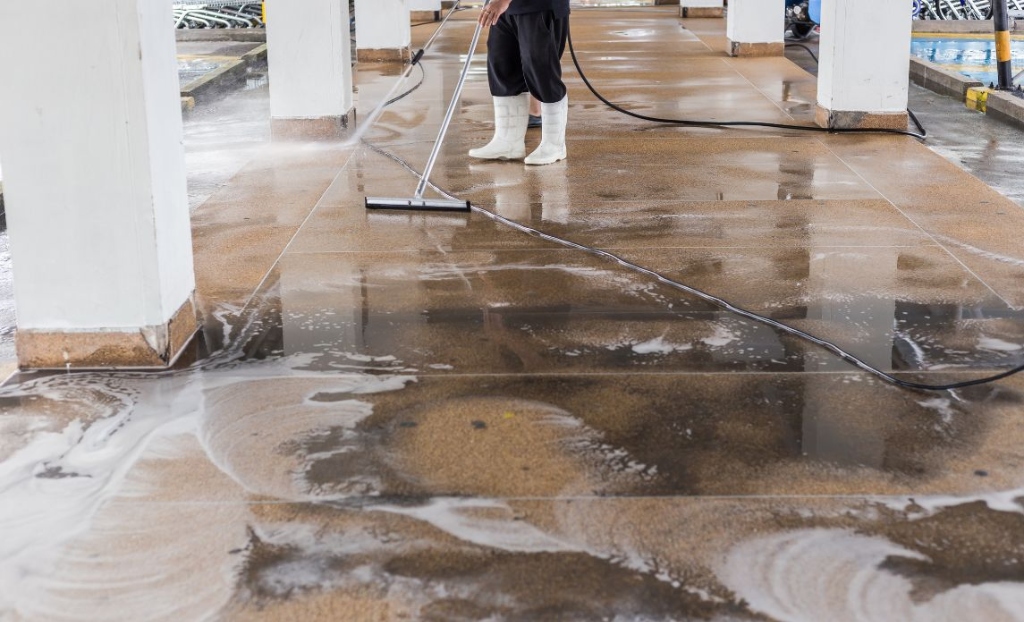
Fleet wash bay oil-water separator overflows release hundreds of gallons of toxic petroleum hydrocarbons, diesel residue, caliche sludge, and caustic surfactant slurry across concrete aprons and into municipal storm sewers. Under 115°F Phoenix heat, volatile organic compounds (VOCs) volatilize rapidly into explosive atmospheric plumes, while contaminated runoff risks catastrophic City of Phoenix Industrial Pretreatment Program (IPP) violations and ADEQ Aquifer Protection fines up to $25,000 per day.
Service Definition & The IICRC Standard of Care
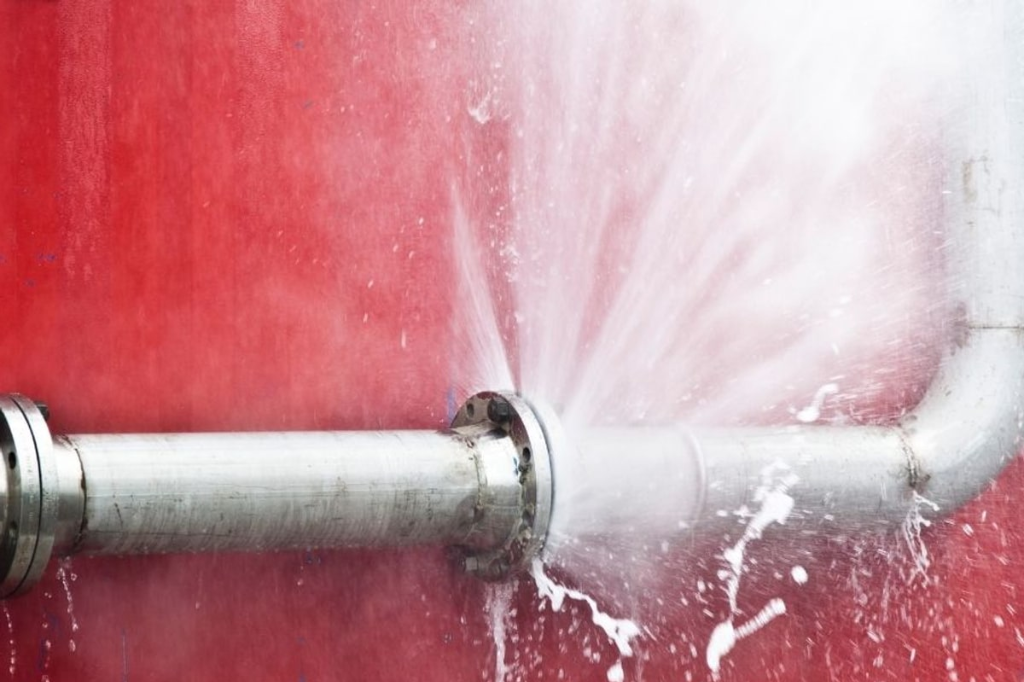
Professional commercial fleet wash bay oil water separator flood phoenix is an engineering and environmental discipline adhering strictly to IICRC S500 protocols, not mere surface mopping. When structural plumbing failures strike in Maricopa County, certified emergency water extraction and thermal structural drying procedures must be deployed immediately. Whether triggered by high-pressure burst pipe emergencies, subfloor leaks, or commercial line ruptures, bound moisture rapidly penetrates concrete subfloors and wall framing. In the desert heat, delays trigger microbial proliferation requiring rapid mold remediation. Request damage assessment through our emergency assessment portal or request 30-minute dispatch across all Valley service areas.
Securing electrical feeds, inspecting load-bearing assemblies, and containing pathogens.
Stopping the intrusion source and erecting 6-mil plastic isolation containment airlocks.
31-HP truck-mount extraction, removing gallons exponentially faster than evaporation.
LGR dehumidifiers and HEPA air scrubbers driving grains per pound below 25 GPP.
Calibrated electronic pinless testing confirming baseline dry standards.
The Complete 6-Stage Restoration Roadmap
Our IICRC-certified crews execute a disciplined, scientific 6-stage protocol to stabilize and dry structural components:
Emergency Dispatch & Perimeter Isolation
30 to 60 minute arrival. Securing electrical shutoffs, evaluating structural loads, and erecting containment airlocks.
FLIR® Thermal Mapping & Baseline Scans
Infrared thermal scans detect trapped moisture behind walls and beneath concrete without invasive exploratory demolition.
High-Volume Bulk Extraction
31-HP truck-mount extraction units pump standing water away at hundreds of gallons per minute.
Controlled Selective Demolition
Precision flood cuts 12 to 24 inches above moisture lines, removing wet insulation and opening wall framing to dry airflow.
Thermodynamic Dehumidification
Industrial Low-Grain Refrigerant dehumidifiers pull deep trapped moisture from dense framing lumber and concrete slabs.
Antimicrobial Sanitization & Verification
EPA-registered botanical application (Benefect Decon 30) and calibrated moisture testing to issue an official dry certificate.

Specialized Equipment & Industrial Restoration Technology
Mitigating severe property damage requires industrial-grade technology capable of altering thermodynamic psychrometrics:
Truck-Mounted Extraction Rigs
31-HP engines producing 16+ inches Hg vacuum suction to evacuate bulk water rapidly into holding tanks.
Low-Grain Refrigerant Dryers
Pre-cooling heat-pipe systems driving ambient grains per pound below 25 GPP to draw deep trapped water out of framing.
HEPA Negative-Air Scrubbers
Hospital-grade 99.97% particulate filtration capturing microscopic fungal spores, soot, and biohazard aerosols.
FLIR® Thermal Scanners & Probes
Infrared thermography detecting evaporative cooling boundaries behind walls, combined with digital RF pinless scanners.
Professional Restoration vs. DIY Mitigation
Attempting DIY cleanup during a property disaster creates severe hidden liabilities:
- Trapped Moisture: Surface drywall dries while moisture inside cavities triggers hidden mold blooms.
- Pathogenic Risks: Category 2 & 3 water contains bio-contaminants standard cleaners fail to kill.
- Insurance Denial: Insurers require daily psychrometric logs; lack of data causes claim disputes.
Transparent Upfront Itemized Pricing
Valley Restoration Pros operates with complete transparency:
- Free On-Site Assessment: Complete physical inspection before work begins.
- Upfront Itemized Estimates: Detailed line items calculated via industry-standard Xactimate.
- Zero Surprise Billing: No hidden charges or unauthorized repairs.
Certified commercial fleet wash bay oil water separator flood phoenix Field Documentation
Every response performed by Valley Restoration Pros is documented through photographic and thermographic records:

Comprehensive commercial fleet wash bay oil water separator flood phoenix Technical Manual & Operational Standards
Exhaustive engineering protocols, psychrometric calculations, geological multipliers, and step-by-step restoration standards for Maricopa County properties:
Executive Emergency Abstract: Commercial Fleet Wash Bay Oil-Water Separator Flooding & Industrial Containment
Across the sprawling logistics corridors, municipal transit depots, and freight distribution hubs of the Greater Phoenix metropolitan area—stretching from the intensive trucking thoroughfares along the Interstate 10 Buckeye Road corridor to the industrial yards of Deer Valley and the Southwest Phoenix logistics parks—commercial fleet wash bays operate under continuous, heavy-duty operational cycles. These dedicated cleaning facilities utilize high-pressure, heated wash apparatus to remove desert road grime, heavy caliche dust, dripped diesel fuel, motor lubricants, hydraulic oils, and brake dust from municipal transit buses, semi-tractor trailers, delivery fleets, and heavy construction equipment. The foundational barrier protecting municipal wastewater networks and subsurface aquifers from this toxic stream is the below-grade oil-water separator (OWS), commonly configured as a multi-chambered gravity interceptor or coalescing plate clarifier vault.
When an oil-water separator experiences catastrophic failure, hydraulic surcharge, or physical line obstruction, the operational consequences for a Phoenix fleet facility are instantaneous and severe. Blockages within coalescing plate packs, sediment accumulation chambers, or effluent discharge weirs trigger an immediate reverse hydraulic surge. Hundreds to thousands of gallons of foul, toxic slurry—composed of free-floating hydrocarbons, emulsified petroleum compounds, heavy metal silt, and chemical detergent surfactants—erupt backward through perimeter trench drains, grates, and sand traps. This deluge swiftly inundates concrete wash aprons, flows into maintenance service bays, submerges pneumatic lift recesses, and threatens sensitive mechanical equipment rooms and facility administrative dispatch centers.
From an environmental and forensic classification standpoint, wash bay separator floodwater represents a hazardous hybrid classified under IICRC S500 standards as Category 3 contaminated blackwater combined with regulated petroleum hydrocarbons and industrial cleaning solvents. Left unmitigated under relentless Arizona heat, the volatile organic compounds (VOCs) contained within the fuel and oil fractions vaporize into enclosed work zones, creating immediate flash-fire risks and hazardous airborne exposure limits for personnel. Simultaneously, uncontained runoff risks escaping into municipal storm sewer inlets, triggering devastating environmental sanctions from the Arizona Department of Environmental Quality (ADEQ) and the City of Phoenix Water Services Department Industrial Pretreatment Program (IPP).
Immediate Industrial Containment Mandate
Immediate containment, high-capacity vacuum extraction, and chemical decontamination are non-negotiable requirements when an oil-water separator fails. Valley Restoration Pros deploys 24/7 industrial emergency response teams equipped with explosion-proof vacuum tankers, hazardous spill containment barriers, and specialized degreasing agents to stabilize the site within minutes. Facility operators facing widespread industrial inundation should immediately mobilize our dedicated commercial water damage restoration teams to prevent extensive structural degradation, severe regulatory fines, and protracted operational paralysis.
This technical protocol outlines the forensic dynamics of wash bay interceptor overflows, Phoenix environmental and geological catalysts, first-hour containment procedures, advanced vacuum extraction technologies, and compliant environmental remediation standards designed to return commercial fleet facilities to full, certified operational capacity without lingering environmental liabilities.
Industrial Infrastructure at Risk During Separator Breaches
Commercial fleet wash systems represent major capital investments comprising high-output multistage centrifugal booster pumps, high-pressure CAT pump skids, gas-fired water heating exchangers, water reclamation cyclone separators, automated vehicle gantry chassis washers, chemical metering injection pumps, and programmable logic controller (PLC) motor control centers. When an oil-water separator vault surcharges, the resulting hydraulic backup does not remain confined to the wash bay footprint. Floodwater carrying petroleum sludge rapidly backs up into mechanical equipment trenches, submerged pump pits, and adjacent electrical wiring utility vaults.
Submerging industrial motor skids and automated electrical panels in conductive hydrocarbon wash water results in immediate phase-to-ground electrical short circuits, variable frequency drive (VFD) inverter failure, and high-temperature pump seal breakdown. The corrosive nature of concentrated degreasers and vehicle road grime accelerates galvanic corrosion on copper electrical busbars and steel pump mounts within hours. Prompt mobilization of certified industrial restoration technicians prevents millions of dollars in permanent equipment replacement costs.
Anatomy of Fleet Wash Bay Separator Failure & Slurry Dynamics
Commercial fleet wash bays operate under a delicate thermodynamic, chemical, and physical equilibrium. Understanding why an oil-water separator overflows requires an examination of the mechanical, chemical, and hydraulic systems that govern industrial wash water clarifiers. Interceptors engineered for heavy fleet operations typically rely on gravity differential separation governed by Stokes' Law, often augmented by parallel corrugated plate interceptors (CPI) or oleophilic coalescing matrix filters designed to capture buoyant non-aqueous phase liquids (NAPLs):
Grit Chamber & Caliche Mud Blinding
The primary inlet chamber is engineered to capture dense settleable solids, including pulverized tire rubber, road asphalt aggregate, and native Sonoran Desert caliche silt. When fleet vehicles return from construction corridors or unpaved desert staging yards, wash water delivers massive sediment payloads. If sludge accumulation exceeds 30 percent of chamber capacity, the grit bed blinds the transfer pipes, reducing cross-sectional flow area and forcing water to back up into the wash bay trench grates.
Coalescing Media Emulsification
Coalescing separators pass pre-settled effluent through polypropylene honeycomb packs with 20-micron pore matrices to agglomerate microscopic oil droplets into buoyant surface slicks. When wash crews employ aggressive chemical detergents, high-alkaline degreasers, or high-temperature water (exceeding 160 degrees Fahrenheit), stable mechanical emulsions form. These emulsions blind the oleophilic media with a waxy, gelatinous film, reducing hydraulic throughput by up to 90 percent and precipitating an immediate vault surcharge.
Oil Skim Float & Sensor Malfunction
Automated separators utilize capacitive or density-based float sensors to actuate waste oil skim pumps when oil layers reach preset thickness thresholds (typically 2 to 4 inches). In Phoenix facilities, severe mineral scaling combined with viscous grease encrustation binds these mechanical floats in the lowered position. The waste oil reservoir fails to pump out, the hydrocarbon layer thickens beyond the retaining baffles, and free oil spills into both the clean effluent discharge line and upward through surface grates.
Effluent Invert & Outfall Occlusion
The discharge pipe leaving the separator relies on an inverted p-trap or underflow baffle to siphon water from the middle laminar layer while trapping surface oil. Over time, saponified grease, asphaltic bitumen, and biological biofilms congeal along the invert weir lip. During continuous multi-vehicle wash cycles generating 40 to 80 gallons per minute, the restricted outlet cannot maintain gravity discharge, causing the subterranean vault to pressurize and eject blackwater across the slab.
When this oily blackwater inundates the facility slab, it does not behave like clean municipal water. The presence of long-chain petroleum hydrocarbons, polycyclic aromatic hydrocarbons (PAHs), heavy metals (cadmium, chromium, lead, and zinc from brake wear), and caustic surfactant chemistries alters the liquid dynamics. The fluid possesses a lowered surface tension, enabling it to rapidly wet and penetrate deep into the microscopic capillary network of unsealed industrial concrete slabs.
Furthermore, when pressurized fleet wash lines rupture or wash bay manifolds fail simultaneously, clean pressurized water compounds the interceptor surcharge. In scenarios where mechanical equipment rooms or high-pressure pump skids are involved, facility engineers can examine our specialized procedures for car wash equipment room high-pressure pipe burst restoration to evaluate parallel hydraulic failures.
If pressurized water supply lines or underground wash water recycle mains suffer catastrophic ruptures, facility managers should immediately initiate high-pressure burst pipe repair to isolate supply manifolds before thousands of additional gallons inundate the failing separator basin.
Stokes' Law & The Physics of Coalescence Breakdown
The theoretical foundation of all gravity oil-water separation is defined by Stokes' Law, which dictates the terminal rise velocity of an oil droplet suspended in an aqueous continuous phase. The rise rate is directly proportional to the difference in specific gravity between water and petroleum hydrocarbons, the square of the oil droplet diameter, and inversely proportional to liquid dynamic viscosity. Under ideal laminar flow conditions with temperatures around 60 to 70 degrees Fahrenheit, un-emulsified oil droplets larger than 150 microns rise rapidly to the water surface, forming a retrievable slick.
However, in modern commercial fleet operations, high-pressure wash nozzles operating at 1,500 to 3,000 PSI mechanically shear petroleum molecules into micro-droplets smaller than 20 microns. When combined with synthetic surfactants and extreme Sonoran summer temperatures, Brownian motion overwhelms gravitational buoyant rise. The droplets remain indefinitely suspended as a tight emulsion that bypasses conventional gravity baffles, passes straight through sand traps, and blinds the microscopic channels of corrugated coalescing media, triggering severe upstream flooding across the facility.
Phoenix Climatic, Geological & Environmental Multipliers
Managing an oil-water separator flood within the Valley of the Sun presents severe technical and environmental complications distinct from any other geographic region in North America. The convergence of extreme Sonoran Desert heat, intense monsoonal precipitation events, highly mineralized municipal water, and reactive expansive soils accelerates physical structural deterioration and multiplies biological and chemical hazards:
1. 115°F Ambient Heat & Exponential VOC Volatilization Kinetics
During Phoenix summer months (May through October), outdoor surface slab temperatures frequently reach 140 to 160 degrees Fahrenheit, while ambient air temperatures hover between 110 and 118 degrees Fahrenheit. When an oil-water separator overflows onto an open wash apron or semi-enclosed fleet maintenance bay, this extreme thermal baseline drives rapid phase transitions. Volatile aromatic hydrocarbons—including benzene, toluene, ethylbenzene, and xylene (BTEX) compounds—volatilize into vapor phases at exponential rates.
This thermal acceleration creates hazardous atmospheric conditions within minutes. Enclosed service bays quickly exceed OSHA Permissible Exposure Limits (PEL) and approach Lower Explosive Limits (LEL), posing acute inhalation toxicity and explosion hazards. Specialized explosion-proof negative air machines equipped with granular activated carbon filtration are mandatory to scrub ambient air while high-velocity vacuum recovery proceeds.
2. Summer Monsoon Flash Flooding & Interceptor Hydraulic Overload
Between July and September, North American Monsoon convective thunderstorms generate microbursts that drop up to two inches of rainfall in less than forty-five minutes across Phoenix industrial corridors. Fleet wash bays featuring uncovered aprons or inadequate perimeter diversion berms act as massive collection funnels. Stormwater runoff carrying desert dust and surface oil surges into the wash bay drains, instantly overwhelming separator retention capacities designed for 50 to 100 GPM flows.
The resulting deluge flushes the entire contents of the oil-water separator—including accumulated sludge and floating petroleum slicks—outward across the yard, into municipal gutters, and toward regional storm basins. Immediate deployment of sandbag diversion dykes, containment booms, and high-volume vacuum trucks is essential to prevent illegal off-site toxic discharges.
3. 18+ GPG Extreme Municipal Hard Water & Calcite Scale Blinding
Municipal water supplies sourced from the Salt River Project (SRP) and Central Arizona Project (CAP) canals deliver municipal water hardness exceeding 18 to 25 grains per gallon (GPG), laden with dissolved calcium carbonate and magnesium salts. In commercial fleet wash bays where hot water wash skids cycle thousands of gallons daily, rapid water evaporation produces thick, rock-hard calcite scale deposits.
This mineral encrustation coats internal coalescing plates, restricts underflow siphon weirs, and locks float switches into place. Furthermore, when alkaline mineral salts mix with automotive motor oils, insoluble calcium soaps form, cementing grit particles into an impermeable hardpan that resists conventional gravity drainage and accelerates catastrophic vault flooding.
4. Expansive Caliche Subsoils & Subterranean Vault Uplift
The geologic foundation across Maricopa County consists of dense, alkaline caliche layers interspersed with montmorillonite clay. These clay strata exhibit extreme shrink-swell plasticity. When an underground separator vault cracks or when overflow water seeps continuously beneath the concrete slab, the surrounding dry caliche subsoil hydrates rapidly, expanding with tremendous hydraulic uplift pressure.
This differential expansion heaves concrete floor slabs, fractures rigid PVC and ductile iron drainage piping, shears inlet connections, and misaligns internal separator baffles. When subterranean moisture migration threatens structural foundations, facility operators must deploy advanced slab leak water damage restoration protocols to assess structural integrity and locate fractured subsurface conduits.
Sonoran Dust Storm Micro-Particulates & Sludge Compaction
Phoenix haboobs (massive convective dust storms common during the summer monsoon) deposit millions of tons of fine airborne particulate matter across the Valley. Vehicles operating across Maricopa County accumulate thick blankets of pulverized desert particulate matter containing high percentages of silica, feldspar, and montmorillonite caliche. When washed off vehicle chassis in high-throughput wash bays, these microscopic particles (averaging 2.5 to 10 microns in size) do not settle quickly like coarse sand.
Instead, these colloidal particulates bind with free-floating heavy diesel fuels, forming an ultra-dense, viscous colloidal sludge with a specific gravity near 1.3 to 1.5 g/cm³. This heavy petroleum-silt paste settles at the bottom of interceptor vaults, forming an impermeable sediment layer that resists conventional suction wands and chokes subterranean transfer piping. Specialized hydro-excavation jetters and high-CFM vacuum tankers are essential to fluidize and extract this dense mineral-hydrocarbon paste.
First-Hour Critical Emergency Isolation & Containment Action Protocol
The initial sixty minutes following an oil-water separator breach dictate whether the incident remains a localized industrial cleanup or escalates into an environmental catastrophe accompanied by catastrophic regulatory penalties. Fleet maintenance managers and safety directors must enforce this rigorous emergency isolation sequence immediately upon discovering an overflow:
Critical First-Hour Response Checklist
-
!
Step 1: Emergency Wash Equipment De-Energization & Feed Isolation
Immediately slap emergency stop (E-STOP) pushbuttons on all high-pressure wash skids, gantry vehicle arches, hot-water boiler heaters, and chemical proportioners. Manually close the main cold and hot water backflow preventer supply valves feeding the wash bay. De-energizing the pressure apparatus eliminates continuous fluid introduction and halts pump cavitation.
-
!
Step 2: Electrical Lockout/Tagout (LOTO) & Hazard Zoning
Disconnect electrical power to subterranean sump pumps, separator oil skimming systems, and floor-level electrical distribution panels in the flooded sector. Water containing hydrocarbons and conductive ionic detergents presents severe electrocution risks. Establish an exclusion perimeter of at least 50 feet around the flooded zone, prohibiting open flames, smoking, grinding, or vehicle ignition.
-
!
Step 3: Storm Drain Barrier Deployment & Perimeter Damming
Prioritize blocking all pathways to exterior storm sewer grates, catch basins, and dry retention swales. Deploy polyurethane drain seal covers, magnetic drain mats, and oleophilic absorbent containment booms across the wash bay apron threshold. Stack sandbags in a diversion arc to redirect escaping hydrocarbon blackwater toward an impervious containment zone on the concrete slab.
-
!
Step 4: Hydrocarbon Vapor & Lower Explosive Limit (LEL) Monitoring
Equip safety personnel with calibrated multi-gas detectors (monitoring O2, LEL, CO, and H2S). Measure volatile concentrations at floor level and inside adjacent low-elevation pits. If LEL levels exceed 10 percent, immediately evacuate the building and contact emergency responders. Position explosion-proof axial ventilation blowers to dilute hydrocarbon vapor pockets.
-
!
Step 5: Immediate Industrial Emergency Extraction Dispatch
Contact Valley Restoration Pros at (602) 847-9593 for rapid dispatch of industrial vacuum tanker units and hazmat certified extraction technicians. In complex commercial auto service and transport hubs, explore our coordinated protocols for auto dealership service bay water damage restoration to manage parallel service bay flood exposures.
Never attempt to flush spilled hydrocarbon slurry down municipal sewer manholes or perimeter floor drains with garden hoses. Doing so introduces massive shock concentrations of emulsified oils into the municipal treatment infrastructure, incurring instantaneous civil liability and catastrophic environmental penalties.
Advanced Industrial Equipment Specifications & Vacuum Extraction Fleet
Extracting thousands of gallons of dense caliche mud, petroleum oil slick, and contaminated wash water from subterranean interceptor vaults demands industrial-grade apparatus engineered specifically for hazardous liquid recovery. Standard commercial wet vacuums are entirely incapable of handling viscous hydrocarbon emulsions and dense grit slurry. Valley Restoration Pros deploys a specialized fleet of heavy extraction and environmental remediation equipment across Phoenix:
Following deep liquid extraction, restoring flooded industrial facilities requires heavy structural stabilization. When blackwater breaches adjacent parts storage, administrative offices, or fulfillment bays, facility managers should coordinate with our dedicated rapid emergency water extraction and industrial structural drying protocols to eliminate hidden moisture reservoirs.
For facilities storing critical goods, pallet racking, or sensitive logistics cargo adjacent to flooded wash bays, review our procedures for industrial warehouse flood damage restoration to safeguard warehouse inventory and commercial inventory racks.
Comprehensive 7-Stage Remediation & Decontamination Protocol
Remediating an oil-water separator failure in a commercial fleet environment requires a synchronized, multi-disciplinary approach that unifies IICRC S500 water damage restoration standards with OSHA 29 CFR 1910.120 HAZWOPER hazardous materials handling and ADEQ environmental waste disposal mandates. Our certified commercial technicians execute this systematic seven-stage remediation methodology:
Stage 1: Multi-Gas Atmospheric Evaluation & Permitted Confined Space Entry
Before any crew member approaches the subterranean separator pit, an OSHA-certified competent person performs continuous 4-gas atmospheric testing (oxygen, flammability/LEL, carbon monoxide, and hydrogen sulfide). Separator vaults are classified as Permit-Required Confined Spaces under 29 CFR 1910.146. Our team establishes negative-pressure explosion-proof ventilation, rigs tripod rescue winches, and outfits entry personnel in Level B or C personal protective equipment (PPE)—including chemical-resistant Tychem suits, nitrile under-gloves over heavy neoprene outer gloves, and full-face respirators equipped with organic vapor/P100 combination cartridges.
Stage 2: Bulk Slurry Extraction & Stratified Phase Separation
Utilizing heavy Vactor vacuum tankers, technicians deploy 4-inch and 6-inch reinforced suction lines into the vault. The floating petroleum oil slick is carefully skimmed first to prevent unnecessary mixing with underlying water layers. Once the top hydrocarbon slick is sequestered in a certified mobile waste tanker, the vacuum apparatus draws down the contaminated intermediate water column. Finally, high-velocity vacuum wands agitate and fluidize the compacted caliche mud and grit beds at the bottom of the vault, drawing thousands of pounds of abrasive sediment into the tanker debris body.
Stage 3: High-Pressure Mechanical Washdown & Media Regeneration
With bulk liquids removed, technicians descend into the vaulted clarifier to disassemble and inspect the coalescing media packs, baffle plates, and oil skimmer apparatus. Using 3,500 PSI hot-water hydro-jetters calibrated to 180 degrees Fahrenheit, technicians blast away calcified scale encrustations, grease cakes, and bonded asphaltic residues from all interior concrete walls, stainless baffles, and PVC weir pipes. Removable coalescing honeycomb packs are extracted, chemical-soaked in bio-remedial cleaning baths, pressure-flushed to open all microscopic fluid channels, and re-seated.
Stage 4: Concrete Slab Hydrocarbon Poulticing & Enzymatic Digestion
Concrete is inherently porous; hydrocarbons spilled across wash bay slabs penetrate deep into capillary pores via capillary action. Simple pressure washing only removes surface staining while driving petroleum oils deeper into the slab. Our technicians apply industrial micro-emulsion cleaning agents and biological enzymatic digesters containing naturally occurring hydrocarbon-consuming bacterial strains (Pseudomonas and Bacillus consortia). For heavily saturated core slabs, we apply a diatomaceous earth poultice paste that draws deep-seated oils out of the matrix through capillary absorption over an eighteen-hour cure window.
Stage 5: Industrial Desiccant Psychrometric Structural Drying
Following deep chemical extraction and decontamination washdowns, massive amounts of moisture remain locked within the commercial slab, surrounding masonry walls, and adjacent drywall framing. Valley Restoration Pros installs high-capacity desiccant dehumidifiers capable of delivering ultra-low humidity air (<10% RH) into the facility. High-velocity centrifugal air movers drive evaporative moisture exchange across the concrete surface, while negative air scrubbers continuously exhaust VOC vapors to maintain strict air quality baselines.
Stage 6: Biological Antimicrobial Sanitation & Microbial Defense
Because fleet wash water contains heavy organic road filth, biological bird droppings, and stagnant standing wastewater, bacterial colonization accelerates rapidly under Phoenix summer conditions. Once hydrocarbon extraction is complete, technicians apply an EPA-registered hospital-grade botanical disinfectant and biocide across all affected structural surfaces. In scenarios where organic stagnancy has persisted for more than 48 hours, facility operators should review our comprehensive protocols for emergency sewage cleanup and biohazard extraction and certified commercial mold remediation to prevent hazardous fungal amplification.
Stage 7: Environmental Waste Manifesting & Compliant Disposal
All recovered liquid petroleum slicks, contaminated wash water, and extracted caliche grit are classified as regulated non-hazardous industrial waste or RCRA hazardous waste depending on laboratory Flash Point and Toxicity Characteristic Leaching Procedure (TCLP) test results. Valley Restoration Pros compiles complete ADEQ Uniform Hazardous/Special Waste Manifests, transporting all extracted materials via DOT-registered vacuum tankers to authorized Maricopa County hazardous treatment and recycling facilities. Complete chains of custody are delivered to facility management to guarantee total regulatory immunity.
Environmental Regulatory Compliance: ADEQ, Clean Water Act & City of Phoenix IPP Mandates
Operating a commercial fleet wash bay in Greater Phoenix places an enterprise under the stringent oversight of multiple overlapping environmental regulatory authorities. When an oil-water separator surcharges and discharges uncontained effluent, regulatory liabilities activate immediately under municipal, state, and federal statutes:
City of Phoenix IPP Ordinance (Chapter 28)
The City of Phoenix Water Services Department enforces Chapter 28 of the Phoenix Municipal Code. Commercial wash facilities discharging to the sanitary sewer are bound by strict numeric limitations: total petroleum hydrocarbons (TPH) and total oil and grease (O&G) must not exceed 100 mg/L (or 50 mg/L in sensitive sewer branches), and effluent pH must remain between 5.5 and 10.5. Separator overflows that bypass treatment and enter the sewer unclarified result in mandatory Notices of Violation (NOV), civil fines up to $10,000 per day per violation, and emergency disconnection of the municipal sewer service lateral.
ADEQ Aquifer Protection & AZPDES MS4
Under Arizona Revised Statutes Title 49, the Arizona Department of Environmental Quality (ADEQ) strictly prohibits unpermitted discharges of industrial contaminants that could percolate into groundwater aquifers or enter Municipal Separate Storm Sewer Systems (MS4). Under Arizona Pollutant Discharge Elimination System (AZPDES) general permits, any petroleum spill exceeding 25 gallons (or creating an observable sheen on surface waters or storm retention basins) triggers mandatory immediate notification to the ADEQ 24-Hour Spill Line. Civil penalties can reach up to $25,000 per day.
EPA Spill Prevention, Control & Countermeasure (SPCC)
Under 40 CFR Part 112 of the federal Clean Water Act, commercial facilities maintaining bulk petroleum storage (including aboveground diesel tanks, hydraulic fluid reservoirs, and large waste oil holding tanks associated with fleet wash bays) exceeding 1,320 gallons must implement certified SPCC plans. Failure to deploy secondary containment or neglecting emergency mitigation during an oil-water separator overflow subjects corporate officers to direct federal liability, administrative penalties, and remediation mandates.
Valley Restoration Pros functions as your certified technical ally during environmental regulatory audits. Our team prepares detailed Forensic Spill Containment Reports, laboratory certified analytical effluent results, and certified hazardous waste disposal manifests that satisfy municipal industrial waste inspectors and state environmental regulators.
Hyper-Local Case Study: Deer Valley Industrial Logistics Fleet Terminal
Incident Background & Emergency Deployment
At 04:15 on a Tuesday morning during the peak July monsoon season, a 150-unit commercial delivery vehicle fleet wash terminal located in the Deer Valley industrial district experienced a catastrophic interceptor failure. Following three consecutive days of severe monsoon road operations, wash crews had processed 85 delivery vans covered in heavy desert clay and caliche silt. The 2,500-gallon underground concrete oil-water separator suffered total grit chamber occlusion. Silt backed up into the coalescing plate pack, cementing with emulsified diesel oils and creating an impermeable plug.
Over 3,200 gallons of oily blackwater surged backward out of the bay trench drains, inundating two active washing bays, overflowing across the exterior staging apron, and breaching a 4,000-square-foot parts warehousing and maintenance shop. Ambient outdoor temperatures reached 114 degrees Fahrenheit by midday, causing volatile fuel vapors to rapidly accumulate inside the maintenance facility. The facility manager contacted Valley Restoration Pros' emergency commercial dispatch hotline.
Tactical Execution & Engineering Stabilization
Our hazmat response team was on site within 28 minutes. Technicians instantly established perimeter sandbag dikes around exterior storm drain catch basins, preventing any hydrocarbon discharge into municipal street gutters. Two 5,000 CFM industrial Vactor vacuum trucks were connected to the vault access manholes. Operating under continuous 4-gas LEL atmospheric monitoring, vacuum crews evacuated 3,200 gallons of surface blackwater and 8,500 pounds of wet caliche grit from the clarifier chambers within four hours.
Technicians hydro-jetted the coalescing honeycomb pack at 3,500 PSI with 180-degree hot water, clearing the waxy hydrocarbon glaze. Across the concrete warehouse and wash bays, crews applied enzymatic bio-remedial cleaners and hot water extraction wands, followed by a diatomaceous poultice across oil-saturated slab joints. Four commercial desiccant dehumidifiers and six OmniAire 2000V HEPA carbon air scrubbers operated continuously to desiccate the structural slab and scrub airborne VOC concentrations to non-detectable levels.
Quantitative Clearance & Verification
Independent third-party laboratory analysis of final rinse water confirmed effluent Total Petroleum Hydrocarbons (TPH) had plummeted from an initial 14,800 mg/L down to 18 mg/L—well below the City of Phoenix 100 mg/L municipal discharge threshold. Concrete moisture impedance testing verified slabs had returned to baseline dry standards (<75% internal relative humidity). The entire terminal reopened for normal fleet operations within 38 hours, with zero ADEQ citations, zero stormwater contamination, and 100 percent carrier insurance documentation approval.
Commercial Claims Financial Clarity & Transparent Billing Protocol
Industrial emergency mitigation requires uncompromising financial transparency. Facing an unexpected wash bay flood, facility operators cannot afford ambiguous pricing structures, predatory emergency surcharges, or misleading promises regarding commercial insurance coverage. Valley Restoration Pros adheres to strict pay-per-call and commercial insurance documentation integrity:
Core Billing & Financial Standards
-
✓
Free Comprehensive On-Site Damage & Environmental Assessment: Our master commercial technicians conduct an exhaustive on-site evaluation—including thermal imaging, separator vault depth profiling, hydrocarbon boundary mapping, and structural moisture logging—at zero upfront cost or obligation to the client.
-
✓
Transparent Upfront Itemized Estimates Prior to Commencement: We present detailed, transparent pricing line-itemed through industry-standard Xactimate software. Every line item—from vacuum tanker hours and hazardous waste manifesting fees to desiccant dehumidifier run cycles—is clearly documented before mitigation begins.
-
✓
Zero Misleading Direct-Billing Guarantees: We maintain complete honesty: commercial property policies vary widely regarding environmental pollutants, sewer backup endorsements, and maintenance exclusions. We never promise that your commercial insurance carrier will pay 100 percent of costs without client responsibility.
-
✓
Exhaustive Forensic Insurance & Claims Support Documentation: Our forensic claims specialists prepare comprehensive documentation packages including digital psychrometric moisture logs, pre- and post-mitigation FLIR infrared imaging, third-party laboratory water test analyses, ADEQ waste disposal manifests, and technician time logs to expedite claim approvals.
Facility operations managers can utilize our interactive instant commercial cost estimator to model commercial recovery scopes and estimate mitigation costs based on facility square footage and water contamination categories.
Exhaustive Technical FAQ: Fleet Wash Bay Separator Restoration
Sudden backups typically result from one of three primary mechanical failures: 1) Severe grit chamber blinding, where heavy caliche silt and road debris accumulate past the inlet baffle lip, choking incoming gravity flow; 2) Chemical emulsification, where the use of quick-emulsifying vehicle wash detergents or high-temperature water binds with the microscopic pores of the coalescing media pack, choking hydraulic throughput; or 3) Float sensor failure on the waste oil skimming mechanism, allowing the surface petroleum slick to thicken until it caps the underflow siphon baffle, causing the entire subterranean vault to surcharge backward through surface trench drains.
Yes. Under ADEQ statutes and the federal Resource Conservation and Recovery Act (RCRA), wash bay separator overflow water is classified as a regulated contaminated waste stream. Because it contains petroleum hydrocarbons (fuels, lubricants, hydraulic fluids), heavy metals (lead, cadmium, copper, zinc from vehicle brake wear), and caustic surfactants, it cannot be legally pumped into municipal storm drains or untreated onto soil. Depending on flashpoint testing (if ignitable fuel is present) or TCLP heavy metal concentrations, it may be designated as Special Waste or D018 (Benzene-contaminated) RCRA Hazardous Waste requiring registered transport and manifested disposal.
Concrete is a porous composite full of microscopic capillaries. Simple pressure washing merely pushes surface oils deeper into the slab matrix. Our remediation protocol employs an advanced two-tier approach: Tier 1: Bio-remedial enzymatic surfactants that penetrate concrete capillaries, chemically breaking down long-chain hydrocarbons into water and carbon dioxide; and Tier 2: Chemical poultice extraction, utilizing absorbent diatomaceous compounds mixed with volatile hydrocarbon solvents applied over the stained slab. As the solvent evaporates, capillary suction draws embedded sub-surface oils out of the concrete into the dry powder, which is then safely vacuum-extracted.
Penalties for uncontained industrial discharges into the municipal storm sewer system are severe. The City of Phoenix Environmental Services Division enforces stormwater protection ordinances with administrative penalties up to $10,000 per day per violation. At the state level, the Arizona Department of Environmental Quality (ADEQ) can impose civil penalties up to $25,000 per day under AZPDES and Clean Water Act enforcement provisions. Furthermore, corporate officers can face criminal liability if discharges are proven to have resulted from gross negligence or willful circumvention of containment protocols.
Emergency stabilization, vacuum slurry extraction, and perimeter containment are typically completed within 3 to 6 hours of our rapid arrival on site. Deep chamber desludging, hydro-jetting coalescing media packs, and vault pressure washing require an additional 6 to 12 hours. Comprehensive concrete slab poulticing, desiccant structural dehumidification, and VOC air scrubbing generally operate over a 24 to 48 hour window to ensure complete moisture desiccation and certified air clearance before the facility resumes full fleet washing operations.
Coverage depends entirely on your specific commercial insurance policy structure and endorsements. Standard commercial property insurance policies frequently contain absolute pollution exclusions that deny coverage for petroleum and hazardous chemical spills unless a specific Pollution Liability Endorsement or Environmental Impairment Liability (EIL) policy is in place. However, physical water damage to buildings and structural framing caused by sudden plumbing or separator overflows may be covered under Sewer and Drain Backup endorsements. Valley Restoration Pros works directly with your forensic claims adjuster, providing detailed line-itemed Xactimate billing, psychrometric records, and laboratory data to maximize claim validation.
Valley-Wide Industrial Corridor Response & Regional Dispatch Hubs
When an industrial wash bay fails, rapid response time is critical to stopping the outward migration of hazardous hydrocarbon blackwater. Valley Restoration Pros maintains strategically positioned mobile commercial response units throughout the Greater Phoenix metropolitan area, capable of deploying heavy vacuum tankers and certified hazmat crews to any Valley industrial terminal within thirty minutes:
Phoenix Industrial Corridors & Core
Comprehensive emergency coverage across the Interstate 10 Buckeye Road freight hub, Broadway Road transit yards, Deer Valley Airpark, and the Sky Harbor logistics center. Access our dedicated Phoenix commercial water damage response teams for rapid dispatch.
Average Arrival Time: Under 30 MinutesTempe & East Valley Tech Corridor
Rapid containment units servicing the Broadway Industrial Park, Rio Salado transport hubs, and Chandler Boulevard delivery distribution terminals. Explore our Tempe industrial fleet corridor services and Chandler logistics and maintenance hub response networks.
Average Arrival Time: Under 30 MinutesGlendale & West Valley Logistics Hubs
Heavy vacuum tanker deployment across the Loop 303 industrial corridor, Northern Avenue trucking depots, Tolleson distribution centers, and Goodyear fulfillment facilities. Mobilize our Glendale transport corridor water restoration fleet 24/7.
Average Arrival Time: Under 30 MinutesImmediate Commercial Fleet Wash Bay Emergency Dispatch
Has your fleet maintenance facility experienced an oil-water separator breach, sand clarifier overflow, or trench drain surcharge? Do not risk catastrophic ADEQ regulatory fines or explosive vapor ignition. Contact our IICRC and OSHA Hazwoper certified master industrial response team immediately.
Review our comprehensive Valley-wide service areas or access 24/7 commercial emergency dispatch for immediate tactical mobilization.
Verified Local Area Dispatch: Phoenix, AZ
Official Geo-Coordinates: 33.4484° N, -112.074° W • Maricopa County
Related Specialized Emergency Restoration Services
Explore specialized rapid-response mitigation protocols across Greater Phoenix and Maricopa County:
Valley-Wide Emergency Response Service Coverage
Our mobile restoration fleet is dispatched across the entire Phoenix metropolitan region, providing rapid 30 to 60 minute emergency response: