

Valley Restoration Pros delivers 24/7 industrial emergency water extraction, thermal psychrometric drying, and structural mitigation across Phoenix and Maricopa County with guaranteed 30–60 minute rapid arrival. All protocols strictly adhere to IICRC S500 standards, featuring upfront itemized pricing and free on-site thermal moisture assessments. Call dispatch directly at (602) 847-9593.
Why Immediate Mitigation Is Critical in Phoenix Heat
Water intrusion behind lead-lined drywall assemblies in radiology clinics traps liquid moisture between impermeable lead sheets and structural partitions, accelerating rapid mold growth, paper delamination, and stud corrosion. Demolishing lead shielding without certified containment releases toxic lead particulates, violates Arizona radiation safety regulations, voids facility clinical licensure, and risks millions in diagnostic equipment contamination.
Service Definition & The IICRC Standard of Care
Professional commercial radiology clinic x-ray suite lead lined wall water damage phoenix is an engineering and environmental discipline adhering strictly to IICRC S500 protocols, not mere surface mopping. When structural plumbing failures strike in Maricopa County, certified emergency water extraction and thermal structural drying procedures must be deployed immediately. Whether triggered by high-pressure burst pipe emergencies, subfloor leaks, or commercial line ruptures, bound moisture rapidly penetrates concrete subfloors and wall framing. In the desert heat, delays trigger microbial proliferation requiring rapid mold remediation. Request damage assessment through our emergency assessment portal or request 30-minute dispatch across all Valley service areas.
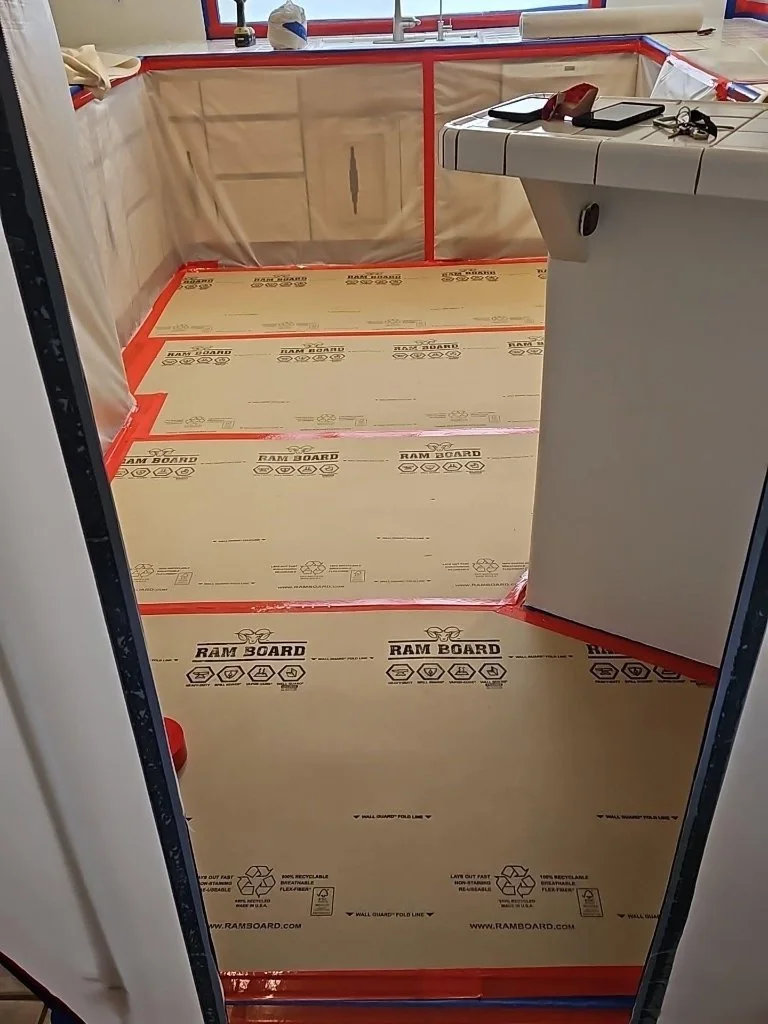
Securing electrical feeds, inspecting load-bearing assemblies, and containing pathogens.
Stopping the intrusion source and erecting 6-mil plastic isolation containment airlocks.
31-HP truck-mount extraction, removing gallons exponentially faster than evaporation.
LGR dehumidifiers and HEPA air scrubbers driving grains per pound below 25 GPP.
Calibrated electronic pinless testing confirming baseline dry standards.
The Complete 6-Stage Restoration Roadmap
Our IICRC-certified crews execute a disciplined, scientific 6-stage protocol to stabilize and dry structural components:
Emergency Dispatch & Perimeter Isolation
30 to 60 minute arrival. Securing electrical shutoffs, evaluating structural loads, and erecting containment airlocks.
FLIR® Thermal Mapping & Baseline Scans
Infrared thermal scans detect trapped moisture behind walls and beneath concrete without invasive exploratory demolition.
High-Volume Bulk Extraction
31-HP truck-mount extraction units pump standing water away at hundreds of gallons per minute.
Controlled Selective Demolition
Precision flood cuts 12 to 24 inches above moisture lines, removing wet insulation and opening wall framing to dry airflow.
Thermodynamic Dehumidification
Industrial Low-Grain Refrigerant dehumidifiers pull deep trapped moisture from dense framing lumber and concrete slabs.
Antimicrobial Sanitization & Verification
EPA-registered botanical application (Benefect Decon 30) and calibrated moisture testing to issue an official dry certificate.

Specialized Equipment & Industrial Restoration Technology
Mitigating severe property damage requires industrial-grade technology capable of altering thermodynamic psychrometrics:
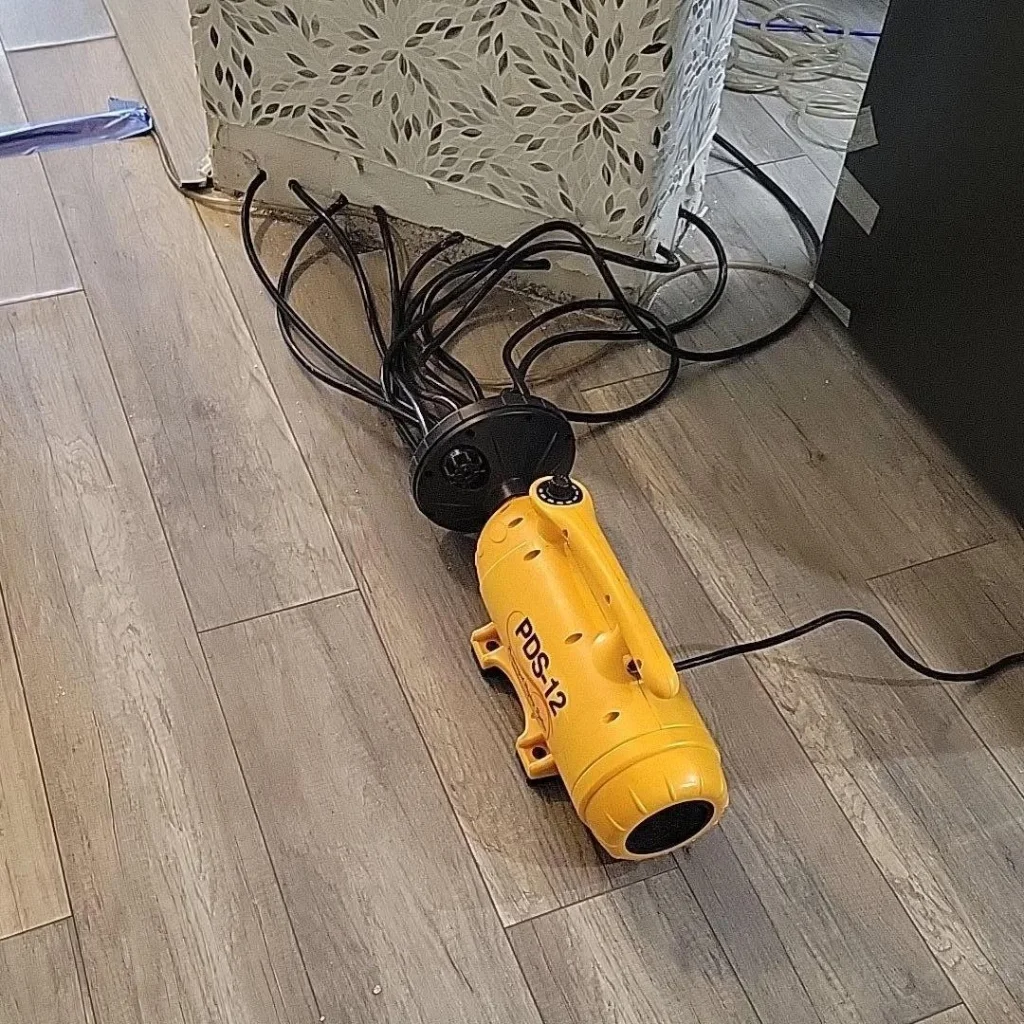
Truck-Mounted Extraction Rigs
31-HP engines producing 16+ inches Hg vacuum suction to evacuate bulk water rapidly into holding tanks.
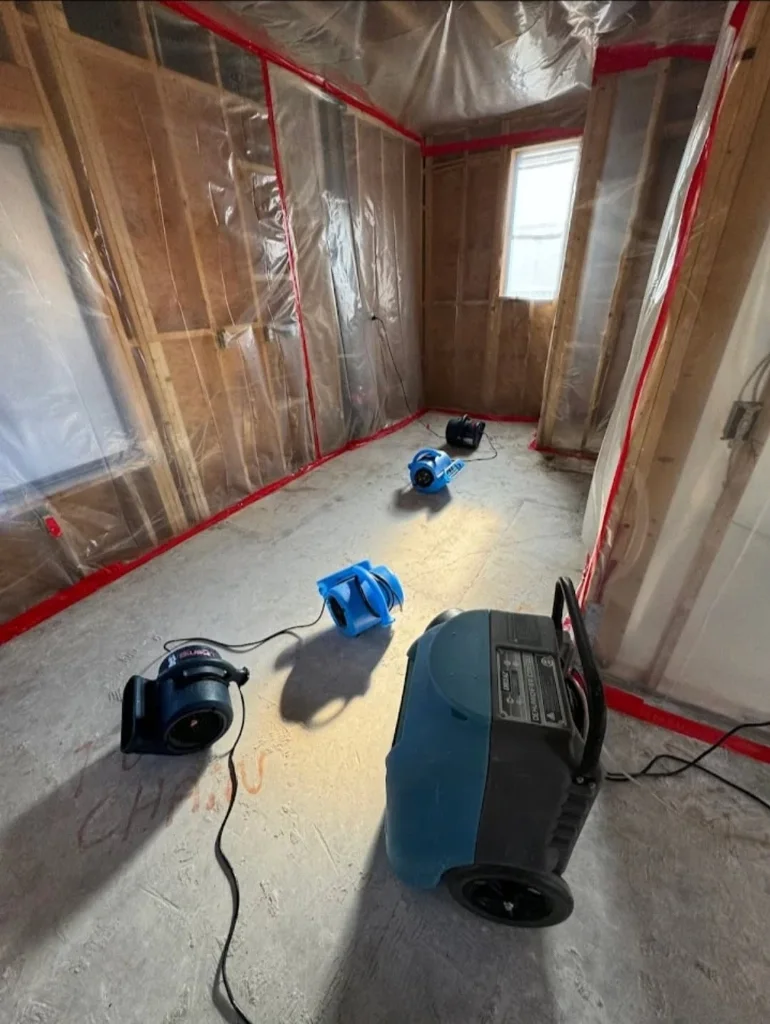
Low-Grain Refrigerant Dryers
Pre-cooling heat-pipe systems driving ambient grains per pound below 25 GPP to draw deep trapped water out of framing.
HEPA Negative-Air Scrubbers
Hospital-grade 99.97% particulate filtration capturing microscopic fungal spores, soot, and biohazard aerosols.
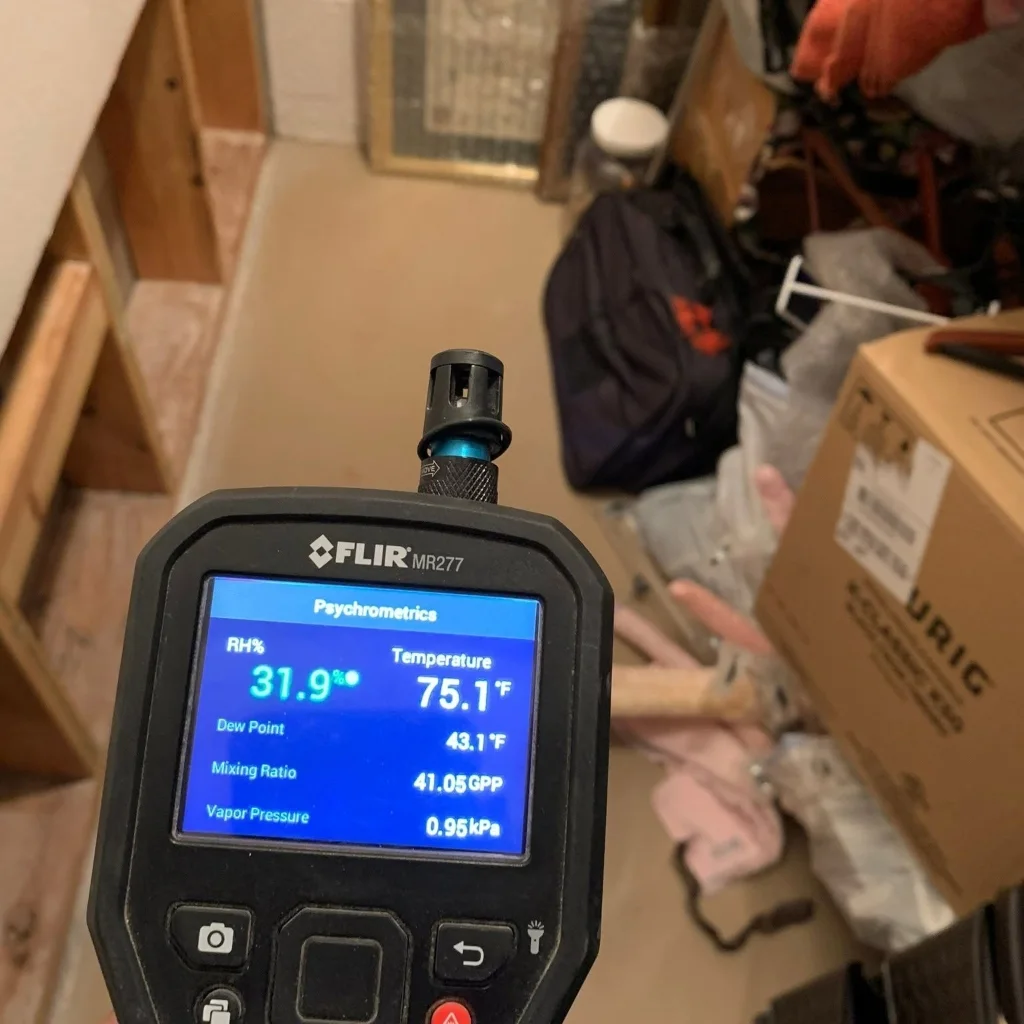
FLIR® Thermal Scanners & Probes
Infrared thermography detecting evaporative cooling boundaries behind walls, combined with digital RF pinless scanners.
Professional Restoration vs. DIY Mitigation
Attempting DIY cleanup during a property disaster creates severe hidden liabilities:
- Trapped Moisture: Surface drywall dries while moisture inside cavities triggers hidden mold blooms.
- Pathogenic Risks: Category 2 & 3 water contains bio-contaminants standard cleaners fail to kill.
- Insurance Denial: Insurers require daily psychrometric logs; lack of data causes claim disputes.
Transparent Upfront Itemized Pricing
Valley Restoration Pros operates with complete transparency:
- Free On-Site Assessment: Complete physical inspection before work begins.
- Upfront Itemized Estimates: Detailed line items calculated via industry-standard Xactimate.
- Zero Surprise Billing: No hidden charges or unauthorized repairs.
Certified Commercial Radiology Clinic X-Ray Suite Lead Lined Wall Water Damage Phoenix Field Documentation
Every response performed by Valley Restoration Pros is documented through photographic and thermographic records:
Comprehensive Commercial Radiology Clinic X-Ray Suite Lead Lined Wall Water Damage Phoenix Technical Manual & Operational Standards
Exhaustive engineering protocols, psychrometric calculations, geological multipliers, and step-by-step restoration standards for Maricopa County properties:
Executive Emergency Abstract: Commercial Radiology Clinic X-Ray Suite Lead-Lined Wall Inundation & Radiation Shielding Preservation
Within commercial outpatient radiology clinics, private medical imaging pavilions, orthopedic surgical centers, and hospital diagnostic annexes across Greater Phoenix, diagnostic X-ray suites, computed tomography (CT) vaults, and fluoroscopy procedure rooms represent some of the most capital-intensive and regulatory-sensitive environments in modern healthcare. Operating in high-density medical corridors along Thomas Road, the Camelback Medical Corridor, the Central Avenue health spine, and suburban health campuses in Scottsdale, Mesa, and Glendale, these facilities rely on specialized lead-lined architectural assemblies to contain high-energy ionizing radiation. When an unexpected overhead mechanical pipe burst, chilled water cooling loop rupture, clogged commercial condensate drain line, or fire sprinkler activation inundates a diagnostic imaging suite, the resulting crisis extends far beyond ordinary commercial flooding. Water intrusion behind lead-lined drywall creates a severe tri-fold clinical emergency: an acute structural moisture trap, an immediate regulatory and radiation safety violation, and a catastrophic financial threat to multi-million-dollar diagnostic imaging modalities.
Unlike standard commercial drywall assemblies that can dry through bidirectional vapor diffusion or be quickly mitigated with standard flood cuts, lead-lined gypsum board presents a formidable thermodynamic barrier. Sheet lead possesses a water vapor permeance rating of absolute zero (0.00 perms), functioning as an impenetrable Class I vapor barrier laminated directly to the interior room face of the drywall partition. When moisture enters the interstitial wall cavity from overhead plumbing failures or slab-level pooling, liquid water is trapped between the impermeable lead barrier and either exterior building envelopes, adjacent fire-rated party walls, or dense vinyl wallpaper finishes. Trapped moisture cannot escape into the air-conditioned room. Gypsum cores rapidly saturate, paper facings delaminate, structural metal framing corrodes, and aggressive fungal microbial amplification begins within 24 to 48 hours under Arizona desert indoor temperatures.
Simultaneously, the physical properties of lead-shielded walls introduce unprecedented restoration challenges. Standard restoration contractors unfamiliar with healthcare diagnostic suites frequently make catastrophic errors: they aggressively slice through walls with reciprocating saws, tearing delicate sheet lead barriers, severing vertical lead batten joint strips, and dislodging lead screw shields. Such unauthorized destructive cuts instantly compromise the radiation shielding integrity mandated by the National Council on Radiation Protection and Measurements (NCRP Report No. 147) and enforced by the Arizona Department of Health Services (ADHS) Bureau of Radiation Control. Furthermore, mechanical agitation of water-damaged lead drywall can aerosolize toxic lead dust, triggering immediate OSHA lead standard violations, contaminating ultra-sensitive flat-panel digital radiography (DR) detectors, and shutting down clinical diagnostic operations indefinitely.
Valley Restoration Pros deploys a specialized healthcare restoration team certified in Infection Control Risk Assessment (ICRA Class IV) procedures, IICRC S500 / S520 remediation standards, and clinical radiation safety protocols. Our technicians arrive on-site across Greater Phoenix within 30 minutes, establishing airtight true HEPA negative air pressure containment, executing precision non-destructive cavity desiccation through directional injectidry manifolds, and safeguarding multi-million-dollar diagnostic modalities with continuous high-capacity desiccant dehumidification through comprehensive commercial water damage and emergency water extraction systems.
Immediate Emergency Action Protocol: X-Ray & Radiology Suite Deluge Response
- Emergency High-Voltage Power Isolation: Immediately trip the designated main electrical breaker supplying the high-voltage X-ray generator transformer (stepping 480V three-phase line power up to 40 kVp–150 kVp) and the diagnostic control console. Never allow staff to touch flooded subfloor cable trenches or wall-mounted generator disconnects while energized.
- Prohibit Destructive Drywall Cuts: Explicitly forbid facility maintenance personnel or general janitorial workers from making indiscriminate flood cuts or plunging drywall saws into lead-lined partitions. Breaching lead sheet barriers voids radiation certification and creates hazardous lead-bearing dust.
- Critical Modality Tarping: Drape heavy-duty antistatic polyethylene tarps over the ceiling-suspended X-ray tube gantry, digital bucky stands, DR detector docking bays, and technologist control workstations to divert active overhead ceiling water discharge.
- Isolate HVAC & Implement ICRA Infection Control: Shut off local supply and return air dampers serving the flooded radiology suite to prevent airborne microbial cross-contamination into adjoining patient waiting rooms, ultrasound suites, or sterile procedure areas.
- Dispatch Certified Medical Suite Mitigation Specialists: Contact Valley Restoration Pros 24/7 clinical emergency dispatch at (602) 847-9593 for immediate mobilization of trailer-mounted industrial desiccant dehumidifiers, non-destructive cavity drying apparatus, and ICRA Class IV HEPA filtration units.
Anatomy of Lead-Lined Drywall Assemblies: Interstitial Moisture Trapping & X-Ray Vault Shielding Mechanics
To understand why water intrusion inside an outpatient diagnostic radiology clinic or hospital X-ray suite requires sophisticated engineering rather than conventional drying methods, one must examine the physical construction, material density, and regulatory design standards of radiation-shielded partitions. X-ray suites, CT scanner enclosures, and fluoroscopy procedure rooms are constructed in strict accordance with NCRP Report No. 147 shielding calculations, which specify the exact thickness of elemental lead required to attenuate secondary scatter and primary beam radiation to permissible occupational and public exposure limits.
Lead-Lined Gypsum Board Construction
Lead-lined drywall consists of a continuous sheet of pure elemental lead (conforming to ASTM B749 or Federal Specification QQ-L-201F Grade L51121) factory-laminated with high-strength structural adhesive to the backside of 1/2-inch or 5/8-inch Type X fire-rated gypsum board. Shielding thicknesses typically range from 1/32-inch (2.0 lbs/sq ft) for general radiographic suites up to 1/16-inch (4.0 lbs/sq ft) or 1/8-inch (8.0 lbs/sq ft) for high-kVp multi-slice CT vaults and interventional suites.
Lead Batten Strips & Screw Shield Discs
To prevent radiation leakage through vertical seams between panels, 2-inch wide vertical lead batten strips matching the thickness of the sheet lead are mounted to every steel stud behind each drywall joint. Drywall screw penetrations are capped with lead screw shields or lead washers. This interlocking assembly creates a continuous radiation envelope but forms an airtight, vapor-sealed boundary that completely traps intrusive moisture within the wall cavity.
Absolute Vapor Permeance Trap (0.00 Perms)
Because solid sheet lead is completely non-porous, its permeance is exactly 0.00 US perms. In standard wall assemblies, wet drywall can transfer moisture into conditioned indoor spaces through vapor pressure differentials. In a lead-lined room, vapor cannot migrate through the lead face. Water saturating the gypsum core or fiberglass cavity insulation remains trapped indefinitely, creating an optimal incubator for fungal colonization that requires specialized structural drying protocols.
Structural Fastener Corrosion & Sagging Hazard
Lead-lined drywall is exceptionally heavy, weighing between 180 and 320 pounds per 4x8-foot sheet depending on lead thickness. Saturated gypsum loses up to 85% of its compressive core strength. When the core softens from trapped water, the immense deadweight of the lead sheet shears through drywall screw heads. The heavy shielding sags, pulls away from steel studs, creates gap breaches in radiation containment, and poses a severe physical collapse risk to clinical personnel and patients.
The vulnerability of X-ray equipment suites is compounded by subterranean cable trenches and overhead utility distribution chases. Modern digital radiography suites utilize recessed floor raceways cast into the concrete slab or covered by removable metal trench plates. These trenches carry high-voltage generator cables, digital bus communication cables connecting the detector plate to the technologist acquisition workstation, and grounding conductors. When water floods the suite from an overhead burst pipe repair scenario or air handler overflow, water migrates downward, submerging cable troughs beneath four to twelve inches of standing water.
Within the electrical trenches, standing water corrodes high-voltage terminations and creates ground tracking paths across mineral insulated cabling. High-voltage transformers that supply 100 to 150 kilovolts (kVp) to the rotating anode X-ray tube cannot tolerate dielectric breakdown. Moisture ingress into generator cabinetry causes catastrophic flashovers, blowing silicon rectifiers, shorting filament transformers, and destroying sensitive digital acquisition electronics.
Furthermore, digital flat-panel detectors (FPDs) utilize moisture-sensitive amorphous silicon (a-Si) or amorphous selenium (a-Se) thin-film transistor arrays bonded to cesium iodide (CsI) scintillation crystals. Even minor ambient relative humidity spikes exceeding 75% RH inside the X-ray suite can induce moisture condensation on optical sensor faces, causing image artifacting, pixel line dropouts, and permanent delamination of the scintillator matrix, necessitating tens of thousands of dollars in sensor replacements.
In computed tomography (CT) suites, water damage introduces mechanical risks to the slip-ring gantry. Modern multidetector CT scanners rotate high-output X-ray tubes and detector banks weighing thousands of pounds at rotational speeds exceeding three revolutions per second. High humidity or water vapor condensing on optical slip rings, air bearings, or high-voltage brush contacts triggers communication errors, rotational imbalances, and emergency shutdown codes that halt acute trauma imaging.
Phoenix Desert Climatic Multipliers & Healthcare Facility Environmental Dynamics
Restoring lead-lined wall assemblies and diagnostic imaging suites in Phoenix, Arizona requires managing unique regional environmental forces. The Sonoran Desert climate imposes extreme external heat, hyper-aggressive municipal water mineral loads, and violent atmospheric shifts that directly impact commercial medical buildings, HVAC cooling networks, and structural moisture behavior:
1. 18 GPG Extreme Municipal Hard Water & Hydronic Cooling Scale Deposition
Municipal water supplies across Greater Phoenix—supplied by the Salt River Project (SRP), Central Arizona Project (CAP), and deep alluvial wells—contain extraordinary mineral concentrations averaging 18 to 25 grains per gallon (GPG) of dissolved calcium carbonate and magnesium. In commercial outpatient medical facilities and hospital imaging departments, this extreme mineral hardness accelerates calcification inside dedicated chiller heat exchangers, fan coil units, and closed-loop hydronic lines servicing high-output CT and X-ray tube chillers.
Hard calcium scale encrusts condensate drain pans, floats, and automatic drain switches on rooftop HVAC units. During continuous summer operations, clogged condensate pans overflow, dumping dozens of gallons of mineralized water through ceiling plenums directly above lead-lined diagnostic suites, producing catastrophic ceiling water damage restoration emergencies. The high conductivity of mineral-rich Phoenix floodwater significantly amplifies electrical short-circuit damage across high-voltage medical electronics compared to purer municipal waters.
Furthermore, when hard water evaporates on unpainted concrete or structural steel studs, it deposits crystalline efflorescence and caliche salts. These salt crystals attract hygroscopic moisture from the surrounding air, creating persistent conductive paths that complicate electrical grounding tests required for high-frequency radiographic generators.
2. 115°F Summer Heat Loads & Hyper-Accelerated Microbial Incubation
From late May through late September, Phoenix endures sustained daytime ambient temperatures between 110°F and 118°F, with commercial flat rooftop temperatures exceeding 160°F. When an overhead plumbing or HVAC failure occurs, interstitial wall cavities rapidly absorb exterior thermal energy conducted through building parapets and exterior facades.
In typical temperate climates, fungal spore germination on wet cellulosic gypsum paper occurs within 48 to 72 hours. In Phoenix, when stagnant indoor ambient temperatures rise following HVAC isolation in flooded interstitial spaces, relative humidity within wet lead-lined wall cavities climbs to 90%–99% RH with temperatures hovering between 85°F and 95°F. This creates an optimal thermophilic incubator. Aggressive mold species—including Aspergillus niger, Penicillium chrysogenum, and Stachybotrys chartarum—can germinate and establish active fungal hyphae in as little as 24 to 36 hours, requiring immediate professional mold remediation containment before spores can disperse into patient care corridors.
Because the lead-shielded side of the wall cannot breathe, the fungal proliferation is driven outward into adjoining examination rooms, corridors, or ceiling spaces, contaminating return air plenums and triggering facility-wide air quality failures.
3. Monsoonal Haboob Dust Infiltration & Particulate Filtration Control
During the Arizona summer monsoon season (July through September), severe dust storms (haboobs) transport millions of cubic meters of fine desert particulate, mineral silicates, and soil fungi (including Coccidioides immitis, the causative organism of Valley Fever) across the metropolitan basin. When a water intrusion event forces remediation crews to exhaust air or establish containment, outdoor particulate management becomes critical.
Outpatient radiology clinics operating adjacent to oncology, surgical, or pulmonary centers cannot tolerate any dust migration. Under ICRA Class IV regulations, all air exhausted from the drying containment chamber must pass through certified DOP-tested HEPA filters rated at 99.97% efficiency at 0.3 microns, preventing desert particulates from entering clean healthcare zones or depositing abrasives inside digital X-ray tube collimator mechanisms.
Immediate Emergency First-Hour Protocol: Radiation Safety, High-Voltage Isolation & Modality Protection
The initial sixty minutes following a water damage incident within an outpatient radiology center determine whether the facility experiences a brief, manageable drying intervention or an catastrophic total loss involving destroyed imaging modalities, regulatory shutdowns, and weeks of lost patient appointments. Clinical administrators, facility managers, and lead radiology technologists must execute an immediate, disciplined sequence of protective measures:
Step 1: High-Voltage Generator Power Lockout / Tagout (LOTO)
Radiology equipment suites house industrial-grade step-up transformers and high-voltage capacitor banks operating at lethal electrical potentials (40,000 to 150,000 volts). Standing water in subfloor trenches or wet drywall cavities in contact with 480V three-phase primary lines creates extreme arc flash and fatal electrocution hazards. Clinical staff must immediately navigate to the suite emergency power-off (EPO) button outside the exam room or locate the dedicated circuit breaker panel in the technologist control alcove and execute a complete lockout/tagout. Never attempt to operate, power down via software console, or touch flooded generator cabinets until primary utility isolation is confirmed.
Step 2: Emergency Modality Tarping & Overhead Shielding
Ceiling-suspended X-ray tube carriages, multi-leaf collimators, digital radiography flat-panel detectors, and elevating bucky tables must be shielded immediately from cascading water. Deploy clean 6-mil antistatic polyethylene plastic sheeting over all diagnostic components. Secure plastic sheeting with non-marring tape, ensuring water sheds away from electronic enclosures and detector docking cradles into floor drainage areas. If flat-panel digital detectors are wireless and battery-powered, disconnect batteries immediately and transfer the portable plates into dry, climate-controlled storage outside the flooded zone.
Step 3: Radiation Barrier Integrity Preservation & Zero Unauthorized Demolition
The most common mistake made by general emergency crews is cutting away water-stained drywall with reciprocating saws or utility knives. In a diagnostic radiology suite, every wall contains factory-laminated sheet lead, lead batten joints, and screw caps calculated to precise millimeter tolerances by a licensed medical radiation physicist. Cutting into these panels damages irreplaceable shielding and can release toxic lead particulate into the healthcare environment. Strictly order all staff and municipal personnel to leave lead-lined partitions intact until certified healthcare restoration specialists arrive.
Step 4: Mechanical Hydronic Supply Isolation
If the flood originates from an overhead dedicated chiller hydronic loop, water softener backwash, fire suppression line, or fan coil unit, immediately locate the isolation ball valves serving the specific radiology wing. Facility maintenance engineers should shut the supply and return valves to stop ongoing pressurized water discharge, mirroring response protocols deployed in commercial chiller pipe flood restoration and fire sprinkler water damage cleanup emergencies.
Step 5: Immediate Deployment of Clinical Restoration Task Force
Contact Valley Restoration Pros at (602) 847-9593. Our emergency medical restoration team mobilizes within minutes from regional staging facilities across the Valley, bringing heavy extraction units, mobile desiccant trailers, ICRA containment barriers, and advanced moisture mapping technology directly to your clinic doors.
Advanced Industrial Equipment Setup: Non-Destructive Cavity Drying, Desiccants & ICRA Containment
Drying a water-damaged commercial radiology clinic or X-ray suite requires sophisticated commercial desiccation equipment and clinical infection containment arrays. Conventional residential or light commercial water extraction tools are entirely incapable of extracting moisture trapped behind impermeable lead barriers or drying complex subterranean electrical raceways without causing structural damage. Valley Restoration Pros utilizes a specialized equipment fleet engineered specifically for high-tech healthcare environments:
Industrial Desiccant Dehumidifiers
Unlike standard refrigerant (LGR) dehumidifiers that lose thermodynamic efficiency at lower relative humidity levels, industrial desiccant dehumidifiers utilize silica gel honeycomb rotor wheels that adsorb water vapor chemically. Our trailer-mounted and portable desiccants produce super-dry process air with relative humidity below 10%, dew points down to -10°F, and moisture content under 15 to 25 grains per pound (GPP). This extreme vapor pressure differential pulls moisture out of deep concrete slabs, subfloor cable trenches, and structural framing.
Cavity Injectidry High-Pressure Systems
To dry the unexposed interstitial cavities of lead-shielded walls without cutting away lead panels, we utilize specialized Cavity Injectidry manifolds. High-pressure desiccant airflow is delivered directly into stud cavities through discrete, non-destructive access points engineered above acoustic ceiling grids or beneath floor baseboard coves, completely bypassing the certified lead shielding. This positive or negative pressure airflow circulates through the framing, desiccating wet gypsum paper, metal studs, and fiberglass insulation while leaving the lead radiation barrier 100% intact.
ICRA Class IV Negative Air HEPA Scrubbers
Infection Control Risk Assessment (ICRA) Class IV protocols require total physical isolation of work zones in healthcare facilities. We construct airtight poly containment chambers with dual-chamber airlock anterooms and maintain continuous negative pressure (-0.02 inches of water column differential). Industrial HEPA air filtration units equipped with DOP-tested 99.97% certified HEPA filters continuously process 12 to 18 air changes per hour (ACH), capturing any microbial spores, lead particulates, or gypsum dust before exhausting safely outdoors.
Precision Non-Destructive Diagnostics & FLIR MR277
Pin-type moisture meters cannot be driven through lead-lined walls because piercing sheet lead creates radiation leaks and metal contact causes false short-circuit readings. We deploy high-resolution FLIR radiometric infrared thermal cameras combined with non-penetrating dielectric radio frequency moisture meters (such as the FLIR MR277 with IGM). These tools map moisture plumes through thermal evaporative signatures and dielectric permittivity across concrete, tile, and partitions without puncturing lead barriers.
Subfloor Cable Trench High-Velocity Vacuum Desiccation
Subfloor cable trenches beneath diagnostic X-ray tables and operator consoles trap stagnant blackwater or graywater that will not evaporate under ordinary airflow. Our technicians remove trench cover plates, extract standing fluid using explosion-proof immersion extraction pumps, and install custom injection drying manifolds directly into the raceway channels.
Heated, ultra-dry desiccant air is forced down the length of the trench raceways at velocities exceeding 1,800 feet per minute, driving trapped moisture out of braided cable jackets, conduit junctions, and concrete crevices. This prevents corrosive oxidation on copper grounding grids and restores dielectric insulation resistance to factory standards, integrating seamlessly with our specialized medical facility water damage restoration protocols.
Antistatic Lay-Flat Micro-Ducting for Sensitive Clinical Cleanrooms
Electrostatic discharge (ESD) presents a grave danger to microprocessor boards in medical equipment. Standard plastic ducting creates friction-induced static charges exceeding 15,000 volts that can zap sensitive DR flat panels. Valley Restoration Pros uses grounded conductive lay-flat ducting that dissipates static charges to building ground while channeling high-volume desiccant process air directly to affected partition bases, maintaining complete EMI/ESD safety throughout the drying cycle.
IICRC S500 / S520 Step-by-Step Restoration Protocol for Outpatient Radiology & Diagnostic Imaging Suites
Remediating water damage in an active healthcare environment demands rigorous adherence to the IICRC S500 Standard for Professional Water Damage Restoration, the IICRC S520 Standard for Professional Mold Remediation, and hospital Infection Control Risk Assessment (ICRA) directives. Valley Restoration Pros executes an audited, six-phase clinical protocol designed to achieve verifiable baseline drying standards while safeguarding radiation shielding and sensitive imaging modalities:
Phase 1: Forensic Psychrometric & Radiation Shielding Assessment
Upon arrival, our certified Master Water Restorers immediately conduct comprehensive psychrometric baseline testing, recording ambient temperature, relative humidity, dew point, and grains per pound (GPP) in both affected and unaffected clinical zones. Using FLIR MR277 infrared thermography and non-invasive RF surface dielectric sensors, technicians map moisture migration patterns behind lead-lined drywall without piercing sheet lead.
We cross-reference our structural moisture map with facility architectural and radiation shielding plans (NCRP Report No. 147 specifications), identifying the location of vertical lead battens, corner overlaps, lead-lined door frames, and operator control console viewing windows to establish a custom restoration plan.
Phase 2: ICRA Class IV Containment & Critical Equipment Enclosure
Before initiating any mechanical drying or water extraction, we erect an airtight ICRA Class IV containment barrier separating the flooded radiology suite from outpatient corridors and adjoining examination rooms. We construct full-height 6-mil flame-retardant poly barriers with zippered airlock anterooms and walk-off tacky mats.
Commercial negative air scrubbers equipped with DOP-tested HEPA filters are engaged, exhausting air outdoors to maintain a continuous negative pressure differential of -0.02 inches of water column, continuously monitored via digital differential manometers with data logging. Delicate X-ray gantries and digital bucky assemblies are sealed in antistatic enclosures.
Phase 3: High-Volume Fluid Extraction & Subfloor Trench Drainage
Our technicians mobilize truck-mounted and portable high-volume extraction units to evacuate bulk surface water from clinical vinyl flooring, anti-fatigue mats, and concrete slabs. Cover plates are removed from all subfloor cable trenches housing high-voltage generator and detector lines.
Submersible vacuum tools remove standing liquid from trenches down to the sub-millimeter level. Technicians hand-wipe high-voltage line conduits with lint-free microfiber towels and inspect for any physical breaches or chemical contamination from commercial wastewater or sewage cleanup conditions.
Phase 4: Non-Destructive Cavity Injection Desiccation
To extract trapped moisture from behind lead-shielded partitions without demolishing certified lead sheets, we deploy precision Cavity Injectidry manifolds. Technicians establish access above the drop ceiling grid or through non-shielded baseboard perimeters into vertical stud bays.
Ultra-low humidity desiccant process air (<15 GPP, dew point <-10°F) is injected into each stud cavity under controlled positive pressure. The dry air sweeps downward across metal framing, fiberglass batts, and the unshielded backside of gypsum boards, vaporizing trapped water and escaping through engineered return relief ports into the main containment chamber where HEPA scrubbers and industrial desiccants capture the moisture vapor.
Phase 5: EPA-Registered Antimicrobial Application & Micro-Sanitization
Once moisture levels are substantially reduced, all exposed structural surfaces, cable trenches, and perimeter junctions are treated with hospital-grade, EPA-registered broad-spectrum botanical or quaternary ammonium antimicrobials. The chemical solutions are selected specifically for compatibility with medical imaging materials, non-corrosive properties on electrical copper, and zero VOC emissions in clinical environments.
This treatment eradicates bacteria and fungal spores without leaving toxic chemical residues, ensuring full safety for immunocompromised patients and conforming to standards used in our hospital MRI suite water damage restoration Phoenix operations.
Phase 6: Psychrometric Dry Standard Verification & Radiation Physics Survey
Drying equipment remains continuously operational until non-destructive moisture meters confirm all structural assemblies, drywall cores, and concrete slabs have reached dry standard equilibrium (typically <12% wood moisture equivalent in gypsum and drywall, and baseline concrete moisture vapor emission rates).
Before clinical clearance, a certified medical health physicist performs an independent radiation shielding survey using a calibrated ion chamber survey meter, verifying that zero radiation leakage occurs along all lead-shielded boundaries and confirming that radiation attenuation matches original NCRP Report No. 147 parameters.
Healthcare Regulatory & Radiation Health Physics Compliance: ADHS, Joint Commission & NCRP Standards
Water mitigation inside a licensed medical imaging facility in Arizona is governed by strict statutory and accreditation frameworks. Failure to adhere to these mandates during water mitigation can trigger immediate suspension of facility clinical operating licenses, severe financial penalties, and insurance claim denials. Valley Restoration Pros coordinates every phase of restoration in strict alignment with regional and federal regulatory authorities:
Arizona Department of Health Services (ADHS) Bureau of Radiation Control
Under the Arizona Administrative Code (A.A.C. Title 9, Chapter 7), medical X-ray and CT imaging installations are subject to strict registration and shielding verification standards. Any physical alteration, structural water damage, or compromised barrier within a registered radiation facility must be documented.
Our non-destructive restoration protocol avoids uncontrolled structural demolition, ensuring that the approved shielding design submitted to ADHS remains completely intact. Where targeted repairs are unavoidable, we coordinate directly with state-licensed medical health physicists to perform re-certification surveys before clinical imaging resumes.
The Joint Commission (TJC) Environment of Care Standard EC.02.04.01
The Joint Commission requires healthcare organizations to maintain a safe, functional environment of care and manage risks associated with utility failures and environmental contaminants. Standard EC.02.04.01 mandates rigorous maintenance and performance tracking of all diagnostic medical equipment.
When flooding occurs, Valley Restoration Pros provides environmental testing documentation, air clearance particulate counts, and psychrometric daily logs required by hospital safety committees to substantiate environmental safety and compliance during accreditation audits. Similar comprehensive documentation protocols are utilized across our Desert Ridge commercial medical office water damage restoration engagements.
OSHA Lead Standard in Construction (29 CFR 1926.62) & EPA Standards
Disturbing lead-shielded drywall without appropriate containment exposes workers and clinical personnel to toxic elemental lead dust. OSHA 29 CFR 1926.62 mandates airborne lead exposure assessments, medical monitoring, specialized PPE, and engineering controls when handling lead materials.
Our non-invasive cavity desiccation procedures eliminate the need for mechanical sawing or grinding of sheet lead. When selective panel removal is required due to severe Category 3 blackwater contamination, our technicians operate under full HEPA shroud containment, utilizing wet-wiping techniques, certified negative air exhaust, and lead dust wipe sampling to ensure absolute environmental safety.
Hyper-Local Phoenix Case Study: Outpatient Imaging Center Lead-Wall Deluge on Thomas Rd & 3rd Ave
Incident Summary & Initial Clinical Threat
At 2:15 AM on a Wednesday in mid-July, a 2-inch pressurized closed-loop chilled water riser failed in the ceiling interstitial space above Suite 140 of a major outpatient medical imaging center located near the intersection of Thomas Road and 3rd Avenue in Central Phoenix. The rupture discharged an estimated 850 gallons of 44°F chemically treated chilled water before automated flow sensor alarms alerted building engineering. The water cascaded through acoustic ceiling tiles into X-Ray Examination Room 2 and the adjacent Computed Tomography (CT) gantry vault, saturating approximately 1,600 square feet of floor space and inundating eight continuous lead-lined wall assemblies (5/8-inch Type X gypsum board with 1/16-inch ASTM B749 sheet lead shielding).
The initial facility assessment presented acute risks: standing water pooled 3 inches deep across the seamless vinyl floor and filled the subfloor cable trench carrying high-voltage generator conductors to the ceiling-mounted X-ray tube gantry. Moisture entered the lead-lined wall cavities through upper plate penetrations, soaking fiberglass batt insulation and saturating the paper backing of the gypsum board behind the impermeable lead sheets. If general contractors performed conventional flood cuts, the certified radiation shielding would be destroyed, resulting in an estimated 6-week shutdown and more than $380,000 in physical reconstruction, lost scan revenues, and medical physicist re-certification fees.
Emergency Response & Non-Destructive Desiccation Strategy
Valley Restoration Pros clinical emergency team was dispatched at 2:38 AM and arrived on-site in 22 minutes. Technicians immediately verified that high-voltage breakers were locked out and established an ICRA Class IV containment envelope across the radiology corridor, deploying two commercial 2,000 CFM true HEPA negative air units exhausting through temporary exterior ducting. High-capacity submersible vacuum units evacuated standing surface water and emptied the submerged subfloor electrical trench within 45 minutes.
Rather than making destructive cuts through the lead-lined drywall, our Master Restorers implemented a non-destructive positive-pressure Cavity Injectidry setup. Technicians lifted ceiling tiles above the lead-lined partitions and introduced specialized injector tubing directly into the top of each vertical stud cavity. Simultaneously, an industrial trailer-mounted desiccant dehumidifier delivering 3,500 CFM of ultra-dry process air at 12% RH and 18 GPP was ducted into the sealed exam suite. Heated desiccant air was driven through the stud bays, evaporating trapped moisture along the unshielded gypsum surfaces without breaching the room-side lead shielding envelope. Similar precision diagnostics were utilized to inspect sub-slab moisture, preventing issues often addressed through slab leak water damage restoration in medical environments.
Quantified Psychrometric Outcomes & Clinical Certification
| Restoration Parameter | Initial Baseline (Hour 1) | Mid-Mitigation (Hour 36) | Final Standard (Hour 68) |
|---|---|---|---|
| Ambient Relative Humidity (RH) | 88% RH | 36% RH | 22% RH (Target Reached) |
| Humidity Ratio (Grains / Pound) | 118 GPP | 44 GPP | 26 GPP (Dry Standard) |
| Lead Wall Gypsum Moisture Equivalent | 99.9% (Saturated) | 21.4% | 9.8% (<12% Baseline) |
| Subfloor Trench Concrete Moisture | 100% Saturation | 32.0% | 11.2% (Dry Standard) |
At Hour 68, complete structural desiccation was verified. OEM diagnostic service engineers inspected the high-voltage generator and digital radiography detector arrays, certifying zero dielectric or electronic degradation. An independent Arizona-licensed medical health physicist completed a comprehensive radiation scatter survey, issuing formal certification that all eight lead-shielded partitions maintained full NCRP Report No. 147 attenuation compliance with zero leakage. The imaging suite reopened for clinical outpatient appointments at 7:00 AM Monday morning—saving an estimated $290,000 in reconstructed shielding costs and preventing weeks of clinical downtime.
Transparent Commercial Financial Standards & Clinical Claims Documentation
Commercial healthcare facility administrators, medical practice chief financial officers, and risk managers face complex insurance, financial, and compliance realities when dealing with water damage losses. Valley Restoration Pros upholds strict Pay-Per-Call (PPC) commercial compliance standards, delivering transparent, itemized fiscal clarity with zero deceptive billing promises:
Free On-Site Damage Assessment
Our emergency response begins with a complimentary, comprehensive on-site clinical assessment. Our Master Restorers inspect affected partitions, subfloor trenches, and modality areas using infrared thermography and moisture meters, delivering an immediate scope of loss without financial obligation.
Transparent Upfront Itemized Pricing
Before work begins, facility managers receive a transparent, itemized estimate formulated through Xactimate industry-standard pricing schedules. Every line item—from ICRA containment erection and desiccant dehumidifier deployment to cavity injectidry manifolds—is clearly defined with zero hidden surcharges. Learn more using our online cost estimator.
Psychrometric Claims Support Package
We supply commercial property insurers with exhaustive forensic documentation: date-stamped FLIR thermal imagery, daily psychrometric dry logs (temperature, RH, GPP), equipment runtime records, and independent medical health physicist shielding certificates. This forensic evidentiary package accelerates commercial claim approvals and business interruption loss settlements.
Clear Insurance Billing Transparency
We work directly alongside your commercial insurance carrier, claims adjuster, and risk management representatives. In compliance with Arizona commercial standards, we maintain complete transparency regarding property owner responsibilities, deductibles, and policy exclusions, never offering misleading "100% direct insurance billing" promises.
Need Immediate Clinical Scope & Pricing Clarification?
Our commercial healthcare estimators are available 24/7 to provide itemized estimates, coordinate with your clinical insurance adjuster, or dispatch emergency crews. Contact us through our emergency desk or visit our contact us page.
Direct Dispatch: (602) 847-9593Exhaustive Commercial Radiology Clinic & Lead-Lined Wall Mitigation FAQ
Yes, provided the water source is Category 1 clean water (such as chilled water loop, domestic water supply, or clean HVAC condensate) and remediation begins within the critical 24 to 48 hour window before mold spores germinate. Because sheet lead is completely non-porous (0.00 US perms), drying cannot occur from the room side. We deploy specialized positive-pressure Cavity Injectidry systems that access the stud cavity from above the ceiling grid or along baseboard perimeters, circulating high-volume desiccant process air directly behind the gypsum core and studs to desiccate structural assemblies without disturbing the certified radiation shielding.
Making conventional drywall flood cuts with saws or blades severs the factory-laminated sheet lead, destroys vertical lead batten strips on studs, and cuts through lead screw shield discs. This instantly destroys the radiation shielding barrier designed under NCRP Report No. 147 calculations, creating dangerous radiation leakage paths into adjoining rooms and voiding the facility operating license issued by the Arizona Department of Health Services Bureau of Radiation Control. Furthermore, sawing lead generates toxic lead particulates that can contaminate clinical hallways and violate OSHA 29 CFR 1926.62 construction standards.
Diagnostic X-ray generators step up line voltage to 40 kVp to 150 kVp. Moisture entering generator cabinets or subfloor cable raceways compromises dielectric insulation, causing catastrophic electrical arc flashes, shorting filament circuits, and burning out silicon rectifiers. In flat-panel digital radiography (DR) detectors, moisture can damage amorphous silicon thin-film transistors and trigger delamination of moisture-sensitive cesium iodide (CsI) scintillator crystals, causing irreversible image ghosting, pixel dropouts, and multi-thousand-dollar replacement expenses.
Reopening requires a multi-tier regulatory and engineering sign-off. First, certified psychrometric drying logs must verify that all structural components have reached dry standard baseline. Second, OEM field engineers (such as GE Healthcare, Siemens Healthineers, Philips, or Hologic) must conduct dielectric withstand tests and electronic calibration on the generator and detector systems. Third, an independent licensed medical health physicist must conduct an on-site radiation survey using calibrated ion chamber detectors to verify zero radiation leakage along all partition seams and penetrations in accordance with ADHS Bureau of Radiation Control regulations.
Infection Control Risk Assessment (ICRA) Class IV protocols isolate drying operations from patient care zones. By erecting full-height, flame-retardant 6-mil poly barriers with double-door zippered anterooms and operating commercial HEPA negative air units at -0.02 inches of water column pressure differential, containment ensures that mold spores, particulates, and moisture vapors cannot migrate into active corridors, waiting rooms, or sterile medical suites.
Under IICRC S500 standards, Category 3 blackwater (such as sewer main backups or heavily contaminated floodwater) contains pathogenic microorganisms that cannot be safely sanitized inside porous materials. If Category 3 water contacts lead-lined drywall, the affected porous gypsum backing must be carefully removed under full ICRA Class IV containment and OSHA lead abatement protocols. In contrast, clean water leaks or appliance failures such as water heater burst cleanup events can be dried in place non-destructively if mitigated immediately.
Because driving contact pins through lead sheets is strictly forbidden due to radiation leakage and false electrical grounding readings, we employ high-frequency non-penetrating dielectric RF moisture scanners and radiometric thermal imaging cameras (FLIR MR277). In addition, technicians monitor the relative humidity, temperature, and dew point of the exhaust air exiting our cavity drying access ports above the drop ceiling grid. When the exhaust air GPP matches the intake process air GPP, the interstitial cavity has achieved psychrometric equilibrium.
With regional municipal water hardness averaging 18 to 25 grains per gallon (GPG), water escaping plumbing or chiller lines carries dense concentrations of calcium carbonate, magnesium silicates, and dissolved chlorides. As floodwater dries, it leaves behind abrasive, electrically conductive mineral salts on circuit boards, generator enclosures, and metal raceways. These deposits promote galvanic corrosion and cause high-voltage electrical tracking. Our restoration specialists utilize non-conductive electronic contact cleaners and deionized rinses to neutralize mineral salts before re-energizing equipment.
Regional Phoenix Healthcare Corridor Directory & 24/7 Clinical Emergency Dispatch
Valley Restoration Pros maintains rapid-response medical restoration units staged strategically across Maricopa County. Our certified healthcare restoration teams provide guaranteed 30-minute emergency arrival times across all primary Valley medical corridors and outpatient radiology hubs throughout the areas we serve:
Central Phoenix & Thomas Road Healthcare Corridor
Direct 15 to 25 minute emergency dispatch to Banner - University Medical Center Phoenix, St. Joseph's Hospital and Medical Center (Barrow Neurological Institute), Phoenix Children's Hospital, Valleywise Health, and outpatient radiology practices along Thomas Road, McDowell Road, and Central Avenue.
24/7 Medical Dispatch: (602) 847-9593
Scottsdale & Paradise Valley Medical Districts
Rapid response across HonorHealth Scottsdale Shea Medical Center, HonorHealth Scottsdale Osborn, HonorHealth Thompson Peak, Mayo Clinic Phoenix & Scottsdale Campuses, and private orthopedic and radiology pavilions in Scottsdale Airpark.
24/7 Medical Dispatch: (602) 847-9593
East Valley Healthcare Corridors (Mesa, Chandler, Gilbert)
Immediate emergency mitigation for Banner Desert Medical Center in Mesa, Banner Gateway in Gilbert, Chandler Regional Medical Center, Mercy Gilbert Medical Center, and regional imaging clinics along the US-60 and Loop 202 corridors.
24/7 Medical Dispatch: (602) 847-9593
West Valley Health Campuses (Glendale, Peoria, Goodyear)
Rapid 20 to 30 minute dispatch to Banner Boswell Medical Center, Banner Del E. Webb, Banner Estrella, Abrazo West Campus in Goodyear, and Abrazo Arrowhead Hospital in Glendale via I-10 and Loop 101.
24/7 Medical Dispatch: (602) 847-9593
Immediate Commercial Radiology & X-Ray Suite Emergency Response Across Arizona
Our ICRA Class IV certified healthcare task force and industrial desiccant drying units are standing by 24 hours a day, 365 days a year. Contact our clinical emergency dispatch desk for immediate deployment within 30 minutes.
Call Emergency Dispatch: (602) 847-9593Verified Local Area Dispatch: Phoenix, AZ
Official Geo-Coordinates: 33.4484° N, -112.074° W • Maricopa County
Related Specialized Emergency Restoration Services
Explore specialized rapid-response mitigation protocols across Greater Phoenix and Maricopa County:
Valley-Wide Emergency Response Service Coverage
Our mobile restoration fleet is dispatched across the entire Phoenix metropolitan region, providing rapid 30 to 60 minute emergency response: