

Valley Restoration Pros delivers 24/7 industrial emergency water extraction, thermal psychrometric drying, and structural mitigation across Phoenix and Maricopa County with guaranteed 30–60 minute rapid arrival. All protocols strictly adhere to IICRC S500 standards, featuring upfront itemized pricing and free on-site thermal moisture assessments. Call dispatch directly at (602) 847-9593.
Why Immediate Mitigation Is Critical in Phoenix Heat
Cleanroom HVAC makeup air unit (MAU) coil breaches and chilled water loop ruptures flood interstitial ceiling spaces, collapsing differential pressure cascades and saturating HEPA filter banks. Scottsdale summer ambient temperatures exceeding 115°F create hyper-accelerated microbial incubation within 24 to 48 hours, causing fungal spore amplification that voids USP 797 cleanroom sterility and invalidates expensive pharmaceutical preparations. City of Scottsdale municipal water lines carry 18 to 22 grains per gallon (GPG) mineral hardness; evaporation leaves insoluble calcium carbonate and magnesium scale on electropolished 316L stainless steel counters and laminar flow workbenches, requiring specialized passivation. Expansive caliche clay soils across the North Scottsdale Cure Corridor exert intense upward shear forces on concrete foundation slabs, cracking subterranean plumbing and forcing moisture through cleanroom seamless vinyl flooring.

Service Definition & The IICRC Standard of Care
Professional compounding pharmacy iso 5 cleanroom sterile suite water damage scottsdale is an engineering and environmental discipline adhering strictly to IICRC S500 protocols, not mere surface mopping. When structural plumbing failures strike in Maricopa County, certified emergency water extraction and thermal structural drying procedures must be deployed immediately. Whether triggered by high-pressure burst pipe emergencies, subfloor leaks, or commercial line ruptures, bound moisture rapidly penetrates concrete subfloors and wall framing. In the desert heat, delays trigger microbial proliferation requiring rapid mold remediation. Request damage assessment through our emergency assessment portal or request 30-minute dispatch across all Valley service areas.
Securing electrical feeds, inspecting load-bearing assemblies, and containing pathogens.
Stopping the intrusion source and erecting 6-mil plastic isolation containment airlocks.
31-HP truck-mount extraction, removing gallons exponentially faster than evaporation.
LGR dehumidifiers and HEPA air scrubbers driving grains per pound below 25 GPP.
Calibrated electronic pinless testing confirming baseline dry standards.
The Complete 6-Stage Restoration Roadmap
Our IICRC-certified crews execute a disciplined, scientific 6-stage protocol to stabilize and dry structural components:
Emergency Dispatch & Perimeter Isolation
30 to 60 minute arrival. Securing electrical shutoffs, evaluating structural loads, and erecting containment airlocks.
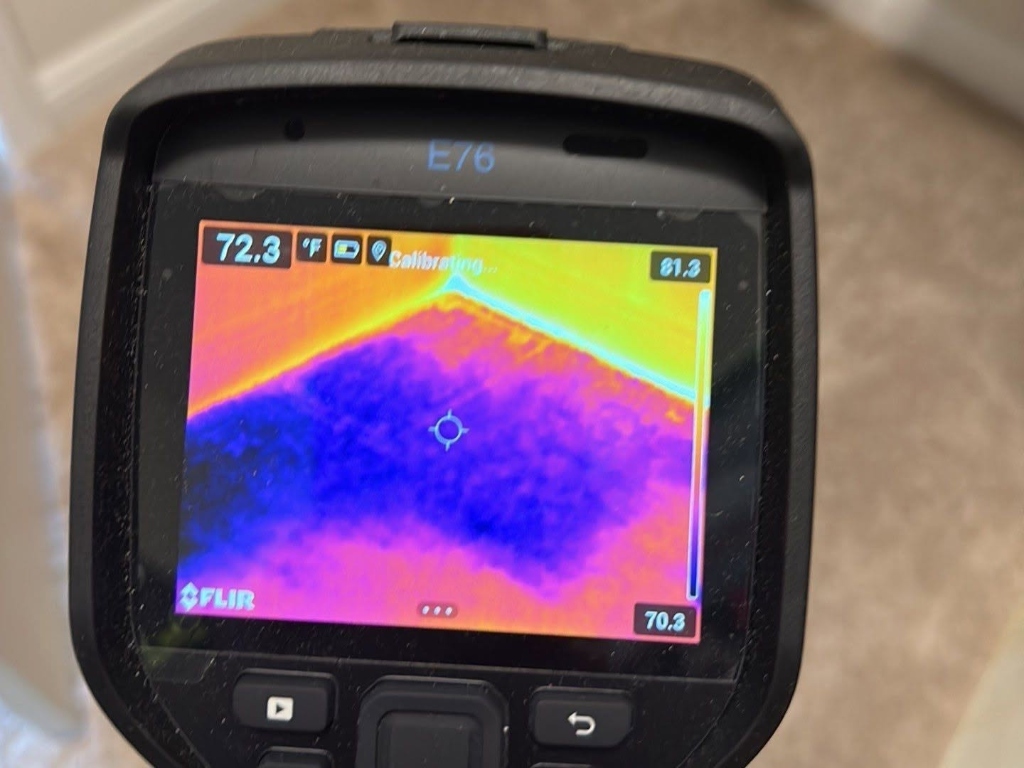
FLIR® Thermal Mapping & Baseline Scans
Infrared thermal scans detect trapped moisture behind walls and beneath concrete without invasive exploratory demolition.
High-Volume Bulk Extraction
31-HP truck-mount extraction units pump standing water away at hundreds of gallons per minute.
Controlled Selective Demolition
Precision flood cuts 12 to 24 inches above moisture lines, removing wet insulation and opening wall framing to dry airflow.
Thermodynamic Dehumidification
Industrial Low-Grain Refrigerant dehumidifiers pull deep trapped moisture from dense framing lumber and concrete slabs.
Antimicrobial Sanitization & Verification
EPA-registered botanical application (Benefect Decon 30) and calibrated moisture testing to issue an official dry certificate.

Specialized Equipment & Industrial Restoration Technology
Mitigating severe property damage requires industrial-grade technology capable of altering thermodynamic psychrometrics:
Truck-Mounted Extraction Rigs
31-HP engines producing 16+ inches Hg vacuum suction to evacuate bulk water rapidly into holding tanks.
Low-Grain Refrigerant Dryers
Pre-cooling heat-pipe systems driving ambient grains per pound below 25 GPP to draw deep trapped water out of framing.
HEPA Negative-Air Scrubbers
Hospital-grade 99.97% particulate filtration capturing microscopic fungal spores, soot, and biohazard aerosols.
FLIR® Thermal Scanners & Probes
Infrared thermography detecting evaporative cooling boundaries behind walls, combined with digital RF pinless scanners.
Professional Restoration vs. DIY Mitigation
Attempting DIY cleanup during a property disaster creates severe hidden liabilities:
- Trapped Moisture: Surface drywall dries while moisture inside cavities triggers hidden mold blooms.
- Pathogenic Risks: Category 2 & 3 water contains bio-contaminants standard cleaners fail to kill.
- Insurance Denial: Insurers require daily psychrometric logs; lack of data causes claim disputes.
Transparent Upfront Itemized Pricing
Valley Restoration Pros operates with complete transparency:
- Free On-Site Assessment: Complete physical inspection before work begins.
- Upfront Itemized Estimates: Detailed line items calculated via industry-standard Xactimate.
- Zero Surprise Billing: No hidden charges or unauthorized repairs.
Certified Compounding Pharmacy ISO 5 Cleanroom Sterile Suite Water Damage Scottsdale Field Documentation
Every response performed by Valley Restoration Pros is documented through photographic and thermographic records:

Comprehensive Compounding Pharmacy ISO 5 Cleanroom Sterile Suite Water Damage Scottsdale Technical Manual & Operational Standards
Exhaustive engineering protocols, psychrometric calculations, geological multipliers, and step-by-step restoration standards for Maricopa County properties:
Executive Emergency Abstract: ISO 5 Cleanroom & Sterile Compounding Suite Water Intrusion Mitigation in Scottsdale
Within the prestigious healthcare and biotechnology corridors of Scottsdale, Arizona—most notably along the renowned Scottsdale Cure Corridor flanking Shea Boulevard, the Loop 101 Pima Freeway medical corridor, and the North Scottsdale Medical Mile surrounding Bell Road—state-of-the-art 503A compounding pharmacies and 503B outsourcing facilities formulate life-sustaining sterile preparations. These high-acuity facilities engineer custom intravenous admixtures, intrathecal pain medications, total parenteral nutrition (TPN) bags, biological ophthalmics, and cytotoxic chemotherapy infusions. Operational integrity is strictly governed by United States Pharmacopeia standards, specifically USP Chapter <797> (Pharmaceutical Compounding – Sterile Preparations) and USP Chapter <800> (Hazardous Drugs – Handling in Healthcare Settings). At the technological core of every sterile compounding suite lies an array of ISO Class 5 Primary Engineering Controls (PECs)—including horizontal and vertical laminar airflow workbenches (LAFW), Class II Type A2/B2 biological safety cabinets (BSCs), and Compounding Aseptic Containment Isolators (CACIs)—enclosed within ISO Class 7 cleanroom buffer suites and ISO Class 7/8 ante-areas.
When an unpredicted mechanical or infrastructural water breach strikes a sterile cleanroom environment, the stakes transcend conventional property loss. An overhead dedicated cleanroom makeup air unit (MAU) chilled water coil rupture, an interstitial structural plenum pipe breach, a medical-grade reverse osmosis / deionized (RO/DI) loop rupture, or an unchecked monsoon storm drain backup instantly collapses the micro-environmental equilibrium of the compounding envelope. Within seconds, pressurized water cascades over sealed ceiling panels, saturates coved wall assemblies, floods heat-welded seamless vinyl flooring, and compromises negative/positive pressure cascades. The introduction of bulk liquid and uncontrolled moisture into an ISO-classified clean space completely destroys airborne particulate sterility, invalidates sterile Beyond-Use Dating (BUD), and triggers immediate regulatory shutdowns mandated by the Arizona State Board of Pharmacy and the U.S. Food and Drug Administration (FDA).
Valley Restoration Pros operates as the premier emergency commercial disaster mitigation contractor for specialized medical, pharmaceutical, and biotechnology cleanroom environments across Scottsdale and Greater Phoenix. Our certified Master Commercial Restorers synthesize rigorous IICRC S500 water damage restoration standards, IICRC S520 mold remediation standards, and ISO 14644-1 cleanroom engineering protocols. We deploy industrial-grade, truck-mounted extraction platforms, DOP-tested medical HEPA negative air filtration units, and trailer-mounted desiccant dehumidification systems capable of stabilizing micro-climates without generating secondary particle turbulence. Our specialized response teams arrive on site within 30 minutes across North Scottsdale, executing immediate containment, high-purity fluid extraction, and advanced emergency water extraction engineered to safeguard pharmaceutical assets and protect clinical continuity.
Every second a sterile compounding suite remains waterlogged, the financial exposure compounds exponentially. Facility managers face catastrophic drug inventory loss, active pharmaceutical ingredient (API) degradation, and contractual fulfillment default for hospital networks such as HonorHealth Scottsdale Shea, HonorHealth Thompson Peak, and regional outpatient oncology clinics. Valley Restoration Pros provides a clear, defensible path from initial disaster triage to full environmental recertification. Facility directors connect directly with commercial restoration operations director Marcus Vance at our 24/7 priority emergency dispatch line: (602) 847-9593. Our industrial fleet mobilizes immediately to restore your sterile envelope, preserve capital compounding machinery, and satisfy all regulatory audit requirements under Arizona pharmacy law.
Immediate Compounding Suite Containment Directives
- Emergency Power Isolation: Immediately execute lockout/tagout (LOTO) protocols on primary electrical feeds and uninterruptible power supply (UPS) backups powering laminar flow hoods, pass-through interlocks, and automated robotic syringe compounders to prevent electrical arc-flash and catastrophic circuitry shorting.
- Fluid Supply Termination: Isolate main quarter-turn cleanroom mechanical shutoffs, dedicated process cooling water (PCW) lines, RO/DI recirculation loops, and overhead HVAC chilled water isolation valves.
- PEC Shielding & Critical Zone Protection: Enshroud all ISO Class 5 Primary Engineering Controls with non-shedding, anti-static polyethylene protective wraps to shield intake grilles and HEPA filters from falling water and particulate contamination.
- Mobilize Certified Cleanroom Restorers: Contact Valley Restoration Pros at (602) 847-9593 for 30-minute rapid commercial deployment across Scottsdale, executing specialized cleanroom water extraction and desiccant psychrometric stabilization.
Anatomy of Cleanroom Inundation: Chilled Water Coils, DI Loops, & Interstitial Plenum Ruptures
Sterile pharmaceutical compounding cleanrooms depend on sophisticated mechanical infrastructure concealed within walkable interstitial plenums and technical service chases located above and adjacent to sterile suites. These mechanical zones accommodate Dedicated Outdoor Air Systems (DOAS), makeup air units (MAUs), terminal fan filter units (FFUs), clean steam generators for autoclaves, medical-grade compressed dry air (CDA) manifolds, and closed-loop hydronic chilled water lines operating under continuous pressures between 45 and 65 pounds per square inch (PSI). The physical dynamics of a water breach in these specialized technical spaces differ fundamentally from typical commercial structural failures due to the hermetic sealing, specialized materials, and stringent aerodynamic balances required by cleanroom architecture.
When a chilled water coil ruptures or a condensate drain pan overflows within an overhead air handler, water collects atop pharmaceutical-grade walkable ceiling panels sealed with closed-cell neoprene gaskets. Because cleanroom ceiling grids are engineered to withstand positive room pressures, pooled water travels laterally across unistrut grid channels before penetrating through light fixtures, emergency egress sprinkler heads, and the perimeter gel seals of terminal ceiling HEPA filters. As water cascades through HEPA filter media, it destroys the delicate borosilicate micro-glass fiber paper, causing microscopic binder dissolution and catastrophic filter blowout. Saturated HEPA filters not only lose their particulate capture efficiency but actively shed fiber fragments and aerosolized moisture droplets directly into the critical compounding zone.
Laminar Flow Boundary Layer Destruction
ISO Class 5 laminar flow workbenches rely on unidirectional airflow moving at 90 feet per minute (FPM) ± 20% to wash critical compounding surfaces. Falling water droplets and overhead structural leaks disrupt this laminar streamline, generating turbulent eddy currents that vacuum unclassified airborne bioburden and chemical dust directly onto sterile vials, needles, and open IV ports.
Differential Pressure Cascade Reversal
Sterile non-hazardous suites maintain strict positive pressure (+0.02 to +0.05 inches water gauge) relative to ante-rooms, while hazardous USP <800> suites require continuous negative pressure (-0.010 to -0.030 inches w.g.). Saturated interstitial walls, compromised door sweeps, and wet electrical penetrations cause immediate aerodynamic depressurization, allowing outside contaminants to rush inward.
Sub-Floor Epoxy & Vinyl Delamination
Cleanrooms feature seamless heat-welded sheet vinyl or integral coved epoxy floor membranes. When water penetrates wall-to-floor junctions or electrical wireways, moisture becomes trapped beneath the impermeable membrane, creating osmotic blister pockets, decomposing adhesive emulsions, and forming subterranean reservoirs that fuel rapid microbial growth.
Furthermore, high-purity water failures—such as ruptures in PVDF or polypropylene reverse osmosis / deionized (RO/DI) distribution loops—present acute risks. High-purity deionized water possesses low electrical conductivity initially, but it behaves as an aggressive chemical solvent. Upon contact with gypsum drywall, structural concrete, or metal framing, it rapidly dissolves mineral salts, transforming into a corrosive, highly conductive fluid that attacks precision circuit boards inside compounding robots and automated liquid handlers. Rapid structural containment and expert mechanical mitigation, incorporating specialized burst pipe repair protocols, are mandatory to prevent total facility condemnation.
Scottsdale Environmental & Geological Multipliers: 18 GPG Hard Water Scale, Caliche Soil Shift, & 115°F Microbial Incubation
Operating an advanced sterile compounding facility in Scottsdale, Arizona demands managing intense environmental, climatic, and geological conditions unique to the Sonoran Desert. While cleanrooms are engineered as isolated micro-environments, the external ambient forces of Maricopa County relentlessly challenge facility infrastructure. When a structural water intrusion occurs along the Scottsdale Cure Corridor or the Loop 101 medical corridor, four major local physical variables amplify the severity of cleanroom contamination:
1. Extreme Municipal Water Hardness (18 to 22 Grains Per Gallon)
Municipal water supplied by the City of Scottsdale, drawn from the Central Arizona Project (CAP) Colorado River aqueduct and Salt River Project (SRP) reservoirs, carries extreme mineral loads. Total dissolved solids (TDS) frequently exceed 650 to 900 parts per million (ppm), with mineral hardness testing at 18 to 22 grains per gallon (GPG). When domestic potable water supply lines, fire protection sprinkler pipes, or untreated condenser loops rupture above cleanroom suites, drying floodwaters deposit dense, crystalline calcium carbonate (calcite), magnesium silicate, and sulfate scale. On electropolished 316L stainless steel work surfaces, laminar flow workbench grilles, and pharmaceutical glass pass-through doors, this mineral scale creates microscopic surface fissures that entrap bacterial biofilm and shield microbial pathogens from standard quaternary ammonium disinfectants, requiring specialized chemical passivation.
2. Expansive Caliche Clay Soil Upheaval & Sub-Slab Fractures
The subterranean geological profile of North Scottsdale, particularly surrounding the foothills of the McDowell Mountain Range, Frank Lloyd Wright Boulevard, and Princess Drive, consists of dense calcium carbonate-cemented hardpan layers known as caliche interspersed with expansive montmorillonite clay. During alternating cycles of extreme desert drought and monsoon saturation, these expansive clay strata undergo substantial volumetric expansion, exerting tremendous vertical shear forces against reinforced concrete slab foundations. This geological movement fractures rigid under-slab sanitary drainage lines, acid-waste neutralization piping, and domestic copper lines beneath medical office buildings. Water forced upward under hydrostatic pressure breaches the concrete-epoxy bond, creating subterranean moisture pockets directly beneath sterile compounding suites.
3. 115°F Desert Ambient Heat & 24-Hour Microbial Amplification
Scottsdale summer ambient temperatures regularly surpass 115°F, driving rooftop mechanical penthouse and unconditioned interstitial plenum temperatures above 135°F to 145°F. When water breaches cleanroom mechanical systems, facility electrical safety protocols often force cleanroom HVAC shutdowns. In the absence of continuous refrigeration and dehumidification, indoor temperatures surge rapidly into the 85°F to 105°F zone. When combined with relative humidity levels exceeding 70%, this creates a hyper-accelerated incubation chamber. Spores of fungal species such as Aspergillus niger, Penicillium chrysogenum, and Chaetomium globosum, alongside opportunistic bacteria such as Pseudomonas aeruginosa and Burkholderia cepacia, germinate and colonize wet drywall and fiberglass insulation within 24 to 48 hours—posing lethal septicemia risks if aerosolized during compounding.
4. Monsoon Deluges & Flat Parapet Roof Drainage Overflows
Between July and September, the North American Monsoon generates intense convective thunderstorms over Scottsdale, depositing up to 2.5 inches of torrential rain within 45 minutes accompanied by 60 MPH microburst winds. Commercial medical facilities typically feature low-slope flat roofs with perimeter parapet walls. When storm scuppers and primary roof drain sumps become obstructed by desert dust, wind-blown palo verde foliage, and roofing ballast, standing water ponds to depths of 6 to 10 inches. The resulting hydrostatic weight strains roof membrane seams and overflows internal cast-iron roof drainage conductors, causing catastrophic downpours directly into cleanroom ceiling interstitial plenums, mirroring challenges seen in Scottsdale Cure Corridor commercial lab water damage scenarios.
Regulatory Compliance Architecture: USP <797>, USP <800>, FDA 503A/503B Compounding Mandates, and Arizona State Board of Pharmacy Protocols
Restoration of a sterile compounding cleanroom suite is not merely a structural drying exercise; it is an intensely regulated legal and pharmaceutical compliance procedure. Compounding pharmacies in Scottsdale operate under rigorous multi-jurisdictional oversight, including the Arizona State Board of Pharmacy (governed by the Arizona Administrative Code, Title 4, Chapter 23), the United States Pharmacopeial Convention (USP), and the U.S. Food and Drug Administration (FDA) through Sections 503A and 503B of the Federal Food, Drug, and Cosmetic Act (FD&C Act). Any structural compromise, water intrusion, or loss of environmental control automatically triggers mandatory reporting and compounding suspension protocols.
The 2023 revision of USP <797> establishes strict microbiological and airborne particulate thresholds across all sterile compounding spaces. Cleanrooms are segregated into specific risk-based zones: ISO Class 5 Primary Engineering Controls (PECs) where critical compounding occurs (requiring particle counts not exceeding 3,520 particles per cubic meter for particles ≥0.5 µm); ISO Class 7 Secondary Engineering Controls (SECs) serving as buffer rooms (maximum 352,000 particles/m³); and ISO Class 7 or 8 ante-areas dedicated to hand hygiene, garbing, and stage transfer (maximum 3,520,000 particles/m³). When structural materials within these envelopes become damp or water-damaged, relative humidity spikes above the mandatory 60% maximum threshold, creating condensation that harbors fungal and bacterial colonies. Under USP <797> standards, the presence of even a single colony-forming unit (CFU) of highly pathogenic fungi (such as Aspergillus, Fusarium, or Penicillium) in an ISO 5 area mandates immediate cessation of compounding, quarantined disposal of all exposed preparations, and comprehensive facility decontamination.
Regulatory Mandates Governing Compounding Restoration
Valley Restoration Pros designs every phase of cleanroom restoration to satisfy the most demanding regulatory audits. Our documentation packages deliver forensic proof of moisture extraction, psychrometric drying equilibrium, sporicidal decontamination, and airborne particulate validation, providing pharmacy directors with the indisputable data needed to satisfy state board inspectors and FDA investigators.
First-Hour Emergency Triage, Mechanical Isolation, & Biological Safety Cabinet Protection Playbook
The initial sixty minutes following a cleanroom water intrusion in Scottsdale determine whether a compounding pharmacy sustains a temporary four-day disruption or suffers multimillion-dollar capital equipment loss and protracted regulatory suspension. When pressurized water breaches the sterile envelope, facility personnel must immediately implement a standardized emergency triage sequence while our industrial emergency crews mobilize from our nearby commercial operations center.
Sterile compounding cleanrooms house fragile capital assets valued at hundreds of thousands of dollars per unit, including Baker BioChemGARD Class II Type B2 biosafety cabinets, NuAire LabGard laminar airflow workbenches, automated vial-filling robotics, and micro-gravimetric analytical balances. Water cascading from ceiling penetrations carries suspended particulates, dissolved mineral salts, and potential microbial bioburden directly toward these units. Direct contact with moisture or subsequent electrical energization while damp destroys internal digital motherboards, burns out precision blower motors, and permanently contaminates internal plenum baffles.
First-Hour Emergency Action Checklist for Cleanroom Personnel
- Immediate Personnel Evacuation & Zone Isolation: Safely abort active compounding operations, secure any opened hazardous drug vials in hermetic transport vessels, evacuate compounding personnel through the ante-room, and close all buffer suite doors to preserve adjacent room pressure barriers.
- Mechanical & Plumbing Source Isolation: Shut off primary cleanroom water supplies at dedicated mechanical ball valves. If the water source involves HVAC chilled water coils, contact building engineering to isolate supply and return riser loops and shut down the dedicated makeup air unit (MAU) to prevent pressurized air from spreading water spray.
- Electrical Lockout/Tagout (LOTO): De-energize sub-panels feeding the cleanroom suite at the main circuit breaker. Disconnect emergency uninterruptible power supply (UPS) batteries serving compounding hoods, incubators, and analytical balances to eliminate electrical shock hazards and circuitry destruction.
- Shield Primary Engineering Controls: Cover laminar flow workbenches, biosafety cabinets, and automated syringe fillers using cleanroom-grade, anti-static, lint-free polyethylene film (minimum 6-mil thickness). Drape covers completely over upper intake grilles and front sash openings to divert water away from internal HEPA filters and stainless work surfaces.
- Mobilize Specialized Commercial Restorers: Contact Valley Restoration Pros immediately at (602) 847-9593 for priority dispatch across the Scottsdale Cure Corridor and North Scottsdale.
To guarantee complete fiscal and operational transparency for healthcare institutions, Valley Restoration Pros provides a Free Comprehensive On-Site Damage Assessment immediately upon arrival. Our certified commercial project managers conduct comprehensive thermal imaging scans and atmospheric hygrometer evaluations to identify all affected zones. We provide Transparent Upfront Itemized Pricing Before Work Begins utilizing industry-standard commercial healthcare estimating platforms, ensuring complete clarity with zero hidden charges. Throughout the mitigation lifecycle, our team provides comprehensive Assistance with Detailed Claims Documentation & Psychrometric Moisture Logs to substantiate the full scope of property loss, equipment decontamination, and business interruption for commercial insurance carriers.
Our proven operational procedures mirror successful interventions executed during pharmacy compounding cleanroom water damage decontamination in Phoenix, ensuring rapid stabilization and absolute containment integrity.
Precision Negative/Positive Pressure Poly Containment & DOP-Tested HEPA Air Scrubbing Filtration
Isolating water-damaged zones inside a compounding cleanroom demands an extraordinary level of particulate and aerodynamic control. In conventional residential or commercial restoration, technicians construct simple plastic barriers using standard polyethylene sheeting and duct tape. In an ISO-classified cleanroom suite, such methods are catastrophic: standard polyethylene sheds high quantities of plastic micro-particles, duct tape releases volatile organic compound (VOC) adhesives that permanently ruin cleanroom vinyl finishes, and uncalculated pressure drops cross-contaminate adjacent sterile suites.
Valley Restoration Pros constructs specialized cleanroom containment barriers utilizing 6-mil flame-retardant, anti-static, virgin polyethylene sheeting conforming to ASTM E84 Class A and NFPA 701 standards. Anti-static formulations prevent electrostatic attraction and shed zero particulate matter into the cleanroom atmosphere. Barriers are secured using heavy-duty, spring-loaded anodized aluminum compression poles fitted with non-marking silicone pads. All containment perimeter seams are hermetically bonded using specialized cleanroom-grade polyethylene tape (low-outgassing, residue-free acrylic adhesive meeting ASTM D-1000 specifications) that creates an airtight seal without transferring chemical adhesives to passivated stainless steel, coated glass, or resin surfaces.
Cleanroom Containment & Aerodynamic Engineering Specifications
Multi-Stage Airlock Decontamination Chambers
We establish two-stage functional airlocks between affected drying chambers, ante-rooms, and general dispensing pharmacies. Technicians pass through gowning and de-gowning vestibules equipped with sticky cleanroom floor mats, donning cleanroom Tyvek suits, double nitrile gloves, and particulate respirators before entering active drying enclosures.
DOP-Tested Negative Air Filtration Units
We deploy industrial negative air machines (NAMs) equipped with 99.97% HEPA filtration certified to capture particles down to 0.3 microns. Every unit undergoes on-site Dispersed Oil Particulate (DOP) aerosol challenge testing using Emery 3004 synthetic hydrocarbon aerosol to verify 100% media integrity and zero gasket leakage prior to active deployment.
Continuous Differential Pressure Monitoring
OmniGuard digital differential pressure manometers continuously record containment pressure dynamics relative to adjacent operational pharmacy spaces. Real-time data loggers maintain a verified negative pressure of -0.025 to -0.040 inches water gauge inside the drying zone, venting scrubbed air outdoors through dedicated ducting.
By strictly controlling airflow dynamics, our teams ensure that moisture, demolition dust, and fungal spores can never migrate into surrounding sterile buffer rooms or medication dispensing areas, following the advanced containment protocols detailed in our mold remediation engineering frameworks.
Non-Destructive Psychrometric Moisture Mapping: FLIR Thermal Imaging, Tramex RF Impedance, & Invasive Anhydrous Pin Testing
Accurately diagnosing moisture migration in an ISO 5 or ISO 7 cleanroom suite requires a delicate balance between forensic precision and non-destructive methodologies. In standard commercial buildings, restorers routinely cut inspection holes across drywall assemblies. In a sterile compounding pharmacy, cutting into walls or pulling down ceiling panels releases hundreds of thousands of non-viable particulates, mineral dust particles, and fungal spores into the air, instantly corrupting cleanroom air filtration systems and requiring extensive multi-week facility re-qualification.
Valley Restoration Pros employs state-of-the-art non-destructive diagnostic instrumentation to establish comprehensive moisture boundaries without piercing the cleanroom envelope:
Cleanroom Moisture Diagnostic Suite
Every reading is compiled into our digital psychrometric tracking portal, recording ambient temperature (°F), relative humidity (%RH), dew point (°F), vapor pressure (PSI), and humidity ratio (GPP). This granular data forms an irrefutable audit trail for commercial insurers and accreditation auditors, mirroring procedures utilized in complex slab leak water damage restoration diagnostics.
Industrial Desiccant Dehumidification & Controlled Evaporative Drying Chambers
Drying a sterile compounding suite requires a complete departure from standard commercial structural drying techniques. Standard restoration practices rely on conventional Low Grain Refrigerant (LGR) dehumidifiers paired with high-velocity axial air movers. In a pharmaceutical cleanroom, this setup is completely unacceptable. High-velocity air movers generate turbulent air currents that aerosolize settled micro-particles and strip cleanroom coatings, while LGR dehumidifiers cannot lower specific humidity below 34 to 40 grains per pound (GPP) or operate effectively at the low temperatures (66°F to 68°F) mandated by USP <797> cleanroom regulations.
Valley Restoration Pros utilizes trailer-mounted, industrial-grade silica gel desiccant dehumidifiers (producing 2,500 to 5,000 cubic feet per minute of processed air). Desiccant dehumidifiers do not condense water vapor over refrigerated coils; instead, they pass incoming process air through a slowly rotating honeycomb wheel impregnated with high-reactivity synthetic silica gel. Moisture is removed through chemical vapor pressure differential adsorption. Desiccant systems deliver processed supply air with single-digit specific humidity—frequently dropping below 10 to 15 GPP with dew points suppressed to -20°F to -40°F.
Vapor Pressure Gradient Optimization
By driving cleanroom air to ultra-low vapor pressures (under 0.08 PSI), desiccant dehumidification creates a massive differential between ambient air and water molecules trapped within dense gypsum, concrete slabs, and interstitial unistrut channels, pulling moisture out of assemblies at maximum thermodynamic velocity.
Particulate-Free Laminar Air Distribution
Instead of open-air fans, we deploy ducted positive-pressure cavity drying systems (such as Injectidry and AirWolf systems) equipped with inline HEPA filtration. Ultra-dry desiccant air is channeled into sealed wall voids and interstitial plenums through sanitized, non-particulating antistatic lay-flat tubing without disturbing cleanroom air.
Precision Cleanroom Climate Stabilization
Desiccant reactivating air is exhausted completely outdoors, venting all moisture outside the building footprint. Integrated process air chillers regulate temperature strictly between 66°F and 68°F, preventing thermal expansion of delicate analytical scales, optical sensors, and biosafety cabinet sashes.
This engineered thermodynamic approach achieves complete structural dryness in 48 to 72 hours—cutting downtime in half compared to conventional methods. To learn more about our commercial drying capabilities, review our advanced structural drying operational frameworks.
IICRC S500 / S520 Compliant Sterile Suite Restoration Protocol: 6-Stage Systematic Engineering Framework
Executing a successful recovery within a water-damaged sterile pharmaceutical cleanroom requires strict adherence to standardized industrial protocols. Valley Restoration Pros integrates the comprehensive standards of the IICRC S500 Standard for Professional Water Damage Restoration and IICRC S520 Standard for Professional Mold Remediation with ISO 14644-1 cleanroom operational standards. Every project follows our audited 6-stage engineering framework:
Stage 1: Hazard Assessment, Biohazard Triage & Containment Isolation
Technicians establish immediate security boundaries, verify electrical lockout/tagout (LOTO), and erect 6-mil flame-retardant anti-static polyethylene isolation barriers with negative air pressure (-0.025 inches w.g.) and DOP-tested HEPA filtration to safeguard adjacent operational pharmacy spaces.
Stage 2: Pharmaceutical-Grade Liquid Extraction & Surface Recovery
Commercial truck-mounted high-vacuum extraction platforms deploy weighted extraction wands across cleanroom seamless vinyl and epoxy floors. Liquid waste is sealed within dedicated containment tanks and disposed of in compliance with local environmental and biohazard regulations.
Stage 3: Precision Controlled Deconstruction & Cavity Access
Technicians surgically remove saturated non-restorable materials under continuous point-of-cut HEPA shrouded tooling. Damaged acoustic ceiling tiles, compromised fiberglass insulation, and waterlogged drywall sections are bagged in hermetically sealed 6-mil poly bags before leaving containment.
Stage 4: Deep Desiccant Dehumidification & Psychrometric Monitoring
Industrial desiccant trailers introduce ultra-dry air (<15 GPP) into structural interstitial cavities and room volumes. Certified technicians take continuous psychrometric readings every 12 hours, tracking grains per pound (GPP), relative humidity (%RH), and material moisture percentages (%MC).
Stage 5: Three-Bucket Sporicidal Disinfection & Surface Passivation
Technicians execute a meticulous cleanroom three-bucket wipe-down utilizing EPA-registered hospital-grade sporicidal agents (peracetic acid / hydrogen peroxide) followed by sterile 0.2-micron filtered 70% Isopropanol (IPA) to eliminate chemical residues across all stainless steel and coved surfaces.
Stage 6: Post-Remediation Verification (PRV) & Certified Dry Issuance
Independent environmental testing verifies moisture content has reached predetermined dry standard baselines. We issue formal Certified Dry Documentation packets required by insurance underwriters and state pharmacy boards prior to environmental recertification.
This meticulous operational discipline guarantees that every square inch of structural assembly is completely stabilized before the suite is released for recertification. Explore our extensive capabilities in handling large-scale commercial facilities in our commercial water damage technical breakdown.
Specialized Sterile Cleanroom Decontamination, Sporicidal Disinfection, & Residue-Free Sanitization
Once structural drying achieves verified equilibrium, decontaminating a sterile compounding suite requires specialized chemical protocols far beyond standard janitorial or restoration sanitation. In a sterile cleanroom, standard quaternary ammonium disinfectants leave surfactant films that degrade optical sensors, cause micro-pitting on 316L stainless steel, and fail to kill bacterial endospores (such as Bacillus subtilis) and fungal conidia. Conversely, harsh chlorine bleach products release corrosive chloride ions that permanently damage passivated biosafety cabinet surfaces.
Valley Restoration Pros employs a multi-tiered decontamination protocol utilizing specialized, pharmaceutical-grade chemistry engineered to satisfy USP <797> cleanroom cleaning standards:
Advanced Cleanroom Decontamination Chemistry
Sporicidal Peracetic Acid & Hydrogen Peroxide
We deploy ready-to-use, pharmaceutical-grade sporicides (such as Spor-Klenz ETO or Minncare). The combination of peracetic acid and hydrogen peroxide creates a powerful oxidative reaction that denatures microbial cell walls, penetrating and eradicating endospores and dormant fungal spores within a certified 5-minute to 10-minute contact time.
Sterile 0.2-Micron Filtered 70% IPA Rinse
Following sporicidal application, all surfaces undergo a meticulous double-rinse using USP sterile water for irrigation followed by 0.2-micron filtered sterile 70% Isopropanol (IPA). This removes all residual chemical salts, eliminates streaks, and leaves electropolished stainless steel surfaces completely residue-free.
Non-Shedding Cleanroom Microfiber Substrates
Technicians utilize gamma-irradiated, laser-sealed polyester continuous-filament cleanroom wipes (ISO Class 4/5 compatible) and cleanroom flat-mop systems. Standard cotton rags and cellulose sponges are strictly prohibited because they shed millions of microscopic fibers into the environment.
All wiping procedures execute a strict top-to-bottom, clean-to-dirty trajectory. Technicians sanitize ceiling HEPA housings first, followed by upper wall assemblies, pass-through chambers, biosafety cabinet exteriors, lower wall coving, and finally cleanroom floors working backward toward the containment airlock. This rigorous protocol mirrors the sanitary benchmarks established in our medical facility water damage restoration programs.
Environmental Viable & Non-Viable Airborne Particle Recertification (ISO 14644-1 Class 5/7/8 Dynamic Testing)
The culmination of cleanroom restoration is the rigorous validation required before the Pharmacist-in-Charge (PIC) and Arizona State Board of Pharmacy authorize the resumption of sterile compounding. A restored suite cannot simply "appear" clean; it must be empirically validated through exhaustive environmental sampling adhering to ISO 14644-1:2015, ISO 14644-2, and USP <797> specifications. Valley Restoration Pros coordinates directly with accredited third-party cleanroom certification agencies to perform full dynamic testing:
Mandatory Cleanroom Recertification Testing Parameters
This meticulous testing delivers absolute regulatory assurance, matching the high-precision validation standards detailed in our hospital MRI suite water damage restoration protocols.
Hyper-Local Scottsdale Cure Corridor Case Study: 503A Sterile Compounding Pharmacy at Bell Road & Loop 101
To understand the rigorous execution required during cleanroom water mitigation, examine this documented commercial emergency response handled by Valley Restoration Pros in North Scottsdale:
Project Profile & Incident Parameters
- Location: North Scottsdale Medical Mile, commercial medical complex near East Bell Road & Loop 101 Pima Freeway, Scottsdale, AZ 85260.
- Facility Type: 7,200 sq. ft. 503A specialty sterile compounding pharmacy formulating custom intrathecal pain pumps, biological ophthalmics, and oncology chemotherapy admixtures.
- Cleanroom Configuration: 2,200 sq. ft. cleanroom suite comprising an ISO Class 7 positive-pressure sterile buffer room, an ISO Class 7 negative-pressure hazardous buffer room, a shared ISO Class 7 ante-room, and four ISO Class 5 Primary Engineering Controls (two horizontal laminar flow hoods and two Class II Type A2 biosafety cabinets).
- Incident Description: During an intense August monsoon storm, a 2.5-inch dedicated cleanroom HVAC chilled water supply coil in the mechanical penthouse ruptured under pressure hammer while rooftop drain sumps overflowed. Saturated water breached the walkable interstitial ceiling deck, flooding through eight ceiling HEPA filter housings and cascading directly over two laminar flow hoods, leaving 2.5 inches of standing water across the entire cleanroom suite.
- Immediate Exposure: $3.4 million in compounding inventory and active pharmaceutical ingredients (APIs) at risk, with four regional outpatient oncology clinics facing critical drug shortages.
Chronological Mitigation & Engineering Response
This case underscores our proven capability to mobilize, mitigate, and recertify high-consequence pharmaceutical environments. For local property support across the city, consult our dedicated Scottsdale water damage restoration operations hub.
Pay-Per-Call Financial Architecture, Detailed Scope Items, & Insurance Claims Documentation
Commercial disaster recovery in high-acuity healthcare environments involves complex financial and insurance considerations. When sterile cleanrooms, compounding suites, or clinical laboratories experience catastrophic water breaches, property managers and pharmacy directors require immediate fiscal transparency, detailed cost accounting, and meticulous claims substantiation to satisfy commercial insurance carriers such as FM Global, Chubb, Travelers, and Zurich.
Valley Restoration Pros operates under a transparent, professional pay-per-call service framework designed specifically for healthcare institutions:
Mandatory Client Transparency Standards
Important Regulatory & Insurance Billing Disclosure
Valley Restoration Pros does not make deceptive direct insurance billing promises, nor do we claim that insurance carriers will cover 100% of all mitigation or recertification costs without policyholder participation. Commercial property insurance policies feature specific deductibles, sub-limits for cleanroom re-qualification, and specialized coverage terms. While we work directly alongside your insurance adjuster to substantiate every line item, ultimate financial responsibility remains with the property owner. This upfront, ethical approach protects clients from coverage disputes and surprise billing.
For commercial facility directors seeking preliminary project budgeting, utilize our online instant restoration cost estimator for transparent, data-driven cost modeling.
Exhaustive Technical & Regulatory FAQ: Commercial Sterile Cleanroom Water Damage Mitigation
No. Under USP <797> and FDA compounding regulations, any compounded sterile preparation exposed to an uncontrolled environmental breach or loss of ISO Class 5 air quality must be immediately quarantined and destroyed. Even if vials or IV bags appear sealed, microscopic aerosolized water droplets, mineral dust, or fungal spores can enter container closure systems through capillary action or contaminate vial septa. The Pharmacist-in-Charge must document the quarantine and destruction of all exposed lots in compliance with Arizona State Board of Pharmacy administrative rules.
Absolutely not. HEPA and ULPA filter media consist of delicate, non-woven borosilicate micro-glass fibers held together by organic acrylic binders. When water saturates the pleat pack, the binder hydrolyzes and dissolves, creating microscopic tears in the fiber matrix. Even after drying, the filter media loses structural cohesion, permanently reducing particulate capture efficiency below 99.97% at 0.3 microns and acting as an ongoing particulate shedding source. Any HEPA filter wetted by cleanroom water intrusion must be removed, discarded, and replaced with a factory-certified unit that undergoes on-site PAO/DOP leak challenge testing.
Maintaining proper aerodynamic cascades during mitigation is achieved through precision-calibrated negative air machines (NAMs) paired with digital manometers. In non-hazardous positive-pressure suites, temporary containment barriers are balanced so the drying enclosure operates under continuous negative pressure (-0.020 to -0.035 inches w.g.) relative to clean corridors, while remaining aerodynamically isolated from adjacent clean suites. In USP <800> hazardous compounding suites, negative pressure must be continuously maintained relative to ante-rooms while venting 100% of scrubbed exhaust directly outdoors through sealed ductwork.
Valley Restoration Pros implements a strict three-phase decontamination process. Following sporicidal disinfection with hydrogen peroxide/peracetic acid, all surfaces are wiped with sterile USP purified water for irrigation to lift chemical surfactant residues. Finally, all surfaces receive a double wipe-down using gamma-irradiated, 0.2-micron filtered 70% Isopropanol (IPA) applied with ISO Class 4 cleanroom polyester wipes. IPA completely evaporates without leaving detectable residue, ensuring pristine surface chemistry for delicate drug compounding.
The Arizona State Board of Pharmacy requires a comprehensive Corrective and Preventive Action (CAPA) dossier. This includes: (1) incident root-cause analysis; (2) certified psychrometric drying logs confirming structural dry standards; (3) chain-of-custody decontamination records; (4) dynamic ISO 14644-1 airborne particle count reports at rest and in operation; (5) volumetric viable bacterial and fungal air sampling reports with incubation results; (6) surface RODAC contact plate cultures; and (7) PAO in-situ HEPA leak test certificates. Compounding may only resume once all biological cultures demonstrate zero growth or comply with action thresholds.
Refrigerant dehumidifiers (even advanced LGR units) rely on condensing water vapor over cooling coils, which becomes thermodynamically inefficient when specific humidity falls below 35 GPP or when cleanroom temperatures are maintained at 66°F to 68°F. Furthermore, refrigerant units collect condensate in open internal drain pans, creating a standing water reservoir that fosters microbial growth inside the cleanroom. Desiccant dehumidifiers utilize chemical adsorption through rotating silica gel rotors, generating ultra-dry air down to 10 GPP and sub-zero dew points without internal liquid collection, accelerating moisture extraction while eliminating biological contamination risks.
Scottsdale tap water features 18 to 22 GPG hardness, carrying heavy calcium, magnesium, and silica concentrations. When supply water dries on electropolished 316L stainless steel, it forms stubborn mineral crusts. If improperly cleaned with abrasive pads or chloride-based cleaners, the protective chromium oxide passive layer is scratched or chemically compromised, causing micro-pitting and rust staining. Valley Restoration Pros uses specialized, non-abrasive passivating citric and phosphoric acid formulations that dissolve mineral scale while restoring the chromium oxide passive barrier, ensuring smooth, non-particulating surfaces.
A typical commercial compounding cleanroom recovery requires 4 to 7 operational days. Days 1–3 focus on emergency water extraction, containment isolation, controlled deconstruction, and deep desiccant drying to reach dry standards. Day 4 involves multi-stage sporicidal decontamination, HEPA filter replacement, and IPA wiping. Days 5–7 encompass dynamic particle counting, airflow balancing, and incubation of viable microbial cultures (48 hours for bacterial TSA plates, 5–7 days for fungal SDA plates). Once negative culture results are certified, the Pharmacist-in-Charge can officially authorize compounding resumption.
Scottsdale & Greater Phoenix Medical Corridor Logistics Network: Rapid Response Across Critical Healthcare Corridors
Valley Restoration Pros maintains an advanced commercial disaster response logistics network strategically deployed throughout Maricopa County. In high-acuity medical and cleanroom emergencies, response velocity is the single most important factor determining whether structural damage is contained or escalates into permanent facility loss. Our dedicated commercial fleet is stationed at critical transit hubs bordering major Valley freeway arteries, ensuring a guaranteed 30-minute on-site arrival window across all primary medical and pharmaceutical research corridors:
Primary Medical & Biotechnology Corridors Serviced
Scottsdale Cure Corridor & Shea Boulevard
Immediate dispatch servicing HonorHealth Scottsdale Shea Medical Center, Osborn Medical Center, Thompson Peak Hospital, and adjacent biopharmaceutical cleanroom campuses along Shea Boulevard, 90th Street, and the Loop 101 Pima Freeway.
North Scottsdale Medical Mile & Airpark
Rapid deployment throughout the Scottsdale Airpark commercial technology district, Frank Lloyd Wright Boulevard, Raintree Drive, and the medical-surgical complexes along Bell Road and Princess Drive.
Phoenix Biomedical Campus & Midtown Core
Comprehensive emergency coverage for university research labs, clinical trial suites, and hospital compounding pharmacies throughout Downtown Phoenix, Banner - University Medical Center, and the Thomas Road medical corridor.
Deer Valley & I-17 Tech Hub
Specialized mitigation for commercial cleanroom manufacturers, medical device packaging centers, and specialty pharmaceutical warehousing along the Loop 101 and Interstate 17 corridors.
Our commercial fleet arrives fully self-contained, equipped with industrial trailer desiccants, truck-mounted extraction machinery, negative air scrubbers, mobile power generation units, and complete personal protective equipment (PPE). Beyond cleanroom suites, we provide comprehensive mitigation for related commercial infrastructure failures, including commercial water heater burst cleanup and moisture remediation for adjacent luxury executive suites requiring specialized flooring drying.
To review all municipal service boundaries across Maricopa County, explore our comprehensive service territories. When emergency strikes your sterile compounding cleanroom, do not hesitate—contact our emergency dispatch team 24 hours a day, 365 days a year at (602) 847-9593 for thirty-minute arrival and complete cleanroom recovery.
Immediate Emergency Cleanroom Dispatch Across Scottsdale
Our IICRC-certified Master Commercial Restorers and cleanroom decontamination teams are on standby 24/7/365 to stabilize your sterile compounding suite, protect critical primary engineering controls, and satisfy all USP <797> / <800> and Arizona State Board of Pharmacy requirements.
Call 24/7 Commercial Dispatch: (602) 847-9593Verified Local Area Dispatch: Phoenix, AZ
Official Geo-Coordinates: 33.4484° N, -112.074° W • Maricopa County
Related Specialized Emergency Restoration Services
Explore specialized rapid-response mitigation protocols across Greater Phoenix and Maricopa County:
Valley-Wide Emergency Response Service Coverage
Our mobile restoration fleet is dispatched across the entire Phoenix metropolitan region, providing rapid 30 to 60 minute emergency response: