
Valley Restoration Pros delivers 24/7 industrial emergency water extraction, thermal psychrometric drying, and structural mitigation across Phoenix and Maricopa County with guaranteed 30–60 minute rapid arrival. All protocols strictly adhere to IICRC S500 standards, featuring upfront itemized pricing and free on-site thermal moisture assessments. Call dispatch directly at (602) 847-9593.
Why Immediate Mitigation Is Critical in Phoenix Heat
Service Definition & The IICRC Standard of Care
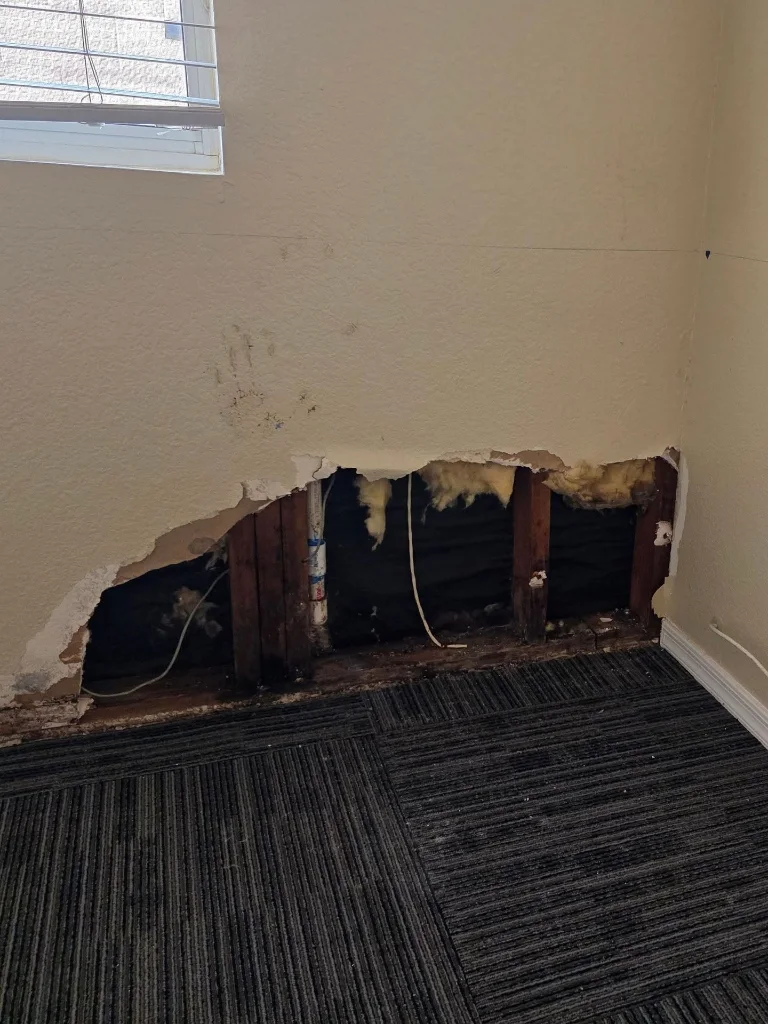
Professional deer valley commercial bakery dough mixing room flood cleanup is an engineering and environmental discipline adhering strictly to IICRC S500 protocols, not mere surface mopping. When structural plumbing failures strike in Maricopa County, certified emergency water extraction and thermal structural drying procedures must be deployed immediately. Whether triggered by high-pressure burst pipe emergencies, subfloor leaks, or commercial line ruptures, bound moisture rapidly penetrates concrete subfloors and wall framing. In the desert heat, delays trigger microbial proliferation requiring rapid mold remediation. Request damage assessment through our emergency assessment portal or request 30-minute dispatch across all Valley service areas.
Securing electrical feeds, inspecting load-bearing assemblies, and containing pathogens.
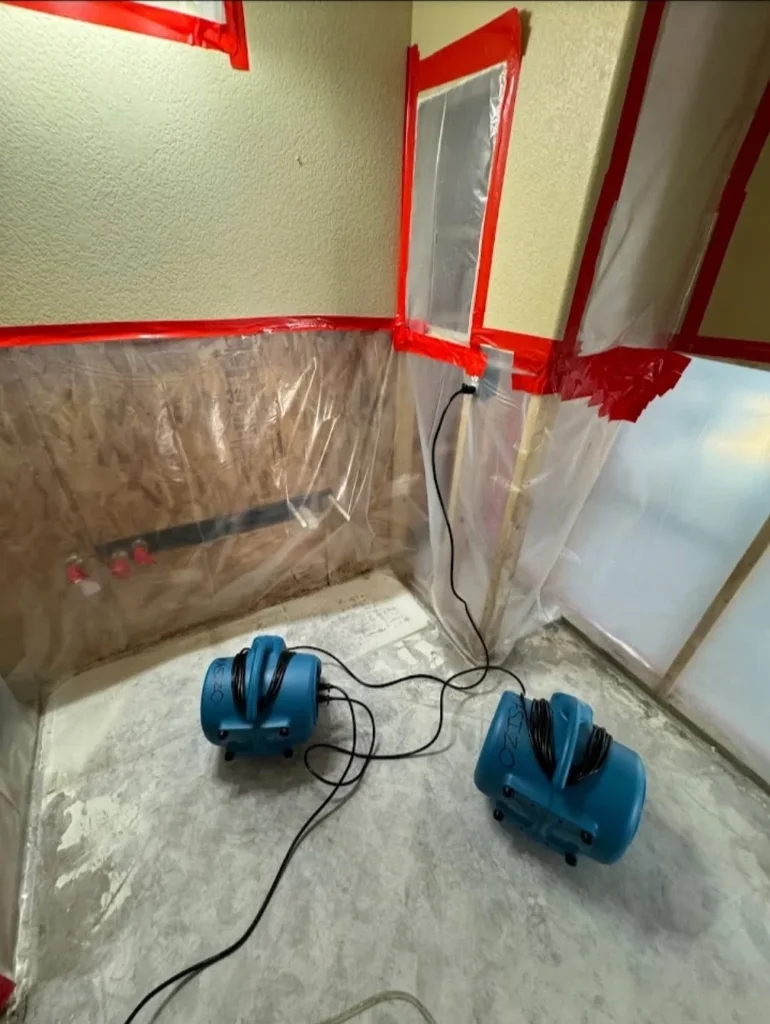
Stopping the intrusion source and erecting 6-mil plastic isolation containment airlocks.
31-HP truck-mount extraction, removing gallons exponentially faster than evaporation.
LGR dehumidifiers and HEPA air scrubbers driving grains per pound below 25 GPP.
Calibrated electronic pinless testing confirming baseline dry standards.
The Complete 6-Stage Restoration Roadmap
Our IICRC-certified crews execute a disciplined, scientific 6-stage protocol to stabilize and dry structural components:
Emergency Dispatch & Perimeter Isolation
30 to 60 minute arrival. Securing electrical shutoffs, evaluating structural loads, and erecting containment airlocks.
FLIR® Thermal Mapping & Baseline Scans
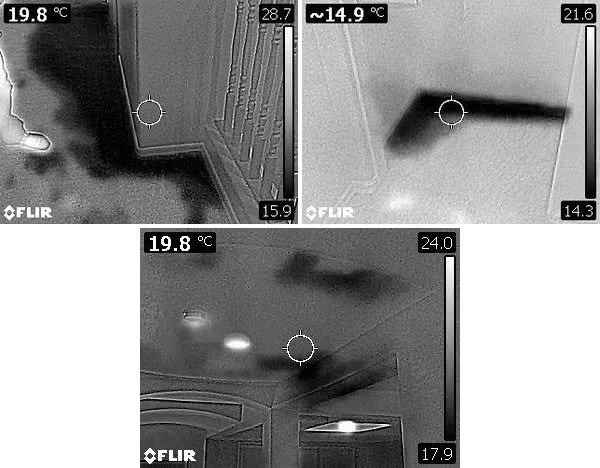
Infrared thermal scans detect trapped moisture behind walls and beneath concrete without invasive exploratory demolition.
High-Volume Bulk Extraction
31-HP truck-mount extraction units pump standing water away at hundreds of gallons per minute.
Controlled Selective Demolition
Precision flood cuts 12 to 24 inches above moisture lines, removing wet insulation and opening wall framing to dry airflow.
Thermodynamic Dehumidification
Industrial Low-Grain Refrigerant dehumidifiers pull deep trapped moisture from dense framing lumber and concrete slabs.
Antimicrobial Sanitization & Verification
EPA-registered botanical application (Benefect Decon 30) and calibrated moisture testing to issue an official dry certificate.
Specialized Equipment & Industrial Restoration Technology
Mitigating severe property damage requires industrial-grade technology capable of altering thermodynamic psychrometrics:
Truck-Mounted Extraction Rigs
31-HP engines producing 16+ inches Hg vacuum suction to evacuate bulk water rapidly into holding tanks.
Low-Grain Refrigerant Dryers
Pre-cooling heat-pipe systems driving ambient grains per pound below 25 GPP to draw deep trapped water out of framing.
HEPA Negative-Air Scrubbers
Hospital-grade 99.97% particulate filtration capturing microscopic fungal spores, soot, and biohazard aerosols.
FLIR® Thermal Scanners & Probes
Infrared thermography detecting evaporative cooling boundaries behind walls, combined with digital RF pinless scanners.
Professional Restoration vs. DIY Mitigation
Attempting DIY cleanup during a property disaster creates severe hidden liabilities:
- Trapped Moisture: Surface drywall dries while moisture inside cavities triggers hidden mold blooms.
- Pathogenic Risks: Category 2 & 3 water contains bio-contaminants standard cleaners fail to kill.
- Insurance Denial: Insurers require daily psychrometric logs; lack of data causes claim disputes.
Transparent Upfront Itemized Pricing
Valley Restoration Pros operates with complete transparency:
- Free On-Site Assessment: Complete physical inspection before work begins.
- Upfront Itemized Estimates: Detailed line items calculated via industry-standard Xactimate.
- Zero Surprise Billing: No hidden charges or unauthorized repairs.
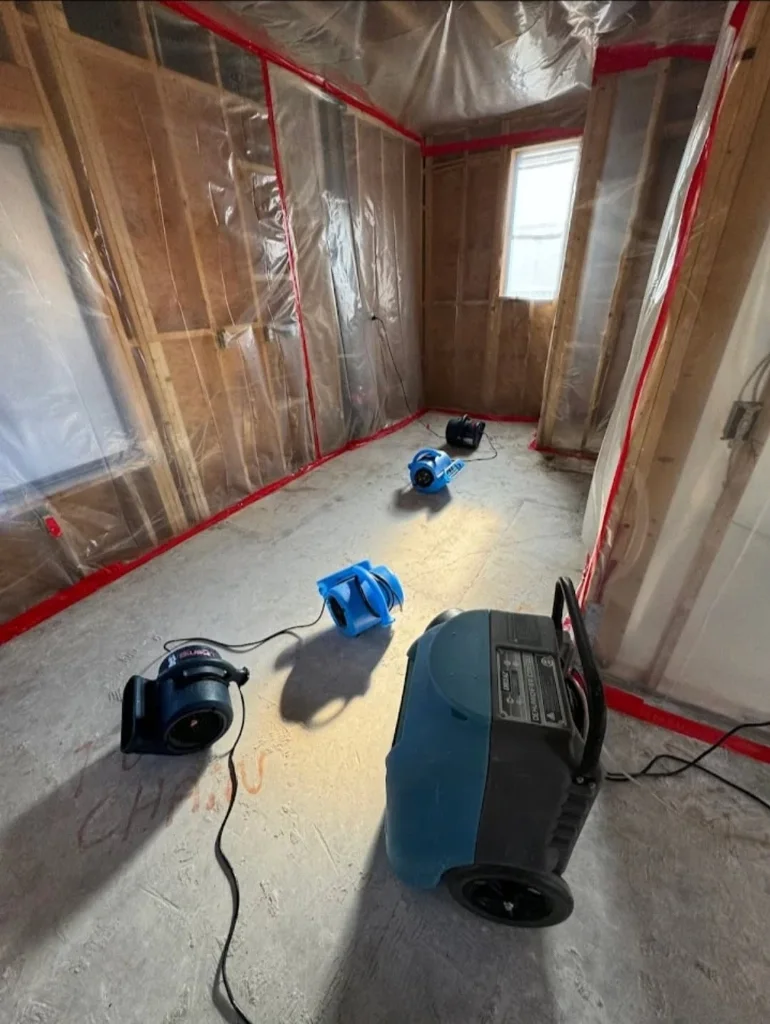
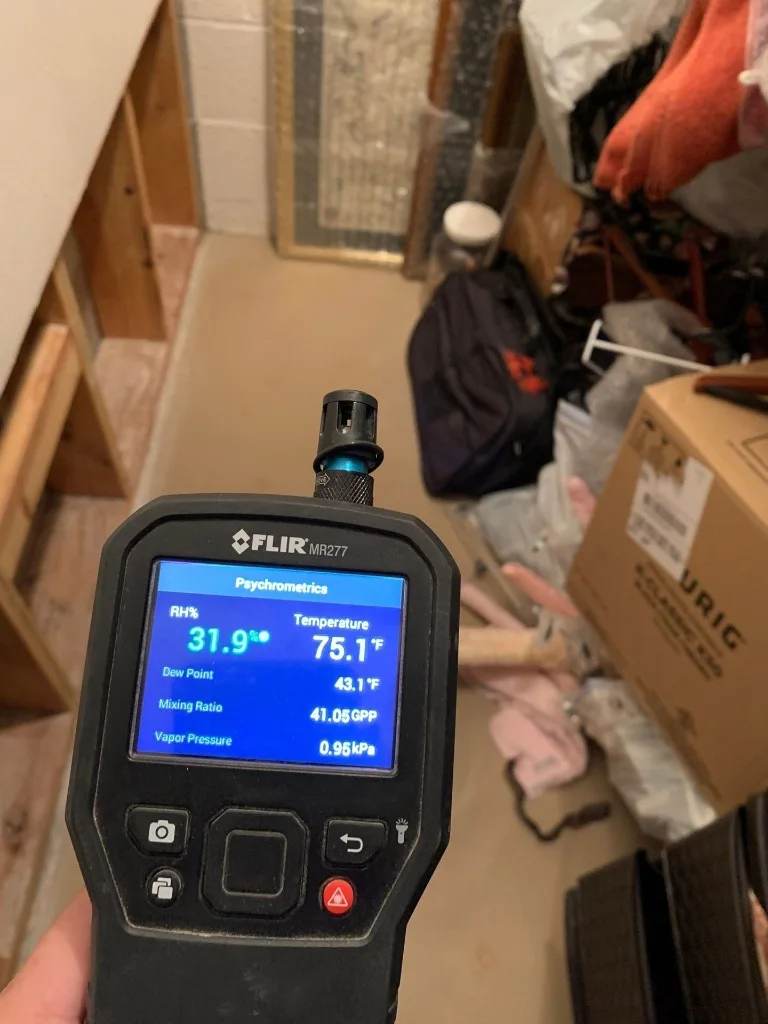
Certified deer valley commercial bakery dough mixing room flood cleanup Field Documentation
Every response performed by Valley Restoration Pros is documented through photographic and thermographic records:
Comprehensive deer valley commercial bakery dough mixing room flood cleanup Technical Manual & Operational Standards
Exhaustive engineering protocols, psychrometric calculations, geological multipliers, and step-by-step restoration standards for Maricopa County properties:
Executive Emergency Abstract: Commercial Bakery Dough Mixing Room Flood Cleanup in Deer Valley
Within the high-volume food manufacturing, wholesale baking, and commercial culinary production facilities anchored in the Deer Valley Industrial Corridor of North Phoenix—flanking Deer Valley Road, 7th Avenue, 19th Avenue, and Pinnacle Peak Road—an unexpected flooding event inside a dough mixing room or ingredient blending suite represents an immediate catastrophic operational crisis. Commercial bakeries operate around the clock under strict regulatory mandates enforced by the U.S. Food and Drug Administration (FDA) Food Safety Modernization Act (FSMA), the Arizona Department of Health Services (ADHS), and third-party food safety audit schemes such as SQF (Safe Quality Food) and BRCGS. In these facilities, water intrusion is not merely a facility maintenance issue; it is a biohazard event that threatens public health and massive product contamination.
The dough mixing room is the mechanical and biological heart of an industrial bakery. This zone houses multi-thousand-pound industrial spiral mixers, high-speed horizontal dough troughs, pneumatic flour conveying air-slides, liquid yeast metering tanks, automated ingredient scale hoppers, and below-floor stainless steel washdown drainage trenches. When an overhead domestic water supply line ruptures, a reverse-osmosis water purification manifold breaches, an industrial proofing chamber steam line blows, or intense desert monsoon runoff overwhelms exterior drainage sumps, water rapidly surges across the epoxy-coated production floor.
The physical consequence of water entering a commercial bakery is unique and destructive. Airborne flour dust and loose bulk starch present on floors, equipment frames, and wall ledges are intensely hygroscopic. When floodwaters contact dry flour, they instantly form a thick, gelatinous gluten paste. This sticky starch slurry coats equipment drive motors, penetrates subterranean drainage trenches, clogs stainless pump impellers, and adheres tenaciously to floor expansion joints. Within hours, wild yeasts and environmental bacteria trigger spontaneous fermentation, generating foul odors, attracting fruit flies (Drosophila), and producing lactic and acetic acids that etch industrial floor coatings.
Immediate deployment of professional emergency water extraction and food-grade decontamination is mandatory. If standing water remains for more than ninety minutes, water enters motor gearboxes, compromises sanitary silicone gaskets on mixing bowls, and wicks up drywall partitions. In North Phoenix’s extreme summer heat, bacterial rope spoilage organisms (Bacillus subtilis) germinate within twelve hours, risking permanent contamination of the facility's production environment.
Valley Restoration Pros operates as the premier industrial emergency disaster contractor for commercial food processors, industrial bakeries, and wholesale commissary kitchens throughout Deer Valley, North Phoenix, Glendale, and Scottsdale. Our Master Certified IICRC Commercial Drying Specialists guarantee a rapid 20- to 30-minute emergency arrival window across the North Valley. We deploy food-safe extraction extractors, food-contact-approved botanical sanitizers, negative-air HEPA filtration scrubbers, and industrial desiccant desiccation trailers to restore sanitary production readiness without prolonged plant shutdowns. Contact our emergency dispatch center 24/7/365 at (602) 847-9593 for instantaneous bakery disaster mitigation.
Immediate Industrial Bakery Disaster Triage Directives
- Halt Ingredient Conveying & Pneumatic Feeders: Immediately shut down pneumatic flour and sugar transfer blowers to prevent moist air from entering dry ingredient silos and creating solid clogs.
- Execute 480V 3-Phase Mixer LOTO: Lock out and tag out electrical disconnects for all horizontal and spiral dough mixers, bowl tippers, and dough dividers before personnel enter wet zones.
- Segregate Exposed Packaging & Ingredients: Tag all bulk flour bags, yeast drums, and packaging materials within three feet of standing water as adulterated per FDA FSMA mandates.
- Mobilize Industrial Food-Grade Extraction: Contact Valley Restoration Pros at (602) 847-9593 for food-safe slurry extraction, HEPA environmental isolation, and desiccant drying.
The Deer Valley manufacturing district serves as a vital logistics node for Arizona's commercial food distribution, housing large-scale bakeries producing hundreds of thousands of pounds of fresh sandwich breads, artisan rolls, tortillas, and delicate pastries daily. These facilities operate on continuous, precisely timed batch production schedules where even a four-hour outage creates cascading supply chain disruptions for regional grocery chains, school districts, and institutional dining providers throughout Greater Phoenix.
When high-pressure plumbing failures introduce municipal water into the production suite, the hazard profile is fundamentally different from non-food commercial environments. In a bakery, water creates an immediate microbiological broth upon contact with residual starches and sugars. Traditional flood extraction companies lack the specialized containment knowledge, chemical sanitization certifications, and regulatory documentation rigor required to meet FDA Food Safety Modernization Act (FSMA) standards. Valley Restoration Pros bridges this critical capability gap by combining industrial disaster extraction capacity with pharmaceutical-grade hygiene standards.
Anatomy of the Failure: Dough Mixing Dynamics, Flour Slurry Hydration & Fermentation Cascades
The mechanical infrastructure of an industrial bakery mixing room is designed for dry-wet ingredient integration under strictly controlled sanitary parameters. Giant horizontal mixers holding 2,000 to 3,000 pounds of dough operate with heavy-duty drive shafts, double-jacketed chilled glycol cooling jackets, and pressurized air-purged shaft seals. Beneath the mixing machinery, sanitary stainless steel trench drains with removable grating capture washdown water, directing it toward grease interceptors and wastewater neutralization tanks.
When an unpredicted flooding disaster strikes—such as an overhead high-pressure RO water supply line blowout or an industrial water meter failure—the physical interaction between floodwaters and commercial baking ingredients triggers extreme mechanical and biological hazards. Wheat flour contains glutenin and gliadin proteins. In the presence of standing water, these proteins instantly hydrate, forming complex viscoelastic gluten matrix networks that create a dense, viscous starch slurry. This paste flows into drainage gratings, settling in sewer pipe elbows where it hardens into an impenetrable biological dam that backs up contaminated wash water across the entire production floor.
Simultaneously, capillary water intrusion penetrates the mechanical drive enclosures of high-speed dough mixers. Commercial mixing bowls feature rotating agitation arms driven by massive multi-horsepower electric motors coupled to helical gearboxes. Floodwaters entering the drive seals displace synthetic food-grade lubricants, creating water-oil emulsions that cause immediate gear tooth spalling, bearing seizure, and electrical winding burnout. If structural components are compromised, our crews coordinate full burst pipe repair and structural stabilization.
Biological decay initiates rapidly. Commercial bakeries operate with ambient temperatures that frequently reach 80°F to 90°F. When moisture contacts flour dust residues in floor corners, under mixer bases, and behind electrical panels, naturally occurring spore-forming bacteria, wild yeasts, and mold fungi proliferate explosively. Bacillus cereus and Bacillus subtilis (the causative organism of rope spoilage in bread) germinate and secrete sticky, slime-producing extracellular polysaccharides within eight to twelve hours, producing sickening sweet odors and rendering the room unusable for food production until full structural drying and deep biological sterilization are completed.
Furthermore, water seepage under industrial urethane mortar or epoxy floor overlays represents an insidious failure vector. High-impact commercial bakery floors are subjected to intense thermal shock from hot water washdowns and heavy rolling stainless dough troughs. Micro-cracks in the floor coating allow standing floodwaters to penetrate beneath the topping. Trapped moisture reacts with concrete alkalis, inducing osmotic blister delamination that shatters the protective sanitary barrier and exposes porous concrete beneath, requiring full mechanical extraction and antimicrobial remediation.
Rheological Breakdown of Hydrated Flour Slurry & Drainage Trench Failure Mechanics
When dry flour dust encounters water, the physical process of hydration transforms individual starch granules through rapid water adsorption. Under ambient mechanical agitation from flood flows, amylose and amylopectin starches form non-Newtonian, shear-thickening dilatant fluids. Unlike standard wastewater that flows freely under gravity, hydrated flour paste exhibits high apparent viscosity at low shear rates, meaning it clings tenaciously to horizontal drainage trench bottoms and vertical sump walls.
As this slurry enters subterranean drainage lines, the cooler water temperature inside below-grade pipes accelerates retrogradation—the re-crystallization of gelatinized starch molecules. This turns the paste into a rubbery, semi-solid gelatinous plug capable of resisting standard pneumatic drain clearing pressure. Our restoration engineers utilize specialized heated pressure washing systems delivering 220°F water at 3,000 PSI combined with simultaneous continuous vacuum extraction to thermally liquefy and extract retrograded starch deposits before they permanently bond inside municipal sewer laterals.
In addition to floor trench blockages, electrical raceways cast directly into the concrete floor slab are subjected to hydraulic pressure head. When water submerges embedded floor boxes containing 480-volt feeder lines for automated bowl lifts and hydraulic tippers, water enters conduit joints. In the presence of alkaline concrete leachates, this water creates conductive electrolyte paths that cause phase-to-ground arcing, blowing primary sub-station fuses and burning out expensive variable frequency drives (VFDs) inside motor control enclosures.
Deer Valley Industrial Corridor Climatic & Geological Multipliers
Restoring an industrial food production facility in the Deer Valley Industrial Park of North Phoenix requires deep familiarity with hyper-local environmental factors. Phoenix's extreme desert heat, geological soil realities, and municipal water hardness act as aggressive multipliers that complicate commercial bakery recovery.
1. Extreme Municipal Water Hardness (18 to 22+ GPG): City of Phoenix municipal water supplied to the Deer Valley industrial corridor carries severe mineral hardness, averaging 18 to 22 grains per gallon of dissolved calcium carbonate and magnesium silicates. In a bakery flood, escaping tap water rapidly evaporates in the dry desert air, leaving chalky white mineral crusts across stainless steel mixer bowls, digital touchscreen PLC recipe terminals, and optical ingredient sensors. When mineral scale bonds to stainless steel in an FDA-regulated facility, it creates microscopic surface pits that harbor Listeria monocytogenes and Salmonella, failing ATP swab sanitation audits unless removed with specialized food-safe descaling washes.
2. 115°F Ambient Desert Heat & Accelerated Microbial Incubation: Between May and October, outdoor temperatures across Deer Valley routinely exceed 115°F, with industrial warehouse roof temperatures reaching 165°F. If plant air conditioning or makeup air units fail during a flood, the interior mixing room temperature spikes to over 100°F within hours. In this extreme thermal incubator, wet flour paste ferments at exponential speed. Bacterial doubling times drop to under twenty minutes, turning a Category 1 clean water loss into a hazardous Category 3 biohazard event in less than twelve hours, requiring intensive protocols under our sewage cleanup and biohazard standards.
3. Expansive Caliche Soil Foundation Upheaval: The Deer Valley industrial basin is situated on expansive alluvial clays and dense caliche hardpans. Subterranean plumbing line failures that saturate sub-slab soils trigger rapid clay expansion, exerting up to 12,000 pounds per square foot of upward swelling pressure. This differential foundation movement can crack industrial slab joints, heave heavy mixer anchor bolts, and disrupt precision floor slope to drainage trenches. Our technicians conduct structural slab evaluations following our slab leak water damage restoration diagnostic criteria.
4. Monsoon Flash Flooding & Industrial Storm Drain Surcharge: Summer monsoon storms over the North Valley deliver ferocious cloudbursts that overwhelm municipal storm sewers along 19th Avenue and Deer Valley Road. Floodwaters from exterior truck docks and ingredient unloading bays can overtop floor thresholds, introducing silt, road grime, and petroleum hydrocarbons directly into food-grade mixing suites. Strict containment, HEPA air filtration, and thorough sanitization are essential to prevent cross-contamination requiring extensive mold remediation.
5. Micro-Climatic Vapor Accumulation in Enclosed Bakery Bays: Commercial bakeries feature specialized positive-pressure air handling units designed to keep exterior airborne contaminants from entering production spaces. When emergency water flooding occurs and make-up air systems are shut down, residual sensible heat from commercial tunnel ovens, revolving tray ovens, and proofing chambers (which operate at temperatures between 100°F and 450°F) continues to radiate into the mixing room. This intense ambient thermal load converts standing floor water into high-humidity steam. The air quickly saturates to 100% relative humidity, causing heavy condensation on overhead structural bar joists, insulated chilled glycol pipes, and lighting fixtures. If this condensation drips onto open stainless steel mixing bowls or sanitary conveyor belts, it transfers mold spores and bacterial contaminants directly onto food-contact surfaces. Rapid desiccant air drying is essential to break this thermodynamic loop.
6. Chemical Soil Leaching & Sub-Slab Efflorescence: Industrial zones in Deer Valley are underlain by high concentrations of soluble alkaline sulfate and chloride salts in the native soil strata. When subsurface plumbing breaches soak foundation sub-bases, capillary siphoning draws these mineral solutions upward through micro-cracks in the concrete production slab. As the moisture evaporates under desert heat, white crystalline mineral salts erupt across floor seams and around mixer mounting anchors, lifting epoxy coatings and compromising sanitary sealants. Our restoration protocols include precision non-destructive concrete vapor emission testing and deep crystal neutralization prior to floor coating repair.
First-Hour Emergency Response Protocol & Food Safety Containment
In an industrial food processing flood, the first sixty minutes dictate whether the facility can resume production within twenty-four to forty-eight hours or suffer a multi-week mandatory FDA/SQF shutdown. Bakery quality assurance managers and plant engineers must immediately execute the following critical containment steps:
Phase 1: High-Voltage Electrical Isolation & Arc-Flash Protection: Commercial mixers operate on 480V 3-phase power drawing hundreds of amperes. Wet motor connections, submerged foot switches, and floor-level junction boxes present catastrophic shock and arc-flash hazards. Facility personnel must de-energize primary production power breakers in the master motor control center (MCC) before any team member approaches wet machinery.
Phase 2: Regulatory Ingredient Quarantining (FDA 21 CFR Part 117): Quality assurance personnel must immediately establish a physical quarantine perimeter around all raw ingredients, packaging inventory, and finished goods located within the affected production bay. Any flour bags, sugar totes, oil drums, or corrugated cartons that have absorbed water or been splashed with runoff must be clearly tagged with red "HOLD / ADULTERATED" warning tags to prevent unintentional introduction into the food supply chain.
Phase 3: HVAC & Dust Collection Damper Isolation: Immediately turn off the mixing room dust extraction baghouse and central air handlers. If dust collection blowers continue running, high-humidity air is pulled into dry fabric filter bags, turning flour dust into a hardened crust that blinds filters and destroys thousands of dollars in pneumatic equipment. Seal return air registers with 6-mil poly to prevent humid, odor-laden air from circulating into packaging and shipping departments.
Phase 4: Mechanical Water Supply Isolation: Locate the master isolation valves servicing the ruptured plumbing line or industrial water chiller loop. Shut off supply ball valves and open bypass drainage lines. For boiler or water heater failures in mechanical service corridors, review our water heater burst cleanup protocols.
Phase 5: Mobilize Industrial Food-Grade Mitigation Fleet: Call Valley Restoration Pros at (602) 847-9593. Our specialized industrial flood extraction trucks, FDA-compliant botanical sanitization units, and trailer-mounted desiccant air dryers arrive on site within twenty to thirty minutes.
Phase 6: Sanitary Drain Isolation & Backflow Prevention: In commercial food facilities, sewer line backpressure can force contaminated municipal wastewater back through floor trenches during high-volume storm events. Facility technicians must immediately insert mechanical pneumatic expansion plugs into all mixing room trench discharge outlets to prevent external municipal sewage surcharge from compounding the clean-water flooding event.
Phase 7: Refrigerated Ingredient Protection & Yeast Cold-Chain Audit: Industrial yeast cultures (both compressed fresh yeast blocks and liquid cream yeast holding tanks) must be maintained strictly between 34°F and 38°F. If floodwaters threaten power supply feeds to yeast refrigeration loops or glycol chilling units, auxiliary emergency generator power must be routed immediately to maintain temperature stability and prevent thermal death of live commercial yeast cultures.
Industrial Equipment Deployment: Food-Safe Slurry Extraction & Desiccant Dehumidification
Remediating an industrial food manufacturing facility requires specialized equipment designed for rapid extraction of viscous liquids, certified cleanroom particulate filtration, and high-efficiency moisture removal. Standard janitorial equipment is utterly inadequate. Valley Restoration Pros deploys the following industrial-grade machinery:
High-Vacuum Slurry Extraction Units
Unit: Truck-Mounted Industrial Vacuum Extraction Rigs
Delivers up to 650 CFM of high-vacuum airflow at 15 inches of mercury lift. Extracts thick flour-water slurry, starch sediments, and standing water directly into sealed waste holding tanks, clearing thousands of gallons without aerosolizing biological contaminants into the air.
Industrial Desiccant Dehumidifiers
Unit: Munters DryAir 5,000 CFM Desiccant Trailers
Processes up to 5,000 CFM of air through active silica gel desiccant rotors, driving ambient relative humidity below 25% and dew points below 30°F. Rapidly desiccates porous concrete floors, mixer bases, and masonry walls to halt microbial incubation.
HEPA Negative Air Scrubbers
Unit: Phoenix Guardian HEPA 2000 CFM Systems
Hospital-grade 99.97% DOP-certified HEPA filtration capturing particulates down to 0.3 microns. Exhausted outside to maintain continuous negative pressure envelopes that prevent mold spores, flour dust, and sour fermentation odors from infiltrating adjacent packaging suites.
Sanitary High-Pressure Steam Washers
Unit: Landa Commercial 3,000 PSI Hot-Water Wash Skids
Delivers 220°F pressurized water and wet steam to dissolve hardened gluten crusts from mixer undersides, trench drain gratings, and floor seams. Paired with continuous extraction recovery to prevent secondary splashing.
When executive offices, laboratory tasting suites, or conference rooms are affected, our technicians implement precision hardwood and subfloor drying protocols outlined in our hardwood floor water damage drying technical manuals, restoring finished architectural materials without demolition.
Specialized Food-Safety Cleanroom Monitoring & ATP Diagnostics
To ensure complete microbiological clearance following industrial water extraction, our lead restoration supervisors deploy Hygiena EnSURE Touch luminometer systems running UltraSnap ATP surface test swabs. By measuring bioluminescence emitted from biological adenosine triphosphate residues, our field teams obtain objective, numerical verification of surface cleanliness in fifteen seconds.
Any food-contact stainless surface showing readings above 10 RLU (Relative Light Units) undergoes repeated thermal washdown and secondary botanical biocide application. Furthermore, continuous environmental monitoring is maintained using calibrated laser optical particle counters and thermal imaging radiometers, ensuring the production environment achieves sterile dry standards before plant personnel re-enter.
IICRC S500 / S520 Restoration Protocol: The 6-Stage Food Plant Recovery Blueprint
Restoring an industrial bakery mixing room demands compliance with the ANSI/IICRC S500 Standard for Professional Water Damage Restoration and strict FDA Current Good Manufacturing Practices (cGMP 21 CFR Part 117). Our certified Master Restoration Technicians follow a disciplined 6-stage engineering process:
The 6-Stage Engineering Blueprint for Commercial Bakery Recovery
Stage 1: Multi-Point FLIR Thermal Moisture Mapping & ATP Baseline Testing
Technicians use FLIR T865 thermal imaging cameras and Protimeter non-invasive radio frequency moisture meters to map moisture migration behind stainless steel wall panels, under urethane floor toppings, and inside electrical raceways. Pre-remediation ATP (adenosine triphosphate) bioluminescence surface swabs establish biological contamination baselines across food-contact and non-food-contact surfaces.
Stage 2: High-Vacuum Slurry Extraction & Trench Drain Clearing
Truck-mounted vacuum units extract standing water, gelatinized flour paste, and ingredient residues down to the floor slab. Drainage trench covers are removed, and drainage channels are jet-cleaned using 220°F hot-water pressure washers to remove gluten buildup from grease traps and sewer discharge lines.
Stage 3: Containment Isolation & Negative Air Pressure Establishment
The mixing room is sealed from adjacent production and packaging zones using 6-mil flame-retardant poly containment walls with double-zipper airlock chambers. Phoenix Guardian HEPA 2000 air scrubbers maintain continuous negative air pressure (-0.02 inches of water column), ensuring zero airborne migration of dust, yeast spores, or fermentation odors into clean production areas.
Stage 4: EPA-Registered Food-Contact Botanical Sanitization
All non-porous and food-contact equipment exteriors are decontaminated with Benefect Decon 30—an EPA-registered botanical disinfectant derived from thyme oil that requires no synthetic rinse and leaves zero toxic chemical residues. This eliminates Bacillus spores, mold fungi, and foodborne pathogens without corroding polished stainless steel.
Stage 5: Industrial Desiccant Desiccation & Moisture Extraction
Our 5,000 CFM desiccant dehumidification trailer channels ultra-dry, low-grain air through layflat distribution ducting. Strategic high-velocity axial air movers establish high-efficiency evaporation currents across floor slabs, mixer pedestals, and perimeter walls, pulling bound moisture out of concrete sub-slabs and wall framing.
Stage 6: ATP Surface Swab Clearance & Regulatory Documentation Sign-Off
Remediation is certified complete when surface ATP swab readings across all stainless steel mixers, dough chutes, and floors register under 10 Relative Light Units (RLU), concrete moisture meets ASTM F2170 dry standards, and third-party laboratory air samples confirm zero fungal spore elevation. A comprehensive clearance binder is signed off for bakery quality assurance and commercial insurance adjusters.
When closed-loop process water chillers or ingredient temperature conditioning lines trigger the flood, our specialists reference protocols from our commercial chiller pipe burst water damage restoration procedures, restoring sanitary cooling loops to flawless performance.
Stage 7: Sub-Slab Moisture Verification & ASTM F2170 In-Situ Probe Telemetry
Before food production equipment is cleared for electrical re-connection, our technicians install ASTM F2170 in-situ relative humidity probes into drilled core cavities within the concrete floor slab. Telemetry readings must verify that internal concrete relative humidity has dropped below 75% RH. This scientific proof confirms that moisture trapped beneath heavy mixer mounting plates will not cause future osmotic blistering of industrial floor toppings or induce galvanic corrosion in machine anchoring bolts.
Hyper-Local Case Study: Deer Valley Industrial Bakery 3-Inch RO Line Rupture
The Emergency Scenario:
At 1:20 AM on a Thursday morning, a three-inch stainless steel reverse-osmosis process water supply header ruptured above the primary dough mixing suite at a high-volume commercial bakery in Deer Valley. Over 36,000 gallons of treated process water flooded across the 8,000-square-foot mixing floor, submerging four 2,500-pound horizontal dough mixers, two bowl elevators, and an automated flour dosing scale station under fourteen inches of water. Loose flour dust on the floors and machinery instantly hydrated into a thick gluten slurry that choked the facility's stainless trench drains. With 80,000 loaves of bread scheduled for regional supermarket delivery by weekend morning shifts, the bakery faced immediate supply contract breach penalties exceeding $650,000.
The Rapid Intervention Blueprint:
Valley Restoration Pros dispatched two commercial emergency response rigs from our North Valley depot, arriving on site within eighteen minutes via I-17 and Deer Valley Road. Technicians performed 480V LOTO verification with plant electricians and deployed two truck-mounted high-vacuum extraction extractors. Within two hours, 36,000 gallons of standing water and gelatinized flour slurry were evacuated directly into sealed containment tanks. Crews jet-cleaned trench drains with 220°F hot-water pressure washers, clearing biological gluten clogs.
Technicians erected 6-mil negative-pressure poly containment across all mixing room archways, operating three Phoenix Guardian HEPA 2000 air scrubbers exhausted to the roof. Layflat ducting from an exterior 5,000 CFM Munters desiccant trailer introduced ultra-dry air, lowering ambient relative humidity from 95% to 22% in twenty-four hours. All stainless steel mixer exteriors, dough chutes, and motor housings were decontaminated using Benefect Decon 30 botanical sanitizer.
The Measurable Outcome:
Concrete floor slabs and mixer pedestals achieved certified dry standards (under 75% internal RH per ASTM F2170) within forty-four hours. Post-remediation ATP surface swabs across all food-contact surfaces registered zero to three RLUs—substantially surpassing the plant's SQF passing benchmark of twenty RLUs. The facility received full quality assurance sign-off and restarted dough production Saturday morning, completely fulfilling all supermarket delivery contracts with zero contaminated product release.
For comprehensive restoration management across our North Valley industrial coverage area, explore our local services in Glendale water damage and Phoenix water damage.
Independent third-party microbiological environmental testing conducted twenty-four hours after remediation confirmed zero presence of Listeria monocytogenes, Salmonella enterica, or Bacillus rope spores on any mixer contact surface, floor joint, or trench drain wall. The bakery's corporate insurance underwriter accepted all mitigation logs, reimbursing the facility 100% for direct remediation expenses and commercial extra-expense costs without reservation.
Commercial Insurance Claims & Pay-Per-Call Financial Transparency
Industrial food manufacturing property water losses involve complex commercial property policies, equipment breakdown riders, and extensive business interruption claims. Valley Restoration Pros strictly adheres to Pay-Per-Call ethical standards and transparent financial billing practices. We work collaboratively with plant controllers, risk directors, and commercial adjusters to ensure fast, undisputed claim resolution.
Our Standard Commercial Billing & Documentation Commitments
- Free Comprehensive On-Site Damage Assessment: We dispatch a Senior Commercial Estimator to inspect your property, evaluate the scope of water intrusion, and perform infrared thermal boundary scans at zero upfront cost.
- Transparent Upfront Itemized Pricing Before Work Begins: You receive an exhaustive, itemized scope of work utilizing standard Xactimate commercial pricing codes before structural mitigation begins. No hidden equipment fees, no surprise dispatch surcharges.
- Assistance with Detailed Claims Documentation & Psychrometric Logs: We compile daily drying logs, ambient psychrometric GPP readings, moisture content graphs, and thermal imaging photographic proof directly formatted for commercial carrier adjusters (Travelers, FM Global, Zurich, Chubb, Hartford).
- Transparent Billing Integrity: We do not make deceptive promises that insurance will pay 100% or that clients bear zero financial responsibility. We assist in filing claims, submit documentation directly to commercial adjusters, and review policy coverage parameters with facility management.
For commercial properties seeking instant preliminary budget allocations prior to adjuster arrival, visit our online cost estimator or explore our commercial municipal coverage across our areas we serve directory. When warehouse storage bays or packaging distribution centers are impacted, review our specialized warehouse flood damage restoration resources.
Commercial bakery losses present complex business interruption calculations involving perishable raw ingredients, labor downtime during regulatory sanitization, and extra expense incurred to divert production to sister bakeries. Valley Restoration Pros provides comprehensive forensic documentation structured specifically for commercial property adjusters and forensic accounting firms.
Our claims packages include: (1) Detailed line-item Xactimate commercial estimates with itemized equipment run-time logs; (2) Pre- and post-mitigation ATP bioluminescence swab clearance logs; (3) Psychrometric drying charts demonstrating continuous vapor pressure depression; (4) Certified moisture readings from concrete floor slabs per ASTM F2170; and (5) Detailed chain-of-custody disposal documentation for adulterated ingredient inventory condemned under FDA regulations.
Frequently Asked Technical Questions: Commercial Bakery Water Damage
Q1: How do you clean gelatinized flour slurry from commercial bakery floor drains without causing permanent sewer blockages?
Never wash flour paste down standard drains with cold water; cold water accelerates gluten hydration, forming an elastic plug that solidifies inside pipes. We utilize high-power truck-mounted vacuum extraction units to suck bulk flour slurry out of trench drains first. Technicians then apply food-grade enzymatic breakdown washes followed by 220°F pressurized hot water to dissolve starch matrices before flushing the line into grease interceptors.
Q2: Can flooded industrial dough mixer gearboxes and drive motors be saved?
Yes, provided the machinery is locked out immediately and not energized while wet. Our crews pump out standing water, open motor terminal boxes, and deploy desiccant air to dehydrate electrical windings. Mechanical technicians flush contaminated synthetic food-grade gearbox oil, inspect internal gear teeth for corrosion, replace shaft seals, and perform motor winding insulation resistance (megohmmeter) testing before re-energizing.
Q3: Why are desiccant dehumidifiers essential in commercial bakery flood restoration?
Standard refrigerant dehumidifiers cannot lower relative humidity enough to halt spontaneous flour fermentation and mold spore germination. Desiccant dehumidifiers use chemical adsorption to generate ultra-dry air at under 15% relative humidity and single-digit grain depression (GPP). This extreme vapor pressure differential rapidly pulls deep moisture out of porous concrete slabs and mixer bases, stopping bacterial reproduction within hours.
Q4: What sanitizing chemical is safe for food-contact stainless steel surfaces?
We utilize Benefect Decon 30—an EPA-registered botanical disinfectant formulated with pure thymol (thyme oil). It achieves a 99.99% kill rate against foodborne pathogens (including Listeria, Salmonella, and E. coli) in thirty seconds, leaves no synthetic chemical residues, requires no water rinse, and does not etch or corrode food-grade 304 or 316 stainless steel mixing equipment.
Q5: What regulatory clearance is required before restarting commercial bakery production after a flood?
Facilities must meet FDA FSMA cGMP standards (21 CFR Part 117). We perform ATP bioluminescence surface swab testing across all food-contact surfaces, requiring readings below 10 RLU. Independent laboratory air sampling must verify fungal spore counts are at or below outdoor ambient air baselines, and a full engineering clearance report must be signed off by certified IICRC Master Restorers.
Q6: How does Phoenix municipal water hardness affect industrial bakery equipment?
Phoenix municipal water carries 18 to 22 GPG of dissolved calcium carbonate and magnesium. When floodwaters evaporate, they leave mineral scale encrusted across stainless steel mixer bowls and electronic load cells. These mineral crusts harbor bacteria and alter recipe dosing weights. Our technicians use food-safe organic descaling agents to remove mineral deposits and polish stainless surfaces back to sanitary mirror finishes.
Can water-damaged flour silos and pneumatic conveying air-slides be remediated without replacement?
Yes, provided corrective action begins before moisture creates solid fungal cake blockages. Our crews isolate the silo base rotary airlock valves, vacuum out damp flour plugs using explosion-proof pneumatic vacuum systems, and introduce 500 CFM of ultra-dry desiccant air directly into the silo hopper. Technicians then inspect interior vessel walls with boroscopic cameras, ensuring all internal surfaces are dry and free of biological adhesion before ingredient reloading.
What protocol is followed for commercial dough proofer chambers affected by floodwaters?
Proofer chambers operate at 105°F to 115°F and 85% relative humidity, making them extreme biological incubators if floodwater enters floor pans or under-cabinet wall insulation. We disassemble bottom floor panels, extract standing water, treat interior aluminum and stainless cavities with Benefect Decon 30 botanical biocide, and operate desiccant air loops until wall insulation returns to baseline dry standards.
Deer Valley & North Phoenix Industrial Food Logistics Deployment
Mitigating a large-scale commercial food processing flood requires immediate equipment proximity and rapid highway transit. Valley Restoration Pros maintains dedicated emergency response apparatus positioned along Interstate 17 and Loop 101, guaranteeing rapid response times of under twenty-five minutes across Deer Valley, North Phoenix, Glendale, and Peoria.
When an emergency flood strikes an industrial food processing plant, immediate containment stops bacterial fermentation, preserves multi-million-dollar mixing assets, and prevents regulatory product recalls. For fire sprinkler activations in commercial buildings, consult our fire sprinkler water damage cleanup technical manual, or coordinate directly with our 24/7 master incident commanders via commercial water damage dispatch. For subterranean electrical vault flooding, review our commercial underground electrical vault flood extraction procedures.
Our North Phoenix commercial response headquarters maintains standby emergency crews twenty-four hours a day, 365 days a year. Every industrial response unit is equipped with heavy-duty diesel generators, truck-mounted extraction extractors, food-grade botanical sanitizers, and trailer-mounted desiccant air handlers. Industrial food plant managers across Deer Valley, Glendale, Peoria, and Scottsdale can rely on our rapid 20- to 30-minute arrival window to mitigate disaster, protect critical machinery, and ensure regulatory compliance.
In large-scale commercial baking emergencies where ingredient silos or automated packaging lines are threatened by secondary humidity migration, our lead incident commanders coordinate directly with plant engineering leadership. We establish zoned containment barriers that isolate flooded mixing bays while allowing unaffected packaging and shipping lines to continue operating safely. This phased containment approach minimizes business interruption losses while maintaining strict food safety segregation throughout the entire remediation process.
Every industrial disaster restoration project executed by Valley Restoration Pros includes comprehensive regulatory sign-off binders for local health inspectors, FDA compliance auditors, and third-party quality verification bodies. We stand behind our work with certified testing proof and 24/7 post-restoration monitoring support.
Verified Local Area Dispatch: Deer Valley, Phoenix, AZ
Official Geo-Coordinates: 33.6897° N, -112.0825° W • Maricopa County
Related Specialized Emergency Restoration Services
Explore specialized rapid-response mitigation protocols across Greater Phoenix and Maricopa County:
Valley-Wide Emergency Response Service Coverage
Our mobile restoration fleet is dispatched across the entire Phoenix metropolitan region, providing rapid 30 to 60 minute emergency response: