

Valley Restoration Pros delivers 24/7 industrial emergency water extraction, thermal psychrometric drying, and structural mitigation across Phoenix and Maricopa County with guaranteed 30–60 minute rapid arrival. All protocols strictly adhere to IICRC S500 standards, featuring upfront itemized pricing and free on-site thermal moisture assessments. Call dispatch directly at (602) 847-9593.
Why Immediate Mitigation Is Critical in Phoenix Heat
When a commercial cryotherapy chamber secondary refrigeration chiller loop or liquid nitrogen heat exchanger ruptures, it unleashes a dual-phase thermodynamic catastrophe within luxury medical spa and athletic recovery environments. Pressurized lines discharge hundreds of gallons of viscous sub-zero propylene glycol-water mixture while rapid cryo-vapor expansion triggers immediate atmospheric condensation flash across surrounding architectural finishes. Saturated Italian travertine, Portuguese limestone, custom architectural millwork, and sub-slab concrete bedding face rapid delamination, chemical softening, and sub-surface staining. In Scottsdale's 115°F desert climate, glycol chemical residues combined with high ambient heat turn porous building materials into active microbial incubation beds within 24 to 48 hours, creating severe indoor air quality hazards, structural rot, and catastrophic business interruption losses exceeding $15,000 to $45,000 per day in canceled executive recovery sessions and athlete memberships.

Service Definition & The IICRC Standard of Care
Professional scottsdale commercial cryotherapy chamber nitrogen chiller burst is an engineering and environmental discipline adhering strictly to IICRC S500 protocols, not mere surface mopping. When structural plumbing failures strike in Maricopa County, certified emergency water extraction and thermal structural drying procedures must be deployed immediately. Whether triggered by high-pressure burst pipe emergencies, subfloor leaks, or commercial line ruptures, bound moisture rapidly penetrates concrete subfloors and wall framing. In the desert heat, delays trigger microbial proliferation requiring rapid mold remediation. Request damage assessment through our emergency assessment portal or request 30-minute dispatch across all Valley service areas.
Securing electrical feeds, inspecting load-bearing assemblies, and containing pathogens.
Stopping the intrusion source and erecting 6-mil plastic isolation containment airlocks.
31-HP truck-mount extraction, removing gallons exponentially faster than evaporation.
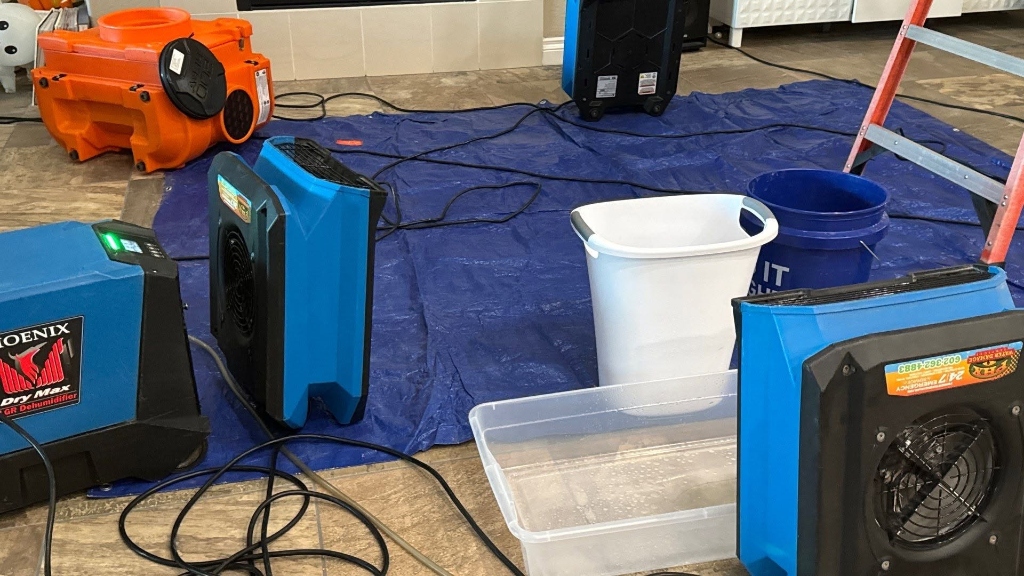
LGR dehumidifiers and HEPA air scrubbers driving grains per pound below 25 GPP.
Calibrated electronic pinless testing confirming baseline dry standards.
The Complete 6-Stage Restoration Roadmap
Our IICRC-certified crews execute a disciplined, scientific 6-stage protocol to stabilize and dry structural components:
Emergency Dispatch & Perimeter Isolation
30 to 60 minute arrival. Securing electrical shutoffs, evaluating structural loads, and erecting containment airlocks.
FLIR® Thermal Mapping & Baseline Scans
Infrared thermal scans detect trapped moisture behind walls and beneath concrete without invasive exploratory demolition.
High-Volume Bulk Extraction
31-HP truck-mount extraction units pump standing water away at hundreds of gallons per minute.
Controlled Selective Demolition
Precision flood cuts 12 to 24 inches above moisture lines, removing wet insulation and opening wall framing to dry airflow.
Thermodynamic Dehumidification
Industrial Low-Grain Refrigerant dehumidifiers pull deep trapped moisture from dense framing lumber and concrete slabs.
Antimicrobial Sanitization & Verification
EPA-registered botanical application (Benefect Decon 30) and calibrated moisture testing to issue an official dry certificate.


Specialized Equipment & Industrial Restoration Technology
Mitigating severe property damage requires industrial-grade technology capable of altering thermodynamic psychrometrics:
Truck-Mounted Extraction Rigs
31-HP engines producing 16+ inches Hg vacuum suction to evacuate bulk water rapidly into holding tanks.
Low-Grain Refrigerant Dryers
Pre-cooling heat-pipe systems driving ambient grains per pound below 25 GPP to draw deep trapped water out of framing.
HEPA Negative-Air Scrubbers
Hospital-grade 99.97% particulate filtration capturing microscopic fungal spores, soot, and biohazard aerosols.
FLIR® Thermal Scanners & Probes
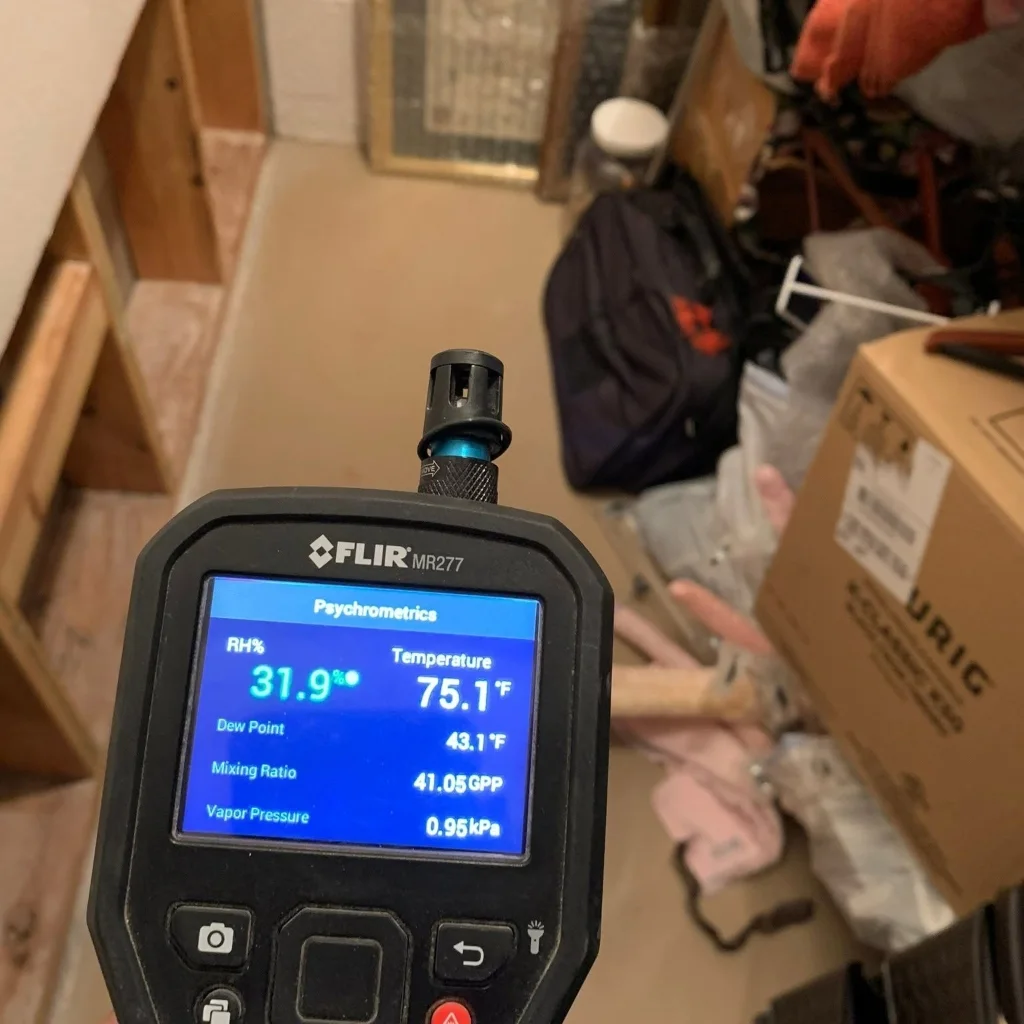
Infrared thermography detecting evaporative cooling boundaries behind walls, combined with digital RF pinless scanners.
Professional Restoration vs. DIY Mitigation
Attempting DIY cleanup during a property disaster creates severe hidden liabilities:
- Trapped Moisture: Surface drywall dries while moisture inside cavities triggers hidden mold blooms.
- Pathogenic Risks: Category 2 & 3 water contains bio-contaminants standard cleaners fail to kill.
- Insurance Denial: Insurers require daily psychrometric logs; lack of data causes claim disputes.
Transparent Upfront Itemized Pricing
Valley Restoration Pros operates with complete transparency:
- Free On-Site Assessment: Complete physical inspection before work begins.
- Upfront Itemized Estimates: Detailed line items calculated via industry-standard Xactimate.
- Zero Surprise Billing: No hidden charges or unauthorized repairs.
Certified scottsdale commercial cryotherapy chamber nitrogen chiller burst Field Documentation
Every response performed by Valley Restoration Pros is documented through photographic and thermographic records:
Comprehensive scottsdale commercial cryotherapy chamber nitrogen chiller burst Technical Manual & Operational Standards
Exhaustive engineering protocols, psychrometric calculations, geological multipliers, and step-by-step restoration standards for Maricopa County properties:
Section 0: Executive Emergency Abstract: Commercial Cryotherapy Chamber Nitrogen Chiller Failure & Luxury MedSpa Crisis Mitigation
Across Scottsdale, Paradise Valley, and the greater North Phoenix metropolitan area, high-performance athletic training facilities, premier sports medicine clinics, executive wellness retreats, and luxury medical spas have heavily invested in whole-body cryotherapy (WBC) technology. Prominently concentrated along the Scottsdale Cure Corridor—spanning East Shea Boulevard, North 90th Street, and Doubletree Ranch Road—as well as the upscale commercial districts of Gainey Ranch, Kierland Commons, and DC Ranch, these state-of-the-art facilities offer cutting-edge recovery modalities utilizing multi-person walk-in cryochambers and pressurized liquid nitrogen (LN2) cooling systems. Operating at extreme sub-zero temperatures ranging from -110°C to -160°C (-166°F to -256°F), these commercial cryotherapy chambers depend on complex secondary hydronic refrigeration loops and cryogenic plate-frame heat exchangers to circulate sub-zero food-grade propylene glycol-water mixtures.
When an unpredicted mechanical failure, brazed plate fracture, thermal contraction stress fatigue, or sudden pressure surge ruptures the secondary chiller loop, the facility is confronted with a catastrophic multi-phase environmental and structural disaster. Unlike typical domestic or light-commercial freshwater plumbing leaks, a cryotherapy chiller breach discharges hundreds of gallons of dense, viscous, sub-zero propylene glycol chemical solution under continuous pump pressure. Simultaneously, the extreme thermodynamic Delta-T between the sub-zero mechanical loop and the ambient air triggers an instantaneous flash of condensation, enveloping interior treatment suites in dense atmospheric vapor and coating surfaces in moisture.
The discharged chemical liquid and condensing moisture rapidly inundate luxury interior appointments characteristic of high-end Scottsdale wellness sanctuaries: unsealed Italian honed travertine tile, porous Portuguese limestone, custom rift-sawn European white oak architectural millwork, insulated cryo-cabin sandwich panels, acoustic fabric wall assemblies, and structural concrete sub-slabs. Due to the hygroscopic nature of propylene glycol, the fluid does not evaporate under ambient conditions; instead, it aggressively draws moisture out of the desert atmosphere, keeping floors permanently damp, slippery, and tacky while actively breaking down tile thinset adhesives, carpet latex backings, and architectural wood finishes.
Immediate deployment of professional emergency water extraction and specialized chemical neutralization procedures is vital to halt structural destruction and mitigate severe business interruption losses. When a flagship cryotherapy chamber is decommissioned by flooding, wellness clinics suffer direct financial hemorrhaging ranging between $15,000 and $45,000 per day in diverted client sessions, lost VIP athletic recovery contracts, and compromised equipment warranties. Valley Restoration Pros maintains a 24/7 dedicated commercial disaster recovery fleet in Maricopa County, equipped with industrial desiccant dehumidification trailers, hospital-grade negative-air HEPA scrubbers, weighted hard-surface extraction rovers, and calibrated psychrometric telemetry instruments to execute rapid commercial water damage restoration across luxury healthcare and athletic facilities.
Immediate Cryotherapy Facility Directives: First 30 Minutes of Incident
- Evacuate & Verify Atmospheric Safety: Evacuate all clients and personnel from the treatment suite and adjoining rooms. Liquid nitrogen expansion (1:694 volumetric ratio) poses an immediate asphyxiation threat by displacing oxygen; never re-enter without calibrated multi-gas atmospheric monitoring.
- Isolate Cryogenic Valves & Electrical Disconnects: Immediately activate the emergency mechanical shut-off valve on the liquid nitrogen bulk tank or dewar supply line. De-energize 480V 3-phase electrical circuit breakers servicing the secondary refrigeration chiller, circulation booster pumps, and cabin control consoles to prevent arc flash and electrocution hazards.
- Contain Chemical Fluid Migration: Deploy chemical spill berms or polypropylene absorbent booms across thresholds to block glycol spread into neighboring reception lounges, infrared sauna suites, and patient examination rooms.
- Mobilize Specialized Commercial Mitigation: Contact Valley Restoration Pros immediately at (602) 847-9593 or engage our commercial engineering dispatch through Emergency Phone Dispatch for immediate industrial desiccant deployment, glycol surfactant extraction, and certified structural restoration across Scottsdale.
Section 1: Anatomy of Cryotherapy Secondary Heat Exchanger Failure & Glycol Fluid Dynamics
To remediate fluid intrusion within a luxury cryotherapy facility effectively, restoration professionals must master the complex thermodynamics, refrigeration cycles, and fluid mechanics governing cryogenic cooling infrastructure. Commercial whole-body cryotherapy systems typically utilize one of two primary architectural configurations: direct liquid nitrogen injection or indirect closed-loop secondary refrigeration. In indirect systems, which represent the gold standard for clinical and luxury medspa installations due to enhanced client safety, liquid nitrogen or ultra-low-temperature primary cascade refrigerants (such as R-508B or R-23) never enter the patient cabin. Instead, cooling energy is transferred via an intermediate brazed plate-frame heat exchanger (BPHE) to a secondary hydronic fluid loop.
This secondary loop circulates a specialized aqueous solution of inhibited propylene glycol (USP pharmaceutical grade or Dowfrost HD) blended at a 35% to 50% concentration by volume. This chemical mixture provides freezing point depression down to -30°F (-34°C) or lower, preventing burst lines within the cooling circuit while maintaining fluid pumpability under severe thermal loads. The fluid is propelled by high-pressure centrifugal circulation pumps through insulated copper manifolds, Schedule 80 PVC lines, or stainless steel braided flexible hoses into the cooling coils of the insulated cryo-cabin air handling system.
Catastrophic mechanical failures within these secondary chiller assemblies stem from specific, high-stress engineering vulnerabilities:
- Thermal Fatigue & Brazed Plate Micro-Fracturing: Cryotherapy systems experience violent thermal shock cycles. During an active 3-minute client session, heat exchangers undergo rapid temperature drops down to -140°F, followed by rapid warming cycles during defrost sequences. The severe coefficient of thermal expansion differential between copper brazing alloys and stainless steel heat exchanger plates generates microscopic shear fractures that suddenly propagate into full-scale structural breaches.
- Cryogenic Solenoid Freeze-Seizure & Pressure Spikes: If an automated cryogenic injection solenoid valve suffers mechanical sticking or electrical relay failure, liquid nitrogen floods the heat exchanger uncontrolled. This induces instant flash-freezing of the secondary glycol fluid, creating hydrostatic expansion pressures exceeding 2,500 PSI that shatter internal exchanger channels and rupture surrounding pipe manifolds in a high-energy burst pipe repair crisis.
- Cavitation Erosion & High-Velocity Pump Impeller Failure: Secondary chiller loops operating under high flow velocities experience localized pressure drops below fluid vapor pressure, generating micro-cavitation bubbles that collapse violently against interior pipe walls, eroding copper elbows and thin-wall fittings until pinhole ruptures occur.
- Catastrophic Chiller Loop Line Fractures: Vibration from heavy commercial refrigeration compressors, coupled with thermal cycling, creates metal embrittlement along rigid pipe connections, mirroring the structural dynamics observed during a high-impact commercial chiller pipe burst in high-rise facilities.
Thermodynamic phase changes and enthalpy transfers across brazed plate heat exchangers dictate that any loss of secondary flow velocity leads to instantaneous localized freeze-ups. Under laminar flow conditions, fluid boundary layers stagnate against corrugated chevron plates. When cryogenic liquid nitrogen vaporizes at -320°F on the primary side, this laminar boundary layer freezes instantly, forming an impermeable ice dam. The resulting pressure spike upstream pushes booster pumps into dead-head conditions, generating severe hydraulic water-hammer shockwaves that burst flexible connection hoses, shatter cast-iron strainers, and blow out flanged neoprene gaskets.
When a secondary chiller rupture occurs, the discharged glycol-water fluid exhibits unique rheological and physical behaviors that present formidable challenges to conventional restoration methods. Propylene glycol has a specific gravity of 1.036 (denser than pure water) and a significantly higher kinematic viscosity. More critically, its surface tension is considerably lower than that of water, allowing it to penetrate rapidly through micro-fissures in porous stone tiles, unsealed grout lines, and concrete sub-slabs.
Furthermore, inhibited secondary glycol formulations contain specialized chemical additive packages—such as tolyltriazole, sodium molybdate, dipotassium phosphate, and polymeric dispersants—designed to passivate yellow metals and prevent galvanic corrosion in closed loops. When discharged onto calcium-rich Italian travertine or Portuguese limestone, these chemical additives react with the alkaline calcium carbonate matrix. This chemical reaction produces localized surface etching, yellowish discoloration, and a stubborn chemical tackiness that resists plain water extraction.
Moreover, propylene glycol is intensely hygroscopic. It possesses an innate molecular affinity for atmospheric moisture, meaning it will not evaporate under ambient temperature and humidity conditions. Left untreated, the glycol residue forms a persistent, syrupy, chemically active film over travertine flooring and architectural millwork. This chemical film dissolves urethane wood finishes, emulsifies polyvinyl acetate (PVA) subfloor adhesives, saponifies floor mastics, and acts as a surfactant that pulls ambient moisture into structural drywall assemblies. Complete remediation demands chemical surfactant flushing, high-vacuum mechanical extraction, and industrial desiccant vapor pressure depression.
Section 2: Phoenix & Scottsdale-Specific Climatic, Geological & Building Multipliers
Operating complex cryogenic cooling infrastructure in Scottsdale presents a unique matrix of environmental, geological, and mechanical challenges unmatched in temperate climates. The Sonoran Desert exerts extreme external stresses on commercial mechanical rooms, auxiliary cooling towers, makeup water plumbing, and architectural building envelopes. When executing commercial structural drying and chemical restoration in North Scottsdale and surrounding luxury enclaves, restoration engineers must account for four decisive regional multipliers.
18–22 GPG Municipal Water Hardness & Scale Acceleration
Scottsdale municipal tap water, sourced from the Colorado River via the Central Arizona Project (CAP) and blended with Salt River Project (SRP) canal supplies, carries an extreme mineral burden of 18 to 22 grains per gallon (GPG) of dissolved calcium carbonate and magnesium, with total dissolved solids (TDS) exceeding 750 to 950 PPM. In auxiliary chillers, closed-circuit evaporative cooling towers, and boiler makeup feeds, this mineral-heavy water precipitates aggressive calcite scale across heat exchanger surfaces.
A mere 1/32-inch layer of calcium scale reduces heat transfer efficiency by over 16%, inducing localized thermal hot spots, thermal stress cracking, and galvanic pitting along stainless steel brazed plate assemblies. When makeup water is utilized for periodic closed-loop flushes without rigorous deionization, silica-rich mineral crusts fuse directly to internal channels, drastically restricting fluid velocity and causing premature pump impeller erosion.
Furthermore, when hard makeup water mixes with organic carboxylic acid corrosion inhibitors present in secondary glycol solutions, insoluble calcium carboxylate precipitants form. These dense sludge deposits settle in chiller low-points, choking flow through plate heat exchangers and causing severe pressure differentials that blow out distribution piping.
Decomposed Granite, Expansive Caliche & Foundation Shear
Subterranean geology throughout Scottsdale, Gainey Ranch, and McDowell Mountain consists of decomposed granite interwoven with highly expansive smectite clay and calcium carbonate cementation known as caliche. During arid periods, these soils contract dramatically, only to heave violently when exposed to seasonal monsoon inundation or subterranean moisture intrusion.
This cyclic soil heave exerts intense differential shear forces upon commercial concrete floor slabs. Rigid mechanical penetrations, sub-slab secondary chiller feed headers, and drainage pipes experience mechanical deflection that fractures rigid connections, requiring specialized slab leak water damage restoration protocols to pinpoint under-slab pipe shearing and concrete foundation displacement.
In the Shea Boulevard corridor, continuous heavy commercial traffic vibrations compound this soil movement, transmitting harmonic micro-stresses through the slab that fatigue rigid soldered copper chiller lines where they enter mechanical equipment pads.
115°F Desert Ambient Heat vs. -160°F Sub-Zero Cryo Gradient
During peak desert summers, outdoor temperatures routinely climb to 115°F to 118°F, driving rooftop temperatures and unconditioned mechanical equipment enclosures up to 135°F to 145°F. Simultaneously, the cryotherapy chamber interior operates at -160°F (-106°C). This creates an astonishing 275°F to 305°F thermal gradient across secondary chiller loops.
When external cooling systems experience high ambient condensing head pressures, compressors cycle aggressively, inducing severe thermal shock waves that rupture aging solder joints and brittle refrigeration lines across facilities requiring Scottsdale water damage restoration services. The extreme temperature differential also drives heavy condensation into building envelope interstitial cavities.
When humid monsoon air enters during summer months, dew points outdoors surge to 68°F to 72°F. Any uninsulated pipe fitting instantly generates torrential surface condensation, soaking ceiling tiles and dripping into treatment suites even before a primary line failure occurs.
24-to-48 Hour Microbial & Organic Acid Incubation Window
While concentrated industrial glycol possesses biostatic characteristics, when diluted with condensing water to concentrations below 20%, it rapidly degrades into organic acids (lactic, glycolic, and acetic acid) under elevated temperatures. In closed commercial buildings where HVAC systems are compromised, warm ambient indoor air (78°F to 85°F) creates an ideal microbial incubation broth.
Fungal spores of Aspergillus niger, Penicillium, and environmental bacteria proliferate within 24 to 48 hours, threatening high-end wellness clinics throughout Paradise Valley water damage mitigation zones with severe secondary bio-contamination. Monsoon humidity surges during July and August exacerbate this danger, requiring rapid dehumidification within the first operational cycle.
The resulting organic acid synthesis lowers the pH of standing pools, attacking marble and travertine limestone surfaces chemically while creating volatile sour odors that ruin the clinical ambiance of luxury wellness pavilions.
Understanding these climatic and geotechnical multipliers dictates that restoration cannot be treated as a standard drying project. Structural remediation in Scottsdale demands specialized chemical neutralization, non-destructive moisture telemetry, and powerful industrial desiccant equipment capable of operating efficiently in low-humidity, high-temperature desert environments.
Section 3: Immediate Emergency First-Hour Protocol & Cryogenic / Refrigerant Safety Isolation
The initial sixty minutes following a commercial cryotherapy secondary chiller rupture represent the most critical operational window for life-safety stabilization, asset protection, and structural containment. Because cryotherapy installations integrate high-voltage electrical circuits, sub-zero fluids, pressurized liquid nitrogen storage, and chemical heat-transfer solutions, emergency responders and restoration technicians must adhere to a rigorous, sequential safety protocol.
Sequential Emergency Isolation Procedures: Hour 1
Stage 1: Multi-Gas Atmospheric Sweep & Asphyxiation Hazard Mitigation
Liquid nitrogen expands at a volumetric ratio of 1:694 as it warms to room temperature. A breach in a cryogenic supply line or vaporizer manifold releases enormous volumes of inert nitrogen gas that displace ambient oxygen rapidly, creating an invisible, odorless, and rapidly fatal asphyxiation hazard. Before entering the affected treatment suite, technicians must initiate an atmospheric sweep using a calibrated 4-gas photoionization monitor to confirm oxygen concentrations exceed 19.5% by volume. Concurrently, emergency exhaust fans and dedicated mechanical purge ventilation must be activated to exhaust stagnant nitrogen vapor to the building exterior. If atmospheric oxygen readings register below 19.5%, all personnel must remain outside and positive-pressure mechanical ventilation blowers must be staged at exterior doorways.
Stage 2: Comprehensive Lock-Out / Tag-Out (LOTO) of High-Voltage & Pressure Feeds
Personnel must de-energize the main 480-volt, 3-phase electrical disconnect servicing the commercial chiller compressor package, secondary loop booster pumps, and cryo-cabin circulation blowers. Lock-out/tag-out (LOTO) protocols must be enforced at the electrical distribution panel using OSHA-compliant padlocks and lockout tags. Certified technicians must verify zero electrical energy state using a calibrated multi-meter. Simultaneously, technicians must close the primary cryogenic shut-off wheel on the exterior bulk liquid nitrogen vessel or indoor micro-bulk dewars, followed by isolating the supply and return isolation ball valves on the secondary propylene glycol loop to halt ongoing fluid pressurization.
Stage 3: Cryogenic PPE Enforcement & Chemical Contact Prevention
Sub-zero glycol solutions discharging from ruptured heat exchangers can register temperatures well below 0°F (-18°C), posing severe frostbite and tissue destruction hazards upon skin contact. Responders must be equipped with specialized personal protective equipment (PPE), including cryogenic insulated gloves (waterproof to EN 511 standards), full-face splash shields, chemical-resistant neoprene safety boots with slip-resistant soles, and Tyvek protective coveralls to prevent contact dermatitis and chemical burns. Technicians handling pressurized refrigerant lines must also wear NFPA 70E rated arc-flash protective apparel when verifying electrical disconnects. In the event of skin contact with sub-zero liquids, immediate flushing with tepid water (104°F to 108°F) must be administered while avoiding friction, followed by medical evaluation.
Stage 4: Cleanroom Polyethylene Bio-Containment & Fluid Dyking
To safeguard non-affected luxury treatment rooms—such as hyperbaric oxygen chambers, IV nutrient infusion suites, and infrared saunas—technicians must erect airtight 6-mil flame-retardant polyethylene containment barriers across all doorways and corridors. Weighted containment dykes and polypropylene absorbent socks must be placed immediately around custom European oak reception millwork, sensitive diagnostic server cabinets, and neighboring tenant demising walls to halt the lateral spread of chemical fluids requiring specialized biohazard and chemical sewage cleanup standards. Melt-blown polypropylene chemical absorbent pads must be arrayed around floor drains to prevent untreated glycol discharge from entering municipal wastewater infrastructure.
Executing these initial procedures ensures total life-safety compliance, eliminates catastrophic secondary structural damage, and establishes a secure working environment for industrial extraction and desiccation operations. To mobilize our emergency recovery division, contact our dispatch operations at (602) 847-9593.
Section 4: Advanced Industrial Equipment Specifications & Setup for Travertine & Luxury Millwork
Standard domestic water extraction equipment and light-commercial dehumidifiers are entirely incapable of remediating a commercial cryotherapy chiller rupture. Saturated Italian travertine, dense concrete sub-slabs, and hygroscopic propylene glycol chemical residues demand an advanced industrial equipment configuration. Valley Restoration Pros deploys an engineered array of high-vacuum extraction platforms, direct-contact negative-pressure floor mat systems, industrial desiccant dehumidification trailers, and precision diagnostic telemetry to execute complete structural drying procedures across high-value luxury commercial spaces.
Engineered Commercial Remediation Equipment Matrix
High-Vacuum Weighted Extraction & Rovers
Truck-mounted extraction units delivering 650+ CFM at 15 inches of mercury (Hg) vacuum lift, coupled with Phoenix Hydro-X and Water Claw weighted extraction rovers. Weighted suction glides apply uniform downward pressure across honed travertine and limestone, lifting viscous glycol solutions from microscopic stone pores and deep mortar beds without causing surface scratching, chipping, or mechanical abrasion.
These rovers extract up to 92% of free-standing liquid in a single pass, drastically outperforming manual wand tools and preventing the further capillary migration of chemical solutions into adjoining sub-floor assemblies.
Variable-speed hydrostatic drives allow technicians to maintain a steady travel speed across stone floor expanses, ensuring constant vacuum dwell time over dense grout seams.
Negative-Pressure Travertine Suction Mat Systems
Injectidry and DryAir high-vacuum floor mat systems sealed directly over saturated stone flooring with closed-cell neoprene gaskets. Applying continuous negative pressure (-18 to -22 inches Hg) across the tile surface pulls trapped glycol moisture upward through porous stone capillaries and sub-tile thinset adhesives, drying the floor assembly in place and salvaging hundreds of thousands of dollars in imported masonry without demolition.
Mats are connected in parallel configurations through high-flow manifolds, ensuring balanced suction across hundreds of square feet of luxury flooring simultaneously.
Clear acrylic viewing ports integrated into mat headers allow continuous visual verification of fluid evacuation rates, confirming when liquid extraction transitions into vapor-phase desiccation.
Industrial Solid-Desiccant Dehumidification
Trailer-mounted desiccant dehumidifiers (CD-series units delivering 1,500 to 3,500 CFM) utilizing silica-gel honeycomb rotors. These units produce super-dry processing air at 5% to 8% relative humidity with dew points down to -10°F (<15 GPP). Desiccant technology creates an immense vapor pressure gradient essential for overcoming propylene glycol's chemical hygroscopic bond and evaporating bound moisture from dense concrete sub-slabs.
Reactivation heat systems continuously regenerate the silica-gel matrix, exhausting moist vapor directly outside the structure and maintaining continuous uninhibited drying capacity.
Compared to refrigerant dehumidifiers that lose performance below 65°F, desiccant trailers deliver constant moisture removal even in chilled mechanical rooms and sub-zero cryo-cabin corridors.
DOP-Tested True HEPA Negative Air Filtration
Phoenix Guardian HEPA negative air scrubbers operating at 1,400 CFM per machine. Each unit features 3-stage filtration with final DOP-certified HEPA filtration capturing 99.97% of particulates down to 0.3 microns. Units maintain 12 to 18 air changes per hour (ACH) inside contained recovery zones, scrubbing aerosolized glycol droplets, volatile organic compounds, and fungal spores from treatment suite air.
Integrated activated carbon vapor filters adsorb volatile chemical odors and off-gassing degradation byproducts before air is discharged.
Calibrated minihelic differential pressure gauges continuously indicate filter loading, ensuring steady volumetric airflow through containment barriers.
FLIR Infrared Radiometric Thermal Imaging
FLIR T540 professional high-resolution thermal imaging cameras (384x288 infrared resolution) and FLIR MR277 moisture meters with Infrared Guided Measurement (IGM). These diagnostic instruments detect minute thermal differences generated by evaporative cooling, pinpointing moisture migration paths behind insulated cryo-cabin sandwich panels, under custom white oak cabinetry, and throughout wall cavities without invasive wall cutting.
Calibrated emissivity settings (0.92 for honed travertine stone) ensure precise thermal boundary delineation without optical reflection interference.
High-definition radiometric images are captured daily and integrated into the project's forensic insurance documentation dossier.
Tramex RF Impedance & ASTM F2170 Probes
Tramex Concrete Moisture Encounter CME5 non-destructive impedance scanners, coupled with ASTM F2170 in-situ relative humidity probe sleeves drilled into the concrete slab. These precision sensors measure equilibrium relative humidity deep within the structural concrete substrate, verifying when the slab has reached the strict dry standard required for reapplying commercial floor adhesives and stone sealers.
Probe sleeves are installed to a precise depth representing 40% of slab thickness for single-face drying slabs, delivering laboratory-grade moisture telemetry.
Smart sensor probes provide continuous Bluetooth data logging, streaming real-time slab equilibration telemetry directly to lead project supervisors.
High-Velocity Centrifugal & Axial Air Mover Matrix
Phoenix Focus and AirMax axial air movers generating 1,800 to 3,000 CFM at low 1.9 to 2.5 amp draw. Air movers are arrayed at precise 15-degree angles along travertine perimeters to produce an uninterrupted cyclonic airflow pattern that strips away stagnant boundary air layers.
This continuous surface shear energy accelerates moisture evaporation into the ultra-dry desiccant air stream without generating turbulent dust vortices that could compromise cleanroom containment barriers.
Preserving custom architectural woodwork, including rift-sawn European white oak millwork, reception desks, and sauna surrounds, requires targeted drying techniques. We deploy Injectidry wall-cavity drying systems delivering warm, dry desiccant air through concealed 5/8-inch access points behind baseboards, stabilizing equilibrium moisture content (EMC) within wood fibers and preventing cupping, crowning, or finish checking as detailed in our hardwood floor water damage drying technical manuals.
Section 5: IICRC S500 / S520 Step-by-Step Commercial Restoration Protocol for Cryo Chiller Ruptures
Commercial restoration within high-end medical spas and athletic wellness clinics demands absolute adherence to the Institute of Inspection, Cleaning and Restoration Certification (IICRC) S500 Standard for Professional Water Damage Restoration and S520 Standard for Professional Mold Remediation. A cryotherapy secondary chiller breach represents a complex Class 4 drying challenge involving low-evaporation porous stone, dense concrete sub-slabs, and hygroscopic chemical solutions. Our certified Master Water Restorers execute a comprehensive 7-stage restoration protocol.
Stage 1: Forensic Psychrometric Evaluation & Contamination Categorization
Upon arrival, lead restoration technicians conduct a forensic assessment to establish baseline psychrometric conditions: ambient temperature, relative humidity, dew point, and grains per pound (GPP) of moisture. In accordance with IICRC S500 guidelines, secondary chiller fluid containing chemical glycol, corrosion inhibitors, and degraded biological matter is categorized as Category 2 (significant chemical contamination) or Category 3 (grossly contaminated if high-temperature decomposition, raw sewage contact, or extended stagnant exposure has occurred). Moisture mapping using FLIR radiometric thermal cameras and Tramex impedance meters establishes exact moisture boundaries across stone flooring, cryo-cabin panels, and millwork.
Technicians calculate specific humidity ratios and evaluate the vapor pressure of bound moisture against ambient vapor pressure. This psychrometric calculation establishes the target dew point required for desiccant air delivery, ensuring that drying energy is concentrated precisely where capillary resistance is highest.
Stage 2: Critical Bio-Containment & Cleanroom Environmental Controls
Technicians erect airtight critical barriers using 6-mil flame-retardant poly sheeting supported by heavy-duty spring-loaded containment poles. Multi-stage decontamination ante-rooms equipped with zipper airlocks are established at all entry points. Commercial HEPA negative air machines are vented to the building exterior, maintaining a verified negative pressure differential of -0.025 to -0.045 inches of water column relative to public clinic reception areas. This pressure gradient prevents chemical odors, glycol vapors, and fungal bio-aerosols from migrating into adjacent treatment suites, mirroring clinical standards utilized in commercial pharmaceutical cleanroom flood restoration projects.
Digital differential pressure manometers continuously monitor and log containment chamber pressure, triggering automated visual alarms if pressure levels fall below regulatory thresholds.
Stage 3: High-Volume Glycol Extraction & Specialized Surfactant Neutralization
Using truck-mounted high-vacuum extraction systems and weighted rover units, technicians perform deep fluid evacuation to extract standing glycol-water mixtures. Because propylene glycol is viscous and hygroscopic, plain water extraction leaves a persistent chemical film. Technicians apply a specialized, neutral-pH chelating surfactant solution mixed with warm deionized water across stone tile and concrete substrates. This surfactant breaks the glycol's surface tension, emulsifies oily chemical residues, and suspends dissolved minerals, allowing high-vacuum extraction rovers to evacuate the chemical completely from travertine pores.
Extraction is repeated until surface pH testing confirms neutral readings (pH 7.0 to 7.5), verifying that corrosive glycol degradation acids and chemical additives have been fully extracted from stone micropores.
Stage 4: Controlled Non-Destructive Cavity Access & Cryo-Cabin Inspection
To preserve high-value architectural millwork, technicians employ micro-invasive disassembly procedures. Custom white oak baseboards and acoustic wall trims are carefully numbered and removed using non-marring pry tools. Precision 5/8-inch access ports are drilled into drywall sill plates behind the baseboard line to permit cavity inspection. Technicians inspect the insulated exterior skin of the walk-in cryochamber; double-walled polyurethane or vacuum-insulated panels (VIP) are evaluated for moisture penetration. When insulation cores remain dry, cavity drying systems are connected directly to wall tracks to desiccate internal framing without destructive wall demolition.
Borescope optical cameras are inserted through cavity access ports to verify the absence of hidden fungal colonization or trapped fluid puddles along bottom plate tracks.
Stage 5: Industrial Desiccant Psychrometric Desiccation & Floor Mat Suction
Restoration specialists install negative-pressure suction floor mats across saturated travertine flooring and connect high-capacity industrial desiccant dehumidifiers via sealed lay-flat ductwork. The desiccant units introduce ultra-dry air (<10 GPP, -10°F dew point), depressing ambient vapor pressure inside the containment zone. This extreme vapor pressure differential drives deep capillary moisture out of stone tiles, thinset mortar, and structural concrete slabs. Low-profile centrifugal air movers are arranged in a continuous cyclonic pattern to sweep laminar boundary layers, accelerating evaporation rates.
Technicians record psychrometric readings every 12 hours, charting the steady downward progression of grains per pound (GPP) and stone moisture equivalent percentages on certified drying logs.
Stage 6: EPA-Registered Antimicrobial Biocide Application & Decontamination
Following gross moisture removal, exposed framing cavities, sub-flooring, and masonry assemblies are treated with an EPA-registered hospital-grade disinfectant and antimicrobial biocide. Formulated specifically for sensitive healthcare and medspa environments, this odorless, non-volatile botanical and quaternary ammonium formulation neutralizes bacterial proliferation and prevents mold spore germination without releasing harsh chemical fumes, maintaining strict compliance with commercial mold remediation standards and our Scottsdale private surgical center sterile supply water damage decontamination protocols.
Ultra-low-volume (ULV) cold misting ensures comprehensive microscopic biocide coverage across concealed cavities and interstitial voids.
Stage 7: Post-Remediation Verification (PRV), ATP Testing & Re-Commissioning
The restoration cycle concludes only when objective, third-party scientific criteria confirm total structural dryness and biological safety. Technicians verify that all building assemblies have returned to documented dry standard baselines: travertine stone moisture content <12% WME, wood millwork at 8% to 10% EMC, and concrete sub-slab relative humidity <75% ERH per ASTM F2170 in-situ testing. Surface cleanliness is validated via Adenosine Triphosphate (ATP) bioluminescence swab testing (<15 RLU), confirming zero organic contamination before the facility is re-commissioned for client treatments.
A comprehensive Post-Remediation Verification (PRV) report is compiled, containing all calibration logs, psychrometric curves, and laboratory swab test results to provide absolute liability protection for clinic ownership.
Section 6: Hyper-Local Scottsdale Case Study: Cryotherapy Chiller Failure in the Cure Corridor
Apex CryoTherapy & Performance Institute — Scottsdale Cure Corridor
Facility Profile: Apex CryoTherapy & Performance Institute operates an 8,500-square-foot flagship athletic recovery and executive wellness pavilion situated along East Shea Boulevard near North 90th Street in the heart of the prestigious Scottsdale Cure Corridor. Catering to professional athletes, marathon runners, and executive wellness members, the facility features two walk-in multi-person electric/liquid nitrogen hybrid cryochambers, four private infrared sauna suites, sensory deprivation float pods, and high-performance recovery lounges appointed with imported Italian honed travertine stone tile and custom rift-sawn European white oak architectural millwork.
The Incident: On a Friday evening at 11:45 PM in mid-July, during an extreme Sonoran Desert heatwave where ambient daytime temperatures reached 118°F, the primary brazed plate heat exchanger on an 80kW secondary cryogenic refrigeration chiller experienced catastrophic thermal fatigue rupture. Operating under 55 PSI of hydraulic pressure, the system discharged approximately 650 gallons of chilled 40% propylene glycol-water mixture across the dedicated mechanical room floor before automated low-pressure cutoff sensors triggered. The sub-zero fluid surged under door thresholds, flooding the cryo-cabin treatment vestibule, saturating 3,200 square feet of honed travertine flooring, and wetted the bases of custom European oak millwork panels.
Baseline Diagnostic Telemetry:
- Ambient Psychrometrics: Indoor temperature 78°F, relative humidity 86%, humidity ratio 126 GPP (grains per pound), indicating massive moisture saturation inside the sealed building.
- Travertine Flooring: Moisture content measured 88% to 94% WME (Wood Moisture Equivalent) via Tramex impedance scanning, with visible chemical discoloration along stone pores.
- Structural Concrete Sub-Slab: In-situ equilibrium relative humidity measured 95% ERH via ASTM F2170 probe testing.
- Architectural Millwork: Base moisture content in rift-sawn white oak reached 38% MC (baseline dry standard 8% to 10% MC).
Restoration Deployment & Timeline: Valley Restoration Pros deployed an emergency commercial response fleet on-site within 28 minutes of dispatch. After atmospheric safety clearance (O2 confirmed at 20.9%), crews deployed two truck-mounted vacuum rigs with weighted rovers, extracting 590 gallons of viscous glycol solution within 3.5 hours. Crews then performed a warm deionized water surfactant flush to neutralize chemical residues. Sixteen Injectidry negative-pressure floor mat panels were sealed across the travertine stone, powered by an exterior 3,500 CFM industrial desiccant dehumidification trailer supplying low-grain dry air (<12 GPP) through sealed containment ducting. Custom oak baseboards were removed with non-marring tools, and wall cavity injection systems were engaged.
Psychrometric Progression & Milestone Achievement:
- Hour 0: Initial containment, extraction, and atmospheric verification completed. Baseline GPP at 126.
- 12 Hours: Fluid evacuation finished; desiccant trailer operational. Ambient GPP drops to 68; stone moisture at 72% WME.
- 24 Hours: Ambient conditions reduced to 74°F, 24% RH, 31 GPP. Stone moisture dropped to 52% WME.
- 36 Hours: Cavity injection stabilizes drywall studs; stone suction mats extract interstitial moisture; stone moisture at 38% WME.
- 48 Hours: Travertine moisture declined to 22% WME; concrete sub-slab ERH declined to 81%.
- 60 Hours: Sub-slab relative humidity reaches 74% ERH; stone moisture content stabilizes at 14% WME.
- 68 Hours: Complete dry standard achieved across all structural assemblies. Travertine stabilized at 10.2% WME; sub-slab concrete ERH reached 71%; white oak millwork stabilized at 8.8% MC with zero warping, crowning, or finish checking.
Financial Recovery Outcome: By saving 3,200 square feet of luxury imported Italian travertine tile and custom architectural woodwork in place, Valley Restoration Pros prevented over $195,000 in structural demolition and reconstruction costs. Comprehensive clinical remediation and ATP biological verification permitted the facility to reopen its wellness suites within 4 business days, averting an estimated $140,000 in projected commercial business interruption losses. During the brief closure, our technical documentation assisted management in smoothly coordinating temporary membership extensions and priority athlete rescheduling.
Facility owners in need of specialized preservation can review similar high-value interventions in our Scottsdale commercial resort wine cellar water extraction operational profiles.
Section 7: Pay-Per-Call Financial & Medical Spa Commercial Insurance Documentation Breakdown
Commercial flood mitigation within medical wellness clinics, cryotherapy suites, and sports recovery institutes requires rigorous financial transparency and comprehensive commercial insurance documentation. High-value property policies, equipment breakdown riders, and commercial business interruption endorsements involve intense scrutiny from forensic insurance adjusters and carrier engineers. Valley Restoration Pros upholds strict Pay-Per-Call (PPC) and commercial compliance standards, maintaining complete financial transparency while delivering forensic proof to substantiate every restoration dollar.
Mandatory Commercial Financial Disclosures & Service Commitments
- Free Comprehensive On-Site Damage Assessment: Our commercial project directors provide rapid, non-destructive diagnostic evaluations of flooded facilities at zero initial cost, mapping fluid intrusion with thermal telemetry.
- Transparent Upfront Itemized Pricing Before Work Begins: Every client receives an exhaustive, line-item estimate based on established commercial Xactimate pricing standards before physical mitigation commences, eliminating hidden fees or unexpected charges.
- Assistance with Detailed Claims Documentation & Psychrometric Moisture Logs: We compile comprehensive forensic claims packages—including daily psychrometric dry logs, FLIR thermal radiometric image maps, and ATP bioluminescence test certificates—to support carrier review.
- Zero Direct Billing Promises: In strict compliance with regulatory guidelines, we never claim insurance will automatically pay 100% of costs or bill carriers without policyholder authorization. Facility owners maintain ultimate policyholder authority while our forensic documentation provides the evidentiary backing necessary for full eligible reimbursement.
Our commercial estimators itemize all remediation activities utilizing industry-standard Xactimate commercial codes tailored specifically to chemical and cleanroom restoration:
- WTR (Water Extraction & Remediation): Itemizes heavy-duty truck-mount vacuum extraction, chemical spill containment berms, and hazardous chemical fluid evacuation.
- CLN (Specialized Chemical Decontamination): Accounts for warm deionized water rinses, neutral-pH surfactant emulsification of viscous propylene glycol residues, and hospital-grade EPA-registered biocide applications.
- DRY (Industrial Desiccant & Mat Arrays): Itemizes commercial desiccant dehumidifier trailer rentals, sealed negative-pressure floor mat arrays, and cavity injection equipment setups.
- INM (Precision Diagnostics & Telemetry): Covers FLIR radiometric infrared thermal imaging surveys, ASTM F2170 in-situ probe installation, and daily psychrometric data logging.
- FNH (High-End Architectural Finishes): Documents non-destructive millwork removal, stone surface protection, and post-drying seal application, comparable to protocols applied during commercial water heater burst cleanup operations.
Additionally, our commercial documentation directors assist clinic management in navigating Business Income and Extra Expense coverage (ISO Form CP 00 30). By compiling certified equipment downtime records, lost member appointment schedules, and expedited stone restoration logs, we provide commercial adjusters with unassailable data demonstrating that non-destructive desiccation minimized policy payout while accelerating business re-opening.
Furthermore, we provide full support for Boiler and Machinery (Equipment Breakdown) insurance endorsements. Cryotherapy chillers and brazed plate heat exchangers involve intricate mechanical breakdown clauses where adjusters demand proof of sudden physical rupture versus long-term operational wear. Our forensic photographic logs, pressure sensor data, and metallographic joint inspection notes supply adjusters with definitive evidence of sudden thermal-pressure rupture events. Our dedicated billing specialists maintain continuous communication with commercial claim examiners and third-party forensic adjusters, submitting detailed certificate of completion sign-offs, daily psychrometric progression logs, and validated time cards to ensure rapid claim closure without administrative delays or payment disputes.
To forecast structural mitigation and equipment restoration investments, commercial facility managers can utilize our interactive instant commercial restoration cost estimator or contact our emergency commercial operations center for immediate on-site mobilization.
Section 8: Exhaustive Technical Frequently Asked Questions: Cryotherapy Chiller & Glycol Floods
Commercial cryotherapy secondary cooling loops utilize inhibited propylene glycol solutions. While USP pharmaceutical-grade propylene glycol has low systemic toxicity compared to industrial ethylene glycol, exposure during a high-pressure rupture presents serious risks. Contact with sub-zero fluid can cause instant cryogenic frostbite and severe thermal-chemical burns. When discharged onto hot compressor housings or aerosolized under pressure, glycol creates dense chemical mists that irritate respiratory mucous membranes and eyes. Furthermore, when mixed with corrosion inhibitors (tolyltriazole, molybdates, phosphates) and stagnant copper loop sediment, the fluid represents a hazardous Category 2 chemical contaminant requiring specialized PPE and rapid surfactant extraction.
Standard Low-Grain Refrigerant (LGR) dehumidifiers condense ambient moisture across cold metallic coils. However, LGR efficiency declines precipitously when relative humidity drops below 35% RH (approx. 35 GPP), and they cannot operate effectively below 65°F without freezing up. More importantly, propylene glycol is an intensely hygroscopic alcohol that exhibits strong hydrogen bonding with water molecules, drastically suppressing the vapor pressure of the liquid mixture. To overcome this hygroscopic resistance and pull moisture out of deep stone pores and concrete, industrial solid-desiccant dehumidification trailers are mandatory. Desiccant rotors supply air at 5% to 8% RH and dew points down to -10°F (<15 GPP), creating the extreme vapor pressure differential required to desiccate glycol-soaked assemblies.
Yes, provided professional intervention occurs within the first 12 to 24 hours. Because natural travertine and Portuguese limestone are highly porous, glycol penetrates deeply into capillary fissures and thinset mortar beds. We utilize high-vacuum weighted extraction rovers combined with a warm deionized water and neutral surfactant flush to dissolve and extract viscous glycol residues. We then deploy sealed negative-pressure suction floor mats (Injectidry arrays) directly over the stone. Operating under -18 to -22 inches Hg vacuum lift, these mats continuously draw trapped moisture upward without causing tile delamination, cracking, or surface spalling, saving owners hundreds of thousands of dollars in replacement expenses across our complete comprehensive Valley-wide service regions.
The primary failure mechanisms include extreme thermal fatigue, brazed joint micro-fracturing, and localized freezing. Whole-body cryotherapy systems experience brutal thermal cycling—plunging to -140°F during client sessions and rapidly re-warming during automated defrost cycles. The differing thermal expansion coefficients between copper brazing alloys and stainless steel heat exchanger plates generate intense shear stresses. If a cryogenic solenoid valve sticks open, uncontrolled liquid nitrogen delivery flash-freezes the glycol solution, causing catastrophic hydrostatic expansion that ruptures heat exchangers and copper manifolds instantly.
Liquid nitrogen possesses an expansion ratio of 1 to 694. A single liter of liquid nitrogen instantaneously vaporizes into approximately 694 liters of pure nitrogen gas at room temperature. Because nitrogen gas is colorless, odorless, and slightly lighter than air once warmed, a ruptured supply pipe or heat exchanger rapidly displaces ambient oxygen in enclosed medspa treatment rooms. When oxygen concentrations drop below 19.5%, occupants experience cognitive impairment, dizziness, and sudden loss of consciousness without warning. Our technicians strictly mandate atmospheric clearance with calibrated multi-gas monitors before permitting personnel entry into flooded cryo suites.
Scottsdale municipal tap water contains 18 to 22 grains per gallon (GPG) of dissolved calcium and magnesium minerals. When untreated city water is utilized in auxiliary cooling loops, makeup water systems, or heat exchanger cleaning flushes, intense mineral calcification precipitates across high-temperature heat transfer surfaces. Calcite scale acts as a severe thermal insulator, creating localized hot spots where metal temperatures spike, degrading copper-brazed seams and inducing stress-corrosion cracking that precipitates sudden joint blowouts.
Commercial adjusters require detailed scientific and financial documentation to approve business interruption and property loss claims. Valley Restoration Pros compiles a complete forensic claims dossier comprising: time-stamped psychrometric telemetry logs showing daily ambient and structural moisture levels, radiometric FLIR infrared thermal maps delineating exact fluid migration boundaries, ASTM F2170 in-situ concrete relative humidity probe logs, independent post-remediation verification (PRV) fungal air testing reports, surface ATP bioluminescence swab certificates, and fully itemized commercial Xactimate line-item estimates justifying all physical mitigation procedures.
Verified Local Area Dispatch: Scottsdale, AZ
Official Geo-Coordinates: 33.4942° N, -111.9261° W • Maricopa County
Related Specialized Emergency Restoration Services
Explore specialized rapid-response mitigation protocols across Greater Phoenix and Maricopa County:
Valley-Wide Emergency Response Service Coverage
Our mobile restoration fleet is dispatched across the entire Phoenix metropolitan region, providing rapid 30 to 60 minute emergency response: