

Valley Restoration Pros delivers 24/7 industrial emergency water extraction, thermal psychrometric drying, and structural mitigation across Phoenix and Maricopa County with guaranteed 30–60 minute rapid arrival. All protocols strictly adhere to IICRC S500 standards, featuring upfront itemized pricing and free on-site thermal moisture assessments. Call dispatch directly at (602) 847-9593.
Why Immediate Mitigation Is Critical in Phoenix Heat
Acid waste neutralization (AWN) sump overflows discharge concentrated hydrofluoric, sulfuric, and nitric acid streams beneath subfab cleanroom decks, threatening catastrophic structural and tooling loss. Volatile acid vapors outgas rapidly at 115°F desert temperatures, migrating through cleanroom waffle slabs and destroying delicate photolithography lenses, HEPA/ULPA filter arrays, and copper bus bars. Phoenix municipal water hardness of 18 to 22 GPG introduces extreme calcium concentrations that precipitate dense fluorosilicate scales, clogging pump impellers and complicating in-situ neutralization. Acidic liquid aggressively attacks concrete vault foundations, leaching calcium hydroxide and risking catastrophic sub-surface foundation degradation in shifting Sonoran caliche soils.

Service Definition & The IICRC Standard of Care
Professional semiconductor acid waste neutralization sump flood restoration phoenix is an engineering and environmental discipline adhering strictly to IICRC S500 protocols, not mere surface mopping. When structural plumbing failures strike in Maricopa County, certified emergency water extraction and thermal structural drying procedures must be deployed immediately. Whether triggered by high-pressure burst pipe emergencies, subfloor leaks, or commercial line ruptures, bound moisture rapidly penetrates concrete subfloors and wall framing. In the desert heat, delays trigger microbial proliferation requiring rapid mold remediation. Request damage assessment through our emergency assessment portal or request 30-minute dispatch across all Valley service areas.
Securing electrical feeds, inspecting load-bearing assemblies, and containing pathogens.
Stopping the intrusion source and erecting 6-mil plastic isolation containment airlocks.
31-HP truck-mount extraction, removing gallons exponentially faster than evaporation.
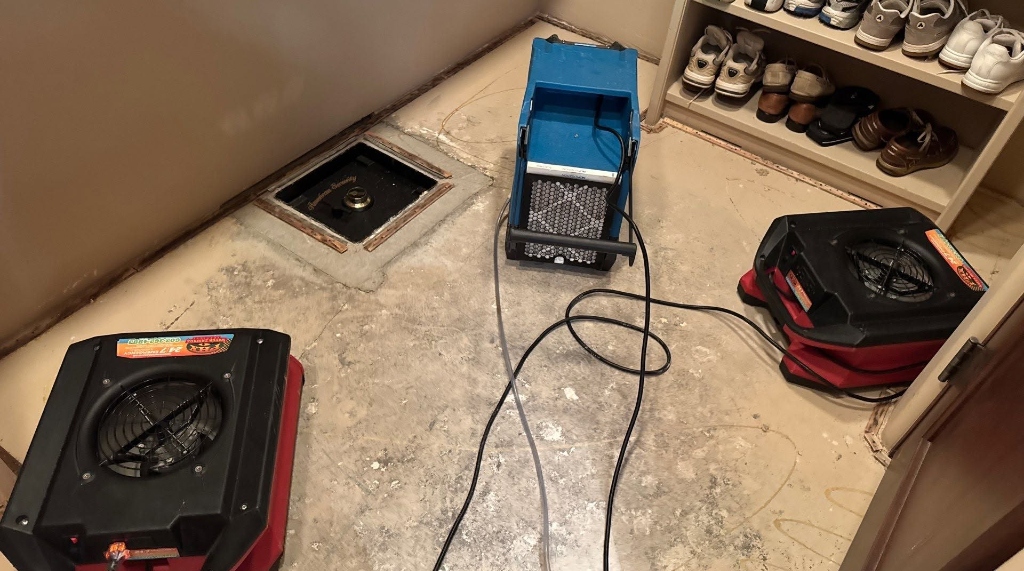
LGR dehumidifiers and HEPA air scrubbers driving grains per pound below 25 GPP.
Calibrated electronic pinless testing confirming baseline dry standards.
The Complete 6-Stage Restoration Roadmap
Our IICRC-certified crews execute a disciplined, scientific 6-stage protocol to stabilize and dry structural components:
Emergency Dispatch & Perimeter Isolation
30 to 60 minute arrival. Securing electrical shutoffs, evaluating structural loads, and erecting containment airlocks.
FLIR® Thermal Mapping & Baseline Scans
Infrared thermal scans detect trapped moisture behind walls and beneath concrete without invasive exploratory demolition.
High-Volume Bulk Extraction
31-HP truck-mount extraction units pump standing water away at hundreds of gallons per minute.
Controlled Selective Demolition
Precision flood cuts 12 to 24 inches above moisture lines, removing wet insulation and opening wall framing to dry airflow.
Thermodynamic Dehumidification
Industrial Low-Grain Refrigerant dehumidifiers pull deep trapped moisture from dense framing lumber and concrete slabs.
Antimicrobial Sanitization & Verification
EPA-registered botanical application (Benefect Decon 30) and calibrated moisture testing to issue an official dry certificate.

Specialized Equipment & Industrial Restoration Technology
Mitigating severe property damage requires industrial-grade technology capable of altering thermodynamic psychrometrics:
Truck-Mounted Extraction Rigs
31-HP engines producing 16+ inches Hg vacuum suction to evacuate bulk water rapidly into holding tanks.
Low-Grain Refrigerant Dryers
Pre-cooling heat-pipe systems driving ambient grains per pound below 25 GPP to draw deep trapped water out of framing.
HEPA Negative-Air Scrubbers
Hospital-grade 99.97% particulate filtration capturing microscopic fungal spores, soot, and biohazard aerosols.
FLIR® Thermal Scanners & Probes
Infrared thermography detecting evaporative cooling boundaries behind walls, combined with digital RF pinless scanners.
Professional Restoration vs. DIY Mitigation
Attempting DIY cleanup during a property disaster creates severe hidden liabilities:
- Trapped Moisture: Surface drywall dries while moisture inside cavities triggers hidden mold blooms.
- Pathogenic Risks: Category 2 & 3 water contains bio-contaminants standard cleaners fail to kill.
- Insurance Denial: Insurers require daily psychrometric logs; lack of data causes claim disputes.
Transparent Upfront Itemized Pricing
Valley Restoration Pros operates with complete transparency:
- Free On-Site Assessment: Complete physical inspection before work begins.
- Upfront Itemized Estimates: Detailed line items calculated via industry-standard Xactimate.
- Zero Surprise Billing: No hidden charges or unauthorized repairs.
Certified semiconductor acid waste neutralization sump flood restoration phoenix Field Documentation
Every response performed by Valley Restoration Pros is documented through photographic and thermographic records:

Comprehensive semiconductor acid waste neutralization sump flood restoration phoenix Technical Manual & Operational Standards
Exhaustive engineering protocols, psychrometric calculations, geological multipliers, and step-by-step restoration standards for Maricopa County properties:
Executive Emergency Abstract: Semiconductor AWN Sump Flooding, Subfab Chemical Containment & Critical Facility Recovery
Across Greater Phoenix, the historic expansion of the Sonoran Desert semiconductor ecosystem—spearheaded by the North Phoenix TSMC Mega-Fab complex, the Loop 303 advanced manufacturing corridor, and the specialized precision chemical suppliers throughout the Deer Valley Industrial Park—has elevated the region into the premier high-tech manufacturing territory in the Western Hemisphere. Within these colossal semiconductor fabrication plants (fabs), continuous manufacturing processes consume millions of gallons of ultra-pure water (UPW) and aggressively concentrated process chemistries daily. The resulting corrosive effluent streams, carrying concentrated hydrofluoric acid (HF), sulfuric acid (H2SO4), nitric acid (HNO3), hydrochloric acid (HCl), and hydrogen peroxide rinses, are channeled down into subfab interstitial levels and subterranean utility vaults toward continuous Acid Waste Neutralization (AWN) lift stations and reaction sumps.
When an industrial AWN sump fails, overflows, or suffers a primary containment rupture, the incident is never a standard commercial plumbing emergency. It represents an immediate, catastrophic chemical disaster that threatens life safety, structural subfab integrity, multi-million-dollar cleanroom tooling, and compliance with the City of Phoenix Environmental Services Division. An AWN sump breach discharges thousands of gallons of low-pH (pH 0.5 to 2.5) corrosive liquor across subfloor access slabs, pooling beneath vibration-isolated cleanroom waffle decks, flooding electrical trenches, submerging critical SCADA process automation panels, and emitting volatile, toxic acid vapors into high-velocity recirculating air plenums.
The rapid deployment of specialized emergency teams is critical. Uncontained acid liquor aggressively attacks concrete matrices, decomposing hydrated cement pastes, leaching calcium hydroxide, and exposing high-tensile structural steel rebar to rapid pitting and structural degradation. Simultaneously, off-gassing acidic vapors migrate upward through floor penetrations and utility risers, threatening sensitive high-vacuum turbomolecular pumps, deep ultraviolet (DUV) and extreme ultraviolet (EUV) photolithography scanners, and high-efficiency particulate air (HEPA/ULPA) filtration banks. Without immediate professional containment, a single AWN sump overflow can result in catastrophic facility-wide production halts exceeding tens of millions of dollars in unrecoverable silicon wafer loss and equipment replacement.
As the certified leader in high-tech industrial disaster response across Maricopa County, our emergency response division operates 24/7/365 to deliver rapid containment, chemical stabilization, and complete environmental remediation. Our technicians maintain dual certification in IICRC S500 commercial drying standards and OSHA 29 CFR 1910.120 HAZWOPER protocols. When catastrophic chemical liquid intrusions destabilize your subfab operations, our master-certified commercial water damage specialists coordinate directly with fab facilities directors, environmental health and safety (EHS) officers, and process engineering leads to execute an exhaustive, compliant, and scientifically verified recovery protocol.
Immediate AWN Sump Breach Directives for Facility Incident Commanders
- Initiate Immediate Subfab Zone Evacuation: Sound localized chemical spill alarms, isolate the affected subfab quadrant, and ensure zero unequipped personnel enter the lower utility level.
- Isolate Corrosive Chemical Inflow: Remotely trigger automated emergency chemical shut-off valves (ESVs) upstream at wet bench clusters, CMP polishing modules, and chemical distribution manifolds.
- Engage Dedicated Acid Exhaust & Negative Air: Verify that subfab acid exhaust fans (AEFs) are running at maximum capacity to scrub toxic vapors, while shutting down recirculating make-up air units (MAUs) servicing the breach sector to prevent vapor migration into cleanroom bays.
- Deploy Emergency HAZMAT Restoration Dispatch: Contact our rapid response industrial team immediately at (602) 847-9593 to mobilize acid-rated vacuum tankers, neutralization slurries, and desiccant dehumidification systems.
Anatomy of Semiconductor AWN Sump Failures: Hydraulic Architecture & Failure Dynamics
To understand the immense complexity of an Acid Waste Neutralization breach, one must examine the internal hydraulic and chemical architecture of a modern semiconductor wafer fabrication plant. Modern fabs utilize dual-contained drainage systems constructed from high-performance fluoropolymers, including polyvinylidene fluoride (PVDF), polypropylene (PP), and perfluoroalkoxy (PFA). These gravity mains transport corrosive process effluents from cleanroom tools into subterranean AWN holding pits, equalization basins, and continuous neutralization reaction chambers located in the subfab or dedicated industrial wastewater treatment (IWWT) buildings.
A typical semiconductor AWN sump system features a multi-stage concrete vault lined with high-density polyethylene (HDPE), fiberglass-reinforced plastic (FRP), or elastomeric polyurea coatings. Within these containment structures, duplex or triplex vertical cantilever sump pumps, magnetically coupled centrifugal acid pumps, or progressive cavity pumps cycle continuously to transfer acidic effluent across staged neutralization tanks. In these tanks, automated chemical dosing systems inject neutralizing alkaline reagents—such as 25% to 50% sodium hydroxide (caustic soda, NaOH), calcium hydroxide (hydrated lime slurry, Ca(OH)2), or sodium bicarbonate (NaHCO3)—to adjust influent pH levels from aggressive extremes (pH 0.5 to 2.5) to municipal discharge standards (pH 6.0 to 9.0).
Primary Mechanisms of AWN Sump Mechanical & Structural Breaches
Catastrophic overflows and physical containment breaches in semiconductor AWN systems originate from several distinct mechanical, electrical, and chemical failure vectors:
- Precipitated Salt Scaling & Impeller Seizure: When hydrofluoric acid streams mix with calcium ions present in industrial wash water, insoluble calcium fluoride (CaF2) and fluorosilicate salts precipitate rapidly. In the high-temperature environment of Phoenix, these mineral crystals adhere to vertical pump impellers, mechanical shaft seals, and level sensors, causing sudden mechanical lockup and catastrophic lift station failure.
- Thermal Runaway & Exothermic Boiling: Acid waste streams containing high concentrations of sulfuric acid from Piranha etch (SPM) processes react vigorously with residual hydrogen peroxide and organic compounds. If neutralization reagent dosing rates are miscalculated or cooling systems fail, the resulting exothermic reaction can exceed 212°F (100°C), boiling the acid liquor, rupturing thermoplastic pipe joints, and overflowing sump containment curbs.
- Submersible Level Sensor Blindness: Corrosive acid vapors etch ultrasonic, optical, and radar liquid level transmitters, while foaming acid slurries coat mechanical float switches. When level sensors give false "low level" signals to the programmable logic controller (PLC), extraction pumps fail to actuate, allowing continuous influent to cascade over sump rims into unlined subfab floor trenches.
- Secondary Containment Liner Delamination: Continuous thermal cycling and chemical exposure embrittle epoxy and elastomeric polyurea sump liners. Once pinholes form, aggressive acid liquor permeates the underlying concrete vault, dissolving the cementitious matrix and escaping into the surrounding subterranean structural foundation.
When an overflow occurs, hundreds of gallons per minute of hot, chemically active acidic liquor surge across the subfab floor. The liquid seeks out lower elevations, flowing into structural expansion joints, perimeter trench drains, and subterranean cable raceways. The resulting chemical pooling demands instantaneous, industrial-grade emergency water extraction utilizing specialized acid-resistant vacuum pumping hardware before the corrosive liquid compromises building foundations or penetrates high-voltage electrical conduits.
Phoenix Desert Climatic, Geological & Environmental Multipliers
Semiconductor cleanrooms and subfabs in the Sonoran Desert operate under unique geological and climatic pressures found nowhere else in the United States. Far from being an inert, dry backdrop, the desert environment of Greater Phoenix actively accelerates the severity of chemical water damage incidents and complicates industrial containment procedures.
18 GPG Extreme Municipal Hardness
City of Phoenix tap water and Central Arizona Project (CAP) canal water deliver extreme mineral hardness ranging from 18 to 22 grains per gallon (300 to 375+ ppm dissolved CaCO3). When this mineral-rich water is utilized in scrubber makeup systems or facility wash-downs, it introduces massive concentrations of calcium and magnesium that react with waste acids, forming rock-hard fluorosilicate scale that chokes sump strainers and jams pump impellers.
Expansive Caliche & Vault Shifts
The subterranean geology of North Phoenix, Deer Valley, and Glendale contains deep layers of calcium carbonate-cemented hardpan, locally known as caliche, interleaved with expansive smectite clays. During sudden ground moisture shifts or deep acid saturation from a leaking sump vault, expansive soils swell with tremendous hydrostatic pressures, cracking concrete vaults and shifting rigid double-containment piping runs.
115°F Summer Heat & Vapor Kinetics
Summer temperatures regularly exceeding 115°F across the Sonoran Valley drastically raise ambient subfab temperatures, often elevating unconditioned lower vaults above 95°F. At these elevated thermal baselines, chemical reaction rates double for every 10°C rise, causing acid liquids to vaporize aggressively, generating dense plumes of volatile hydrofluoric, hydrochloric, and nitric acid fumes that spread rapidly through ventilation shafts.
Monsoon Flash Flooding & Lift Overload
Between July and September, intense North American Monsoon convective storms deliver torrential cloudbursts exceeding 2 inches per hour across Deer Valley and North Phoenix. Stormwater infiltration into below-grade utility trenches and industrial wastewater retention vaults frequently overwhelms facility stormwater pumps, causing backup into AWN sump pits and triggering cross-contamination of hazardous chemical streams.
These harsh desert dynamics mean that standard containment methods fail rapidly in Phoenix. When piping manifolds rupture or underground vaults crack under caliche expansion, facility managers require specialized emergency response capable of mitigating both mechanical line fractures and chemical flooding. If your high-tech facility encounters subterranean line failures or structural pipe ruptures, our commercial burst pipe repair and structural stabilization crews deploy immediately with industrial-grade shoring, high-capacity pumping, and corrosive liquid neutralization systems.
Chemical Hazard Profiling: Toxicological & Corrosive Effluent Matrices
Unlike municipal blackwater or standard commercial graywater floods, semiconductor AWN sump overflow liquid is a lethal cocktail of concentrated inorganic acids, oxidizing agents, and fluorinated chemicals. Each chemical component introduces unique toxicological vectors, material destruction mechanisms, and immediate hazards to human life and structural components.
| Effluent Chemical Agent | Primary Fab Applications | Subfab Destruction Mechanisms | Human Life & Health Hazards |
|---|---|---|---|
| Hydrofluoric Acid (HF) & Buffered Oxide Etch (BOE) | Silicon dioxide etching, quartz cleaning, oxide stripping | Aggressively dissolves glass, silicate concrete, and silica aggregates; etches quartz optical lenses on lithography tooling; forms dense acid aerosol mist. | Systemic calcium and magnesium scavenging; transdermal penetration causing fatal cardiac arrhythmias (ventricular fibrillation) and bone destruction. |
| Sulfuric Acid (H2SO4) & Piranha Etch (SPM) | Organic photoresist removal, surface cleaning, wafer stripping | Violent exothermic dehydration; carbonizes polymers, melt PVC conduit, dissolves galvanized metal cable trays, and decomposes concrete binders. | Severe full-thickness chemical skin burns, pulmonary edema from vapor inhalation, permanent blindness upon ocular exposure. |
| Nitric Acid (HNO3) | Metal wet etching, polysilicon cleaning, chemical etching | Powerful oxidizing agent; rapidly corrodes copper piping, bus bars, and aluminum structural frames; releases toxic reddish-brown nitrogen dioxide (NOx) gas. | Delayed chemical pneumonitis, upper airway asphyxiation, severe dermal necrosis, and tissue oxidation. |
| Hydrochloric Acid (HCl) | RCA clean sequence (SC-2), metallic impurity desorption | Fumes intensely at ambient desert temperatures; chloride ions initiate stress corrosion cracking (SCC) in stainless steel equipment plinths. | Immediate laryngeal spasm, severe bronchial inflammation, corneal burns, and corrosive gastric injury upon vapor ingestion. |
| Phosphoric Acid (H3PO4) | Silicon nitride stripping, hot acid bath etching | Operates at high temperatures (150°C-180°C); creates sticky, highly conductive residues that short-circuit subfab electrical distribution panels. | Deep contact chemical burns, mucosal irritation, severe respiratory distress upon aerosol inhalation. |
Understanding this toxic profile is essential when orchestrating structural drying and restoration. In complex manufacturing clusters, such as the TSMC Supplier Park cleanroom water damage restoration zone in North Phoenix, our technicians never treat an acid sump overflow as simple water damage. We establish full HAZMAT containment perimeters, continuously monitor atmospheric gas concentrations, and execute calibrated chemical neutralization protocols.
Immediate Emergency First-Hour Response Protocol & HAZMAT Isolation Perimeter
The initial 60 minutes following an AWN sump overflow determine whether an industrial chemical incident remains a contained subfab breach or cascades into a catastrophic fab-wide evacuation and structural loss. Our rapid deployment crews follow a rigid, military-grade first-hour response framework aligned with OSHA 29 CFR 1910.120 and NFPA 472 hazardous materials response standards.
The 6-Phase First-Hour HAZMAT Isolation Blueprint
- Zone Demarcation & Hot Zone Lockdown (Minutes 0–10): Immediately establish a 300-foot initial exclusion zone around the subfab AWN containment vault. Erect physical barricades, deploy high-visibility chemical warning signage, and designate single-entry Access Control Points (ACPs). Establish the Contamination Reduction Corridor (CRC) and Cold Zone staging area.
- Atmospheric Profiling & Multi-Gas Telemetry (Minutes 10–20): Deploy intrinsically safe photoionization detectors (PIDs), electrochemical sensor arrays, and colorimetric reagent tubes to profile airborne concentrations of HF (OSHA PEL: 3 ppm), NOx, HCl (OSHA Ceiling: 5 ppm), and volatile organic vapors. Continuously monitor lower explosive limits (LEL) and oxygen levels before personnel entry.
- Personal Protective Equipment (PPE) Selection (Minutes 20–30): Entry personnel don Level A fully encapsulated vapor-protective chemical suits (NFPA 1991 compliant) with self-contained breathing apparatus (SCBA) for unknown or high-concentration vapor environments. For stabilized liquid extraction, don Level B or specialized Level C chemical splash suits constructed from multi-layer laminate Tychem TK / Responder barrier films with powered air-purifying respirators (PAPR) equipped with combination acid gas/organic vapor/HEPA cartridges.
- HF Antidote Staging & Medical Safety (Minutes 30–40): Stage pressurized calcium gluconate emergency washing stations and medical-grade 2.5% calcium gluconate gel at the decontamination threshold. Ensure trained safety officers are equipped to deliver immediate transdermal neutralizer therapy in the event of micro-exposure.
- Source Isolation & Pneumatic Valving (Minutes 40–50): In direct communication with fab facility engineers, verify the mechanical isolation and lock-out/tag-out (LOTO) of all pressurized chemical feed lines, UPW rinse manifolds, and lift pumps servicing the breached sump.
- Perimeter Spill Containment (Minutes 50–60): Deploy chemical-resistant fluoropolymer and polypropylene containment dikes, hydrophobic sorbent booms, and neutralization barriers around floor trench drains and electrical raceway penetrations to stop the spread of free liquid.
Every second counts when acidic liquor is actively pooling beneath sensitive manufacturing facilities. If your Phoenix microelectronics or aerospace facility detects chemical containment loss, immediately contact our emergency dispatch team for instantaneous industrial HAZMAT mobilization and site stabilization.
Specialized In-Situ Chemical Neutralization & Slurry Precipitation Procedures
Pumping raw, concentrated acid liquor directly from an unlined concrete floor into standard disposal equipment is prohibited by law and technically dangerous. Uncontrolled handling of low-pH wastewater destroys extraction pumps, melts transport hoses, and triggers rapid volatilization of lethal gases. Our certified chemical remediation specialists execute a controlled, in-situ neutralization and precipitation protocol that converts hazardous liquid into an inert, pumpable slurry compliant with environmental regulations.
The Stoichiometric Chemistry of Controlled Subfab Acid Neutralization
The primary challenge in subfab acid remediation is safely stabilizing hydrofluoric and sulfuric acid mixtures without causing thermal boilover or gas release. We utilize a multi-reagent neutralization methodology tailored to the exact chemical composition of the spill:
- Calcium Hydroxide (Hydrated Lime Slurry, Ca(OH)2): The preferred reagent for neutralizing hydrofluoric acid. When slaked lime is metered into HF-rich floodwater, calcium ions bind directly with toxic fluoride ions, precipitating insoluble calcium fluoride (CaF2):
2 HF + Ca(OH)2 → CaF2↓ + 2 H2O
This reaction permanently locks up free fluoride ions, eliminating the transdermal toxicity of HF and neutralizing free acidity with minimal thermal spikes. - Sodium Carbonate / Bicarbonate (Soda Ash, Na2CO3 / NaHCO3): Utilized as a buffering agent for secondary neutralization. Soda ash provides smooth, non-violent buffering that elevates the pH curve safely between 6.5 and 8.5 without the extreme thermal runaway associated with concentrated sodium hydroxide (NaOH).
- Continuous Temperature & Exotherm Monitoring: During reagent introduction, thermal infrared cameras and submersed thermocouple probes continuously track liquid temperatures. Dosing rates are precisely throttled to ensure the standing liquid never exceeds 120°F (49°C), preventing vapor outgassing.
- Automated Multipoint pH Telemetry: High-precision, chemical-resistant glass and antimony pH electrode arrays take continuous readings across the flooded floor zone until the target equilibrium of pH 7.0 ± 0.5 is verified.
Once neutralized and precipitated into an inert calcium fluoride and calcium sulfate gypsum slurry, the mixture is stabilized for safe, high-volume extraction. In complex industrial facilities where sanitary lines and process sumps cross-contaminate, our technical team also coordinates with our certified sewage cleanup and biohazard extraction division to manage dual-vector chemical and biohazard contamination in sub-grade utility vaults.
Vapor-Phase Acid Gas Scrubbing, Chemisorption & Subfab HVAC Isolation
While standing liquid causes acute structural corrosion on subfab floors, vapor-phase acid gas outgassing presents the most dangerous airborne threat to silicon fabrication yields and human health. Evaporating hydrofluoric acid (HF) gas, hydrochloric acid (HCl) vapors, and reddish-brown nitrogen dioxide (NOx) plumes rise rapidly toward cleanroom waffle slabs, threatening to enter the recirculating air stream that feeds cleanroom fan-filter units (FFUs).
Standard HEPA air scrubbers equipped solely with mechanical particulate filters cannot capture vapor-phase acid molecules. In fact, pulling corrosive acid gases through standard fiberglass HEPA media rapidly degrades the filter binder, releasing glass microfibers into the airstream while allowing 100% of the toxic gas to pass through. Our specialized cleanroom air decontamination protocol integrates advanced industrial chemisorption scrubbers engineered specifically for semiconductor fab environments.
The 4-Stage Industrial Chemisorption Filtration Matrix
- Stage 1: Acid-Resistant Pre-Filtration (MERV 8): Captures gross airborne particulate, mist droplets, and atmospheric dust to protect downstream chemical adsorption beds from premature particulate loading.
- Stage 2: Chemisorbent Alumina Impregnated with Potassium Permanganate (KMnO4): Specifically targets and neutralizes nitric oxide (NO) and nitrogen dioxide (NOx) through irreversible chemical oxidation, converting toxic gaseous oxides into stable, solid mineral salts.
- Stage 3: Acid-Gas Virgin Coconut Shell Activated Carbon (Caustic-Impregnated): Engineered with an exceptionally high surface area (>1,050 m²/g) and impregnated with potassium hydroxide (KOH) to chemically neutralize and adsorb hydrofluoric acid (HF), hydrochloric acid (HCl), and chlorine vapors via irreversible chemisorption.
- Stage 4: True 99.97% HEPA Final Filtration: Captures any downstream carbon dust or fine particulate down to 0.3 microns, ensuring the exhaust air meets stringent cleanroom particulate baseline standards.
By deploying high-capacity negative-air scrubbers ducted directly to facility scrubbed exhaust systems, we establish negative pressure within the compromised subfab zone. This prevents corrosive fumes from migrating into cleanroom bays above. For facilities requiring certified post-incident airborne particle and molecular validation, our specialized industrial cleanroom water damage restoration teams conduct comprehensive ISO 14644-1 particle counts and Airborne Molecular Contamination (AMC) testing before cleanrooms are re-certified for production.
Heavy Industrial Chemical Extraction & Equipment Specifications
Deploying standard commercial water restoration extractors, aluminum truck-mounts, or brass-fitted sump pumps into an acid waste spill will result in catastrophic equipment failure within minutes. Highly corrosive acids dissolve aluminum pump volutes, destroy mechanical rubber impellers, and corrode brass check valves, spraying toxic liquid across the operating perimeter. Our industrial response fleet operates specialized, chemical-rated extraction machinery engineered specifically for aggressive acid recovery.
| Equipment Category | Industrial Model / Specifications | Wetted Materials of Construction | Operational Performance Capabilities |
|---|---|---|---|
| Air-Operated Double Diaphragm (AODD) Pumps | Wilden Pro-Flo Shift / Yamada NDP Series (2" & 3" Industrial Units) | Pure Virgin PTFE (Teflon) Diaphragms, PVDF (Kynar) Casings, Hastelloy-C Hardware | Intrinsically safe, explosion-proof pneumatic operation; up to 250 GPM liquid transfer; handles solids up to 1/2" slurry without clogging. |
| DOT-Certified Vacuum Tanker Units | Industrial HazMat Vacuum Tankers (3,500 to 5,500 Gallon Capacity) | Rubber-Lined / Phenolic Epoxy Interior Coatings, 316L Stainless Steel Liquid Ring Blowers | Continuous deep vacuum extraction up to 28" Hg; rapid bulk chemical dewatering from below-grade vaults and subterranean lift basins. |
| Chemical Extraction Suction & Discharge Hoses | Continental Infinity Acid Suction / Kanaflex 100CL Hoses | Modified Cross-Linked Polyethylene (XLPE) Tube, UHMWPE Cover, Monel Cam-Lock Couplings | 100% resistant to 70% HF, concentrated nitric, and boiling sulfuric acid; rated for full vacuum and 150 PSI working pressure. |
| Submersible Slurry Extraction Pumps | BJM Fahrenheit Series / Tsurumi KTZ High-Head Submersibles | Silicon Carbide Mechanical Seals, High-Chrome Iron Impellers, FKM Fluoroelastomers | Continuous submerged pumping in high-temperature (up to 200°F) neutralized chemical sludge and precipitated mineral slurries. |
When an industrial flood involves catastrophic volume—such as when a process cooling water pipe ruptures simultaneously with an acid drain overflow—our heavy industrial dewatering fleet scales seamlessly. For extensive industrial mechanical breaks, review our protocols for commercial chiller pipe flood restoration to see how our heavy pumping infrastructure manages high-volume commercial fluid disasters across the Valley.
Structural Concrete Decontamination, Acid Neutralization & Passivation Protocol
Concrete is fundamentally an alkaline material, typically possessing an internal pore pH between 12.5 and 13.5 due to the presence of calcium hydroxide (Ca(OH)2) produced during cement hydration. When low-pH acid waste from an AWN sump overflow pools on untreated subfab concrete, a devastating chemical attack begins immediately. Acid reacts with the alkaline cement paste, dissolving calcium silicate hydrates (C-S-H) and leaching calcium salts.
Hydrofluoric acid specifically attacks the silica sand aggregates, while sulfuric acid converts calcium hydroxide into expansive calcium sulfate dihydrate (gypsum). As gypsum crystals form within the capillary pores of the concrete, they expand by over 120%, generating intense internal tensile stresses that cause concrete spalling, cracking, and crumbling. If acid reaches the internal structural rebar, the protective passivation layer on the steel is destroyed, triggering rapid electrolytic corrosion and jeopardizing the load-bearing capacity of the subfab waffle slab.
The 5-Step Structural Concrete Remediation & Passivation Framework
- Surface Mechanical Extraction & Chemical Washing: High-pressure vacuum extraction removes standing acid sludge. Technicians apply a penetrating alkaline wash containing potassium silicate and dilute sodium carbonate to neutralize acidic residues embedded in superficial pores.
- Capillary Deep-Leaching Extraction: Deploy industrial poultice pastes composed of diatomaceous earth and buffered alkaline neutralizers across deeply etched concrete trenches. As the poultice dries, capillary suction draws sub-surface acid salts and free fluoride ions out of the concrete matrix into the disposable absorbent medium.
- Concrete Pore pH & Phenolphthalein Indicator Testing: Perform core drilling and phenolphthalein dye testing on concrete cross-sections. Healthy concrete stains deep magenta (pH > 9.5), whereas acid-damaged zones remain clear (pH < 8.5). Testing is conducted incrementally into the slab to determine the precise depth of acid infiltration.
- Alkaline Re-Passivation & Hardener Application: Deeply infuse penetrating colloidal silica and lithium silicate densifiers into the remediated concrete. This chemical treatment reacts with remaining free lime to reform calcium silicate hydrates, restoring compressive strength and re-establishing the high-alkaline passivation layer around structural steel reinforcement.
- Application of Chemical-Resistant Barrier Coatings: Following moisture verification, the decontaminated substrate is profiled per ICRI CSP 3-5 standards. Technicians apply a 100% solids, high-build novolac epoxy or vinyl ester barrier coating engineered to withstand continuous immersion in 70% sulfuric, nitric, and hydrofluoric acids.
When acid liquid permeates deep beneath slabs or threatens post-tension cables and perimeter footings, comprehensive forensic structural testing is essential. If your facility suspects subterranean liquid migration or foundation erosion beneath concrete floors, our specialized slab leak water damage restoration engineers deploy advanced acoustic and electronic ground imaging to verify structural integrity.
Cleanroom Airflow Isolation, ULPA/HEPA Protection & Particulate Control
In a semiconductor wafer fab, the cleanroom ballroom and the subfab beneath it exist in a delicate thermodynamic and aerodynamic relationship. Thousands of perforated floor tiles in the cleanroom allow laminar airflow—driven by ceiling-mounted Ultra-Low Penetration Air (ULPA) and High-Efficiency Particulate Air (HEPA) fan-filter units—to sweep downward through the floor into the subfab plenum before returning through recirculating air chases.
When an AWN sump overflows in the subfab, this recirculating airflow represents a severe risk of facility-wide contamination. Acid vapors and chemical aerosols can be drawn into the return air plenums, contaminating the entire cleanroom recirculation loop. Furthermore, the chaotic deployment of emergency equipment, unconditioned personnel movement, and turbulent air movement can stir up millions of sub-micron particles, instantly violating ISO 14644-1 Class 1, Class 10, or Class 100 certification levels.
Dynamic Cleanroom Isolation & Airflow Pressure Cascading Protocols
To safeguard the cleanroom ballroom while simultaneously decontaminating the subfab, our technical teams implement an airtight containment and aerodynamic isolation protocol:
- Airtight Polyethylene Containment Barriers: Construct flame-retardant, anti-static (ESD-safe) 10-mil polyethylene containment barriers across subfab utility chases and beneath perforated cleanroom waffle slab zones. All seams are hermetically sealed with chemical-resistant, zero-VOC tape.
- Reversal of Differential Air Pressure Cascades: Under normal production, cleanrooms maintain positive static pressure relative to the subfab (+15 to +25 Pa). During an acid breach, we install dedicated high-volume negative-air scrubbers ducted directly to the facility exterior or acid exhaust mains, maintaining a strict negative pressure differential of -10 to -15 Pa within the spill containment zone. This ensures all air moves inward toward the breach, preventing airborne acid molecules from escaping into adjacent clean bays.
- Continuous Particle & VOC Laser Metrology: Deploy real-time laser optical particle counters (LCPs) calibrated down to 0.1 microns and photoionization detectors across the cleanroom ballroom perimeter to continuously verify that zero particulate blooms or chemical plumes penetrate the production envelope.
Maintaining ultra-low humidity and preventing corrosive condensation is equally paramount in mission-critical mission computing and high-tech spaces. In mission-critical facilities where water intrusions threaten complex computer hardware and clean environments, our dedicated data center server room water damage response teams utilize identical non-conductive, anti-static psychrometric drying equipment to preserve microelectronic infrastructure.
IICRC S500 & OSHA HAZWOPER Step-by-Step Commercial Restoration Protocol
Remediating an industrial semiconductor AWN sump flood requires seamless execution across multi-disciplinary engineering standards. Our recovery framework adheres strictly to the Institute of Inspection, Cleaning and Restoration Certification (IICRC) S500 Standard for Professional Water Damage Restoration (Category 3 Hazardous Blackwater/Chemical Classification) combined with OSHA 29 CFR 1910.120 HAZWOPER and SEMI S2 environmental safety standards.
The 6-Stage Industrial Cleanroom AWN Remediation Blueprint
Stage 1: Multi-Vector Hazard Assessment & Atmospheric Profiling
Certified Industrial Hygienists (CIHs) and HAZWOPER supervisors conduct initial reconnaissance wearing Level A/B PPE. We map the physical extent of the liquid pool, quantify standing liquid depths using ultrasonic depth sensors, take initial pH samples, and profile atmospheric contaminants across the subfab and cleanroom envelope.
Stage 2: Containment Isolation & Vapor-Phase Scrubbing Deployment
Erect ESD-safe poly containment zones and seal all waffle slab penetrations. Mobilize industrial negative-air chemisorption scrubbers packed with potassium permanganate alumina and caustic-impregnated activated carbon to establish negative pressure and scrub acid fumes before they reach recirculating air loops.
Stage 3: In-Situ Stoichiometric Neutralization & Precipitation
Meter high-purity hydrated lime (calcium hydroxide) and sodium bicarbonate slurries into the standing acid pool using specialized pneumatic mixing lances. Continuously monitor exotherms with thermal imaging. Neutralize free acidity until multipoint pH electrodes confirm stabilization between pH 6.5 and 8.5, precipitating free fluoride into insoluble calcium fluoride.
Stage 4: High-Volume Industrial Slurry & Liquid Extraction
Deploy air-operated double-diaphragm (AODD) Teflon/Hastelloy pumps and DOT-certified industrial vacuum tankers to rapidly evacuate neutralized chemical sludge, precipitated mineral salts, and residual rinse water. All extracted waste is manifested and transported to certified hazardous waste treatment facilities per ADEQ regulatory standards.
Stage 5: Deep Substrate Decontamination, Passivation & Psychrometric Drying
Apply alkaline deep-pore concrete rinses and poultice pastes to draw out trapped acid salts. Concurrently deploy high-capacity industrial desiccant dehumidifiers delivering ultra-low dew point air (< -10°F dew point, < 15% RH) to thoroughly dry concrete floors, structural steel columns, and interstitial cable chases.
Stage 6: Forensic Core Validation, Air Quality Clearance & Handover
Perform concrete core drilling and phenolphthalein testing to verify complete sub-surface acid neutralization. Execute ISO 14644-1 airborne particle counts and surface fluoroscopy to certify that the subfab and cleanroom bays are completely decontaminated, safe for re-entry, and ready for equipment re-commissioning.
Throughout this entire procedure, our master drying technicians execute rigorous psychrometric monitoring. For a deeper understanding of our desiccant dehumidification engineering and equilibrium moisture content (EMC) controls, examine our protocols for commercial structural drying across sensitive corporate and industrial facilities.
Hyper-Local Case Study: North Phoenix Semiconductor Corridor AWN Sump Overrun
Incident Profile: At 02:40 AM on a mid-August Tuesday during peak 114°F summer conditions, a Tier-1 microelectronics chemical supply facility situated off the Loop 303 manufacturing belt suffered a double-pump mechanical failure in their primary subterranean AWN lift station. Concentrated mineral scaling from 19 GPG hard makeup water, combined with heavy fluorosilicate precipitate, seized the duplex cantilever vertical sump pumps. Unprocessed effluent from multiple automated wafer etch benches—containing 18% sulfuric acid, 5% hydrofluoric acid, and residual hydrogen peroxide (SPM Piranha rinse)—surpassed the 2,500-gallon containment curb, flooding 8,200 square feet of subfab utility floor and rising to a depth of 5 inches in adjacent electrical cable trenches.
The Threat Vector: At an ambient subfab temperature of 94°F, the volatile acid liquid began off-gassing dense hydrofluoric and sulfur oxide vapor clouds. Static pressure telemetry indicated that acid fumes were beginning to migrate toward the return air shafts servicing the ISO Class 4 packaging cleanroom above. Over $14,000,000 in automated optical inspection (AOI) machinery, high-voltage transformer switchgear, and cleanroom certification were in immediate peril.
Emergency Mitigation & Stabilization Metrics:
- Dispatch & On-Site Arrival: 28-minute rapid response arrival by Valley Restoration Pros industrial HAZMAT units.
- Hot Zone Containment: Level A entry team established 10-mil ESD poly containment barriers and ducted 12,000 CFM of chemisorption negative air within 45 minutes, halting vapor migration into the cleanroom ballroom.
- In-Situ Neutralization: Metered 1,800 lbs of high-purity calcium hydroxide (hydrated lime) and sodium bicarbonate slurry into the flooded zone. Standing liquid pH was elevated from an initial 1.1 to a safe 7.4 within 3.5 hours, safely precipitating insoluble CaF2 solids.
- Liquid & Slurry Evacuation: Deployed two DOT-certified chemical vacuum tankers and three air-operated Teflon diaphragm pumps to evacuate 11,400 gallons of neutralized slurry and rinse effluent.
- Psychrometric Dehumidification: Mobilized two 5,000 CFM industrial desiccant dehumidifiers delivering sub-zero dew point air, dropping subfab relative humidity from 86% to 18% in 36 hours.
Financial & Operational Outcome: Complete concrete core sampling verified zero residual acid penetration beyond the superficial 3 mm sacrificial layer. Compressive core tests confirmed concrete slab strength exceeded the 5,000 PSI structural specification. The facility avoided a projected $22,000,000 tool replacement expense and resumed full manufacturing operations within 68 hours of the initial emergency call. For related heavy subterranean extraction procedures in commercial facilities, inspect our case procedures for subterranean parking garage flood extraction throughout the Greater Phoenix commercial sector.
Subfab Electrical Infrastructure & Instrumentation Decontamination
When an AWN sump overflow inundates subfab trenches, the liquid rarely touches bare concrete alone. Modern semiconductor subfabs house an extraordinarily dense network of critical electrical distribution systems, including 480V motor control centers (MCCs), high-amperage bus ducts, uninterruptible power supply (UPS) banks, fiber optic raceways, and sensitive SCADA telemetry loops that govern facility automation.
Acidic liquid and vapor-phase chlorides/fluorides introduce extreme corrosion risks to electrical infrastructure. Acidic moisture wicks into multi-strand copper conductors via capillary action, initiating intergranular copper embrittlement and galvanic corrosion across dissimilar metal terminals. Even after liquid is removed, microscopic acid salt films remain hygroscopic, absorbing ambient moisture and causing delayed catastrophic short circuits, electrical fires, or arc flash events when systems are re-energized.
The Electrical & Instrumentation Decontamination Protocol
- Complete Lock-Out/Tag-Out (LOTO) & Arc Flash Verification: Before any technician approaches flooded cable trays or switchgear, certified master electricians confirm zero energy state across all 480V, 208V, and 24V control circuits using calibrated proximity testers and multi-meters.
- De-Ionized Water Ultrasonic Cleaning & Chemical Washing: Submerged components are dismounted and subjected to staged ultrasonic cleaning using de-ionized water baths and specialized non-conductive, residue-free electronic flux cleaners that dissolve conductive acid salts without degrading printed circuit boards (PCBs).
- Dielectric Desiccant Drying Chambers: Enclose electrical switchgear cabinets inside custom polyethylene micro-drying chambers. High-efficiency desiccant air generators pump warm, ultra-low dew point air through the enclosures until continuous moisture readings confirm complete drying of insulating phenolic resins.
- Megohmmeter Insulation Resistance (IR) Testing: Every affected cable run, transformer coil, and motor winding undergoes rigorous high-voltage insulation testing using calibrated Megohmmeters (500V to 1,000V DC). Circuits must demonstrate minimum insulation resistance values exceeding 100 Megaohms to be certified safe for re-energization.
Water intrusions originating from facility support equipment—such as pressurized domestic boilers, process hot water heat exchangers, or ruptured supply tanks—frequently complicate subfab chemical spills. For high-volume mechanical tank failures, review our specialized services for commercial water heater burst cleanup and industrial pressurized line restoration.
Pay-Per-Call Financial Transparency, Regulatory Compliance & Insurance Documentation
In the high-stakes environment of semiconductor manufacturing, financial ambiguity and unverified billing promises have no place. When chemical water damage strikes, facility directors and risk managers demand rigorous fiscal transparency, strict municipal compliance, and complete evidentiary backing for commercial property and business interruption insurance claims.
Our Strict Commercial Client Charter & Financial Standards
Valley Restoration Pros operates under uncompromising commercial service standards designed to protect your facility from regulatory penalties and financial exposure:
- Free Comprehensive On-Site Damage Assessment: Our industrial project directors deploy immediately to your facility to conduct an exhaustive physical and environmental assessment at zero initial charge, scoping containment requirements, chemical hazard profiles, and structural drying equipment needs.
- Transparent Upfront Itemized Pricing Before Work Begins: We provide detailed, itemized commercial estimates utilizing standardized industry rate schedules (Xactimate / Time & Materials) with clear labor, chemical reagent, heavy equipment, and disposal costs clearly disclosed before operations commence.
- Zero Unverified Billing Promises: We never make misleading promises that insurance carriers will cover 100% of claim costs without client responsibility. We work transparently with your internal corporate risk management team and your commercial insurance adjusters to ensure full alignment.
- Assistance with Detailed Claims Documentation & Psychrometric Moisture Logs: We compile exhaustive forensic claim packages, including daily psychrometric drying logs, infrared thermal imaging scans, continuous atmospheric gas monitoring charts, chemical neutralization manifests, and certified lab clearance reports to accelerate claim settlement.
Additionally, our team coordinates directly with the City of Phoenix Environmental Services Division and the Arizona Department of Environmental Quality (ADEQ). We ensure all hazardous wastewater manifests, chemical transport paperwork, and pretreatment neutralization logs comply with Title 49 of the Arizona Revised Statutes and City Code Chapter 28, safeguarding your enterprise from catastrophic municipal fines. To evaluate project parameters or budget restoration expenditures, utilize our instant commercial cost estimator for rapid preliminary budgeting.
Preventing Secondary Microbial Proliferation in Desert Summer Microclimates
While acidic wastewater initially suppresses biological growth due to extreme pH conditions, the subsequent neutralization and washing processes dramatically alter the microbial landscape of the subfab. Once acidic water is neutralized to pH 7.0 and large quantities of rinse water saturate concrete substrates, subfloor acoustic insulation, and drywall partitions in adjacent chase corridors, a dangerous secondary threat emerges: explosive fungal and bacterial proliferation.
In North Phoenix, summer temperatures exceeding 115°F create intense thermal gradients across below-grade facilities. Humidified subfab air in an unconditioned state, trapped beneath a conditioned 68°F cleanroom waffle deck, creates an ideal incubation chamber. Mold spores (including Aspergillus niger, Penicillium, and Cladosporium) can germinate within 24 to 48 hours on damp cellulose building materials, drywall backing, and pipe insulation jacketing.
Secondary Microbial Defense & Anti-Microbial Passivation
To ensure that recovering from an acid spill does not result in an air-handling bioburden catastrophe, our technicians execute aggressive microbial prophylaxis:
- Immediate Vapor-Phase Desiccant Dehumidification: We flood damp subfab plenums with ultra-dry desiccant air to maintain ambient relative humidity strictly below 45%, halting fungal spore germination immediately.
- EPA-Registered Non-Corrosive Disinfection: Once chemical neutralization is verified, all non-porous and semi-porous perimeter surfaces are treated with hospital-grade, EPA-registered broad-spectrum botanical or quaternary ammonium biocides that are certified non-corrosive to copper and aluminum instrumentation.
- Thermal Imaging Moisture Mapping: High-resolution FLIR radiometric thermal cameras map all moisture migration pathways behind utility chase walls and beneath raised flooring to guarantee zero hidden moisture reservoirs remain.
Should secondary moisture migration escape containment and induce biological colonization in adjoining office or clean support corridors, our licensed commercial mold remediation division provides full containment, antimicrobial fogging, and third-party clearance testing to restore clean, spore-free environments.
Frequently Asked Commercial Questions: Semiconductor AWN Sump Flood Restoration
Neutralizing hydrofluoric acid requires specialized stoichiometric chemistry. Standard carbonates or caustic soda can cause violent boiling, aerosolizing lethal HF gas. We utilize a precisely metered slurry of high-purity calcium hydroxide (hydrated lime, Ca(OH)2). Calcium ions react specifically with dissolved fluoride ions to form calcium fluoride (CaF2), an insoluble mineral salt with extremely low solubility (Ksp = 3.9 × 10⁻¹¹). This reaction converts the highly toxic free fluoride into a chemically stable, non-hazardous precipitate while raising the liquid pH smoothly. The entire process is conducted under continuous negative-air chemisorbent scrubbers to capture any minor vapor outgassing.
Conventional commercial extraction equipment utilizes aluminum blower housings, brass impellers, rubber hoses, and unsealed electric motors. Concentrated acid waste (pH 0.5 to 2.5) with oxidizing agents like sulfuric and nitric acids corrodes aluminum and brass within seconds, melting rubber seals and causing catastrophic pump failure. Furthermore, conventional equipment exhausts air directly into the surrounding room, which would disperse toxic acid fumes throughout the building. Our industrial fleet utilizes air-operated double-diaphragm (AODD) pumps constructed of pure virgin PTFE (Teflon) and PVDF (Kynar), Hastelloy-C hardware, and rubber-lined vacuum tankers with sealed liquid-ring vacuum pumps ducted to chemical scrubbers.
Phoenix municipal water contains extreme concentrations of dissolved calcium and magnesium carbonates (300 to 375+ ppm). When raw municipal water mixes with un-neutralized acidic runoff, spontaneous reactions generate dense calcium sulfate (gypsum) and calcium fluorosilicate scales. These crystalline deposits rapidly coat concrete pores, trapping unreacted acid beneath an impermeable mineral crust. If standard drying is attempted without specialized chemical leaching, the trapped acid continues to decompose the sub-surface concrete matrix over months. We utilize de-ionized water flushes and buffered chemical poultices to dissolve and extract these scales, ensuring complete deep-pore neutralization.
Standard mechanical HEPA filters capture only particulate matter down to 0.3 microns; they have zero capability to adsorb gaseous molecules like HF, HCl, or NOx. To capture vapor-phase acids, we deploy multi-stage chemisorption scrubbers. These feature a deep bed of spherical activated alumina impregnated with 4% to 8% potassium permanganate (KMnO4) to chemically oxidize nitric and sulfur oxide gases, combined with caustic-impregnated virgin coconut shell activated carbon to neutralize hydrofluoric and hydrochloric acid vapors via irreversible chemical bonding. This chemical filtration bed is installed upstream of true 99.97% HEPA final stages.
Discharging untreated or improperly documented industrial chemical waste into the City of Phoenix publicly owned treatment works (POTW) violates the Phoenix City Code Chapter 28 and federal Clean Water Act regulations. Any waste discharged to sewer must maintain a verified continuous pH between 6.0 and 9.0 and meet strict heavy metal and fluoride limits (< 20 mg/L). For concentrated or un-neutralizable chemical slurries, our team prepares EPA and ADEQ Uniform Hazardous Waste Manifests (EPA Form 8700-22). We partner with licensed hazardous waste treatment, storage, and disposal facilities (TSDFs) to ensure cradle-to-grave legal and environmental compliance.
We employ a multi-tier non-destructive and destructive forensic structural testing protocol. First, we extract concrete core samples per ASTM C42 standards and perform phenolphthalein chemical staining across the cross-section to determine the precise depth of acid infiltration and calcium leaching. Next, we conduct rebound hammer (ASTM C805) and Ultrasonic Pulse Velocity (UPV, ASTM C597) tests to evaluate the compressive modulus and detect internal honeycombing or cracking. If testing reveals minor superficial etching (< 5 mm), we apply lithium silicate densifiers and novolac epoxy coatings; if structural degradation is detected, we engineer structural epoxy pressure-grouting and composite carbon-fiber reinforcement.
Verified Local Area Dispatch: Phoenix, AZ
Official Geo-Coordinates: 33.4484° N, -112.074° W • Maricopa County
Related Specialized Emergency Restoration Services
Explore specialized rapid-response mitigation protocols across Greater Phoenix and Maricopa County:
Valley-Wide Emergency Response Service Coverage
Our mobile restoration fleet is dispatched across the entire Phoenix metropolitan region, providing rapid 30 to 60 minute emergency response: