

Valley Restoration Pros delivers 24/7 industrial emergency water extraction, thermal psychrometric drying, and structural mitigation across Phoenix and Maricopa County with guaranteed 30–60 minute rapid arrival. All protocols strictly adhere to IICRC S500 standards, featuring upfront itemized pricing and free on-site thermal moisture assessments. Call dispatch directly at (602) 847-9593.
Why Immediate Mitigation Is Critical in Phoenix Heat
High-temperature steam kettle ruptures release hundreds of gallons of scalding boiler effluent, causing severe burn hazards, electrical arc risks, and rapid moisture wicking beneath commercial quarry tile. In extreme 115°F Phoenix summer heat, stagnant kitchen water and food residues incubate aggressive bacterial and fungal pathogens within 24 hours, threatening institutional health compliance. Moisture migrating laterally from the kitchen galley into resident dining halls saturates commercial carpets and drywall, creating slip-and-fall liabilities for elderly residents with mobility aids. Compromised culinary sanitation risks immediate citation, kitchen shutdown, and resident relocation orders under Maricopa County Environmental Services Department (MCESD) and ADHS health licensing mandates.
Service Definition & The IICRC Standard of Care
Professional sun city west senior living commercial kitchen steam kettle flood cleanup is an engineering and environmental discipline adhering strictly to IICRC S500 protocols, not mere surface mopping. When structural plumbing failures strike in Maricopa County, certified emergency water extraction and thermal structural drying procedures must be deployed immediately. Whether triggered by high-pressure burst pipe emergencies, subfloor leaks, or commercial line ruptures, bound moisture rapidly penetrates concrete subfloors and wall framing. In the desert heat, delays trigger microbial proliferation requiring rapid mold remediation. Request damage assessment through our emergency assessment portal or request 30-minute dispatch across all Valley service areas.
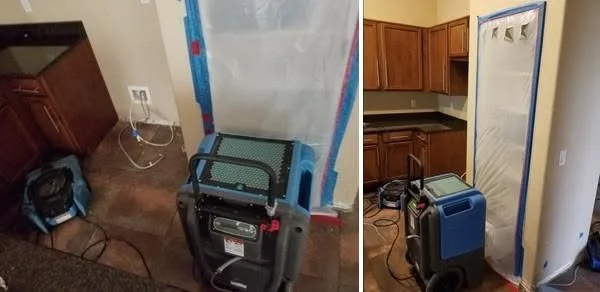
Securing electrical feeds, inspecting load-bearing assemblies, and containing pathogens.
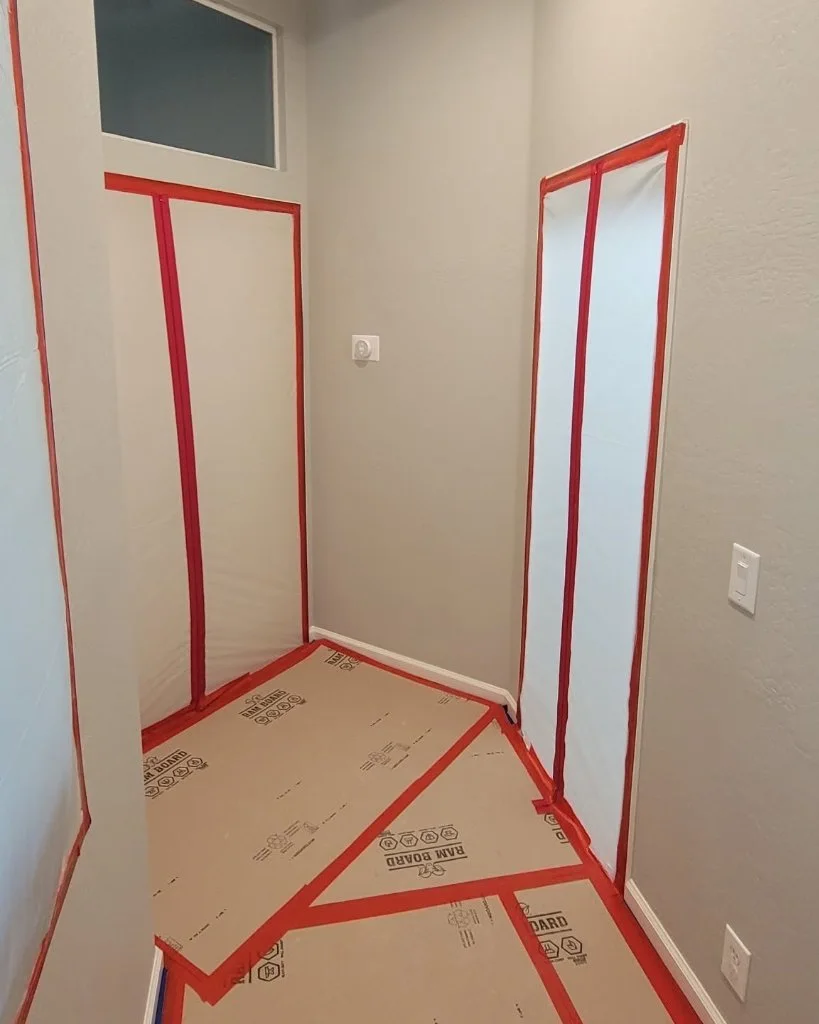
Stopping the intrusion source and erecting 6-mil plastic isolation containment airlocks.
31-HP truck-mount extraction, removing gallons exponentially faster than evaporation.
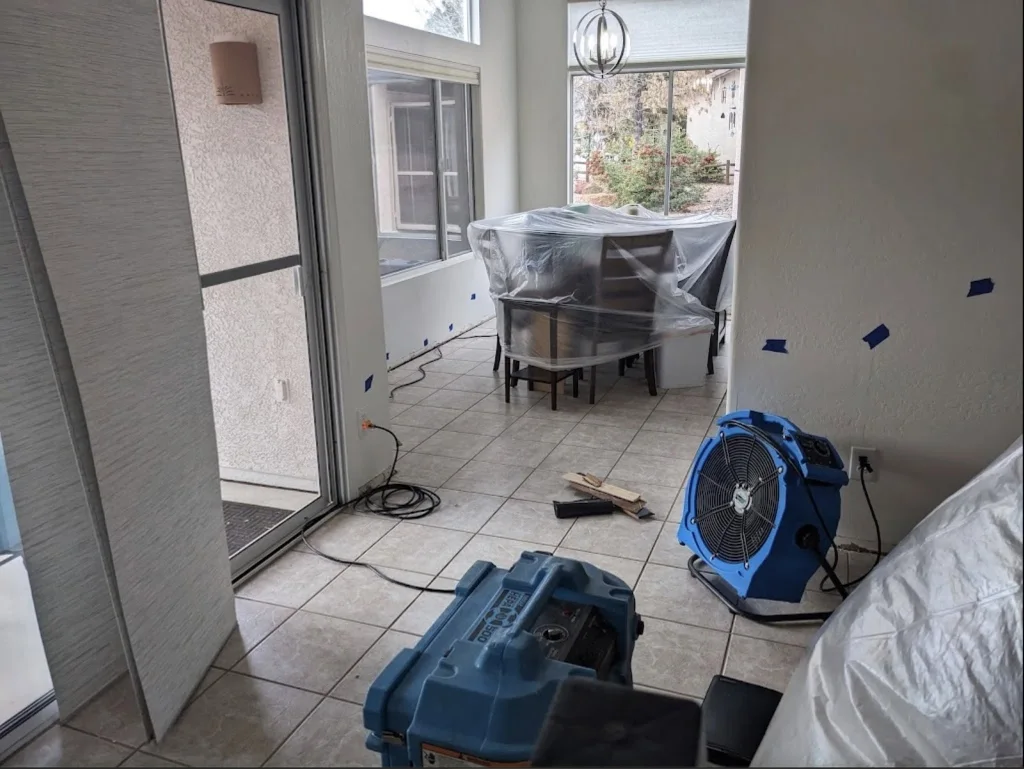
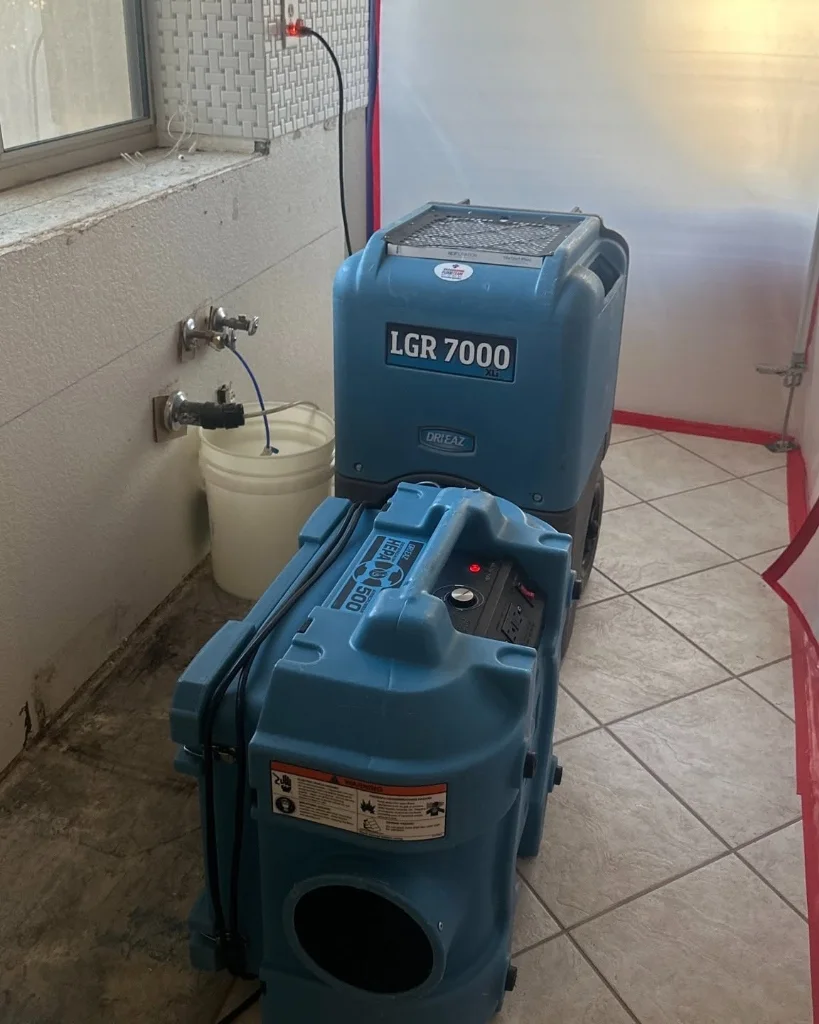
LGR dehumidifiers and HEPA air scrubbers driving grains per pound below 25 GPP.
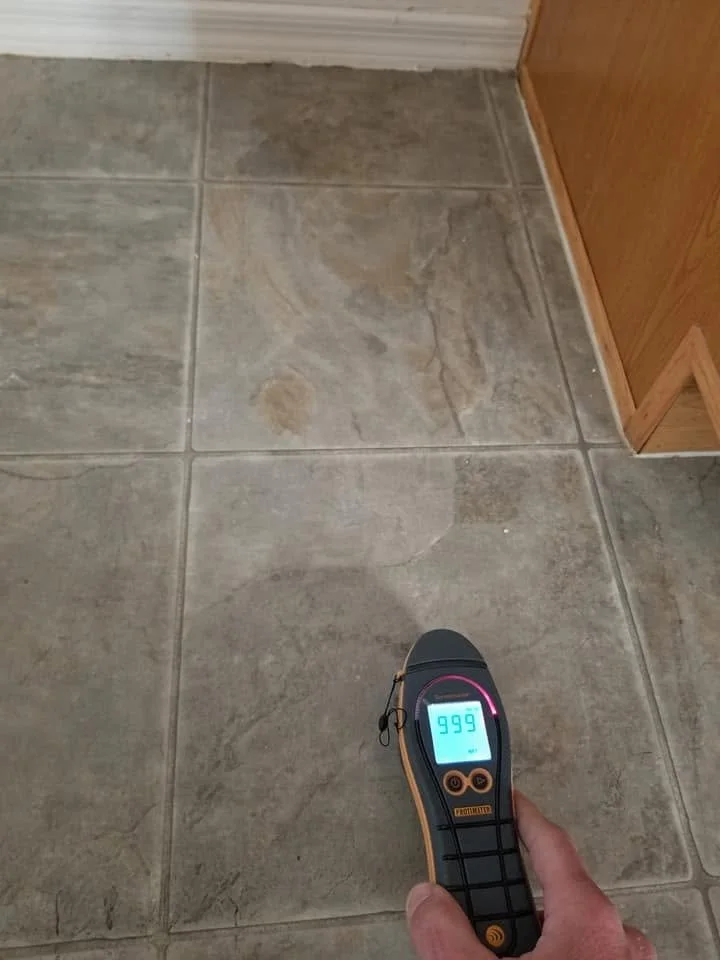
Calibrated electronic pinless testing confirming baseline dry standards.
The Complete 6-Stage Restoration Roadmap
Our IICRC-certified crews execute a disciplined, scientific 6-stage protocol to stabilize and dry structural components:
Emergency Dispatch & Perimeter Isolation
30 to 60 minute arrival. Securing electrical shutoffs, evaluating structural loads, and erecting containment airlocks.
FLIR® Thermal Mapping & Baseline Scans
Infrared thermal scans detect trapped moisture behind walls and beneath concrete without invasive exploratory demolition.
High-Volume Bulk Extraction
31-HP truck-mount extraction units pump standing water away at hundreds of gallons per minute.
Controlled Selective Demolition
Precision flood cuts 12 to 24 inches above moisture lines, removing wet insulation and opening wall framing to dry airflow.
Thermodynamic Dehumidification
Industrial Low-Grain Refrigerant dehumidifiers pull deep trapped moisture from dense framing lumber and concrete slabs.
Antimicrobial Sanitization & Verification
EPA-registered botanical application (Benefect Decon 30) and calibrated moisture testing to issue an official dry certificate.
Specialized Equipment & Industrial Restoration Technology
Mitigating severe property damage requires industrial-grade technology capable of altering thermodynamic psychrometrics:
Truck-Mounted Extraction Rigs
31-HP engines producing 16+ inches Hg vacuum suction to evacuate bulk water rapidly into holding tanks.
Low-Grain Refrigerant Dryers
Pre-cooling heat-pipe systems driving ambient grains per pound below 25 GPP to draw deep trapped water out of framing.
HEPA Negative-Air Scrubbers
Hospital-grade 99.97% particulate filtration capturing microscopic fungal spores, soot, and biohazard aerosols.
FLIR® Thermal Scanners & Probes
Infrared thermography detecting evaporative cooling boundaries behind walls, combined with digital RF pinless scanners.
Professional Restoration vs. DIY Mitigation
Attempting DIY cleanup during a property disaster creates severe hidden liabilities:
- Trapped Moisture: Surface drywall dries while moisture inside cavities triggers hidden mold blooms.
- Pathogenic Risks: Category 2 & 3 water contains bio-contaminants standard cleaners fail to kill.
- Insurance Denial: Insurers require daily psychrometric logs; lack of data causes claim disputes.
Transparent Upfront Itemized Pricing
Valley Restoration Pros operates with complete transparency:
- Free On-Site Assessment: Complete physical inspection before work begins.
- Upfront Itemized Estimates: Detailed line items calculated via industry-standard Xactimate.
- Zero Surprise Billing: No hidden charges or unauthorized repairs.
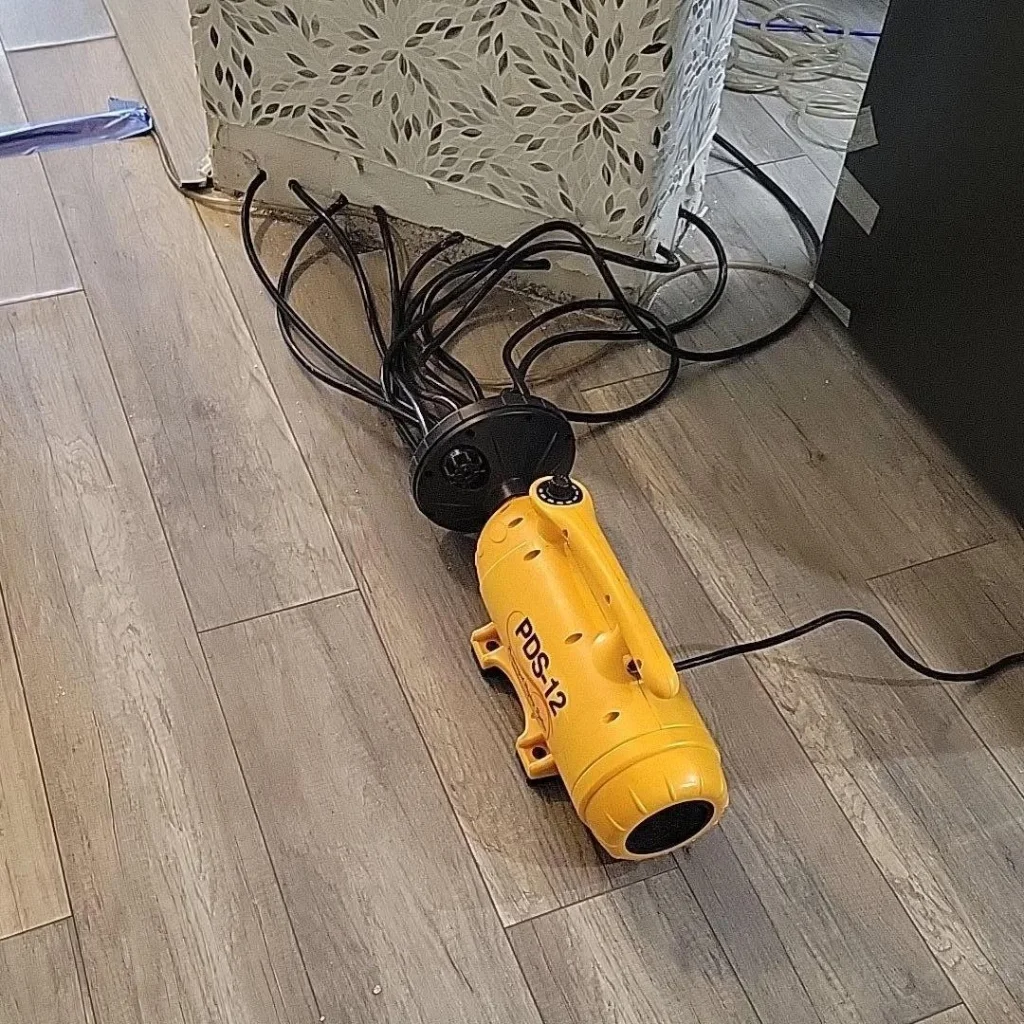
Certified Sun City West Senior Living Commercial Kitchen Steam Kettle Flood Cleanup Field Documentation
Every response performed by Valley Restoration Pros is documented through photographic and thermographic records:
Comprehensive Sun City West Senior Living Commercial Kitchen Steam Kettle Flood Cleanup Technical Manual & Operational Standards
Exhaustive engineering protocols, psychrometric calculations, geological multipliers, and step-by-step restoration standards for Maricopa County properties:
Executive Emergency Abstract: Senior Living Commercial Kitchen Steam Kettle Flood Mitigation
In senior living communities, continuous care retirement communities (CCRCs), skilled nursing campuses, and assisted living facilities throughout Sun City West, Arizona, the commercial culinary center is an indispensable life-safety hub. Unlike conventional commercial hospitality restaurants, country clubs, or corporate cafeterias, an eldercare food service department operates under non-negotiable medical, clinical, and dietary mandates. The senior residents who call these communities home depend entirely on precisely scheduled, nutritionally calibrated meals prepared under strict sanitary standards. These nutritional programs encompass pureed dysphagia diets, low-sodium cardiovascular menus, carbohydrate-controlled diabetic regimens, and renal failure restrictions. When an industrial steam-jacketed kettle ruptures, a high-pressure steam supply line splits, or a boiler condensate header fails, the resulting scalding flood instantly paralyzes essential food production, creating an immediate physical life-safety emergency and an acute institutional crisis.
Commercial steam jacketed kettles are high-capacity thermal processing vessels holding between 40 and 100 gallons of boiling stocks, broths, and purees. These heavy industrial appliances operate under continuous pressure supplied either by centralized building steam boilers or dedicated natural gas and electric steam generators. A catastrophic component failure, such as a ruptured jacket weld, a blown trunnion pivot seal, or a calcified pressure relief valve blowout, releases hundreds of gallons of superheated, mineralized water and saturated steam across the culinary floor within minutes. This boiling, high-velocity effluent rapidly overwhelms standard commercial grease traps and floor trench drains, penetrates beneath dense quarry tile flooring systems, and wicks laterally into adjoining partition walls that separate the commercial cookline from resident dining halls.
Beyond the acute hazard of severe thermal scald burns to kitchen staff, the sudden vaporization of boiling boiler water drives interior relative humidity to near saturation levels within the kitchen envelope. This dense humidity plume condenses on stainless steel preparation surfaces, penetrates open dry storage pantries, shorts out computerized combi-ovens and cookline electrical panels, and enters centralized HVAC return ducts. Left unmitigated, airborne moisture and heat migrate toward assisted living corridors, creating slip-and-fall hazards for seniors utilizing canes, walkers, and motorized wheelchairs, while setting off rapid microbial proliferation in adjacent building assemblies.
Valley Restoration Pros operates as the premier commercial emergency mitigation partner for healthcare, assisted living, and senior care properties in Sun City West and across the Northwest Phoenix Valley. Our IICRC Master Restorers provide guaranteed 30 to 60-minute emergency arrival across Maricopa County. We recognize that institutional eldercare losses cannot be managed with standard commercial water drying methods. Every phase of mitigation must align with strict state health department mandates, infection control standards, and environmental safety protocols designed to protect vulnerable senior populations while rapidly restoring hot meal preparation capabilities. When water intrusion occurs, immediate deployment of professional emergency water extraction is essential to halt horizontal moisture migration and protect facility integrity.
Facility operations directors, executive directors, and food service supervisors must act decisively within the initial sixty minutes of a pressurized kettle rupture. Immediate isolation of primary steam manifolds, containment of airborne moisture plumes, and deployment of food-safe desiccant drying technology are critical to prevent structural deterioration and institutional closure. Contact our 24/7 commercial emergency dispatch immediately at (602) 847-9593 to mobilize industrial extraction units, negative-air filtration chambers, and certified culinary restoration teams to your Sun City West campus.
Immediate Senior Care Emergency Culinary Mitigation Directives
- Execute Steam & Electrical Isolation: Instantly isolate the main steam boiler supply valve feeding the cookline and engage emergency electrical breaker lockouts for hood make-up air and galley circuits to prevent arc-flash hazards.
- Barricade Resident Dining Hall Corridors: Prevent senior residents, walkers, and wheelchair traffic from approaching slippery transitional thresholds where water migrates from quarry tile to commercial dining carpets.
- Protect Walk-In Food Inventories: Keep all walk-in cooler and freezer doors sealed tight to prevent airborne vapor condensation and moisture infiltration from spoiling perishables.
- Mobilize Specialized Healthcare Restorers: Contact Valley Restoration Pros at (602) 847-9593 for immediate dispatch of high-temperature extraction wands, hospital-grade containment barriers, and whisper-quiet structural drying trailers.
Anatomy of Steam Jacketed Kettle Ruptures: Quarry Tile Seepage & Resident Dining Hall Wicking
Commercial steam jacketed kettles, manufactured by industry leaders such as Cleveland Range, Groen, and Vulcan, are foundational production appliances in institutional eldercare kitchens. These specialized culinary vessels utilize an inner hemispherical cooking chamber constructed of 316 sanitary stainless steel, surrounded by an outer welded carbon steel or 304 stainless steel pressure jacket. Saturated steam introduced into the annular space between the vessels transfers latent heat of vaporization (approximately 970 BTUs per pound of steam) directly through the kettle wall. This thermodynamic process cooks large volumes of food uniformly without scorching or hot spots.
These appliances operate under internal jacket pressures ranging from 15 to 50 PSI, generating saturated steam temperatures between 250°F and 298°F. The kettles are supplied by centralized commercial boiler networks or dedicated gas/electric generators via high-temperature metallic flex hoses, rigid black iron or copper steam supply headers, condensate return loops, thermostatic steam traps, vacuum relief valves, and ASME Section VIII safety pressure relief valves. When components within this pressurized assembly fail, the release of boiling water and steam is sudden, violent, and voluminous.
Catastrophic water losses in senior living commercial kitchens originate from four primary mechanical failure points:
ASME Safety Relief Valve Failure
Heavy mineral encrustation calcifies the internal spring mechanism of the pressure relief valve. When internal jacket pressure spikes due to a stuck condensate trap, the frozen valve either fractures or blows open continuously, dumping hundreds of gallons of scalding boiler water directly onto the kitchen deck.
Trunnion Seal & Swivel Joint Blowout
Tilting kettles rely on rotating trunnion joints packed with graphite or PTFE steam seals to allow physical pouring. Years of cyclic mechanical oscillation and thermal expansion degrade these seals, leading to sudden blowout during active kettle rotation and releasing a high-velocity pressurized stream.
Condensate Water Hammer Rupture
When thermostatic steam traps malfunction, cooler condensate backs up into the jacket. Incoming high-pressure live steam collides with sub-cooled condensate, generating violent hydraulic shock waves (water hammer) exceeding 1,200 PSI that shear pipe threads and split copper or steel headers instantly.
Jacket Weld Fatigue & Corrosion Pinhole
Continuous thermal cycling between cold water filling and 250°F steam expansion creates severe metallurgical fatigue along the lower vessel circumferential weld seam. Combined with caustic chlorine sanitizer exposure from kitchen cleaning, stress corrosion cracking eventually creates an explosive seam breach.
When this boiling water surges onto the floor, complex structural hydrology begins immediately. Commercial institutional kitchens are floored with heavy-duty quarry tile set into thick cementitious mortar beds or epoxy thin-set systems over structural concrete slabs. While quarry tile bodies are relatively dense, commercial kitchen floors are subjected to daily grease deposits, acidic food spills, and high-pressure chemical washdowns that degrade grout lines. The sudden impact of 200°F+ boiler water induces thermal shock, causing microscopic cracks in brittle grout joints and uncoupling waterproof membranes.
Once water penetrates through compromised grout lines, it enters the porous dry-pack mortar bed below the tile. Because dense quarry tile acts as a high-resistance vapor barrier on the top surface, water trapped in the mortar bed cannot evaporate into the room. Trapped moisture spreads horizontally through the mortar matrix along the face of the post-tensioned concrete structural slab. Driven by hydraulic pressure and gravity, this water migrates toward floor perimeters and stainless steel wall coving.
Perimeter walls dividing the commercial kitchen from the resident dining hall represent the path of least resistance. Water wicks under stainless steel wall plates, saturating metal track framing and the paper facing of interior drywall partitions. Capillary action draws water upward through drywall gypsum cores up to 24 to 36 inches above the floor. Simultaneously, water bleeds past expansion joints into the resident dining hall.
In the resident dining room, floor assemblies typically transition from kitchen quarry tile to commercial broadloom glued-down carpeting, vinyl composition tile (VCT), or luxury vinyl tile (LVT). In carpeted dining halls, moisture spreads rapidly across secondary latex carpet backings and open-cell foam cushion pads. This water re-emulsifies water-based floor adhesives, releasing foul odors and causing carpet delamination and bubbling. In VCT or LVT installations, trapped sub-slab moisture creates intense vapor hydrostatic pressure, forcing moisture through seams and causing adhesive emulsification, tile tenting, and hazardous slippery transitions.
Resolving deep sub-surface moisture without invasive floor demolition demands advanced scientific drying protocols. Property managers should explore our technical methodology for structural drying, examine our procedures for burst pipe repair, and review our capabilities in slab leak water damage restoration to see how we stabilize commercial foundation slabs throughout Arizona.
Sun City West Environmental & Senior Healthcare Multipliers: Scale, Heat & Microbial Threats
Commercial restoration within the planned retirement communities of Sun City West and the surrounding Northwest Phoenix metropolitan area unfolds within an unforgiving geographic and clinical context. Extreme municipal groundwater mineral content, prolonged triple-digit summer heat, expansive native desert caliche soils, and the heightened clinical vulnerability of elderly residents intersect to multiply property risk. Restorers must understand these interconnected dynamics to execute effective mitigation.
18 GPG Extreme Water Hardness & Boiler Mineral Scaling
The municipal aquifers supplying Sun City West and Northwest Maricopa County produce groundwater characterized by extreme mineral hardness, testing consistently between 18 and 24 Grains Per Gallon (GPG) of total hardness, with Total Dissolved Solids (TDS) exceeding 650 parts per million (PPM). The primary mineral constituents are calcium bicarbonate and magnesium salts. In commercial steam boiler loops and self-contained kettle steam generators, water is continuously brought to boiling temperatures exceeding 250°F. Under these thermal conditions, soluble calcium bicarbonate rapidly decomposes into insoluble calcium carbonate (CaCO3), precipitating out of solution as an extremely hard, crystalline mineral scale.
This calcification encrusts internal electric immersion elements, gas boiler heat exchangers, water level sensing sight glasses, and thermostatic steam trap orifices. Most critically, mineral scale accumulates directly inside the valve seat and spring housing of ASME safety relief valves. When scale encrustation freezes the internal relief spring, the valve fails to lift when boiler pressure exceeds its rated 30 or 50 PSI limit. Trapped thermal expansion creates massive hydraulic and pneumatic overpressurization, resulting in violent kettle component ruptures, split solder joints, and high-volume deluge discharges.
115°F Desert Ambient Heat & Accelerated Culinary Pathogen Incubation
During the extended Sonoran Desert summer, outdoor ambient temperatures across the Greater Phoenix area routinely surpass 110°F to 115°F. Inside a commercial kitchen operating high-output convection ovens, combi-steamers, range burners, and commercial dish sanitizing machines, ambient temperatures within cookline hoods and scullery zones frequently reach 105°F to 125°F. When high-volume water from a steam kettle floods the quarry tile deck, the physical environment transforms into an ideal incubator for hazardous microorganisms.
Under standard indoor temperatures (68°F–72°F), bacterial doubling cycles occur over hours, and fungal colonization requires 48 to 72 hours. In an Arizona commercial kitchen at 105°F saturated with warm organic moisture, animal fats, and food residues, bacterial replication accelerates exponentially, with doubling cycles occurring in as little as 20 minutes. Food-borne pathogens such as Listeria monocytogenes, Salmonella enterica, Bacillus cereus, and Escherichia coli multiply rapidly in grout micro-fissures and under equipment bases. Simultaneously, opportunistic environmental fungi, including Aspergillus niger, Penicillium, and Cladosporium, colonize damp drywall paper facing within 24 hours, discharging dangerous mycotoxins and airborne allergens directly into facility ventilation air streams.
Immuno-Compromised Senior Resident Vulnerabilities & Clinical Airway Safety
Sun City West is home to thousands of retired seniors residing in assisted living wings, memory care communities, and skilled nursing centers. The elderly population exhibits significantly higher rates of chronic pulmonary and systemic medical conditions, including Chronic Obstructive Pulmonary Disease (COPD), congestive heart failure, emphysema, late-onset asthma, and age-related immune senescence. Senior respiratory systems are exceptionally sensitive to airborne particulate matter, mold spores, microbial volatile organic compounds (MVOCs), and cleaning chemical fumes.
Standard restoration methods that employ high-velocity non-HEPA air movers blow settled kitchen grease particles, dust, and bio-contaminants directly into resident dining rooms and adjoining living suites. In an assisted living facility, this exposure can trigger acute respiratory distress, severe asthmatic exacerbations, emergency room hospitalizations, and state regulatory citations. Valley Restoration Pros enforces hospital-grade Infection Control Risk Assessment (ICRA Class IV) procedures as detailed in our specialized standard for assisted living facility water damage restoration, ensuring zero cross-contamination into residential care wings.
Furthermore, institutional facilities must comply with rigorous regulatory standards enforced by the Arizona Department of Health Services (ADHS) under A.A.C. Title 9, Chapter 10, as well as the Maricopa County Environmental Services Department (MCESD) Food Safety Regulations. Any persistent moisture accumulation or fungal amplification that compromises dietary sanitation can result in immediate operating permit suspensions and mandatory resident relocation orders. Professional mold remediation and continuous psychrometric monitoring are non-negotiable prerequisites for maintaining facility licensing and resident safety.
Immediate Emergency First-Hour Safety & Commercial Kitchen LOTO Protocol
The initial sixty minutes following a commercial steam kettle rupture or high-pressure boiler pipe breach dictate whether the incident remains a localized mechanical failure or escalates into an uncontrolled institutional disaster. In a busy senior living food service operation, immediate stabilization requires coordinated execution across culinary, mechanical, and safety domains. Facility staff must establish rigid engineering controls prior to the arrival of our commercial restoration strike teams.
Phase 1: Lockout / Tagout (LOTO) & Energy Isolation Checklist
Superheated steam and high-voltage commercial kitchen infrastructure present life-threatening hazards when submerged or flooded. Culinary personnel must immediately execute the following lockouts:
- Main Steam Header Isolation: Close the quarter-turn brass ball valve or rising-stem gate valve on the primary steam line feeding the kettle bank. Never attempt to shut down valves located directly within active steam vapor plumes without thermal protective gear.
- Boiler Feedwater & Gas Shutoff: De-energize the commercial boiler feedwater pump and close the natural gas or propane supply valve feeding the steam generator to prevent dry-firing and vessel meltdown.
- Cookline Electrical Breaker Lockout: Disengage and lock out main circuit breakers for 480V 3-phase cookline sub-panels, including exhaust hood make-up air fans, fryers, steamers, and sub-floor grease interceptor pumps. Electrocution risks surge when standing water contacts commercial floor-mounted conduit.
- Ansul Fire Suppression Safeguard: Ensure kitchen fire suppression manual pull stations and automatic fusible links are protected from accidental mechanical impact during emergency evacuation and equipment moving.
- Mechanical Hood Interlock Management: Deactivate kitchen exhaust fans and make-up air (MUA) blowers if smoke or steam has entered HVAC plenums, preventing negative air pressure from pulling moisture vapors into residential corridors.
Scald Hazard Perimeter Control
Kettle floodwater can remain at scalding temperatures (140°F–180°F) for over thirty minutes on quarry tile floors. All culinary staff must immediately evacuate the flooded cooking zone. Barricade kitchen entry doorways with high-visibility hazard ribbons and lockable barriers to prevent culinary or custodial staff from traversing standing hot water.
Dining Hall Slip-Fall Defense
Place heavy rubber-backed absorbent berms across threshold transitions where tile meets dining room carpet or vinyl. Senior residents navigating with rollators, canes, or wheelchairs must be directed away from the dining room immediately to eliminate life-threatening slip-and-fall liabilities.
Food Integrity Quarantine
All open dry goods, prep table produce, and unsealed food items exposed to aerosolized boiler water or steam plumes must be quarantined immediately under MCESD food safety standards. Keep walk-in refrigerator doors firmly sealed to prevent humidity transfer and condensation spoilage.
Sub-Floor Grease Interceptor & Floor Sink Hydraulic Containment
Commercial culinary galleys utilize point-of-use grease traps and centralized subterranean grease interceptors plumbed beneath floor sinks. When an 80-gallon steam kettle ruptures, the sudden surge of high-velocity water overtaxes drain line carrying capacity. Water rapidly backs up through commercial floor sinks, dish machine drains, and indirect waste funnels.
This backup carries foul trap sediments, rancid fats, oils, and grease (FOG), and Category 2 greywater across the kitchen floor. Staff must immediately plug low-lying floor drains with inflatable mechanical pipe test plugs to prevent reverse hydraulic siphonage from contaminating prep areas. If grease interceptor solids overflow onto quarry tile surfaces, the loss immediately escalates to a biological contamination event requiring specialized decontamination procedures.
When blackwater backups or contaminated grease traps accompany boiler flooding, review our protocols for commercial kitchen blackwater damage restoration and broad-scale commercial water damage restoration to maintain full compliance with institutional sanitation mandates.
Advanced Industrial Restoration Equipment Fleet & Culinary Containment Systems
Standard commercial water mitigation gear is completely inadequate for large-scale eldercare culinary deluges. Extracting hundreds of gallons of scalding boiler water, arresting moisture wicking beneath thick quarry tile, and desiccating structural concrete slabs while senior residents dine nearby requires heavy-duty industrial equipment engineered specifically for healthcare and institutional environments. Valley Restoration Pros deploys a specialized fleet designed to deliver clinical-grade drying efficiency without compromising resident life-safety.
High-Temperature Extraction Fleet
Our truck-mounted extraction platforms utilize liquid-cooled industrial vacuum blowers capable of drawing 650 CFM at 16 inches of mercury (Hg). These systems are equipped with high-temperature effluent heat exchangers and thermal-dump hoses capable of evacuating boiling 180°F boiler water safely without vapor locking or seal deterioration.
Key Specs: 31-HP Kohler engines, dual 2.5-inch vacuum headers, stainless weighted tile extraction wands, 120 GPM continuous pump-out capacity.
Hospital-Grade Botanical Biocides
Chemical biocides containing harsh chlorine, phenol, or quaternary ammonium compounds are strictly prohibited in culinary environments due to food contact surface contamination and toxic VOC off-gassing into senior airways. We apply EPA-registered botanical antimicrobials (Benefect Decon 30) powered by pure thymol extracts.
Key Specs: EPA Category IV toxicity rating, no rinse required on food contact surfaces, kills 99.99% of bacteria in 30 seconds.
Industrial Desiccant Drying Trailers
Quarry tile mortar beds and underlying post-tensioned concrete slabs exhibit high vapor resistance. Standard refrigerant dehumidifiers stall at 40% RH. We deploy mobile trailer-mounted desiccant dehumidifiers (2,500 to 5,000 CFM) utilizing silica gel desiccant wheels that generate hyper-dry air streams below 15 Grains Per Pound (GPP).
Key Specs: Reactivation heater firing, continuous dew point depression down to -10°F, high static pressure delivery through layflat ducting.
HEPA Negative-Air Scrubbers
To protect eldercare residents from airborne particulate, our technicians construct ICRA Class IV containment chambers supported by true HEPA air scrubbers (Phoenix HEPA 500). Operating under continuous negative pressure, these units filter out 99.97% of airborne spores, smoke aerosols, and grease particulate down to 0.3 microns.
Key Specs: 500 CFM variable speed, 3-stage filtration (pre-filter, carbon secondary, medical-grade HEPA), calibrated digital manometer logging.
Low-Grain Refrigerant (LGR) Dryers
Inside dining rooms and auxiliary dry storage rooms, our teams position Dri-Eaz LGR 7000XLi and Phoenix DryMAX XL units. These units remove up to 235 pints of water daily under AHAM testing conditions, utilizing internal heat-pipe pre-cooling systems to maintain effective condensation down to 28 GPP ambient mixing ratios.
Key Specs: Digital onboard psychrometric diagnostics, automated condensate purge pumps, low amp-draw operational efficiency.
Injectidry Cavity Drying Systems
Where water has wicked behind stainless steel wall paneling, tile splash zones, or hollow metal stud framing, our restorers utilize Injectidry high-pressure drying arrays. Hermetically sealed manifolds force warm, hyper-dry air through small inspection ports directly into closed wall cavities, eliminating the need for destructive demolition.
Key Specs: Positive/negative pressure operation, active HEPA exhaust filtration, preservation of commercial stainless kitchen finishes.
Precision Scientific Moisture Diagnostics & Thermography
Accurate moisture detection requires scientific instruments calibrated for dense building assemblies. Our field technicians utilize high-resolution FLIR T540 professional infrared thermal cameras featuring thermal sensitivity of <30 mK, allowing visualization of subtle evaporative cooling boundaries across ceramic tile, sub-slabs, and interior wall framing.
Thermal imaging is paired with dual-depth non-destructive RF impedance meters (Tramex CME5 and Moisture Encounter ME5) to evaluate quantitative saturation depth beneath quarry tile and concrete slabs. In wood framing and drywall partitions, Delmhorst ProScan pinless meters and Navigator hammer-probe pin electrodes provide quantitative Wood Moisture Equivalent (WME) measurements, ensuring complete scientific data collection without exploratory demolition.
Trailer-Mounted Desiccant Psychrometrics & Exterior Power Architecture
In institutional healthcare and assisted living environments, indoor electrical distribution panels cannot bear the massive auxiliary electrical load of commercial drying fleets. Commercial kitchen sub-panels are already heavily committed to walk-in refrigeration compressors, holding cabinets, and emergency lighting circuits. Overloading building panels risks catastrophic breaker trips that shut down resident oxygen concentrators or walk-in cooler refrigeration.
Valley Restoration Pros resolves this critical infrastructure constraint by deploying self-contained mobile desiccant drying trailers equipped with onboard diesel whisper-generators. Parked externally in service loading bays, these industrial power plants generate their own 480V 3-phase electricity. The desiccant trailers deliver up to 5,000 CFM of hyper-dry air through 20-inch reinforced layflat ducting run through service doorways sealed with customized airtight foam transition headers.
Operating at moisture removal rates exceeding 2,100 pints per 24 hours at AHAM conditions, these desiccant units maintain an ultra-low vapor pressure environment inside the kitchen enclosure. By driving process air dew points below -10°F and grains per pound under 15 GPP, the desiccant draws deep moisture through dense quarry tile bodies, thick dry-pack mortar beds, and post-tensioned structural slabs that standard refrigerant dryers cannot reach.
For additional insights on industrial drying arrays used in specialized food processing environments, explore our technical breakdown of commercial bakery steam boiler leak cleanup and our protocols for high-capacity sewage cleanup in sensitive commercial structures.
IICRC S500 Step-by-Step Restoration Protocol for Senior Care Commercial Kitchens
Valley Restoration Pros adheres strictly to the ANSI/IICRC S500 Standard for Professional Water Damage Restoration and the IICRC S520 Standard for Microbial Remediation. In an institutional eldercare culinary facility, these standards are augmented with healthcare-grade Infection Control Risk Assessment (ICRA Class IV) procedures to preserve operational safety and health department compliance.
Phase 1: Rapid Mobilization & ICRA Class IV Containment Airlocks
Hour 0 – 2Upon arrival within 30 to 60 minutes, our lead technicians conduct an immediate structural triage. We establish flame-retardant 6-mil polyethylene barrier walls separating the kitchen and scullery from resident dining halls, common corridors, and administrative suites. Zip-wall entry systems with dual-chamber anterooms and sticky walk-off pads ensure zero transfer of contaminants. Phoenix HEPA 500 air scrubbers are ducted to create continuous negative pressure (-0.02 inches of water column) verified with digital magnehelic gauges, ensuring all air flows inward away from senior living quarters.
Phase 2: High-Volume Thermal Extraction & Effluent Removal
Hour 2 – 6Truck-mounted extraction systems begin immediate removal of standing scalding water, organic fats, and food residues. Technicians utilize stainless steel floor squeegees, submersible diaphragm pumps, and weighted extraction tools to pull water from low points, trench drains, and beneath heavy commercial equipment ranges. In the adjacent dining room, commercial carpets are extracted using multi-directional sub-surface extraction tools (Hydro-X X-Tractor) that pull water directly from carpet pads through latex backing under constant vacuum compression.
Phase 3: Thermographic Mapping & Non-Invasive Moisture Profiling
Hour 6 – 10Using high-resolution FLIR T-Series thermal imaging cameras, technicians map thermal anomalies across the entire kitchen perimeter, pantry areas, and dining room partitions. Cold evaporation signatures reveal exact water migration boundaries behind stainless steel kickplates and within wall cavities. Non-destructive RF impedance meters (Tramex CME5) evaluate moisture saturation within the concrete slab and quarry tile bedding, while penetrating hammer probes establish quantitative baseline moisture content (MC%) in wood wall plates and structural framing members.
Phase 4: Controlled Selective Demolition & Wall Cavity Access
Hour 10 – 18To prevent structural mold growth without damaging costly commercial equipment, restorers execute surgical interventions. Rubber cove base is detached and bagged. Where drywall partitions behind prep counters or dining room wainscoting exceed 20% moisture content, precision flood cuts are executed 12 to 24 inches above the water line using HEPA-shrouded oscillating saws. Wet fiberglass batt insulation is removed. Saturated carpet cushion (pad) in the dining room is removed to expose the damp concrete slab for high-efficiency evaporative drying.
Phase 5: Thermodynamic Desiccant Dehumidification & Psychrometrics
Hour 18 – 72High-capacity desiccant dehumidifiers and LGR units are brought online, directing dry process air across the quarry tile and through open wall cavities. Technicians calculate the exact Vapor Pressure Differential (VPD) between bound water in structural materials and ambient air, maintaining a steep gradient that forces deep moisture to the surface. Twice-daily psychrometric monitoring records dry bulb temperature, relative humidity, dew point, and GPP across all drying zones to ensure rapid, steady moisture evacuation to pre-loss dry standards.
Phase 6: Botanical Sanitization, ATP Bioluminescence Testing & Clearance
Hour 72 – 84Once structural dry standards are achieved, technicians thoroughly decontaminate all exposed surfaces, wall studs, floor assemblies, and stainless steel equipment legs using Benefect Decon 30 botanical disinfectant. Surfaces are swabbed using calibrated Adenosine Triphosphate (ATP) bioluminescence luminometers. Only surfaces registering below 10 Relative Light Units (RLU) receive culinary sanitation clearance, satisfying Maricopa County health department requirements and enabling immediate meal production restart.
Scientific Dry Standards & Quantitative Verification Parameters
Drying verification is never subjective. Valley Restoration Pros certifies structural stabilization exclusively through empirical instrument readings benchmarked against unaffected building controls:
- Concrete Structural Slab: < 75% in-situ equilibrium relative humidity measured under ASTM F2170 probe standards, with moisture vapor emission rate (MVER) < 3.0 lbs/1,000 sq ft/24 hours.
- Wood Framing & Structural Studs: Moisture content < 10.0% MC verified via calibrated Delmhorst pin probes with insulated needles.
- Drywall & Wall Partitions: Moisture content < 12.0% WME (Wood Moisture Equivalent) in compliance with IICRC S500 benchmarks.
- Culinary Surface Sanitization: ATP bioluminescence reading < 10 RLU on food-contact surfaces and < 30 RLU on non-food contact equipment bases.
Thermodynamic Vapor Pressure Gradients & Enthalpy Calculations
Drying dense building assemblies such as concrete slabs beneath quarry tile is fundamentally governed by Dalton's Law of Partial Pressures. Water evaporates only when the vapor pressure of the moisture trapped within the wet structural material exceeds the vapor pressure of the surrounding ambient air.
Our Master Restorers calculate the exact Vapor Pressure Differential (VPD) using precision psychrometric thermo-hygrometers. By heating the surface of the quarry tile using indirect radiant heat and flooding the chamber with desiccant air at 12 GPP (vapor pressure of air below 0.08 inches of mercury) while saturated concrete sub-slabs at 75°F exhibit a vapor pressure of 0.875 inches of mercury, we establish a steep thermodynamic differential of over 0.79 inches of mercury. This massive pressure differential forces deep trapped moisture out of dense masonry matrices at triple standard evaporation velocities, preventing long-term tile uncoupling and avoiding floor replacement.
When dining room moisture reaches wood planking or parquet installations, review our procedures for hardwood floor water damage drying. If water heater equipment failures compound culinary boiler deluges, consult our technical standard for water heater burst cleanup.
Hyper-Local Case Study: 180-Resident Senior Living Facility Kitchen Flood in Sun City West, AZ
Incident Background & Emergency Escalation
At 4:15 AM on a July morning, culinary staff at a premier 180-resident continuing care retirement community located near R.H. Johnson Boulevard and West Meeker Boulevard in Sun City West arrived to begin breakfast service. Upon powering the cookline, an 80-gallon Cleveland commercial steam jacketed kettle suffered a catastrophic trunnion pivot seal failure. Pressurized boiler steam and scalding water flooded the galley floor at an estimated 40 gallons per minute before staff could identify the remote boiler room shutoff valve. Over 450 gallons of 210°F water flooded the 1,400-square-foot kitchen, overwhelmed two grease trap trench drains, breached threshold saddles, and poured into the adjoining 2,800-square-foot resident dining room.
Facility management faced an imminent institutional crisis. 180 elderly residents, including 42 memory care patients requiring specialized diabetic and mechanically altered diets, were scheduled for 7:30 AM breakfast. Ambient outdoor temperatures were forecast to reach 114°F by noon, creating severe biological amplification risks within the flooded commercial kitchen.
Rapid Deployment & Engineering Controls
Valley Restoration Pros received the emergency dispatch call at 4:32 AM. Our commercial rapid-response rig arrived on-site in Sun City West in exactly 32 minutes. Technicians established ICRA Class IV negative-air containment barriers across the kitchen and dining room entrances within 40 minutes of arrival, completely isolating the moisture plume from resident living corridors. Two truck-mounted extraction units were connected, deploying high-temperature suction lines across the quarry tile and extracting 400+ gallons of boiling effluent within 90 minutes.
Concurrently, our lead restoration coordinator assisted culinary leadership in establishing a sanitized satellite continental breakfast staging hub in an unaffected multi-purpose room. Breakfast service proceeded without missing a single resident meal schedule, completely eliminating the need for costly resident relocation.
Psychrometric Drying Trajectory & Complete Structural Clearance
Initial moisture profiling revealed catastrophic saturation. Concrete sub-slabs beneath kitchen quarry tile tested at 98% in-situ relative humidity (RH). Dining hall commercial carpet cushion was 100% saturated across 1,200 square feet, and 45 linear feet of partition drywall registered 99.9 WME on Delmhorst pin meters. Ambient humidity inside the kitchen stood at 84°F and 88% RH (156 GPP).
Our team deployed a 3,000 CFM trailer-mounted desiccant dehumidifier parked in the service dock, ducting hyper-dry process air (<15 GPP) directly through high-pressure layflat lines into the sealed culinary enclosure. Six Dri-Eaz LGR 7000XLi dehumidifiers and 16 HEPA air scrubbers maintained negative air pressure and rapid evaporation across the dining hall. At Hour 24, ambient moisture dropped to 52 GPP. At Hour 48, carpet and drywall moisture dropped below 12% MC. By Hour 72, quarry tile mortar beds and underlying concrete slabs achieved verified dry standards (<75% in-situ RH).
Following botanical decontamination with Benefect Decon 30 and ATP bioluminescence surface swab testing showing an exceptional reading of 4 RLU (well below the clinical 10 RLU limit), the facility received complete Maricopa County health department clearance. The culinary team resumed full hot meal preparation at Hour 80, having suffered zero structural mold colonization, zero resident safety incidents, and minimal business disruption.
To review our service capabilities across neighboring communities, browse our Greater Phoenix service areas, including our dedicated teams providing Phoenix water damage services.
Pay-Per-Call Financial Transparency & Commercial Insurance Documentation Standards
Valley Restoration Pros operates under strict Pay-Per-Call regulatory compliance and ethical billing practices. In institutional eldercare restoration, financial ambiguity can paralyze critical decisions and create severe post-incident disputes between property owners, facility operators, and commercial insurance underwriters. We eliminate uncertainty by adhering to absolute fiscal transparency before, during, and after every commercial engagement.
Our Foundational Financial Commitments
- 100% Free On-Site Damage Assessment: Our Master Restorers arrive on-site, perform initial FLIR thermal scanning and moisture profiling, and review restoration scopes at zero cost or obligation to facility management.
- Transparent Upfront Itemized Pricing: Detailed line-item estimates are delivered and approved before any invasive demolition, equipment deployment, or structural alteration begins.
- Zero Misleading Direct-Billing Promises: We never falsely guarantee that insurance carriers will pay 100% of all claims without client responsibility. Every commercial insurance policy contains distinct deductibles, equipment limitations, and coverage exclusions that require professional review.
- Standardized Industry Pricing: All line items are generated using Xactimate, the benchmark estimating platform utilized by major commercial insurance carriers nationwide.
Exhaustive Commercial Claims Documentation Package
To ensure smooth claims resolution and maximize reimbursement under commercial property and business interruption (BI) policies, Valley Restoration Pros provides commercial adjusters with an indisputable evidentiary package:
Daily Psychrometric Moisture Logs
Digital records tracking dry bulb temperature, relative humidity, dew point, and GPP across all drying chambers, verifying scientific drying progression to dry standards.
Time-Stamped Thermal Scans
High-resolution FLIR thermographic images documenting pre-loss saturation boundaries, drying progression, and post-restoration moisture elimination.
Business Interruption Support
Comprehensive records of temporary kitchen setup, meal relocation labor, and equipment rental expenses required to justify extra expense claims under commercial coverage.
ATP Sanitization Certificates
Official bioluminescence test logs certifying that food contact surfaces comply with health department thresholds below 10 RLU before food production restarts.
Commercial Eldercare Insurance Coverage Structuring & Policy Alignment
Navigating commercial property insurance for senior living facilities requires an intimate understanding of commercial policy structures. Eldercare claims typically involve multiple overlapping coverage sections:
- Building Real Property Coverage: Covers structural drying, selective drywall flood cuts, insulation extraction, and restoration of physical walls and sub-flooring.
- Business Personal Property (BPP): Reimburses damage to commercial steam kettles, cookline appliances, stainless prep tables, refrigeration units, and dining room furnishings.
- Extra Expense Coverage: Vital for senior care facilities, reimbursing emergency costs incurred to maintain continuous meal service (e.g., temporary commercial mobile kitchens, off-site food catering, refrigerated trailer rentals, and staff overtime).
- Equipment Breakdown Coverage: Many commercial property policies exclude boiler pressure vessels unless an Equipment Breakdown / Boiler & Machinery endorsement is present. We assist adjusters with forensic mechanical documentation proving mechanical failure causes.
Valley Restoration Pros acts as a transparent, data-driven partner throughout this process. We provide independent commercial adjusters with complete psychrometric files, moisture mapping, and Xactimate estimates that eliminate ambiguity, accelerate claim approvals, and ensure fair settlement.
Facility CFOs and risk managers can utilize our interactive restoration cost estimator to model commercial loss parameters. For luxury commercial facilities and specialized resorts, explore our Scottsdale water damage response capabilities.
Frequently Asked Technical Questions: Senior Living Commercial Kitchen Flood Restoration
Under professional desiccant drying and hospital-grade containment protocols, culinary facilities typically resume partial or full production within 48 to 72 hours. The exact timeline depends on whether water was restricted to the quarry tile surface or wicked into underlying mortar beds and perimeter drywall cavities. Prior to reopening, structural dry standards must be confirmed with calibrated moisture meters, and all food-contact stainless steel surfaces must achieve verified clearance via ATP bioluminescence swab testing showing fewer than 10 Relative Light Units (RLU). This rigorous process satisfies Maricopa County health department regulations and ensures complete resident safety.
Standard centrifugal carpet blowers generate turbulent airflow exceeding 3,000 feet per minute. In an eldercare environment, high-velocity air movement without negative-pressure HEPA filtration aerosolizes grease residues, dust mite allergens, bacteria, and fungal spores, distributing them directly into resident breathing zones and HVAC air handlers. Senior residents, many suffering from Chronic Obstructive Pulmonary Disease (COPD) or compromised respiratory systems, face acute risk of respiratory infection or pulmonary crisis. Valley Restoration Pros mandates that negative-air containment chambers operating at -0.02 inches of water column with 99.97% HEPA filtration must be operational before any evaporation air movement begins.
Under Maricopa County Environmental Services Department (MCESD) Food Code Chapter 8, any food facility experiencing an imminent health hazard, including uncontrolled flooding or boiler effluent contamination, must immediately cease culinary prep in affected zones. Mandatory procedures include discarding all unsealed food items, produce, and single-service paper packaging exposed to floodwater or steam condensation plumes; establishing physical containment barriers around affected equipment; decontaminating all food-contact surfaces using EPA-registered culinary-safe biocides; and passing a comprehensive environmental health re-inspection prior to resuming hot food service.
Demolishing quarry tile in an operational commercial kitchen paralyzes food service for weeks. Valley Restoration Pros uses advanced thermodynamic vapor pressure manipulation to extract trapped sub-slab moisture non-destructively. By surrounding the tiled floor in a sealed containment enclosure and introducing high-volume, hyper-dry process air from an industrial desiccant dehumidifier (dew point below -10°F, grains per pound under 15 GPP), we create an extreme vapor pressure differential. Moisture bound within the mortar bed is drawn upward through porous grout joints and evaporated into the dry airstream, desiccating the slab to pre-loss dry standards without removing a single tile.
Sun City West groundwater is among the hardest in Arizona, testing at 18 to 24 Grains Per Gallon (GPG) of mineral hardness. In high-temperature steam kettle operations, calcium carbonate precipitates rapidly from boiler feedwater, forming hard calcified deposits inside boiler tubes, steam traps, and ASME safety relief valves. When scale encrusts the internal springs of safety valves, the valves freeze shut. Subsequent thermal expansion or water hammer shock waves cannot vent properly, resulting in catastrophic gasket failure, trunnion seal blowout, or header rupture.
Yes, provided that clinical engineering controls are strictly implemented. Valley Restoration Pros utilizes outdoor trailer-mounted desiccant equipment that delivers dry air through insulated layflat ducting, keeping heavy combustion engines and loud compressors outside the building envelope. Indoor air scrubbers and LGR dehumidifiers are fitted with acoustic sound baffling and operated on dedicated circuits. Furthermore, ICRA Class IV negative-air containment barriers ensure that zero airborne particulate or odor migrates into residential wings, allowing residents to remain comfortably and safely in their suites throughout the drying process.
Commercial property and casualty insurance policies typically cover direct physical loss to the building structure, kitchen equipment, and floor assemblies resulting from sudden boiler or steam equipment rupture. Additionally, comprehensive policies include Business Interruption (BI) and Extra Expense coverage. Extra Expense coverage reimburses the facility for costs incurred to maintain ongoing resident meal operations, including satellite temporary kitchen rentals, refrigerated trailer storage, third-party prepared meal catering, and overtime culinary labor. Valley Restoration Pros provides detailed Xactimate itemized logs and psychrometric reports required to substantiate these claims to commercial adjusters.
Verified Local Area Dispatch: Sun City West, AZ
Official Geo-Coordinates: 33.6756° N, -112.3744° W • Maricopa County
Related Specialized Emergency Restoration Services
Explore specialized rapid-response mitigation protocols across Greater Phoenix and Maricopa County:
Valley-Wide Emergency Response Service Coverage
Our mobile restoration fleet is dispatched across the entire Phoenix metropolitan region, providing rapid 30 to 60 minute emergency response: