

Valley Restoration Pros delivers 24/7 industrial emergency water extraction, thermal psychrometric drying, and structural mitigation across Phoenix and Maricopa County with guaranteed 30–60 minute rapid arrival. All protocols strictly adhere to IICRC S500 standards, featuring upfront itemized pricing and free on-site thermal moisture assessments. Call dispatch directly at (602) 847-9593.
Urgent Advisory for Arlington, AZ Property Owners
Whether facing an under-slab copper line burst, an attic AC condensate pan failure, a kitchen fire, or a Category 3 sewer backup, delaying mitigation guarantees progressive structural degradation. Our Arlington, AZ rapid response fleet maintains active standby with a guaranteed arrival window of 40 - 55 Min Arrival Across Arlington.
60-Second Arlington Emergency Property Action Protocol
- Shut off the primary water supply valve located at the exterior well pump manifold or front entry pipe.
- De-energize electrical breakers supplying power to flooded areas from a dry, safe electrical panel before stepping into water.
- Elevate valuable furniture, textiles, and electronics onto wood blocks or aluminum foil to limit capillary wicking.
- Take clear timestamped photos and video of all standing water, ruptured plumbing fixtures, and damaged structural materials.
- Maintain interior air conditioning at 72°F to 74°F to assist dehumidification and curb rapid microbial propagation.
- Call Valley Restoration Pro at (602) 847-9593 for 40 - 55 minute emergency dispatch across Arlington.
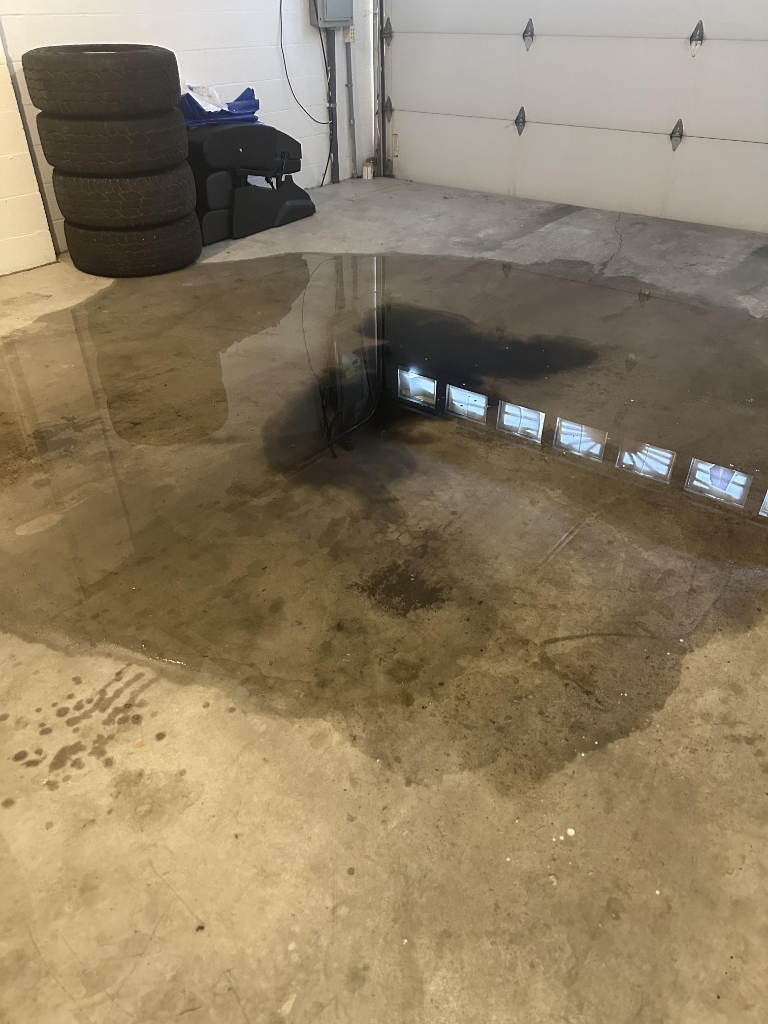
Geographic Profile & Restoration Realities in Arlington, AZ
Professional property restoration across Arlington, AZ requires specialized knowledge of the Sonoran Desert basin, municipal utility frameworks, and regional building practices. Situated within Maricopa County, Arlington, AZ features unique environmental stresses governing how residential and commercial structures absorb, hold, and release moisture following sudden plumbing disasters or extreme monsoon storms.
During summer, urban heat islands drive daytime temperatures between 108°F and 118°F, with unconditioned attics regularly exceeding 140°F to 160°F. When high-pressure water lines rupture or AC condensation lines overflow overhead, rapid evaporation creates steam-like vapor pressures forcing moisture deep into framing studs, drywall assemblies, and ceiling joists that require immediate scientific structural drying.
Seasonal monsoons between July and September present distinct operational challenges across Arlington, AZ. High convective winds deposit desert silt across roof scuppers. When torrential downpours hit, choked drainage backs up rainwater under roofing tiles. Rapid temperature drops also trigger thermal shock in exterior stucco joints, opening pathways for roof leak water damage and wall cavity saturation.
Maricopa County Geological Realities: Caliche, Hard Water & Extreme Heat
Dense Caliche Hardpan Subsoil
The sub-base across River basin alluvial silt and fine loam with shallow seasonal water tables, expansive clay pockets, and agricultural drainage channels prone to saturation contains caliche—an impermeable calcium carbonate hardpan. When under-slab water lines rupture, water cannot drain downward, pooling horizontally beneath concrete and exerting upward heave against foundations that requires non-invasive slab leak water damage restoration.
15–25+ GPG Municipal Hard Water
Tap water from Private Agricultural Wells & Local Groundwater Systems averages 15 to 25+ grains per gallon of dissolved minerals. In water heaters, bottom scale insulates heating elements, causing metal fatigue and tank seam ruptures requiring round-the-clock water heater burst cleanup.
Triple-Digit Thermal Incubation
In Arizona triple-digit heat, moisture trapped in enclosed wall cavities creates an indoor incubator. Saturated drywall and wood framing trigger fungal spore germination in just 24 to 48 hours, mandating certified IICRC S520 mold remediation.
Costly Mistakes Arlington Property Owners Make During Water Emergencies
In a structural emergency, well-intentioned actions frequently cause permanent secondary damage or void insurance claims:
- Operating Standard Shop Vacuums in Deep Water: Household wet/dry vacuums lack medical HEPA filtration and ground fault protection, risking electrical shock and spreading airborne fungal particulates.
- Postponing Mitigation While Awaiting an Insurance Adjuster: Arizona insurance policies mandate that policyholders mitigate ongoing damage promptly. Waiting 48 hours allows 115°F desert heat to trigger massive mold growth.
- Treating Porous Drywall with Household Bleach: Bleach consists of over 90% water; while surface chlorine evaporates rapidly, water penetrates drywall gypsum cores, actively feeding fungal colonies.
- Relying Exclusively on Household Fans for Structural Drying: Moving warm air without commercial Low-Grain Refrigerant dehumidification causes secondary condensation inside wall cavities and warps baseboards.
- Entrusting Sewage Backups to Uncertified Workers: Biohazardous Category 3 wastewater demands OSHA-compliant PPE, containment barriers, and EPA-registered hospital-grade biocides to prevent toxic contamination.
Damage Severity & Contamination Classification Matrix
Every disaster response in Arlington, AZ is categorized according to IICRC S500 and S520 contamination levels:
Class 1 / Category 1 Clean Water Intrusion
Origin Sources: Well pressure tank bypass leaks, supply line pinholes, reverse osmosis tubing fractures
Property Risks: Lowest initial microbial risk, but escalates into Category 2 within 24 to 36 hours under extreme desert ambient temperatures.
Engineering Protocol: Truck-mounted high-lift vacuum extraction, non-destructive drying mats, and targeted LGR dehumidification.
Class 2 & 3 / Category 2 Grey Water Loss
Origin Sources: Washing machine discharge overflows, dishwasher leaks, water heater sediment tank bursts
Property Risks: Contains chemical residues, minerals, and organic debris; rapidly softens drywall gypsum and sparks microbial amplification.
Engineering Protocol: Controlled drywall flood cuts, removal of saturated carpet padding, cavity drying, and botanical antimicrobial sanitization.
Class 4 / Category 3 Black Water Contamination
Origin Sources: Septic tank surcharges, rural sewer line blockages, Gila River monsoon stormwater runoff
Property Risks: Severe biological threat carrying hazardous bacterial pathogens, viral endotoxins, and sewer gases.
Engineering Protocol: Level-C PPE respirators, airtight negative-air containment (-0.02 in-WC), HEPA 500 scrubbers, and hospital-grade biocide washdown.
Complex Fire, Soot & Attic Smoke Loss
Origin Sources: Kitchen grease flare-ups, garage electrical fires, agricultural outbuilding fire, charred roof trusses
Property Risks: Acidic synthetic soot deposition, corrosive VOC fallout, and deeply embedded structural protein smoke odors.
Engineering Protocol: Emergency board-up, chemical sponge dry wiping, HEPA vacuuming, thermal fogging, and molecular hydroxyl air scrubbing.
Comprehensive Disaster Restoration Disciplines in Arlington, AZ
Water Damage & Extraction
Precision acoustic slab leak pinpointing, thermal imaging, high-velocity truck-mount emergency water extraction, and structural desiccant drying.
Fire & Acidic Soot Cleanup
Rapid emergency structural board-up, chemical sponge soot wiping, HVAC duct decontamination, and molecular smoke damage restoration.
Mold Remediation & Air Quality
Strict IICRC S520 mold remediation, negative-air containment (-0.02 in-WC), HEPA air scrubbers, botanical biocide treatments, and independent clearance.
Biohazard & Sewer Decontamination
OSHA-compliant Category 3 sewage cleanup, ADEQ licensed waste manifesting, botanical virucide application, and ATP bioluminescence clearance.
The Complete 6-Stage IICRC S500 Restoration Process
Our certified technicians follow this comprehensive 6-stage protocol:
Emergency Mobilization & Site Hazard Control
Arrival in 40 - 55 Min Arrival Across Arlington. Securing electrical feeds, water mains, and establishing emergency containment barriers.
FLIR® Thermal Moisture Diagnostics
Calibrated infrared scans mapping evaporative cooling boundaries behind drywall and tile via non-invasive acoustic & thermal diagnostics.
High-Capacity Bulk Extraction
31-HP truck-mount vacuum pumps extracting 1,500 GPH, executing rapid bulk water extraction to salvage subfloors.
Controlled Selective Remediation
Precision laser flood cuts 12 to 24 inches above moisture lines, removing wet insulation and opening framing via drywall ceiling and wall aeration.
Psychrometric Structural Dehumidification
Industrial LGR dehumidifiers driving humidity below 25 GPP, logging psychrometric curves under our structural drying standards.
Botanical Sanitization & Verification
EPA-registered Benefect Decon 30 application and calibrated moisture pin verification via our antimicrobial sanitization standards.
Service-Area Boundaries & Highway Corridors in Arlington, AZ
Our mobile units are staged near major freeways including Old US 80, SR-85, Hazen Road, Arlington School Road, Gillespie Dam Road, Enterprise Road, allowing our crews to reach your door in 40 - 55 Min Arrival Across Arlington. Primary dispatch staging operates near Old US 80 & Hazen Road / SR-85 & Arlington School Road with fully self-contained extraction and power generation rigs.
Verified Local Area Dispatch: Arlington, AZ
Official Geo-Coordinates: 33.2289° N, -112.7669° W • Maricopa County
Key Neighborhoods Served Across Arlington, AZ:
Arlington Valley, Gila River Agricultural Corridor, Hassayampa River Confluence, Old US 80 Corridor, Buckeye Hills Fringes, Gillespie Dam Basin.
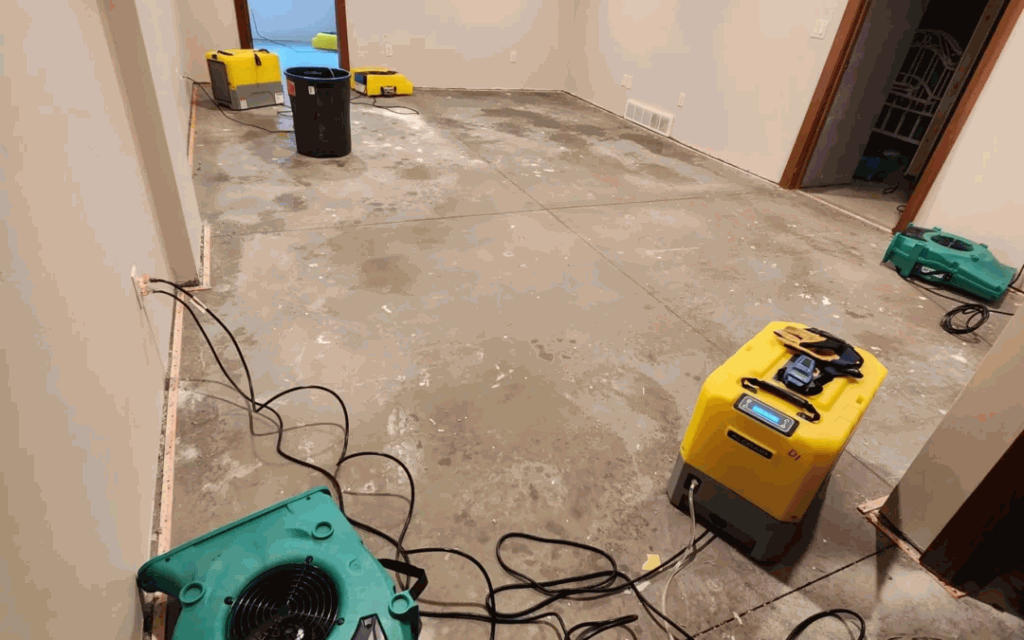
Certified Field Restoration Evidence • Arlington, AZ
Every restoration response performed by Valley Restoration Pro in Arlington, AZ is documented through high-resolution thermographic and digital photographic records:


Frequently Asked Questions: Technical Answers for Arlington, AZ Residents
Direct answers to the most critical technical, operational, and insurance questions property owners ask during emergencies:
Local Emergency Manual: Utility Shutoffs & Municipal Protocols in Arlington, AZ
Municipal Water Meter Shutoff
Locate the curb meter box near the street. Open the lid with a screwdriver and use a water curb key to rotate the brass valve clockwise one-quarter turn until eyelets align.
Electric Utility Disconnect (APS / SRP)
When water reaches outlets or fixtures, locate the main exterior breaker panel. Stand on dry ground with rubber soles and switch the main 200A breaker to OFF.
Water Heater Gas & Electric Isolation
Shut the cold water intake valve on the upper pipe. For gas, switch dial to PILOT or OFF. For electric, trip the 30A double-pole breaker at the service panel.
Sewer Backflow Emergency Notification
If municipal wastewater backs up into ground tubs or toilets, stop running all indoor fixtures immediately and notify municipal public works and our biohazard unit.
Rapid 20–50 Minute Response Across Greater Phoenix & Regional Corridors
Valley Restoration Pro operates strategically positioned mobile restoration units ready for immediate emergency dispatch across all 19 metropolitan and regional cities: