IICRC Certified Fountain Hills Rapid Response Fleet • 30 - 40 Min Arrival Across Fountain Hills
Water, Fire, Mold & Biohazard Restoration in Fountain Hills, AZ
24/7 rapid emergency water extraction, concrete slab leak drying, certified fire & smoke cleanup, mold remediation, and biohazard decontamination across Fountain Hills, AZ and Maricopa County.
30 - 40 Min Arrival Across Fountain Hills ResponseStaged rigs across Fountain Hills, AZ
ANSI/IICRC S500 Standards • Maricopa County Fast Dispatch
Valley Restoration Pros delivers 24/7 industrial emergency water extraction, thermal psychrometric drying, and structural mitigation across Phoenix and Maricopa County with guaranteed 30–60 minute rapid arrival. All protocols strictly adhere to IICRC S500 standards, featuring upfront itemized pricing and free on-site thermal moisture assessments. Call dispatch directly at (602) 847-9593.
Urgent Advisory for Fountain Hills, AZ Property Owners
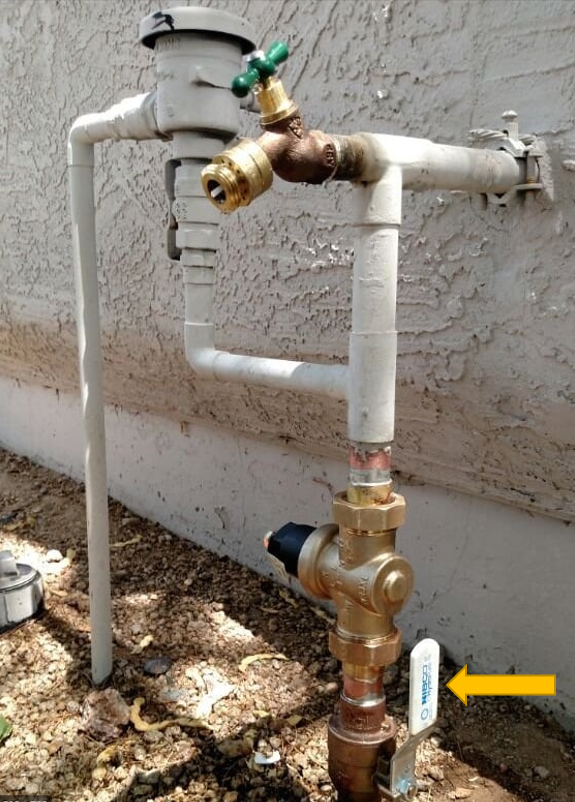
Shut off the primary water supply valve at the exterior plumbing riser or street meter box immediately.
De-energize circuit breakers for affected zones to prevent electrocution hazards from submerged floor boxes or wet bar feeds.
Elevate custom furniture, area rugs, and hanging drapes above standing water levels to prevent secondary wicking.
Document standing water depth, affected stone flooring, and damaged millwork with timestamped photos and video footage.
Maintain indoor air conditioning at 72°F to 74°F; never open windows during humid summer monsoon periods.
Call Valley Restoration Pro at (602) 847-9593 for 30-to-40 minute emergency dispatch across Fountain Hills.
Certified Active On-Site Operation
Acoustic Slab Leak Detection on Luxury Travertine
Technician with ground microphone and boot covers detecting pressurized copper line breach beneath imported travertine stone in a Fountain Hills hillside estate.
IICRC Standard of Care • Fountain Hills, AZ
Regional Context
Geographic Profile & Restoration Realities in Fountain Hills, AZ
Professional property restoration across Fountain Hills, AZ requires specialized knowledge of the Sonoran Desert basin, municipal utility frameworks, and regional building practices. Situated within Maricopa County, Fountain Hills, AZ features unique environmental stresses governing how residential and commercial structures absorb, hold, and release moisture following sudden plumbing disasters or extreme monsoon storms.
During summer, urban heat islands drive daytime temperatures between 108°F and 118°F, with unconditioned attics regularly exceeding 140°F to 160°F. When high-pressure water lines rupture or AC condensation lines overflow overhead, rapid evaporation creates steam-like vapor pressures forcing moisture deep into framing studs, drywall assemblies, and ceiling joists that require immediate scientific structural drying.
Seasonal monsoons between July and September present distinct operational challenges across Fountain Hills, AZ. High convective winds deposit desert silt across roof scuppers. When torrential downpours hit, choked drainage backs up rainwater under roofing tiles. Rapid temperature drops also trigger thermal shock in exterior stucco joints, opening pathways for roof leak water damage and wall cavity saturation.
Geological Multipliers
Maricopa County Geological Realities: Caliche, Hard Water & Extreme Heat
Dense Caliche Hardpan Subsoil
The sub-base across Decomposed granite hillsides and steep mountain elevation drops subject to high hydraulic pressure contains caliche—an impermeable calcium carbonate hardpan. When under-slab water lines rupture, water cannot drain downward, pooling horizontally beneath concrete and exerting upward heave against foundations that requires non-invasive slab leak water damage restoration.
15–25+ GPG Municipal Hard Water
Tap water from EPCOR Water (Chaparral / Fountain Hills District) averages 15 to 25+ grains per gallon of dissolved minerals. In water heaters, bottom scale insulates heating elements, causing metal fatigue and tank seam ruptures requiring round-the-clock water heater burst cleanup.
Triple-Digit Thermal Incubation
In Arizona triple-digit heat, moisture trapped in enclosed wall cavities creates an indoor incubator. Saturated drywall and wood framing trigger fungal spore germination in just 24 to 48 hours, mandating certified IICRC S520 mold remediation.
❌
Costly Mistakes Fountain Hills Property Owners Make During Emergencies
In a structural emergency, well-intentioned actions frequently cause permanent secondary damage or void insurance claims:
Using Shop Vacuums on Saturated Travertine: Domestic vacuums lack the vacuum lift (16+ inches Hg) required to draw bound moisture from porous stone mortar beds, leaving water trapped to degrade stone adhesion.
Waiting for Insurance Adjusters Before Starting Water Extraction: Arizona policy terms obligate property owners to mitigate ongoing losses immediately. Waiting days allows irreversible mold colonization in Phoenix heat.
Spraying Chlorine Bleach on Porous Drywall Mold: Bleach is primarily water; the chlorine evaporates while water penetrates drywall, feeding fungal roots and causing rapid mold rebound.
Ignoring Failed Pressure Reducing Valves (PRVs): Simply patching a ruptured fixture without testing inlet water pressure guarantees subsequent pipe blowouts when municipal hillside pressure exceeds 100 PSI.
Allowing General Handymen to Handle Sewage Backups: Raw sewage carries Hepatitis, E. coli, and airborne bio-aerosols. Improper extraction without negative-air containment spreads dangerous pathogens into clean living areas.
Service-Area Boundaries & Highway Corridors in Fountain Hills, AZ
Our mobile units are staged near major freeways including Shea Blvd, Fountain Hills Blvd, Saguaro Blvd, Palisades Blvd, Beeline Hwy (SR-87), allowing our crews to reach your door in 30 - 40 Min Arrival Across Fountain Hills. Primary dispatch staging operates near Shea Blvd & Saguaro Blvd / Palisades Blvd & Fountain Hills Blvd with fully self-contained extraction and power generation rigs.
Verified Local Area Dispatch: Fountain Hills, AZ
Official Geo-Coordinates: 33.6042° N, -111.7257° W • Maricopa County
Active Crews: Arrival in 30 - 40 Min Arrival Across Fountain Hills
1Moisture Diagnostics: FLIR® E8-XT thermal camera mapping pinpointing the hot water anomaly beneath 4-inch concrete slab without demolition.
2Direct Extraction: Single-tile surgical access for licensed plumbing bypass while high-flow extraction evacuated foundation water.
3Containment Chamber: Sealed 6-mil poly containment drying chamber with HEPA negative air scrubbers capturing all particulate.
4Psychrometric Drying: Two industrial Phoenix DryMAX XL LGR dehumidifiers and 14 axial air movers at 45° laminar convection.
5Botanical Sanitization: EPA-registered Benefect Decon 30 botanical antimicrobial spray applied across exposed concrete and sill plates.
Mitigation Timeline & Psychrometric Equilibrium
26 MinArcadia DispatchMobile unit on scene from Camelback Rd corridor.
Hour 3Chamber ActiveLeak bypassed; negative air containment & LGRs operational.
Hour 24RH Down to 31%180 pints extracted; chamber humidity lowered from 84% to 31%.
72 Hours100% Floor SavedWood flooring reached baseline <11% MC. All 850 sq. ft. preserved.
“When hot water started pooling through our oak floors on a Sunday afternoon, we thought our floor was ruined. Valley Restoration Pro had an emergency tech at our house off 44th Street in 26 minutes flat. They pinpointed the leak with thermal cameras, set up containment, and dried the wood in three days without any mold smell. Top-tier Phoenix professionals.”
Eleanor & Marcus V. • Arcadia / Camelback Corridor, Phoenix, AZ 85018
Verified by Marco S., Lead Technician (IICRC WRT/ASD #84912)
Facing Active Water Intrusion or Foundation Leaks?
Free On-Site Assessment • Transparent Upfront Itemized Pricing • 30–60 Min Rapid Dispatch
Key Neighborhoods Served Across Fountain Hills, AZ:
SunRidge Canyon, Eagle Mountain, Crestview, Firerock Country Club, Town Center / Fountain Park, Westridge, North Heights, Fontana, Shadow Mountain, Adero Canyon.
Local ZIP Codes in Immediate Response Radius: 85268, 85269
Photographic Proof
Certified Field Restoration Evidence • Fountain Hills, AZ
Every restoration response performed by Valley Restoration Pro in Fountain Hills, AZ is documented through high-resolution thermographic and digital photographic records:
Acoustic Slab Leak Detection on Luxury Travertine
Technician with ground microphone and boot covers detecting pressurized copper line breach beneath imported travertine stone in a Fountain Hills hillside estate.
IICRC VerifiedFountain Hills, AZ
High-Pressure Wet Bar Copper Pipe Rupture Assessment
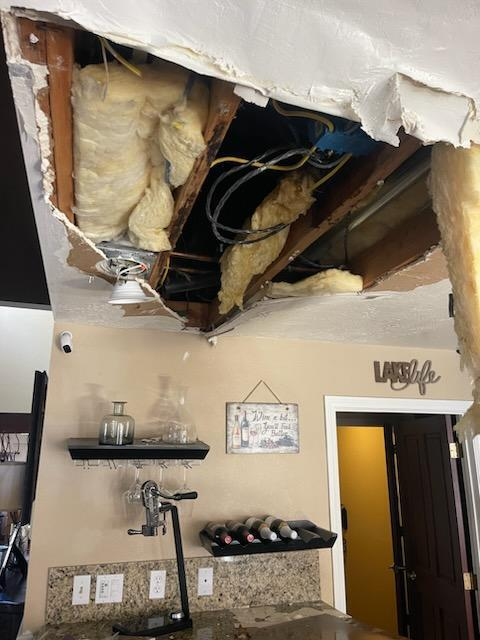
Immediate emergency containment and moisture evaluation following a high-pressure line burst over custom wet bar cabinetry and stone flooring in SunRidge Canyon.
High-capacity Low-Grain Refrigerant dehumidifiers and axial air movers lowering grains per pound below 26 GPP in an Eagle Mountain residence.
IICRC VerifiedFountain Hills, AZ
Cleanroom Poly Containment & HEPA Air Scrubbing
Airtight 6-mil poly containment airlock and negative-air HEPA filtration capturing airborne particulate and mold spores during drying in Firerock Country Club.
IICRC VerifiedFountain Hills, AZ
Frequently Asked Questions
Frequently Asked Questions: Technical Answers for Fountain Hills, AZ Residents
Direct answers to the most critical technical, operational, and insurance questions property owners ask during emergencies:
How quickly can your restoration crew arrive at my property in Fountain Hills, AZ?+
Our emergency mobile units are strategically staged along the Shea Boulevard and Fountain Hills Boulevard corridors. We guarantee on-site arrival within 30 to 40 minutes across SunRidge Canyon, Eagle Mountain, Crestview, Firerock Country Club, and Town Center, 24 hours a day, 365 days a year. Property owners can also request dispatch through our emergency dispatch desk or call our 24/7 hotline directly at (602) 847-9593.
Why are high water pressure surges and PRV failures so prevalent in Fountain Hills hillside homes?+
Because Fountain Hills is built along the McDowell Mountain foothills, municipal water distribution managed by EPCOR Water operates under dramatic elevation changes. Water main pressures at the base of hill slopes often exceed 100 to 140 PSI to reach higher elevation ridgetops. Residential properties rely on pressure reducing valves (PRVs) to throttle incoming pressure down to safe working levels (55 to 65 PSI). When regional 18 GPG mineral hardness calcifies the PRV internal spring and rubber diaphragm over 8 to 12 years, the valve fails open. Sudden 100+ PSI municipal pressure surges then shatter indoor fixture fittings, flex lines, and water heaters. Our specialized burst pipe repair teams isolate pressurized supply lines immediately and relieve mechanical stress.
Can you salvage imported travertine, marble, or hardwood flooring without demolition?+
Yes. Luxury estates throughout Fountain Hills, Firerock, and SunRidge Canyon frequently incorporate imported Italian travertine, limestone, and wide-plank hardwood. In clean and grey water events, our certified technicians deploy specialized negative-pressure vacuum drying mats. These industrial mats seal over wet tile grout lines and wood planks, drawing trapped sub-slab moisture directly up through stone capillary channels and porous wood grain without destructive floor tear-out. Learn more about our non-destructive hardwood floor water damage drying and natural stone restoration protocols.
How does extreme 18 GPG municipal water hardness accelerate water heater tank failures in Fountain Hills?+
Municipal water supplied by EPCOR in Fountain Hills carries high mineral concentrations averaging 18 grains per gallon. Over years of thermal cycling, calcium and magnesium carbonate precipitate out of suspension, accumulating as dense stone-like scale at the base of water heater tanks. This sediment layer acts as a thermal barrier between the burner element and the water, overheating the tank bottom and causing metal fatigue that results in sudden bottom seam blowouts discharging 50 to 80 gallons across utility closets. Our dedicated water heater burst cleanup teams extract standing water and deploy LGR dehumidifiers to prevent moisture wicking into living areas.
Why does decomposed granite and steep foothill geology complicate under-slab leaks in Fountain Hills?+
Fountain Hills residences are constructed on stepped post-tension concrete slabs anchored directly into decomposed granite hillsides and caliche bedrock. When pressurized copper lines routed beneath foundations develop pinhole breaches from mineral abrasion, water cannot percolate downward through impermeable rock. Instead, water travels laterally under the slab, following grade elevation until it forces its way up through stem walls, expansion joints, and tile flooring. Our precision slab leak water damage restoration specialists use acoustic ground sensors and FLIR thermal cameras to pinpoint the breach location without destructive exploration.
What emergency procedures are required when summer monsoons deluge hillside drainage channels?+
Between July and September, intense desert monsoon storms funnel torrential rainfall down McDowell Mountain washes and steep residential streets. When street scuppers and private drainage swales become overwhelmed by desert silt, Category 3 stormwater breaches rear patio sliding doors and courtyard entries. Saturated living spaces require commercial storm flood cleanup, rapid silt extraction, EPA-registered botanical sanitization, and the removal of contaminated building materials to eliminate biohazards.
How quickly will mold germinate inside damp wall cavities during Fountain Hills summer heat?+
While outdoor ambient air in Fountain Hills is arid, indoor residential spaces are continuously cooled to 72°F to 75°F. When 110°F+ exterior heat meets hidden moisture from an under-slab leak, cracked PRV, or AC condensation overflow, enclosed wall cavities transform into humid incubators. Fungal spores (Aspergillus, Cladosporium, Stachybotrys) can germinate in as few as 24 to 48 hours. Our certified crews execute strict IICRC S520 mold remediation using 6-mil negative-air containment chambers and HEPA 500 air filtration.
What industrial equipment is used for high-capacity bulk water extraction in Fountain Hills?+
We deploy commercial truck-mounted extraction platforms equipped with 31-HP positive displacement vacuum blowers capable of evacuating over 1,500 gallons of standing water per hour directly into external recovery tanks. Immediate high-volume extraction halts capillary wicking into drywall assemblies, baseboards, and structural framing. Learn more about our rapid emergency water extraction capabilities staged for 24/7 deployment across the McDowell Mountain region.
How does balanced psychrometric structural dehumidification ensure complete drying?+
Simple surface drying is inadequate for hillside estates with double-sheetrock construction and dense masonry. Our technicians monitor daily psychrometric parameters including grains per pound (GPP), relative humidity, and vapor pressure differential. We deploy high-temperature Low-Grain Refrigerant (LGR) dehumidifiers and calibrated centrifugal air movers to draw bound moisture out of concrete slabs and framing studs. Detailed technical breakdowns are available in our structural drying overview.
How do you handle hazardous municipal sewer backups or private septic overflows in Fountain Hills?+
Whether due to tree root intrusion along hillside sewer laterals or municipal main backpressure, raw sewage is a Category 3 biohazard containing toxic bacteria, viruses, and parasites. Our OSHA-certified technicians arrive in full Level-C personal protective equipment, execute prompt vacuum evacuation, remove unsalvageable porous components, and sanitize affected structural members using EPA-registered biocides. Review our complete sewage cleanup procedures, as well as our certified biohazard cleanup services for biological trauma and contamination.
Does insurance cover water mitigation in Fountain Hills, and how is pricing structured?+
Standard Arizona homeowners insurance policies (HO-3 and HO-5) cover sudden and accidental water discharges such as burst copper lines, water heater ruptures, and appliance supply line failures. Valley Restoration Pro adheres strictly to pay-per-call transparency: we provide a free comprehensive on-site damage assessment with FLIR thermal scans, followed by transparent upfront itemized pricing before work begins. We make no direct billing promises and help you compile detailed moisture logs for your claim. Property owners can also use our interactive free on-site assessment. For structural fire and smoke recovery, explore our full-scale fire damage restoration capabilities.
How does your dispatch team coordinate service between Fountain Hills and neighboring East Valley communities?+
Our emergency mobile units maintain constant transit coverage along Shea Boulevard, Beeline Highway, and Loop 101. In addition to protecting Fountain Hills, our response network seamlessly covers adjacent luxury neighborhoods in Scottsdale, North Valley properties in Cave Creek, metropolitan residences across Phoenix, and East Valley communities in Mesa and Tempe. For a complete directory of our regional coverage, visit our master areas we serve index.
Emergency Safety Manual
Local Emergency Manual: Utility Shutoffs & Municipal Protocols in Fountain Hills, AZ
Municipal Water Meter Shutoff
Locate the curb meter box near the street. Open the lid with a screwdriver and use a water curb key to rotate the brass valve clockwise one-quarter turn until eyelets align.
Electric Utility Disconnect (APS / SRP)
When water reaches outlets or fixtures, locate the main exterior breaker panel. Stand on dry ground with rubber soles and switch the main 200A breaker to OFF.
Water Heater Gas & Electric Isolation
Shut the cold water intake valve on the upper pipe. For gas, switch dial to PILOT or OFF. For electric, trip the 30A double-pole breaker at the service panel.
Sewer Backflow Emergency Notification
If municipal wastewater backs up into ground tubs or toilets, stop running all indoor fixtures immediately and notify municipal public works and our biohazard unit.
Regional Coverage
Rapid 20–50 Minute Response Across Greater Phoenix & Regional Corridors
Valley Restoration Pro operates strategically positioned mobile restoration units ready for immediate emergency dispatch across all 19 metropolitan and regional cities:
Don’t let temporary water or smoke damage turn into toxic mold or foundation damage. Call now for guaranteed rapid arrival in 30 - 40 Min Arrival Across Fountain Hills with transparent upfront itemized pricing.