

Valley Restoration Pros delivers 24/7 industrial emergency water extraction, thermal psychrometric drying, and structural mitigation across Phoenix and Maricopa County with guaranteed 30–60 minute rapid arrival. All protocols strictly adhere to IICRC S500 standards, featuring upfront itemized pricing and free on-site thermal moisture assessments. Call dispatch directly at (602) 847-9593.
Why Immediate Mitigation Is Critical in Phoenix Heat
Commercial wet laboratories, genetic sequencing suites, and biomanufacturing cleanrooms on the Phoenix Biomedical Campus face catastrophic financial and scientific jeopardy when high-purity water loops, autoclave steam feeds, or chilled-water cooling lines rupture. A single pressurized line failure can inundate multi-million dollar next-generation sequencers, mass spectrometers, and -80°C ultra-low temperature cryogenic specimen vaults containing irreplaceable longitudinal clinical trial samples. Unfiltered municipal floodwaters introduce abrasive mineral salts, endotoxins, and fungal spores into certified ISO Class 7 and Class 8 cleanroom envelopes. In Phoenix ambient summer heat exceeding 115°F, uncontrolled indoor humidity triggers rampant microbial multiplication within 24 hours, threatening immediate biocontainment breaches under CDC and NIH Biosafety in Microbiological and Biomedical Laboratories (BMBL) criteria and triggering devastating academic research interruptions.

Service Definition & The IICRC Standard of Care
Professional phoenix biomedical campus commercial lab water damage restoration is an engineering and environmental discipline adhering strictly to IICRC S500 protocols, not mere surface mopping. When structural plumbing failures strike in Maricopa County, certified emergency water extraction and thermal structural drying procedures must be deployed immediately. Whether triggered by high-pressure burst pipe emergencies, subfloor leaks, or commercial line ruptures, bound moisture rapidly penetrates concrete subfloors and wall framing. In the desert heat, delays trigger microbial proliferation requiring rapid mold remediation. Request damage assessment through our emergency assessment portal or request 30-minute dispatch across all Valley service areas.
Securing electrical feeds, inspecting load-bearing assemblies, and containing pathogens.
Stopping the intrusion source and erecting 6-mil plastic isolation containment airlocks.
31-HP truck-mount extraction, removing gallons exponentially faster than evaporation.
LGR dehumidifiers and HEPA air scrubbers driving grains per pound below 25 GPP.
Calibrated electronic pinless testing confirming baseline dry standards.
The Complete 6-Stage Restoration Roadmap
Our IICRC-certified crews execute a disciplined, scientific 6-stage protocol to stabilize and dry structural components:
Emergency Dispatch & Perimeter Isolation
30 to 60 minute arrival. Securing electrical shutoffs, evaluating structural loads, and erecting containment airlocks.
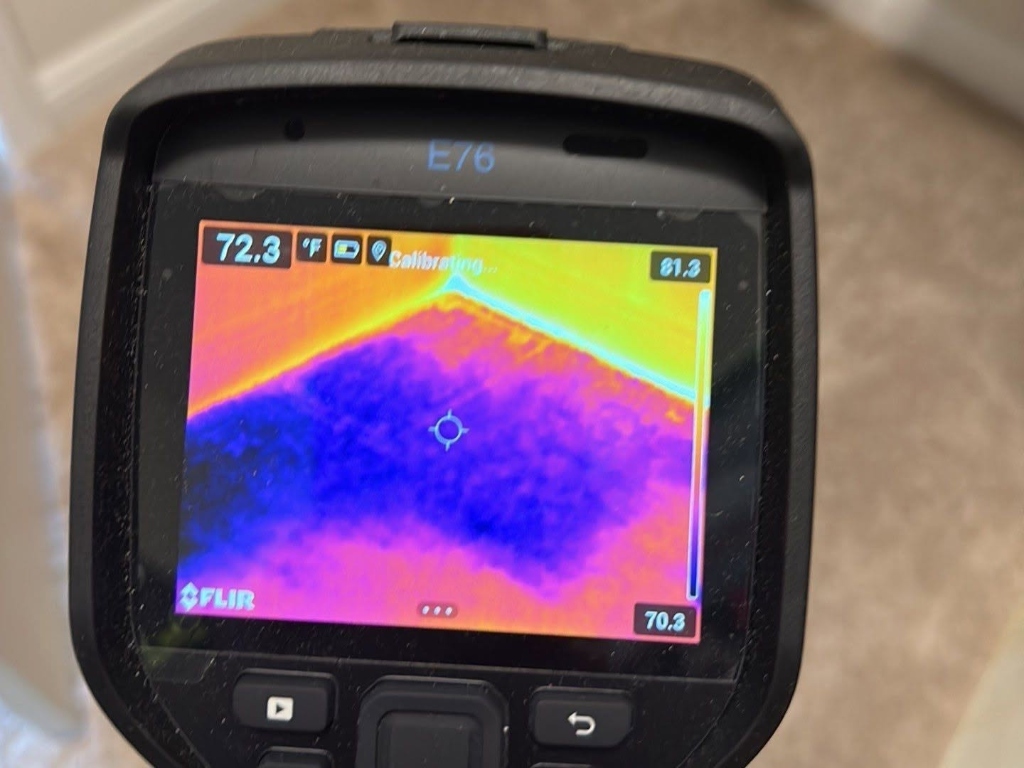
FLIR® Thermal Mapping & Baseline Scans
Infrared thermal scans detect trapped moisture behind walls and beneath concrete without invasive exploratory demolition.
High-Volume Bulk Extraction
31-HP truck-mount extraction units pump standing water away at hundreds of gallons per minute.
Controlled Selective Demolition
Precision flood cuts 12 to 24 inches above moisture lines, removing wet insulation and opening wall framing to dry airflow.
Thermodynamic Dehumidification
Industrial Low-Grain Refrigerant dehumidifiers pull deep trapped moisture from dense framing lumber and concrete slabs.
Antimicrobial Sanitization & Verification
EPA-registered botanical application (Benefect Decon 30) and calibrated moisture testing to issue an official dry certificate.

Specialized Equipment & Industrial Restoration Technology
Mitigating severe property damage requires industrial-grade technology capable of altering thermodynamic psychrometrics:
Truck-Mounted Extraction Rigs
31-HP engines producing 16+ inches Hg vacuum suction to evacuate bulk water rapidly into holding tanks.
Low-Grain Refrigerant Dryers
Pre-cooling heat-pipe systems driving ambient grains per pound below 25 GPP to draw deep trapped water out of framing.
HEPA Negative-Air Scrubbers
Hospital-grade 99.97% particulate filtration capturing microscopic fungal spores, soot, and biohazard aerosols.
FLIR® Thermal Scanners & Probes
Infrared thermography detecting evaporative cooling boundaries behind walls, combined with digital RF pinless scanners.
Professional Restoration vs. DIY Mitigation
Attempting DIY cleanup during a property disaster creates severe hidden liabilities:
- Trapped Moisture: Surface drywall dries while moisture inside cavities triggers hidden mold blooms.
- Pathogenic Risks: Category 2 & 3 water contains bio-contaminants standard cleaners fail to kill.
- Insurance Denial: Insurers require daily psychrometric logs; lack of data causes claim disputes.
Transparent Upfront Itemized Pricing
Valley Restoration Pros operates with complete transparency:
- Free On-Site Assessment: Complete physical inspection before work begins.
- Upfront Itemized Estimates: Detailed line items calculated via industry-standard Xactimate.
- Zero Surprise Billing: No hidden charges or unauthorized repairs.
Certified Phoenix Biomedical Campus Commercial Lab Water Damage Restoration Field Documentation
Every response performed by Valley Restoration Pros is documented through photographic and thermographic records:

Comprehensive Phoenix Biomedical Campus Commercial Lab Water Damage Restoration Technical Manual & Operational Standards
Exhaustive engineering protocols, psychrometric calculations, geological multipliers, and step-by-step restoration standards for Maricopa County properties:
Executive Emergency Abstract: Phoenix Biomedical Campus Laboratory Inundation & Acute Bioscience Disaster Recovery
Positioned at the vibrant core of Downtown Phoenix across the 30-acre urban bioscience corridor bounded by East Van Buren Street, North 5th Street, and East Fillmore Street, the Phoenix Biomedical Campus (PBC) houses premier research institutes, university medical centers, and private clinical biotechnology innovators. Facilities including the University of Arizona College of Medicine – Phoenix, the Translational Genomics Research Institute (TGen), Northern Arizona University clinical training facilities, and private genomic diagnostics ventures drive cutting-edge breakthroughs in oncological precision medicine, neurogenomics, and infectious disease therapeutics. However, because these world-class laboratories rely on interconnected hydronic building systems, centralized reverse osmosis and deionized (RO/DI) pure water distribution loops, and dedicated steam generators for sterilization autoclaves, any structural plumbing failure precipitates an immediate, high-stakes institutional emergency.
Unlike standard commercial office environments where domestic water intrusions can be mitigated with conventional extraction tools, a water disaster within a biomedical research facility directly threatens irreplaceable scientific intellectual property, federal grant deliverables, and rigorous regulatory compliance. When thousands of gallons of pressurized water inundate laboratory floor plates, the water instantly comes into contact with high-voltage floor raceways, automated liquid handling robotics, mass spectrometers, next-generation gene sequencers, and walk-in cryogenic cold storage rooms housing temperature-sensitive biological specimens. Water entering Biosafety Level 1 (BSL-1) and Biosafety Level 2 (BSL-2) environments also interacts with chemical reagents, biological buffers, cell cultures, and autoclave waste streams, rapidly converting clean utility water into a biologically active Category 2 or Category 3 biohazard requiring surgical containment.
The financial exposure accompanying laboratory water damage is extraordinary. Beyond structural drywall and flooring replacement, downtime costs across active academic research laboratories can exceed tens of thousands of dollars per hour, while compromised biospecimens or contaminated genomic datasets can nullify years of longitudinal research funded by the National Institutes of Health (NIH), Department of Defense (DoD), or private venture equity. Immediate deployment of certified commercial water damage professionals who specialize in controlled environments and technical cleanroom preservation is mandatory to halt capillary migration, maintain negative pressure biocontainment, and preserve delicate bio-specimen freezers.
Valley Restoration Pros delivers rapid 30-minute priority emergency dispatch directly to the Phoenix Biomedical Campus and adjacent medical districts across Maricopa County. Our highly trained disaster response crews hold dual certifications under the Institute of Inspection, Cleaning and Restoration Certification (IICRC S500 for Standard Water Damage Restoration and IICRC S520 for Mold Remediation) alongside specialized infection control and hazardous substance handling protocols. When disaster strikes delicate research suites, our technicians immediately execute specialized emergency water extraction procedures utilizing cleanroom-rated HEPA negative-air filtration systems, high-capacity desiccant dehumidification trailers, and intrinsically safe sub-floor extraction apparatus.
Critical Initial Laboratory Disaster Protocols: Downtown Phoenix Biomedical District
- Emergency Water System Isolation: Immediately engage primary isolation valves on the laboratory pure water loop (Type 1 / Milli-Q system), overhead high-pressure autoclave steam lines, or facility chilled-water coils. If the failure involves a mechanical building riser, coordinate with facility engineering to shut the vertical building isolation manifold.
- Biosafety Level Containment Verification: If the intrusion involves BSL-2 research suites, seal internal doors, verify that HVAC supply dampers have tripped to prevent positive-pressure migration, and confirm that exhaust HEPA filtration streams remain operational to isolate biological particulates from surrounding public corridors.
- Cryogenic Storage & Analytical Asset Protection: Verify emergency electrical transfer switches powering -80°C ultra-low temperature (ULT) freezers and liquid nitrogen dewars. Never open freezer doors during power shifts or water events to preserve the critical internal thermal mass.
- Deploy Certified Bioscience Disaster Specialists: Immediately contact the Valley Restoration Pros 24/7 Downtown Phoenix Emergency Command at (602) 847-9593 for rapid deployment of certified cleanroom extraction units, commercial desiccant arrays, and industrial hygiene monitoring.
When minutes determine the survival of groundbreaking biomedical discoveries, facilities directors and principal investigators depend on our rapid deployment capabilities. Our fully documented recovery workflows ensure complete alignment with institutional biosafety committees (IBC), university environmental health and safety (EHS) officers, and third-party property insurers.
Anatomy of Biomedical Laboratory Pipe Blowouts: High-Purity Water Hydrodynamics & Biospecimen Protection
Biomedical research laboratories represent some of the most mechanically complex building architectures in the American Southwest. A standard wet lab or genomics facility on the Phoenix Biomedical Campus relies on specialized utility networks that far exceed standard commercial plumbing. In addition to conventional domestic cold and hot potable water feeds, laboratories incorporate pressurized Type 1 and Type 2 ultra-pure water distribution loops (deionized water polished to 18.2 megohm-centimeter resistivity), high-pressure steam distribution for sterilization autoclaves, closed-loop chilled water circuits cooling thermal cyclers and electron microscopes, chemical vacuum lines, and centralized compressed air systems. When physical failure strikes these interconnected networks, the hydrodynamic release is rapid, voluminous, and technically complex:
Ultra-Pure DI / RO Loop Mechanical Joint Ruptures
High-purity deionized water systems utilize unplasticized polyvinyl chloride (PVDF), polypropylene, or specialized PVDF piping fused through infrared butt-welding. Because ultra-pure 18.2 MΩ-cm water is completely demineralized, it exhibits aggressive leaching behavior toward standard metallic fittings, necessitating specialized polymer joints. Thermal cycling, vibration from vacuum pumps, and water hammer pressure surges cause sudden socket joint fractures or diaphragm valve ruptures. These continuous loops circulate under constant 40 to 60 PSI head pressure, discharging hundreds of gallons per minute across overhead interstitial service drops.
High-Pressure Autoclave Steam Condensation Bleed-Offs
Autoclaves and media preparation sterilizers require dedicated steam generators operating at temperatures exceeding 250°F (121°C) and pressures between 15 and 30 PSI. Severe water hardness in Downtown Phoenix accelerates calcification within steam condensate traps, temperature-actuated valves, and copper blowdown pipes. When scale deposits seize a steam trap or a soldered copper line suffers thermal fatigue blowout, scalding water and superheated steam erupt, peeling antimicrobial wall coatings, triggering automatic fire sprinkler heads, and saturating surrounding laboratory suites.
Analytical Equipment Chilled-Water Loop Blowouts
Advanced laboratory equipment such as NMR spectrometers, DNA synthesizers, and electron microscopes generate substantial heat and rely on dedicated recirculating chilled-water loops. These systems run glycol-water mixtures through flexible braided stainless steel or polyurethane hoses behind casework. Pinhole abrasion against casework steel framing, crimp fitting failures, or vibration-induced coupling separations unleash high-velocity leaks directly into electrical wiring chases beneath sensitive benchtop machinery.
Chemical Drainage & Glassware Washer Waste Backflows
Laboratory sinks and specialized glassware washers discharge through dedicated acid-resistant chemical waste drainage systems constructed of borosilicate glass or high-density polypropylene. When heavy wash cycles discharge surfactant-rich water containing chemical decontaminants, blockages in downstream neutralization basins force wastewater back through floor drains. This creates an immediate Category 3 chemical and biological contamination event across laboratory flooring.
When these pressurized releases occur, the primary casualty is often the bio-repository suite. Research facilities maintain banks of -80°C ultra-low temperature (ULT) freezers, -20°C enzyme storage cabinets, and liquid nitrogen storage cryo-vats. These units draw high electrical amperage through dedicated floor stanchions and wall receptacles. Standing water entering electrical conduits causes instantaneous ground-fault circuit interrupter (GFCI) or arc-fault breaker trips. Without instantaneous mitigation and structural drying, the loss of electrical supply initiates an irreversible thermal countdown, threatening decades of curated patient biospecimens, frozen viral stocks, and genomic tissue libraries.
In addition, the hydrodynamics of lab flooding involve rapid capillary migration across monolithic chemical-resistant floor finishes. Laboratory facilities feature specialized seamless poured epoxy, urethane mortar, or hot-air welded chemical-resistant sheet vinyl flooring with integrated four-to-six-inch sanitary cove bases. While these floor systems resist chemical drops from above, they are not designed to resist pressurized fluid infiltration from behind wall assemblies. When pipe blowouts occur inside utility chases, water pools within drywall stud tracks and migrates underneath the floor membrane via capillary action, dissolving adhesives, producing unsightly surface blister bubbles, and locking moisture into the underlying concrete slab.
Addressing these multi-layered mechanical vectors requires immediate deployment of certified burst pipe repair technicians and mechanical isolation teams who understand cleanroom hydrodynamics. When building HVAC loops or process cooling piping fails, our rapid deployment protocols integrate specialized commercial chiller pipe flood restoration techniques to isolate hydronic circuits, pump down secondary loops, and protect adjacent research suites from progressive moisture damage.
Phoenix Desert Multipliers: 18–25 GPG Mineral Scale, Expansive Caliche Soil & 115°F Microbial Kinetics
Biomedical infrastructure in Downtown Phoenix operates in an unforgiving desert environment characterized by extreme chemical, geological, and thermal pressures. Facilities located on the Phoenix Biomedical Campus along 5th Street, Van Buren Street, and 7th Street must contend with thermodynamic stresses that do not exist in temperate climates. When a water intrusion event strikes a biomedical laboratory in Maricopa County, three hyper-local environmental multipliers immediately amplify the scale and velocity of the disaster:
1. Extreme Mineral Hardness & Chemical Scaling (18 to 25 GPG / 350–500 PPM TDS)
Municipal water delivered to Downtown Phoenix originates from the Salt River, Verde River, and the Colorado River via the Central Arizona Project (CAP) aqueduct, blended with deep alluvial groundwater wells. This water supply exhibits severe mineral hardness, regularly measuring between 18 and 25 grains per gallon (GPG) with total dissolved solids (TDS) exceeding 450 parts per million (PPM). Heavy concentrations of calcium carbonate, magnesium bicarbonate, and silicates continuously precipitate inside domestic feeds, pre-filtration membranes of reverse osmosis systems, and cooling tower heat exchangers.
This severe scale accumulation creates severe problems for laboratory plumbing. In high-pressure hot water circulating lines and autoclave feedwater pre-heaters, calcification causes localized flow restrictions, pressure spikes, and galvanic corrosion at copper-to-brass threaded transitions. When a scale-embrittled fitting or copper bend experiences pressure oscillation, sudden catastrophic wall blowout occurs. Furthermore, when unsoftened municipal water floods clean laboratory spaces, it deposits caustic mineral crusts on sensitive electronic circuit boards, optical laser benches, and microscope stages as it evaporates, resulting in irreversible abrasive pitting and galvanic corrosion.
2. Expansive Caliche Subsoil Upheaval & Sub-Slab Pipe Shear
The subsurface geology beneath Downtown Phoenix is comprised of dense alluvial clay interlaced with cemented calcium carbonate layers known regionally as caliche. Caliche forms rock-hard, impermeable subterranean strata that prevent downward percolation of groundwater while exerting powerful volumetric expansion forces when exposed to subterranean moisture. Throughout Downtown Phoenix and surrounding central corridors, sub-slab foundation shifting is a persistent structural risk.
When minor undetected moisture escapes from deep sub-slab plumbing lines or foundation drains, the surrounding caliche and expansive clay soil hydrate and expand with hydraulic pressures exceeding 8,000 pounds per square foot. This upward heaving exerts tremendous shearing stress on rigid sub-slab plumbing penetrations, including sanitary sewer mains, pure water loop underground returns, and electrical grounding rods. A sheared pipe beneath a thick commercial laboratory slab releases pressurized water upward through expansion joints and structural cracks, requiring specialized slab leak water damage restoration protocols to detect and isolate the subterranean rupture without damaging delicate overhead cleanroom infrastructure.
3. Extreme 115°F Summer Ambient Heat & Accelerated Microbial Kinetics
During Phoenix summer months stretching from May through October, ambient daytime temperatures regularly exceed 110°F to 118°F, with rooftop surface temperatures topping 160°F. Laboratory facilities maintain massive HVAC chiller loads to counteract this intense solar radiation and satisfy the stringent 66°F to 70°F temperature bands required for certified cleanrooms. When flooding forces emergency electrical shutdowns or disables dedicated computer room air handler (CRAH) units, indoor laboratory spaces experience rapid thermal rise within hours.
The convergence of high standing moisture and elevated indoor temperatures creates ideal incubator kinetics for biological contamination. Under standard room temperatures, fungal spore germination and bacterial proliferation typically require 48 to 72 hours. In an unconditioned Phoenix commercial space with indoor temperatures hovering between 85°F and 95°F, microbial proliferation begins in fewer than 24 hours. Fungal pathogens including Aspergillus niger, Penicillium, and environmental Bacillus species colonize drywall backing, cellulose insulation, and acoustical ceiling panels with exponential velocity. In a biomedical research environment, an airborne fungal bloom completely invalidates cleanroom air certifications and contaminates ongoing mammalian cell cultures, transforming a physical water incident into a multi-week biocontainment disaster.
Controlling these environmental multipliers requires restoration equipment calibrated for Sonoran Desert thermodynamics. Valley Restoration Pros deploys ultra-high-capacity industrial desiccant dehumidification systems capable of pulling relative humidity below 15% and producing ultra-dry process air down to single-digit grains per pound (GPP), effectively freezing microbial reproduction cycles and forcing deep moisture desorption from saturated concrete slabs and structural framing.
First-Hour Emergency Response: Biosafety Level Containment & -80°C Specimen Freezer Preservation
The initial sixty minutes following a major water intrusion within a biomedical laboratory determine whether the incident remains a contained physical restoration challenge or cascades into catastrophic asset loss and biosafety non-compliance. Research suites operating at Biosafety Level 1 (BSL-1) or Biosafety Level 2 (BSL-2) house biological agents, viral vectors, primary human tissue specimens, and genetically modified organisms. When water breaches these containment zones, certified disaster mitigation specialists must immediately establish an airtight infection control and operational stabilization perimeter under proven medical facility water damage restoration standards:
The 6-Step Critical First-Hour Bioscience Protocol
- Biocontainment Isolation & Pressure Verification: Technicians inspect the laboratory differential pressure monitors. If water intrusion has disabled automated building management dampers, crews immediately erect temporary 6-mil flame-retardant polyethylene isolation barriers fitted with airtight magnetic seal zippered entry chambers. Negative pressure air machines equipped with continuous digital differential manometers are engaged to maintain a minimum of -0.02 inches of water column (-5.0 Pascals), preventing fugitive aerosols and biological droplets from escaping into clean corridors.
- Specimen Freezer Thermal Perimeter Defense: Research specimen banks housing -80°C ultra-low temperature (ULT) freezers are prioritized immediately. Technicians inspect freezer electrical supply status, verify uninterrupted power supply (UPS) battery health, and deploy temporary rubber berming barriers to deflect standing water away from electrical floor penetrations and ventilation intake grills. External freezer temperatures are monitored continuously using calibrated thermal cameras to ensure internal temperatures do not rise above -70°C.
- Targeted Lockout/Tagout (LOTO) of Non-Essential High-Voltage Circuits: In collaboration with facility electrical engineers, technicians isolate energized floor raceways, 208V/480V analytical instrument drops, and under-bench outlets while preserving dedicated circuits for emergency ventilation, life-safety exhaust fans, and cryogenic storage units.
- Initial Bulk Extraction of Standing Chemical/Pure Water: Technicians utilize cleanroom-certified, grounded wet extraction machinery equipped with HEPA exhaust filtration to remove standing liquids from epoxy floors and utility trenches, preventing water from reaching chemical storage cabinets where water-reactive reagents may be housed.
- Analytical Instrumentation Protective Shrouding: High-value instruments including gene sequencers, spectrophotometers, and chromatography systems located within the splash zone are shrouded in antistatic, cleanroom-grade polyethylene barriers. Desiccant moisture absorber packs are placed beneath coverings to prevent condensation from forming on optical sensors and internal circuit assemblies.
- Chain-of-Custody Incident Documentation: Technicians initiate psychrometric mapping, photograph initial moisture boundaries using calibrated FLIR infrared cameras, log equipment serial numbers within affected areas, and establish formal incident logging for facility compliance records and insurance documentation.
Preserving ultra-cold biospecimens requires strict adherence to thermodynamic principles. When an ultra-low temperature freezer loses power or experiences standing water around its base, the rate of temperature rise depends on insulation thickness, door seal integrity, and ambient room conditions. If water intrusion compromises the vacuum insulation panels (VIP) or ambient temperatures spike due to HVAC failure, warming can occur at rates exceeding 5°C per hour. Our disaster teams maintain direct access to commercial liquid nitrogen (LN2) emergency replenishment cylinders and mobile dry-ice bunkers stationed across Phoenix to provide supplemental chilling for affected freezers, guaranteeing specimen preservation even during prolonged infrastructure outages.
Equally vital during the first hour is establishing a clear operational boundary between contaminated disaster work zones and active research suites. In university facilities like the Arizona Biomedical Collaborative or TGen headquarters, adjacent laboratories often conduct sensitive genomics or proteomics assays that cannot tolerate vibrations, pressure differentials, or particulate contamination. Our first-hour protocol incorporates real-time differential pressure telemetry, continuous airborne particulate monitoring, and quiet-operating brushless motors to ensure emergency water mitigation proceeds without disrupting adjacent active scientific workflows.
By executing these tactical first-hour measures, Valley Restoration Pros protects life-science organizations from catastrophic sample loss, minimizes equipment downtime, and establishes a controlled environment for structural restoration and cleanroom decontamination.
Advanced Cleanroom-Grade Extraction Machinery & Industrial HEPA Decontamination Engineering
Standard commercial drying equipment used in ordinary water loss scenarios cannot be introduced into biomedical research laboratories, genomics cleanrooms, or pharmaceutical preparation suites. Conventional air movers and rotary extractors exhaust microscopic carbon brush dust, particulate matter, and ambient contaminants, which would instantly destroy ISO 14644 cleanroom classifications (ISO Class 7 and Class 8 standards) and contaminate sensitive bio-assays. Valley Restoration Pros maintains a dedicated fleet of specialized cleanroom-certified disaster recovery assets engineered to operate in precision life-science environments:
True HEPA Negative-Air Scrubbing Arrays
Our negative-air filtration platforms utilize factory-tested, certified multi-stage HEPA filtration capturing 99.97% of airborne particulates down to 0.3 microns. These units feature sealed aluminum enclosures, variable-speed brushless electronically commutated motors (ECM) that eliminate carbon dust emissions, and medical-grade pre-filters. Each unit is integrated into containment walls to scrub the internal atmosphere at rates of 12 to 20 air changes per hour (ACH), scrubbing airborne fungal spores, bacterial aerosols, and moisture-laden mist while discharging purified exhaust through sealed ducting.
Industrial Silica-Gel Desiccant Dehumidification
While high-efficiency LGR dehumidifiers extract bulk atmospheric moisture in surrounding administrative corridors, active cleanrooms and lab suites require industrial desiccant dehumidifiers. Desiccant units utilize silica-gel rotor technology to produce ultra-dry air streams with relative humidity below 15% and moisture content as low as 10 grains per pound (GPP). This extreme vapor pressure differential drives deep bound water out of concrete slabs, epoxy flooring sub-bases, and interstitial wall assemblies without relying on mechanical refrigeration coils that could harbor stagnant drain pans.
Sub-Floor Cavity & Wall Chase Negative-Pressure Drying
Laboratory benches and casework often sit atop recessed concrete trenches housing utility umbilicals. To dry these inaccessible cavities without destructive demolition of chemical-resistant phenolic resin casework, technicians employ precision positive and negative injection drying systems. Precision air delivery manifolds deliver heated, ultra-dry desiccant air directly into sub-floor raceways through tiny unobtrusive ports, while high-vacuum suction extractors continuously draw out saturated air and capture it through inline HEPA filters.
Calibrated FLIR Infrared Thermography & RF Moisture Meters
Mapping moisture migration through epoxy-coated walls and dense concrete slabs requires high-precision diagnostic instruments. Our technicians utilize high-resolution FLIR thermal cameras with precision temperature sensitivity (under 0.03°C) to detect evaporative cooling patterns that indicate hidden moisture behind laboratory partitions. Non-destructive dielectric and radio-frequency moisture meters provide quantitative impedance readings through seamless epoxy terrazzo, establishing accurate moisture boundary maps without puncturing cleanroom wall surfaces.
In compounding pharmacy cleanrooms and sterile biotechnology facilities, maintaining strict microbiological control is just as critical as drying structural building elements. Our protocols closely mirror those utilized in pharmacy compounding cleanroom water damage decontamination and semiconductor cleanroom water damage restoration, where cross-contamination of even non-viable particulates can compromise multi-million-dollar production batches.
Operating cleanroom-grade extraction apparatus requires strict adherence to air distribution dynamics. In certified cleanroom environments, laminar airflow regimes prevent particulate settlement on open workbenches. When restoration technicians introduce drying air currents, chaotic turbulent eddies can aerosolize settled surface contaminants if airflow velocities are improperly configured. Our technicians employ variable-frequency drive (VFD) air movers paired with precision anemometers to create balanced, laminar-compliant drying loops that accelerate evaporation while keeping surface shear forces well below critical particulate lift thresholds.
Additionally, the extraction machinery utilized in biomedical settings must feature grounded, spark-proof electrical construction. Laboratories frequently utilize volatile reagents, organic solvents, and flammable fixatives such as ethanol, isopropanol, and xylene in histology suites. To prevent catastrophic combustion hazards in the event that standing water has breached solvent storage secondary containment, our extraction pumps and vacuum motors are Class I, Division 1 explosion-proof rated or intrinsically safe, ensuring complete physical safety during high-volume liquid evacuation.
The thermodynamic operation of industrial desiccant dehumidifiers is fundamentally superior to conventional refrigeration systems in bio-laboratory restoration. A desiccant unit operates on continuous sorption principles using a slowly rotating wheel impregnated with microscopic silica-gel crystals. Process air from the flooded laboratory is pulled through seventy-five percent of the rotor surface area, where water vapor molecules are chemically adsorbed onto the silica matrix without condensation. Simultaneously, an electrically heated reactivation air stream (heated to 240°F to 280°F) passes through the remaining twenty-five percent sector of the wheel, stripping the moisture and expelling it outdoors as superheated vapor. This cycle produces process air with dew points lower than -40°F, creating a powerful osmotic vapor pressure drive that pulls water out of deep structural concrete, dense casework partitions, and sub-slab substrates at speeds three times faster than refrigerant systems.
To verify that cleanroom environments maintain environmental integrity throughout the drying cycle, our technicians utilize optical particle counters (such as Particle Measuring Systems Lasair III units). Real-time particle measurements are logged across standard cleanroom channels (0.3 micron, 0.5 micron, 1.0 micron, and 5.0 micron size bins). If ambient particulate concentrations begin to elevate toward upper statistical limits, technician air scrubbers are throttled upward and localized HEPA containment enclosures are reinforced. This ensures that when the structural restoration is finished, the cleanroom can immediately undergo formal ISO 14644-1 re-certification testing without experiencing expensive failure recycles.
Electrostatic discharge (ESD) mitigation is another vital engineering safeguard enforced during cleanroom drying. Biomedical analytical equipment, semiconductor-grade microfluidic chips, and robotic sequencing arrays contain delicate gate oxide layers vulnerable to microscopic electrostatic potentials as low as 100 volts. Because rapid airflow across non-conductive polyethylene barriers generates triboelectric charges, our teams bond all negative-air ducts, dehumidifier delivery runs, and extraction wands to certified laboratory copper earthing busbars, guaranteeing zero ESD hazard to surrounding research infrastructure.
Comparative Decontamination & Drying Machinery Performance Matrix
| Equipment Category | Airflow / Extraction Capacity | Filtration Standard | Cleanroom / Lab Suitability |
|---|---|---|---|
| Industrial Desiccant Dryer | 1,200 – 3,000 CFM (single digit GPP) | Sealed inline HEPA | ISO Class 5 – 8, BSL-1 & BSL-2 Labs |
| Negative-Air HEPA Scrubber | 500 – 2,000 CFM (12–20 ACH) | 99.97% @ 0.3μm (True HEPA) | BSL-2 Biocontainment & Clean Corridors |
| High-Vacuum Pure Water Extractor | 250 CFM / 140" Water Lift | HEPA Exhaust Filtered | Epoxy Floors, Trenches & Casework |
| Cavity Injectidry System | High-pressure positive/negative manifold | Sealed inline filtration | Utility Chases, Casework & Wall Cavities |
All equipment deployed by Valley Restoration Pros undergoes certified cleanroom decontamination before entry into any research suite. Housings are sanitized using EPA-registered sporocidal agents, power cables are inspected and wiped down with 70% isopropanol (IPA), and filtration media are replaced with virgin, individually certified filters to ensure pristine operational safety.
Comprehensive 7-Stage IICRC S500 & S520 Bioscience Laboratory Restoration Protocol
Restoring a flooded commercial laboratory on the Phoenix Biomedical Campus demands an engineering-grade scientific protocol. Adhering to the IICRC S500 Standard and Reference Standards for Professional Water Damage Restoration alongside the IICRC S520 Standard for Professional Mold Remediation, our certified technicians execute a meticulous seven-stage recovery workflow designed to eliminate water intrusion, prevent secondary fungal contamination, and guarantee institutional compliance:
Stage 1: Psychrometric Baseline Mapping & Contamination Categorization
Upon arrival, our restoration team establishes baseline psychrometric conditions. Technicians record dry-bulb temperature, relative humidity (RH), dew point, and grains per pound (GPP) of ambient air across affected and unaffected reference rooms. Using non-destructive radio frequency moisture meters and thermo-hygrometers, crews map moisture penetration across concrete slabs, gypsum partitions, and suspended ceiling assemblies. The water loss is formally categorized according to IICRC S500 criteria: Category 1 (clean pure water line breaks), Category 2 (autoclave boiler discharge, chemical buffer rinses), or Category 3 (sewer backflows, black water soil infiltration, or standing water that has remained unmitigated for more than 48 hours in extreme Phoenix heat).
Stage 2: Critical Biocontainment & Negative Pressure Engineering
Before physical water removal begins, crews construct airtight isolation containment chambers using 6-mil flame-retardant poly sheeting and spring-loaded telescoping poles. In BSL-2 laboratory suites, anteroom airlocks are erected to allow technicians to don and doff Level C personal protective equipment (PPE). Commercial HEPA negative-air filtration units are engaged to establish continuous negative pressure differential relative to adjacent research corridors, preventing aerosolized biological or chemical contaminants from migrating beyond the disaster footprint. Digital manometers continuously log pressure gradients to ensure containment integrity.
Stage 3: Deep Water Extraction & Sub-Floor Trench Evacuation
Bulk extraction begins immediately utilizing cleanroom-rated, grounded wet vacuum systems equipped with sealed HEPA exhausts. Technicians thoroughly extract standing water from monolithic epoxy floors, under-bench raceways, and recessed concrete utility trenches. Specialized weighted extraction wands and suction plates are deployed along wall perimeters to pull water that has seeped beneath cove bases and expansion joints, removing 90% of standing liquids within the first three hours of deployment. Extracted fluids are directed into secure holding tanks to prevent accidental chemical release.
Stage 4: Surgical Controlled Demolition & Interstitial Access
In laboratory environments, indiscriminate demolition is prohibited due to the presence of concealed gas lines, pure water piping, and sensor wiring. When water has wicked into gypsum wall cavities, technicians perform precise, surgical flood cuts using oscillating saws fitted with HEPA vacuum collection shrouds. Drywall cuts are executed exactly 12 to 24 inches above the highest moisture waterline, exposing saturated wall cavities, removing waterlogged batt insulation, and allowing direct airflow access to galvanized steel structural studs without disturbing fixed epoxy laboratory casework or calibrated benchtop equipment.
Stage 5: Industrial Desiccant Dehumidification & Controlled Evaporation
With bulk water removed and wall cavities exposed, technicians deploy an engineered drying vortex using high-capacity desiccant dehumidifiers and cleanroom-approved axial air movers. The goal is to establish a strong vapor pressure differential that forces moisture out of bound porous materials into the air stream, where it is captured and vented outside the building. Temperature and airflow rates are tightly modulated to avoid rapid concrete slab cracking or casework warping. This deep structural drying phase continues until all building assemblies reach predetermined dry standard baselines.
Stage 6: Clinical Antimicrobial Sanitization & Virucidal Decontamination
Following structural drying, all exposed surfaces undergo hospital-grade decontamination. Technicians apply EPA-registered broad-spectrum sporicides and virucides formulated with accelerated hydrogen peroxide (AHP) or quaternary ammonium compounds that leave zero toxic chemical residues. Surfaces are treated using ultra-low volume (ULV) cold fogging and microfiber hand-wiping techniques, adhering strictly to chemical dwell times required to eliminate bacterial spores, fungal mycelia, and viral pathogens without corroding delicate electronic circuitry or leaving volatile organic compound residues.
Stage 7: Environmental Hygiene Verification & Clearance Certification
Before containment barriers are dismantled and laboratory operations resume, rigorous verification testing is executed. Technicians perform adenosine triphosphate (ATP) bioluminescence surface swab testing across high-touch surfaces, laboratory benches, and floor perimeters, confirming biological cleanliness below 10 relative light units (RLU). Independent third-party industrial hygienists conduct non-viable fungal spore trap air sampling and laser particle count testing, verifying that airborne particulate concentrations meet ISO 14644 cleanroom specifications. Once verified, a comprehensive Certificate of Restoration Compliance is issued.
Continuous quality control runs throughout every stage of this protocol. Technicians take psychrometric readings every four hours during active drying, plotting drying curves on psychrometric charts to monitor the specific humidity drop. If a structural assembly exhibits slower-than-projected drying kinetics, airflow trajectories and desiccant duct configurations are dynamically recalculated and adjusted. This iterative engineering feedback loop ensures that hidden moisture pockets behind insulated autoclaves, fume hood exhaust chases, and concrete expansion joints are completely eradicated.
This meticulous seven-stage framework guarantees that academic researchers, clinical laboratory directors, and facility managers can resume critical biomedical operations with total confidence that their environment is biologically sterile, structurally sound, and fully compliant with institutional standards.
NIH & CDC Biosafety Laboratory Decontamination Compliance: BSL-1 & BSL-2 Standards
Restoring research environments on the Phoenix Biomedical Campus requires strict adherence to federal biosafety mandates governing research laboratory operations. The Centers for Disease Control and Prevention (CDC) and the National Institutes of Health (NIH) establish rigorous criteria in their landmark publication, Biosafety in Microbiological and Biomedical Laboratories (BMBL, 6th Edition). When a physical water intrusion breaches BSL-1 or BSL-2 laboratory suites, restoration procedures must be conducted within these stringent containment parameters:
Biosafety Level 1 (BSL-1) Operational Compliance
BSL-1 laboratories conduct research with well-characterized biological agents not known to consistently cause disease in immunocompetent adult humans (e.g., non-pathogenic E. coli strains, benign yeasts). In water disaster scenarios, compliance focus centers on preventing water from compromising electrical supply systems, maintaining chemical-resistant bench integrity, and applying EPA List G and List N disinfectants to prevent opportunistic environmental mold spores from colonizing wet cellulose building components.
Biosafety Level 2 (BSL-2) Biohazard Decontamination
BSL-2 facilities handle moderate-risk agents that pose moderate hazards to personnel and the environment (e.g., human bloodborne pathogens, Lentivirus vectors, Staphylococcus aureus). During a water loss event, all floodwaters within BSL-2 suites must be treated as potential biohazards. Our technicians wear full PPE including Tyvek suits, double-nitrile gloves, and powered air-purifying respirators (PAPR) or full-face N95/P100 respirators. Extracted water is held in dedicated holding tanks for chemical neutralization prior to legal disposal, aligning directly with our blood plasma center biohazard flood cleanup protocols.
Institutional governance mandates that all restoration workflows be coordinated directly with the university’s Institutional Biosafety Committee (IBC) and Department of Environmental Health and Safety (EHS). Our team provides documented standard operating procedures (SOPs) prior to initiating structural cuts, ensuring that all actions comply with OSHA Bloodborne Pathogen standards (29 CFR 1910.1030) and local medical district regulations. Similar stringent containment protocols are deployed in our hospital MRI suite water damage restoration operations, where electronic shielding and patient life-safety take top priority.
Furthermore, BSL-2 facilities require documented chain-of-custody decontamination protocols for any equipment or construction debris removed from the containment zone. Saturated gypsum wallboard, contaminated acoustic insulation, and compromised flooring materials must be double-bagged in 6-mil biohazard-labeled polyethylene bags, chemically sanitized on exterior surfaces before leaving the containment airlock, and transported by a licensed medical waste transporter in full compliance with Arizona Department of Environmental Quality (ADEQ) standards.
By strictly adhering to NIH and CDC BMBL directives, Valley Restoration Pros ensures that university research grants remain fully compliant with federal oversight bodies, protecting institutions against regulatory fines, stop-work orders, or audit citations.
Hyper-Local Restoration Case Study: Downtown Phoenix Biomedical Campus Wet Lab Flood
Catastrophic Pure Water Loop Failure at 5th Street & Van Buren Street
Facility: Multi-Floor Genomics Research & Clinical Translation Institute | Location: Phoenix Biomedical Campus
On a Saturday morning in mid-July, a high-pressure mechanical joint on an overhead Type 1 Milli-Q ultra-pure water distribution loop failed inside a third-floor wet lab suite near 5th Street and Van Buren Street on the Phoenix Biomedical Campus. Operating under constant 55 PSI head pressure, the demineralized water loop discharged an estimated 4,200 gallons of high-purity water before automated leak-detection shutoff valves engaged. Water cascaded across 8,500 square feet of seamless epoxy laboratory flooring, penetrated interstitial utility chases, and inundated second-floor next-generation sequencing suites and an adjacent -80°C ultra-low temperature specimen bio-repository.
Valley Restoration Pros dispatched our emergency commercial disaster unit, arriving on site within 26 minutes of the initial call. Initial baseline psychrometric measurements recorded severe moisture saturation across the affected laboratory footprint:
Baseline Emergency Psychrometric Diagnostics & Initial Saturation Readings
- Ambient Laboratory Air: 79°F dry-bulb, 84% Relative Humidity (RH), 126 Grains Per Pound (GPP)
- Unaffected Reference Room: 70°F dry-bulb, 38% Relative Humidity (RH), 42 GPP (Target Dry Standard)
- Laboratory Gypsum Wall Assemblies: 38% Wood Moisture Equivalent (WME) (Dry Standard: ≤12% WME)
- Sub-Slab Concrete Substrate: 94% Equilibrium Relative Humidity (ERH) (Dry Standard: ≤75% ERH)
- Biospecimen Vault Status: Twelve -80°C ULT freezers isolated behind standing water perimeter; external ambient RH 88%
Chronological Technical Restoration Timeline & Engineering Milestones
Hour 0 to 2 (Rapid Triage & Isolation): Technicians erected temporary Class IV poly containment chambers around the sequencing suites and cryo-storage vault. Negative pressure was established at -0.03 inches of water column. Two truck-mounted extraction platforms and four cleanroom-rated wet vacuums extracted 3,800 gallons of standing water from epoxy floors, utility trenches, and elevator vestibules.
Hour 2 to 12 (Critical Asset Preservation): Specimen freezers were continuously monitored; technicians deployed localized desiccant dehumidifiers and air baffles to maintain freezer ventilation intake temperatures below 72°F, preventing compressor thermal overload. High-value sequencing instruments were shrouded in antistatic barriers with desiccant drying packets, preventing internal sensor condensation. Similar critical electronic asset protection standards were executed during our commercial data center flood mitigation projects in Phoenix.
Hour 12 to 48 (Deep Desiccant Dehumidification): An industrial trailer-mounted 5,000 CFM desiccant dehumidification system was positioned in the loading dock, delivering super-dry process air (under 10 GPP at 12% RH) through flexible lay-flat ducting into laboratory wall cavities and sub-floor utility channels. Precision injectidry drying adapters were inserted into chase walls, driving rapid vapor desorption from damp metal studs and concrete slabs.
Hour 48 to 72 (Verification & Clearance): Moisture readings across all gypsum partitions reached 10.4% WME, well below the dry standard threshold. Concrete slab ERH dropped to 72%. Technicians executed full wipe-downs using EPA-registered sporocidal agents. Third-party industrial hygiene testing confirmed zero fungal spore amplification and ATP swab testing averaged 4 RLU across all work surfaces. The laboratory was formally re-certified for research occupancy at 72 hours with 100% biospecimen preservation and zero instrumentation loss.
Post-Incident Review: The facility’s risk management division verified that rapid 26-minute on-site arrival and precision desiccant extraction saved an estimated $4.8 million in sensitive scientific assets, including longitudinal cancer clinical trial biological specimens that had been curated over a five-year period. Full insurance audit packages and psychrometric logs facilitated 100% policy claim compliance with zero disputed restoration expenses.
Longitudinal Stability Monitoring: Follow-up inspection audits conducted thirty and sixty days post-restoration confirmed that epoxy floor adhesion remained at 100% tensile strength with zero subsurface osmotic blister formation. Environmental surface culture swabs confirmed that total viable mold and bacterial counts across bench tops and biosafety cabinets remained indistinguishable from certified cleanroom control specifications.
Commercial Research Grant Protection & Transparent Insurance Documentation Breakdown
Biomedical and academic research institutions navigate complex funding environments where property losses intersect with federal grant accountability, commercial research contracts, and institutional risk management protocols. At Valley Restoration Pros, we adhere to strict ethical and operational standards: we operate with complete billing transparency, provide comprehensive upfront itemized estimates before work begins, and never make deceptive promises regarding 100% direct insurance reimbursement. Commercial property policies, scientific research interruption endorsements, and extra-expense riders involve nuanced deductibles and coverage exclusions that require precise, forensic documentation.
Forensic Insurance & Grant Audit Package Standards
To support risk management teams, university legal counsel, and commercial insurance adjusters, our documentation package includes:
- Daily Psychrometric Moisture Logs: Exhaustive digital records documenting ambient temperature, relative humidity, dew point, and grain depression readings from start of project to final clearance.
- High-Resolution Thermal Imaging Reports: Calibrated FLIR infrared radiometric photographs establishing baseline moisture boundaries and validating progressive structural desiccation.
- Itemized Xactimate® Estimating: Fully transparent, industry-standard cost breakdowns utilizing precise commercial healthcare codes (WTR, HMR, CLN) without hidden fees or inflated emergency markups. Check your project scope using our online commercial restoration cost estimator.
- Federal Grant Continuity Documentation: Detailed timeline logs documenting environmental stabilization and containment verification required to defend continuous operational milestones under NIH, NSF, and DoD grant criteria.
- EPA Chemical Application Manifests: Complete tracking of all virucides and sporicides applied, detailing EPA registration numbers, exact dilution ratios, surface contact dwell times, and technician application certifications.
Federal research grants, such as NIH R01 awards or clinical translational science awards (CTSA), enforce stringent performance milestones. If laboratory flooding damages active research equipment or delays longitudinal biological sample processing, principal investigators must submit formal incident impact statements to program directors. Our certified recovery reports provide the exact forensic environmental data necessary to substantiate delay mitigation, demonstrating that the institution took immediate, certified measures to preserve biospecimens and return laboratories to compliant environmental baselines.
Furthermore, our project management team collaborates directly with university risk managers, corporate loss control specialists, and commercial property adjusters throughout the mitigation cycle. We supply real-time electronic documentation packets, including daily moisture logs, thermal boundary scans, and equipment run logs, ensuring that all emergency work is fully documented according to standard commercial insurance adjustment conventions. This level of forensic detail eliminates ambiguity during claim settlement, assisting facility directors in justifying business interruption losses, extra-expense deployments, and scientific sample remediation expenditures.
Transparent upfront pricing remains the cornerstone of our commercial service delivery model. Before any physical mitigation begins, our senior project managers provide comprehensive line-item estimates derived from standardized regional pricing indices. We outline clear scopes of work, anticipated drying timelines, equipment placement densities, and testing benchmarks. This financial clarity ensures institutional stakeholders maintain full budgetary control without facing unexpected billing escalations or undocumented charges.
Our leadership team collaborates directly with university risk managers, commercial insurance adjusters, and institutional safety directors to ensure seamless technical alignment. To review your facility’s disaster readiness protocols or request emergency assistance, contact our emergency technical team today.
Frequently Asked Technical Questions: Laboratory Flood Mitigation & Decontamination
Cross-contamination prevention is achieved through strict engineering controls. Technicians erect airtight 6-mil polyethylene isolation containment barriers fitted with multi-chamber anterooms at all transition thresholds. Certified HEPA negative-air machines are continuously operated to maintain negative air pressure of at least -0.02 inches of water column relative to adjacent clean corridors. This physical pressure gradient ensures that all air moves inward toward the contaminated area, preventing airborne fungal spores, bacteria, or moisture droplets from entering sterile culture suites. All personnel entering the containment zone don Level C PPE and pass through sticky mats and wash stations upon exiting.
While ultrapure 18.2 MΩ-cm water has virtually zero electrical conductivity in its pure state, the instant it touches flooring, drywall dust, or equipment casing, it dissolves ambient ions, becoming highly conductive and corrosive. If water contacts sensitive analytical equipment, circuits must be de-energized immediately. Shrouding with antistatic covers and deploying localized desiccant airflow prevents condensation from forming on optical prisms, laser benches, and electronic boards. Before re-energizing, certified instrument service technicians must perform circuit board drying, solvent cleaning, and diagnostic calibrations.
When floodwater threatens floor raceways powering -80°C freezers, crews immediately erect rubber containment berms and deploy portable submersible squeegee extractors to divert water away from electrical drops. If the circuit must be de-energized for life safety, technicians coordinate with facility engineers to transfer freezer cords to overhead emergency generator circuits or mobile uninterruptible power supply (UPS) banks. Freezers are kept sealed to preserve internal thermal inertia, and infrared thermal imaging is used to track exterior cabinet temperatures continuously until power is securely restored.
Conventional refrigerant and LGR dehumidifiers rely on cooling coils that condense atmospheric moisture into an internal water reservoir or pump basin, which can harbor standing water and biological biofilms inside a cleanroom. Furthermore, refrigerant systems struggle to lower relative humidity below 35% in controlled laboratory environments. Industrial desiccant dehumidifiers utilize solid silica-gel chemical rotors that continuously adsorb water vapor directly from the air and exhaust it externally as hot vapor without internal liquid condensation, achieving relative humidity levels below 15% and moisture content down to single-digit GPP.
Re-entry into a remediated BSL-2 research laboratory requires a comprehensive multi-parameter clearance battery. First, psychrometric moisture mapping must confirm that all structural framing and concrete slabs have reached predetermined baseline dry standards. Second, adenosine triphosphate (ATP) bioluminescence surface swab testing must demonstrate readings below 10 RLU. Third, an independent industrial hygienist conducts non-viable spore trap air sampling, confirming airborne fungal concentrations are lower than outdoor control baselines with zero indicator mold species. Finally, airborne particle counts must verify compliance with the facility’s designated ISO 14644 cleanroom classification before containment barriers are removed.
Downtown Phoenix municipal water carries extreme mineral hardness ranging from 18 to 25 grains per gallon, dominated by dissolved calcium carbonate and magnesium sulfates. In autoclave steam generators and pure water pretreatment trains, this mineral load causes severe scaling along pipe walls, solenoid valves, and heat exchanger surfaces. When a plumbing failure occurs, escaping unsoftened water deposits heavy mineral salts across flooded surfaces as it dries, creating abrasive crystalline films that can damage optical instruments and clog fine drainage valves. Our restoration protocol includes neutralizing wash downs using deionized water to prevent scale residue bonding.
Valley-Wide Bioscience & Healthcare Corridor Dispatch: 30-Minute Priority Response
Biomedical water disasters and clinical cleanroom emergencies require immediate mobilization by certified disaster response units equipped with self-powered extraction platforms, desiccant trailers, and certified HEPA filtration arrays. Valley Restoration Pros maintains dedicated emergency teams positioned across Greater Phoenix to provide rapid 30-minute priority dispatch to all major biotechnology hubs and healthcare districts:
Downtown Phoenix Biomedical Campus
Direct 30-minute response serving research facilities, genomic laboratories, and university medicine suites along North 5th Street, Van Buren Street, and Fillmore Street. Connect with our dedicated Phoenix water damage restoration command center.
Tempe Biotech & ASU Research Corridor
Serving academic bioengineering labs, the ASU Biodesign Institute, and private life-science tech parks along University Drive and Broadway Road. Access our Tempe water damage response team.
Scottsdale Cure Corridor & Airpark Hub
Providing specialized cleanroom extraction and clinical drying for medical device makers, clinical research suites, and surgical centers along Shea Boulevard and Scottsdale Airpark via our Scottsdale commercial disaster unit.
East Valley: Mesa & Chandler Bio-Innovation
Rapid support for pharmaceutical compounding, clinical research centers, and biotechnology facilities across Main Street, Southern Avenue, and Chandler Price Road Innovation Corridor with our Mesa technical restoration crew.
Serving all municipal research corridors and medical districts throughout Maricopa County. Review our comprehensive Valley-wide service locations directory or call our 24/7 technical hotline for immediate emergency assistance.
Downtown Phoenix Rapid Logistics & Security Protocol Coordination
Navigating Downtown Phoenix urban density during a commercial loss requires pre-established municipal logistical protocols. Our heavy extraction platforms, desiccant trailers, and mobile power generators coordinate with the City of Phoenix Street Transportation Department for oversized vehicle staging along 5th Street, 7th Street, and Fillmore Street. In dense academic campuses, staging footprint and noise suppression are paramount to avoid interrupting adjacent clinical operations.
Additionally, our restoration supervisors maintain active biosafety security credentials and coordinate directly with campus environmental health and safety (EHS) officers, institutional review boards, and facility security details. This pre-cleared access authorization ensures rapid after-hours movement through badged perimeter turnstiles, biometric laboratory access airlocks, and restricted vivarium and bio-repository chambers without bureaucratic delays.
24/7 Phoenix Biomedical Campus Emergency Disaster Hotline
When a pure water loop fracture, autoclave line burst, or cooling system failure threatens high-value laboratory research or biospecimen integrity in Downtown Phoenix, contact our certified technical recovery team immediately. Our mobile bio-facility units dispatch within thirty minutes across Greater Phoenix.
Call Emergency Dispatch: (602) 847-9593Verified Local Area Dispatch: Phoenix, AZ
Official Geo-Coordinates: 33.4484° N, -112.074° W • Maricopa County
Related Specialized Emergency Restoration Services
Explore specialized rapid-response mitigation protocols across Greater Phoenix and Maricopa County:
Valley-Wide Emergency Response Service Coverage
Our mobile restoration fleet is dispatched across the entire Phoenix metropolitan region, providing rapid 30 to 60 minute emergency response: