
Valley Restoration Pros delivers 24/7 industrial emergency water extraction, thermal psychrometric drying, and structural mitigation across Phoenix and Maricopa County with guaranteed 30–60 minute rapid arrival. All protocols strictly adhere to IICRC S500 standards, featuring upfront itemized pricing and free on-site thermal moisture assessments. Call dispatch directly at (602) 847-9593.
Why Immediate Mitigation Is Critical in Phoenix Heat
UPS battery room electrolyte leaks release concentrated sulfuric acid across structural concrete subfloors, raised access floor pedestals, and subfloor cable raceways. In Phoenix data centers, high-voltage DC strings generate lethal 480V-600V arc flash blast risks, release explosive hydrogen gas and toxic acid aerosols, aggressively etch structural foundation slabs, and threaten catastrophic downtime for mission-critical IT infrastructure.

Service Definition & The IICRC Standard of Care
Professional battery room acid flood cleanup phoenix is an engineering and environmental discipline adhering strictly to IICRC S500 protocols, not mere surface mopping. When structural plumbing failures strike in Maricopa County, certified emergency water extraction and thermal structural drying procedures must be deployed immediately. Whether triggered by high-pressure burst pipe emergencies, subfloor leaks, or commercial line ruptures, bound moisture rapidly penetrates concrete subfloors and wall framing. In the desert heat, delays trigger microbial proliferation requiring rapid mold remediation. Request damage assessment through our emergency assessment portal or request 30-minute dispatch across all Valley service areas.
Securing electrical feeds, inspecting load-bearing assemblies, and containing pathogens.
Stopping the intrusion source and erecting 6-mil plastic isolation containment airlocks.
31-HP truck-mount extraction, removing gallons exponentially faster than evaporation.
LGR dehumidifiers and HEPA air scrubbers driving grains per pound below 25 GPP.
Calibrated electronic pinless testing confirming baseline dry standards.
The Complete 6-Stage Restoration Roadmap
Our IICRC-certified crews execute a disciplined, scientific 6-stage protocol to stabilize and dry structural components:
Emergency Dispatch & Perimeter Isolation
30 to 60 minute arrival. Securing electrical shutoffs, evaluating structural loads, and erecting containment airlocks.
FLIR® Thermal Mapping & Baseline Scans
Infrared thermal scans detect trapped moisture behind walls and beneath concrete without invasive exploratory demolition.
High-Volume Bulk Extraction
31-HP truck-mount extraction units pump standing water away at hundreds of gallons per minute.
Controlled Selective Demolition
Precision flood cuts 12 to 24 inches above moisture lines, removing wet insulation and opening wall framing to dry airflow.
Thermodynamic Dehumidification
Industrial Low-Grain Refrigerant dehumidifiers pull deep trapped moisture from dense framing lumber and concrete slabs.
Antimicrobial Sanitization & Verification
EPA-registered botanical application (Benefect Decon 30) and calibrated moisture testing to issue an official dry certificate.


Specialized Equipment & Industrial Restoration Technology
Mitigating severe property damage requires industrial-grade technology capable of altering thermodynamic psychrometrics:
Truck-Mounted Extraction Rigs
31-HP engines producing 16+ inches Hg vacuum suction to evacuate bulk water rapidly into holding tanks.
Low-Grain Refrigerant Dryers
Pre-cooling heat-pipe systems driving ambient grains per pound below 25 GPP to draw deep trapped water out of framing.
HEPA Negative-Air Scrubbers
Hospital-grade 99.97% particulate filtration capturing microscopic fungal spores, soot, and biohazard aerosols.
FLIR® Thermal Scanners & Probes
Infrared thermography detecting evaporative cooling boundaries behind walls, combined with digital RF pinless scanners.
Professional Restoration vs. DIY Mitigation
Attempting DIY cleanup during a property disaster creates severe hidden liabilities:
- Trapped Moisture: Surface drywall dries while moisture inside cavities triggers hidden mold blooms.
- Pathogenic Risks: Category 2 & 3 water contains bio-contaminants standard cleaners fail to kill.
- Insurance Denial: Insurers require daily psychrometric logs; lack of data causes claim disputes.
Transparent Upfront Itemized Pricing
Valley Restoration Pros operates with complete transparency:
- Free On-Site Assessment: Complete physical inspection before work begins.
- Upfront Itemized Estimates: Detailed line items calculated via industry-standard Xactimate.
- Zero Surprise Billing: No hidden charges or unauthorized repairs.
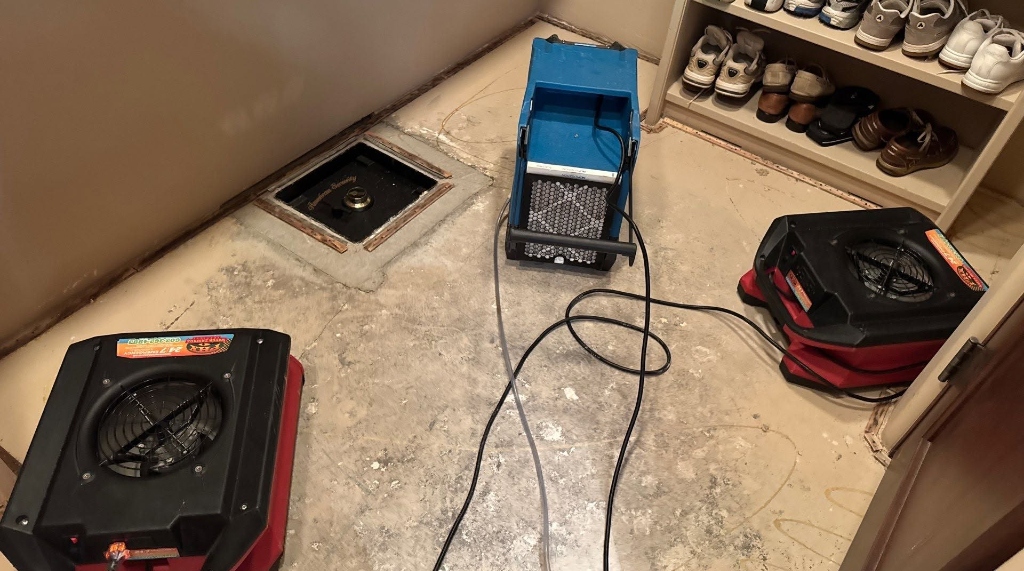
Certified battery room acid flood cleanup phoenix Field Documentation
Every response performed by Valley Restoration Pros is documented through photographic and thermographic records:
Comprehensive battery room acid flood cleanup phoenix Technical Manual & Operational Standards
Exhaustive engineering protocols, psychrometric calculations, geological multipliers, and step-by-step restoration standards for Maricopa County properties:
Executive Emergency Abstract: Mission-Critical Data Center Battery Room Acid Inundation & Decontamination
Across the expanding enterprise computing hubs and mission-critical cloud infrastructure of Greater Phoenix—spanning the hyperscale data center campuses of the Chandler Price Road Tech Corridor, the high-density tech parks along Mesa Elliot Road, and the carrier-neutral colocation facilities flanking Phoenix Sky Harbor International Airport and the Deer Valley industrial cluster—an uninterruptible power supply (UPS) battery hall chemical breach represents one of the most perilous industrial disasters confronting commercial facility directors. Modern Tier III and Tier IV data centers house thousands of high-capacity energy storage cells arranged in dense series strings, encompassing valve-regulated lead-acid (VRLA), flooded wet-cell lead-calcium, and advanced lithium-ion battery energy storage systems (BESS). When internal plate deterioration, manufacturing anomalies, charging bus over-voltage, or cooling mechanical failures provoke thermal runaway or casing ruptures, dozens to hundreds of gallons of concentrated sulfuric acid (H2SO4, specific gravity 1.215 to 1.300, pH under 1.0) or volatile electrolyte solvents discharge violently across raised access flooring, structural concrete sub-slabs, and subfloor cable containment infrastructure.
The immediate danger of a battery room acid flood is fundamentally distinct from conventional potable or stormwater intrusion. Sulfuric acid is an aggressive chemical oxidizer and dehydrating mineral acid that violently decomposes organic compounds, etches structural concrete, dissolves protective zinc coatings on raised floor pedestals, and attacks copper grounding grids and power busbars. Compounding this severe chemical degradation is the ever-present hazard of catastrophic electrical arc blast. Enterprise UPS battery strings operate at nominal open-circuit potentials ranging from 384 volts to 600 volts direct current (VDC), with available fault currents frequently exceeding 20,000 amperes. Saturated liquid electrolyte creates conductive liquid bridges across rack frames, floor stanchions, and electrical conduit pathways, introducing dangerous ground fault paths that can detonate into arc flash plasma explosions reaching temperatures above 15,000 degrees Fahrenheit under NFPA 70E Category 4 conditions.
Simultaneously, active chemical boiling and electrolysis within compromised battery jars release copious plumes of explosive hydrogen gas (H2) and highly toxic, choking sulfuric acid mist aerosols (H2SO4 mists and sulfur dioxide SO2). Hydrogen gas has an exceptionally wide flammability range, igniting at concentrations as low as 4.0 percent lower explosive limit (LEL) with minimal ignition energy. Because high-velocity computer room air handling (CRAH) and computer room air conditioning (CRAC) units circulate tens of thousands of cubic feet per minute across technical facilities, any migration of acid aerosols or corrosive vapors out of the isolated battery hall into adjacent white-space server rooms causes instantaneous micro-corrosion of microprocessors, circuit boards, silver optical transceiver contacts, and copper cold plates, resulting in multi-million-dollar hardware losses and catastrophic cloud service outages.
Mitigating a data center battery room electrolyte flood demands an elite, highly specialized restoration response. Valley Restoration Pros deploys master certified technicians trained in hazardous materials response, high-voltage electrical safety, and industrial psychrometrics. Our teams integrate immediate chemical containment, high-precision amphoteric buffering neutralization, explosion-proof hazmat liquid extraction, and Class I Division 1 negative-air chemical scrubbing to restore operational safety while protecting operational mission-critical loads. Facilities managers experiencing chemical flooding require rapid deployment of certified commercial water damage and industrial chemical decontamination professionals to halt structural erosion and protect facility uptime.
Immediate Mission-Critical Battery Room Acid Emergency Directives
- Establish NFPA 70E Arc Flash Safety Perimeter: Immediately restrict unauthorized access to the battery room corridor. Personnel entering the affected zone must be equipped with specialized NFPA 70E Category 4 arc flash rated protective suits combined with Level B chemical protective over-suits, dielectric boots rated for 20,000 volts, and full-face supplied-air or PAPR respiratory protection.
- Coordinate Controlled DC Disconnect Isolation: Under the supervision of qualified data center electrical engineers, initiate remote isolation of the affected battery string by tripping the dedicated string DC circuit breaker. Do not touch or manually manipulate live battery terminal connectors or wet rack framing until an electrically verified zero-energy state is confirmed.
- Isolate HVAC Air Handling & Engage Emergency Exhaust: Seal automatic supply and return dampers connecting the battery hall to the main technical server gallery. Activate dedicated explosion-proof battery room exhaust systems or deploy portable negative-air containment scrubbers fitted with chemical-impregnated activated alumina and potassium permanganate media to evacuate hydrogen and acid vapors directly outdoors.
- Deploy Polypropylene Containment Berms: Prevent liquid electrolyte from draining into subfloor cable raceways, floor penetrations, or seismic expansion joints using chemical-resistant polypropylene containment dikes and neutralizing absorption socks. Never apply water directly to raw sulfuric acid pools, as rapid exothermic hydration will trigger violent acid boiling and explosive splattering.
- Mobilize Industrial Hazmat Restoration Teams: Call commercial operations director Marcus Vance at the Valley Restoration Pros 24/7 Rapid Commercial Dispatch Hotline at (602) 847-9593. Our emergency response units arrive within thirty minutes equipped with intrinsically safe hazardous liquid recovery systems, buffered amphoteric neutralizers, and precision multi-gas monitoring instrumentation.
Anatomy of Battery Hall Inundation: Electrochemical Degradation, DC Fault Arcing & Subfloor Migration
Comprehending the precise electrochemical, thermal, and structural interactions that unfold when commercial battery strings fail is critical to executing a successful restoration program. Industrial uninterruptible power systems rely on high energy-density chemistry. In flooded wet-cell lead-calcium systems, each cell holds an aqueous solution of 30 to 40 percent sulfuric acid by weight, surrounded by a heavy-duty styrene acrylonitrile or polypropylene jar. In VRLA systems, the electrolyte is either absorbed into microporous glass mat separators (AGM) or gelled with fumed silica. When battery cells experience plate short-circuiting, thermal runaway, internal over-pressurization, post-seal degradation, or physical seismic jarring, casing integrity ruptures, releasing corrosive fluid that cascades downward through multi-tiered steel rack assemblies.
Sulfuric Acid Sub-Slab Dissolution
Concentrated sulfuric acid exhibits an intense chemical affinity for basic calcium compounds. When liquid electrolyte contacts an unsealed or etched concrete slab, it reacts instantly with calcium hydroxide and calcium silicate hydrate binder phases. This aggressive reaction produces calcium sulfate dihydrate (gypsum), releasing carbon dioxide gas, excess water, and substantial heat. The structural matrix of the concrete expands and disintegrates, causing deep surface spalling, loss of structural load capacity, and exposing embedded steel reinforcement rebar to accelerated oxidation and sectional loss.
Conductive DC Arc Flash Ground Faults
Unlike alternating current (AC) supplies that pass through a natural zero-voltage crossing 120 times per second, direct current (DC) sustained arcs do not naturally extinguish. Because sulfuric acid electrolyte contains high concentrations of mobile hydronium and sulfate ions, it functions as a super-conductive liquid. When fluid pools bridge the gap between high-potential battery terminals (up to 600VDC) and grounded structural steel battery racks or floor pedestal grids, an intense electrical arc ignites. This arc sustains sustained plasma temperatures exceeding 15,000°F, vaporizing surrounding metals and igniting adjacent plastic battery casings.
Explosive Hydrogen Gas Off-Gassing
During thermal runaway or cell failure, high charging currents drive intense electrochemical dissociation of water into molecular hydrogen (H2) at the cathode and oxygen (O2) at the anode. Gaseous hydrogen escapes into the room atmosphere through cracked battery jar walls and pressure relief valves. Because hydrogen is the lightest known gas, it rapidly stratifies along the upper ceiling envelope and above suspended cable trays. At concentrations between 4.0% and 75.0% by volume, hydrogen creates an explosive mixture capable of detonation from the smallest static electric discharge or relay click.
Raised Floor Cavity Hydraulic Ingress
In technical spaces utilizing raised access floors, spilled acid penetrates floor panel seams, flowing unimpeded into the subfloor air distribution plenum. The corrosive electrolyte attacks galvanized steel pedestal assemblies, aluminum stringers, seismic anchor bolts, and subfloor grounding conductors. In addition, acid pools submerge critical cabling—including DC power cables, fiber optic bundles, and building management system (BMS) telemetry sensors—degrading polyvinyl chloride (PVC) and cross-linked polyethylene (XLPE) jacket insulation to cause catastrophic communication loss.
When acid mist escapes into the main server whitespace, airborne sulfuric acid molecules deposit onto sensitive printed circuit board assemblies. The acid reacts with micro-circuit copper traces and tin lead solder joints, initiating electrochemical electromigration and dendritic short circuits. To prevent secondary hardware failure in connected data spaces, facility managers should reference our comprehensive procedures for data center server room water damage to ensure that environmental containment barriers, positive pressure pressurization, and chemical scrubbers are deployed instantly.
Phoenix Climatic, Thermal & Geological Multipliers in Battery Room Disasters
Operating mission-critical electrical storage systems in the Sonoran Desert presents engineering and environmental challenges found nowhere else in North America. Greater Phoenix experiences sustained summer heat waves where ambient exterior temperatures consistently hover between 110 and 122 degrees Fahrenheit. Rooftop temperatures above industrial data center buildings frequently reach 160 degrees Fahrenheit, pushing central chiller plants, adiabatic economizers, and computer room air handler (CRAH) condensing loops to their absolute design thresholds. These extreme ambient conditions dramatically accelerate battery degradation and turn minor electrolyte leaks into acute facility emergencies.
Arrhenius Thermal Kinetics & Accelerated Battery Cascade in the Desert
The fundamental chemistry of lead-acid and lithium-ion batteries is governed by the Arrhenius rate equation. In lead-acid electrochemical cells, the internal chemical reaction rate doubles with every 10 degrees Celsius (18 degrees Fahrenheit) increase in operating temperature above the baseline 25 degrees Celsius (77 degrees Fahrenheit). For data center facilities located across Phoenix water damage corridors and high-density industrial parks, any temporary interruption in battery room cooling—such as a rooftop chiller trip, circulating pump mechanical failure, or power transient during utility peak-shaving events—causes indoor room temperatures to spike from 72°F to over 105°F within forty-five minutes.
At elevated temperatures, grid corrosion within the lead plates accelerates exponentially, producing internal short circuits and dramatic increases in float current. The battery begins absorbing more electrical energy than it can dissipate as heat, initiating a self-reinforcing thermal runaway cycle. The liquid electrolyte within the cells reaches boiling temperatures, generating intense hydraulic pressure that distorts the outer plastic container, ruptures flame-arresting vents, and splits terminal post seals. When cell casings rupture under intense desert heat, boiling acid cascades across multiple tiers, simultaneously spraying acidic vapors into return air intakes.
Expansive Caliche Soils & Slab Fissuring
The geological foundation of the Salt River Valley consists of expansive alluvial clay soils interwoven with dense, concrete-like calcium carbonate deposits known as caliche. These soils undergo substantial volumetric swelling during summer monsoon downpours, followed by intense shrinkage during severe drought months. This continuous soil movement exerts differential settlement stress on heavy industrial slabs, generating structural hairline fractures. When concentrated sulfuric acid floods a battery hall floor, the acid seeps deep into these slab fissures, dissolving the concrete matrix from the inside out and attacking structural post-tension tensioning tendons beneath high-load battery racks.
Stringent Maricopa County & ADEQ Hazmat Mandates
Industrial facilities in Maricopa County operate under rigorous oversight enforced by the Arizona Department of Environmental Quality (ADEQ) and the Maricopa County Air Quality Department (MCAQD). Sulfuric acid is classified as an extremely hazardous substance under EPCRA Section 302, with a Reportable Quantity (RQ) of 1,000 pounds (approximately 65 gallons). Furthermore, under Resource Conservation and Recovery Act (RCRA) standards (40 CFR Part 261), unneutralized battery room spill slurry exhibits a pH well below 2.0, legally classifying it as EPA Hazardous Waste D002 (Corrosivity). Facilities located within the Chandler water damage technology zone must ensure complete manifest documentation and licensed disposal to avoid severe statutory penalties.
Immediate First-Hour Emergency Protocol: Hazmat Isolation & High-Voltage Safety
The initial sixty minutes following a data center UPS battery room failure dictate whether the incident remains a contained equipment failure or escalates into an uncontrolled facility fire, catastrophic power outage, or fatal arc flash event. When an acid flood occurs, data center personnel and emergency responders must execute a disciplined, phased tactical response protocol adhering strictly to NFPA 70E and OSHA 1910 standards.
Zone Evacuation & NFPA 70E Arc Flash Boundary Enforcement
Immediately evacuate all non-essential personnel from the battery hall and adjacent electrical switchgear galleries. Establish a strict safety perimeter at the entrance door, marking the NFPA 70E Arc Flash Protection Boundary (minimum 10 feet from open live DC busbars). No personnel may cross this boundary without full Level B hazardous materials personal protective equipment integrated with a 40 cal/cm² arc flash suit, Class 4 dielectric insulating gloves tested to 36,000V AC / 54,000V DC, chemical splash face shield, and positive-pressure self-contained breathing apparatus (SCBA) or powered air-purifying respirator (PAPR) equipped with acid gas cartridges.
Coordinated DC String Isolation & Electrical Lockout/Tagout
Under the direct command of the lead electrical engineer, isolate the damaged battery string via the motorized DC circuit breaker located within the battery switchboard or UPS input panel. Never attempt to manually operate uninsulated manual knife switches or disconnect lugs located directly within the contaminated liquid flood zone. Once the string breaker is locked out and tagged out (LOTO), utilize a calibrated, high-voltage insulated multimeter (rated CAT IV 1000V) with 1,000-volt insulated probes to verify that open-circuit string voltage and floating ground fault potentials have collapsed to zero before technicians enter the fluid puddle.
Atmospheric Surveillance & Intrinsically Safe Multi-Gas Testing
Before introducing mechanical ventilation or suction equipment, deploy an intrinsically safe, Class I Division 1 multi-gas detector. Continuously measure atmospheric concentrations of hydrogen (LEL percentage), sulfur dioxide (SO2 in parts per million), hydrogen sulfide (H2S), and oxygen (O2 percentage). If hydrogen levels exceed 10 percent of the lower explosive limit (0.4% H2 by volume), all electrical operations must halt immediately, and intrinsically safe, explosion-proof pneumatic air horns or certified fans must be engaged to dissipate gas stratification beneath ceilings and above cable trays.
Physical Containment & Perimeter Acid Berming
Deploy chemically inert polypropylene containment booms, acid-resistant pillows, and magnetic subfloor drain covers around the perimeter of the battery room. Block all floor penetrations where conduit risers or fiber optic pathways enter lower-level mechanical rooms or subterranean vaults. Rapid perimeter containment prevents free-standing acid from entering municipal drainage conduits or migrating into adjacent technical spaces where critical emergency water extraction and biohazard cleanup procedures would be required to remediate secondary environmental contamination.
Advanced Industrial Equipment Specifications: Explosion-Proof Extraction & Chemical Scrubbing
Remediating an industrial battery hall inundated with conductive, corrosive sulfuric acid electrolyte requires military-grade decontamination and environmental stabilization hardware. Standard water damage restoration pumps, commercial shop vacuums, and conventional carpet extractors are strictly prohibited in this operating environment; standard electric motors generate internal sparks that will ignite ambient hydrogen gas, and their metallic impellers and aluminum housings will corrode and dissolve within minutes of contacting concentrated acid. Valley Restoration Pros deploys an extensive fleet of specialized, explosion-proof hazmat mitigation assets engineered specifically for mission-critical industrial facilities.
Step-by-Step IICRC S500 / Hazmat Neutralization Protocol
Restoring an enterprise battery hall following an acid inundation requires an uncompromising, multi-stage remediation protocol combining the strict environmental standards of IICRC S500 with OSHA Hazwoper (29 CFR 1910.120) and NFPA 855 regulations. Every phase must be executed with methodical precision to protect personnel safety, safeguard physical building assets, and restore mission-critical power systems to pristine operating condition.
Seven-Stage Industrial Battery Hall Decontamination Protocol
Stage 1: Hazardous Atmospheric Clearance & Zero-Energy Lockout
Certified hazmat technicians in Level B chemical protective ensembles perform continuous atmospheric testing across floor, breathing zone, and ceiling elevations. Technicians verify that hydrogen concentrations remain below 10% LEL and sulfur dioxide levels are safely managed below OSHA PEL (5 ppm). Certified electricians confirm zero-energy status across all affected DC strings using calibrated 1,000V CAT IV multimeters. High-capacity chemical air scrubbers are established to maintain negative pressure within the containment zone.
Stage 2: Precision Controlled Amphoteric Chemical Neutralization
Raw sulfuric acid cannot be treated with unbuffered strong alkalis (such as caustic soda), which cause violent exothermic reactions, boiling, and dangerous aerosol splattering. Technicians apply an engineered amphoteric buffering formulation containing sodium bicarbonate, sodium carbonate, and integrated organic pH color indicators. The solution is applied gradually via low-pressure misting systems from the perimeter inward. Technicians observe the visual color change: the solution turns deep red upon contacting acid (pH < 2.0), foaming mildly as carbon dioxide is gently evolved, and shifts to a stable yellow-green when the solution reaches safe neutrality (pH 7.0 to 8.0).
Stage 3: Slurry Recovery & Hazardous Waste Drum Packaging
Once fully neutralized, the remaining liquid and calcium sulfate precipitate form a semi-viscous slurry. Using Class I Division 1 explosion-proof wet vacuums and pneumatic diaphragm pumps, technicians extract all slurry from concrete surfaces, floor drains, and equipment sumps. The recovered material is transferred directly into UN/DOT-rated 1H1 open-head polyethylene hazardous waste drums, securely sealed with lever-lock ring closures, and labeled in accordance with EPA and ADEQ hazardous waste shipping regulations.
Stage 4: Subfloor Access Demounting & Infrastructure Decontamination
Technicians carefully lift contaminated raised floor panels using suction-cup lifters, decontaminating the underside of each tile. Raised floor pedestals, stringers, seismic bracing rods, and copper grounding ribbons are meticulously inspected for acid corrosion and micro-pitting. Technicians apply specialized metal de-oxidizing and passivating solutions to all metal infrastructure to strip microscopic acid residues and deposit a protective sacrificial barrier against future galvanic corrosion, preventing the need for complex structural repairs similar to post-incident fire damage restoration interventions.
Stage 5: High-Precision Sub-Slab Alkaline Scrubbing & Rinse
Because concrete is porous, sulfuric acid inevitably migrates into capillaries and aggregate pores. Technicians scrub the subfloor slab using rotary mechanical floor scrubbers equipped with polypropylene bristles, applying a dilute alkaline surfactant wash. The high-pH wash penetrates microscopic concrete pores, chemically neutralizing sub-surface acid residues that would otherwise cause delayed concrete crumbling or efflorescence. The wash liquid is immediately vacuum-extracted, and a final deionized water rinse is performed until surface conductivity testing confirms the elimination of ionic contaminants.
Stage 6: Psychrometric Structural Desiccant Drying
Following aqueous neutralization and rinsing, substantial moisture remains trapped within the concrete slab and subfloor cavity. Uncontrolled humidity in a battery hall accelerates metal corrosion and degrades insulation resistance. Technicians deploy industrial desiccant dehumidifiers and high-velocity axial air movers configured in an engineered drying vortex. Drying continues until concrete relative humidity drops below 75% (ASTM F2170) and moisture vapor emission rates (MVER) return to facility baseline specifications (< 3.0 lbs/1,000 sq ft/24hr), preventing moisture-related secondary damage comparable to high-volume burst pipe repair events.
Stage 7: Post-Remediation Verification, Megger Testing & Clearance
Prior to releasing the battery hall back to operational facilities management, independent scientific verification is conducted. Technicians execute surface pH grid testing using calibrated digital pH meters across a 5x5-foot grid pattern, certifying that 100% of tested surfaces register between 6.5 and 8.0 pH. Certified electrical testing technicians perform insulation resistance testing (Megger testing at 1,000V DC) across busbars, cable conductors, and rack framing to confirm insulation resistance exceeds 100 Megohms. Formal environmental clearance documentation and psychrometric logs are compiled and signed by our master restoration lead.
Regulatory Compliance, ADEQ Hazardous Waste Manifest & RCRA Recovery
Industrial and commercial battery room chemical spill remediation is governed by an intricate web of federal, state, and municipal environmental statutes. Operating without strict adherence to these legal frameworks exposes data center operators, facility owners, and restoration contractors to severe civil penalties, EPA administrative enforcement actions, and significant legal liability. Valley Restoration Pros maintains comprehensive regulatory compliance protocols, ensuring that every gallon of hazardous electrolyte recovered from your facility is documented, manifested, transported, and treated in strict accordance with the law.
EPA RCRA Title 40 CFR Part 261
Under federal Resource Conservation and Recovery Act (RCRA) regulations, sulfuric acid electrolyte discharged from industrial lead-acid batteries exhibits the characteristic of corrosivity (EPA Waste Code D002), defined as an aqueous waste possessing a pH of 2.0 or lower. All absorbent materials, rags, slurry mixtures, and PPE contaminated during the cleanup that cannot be fully decontaminated must be handled, labeled, and disposed of as regulated hazardous waste.
ADEQ Hazardous Waste Manifest System
In the State of Arizona, the Arizona Department of Environmental Quality (ADEQ) enforces hazardous waste management rules under Arizona Administrative Code (A.A.C.) Title 18, Chapter 8. Hazardous battery waste removed from a facility must be documented using the Uniform Hazardous Waste Manifest (EPA Form 8700-22). Valley Restoration Pros coordinates certified hazardous waste transportation with licensed haulers, ensuring complete cradle-to-grave manifest tracking from the facility to a permitted Treatment, Storage, and Disposal Facility (TSDF).
NFPA 855 Stationary Energy Storage Standards
The National Fire Protection Association standard NFPA 855 establishes strict fire and life safety requirements for stationary energy storage systems (ESS). Chapter 4 mandates continuous mechanical exhaust ventilation capable of preventing hydrogen gas concentrations from exceeding 25% of LEL, specialized acid-neutralizing spill containment systems capable of holding 100% of the largest single battery vessel plus fire suppression runoff, and mandatory emergency planning protocols.
OSHA 1910.268 & 1910.305 Mandates
OSHA telecommunications and electrical safety standards mandate specific safety engineering for battery handling spaces. Employer obligations include providing emergency eyewash stations capable of delivering 15 minutes of continuous potable water (ANSI Z358.1), acid-resistant personal protective apparel, non-conductive insulated hand tools, and strict prohibition of open flames or spark-producing devices in areas where flammable hydrogen may accumulate.
Similar environmental diligence and mechanical isolation protocols are maintained across our other specialized critical infrastructure services, such as commercial fire pump room flood water extraction and sub-slab stabilization for industrial facilities experiencing slab leak water damage restoration.
Hyper-Local Phoenix Case Study: 480V UPS Battery String Rupture in Chandler Tech Corridor
Commercial Pay-Per-Call Financial Integrity & Insurance Claims Transparency
In commercial data center property management and corporate risk control, financial transparency and regulatory accuracy are just as vital as technical execution. When a battery hall acid inundation occurs, facility directors and risk managers cannot afford vague billing estimates, hidden surcharges, or ambiguous documentation that results in disputed commercial property insurance claims. Valley Restoration Pros adheres to the highest operational and financial compliance standards in the property restoration industry.
Free Comprehensive On-Site Assessment
Our master certified industrial restoration supervisor arrives on site within thirty minutes to perform a comprehensive physical and chemical hazard evaluation. We measure fluid contamination depth, assess subfloor structural integrity, conduct thermal imaging scans, and test atmospheric hydrogen and toxic gas levels at zero upfront cost to your facility.
Transparent Upfront Itemized Pricing
Before any neutralization chemical is dispensed or extraction equipment is engaged, we provide facility management with an itemized written scope of work and pricing schedule. Our rates reflect standard industry-accepted unit costs without emergency price-gouging, surcharges, or unapproved line items.
Full Insurance Claims Documentation Support
We supply corporate risk managers, property casualty adjusters, and facility insurers with comprehensive digital claims packages: high-resolution photographic evidence, infrared thermal moisture maps, continuous psychrometric drying logs, surface pH verification grids, and ADEQ hazardous waste manifests.
Compliance Notice: Zero Direct Insurance Billing Promises
In strict compliance with Arizona commercial trade standards and corporate risk governance, Valley Restoration Pros never promises that your commercial insurance carrier will cover 100 percent of remediation costs without client policy review, nor do we engage in unauthorized third-party billing practices. Property owners and authorized facility managers review and authorize all work scopes. We work directly alongside your commercial insurance adjuster to ensure every Xactimate code—from hazardous material extraction (HAZ MATX) to certified industrial hygienist clearance testing—is fully documented for expedited claim settlement. To evaluate potential costs, utilize our online Instant Cost Estimator or contact us directly for priority commercial dispatch.
Frequently Asked Questions: Technical Battery Room Acid Remediation
A UPS battery room spill introduces three simultaneous existential threats: acute chemical corrosion, electrical arc flash explosion, and explosive gas generation. Battery electrolyte consists of 30% to 40% concentrated sulfuric acid with a pH below 1.0, which aggressively dissolves structural concrete, etches steel framing, and destroys copper cabling. Because data center UPS battery strings operate at open-circuit voltages between 384VDC and 600VDC with high available fault currents, conductive acidic pools establish unintended ground fault loops capable of detonating into lethal arc blast plasma balls. Furthermore, battery runaway generates explosive hydrogen gas and choking sulfur dioxide vapors that can migrate into server halls and cause catastrophic equipment destruction.
Applying water directly to concentrated sulfuric acid is an extremely dangerous operational error. The dissolution of sulfuric acid in water is an intensely exothermic reaction: the hydration energy released causes the water to instantaneously boil into steam, causing violent explosive splattering that sprays boiling, concentrated acid across technicians, electrical equipment, and building finishes. Additionally, adding water dramatically increases the physical volume of conductive hazardous liquid, washing acidic electrolyte across larger surface areas and deep into subfloor cable plenums. Water should only ever be introduced as a secondary rinse after the acid has been completely neutralized with a buffered amphoteric agent.
Yes, under proper engineering controls and hazmat isolation procedures, adjacent technical server halls can maintain continuous 100% operational uptime. Our technicians seal all return air and supply dampers connecting the battery hall to the main HVAC system, establishing dedicated negative-air containment barriers utilizing chemical scrubbers fitted with potassium permanganate and activated carbon. This isolates all acid aerosols, hydrogen gas, and corrosive vapors within the battery hall, exhausting them safely to exterior environments while protecting computing hardware from micro-corrosion.
Sulfuric acid reacts vigorously with the alkaline components of concrete, specifically calcium hydroxide and calcium silicate hydrates, converting them into calcium sulfate dihydrate (gypsum). This chemical transformation causes the concrete matrix to expand significantly in volume, producing internal hydraulic pressure that leads to surface spalling, crumbling, and structural softening. In the Greater Phoenix area, where building foundations frequently rest upon expansive caliche soils, acid penetrates into natural settlement fissures, attacking reinforcing steel rebar and post-tension tendon anchors. If left unneutralized, structural capacity beneath multi-ton battery racks is severely compromised.
In Arizona, recovered battery electrolyte is categorized as EPA Hazardous Waste D002 (Corrosive). Under Arizona Administrative Code (A.A.C.) R18-8 enforced by the Arizona Department of Environmental Quality (ADEQ), all hazardous liquid waste, spent absorbents, and contaminated debris must be packaged into UN/DOT-certified 1H1 containers and transported by an EPA-licensed hazardous waste transporter using an official Uniform Hazardous Waste Manifest (EPA Form 8700-22). Valley Restoration Pros handles complete manifest documentation and coordinates delivery to permitted TSDF facilities, providing facility owners with legally binding certificates of treatment and disposal.
We strictly deploy certified Class I Division 1 explosion-proof, pneumatically driven extraction systems or sealed intrinsically safe liquid recovery vacuums. All hoses, wand attachments, and recovery drums are constructed of static-dissipative materials and bonded directly to the facility grounding grid via calibrated copper bonding clamps. Furthermore, technicians verify string LOTO isolation and maintain continuous monitoring with catalytic bead and photoionization detectors to ensure hydrogen gas concentrations never approach lower explosive limits.
Prior to re-energization, our lead inspector performs three rigorous scientific verifications: First, surface pH grid mapping is conducted across all concrete sub-slabs, pedestals, and racks to certify a neutral pH between 6.5 and 8.0. Second, psychrometric testing verifies that concrete moisture vapor emission rates (MVER) are below 3.0 lbs/1,000 sq ft/24hr and relative humidity is below 75%. Third, certified electrical engineers perform high-voltage Megohmmeter insulation resistance testing at 1,000V DC, confirming that insulation resistance between live busbars and ground exceeds 100 Megohms, ensuring complete safety against arc faults. In cases where moisture-related microbial issues are present, our teams also execute certified mold remediation protocols.
In the Greater Phoenix summer, where outdoor ambient temperatures exceed 115°F, battery rooms that lose cooling can reach internal temperatures of 105°F to 120°F in under an hour. Because the Arrhenius chemical reaction rate doubles with every 18°F increase, battery internal grid corrosion accelerates by more than 400% under these elevated thermal conditions. Electrolyte expands rapidly, boiling within cell jars and generating internal pressures that exceed flame arrestor ratings within 30 to 60 minutes. Immediate commercial emergency response within 30 minutes is crucial to halt thermal cascading before multi-string destruction occurs.
Valley-Wide Regional Commercial Dispatch Directory: Mission-Critical Corridors
Valley Restoration Pros maintains strategically positioned rapid-response industrial mobile units across the Greater Phoenix metropolitan area. Our dedicated hazardous materials and commercial restoration teams provide guaranteed thirty-minute emergency mobilization to all major technical hubs, data center campuses, and colocation corridors throughout Maricopa County. Review our complete coverage across all areas we serve.
Chandler Price Road Technology Corridor
Price Rd, Willis Rd, Germann Rd & Loop 202
Serving premier enterprise data campuses, semiconductor manufacturing complexes, and corporate technology parks throughout the South East Valley with dedicated hazmat containment and UPS dewatering trailers.
Mesa Elliot Road Technology Corridor
Elliot Rd, Signal Butte Rd & Phoenix-Mesa Gateway
Rapid dispatch to the East Valley’s largest concentration of hyperscale cloud facilities, colocation data centers, and advanced manufacturing battery storage halls.
Phoenix Sky Harbor & Downtown Fiber Core
Buckeye Rd, 24th St, 48th St & Central Ave Corridor
Immediate coverage for major carrier-neutral interconnection hubs, financial institution primary data centers, and telecommunications central offices in the Phoenix urban core.
Deer Valley & North Phoenix Tech Parks
Deer Valley Rd, Pinnacle Peak Rd & I-17 Corridor
Serving aerospace computing centers, defense electronics laboratories, and colocation facilities across the North Phoenix and Deer Valley industrial zones.
Tempe Tech Basin & Research Park
Broadway Rd, Priest Dr, Warner Rd & Loop 101
Dedicated emergency response units supporting biotechnology server facilities, university supercomputing hubs, and enterprise colocation suites in Tempe.
Scottsdale Airpark & Kierland Business Hub
Raintree Dr, Scottsdale Rd, Bell Rd & Loop 101
Rapid response to corporate headquarters, software enterprise data suites, and private cloud battery backup installations throughout North Scottsdale.
24/7 Rapid Commercial Dispatch: Mission-Critical Battery Room Emergencies
When an uninterrupted power supply battery string ruptures, every second counts. Connect directly with our certified commercial hazmat restoration operations center for thirty-minute on-site response across all Valley municipalities.
Call 24/7 Commercial Dispatch: (602) 847-9593Verified Local Area Dispatch: Phoenix, AZ
Official Geo-Coordinates: 33.4484° N, -112.074° W • Maricopa County
Related Specialized Emergency Restoration Services
Explore specialized rapid-response mitigation protocols across Greater Phoenix and Maricopa County:
Valley-Wide Emergency Response Service Coverage
Our mobile restoration fleet is dispatched across the entire Phoenix metropolitan region, providing rapid 30 to 60 minute emergency response: