

Valley Restoration Pros delivers 24/7 industrial emergency water extraction, thermal psychrometric drying, and structural mitigation across Phoenix and Maricopa County with guaranteed 30–60 minute rapid arrival. All protocols strictly adhere to IICRC S500 standards, featuring upfront itemized pricing and free on-site thermal moisture assessments. Call dispatch directly at (602) 847-9593.
Why Immediate Mitigation Is Critical in Phoenix Heat

Service Definition & The IICRC Standard of Care
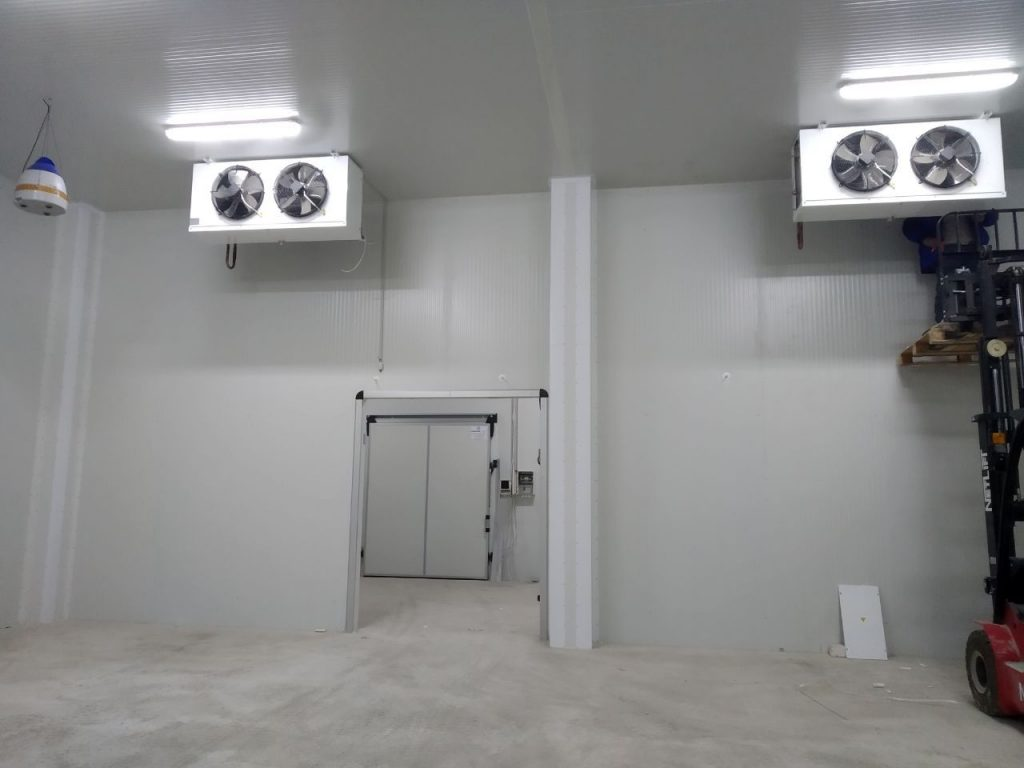
Professional glendale commercial poultry processing plant cold room flood mitigation is an engineering and environmental discipline adhering strictly to IICRC S500 protocols, not mere surface mopping. When structural plumbing failures strike in Maricopa County, certified emergency water extraction and thermal structural drying procedures must be deployed immediately. Whether triggered by high-pressure burst pipe emergencies, subfloor leaks, or commercial line ruptures, bound moisture rapidly penetrates concrete subfloors and wall framing. In the desert heat, delays trigger microbial proliferation requiring rapid mold remediation. Request damage assessment through our emergency assessment portal or request 30-minute dispatch across all Valley service areas.
Securing electrical feeds, inspecting load-bearing assemblies, and containing pathogens.
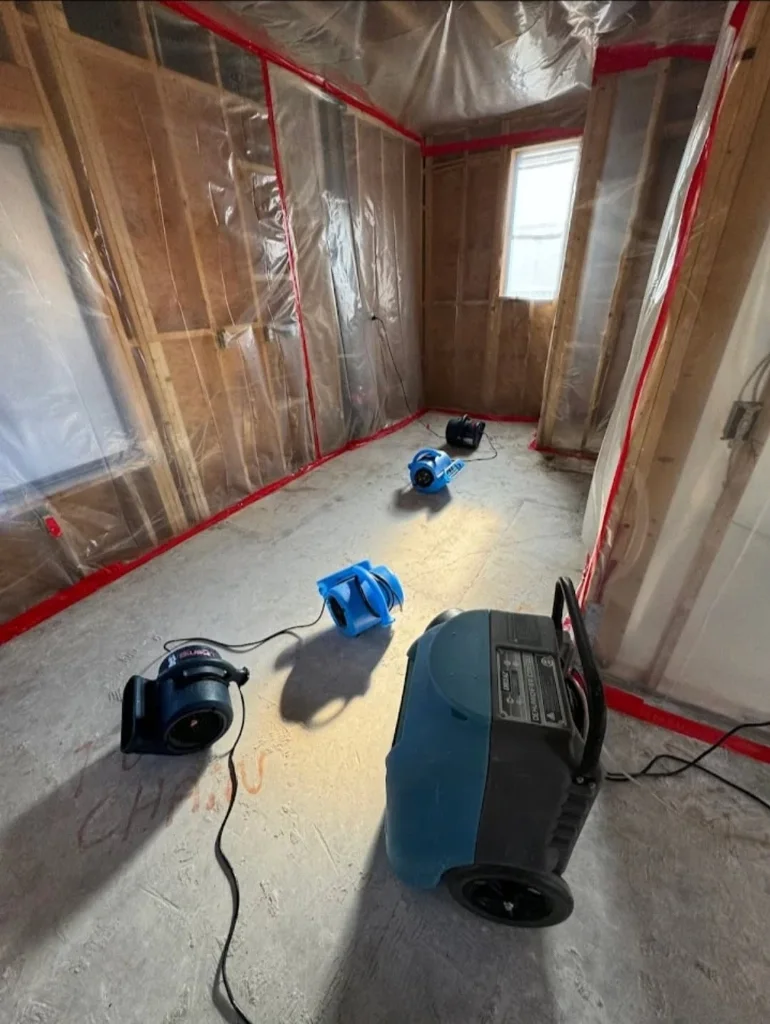
Stopping the intrusion source and erecting 6-mil plastic isolation containment airlocks.
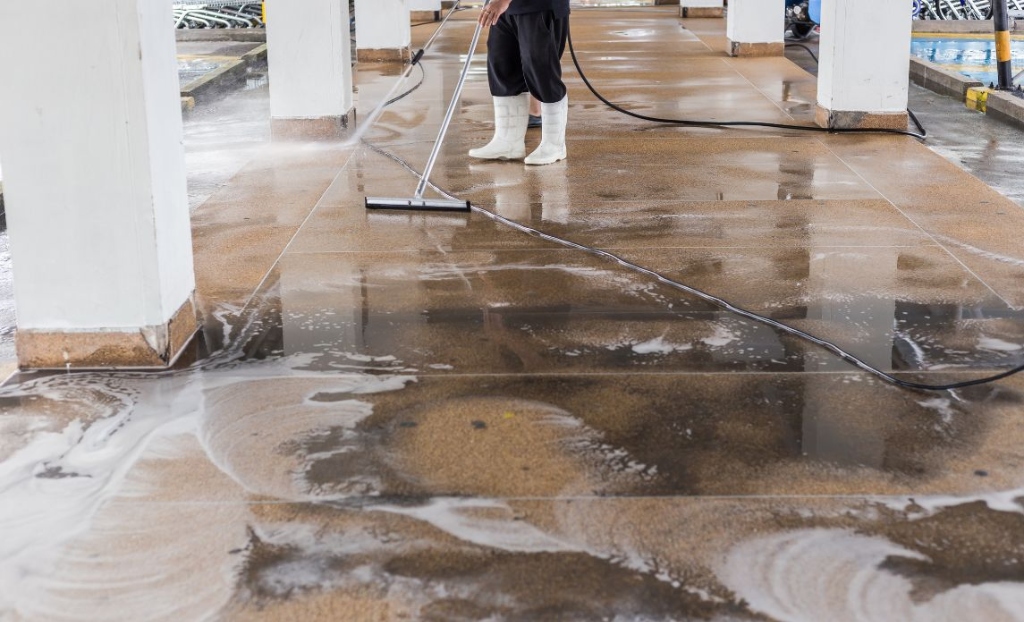
31-HP truck-mount extraction, removing gallons exponentially faster than evaporation.
LGR dehumidifiers and HEPA air scrubbers driving grains per pound below 25 GPP.
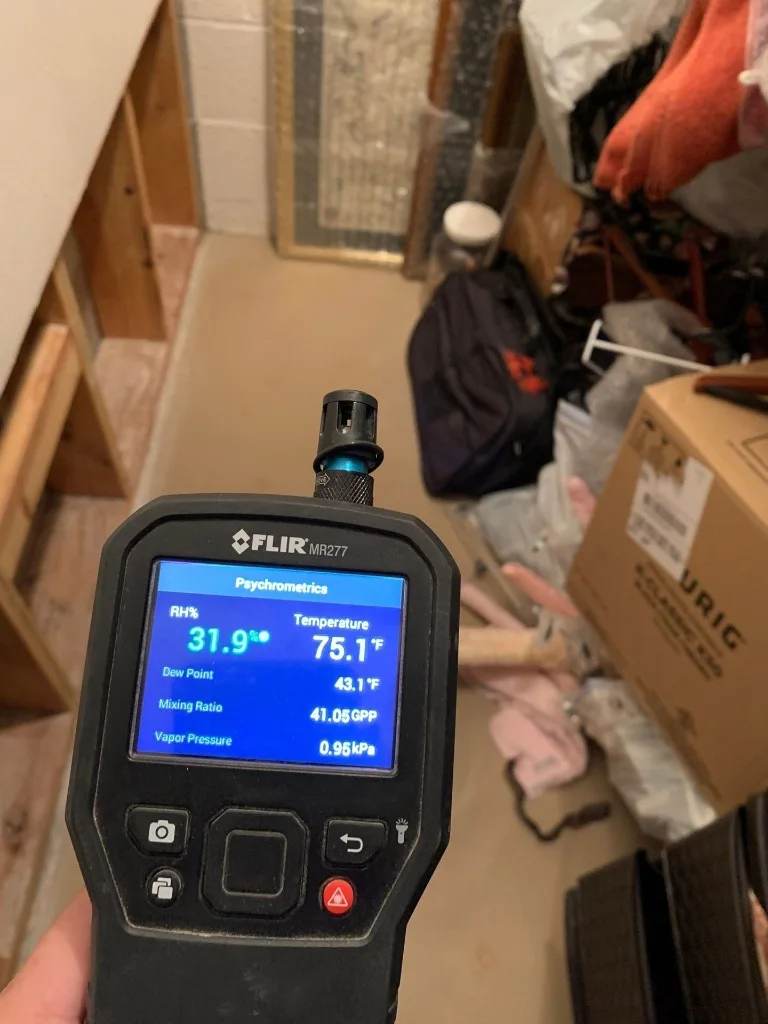
Calibrated electronic pinless testing confirming baseline dry standards.
The Complete 6-Stage Restoration Roadmap
Our IICRC-certified crews execute a disciplined, scientific 6-stage protocol to stabilize and dry structural components:
Emergency Dispatch & Perimeter Isolation
30 to 60 minute arrival. Securing electrical shutoffs, evaluating structural loads, and erecting containment airlocks.
FLIR® Thermal Mapping & Baseline Scans
Infrared thermal scans detect trapped moisture behind walls and beneath concrete without invasive exploratory demolition.
High-Volume Bulk Extraction
31-HP truck-mount extraction units pump standing water away at hundreds of gallons per minute.
Controlled Selective Demolition
Precision flood cuts 12 to 24 inches above moisture lines, removing wet insulation and opening wall framing to dry airflow.
Thermodynamic Dehumidification
Industrial Low-Grain Refrigerant dehumidifiers pull deep trapped moisture from dense framing lumber and concrete slabs.
Antimicrobial Sanitization & Verification
EPA-registered botanical application (Benefect Decon 30) and calibrated moisture testing to issue an official dry certificate.
Specialized Equipment & Industrial Restoration Technology
Mitigating severe property damage requires industrial-grade technology capable of altering thermodynamic psychrometrics:
Truck-Mounted Extraction Rigs
31-HP engines producing 16+ inches Hg vacuum suction to evacuate bulk water rapidly into holding tanks.
Low-Grain Refrigerant Dryers
Pre-cooling heat-pipe systems driving ambient grains per pound below 25 GPP to draw deep trapped water out of framing.
HEPA Negative-Air Scrubbers
Hospital-grade 99.97% particulate filtration capturing microscopic fungal spores, soot, and biohazard aerosols.
FLIR® Thermal Scanners & Probes
Infrared thermography detecting evaporative cooling boundaries behind walls, combined with digital RF pinless scanners.
Professional Restoration vs. DIY Mitigation
Attempting DIY cleanup during a property disaster creates severe hidden liabilities:
- Trapped Moisture: Surface drywall dries while moisture inside cavities triggers hidden mold blooms.
- Pathogenic Risks: Category 2 & 3 water contains bio-contaminants standard cleaners fail to kill.
- Insurance Denial: Insurers require daily psychrometric logs; lack of data causes claim disputes.
Transparent Upfront Itemized Pricing
Valley Restoration Pros operates with complete transparency:
- Free On-Site Assessment: Complete physical inspection before work begins.
- Upfront Itemized Estimates: Detailed line items calculated via industry-standard Xactimate.
- Zero Surprise Billing: No hidden charges or unauthorized repairs.
Certified glendale commercial poultry processing plant cold room flood mitigation Field Documentation
Every response performed by Valley Restoration Pros is documented through photographic and thermographic records:
Comprehensive glendale commercial poultry processing plant cold room flood mitigation Technical Manual & Operational Standards
Exhaustive engineering protocols, psychrometric calculations, geological multipliers, and step-by-step restoration standards for Maricopa County properties:
Executive Emergency Abstract: Glendale Commercial Poultry Processing Plant Cold Room Flood Mitigation
Within the heavy manufacturing, meat packing, and logistics infrastructure of Glendale, Arizona—anchored along the critical freight arteries of the Loop 303 industrial expansion corridor, Northern Avenue, Glen Harbor Boulevard, and the Glendale Industrial Park—commercial poultry processing facilities operate under some of the most rigorous regulatory standards and unforgiving thermodynamic environments in modern food production. These high-throughput agricultural manufacturing installations house multi-stage production lines processing tens of thousands of birds daily: live hang sectors, scalding tanks, automated evisceration tunnels, continuous post-evisceration immersion and air chillers, and sprawling cold rooms maintaining continuous carcass temperatures between 32°F and 36°F (0°C to 2.2°C). When an industrial flood strikes a commercial poultry cold room, the disaster presents a multidimensional operational crisis involving mechanical failure, hydraulic overloading, extreme microbial pathogen threats, and immediate regulatory intervention.
Unlike generic commercial warehousing, flooding within an active poultry cold room cannot be remediated through conventional drying techniques. Poultry processing floors are engineered with continuous perimeter curb coves, seamless acid-resistant urethane concrete decks, complex subfloor stainless steel trench drainage channels, and overhead stainless steel product rail conveyors. When an overhead refrigeration header ruptures, a chiller circulation loop bursts, or an industrial floor trench drain backs up during continuous plant sanitation washdowns, hundreds of thousands of gallons of contaminated process water, poultry washdown effluent, and chilled secondary refrigerants can submerge critical staging areas. The presence of organic protein loading, poultry blood, avian visceral liquids, and high-titer microbiological vectors transforms the incident into an immediate Category 3 biohazard loss requiring specialized industrial containment under strict United States Department of Agriculture (USDA) Food Safety and Inspection Service (FSIS) Title 9 Code of Federal Regulations (9 CFR § 416).
The thermodynamic consequences of cold room inundation are immediate and catastrophic. Standing liquid water resting on concrete slabs operating near freezing temperatures induces severe vapor pressure deltas, while Glendale's scorching Sonoran Desert ambient environment—regularly exceeding 115°F (46.1°C) during summer months—creates a colossal thermal differential across building envelope barriers. Unregulated air infiltration generates dense whiteout condensation fog, saturates overhead insulated metal ceiling panels, and causes moisture to condense and drip directly onto open poultry carcasses, triggering immediate USDA condemnation under zero-tolerance adulteration rules. Facility directors, plant engineers, and environmental health and safety managers must mobilize certified emergency water extraction within the first sixty minutes to stabilize the envelope, isolate clean product zones, prevent structural slab displacement, and halt irreversible insulated metal panel core saturation.
Furthermore, unmanaged standing wastewater rapidly penetrates the expansion joints separating cold holding bays from adjacent processing departments, escalating into widespread contamination that threatens nearby commercial water damage restoration protocols across the complex. If secondary chiller coolant lines suffer structural integrity compromises during the hydraulic surge, the chemical and biological contamination spreads rapidly beneath equipment bases and automated packaging machinery. In extreme circumstances, water intrusion into electrical distribution chases can trigger cascaded power failures across the facility, halting blast chilling operations and accelerating catastrophic food spoilages.
Valley Restoration Pros maintains a dedicated industrial large-loss emergency response fleet stationed strategically near Glendale's key commercial corridors. With guaranteed 20- to 30-minute rapid mobilization, our master-certified disaster restoration teams arrive on site fully equipped with trailer-mounted high-vacuum liquid extractors, explosion-proof positive displacement fluid pumps, industrial low-dewpoint desiccant dehumidification systems, and EPA-registered food-contact biocidal chemistry. Facility leadership can initiate immediate emergency dispatch directly through our 24/7 commercial priority line at (602) 847-9593 or engage our comprehensive structural drying protocols to safeguard facility operating licenses, prevent catastrophic product write-offs, and ensure seamless restoration across all flood cleanup services near me industrial events.
Critical Emergency Directives: First 30 Minutes of Poultry Cold Room Inundation
- Halt Process Lines & Isolate Hydraulic Sources: Immediately trip the remote emergency stop (E-stop) controls for active evisceration and carcass chiller conveyors. Close designated main zone gate valves or overhead refrigeration loop isolation valves feeding the flooded bay.
- Secure Biosecurity Isolation Barriers: Seal all high-speed insulated roll-up doors connecting the flooded cold room to adjacent clean cut-up, deboning, and packaging lines. Establish physical exclusion dams to prevent contaminated runoff from penetrating sanitized secondary food handling zones.
- Maintain Mechanical Cold-Chain Stability: Keep centralized refrigeration coils functioning under controlled circulation if safe from electrical hazard. Never deactivate cold room cooling systems indiscriminately, as warming carcass temperatures above 40°F (4.4°C) accelerates exponential bacterial doubling of Salmonella and Listeria monocytogenes.
- Mobilize Valley Restoration Pros Commercial Large-Loss Team: Contact our industrial disaster dispatchers immediately at (602) 847-9593 or submit an emergency service request for immediate on-site response along the Northern Avenue and Loop 303 manufacturing hubs.
Anatomy of Food Processing Facility Inundation & Sanitary Hydrodynamics
Commercial poultry processing facilities represent a specialized class of sanitary civil and mechanical engineering. Floors, walls, and ceiling structures must withstand relentless daily chemical washdowns involving caustic chlorinated alkalines, high-pressure hot water sprays (140°F to 160°F at 600 to 1,000 PSI), and acidic foam neutralizers. However, these rigorous architectural defenses are designed primarily for surface runoff management, not for high-volume pressurized hydraulic failures or sustained deep water submergence. When an industrial water breach occurs inside a 34°F cold processing room, it triggers complex hydrodynamic forces that exploit micro-fissures in protective floor coatings, saturate perimeter wall boundaries, and overwhelm specialized drainage networks.
Overhead Chiller Header Ruptures
High-capacity industrial poultry processing depends on continuous immersion spiral chillers and overhead air-blast cooling systems fed by closed-loop secondary coolant networks. Pressurized chilled water or inhibited food-grade propylene glycol circulating through 4-inch to 8-inch overhead headers at 45 to 70 PSI can experience catastrophic joint decoupling, gasket failure, or hydraulic hammer fatigue. When a line fractures, hundreds of gallons per minute of liquid deluge downward from 25-foot ceiling elevations, stripping overhead cable trays, submerging electrical conduits, and washing biological dust down to pristine processing decks.
Stainless Steel Floor Trench Overflows
Continuous poultry evisceration discharges substantial volumes of feathers, visceral fat, bone fragments, and blood effluent into linear stainless steel trench drains. While facility grates and mechanical screens capture coarse solids, sudden surges from high-volume sanitation rinse lines can push organic debris past primary strainers into lift station interceptors. If a discharge pump fails or a main municipal sewer back-pressure wave surges during severe Phoenix weather events, trench drains back up rapidly. Viscous, pathogen-laden biological sludge overflows containment curbs, flooding packaging decks and requiring urgent sewage cleanup and bio-sanitation protocols.
IMP Capillary Wick & Core Saturation
Commercial poultry cold rooms are enclosed by insulated composite metal panels (IMPs) featuring polyurethane (PUR) or polyisocyanurate (PIR) cores clad in embossed steel skins. While the surface skins are impervious to moisture, the floor-to-wall interface relies on stainless steel floor channels, silicone sealants, and concrete cove bases. During deep flooding, standing contaminated liquid exceeds the height of the sanitary cove base. Hydrostatic pressure forces wastewater past degraded sealant beads into panel bottom joints. Capillary action wicks water upward inside the closed-cell foam matrix, destroying panel insulation value (R-value) and establishing hidden microbiological colonization chambers.
Sub-Slab Frost Heave & Thermal Breaches
In poultry facilities featuring continuous blast freeze bays operating at -10°F to -20°F adjacent to 34°F cold rooms, sub-slab foundation protection is paramount. If floodwaters bypass expansion joints, perimeter curbs, or floor scale pits, liquid migrates downward beneath the structural concrete slab into underlying sub-base insulation layers. When structural sub-slab heating grids are overwhelmed, subsurface water freezes, expanding by 9% in volume. This creates catastrophic permafrost frost heave, cracking heavy-load concrete plinths, misaligning automated overhead chain conveyors, and requiring advanced engineering intervention similar to protocols deployed in Goodyear commercial cold storage glycol line burst cleanup facilities.
The microbiological hydrodynamics of poultry wastewater demand immediate pathogen-specific containment. Raw poultry matrices carry extreme biological burdens, including Salmonella enterica, Campylobacter jejuni, Clostridium perfringens, and psychrotolerant pathogens such as Listeria monocytogenes. Unlike most bacteria that become dormant at refrigeration temperatures, Listeria monocytogenes actively replicates at 34°F (1.1°C). When floodwater creates aerosolized mists through foot traffic, forklift movements, or pressurized fluid streams, bacterial pathogens become airborne. Biofilms adhere tenaciously to stainless steel machinery, overhead conduit, conveyor belts, and porous concrete surfaces. Without aggressive sanitary extraction, enzymatic decontamination, and forensic clearance testing, the processing facility faces catastrophic product recalls and federal enforcement actions.
Furthermore, modern high-speed poultry processing plants feature sophisticated electronic automation: computerized carcass sizing cameras, X-ray bone detection units, automated robotic debone machines, and 480V 3-phase programmable logic controller (PLC) cabinets. When floodwaters rise even three to six inches above finished floor elevations, capillary draw and moisture splash submerge servo drive motors, variable frequency drives (VFDs), and low-voltage field sensor terminations. Immediate technical salvage, desiccant dry-out, and contact cleaning are vital to prevent irreversible galvanic corrosion and hundreds of thousands of dollars in automated processing line replacement costs.
In facilities where water migration enters adjacent dry storage or administrative wings, structural drying must be coordinated with dedicated commercial carpet water extraction procedures to prevent cross-contamination into managerial offices and inspection labs.
Phoenix Climatic & Geological Multipliers: Glendale Food Facility Vulnerabilities
While commercial food processing plants operate within strictly regulated, climate-controlled interior envelopes, their thermodynamic resilience and structural performance are heavily dictated by the extreme climatic and geological forces of the Phoenix metropolitan basin. In Glendale, agricultural processing facilities face a relentless combination of superheated ambient air, hyper-arid atmospheric vapor pressure gradients, extreme municipal water mineral hardness, and unstable desert subsoils. These local environmental factors multiply the severity of any interior cold room flood event.
The 115°F Ambient Desert Heat & 34°F Cold Room Thermal Collision
During the prolonged desert summer stretching from May through October, ambient outdoor temperatures in Glendale frequently exceed 115°F (46.1°C), driving exterior building envelope skin temperatures beyond 160°F on exposed metal roofs and tilt-up concrete panels. When a flood occurs inside an interior poultry cold room held at 34°F, the resulting temperature delta across exterior loading bays and maintenance access portals surpasses 80°F to 125°F. This massive thermal gradient creates an enormous vapor pressure differential between the outside atmosphere and the refrigerated cold bay:
- Atmospheric Vapor Pressure Drive: Outdoor air at 115°F and moderate relative humidity carries a vapor pressure exceeding 1.8 to 2.2 inches of mercury (inHg). In stark contrast, refrigerated air inside the 34°F cold room maintains a saturated vapor pressure of only 0.19 inHg.
- Moisture Infiltration & Ice Glaze: This massive pressure differential drives airborne water molecules through any unsealed doorway, dock leveler seal, or pipe penetration. The incoming moisture instantly condenses upon contact with cold room concrete slabs and steel framing, creating dangerous micro-thin glaze ice hazards for personnel and equipment.
- Overhead Ceiling "Rain": Evaporating standing floodwater generates localized 100% relative humidity. Because refrigerated evaporator blowers cannot handle this massive latent heat load, dense condensation gathers on insulated metal ceiling panels. Droplets of uninspected ceiling water drop onto exposed carcasses, violating USDA Title 9 zero-tolerance moisture adulteration rules and necessitating immediate emergency desiccant mitigation.
When exterior water infiltrates through perimeter foundations, specialized caliche soil foundation water damage mitigation engineering is deployed to stabilize structural slab footings against severe thermal-hydraulic stress.
18 Grains Per Gallon (GPG) Municipal Hard Water Scaling & Pipe Erosion
Municipal water supplies in Glendale and across the West Valley draw heavily from the Central Arizona Project (CAP), the Colorado River, and deep alluvial groundwater aquifers. This water carries extreme mineral loading, regularly testing between 16 and 22 Grains Per Gallon (GPG) of total hardness—equivalent to 275 to 375+ parts per million (ppm) of dissolved calcium carbonate (CaCO3) and magnesium salts. In commercial poultry plants using millions of gallons monthly for continuous carcass washing, evisceration flumes, and steam boilers, this extreme mineral concentration accelerates infrastructure breakdown:
- Heat Exchanger Scaling & Pressure Spikes: Hard water scale precipitates rapidly inside shell-and-tube chiller condensers and evaporator defrost loop piping. Mineral encrustation restricts fluid flow, inducing localized hydraulic pressure spikes that trigger sudden valve gasket ruptures and pipe burst incidents requiring prompt burst pipe repair.
- Microbial Biofilm Anchoring: Scale deposits along concrete floor joints and stainless steel trench walls create microscopic surface irregularities. Pathogenic bacteria such as Salmonella and Campylobacter embed within the porous mineral matrix, forming chemical-resistant biofilms that survive routine sanitation and complicate flood cleanup.
Expansive Caliche Clay Soils & Monsoonal Runoff Overload
The subsurface geological profile of the West Salt River Valley consists of deep alluvial silt layered with expansive montmorillonite clay and cementitious caliche strata. During the severe North American Monsoon season (July through September), hyper-localized cloudbursts discharge intense rainfall over short periods. Depressed commercial loading docks and perimeter retention basins at Glendale logistics facilities can experience sudden hydraulic surcharge. When stormwater infiltrates facility sub-slabs through foundation expansion seams, the underlying caliche clays expand dramatically, exerting thousands of pounds of upward pressure. This slab upheaval fractures sanitary floor coatings, shears embedded stainless steel trench drains, and creates structural pathways for contaminated wastewater migration throughout cold room envelopes.
Immediate First-Hour Containment & USDA Bio-Sanitation Isolation Protocol
When a flood occurs inside an active commercial poultry cold room, the primary imperative is rapid biosecurity containment to protect unadulterated food inventories and maintain regulatory compliance under USDA FSIS authority. Failure to establish forensic physical and atmospheric containment within the first sixty minutes almost invariably leads to facility-wide red-tagging, total product condemnation, and prolonged production shutdowns. Valley Restoration Pros implements a rigorous, military-grade initial emergency response protocol:
Phase 1: Zone Quarantine & USDA Chain-of-Custody Isolation
Our Lead Incident Commander immediately interfaces with the on-site plant quality assurance director and USDA FSIS resident supervisory inspector to establish formal emergency exclusion boundaries. All carcasses, packaged poultry, and processing supplies located within the flooded cold room bay are placed under immediate quarantine hold.
- Direct Product Contact Auditing: Product that has come into direct contact with Category 3 trench water or chemical chiller effluent is marked for supervised condemnation and documented disposal according to 9 CFR § 314 standards.
- Aerosol and Droplet Exposure Auditing: Intact poultry carcasses held in covered vats or overhead conveyors are isolated in clean secondary cold storage bays after verifying that packaging integrity and temperature logs remain uncompromised.
Phase 2: Negative-Air Antimicrobial Containment Barriers
To prevent aerosolized poultry pathogens and chemical vapors from migrating into adjacent cut-up, deboning, and packaging rooms, technicians construct heavy-duty biosecurity containment chambers. Using heavy 10-mil anti-static fire-retardant poly sheeting supported by spring-loaded aluminum tension poles, all interconnecting doorways and conveyor passthroughs are sealed airtight with magnetic access flaps. Industrial HEPA air filtration units equipped with DOP-tested 99.97% media and auxiliary potassium permanganate gas-phase carbon canisters are engaged to establish continuous negative pressure differential (-0.02 to -0.04 inches of water column), ensuring that all airflow draws inward toward the contaminated cold room.
Phase 3: High-Volume Industrial Slurry & Standing Fluid Extraction
Our rapid-response extraction team deploys trailer-mounted continuous-vacuum recovery units and explosion-proof air-driven diaphragm pumps capable of evacuating up to 15,000 gallons per hour of standing fluid. Technicians utilize stainless steel commercial extraction wands and floor squeegee attachments to rapidly remove surface floodwaters, concentrating on low points, expansion joints, and flooded floor trenches. Submerged electrical junction boxes, motor housings, and digital floor scale pits are cleared and locked out to prevent electrical hazards and equipment damage.
Phase 4: Preliminary Food-Contact Biocidal Surface Fogging
Immediately following bulk water removal, all exposed structural surfaces, concrete plinths, and stainless steel trench channels receive an initial application of an EPA-registered, USDA-compliant no-rinse food-contact biocide (such as stabilized peracetic acid / hydrogen peroxide solutions or botanical thymol formulations). This rapid knockdown stops exponential bacterial reproduction, neutralizes foul organic odors, and creates a safe working environment for restoration technicians and mechanical contractors executing critical infrastructure repairs.
Phase 5: Electrical & Mechanical Sub-System Passivation
Before high-pressure structural drying or biocidal foaming can proceed across wet machinery plinths, our electrical restoration specialists inspect all flooded 480V 3-phase conveyor drives, optical sorting stations, and scale load cells. Floodwater containing conductive poultry wash salts must be completely evacuated using non-conductive dielectric flushes and vacuum recovery, preventing catastrophic flash-over arcs upon system re-energization and preserving critical equipment investments.
Advanced Industrial Equipment Specifications & Low-Dewpoint Technology
Executing successful commercial restoration inside a 34°F poultry cold room requires specialized industrial equipment engineered specifically for low-temperature, food-grade operating environments. Standard refrigerant or low-grain refrigerant (LGR) dehumidifiers are completely ineffective at temperatures below 55°F; their condenser coils freeze rapidly into solid blocks of ice, halting moisture extraction entirely. Valley Restoration Pros deploys advanced low-dewpoint desiccant drying technology, stainless steel sanitary extraction hardware, and precision atmospheric controls calibrated for heavy food processing installations.
The thermodynamic superiority of industrial desiccant dehumidification lies in its chemical absorption rotor coated with active silica gel or molecular sieve media. While refrigeration dehumidifiers depend on chilling process air below its dewpoint to condense liquid water, desiccant systems utilize vapor pressure deltas to transfer water vapor directly from the cold process air into the desiccant rotor matrix, even at sub-zero operating temperatures. A separate high-temperature reactivation airstream (heated to 280°F to 320°F using indirect-fired gas or electric heaters positioned outside the building) drives off the collected moisture, exhausting humid vapor outdoors while pumping ultra-dry air (often below 5 grains per pound of dry air) back into the cold room. This process allows continuous structural drying of heavy concrete slabs and insulated panel walls without raising room temperatures above 36°F, thereby keeping carcass inventories protected and operational cold chains fully intact.
In facilities where water damage extends into lower subterranean mechanical spaces, specialized extraction hardware and sub-grade drying techniques are adapted from our proven bank vault subterranean flood water extraction standards to clear deep elevator pits and sump pump chambers. Furthermore, when moisture migrates into electrical vaults or low-clearance utility chases, our crews utilize compact, explosion-proof positive displacement vacuums to evacuate standing water safely without triggering hazardous ignition in confined environments.
For comprehensive facility evaluation, our teams integrate advanced psychrometric data loggers with our proprietary cost estimator analytics, providing facility managers and commercial insurance underwriters with fully auditable documentation detailing drying progress, equipment energy utilization, and precise psychrometric milestones.
IICRC S500 / S520 & USDA Food Facility Restoration Protocol: 6-Stage Execution
Executing commercial restoration in a poultry processing plant requires an uncompromising synthesis of the Institute of Inspection, Cleaning and Restoration Certification (IICRC) S500 Standard for Professional Water Damage Restoration, the IICRC S520 Standard for Professional Mold Remediation, and the United States Department of Agriculture Food Safety and Inspection Service regulations (9 CFR Part 416). Valley Restoration Pros follows an exhaustive 6-stage engineering and sanitation playbook designed specifically for USDA-regulated poultry processing plants.
Stage 1: Forensic Hydro-Hazard Classification & Biosecurity Containment
All water intrusion inside an active poultry processing area is classified initially as a Category 3 black water / gross biohazard event due to the ubiquitous presence of animal proteins, avian blood, fecal bacteria, and potential pathogenic contamination. Technicians deploy continuous negative-air HEPA filtration zones, seal boundary doorways with airtight containment chambers, and route heavy extraction discharge hoses directly to approved industrial wastewater treatment holding tanks, adhering to environmental compliance standards similar to operations in our Chandler commercial craft brewery fermentation floor flood cleanup projects.
Stage 2: High-Volume Fluid Extraction & Trench Silt De-Slurrying
Deploying heavy truck-mounted vacuum extractors and pneumatic slurry pumps, our teams evacuate standing floodwaters from the entire floor footprint. Stainless steel trench grates are removed, and accumulated organic silt, bird feathers, and fatty solids are manually extracted into sealed biohazard barrels. Trench channels are scrubbed with enzymatic digesters to break down heavy protein films that insulate subsurface bacteria from sanitizing biocides.
Stage 3: Insulated Metal Panel (IMP) Cavity Inspection & Controlled Drying
Using high-resolution FLIR thermal imaging cameras and calibrated non-destructive radio-frequency moisture meters, technicians scan all polyurethane and polyisocyanurate wall panels. If thermal anomalies identify trapped moisture within base channels, small sanitary 3/8-inch inspection test ports are precision-drilled into bottom flashings. Positive-pressure Injectidry manifolds connect low-dewpoint desiccant air lines to flush moisture from panel joints without compromising structural panel rigidity, preventing microbial colonization and ensuring comprehensive mold remediation standards are maintained.
Stage 4: EPA-Registered Multi-Barrier Antimicrobial Application
All structural flooring, perimeter coves, conveyor plinths, and trench walls undergo two-stage chemical decontamination. First, a broad-spectrum quaternary ammonium compound or peracetic acid formulation is applied via cold electrostatic misting to achieve complete surface wetting and certified 10-minute wet contact time. Second, a pressurized thermal rinse using deionized hot water removes residual chemical salts, followed by a final sanitizing barrier application of an EPA-registered food-contact sanitizer formulated to destroy Listeria monocytogenes, Salmonella enterica, and Campylobacter jejuni biofilms.
Stage 5: Industrial Desiccant Dehumidification & Controlled Psychrometric Drying
Industrial desiccant dehumidifiers (Munters MX-5000 units) are ducted into the sealed cold room chamber. The desiccant system introduces massive volumes of dry air at <10 grains per pound (GPP), establishing an aggressive vapor pressure gradient across damp concrete decks and stainless steel equipment frames. Controlled directional axial air movers channel airflow across the floor plane, accelerating boundary layer evaporation while preventing warm air stratification that could jeopardize the room’s 34°F cold-chain setpoint.
Stage 6: ATP Swab Testing, Psychrometric Certification & USDA Signoff
Prior to releasing the cold room back to production, certified technicians perform systematic ATP bioluminescence swabbing across a 50-point grid (including food-contact surfaces, conveyor rollers, trench drains, and wall bases). Acceptable sanitary thresholds must register below 10 Relative Light Units (RLU). Concrete slab moisture levels are verified using calcium chloride vapor emission tests (<3 lbs/1,000 sq ft/24 hrs) and in-situ relative humidity probes (<75% RH per ASTM F2170). A comprehensive digital audit package is delivered to the USDA FSIS inspector for official pre-operational approval.
Where overhead roof structures have sustained water damage from evaporator leaks, our certified structural drying engineers utilize techniques adapted from swamp cooler roof leak water damage remediation to dry ceiling trusses and insulated deck assemblies safely. Every stage is validated by psychrometric logging to guarantee zero residual moisture pockets remain within the industrial building envelope.
Hyper-Local Glendale Case Study: Poultry Processing Plant Cold Room Flood Recovery
Industrial Poultry Processing Cold Room Flood Recovery
Incident Profile: At 02:15 on a Tuesday morning during high-volume night processing operations at a 75,000-square-foot commercial poultry harvesting facility near Northern Avenue and Glen Harbor Boulevard in Glendale, an overhead 4-inch chilled water loop supplying the continuous carcass blast chillers experienced catastrophic victaulic coupling failure. Over 6,500 gallons of 34°F process water discharged rapidly from a 22-foot ceiling elevation across 18,500 square feet of primary evisceration holding and cold packaging space. The deluge overwhelmed three primary floor trench drains clogged with feather waste, causing contaminated slurry to back up 4 inches deep across seamless urethane concrete slabs, submerging conveyor drive motors, threatening electrical PLC panels, and wetting the base of 4-inch insulated metal panels (IMPs).
Emergency Deployment: Valley Restoration Pros was activated through our emergency dispatch hotline at 02:26. Our Glendale commercial response team arrived on site at 02:49—within 23 minutes of initial notification. Under the direction of Master Restorer Marcus Vance, our team immediately established biosecurity containment, isolated 42,000 pounds of poultry inventory in adjacent uncompromised cold bays, and mobilized two trailer-mounted industrial vacuum units alongside a 5,000 CFM Munters desiccant dehumidifier.
| Psychrometric & Sanitary Metric | Baseline at Arrival (Hour 1) | Mitigation Milestone (Hour 24) | Certified Dry Standard (Hour 64) |
|---|---|---|---|
| Cold Room Temperature | 38.4°F (Alarm Threshold) | 34.2°F (Stabilized) | 33.8°F (Standard Production) |
| Relative Humidity (RH %) | 96% (Heavy Ceiling Fog) | 48% (Clear Atmosphere) | 32% (Zero Condensation) |
| Specific Humidity (GPP) | 34 Grains/lb | 16 Grains/lb | 8 Grains/lb (Ultra-Dry Air) |
| IMP Wall Cavity Moisture | 85 WME (Saturated Foam Core) | 32 WME (Active Drying) | 11 WME (Dry Standard Verified) |
| ATP Bio-Surface Testing | 1,840 RLU (Gross Contamination) | 42 RLU (Post-Biocide) | 4 RLU (USDA Pass Threshold <10) |
Results & Operational Impact: Within 4 hours of arrival, over 6,500 gallons of standing water and biological sludge were evacuated. Desiccant drying eliminated atmospheric vapor fog within 8 hours. By utilizing precision-directed dry air cavity manifolds, all insulated wall panels were restored to baseline dry standards without structural teardown or panel demolition. Total facility downtime was limited to 68 hours, averting over $1,250,000 in threatened carcass inventory condemnation and machinery replacement. The USDA FSIS resident supervisory inspector issued full pre-operational clearance with zero non-compliance records (NRs) logged. For similar large-scale emergency drying capabilities across the Valley, explore our work in Sky Harbor rental car center commercial wash bay flood extraction and other heavy industrial facilities.
Additionally, commercial distribution facilities experiencing pallet rack moisture saturation can review our specialized West Phoenix packaging warehouse corrugated inventory flood dryout recovery solutions.
Pay-Per-Call Financial & Insurance Documentation Breakdown: Full Transparency
Commercial flood disasters in USDA-inspected food processing plants represent complex, high-stakes insurance claims where commercial property damage, business interruption (BI), and contingent cargo spoilage converge. Navigating industrial insurance claims requires forensic precision, transparent billing methodologies, and rigorous compliance documentation. At Valley Restoration Pros, we operate with complete financial integrity, providing facility directors with transparent itemized estimates before work begins and partnering directly with commercial risk managers and adjusters.
Our Pay-Per-Call Operational Transparency Guarantees
- Free Comprehensive On-Site Damage Assessment: We provide commercial facility leadership with an immediate, obligation-free on-site damage assessment, utilizing infrared thermal cameras, calibrated psychrometers, and ATP bioluminescence swabbing to map the precise scope of water intrusion.
- Transparent Upfront Itemized Pricing Before Work Begins: Every phase of mitigation—from initial fluid extraction and containment to desiccant dehumidification and biocidal sanitation—is clearly scoped using standardized Xactimate commercial pricing codes. No hidden charges or unauthorized billings.
- Assistance with Detailed Claims Documentation & Psychrometric Moisture Logs: We compile forensic claims binders containing daily psychrometric logs, thermal imaging surveys, equipment run-time verification, and USDA regulatory compliance records to support rapid insurer settlement.
- Direct Billing Integrity: We never make misleading promises regarding insurance covering 100% of costs or direct insurer billing without property owner oversight. Facility management retains full control over the claims submission and authorization process.
Business Interruption (BI) Data
By documenting exact hourly mitigation progress and maintaining cold-chain integrity, we provide insurance adjusters with forensic data that accelerates the resolution of business interruption claims, reducing total operational loss.
Contingent Cargo & Stock Hold Audits
Our forensic chain-of-custody documentation details every quarantined poultry batch, separating direct flood-contact condemnation from safe, uncompromised product lots to prevent unwarranted stock write-offs.
Code Upgrade & Compliance Coverage
We assist facility managers in identifying policy endorsements covering mandatory USDA FSIS sanitary upgrades, Maricopa County Environmental Services requirements, and Arizona ROC building code compliance.
When facilities face broader commercial property emergencies involving building subfloors or warehouse docks, our teams also deploy certified subterranean parking garage flood extraction infrastructure to handle complex high-volume drainage failures. Our transparent cost accounting guarantees full alignment between plant financial controllers, environmental directors, and commercial property carriers.
For commercial consultations or to discuss tailored emergency response agreements for your industrial food processing facilities, contact our commercial claims division at contact us or review regional coverage options on our areas we serve directory.
Exhaustive Technical FAQ: Glendale Commercial Poultry Processing Plant Flood Mitigation
Ceiling sweating occurs when large volumes of warm, humid outside air penetrate the cold room, or when standing water evaporates into the 34°F atmosphere, pushing relative humidity to 100%. Standard refrigeration coils cannot extract this latent moisture load rapidly enough. Valley Restoration Pros deploys industrial low-dewpoint desiccant dehumidifiers (Munters MX-5000 units) outside the building envelope and ducts ultra-dry process air directly into the cold room ceiling plenum. By depressing the room’s dewpoint temperature well below the surface temperature of the ceiling panels, condensation stops immediately, eliminating the risk of water droplets falling onto open poultry carcasses.
Yes, provided mitigation begins promptly within the first 24 to 48 hours. Polyurethane (PUR) and polyisocyanurate (PIR) insulated panel cores are closed-cell foams that resist bulk water absorption, but moisture can migrate along internal panel seams, tongue-and-groove joints, and bottom steel flashings. Using calibrated FLIR thermal imaging cameras, we map the exact boundaries of moisture retention. We then drill microscopic sanitary access ports into the base flashing and attach pressurized desiccant cavity drying manifolds (Injectidry systems). Forced ultra-dry desiccant air flushes trapped water vapor out of the panel cavities. After verifying baseline moisture standards with moisture meters, the ports are sealed with USDA-approved antimicrobial silicone sealant.
All chemical agents deployed in USDA-inspected food facilities must be EPA-registered and compliant with USDA FSIS Title 9 CFR § 416. We utilize a two-stage biocidal protocol. For initial structural decontamination of non-food contact surfaces (concrete slabs, floor trenches, plinths), we deploy broad-spectrum quaternary ammonium compounds and stabilized hydrogen peroxide formulations. For food-contact equipment and adjacent production machinery, we apply certified no-rinse peracetic acid (PAA) formulations and chlorine dioxide gas or aqueous solutions. These sanitizers rapidly penetrate and eliminate stubborn biofilms produced by Listeria monocytogenes, Salmonella, and Campylobacter without leaving harmful chemical residues.
The USDA FSIS resident supervisory inspector requires verified evidence that all structural surfaces, food contact zones, and environmental atmospheres have returned to pristine sanitary conditions. Our clearance protocol incorporates three layers of verification: first, 100% visual inspection confirming zero standing water, silt, or biofilm residue; second, ATP bioluminescence swab testing across high-risk zones, requiring readings below 10 Relative Light Units (RLU); third, certified psychrometric documentation confirming that relative humidity and concrete moisture vapor emissions have reached pre-loss baseline standards. This comprehensive data packet is delivered directly to plant quality control and USDA officials for formal written signoff.
Glendale municipal water averages 18 Grains Per Gallon (GPG) of mineral hardness. When unmitigated floodwater evaporates inside a cold room or strikes hot refrigeration machinery, calcium carbonate and magnesium salts precipitate out, leaving dense chalky scale deposits. This mineral scale coats sensitive automated optical sensors, fouls chilled water evaporator coils, and provides a porous microscopic anchor for bacterial biofilms. Our restoration protocol includes heated deionized water flushing and food-grade mild organic acid descaling to dissolve mineral buildup before applying final sanitizers.
We maintain rapid-response industrial deployment units on 24/7/365 standby at our commercial response hub near the Loop 101 and Loop 303 freight junctions. For food manufacturing facilities along Northern Avenue, Glen Harbor Boulevard, and the Glendale Industrial Park, our guaranteed emergency on-site arrival window is 20 to 30 minutes from initial dispatch. Commercial plant operators can activate our priority industrial response team instantly by calling (602) 847-9593.
Poultry plants feature heavy-duty urethane cement and epoxy concrete deck coatings engineered to resist hot chemical washdowns. However, during deep flooding events, prolonged exposure to standing anaerobic organic slurry can initiate osmotic blistering and bond line shear. Our technicians perform immediate continuous extraction, followed by neutral pH thermal rinses and precision desiccant vapor extraction to preserve the monolithic bond between the concrete sub-slab and the protective sanitary topping.
In the event that a flood involves secondary coolant (propylene glycol mixtures) or damaged ammonia expansion coils, our HazMat-certified technicians conduct continuous air monitoring with calibrated photoionization detectors (PID) and electrochemical sensors. Coolant liquids are segregated from general rinse effluent using dedicated pneumatic recovery tanks to prevent illicit discharge into municipal sanitary sewers. Once the secondary coolant is fully evacuated, closed-loop thermal surface flushing emulsifies chemical residues, restoring food-grade surface standards across all processing floors.
Verified Local Area Dispatch: Glendale, AZ
Official Geo-Coordinates: 33.5387° N, -112.186° W • Maricopa County
Related Specialized Emergency Restoration Services
Explore specialized rapid-response mitigation protocols across Greater Phoenix and Maricopa County:
Valley-Wide Emergency Response Service Coverage
Our mobile restoration fleet is dispatched across the entire Phoenix metropolitan region, providing rapid 30 to 60 minute emergency response: