

Valley Restoration Pros delivers 24/7 industrial emergency water extraction, thermal psychrometric drying, and structural mitigation across Phoenix and Maricopa County with guaranteed 30–60 minute rapid arrival. All protocols strictly adhere to IICRC S500 standards, featuring upfront itemized pricing and free on-site thermal moisture assessments. Call dispatch directly at (602) 847-9593.
Why Immediate Mitigation Is Critical in Phoenix Heat
Water intrusion within a private surgical center Central Sterile Processing Department (CSPD / CSSD) presents extreme clinical, biological, and statutory threats. Clean-supply pack inundation voids terminal sterility, instantly canceling scheduled orthopedic, plastic, and cardiovascular operative cases costing $85,000 to $220,000 per day in diverted surgical revenue. High-temperature pressurized water discharging from autoclave steam manifolds or reverse osmosis (RO) deionizer loops saturates fire-rated interstitial drywall assemblies, penetrates beneath epoxy terrazzo or heat-welded medical sheet flooring, and compromises positive-to-negative directional airflow cascades. In Scottsdale's 115°F desert climate, moisture combined with high-load HVAC systems triggers exponential bacterial proliferation within 24 to 48 hours, breeding pathogenic bio-aerosols that violate CMS Infection Control mandates, breach ANSI/AAMI ST79 standards, and void AAAHC and Joint Commission (TJC) accreditation.

Service Definition & The IICRC Standard of Care
Professional scottsdale private surgical center central sterile supply water damage is an engineering and environmental discipline adhering strictly to IICRC S500 protocols, not mere surface mopping. When structural plumbing failures strike in Maricopa County, certified emergency water extraction and thermal structural drying procedures must be deployed immediately. Whether triggered by high-pressure burst pipe emergencies, subfloor leaks, or commercial line ruptures, bound moisture rapidly penetrates concrete subfloors and wall framing. In the desert heat, delays trigger microbial proliferation requiring rapid mold remediation. Request damage assessment through our emergency assessment portal or request 30-minute dispatch across all Valley service areas.
Securing electrical feeds, inspecting load-bearing assemblies, and containing pathogens.
Stopping the intrusion source and erecting 6-mil plastic isolation containment airlocks.
31-HP truck-mount extraction, removing gallons exponentially faster than evaporation.
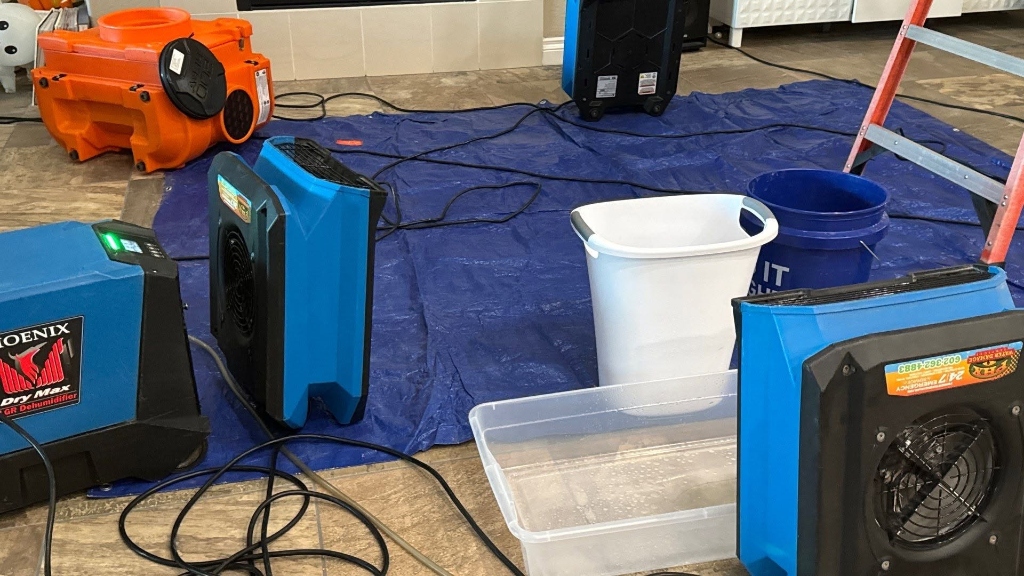
LGR dehumidifiers and HEPA air scrubbers driving grains per pound below 25 GPP.
Calibrated electronic pinless testing confirming baseline dry standards.
The Complete 6-Stage Restoration Roadmap
Our IICRC-certified crews execute a disciplined, scientific 6-stage protocol to stabilize and dry structural components:
Emergency Dispatch & Perimeter Isolation
30 to 60 minute arrival. Securing electrical shutoffs, evaluating structural loads, and erecting containment airlocks.
FLIR® Thermal Mapping & Baseline Scans
Infrared thermal scans detect trapped moisture behind walls and beneath concrete without invasive exploratory demolition.
High-Volume Bulk Extraction
31-HP truck-mount extraction units pump standing water away at hundreds of gallons per minute.
Controlled Selective Demolition
Precision flood cuts 12 to 24 inches above moisture lines, removing wet insulation and opening wall framing to dry airflow.
Thermodynamic Dehumidification
Industrial Low-Grain Refrigerant dehumidifiers pull deep trapped moisture from dense framing lumber and concrete slabs.
Antimicrobial Sanitization & Verification
EPA-registered botanical application (Benefect Decon 30) and calibrated moisture testing to issue an official dry certificate.


Specialized Equipment & Industrial Restoration Technology
Mitigating severe property damage requires industrial-grade technology capable of altering thermodynamic psychrometrics:
Truck-Mounted Extraction Rigs
31-HP engines producing 16+ inches Hg vacuum suction to evacuate bulk water rapidly into holding tanks.
Low-Grain Refrigerant Dryers
Pre-cooling heat-pipe systems driving ambient grains per pound below 25 GPP to draw deep trapped water out of framing.
HEPA Negative-Air Scrubbers
Hospital-grade 99.97% particulate filtration capturing microscopic fungal spores, soot, and biohazard aerosols.
FLIR® Thermal Scanners & Probes
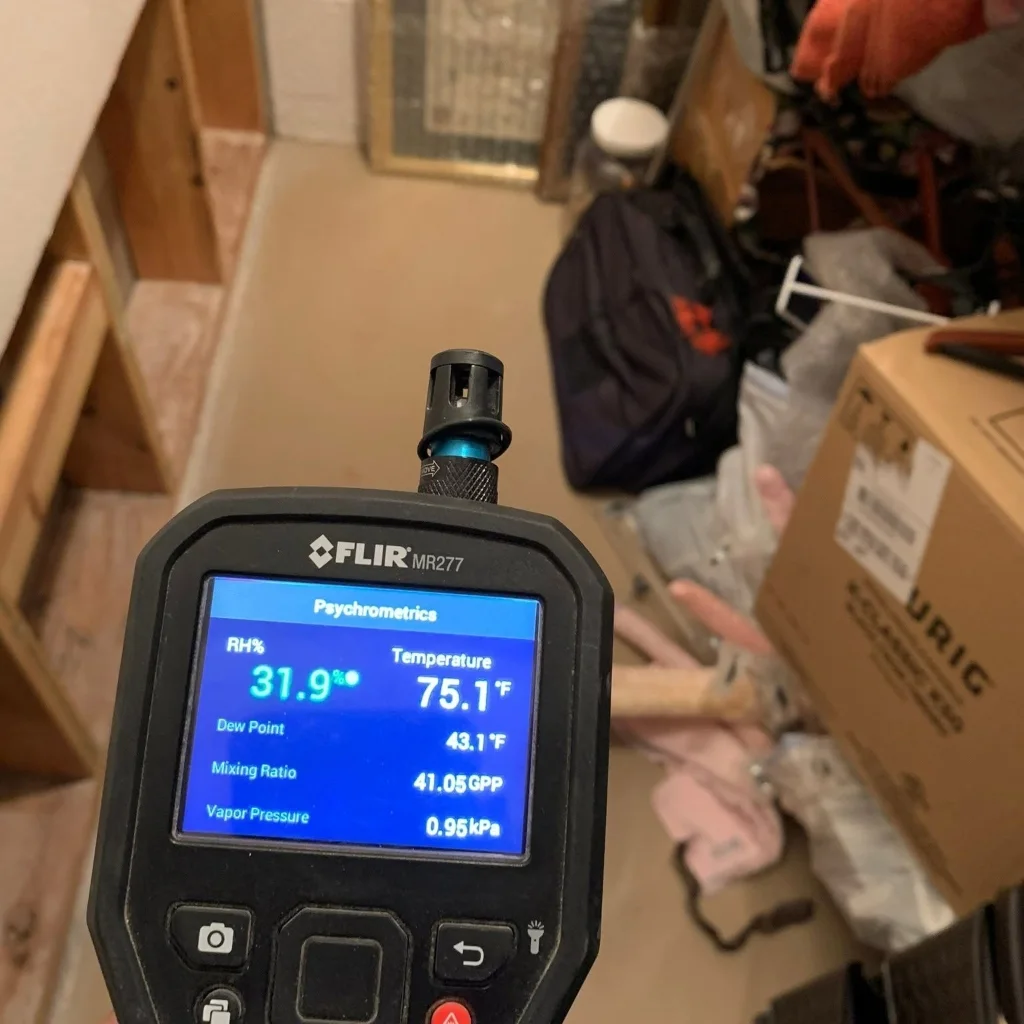
Infrared thermography detecting evaporative cooling boundaries behind walls, combined with digital RF pinless scanners.
Professional Restoration vs. DIY Mitigation
Attempting DIY cleanup during a property disaster creates severe hidden liabilities:
- Trapped Moisture: Surface drywall dries while moisture inside cavities triggers hidden mold blooms.
- Pathogenic Risks: Category 2 & 3 water contains bio-contaminants standard cleaners fail to kill.
- Insurance Denial: Insurers require daily psychrometric logs; lack of data causes claim disputes.
Transparent Upfront Itemized Pricing
Valley Restoration Pros operates with complete transparency:
- Free On-Site Assessment: Complete physical inspection before work begins.
- Upfront Itemized Estimates: Detailed line items calculated via industry-standard Xactimate.
- Zero Surprise Billing: No hidden charges or unauthorized repairs.
Certified scottsdale private surgical center central sterile supply water damage Field Documentation
Every response performed by Valley Restoration Pros is documented through photographic and thermographic records:
Comprehensive scottsdale private surgical center central sterile supply water damage Technical Manual & Operational Standards
Exhaustive engineering protocols, psychrometric calculations, geological multipliers, and step-by-step restoration standards for Maricopa County properties:
Section 0: Executive Emergency Abstract: Private Surgical Center Central Sterile Supply Flooding & Cleanroom Crisis Management
Private ambulatory surgery centers (ASCs), specialized surgical hospitals, and boutique cosmetic, spine, and orthopedic pavilions throughout Scottsdale represent multi-million-dollar medical environments engineered to execute high-complexity elective and outpatient surgical procedures. Clustered along the prestigious North Scottsdale healthcare corridor—including the Shea Medical Corridor adjacent to HonorHealth Scottsdale Shea Medical Center, the Scottsdale Cure Corridor along 90th Street and Doubletree Ranch Road, and the high-tech medical enclaves surrounding Scottsdale Airport—these state-of-the-art facilities house advanced operating theaters, post-anesthesia care units (PACU), sub-sterile utility corridors, and the absolute operational heartbeat of surgical throughput: the Central Sterile Processing Department (CSPD), also designated as Central Sterile Supply (CSSD).
The Central Sterile Processing Department is the critical nerve center responsible for the continuous decontamination, ultrasonic washing, micro-inspection, assembly, terminal steam sterilization, and aseptic storage of all surgical instrument sets, endoscopes, robotic arms, and orthopedic implant trays. The physical layout of CSPD is strictly divided into three isolated, pressure-graded zones: the Soiled Decontamination Area (maintained under negative pressure to prevent aerosol dispersion), the Clean Assembly and Packaging Area (maintained under positive pressure with high-efficiency particulate air filtration), and the Sterile Storage Vault (a strictly regulated, positive-pressure cleanroom holding sterilized instrument sets awaiting transfer to active operating rooms).
When an unpredicted plumbing catastrophe, autoclave clean-steam generator rupture, reverse osmosis (RO) supply line fracture, or overhead HVAC chilled water failure strikes the Central Sterile Processing Department, the facility experiences an instantaneous clinical and financial emergency. Uncontrolled liquid inundation does not merely damage physical building materials; it immediately compromises the terminal sterility of hundreds of thousands of dollars in packaged surgical instruments. Under strict healthcare statutory standards—including ANSI/AAMI ST79 (Comprehensive manual for steam sterilization and sterility assurance in health care facilities), Centers for Medicare & Medicaid Services (CMS) Conditions for Coverage (42 CFR §416.51), Accreditation Association for Ambulatory Health Care (AAAHC) criteria, and The Joint Commission (TJC) Environment of Care standards—any sterile package, peel pouch, or rigid container that comes into direct contact with moisture, or is exposed to ambient relative humidity exceeding 70%, is classified as biologically compromised and void of sterility.
The immediate deployment of professional emergency water extraction executed under specialized medical cleanroom protocols is mandatory to prevent cross-contamination into adjacent operating rooms and avert crippling commercial losses. When sterile processing halts, every operating suite in the facility is paralyzed within 2 to 4 hours as instrument turnover ceases, forcing the cancellation or emergency diversion of scheduled surgical cases costing between $85,000 and $220,000 per day in facility fees alone. Valley Restoration Pros maintains a 24-hour commercial disaster recovery division in Maricopa County, equipped with industrial desiccant dehumidifiers, ICRA Class IV negative-pressure containment assemblies, hospital-grade DOP-tested HEPA air filtration units, and calibrated psychrometric telemetry instruments engineered specifically for critical clinical healthcare infrastructure.
Immediate Sterile Processing Facility Directives: First 30 Minutes
- Halt Sterile Supply Distribution: Immediately red-tag and quarantine all surgical instrument trays, rigid sterilization containers, and peel packs located within the affected zone or exposed to elevated humidity. Never transport potentially damp packs into active surgical suites.
- Isolate Pressurized Steam & Pure Water Loops: Manually shut down the main steam generator supply line, reverse osmosis feed valves, and overhead chilled water isolation valves servicing the sterile processing wing. De-energize 480V 3-phase electrical disconnects powering autoclaves and cart washers to eliminate electrocution hazards.
- Seal Sterile Suite Openings: Close all pass-through windows, interlocking doors, and air dampers between Soiled Decontamination, Clean Assembly, and Sterile Storage to prevent moisture and bio-aerosol equalization between disparate pressure zones.
- Mobilize Specialized Clinical Disaster Response: Contact Valley Restoration Pros immediately at (602) 847-9593 or engage our clinical engineering division through Emergency Phone Dispatch for immediate ICRA Class IV containment deployment and rapid sterile extraction across Scottsdale.
Section 1: Anatomy of Sterile Processing Failure & Autoclave Steam Loop Physical Dynamics
To understand the catastrophic implications of water damage within a Central Sterile Processing Department, one must examine the high-energy hydronic, thermal, and mechanical infrastructure required to support modern surgical sterilization. Modern ambulatory surgery centers utilize heavy-duty autoclaves operating under saturated steam cycles ranging between 250°F (121°C) and 273°F (134°C) at operating pressures between 15 and 32 pounds per square inch (PSI). Steam is generated either via centralized facility boilers or dedicated clean-steam electric boilers fed by pressurized reverse osmosis (RO) or deionized (DI) water loops.
Water distribution inside a surgical center sterile processing wing involves multiple interconnected plumbing networks operating simultaneously under varying pressures and temperatures:
- Pressurized Pure Steam Supply Manifolds: Seamless 316L stainless steel piping delivering clean, dry saturated steam from electric steam generators to autoclave pressure jackets. Operating under intense thermal expansion and contraction cycles, threaded fittings, flanged gaskets, and expansion joints experience severe mechanical fatigue.
- High-Temperature Steam Condensate Return Lines: Heavy-gauge copper or stainless piping routing discharged condensate away from autoclave chamber traps. Thermostatic steam traps frequently fail in the closed position, creating intense water-hammer pressure spikes that rupture solder joints, or in the open position, venting continuous live steam and scalding condensate into enclosed utility chases.
- Reverse Osmosis & Deionization High-Purity Feed Loops: Polypropylene, PVDF, or specialized cross-linked polyethylene tubing circulating demineralized water under 45 to 65 PSI to supply autoclaves, ultrasonic instrument cleaners, and automated endoscope reprocessors (AERs). Deionized water is aggressively hungry for ions, causing accelerated leaching and embrittlement of non-inert fittings.
- Automated Washer-Disinfector & Cart Washer Drainage: High-volume commercial drainage piping receiving scalding alkaline enzyme wash water and disinfectant discharge. Thermal shock combined with caustic enzymatic chemistries degrades PVC drain couplings and rubber slip-joint seals.
- Overhead HVAC Chilled Water Hydronic Piping: Insulated 2-inch to 4-inch chilled water supply and return lines operating at 42°F to 45°F suspended in the ceiling plenum directly above sterile packaging tables to satisfy the stringent 66°F to 72°F room temperature and 30% to 60% relative humidity parameters mandated by ANSI/AAMI ST79.
When a primary mechanical line failure occurs—such as a catastrophic burst pipe repair emergency along a pressurized condensate return line or a high-velocity failure of an overhead commercial chiller pipe burst—the physical behavior of the released water creates multi-directional damage patterns unique to cleanroom environments. High-temperature steam condensate does not simply pool upon the floor; it instantaneously flashes into dense, super-heated vapor upon atmospheric release. This steam plume rises rapidly, inundating the acoustic ceiling tile grid, condensing upon cold metallic surfaces, and saturating the fiberglass batt insulation inside the interstitial plenum.
As the moisture cools, liquid drops precipitate across thousands of square feet of sterile instrument inventory. Wicking occurs immediately through absorbent non-woven polypropylene sterilization wraps, paper-plastic peel pouches, and filter media within rigid sterilization containers. Capillary action draws non-sterile water through the micro-porous matrix of packaging materials. Even if a surgical wrap subsequently dries ambiently, the microscopic pathways created by the liquid carry bacteria, environmental dust, and endotoxins into the interior chamber, permanently invalidating the internal sterile barrier.
Simultaneously, liquid flooding the floor migrates beneath seamless heat-welded commercial medical sheet vinyl or epoxy terrazzo flooring systems. While the surface of medical-grade sheet vinyl is impervious to liquids, perimeter cove bases, expansion joints, floor drains, and equipment utility cutouts provide ready ingress points. Once pressurized water enters the microscopic void between the backing adhesive and the monolithic concrete slab, the moisture spreads rapidly via hydrostatic capillary migration. The alkaline adhesive hydrolyzes, turning into a foul-smelling emulsion, producing sub-surface liquid blistering, and creating an enclosed dark, warm reservoir that fuels explosive microbial colonization directly beneath sterile assembly stations.
Furthermore, water infiltrating wall assemblies penetrates the gypsum core of Type X fire-rated drywall. In sterile processing facilities, these perimeter partitions are critical fire barriers designed to isolate high-temperature autoclave equipment rooms from patient care zones. Saturated drywall loses structural load-bearing capacity, develops internal micro-cracks, and provides an organic cellulose nutrient source for fungal propagation. If structural drying is not initiated with precision within hours, this latent moisture migrates upward through interstitial wall studs, creating hidden reservoirs of mold spores that are subsequently drawn into surgical air-handling recirculating loops.
The mechanical interactions between flashing steam and cold clinical surfaces also trigger severe thermal shock across precision laboratory and sterilization instruments. Electronic microprocessor boards inside autoclaves, ultrasonic cleaning consoles, and automated endoscope reprocessors (AERs) are vulnerable to rapid condensation. When moisture bridges surface-mount solder traces while electrical power remains active, galvanic short-circuits destroy sensitive CPU boards, solenoid relays, and thermocouple inputs. In an instant, a simple line failure cascades into catastrophic physical plant destruction, necessitating specialized industrial restoration engineering to rescue the clinical infrastructure.
Section 2: Phoenix Climatic & Geological Multipliers Accelerating Sterile Cleanroom Degradation
Mitigating water damage within a healthcare cleanroom in Scottsdale, Arizona requires an engineering approach that accounts for aggressive regional environmental, climatic, and geological factors. Unlike temperate or coastal climates where ambient conditions present predictable evaporation variables, the Sonoran Desert environment introduces extreme physical multipliers that dramatically accelerate structural decay, scale deposition, and microbial amplification across Scottsdale water damage restoration projects.
18 GPG Extreme Municipal Hardness
Scottsdale municipal tap water sourced from the Colorado River via the Central Arizona Project (CAP) and the Salt River Project (SRP) carries extreme mineral hardness exceeding 18 to 24 grains per gallon (GPG), equivalent to 310 to 410 parts per million (PPM) of dissolved calcium carbonate and magnesium. In autoclave boiler loops, this mineral load causes rapid calcium scaling, clogging solenoid valves, eroding steam traps, and accelerating pitting corrosion along copper return lines.
Expansive Caliche Soil Foundation Shifts
The subterranean geology of North Scottsdale features dense, calcium-carbonate cemented caliche hardpan layered with hyper-expansive smectite clay. Seasonal moisture cycling and monsoon saturation trigger severe differential slab heaving and soil contraction, placing immense shear stress upon commercial concrete slabs and snapping rigid below-slab plumbing stacks requiring forensic slab leak water damage restoration.
115°F Hyper-Accelerated Bio-Incubation
Scottsdale summer ambient temperatures regularly reach 115°F (46°C). When an internal flood strikes, wet building cavities act as pressurized thermal incubators. Saturated gypsum board, fiberglass insulation, and damp acoustic ceiling tiles within enclosed utility chases reach optimal growth temperatures for toxic molds like Aspergillus niger, Stachybotrys chartarum, and Chaetomium globosum within 24 to 36 hours.
Severe Monsoon Deluge & Drain Overload
Between July and September, intense North American Monsoon convective microbursts drop upwards of 2 inches of torrential rain within 45 minutes, accompanied by 60+ MPH haboob dust storms. Flat commercial roof drainage systems become overwhelmed with silt and desert dust, backing up scuppers and forcing stormwater through parapet flashings directly into sterile facility ceiling plenums.
The mineralogical profile of Scottsdale water creates an acute chemical complication when lines burst inside sterile facilities. Standard municipal water contains heavy concentrations of chlorides, silica, and sulfates. When hot water evaporates from unconditioned surfaces, it leaves behind an aggressive alkaline crystalline salt deposit. These crusts are chemically reactive, inducing electrolytic galvanic corrosion on delicate electronic circuit boards inside autoclave microprocessors, automated washer control consoles, and surgical endoscopic visual monitors.
Moreover, the expansive soil movement characteristic of the Scottsdale Cure Corridor—spanning east of Loop 101 along Shea Boulevard and 90th Street—exerts vertical heaving pressures of up to 8,000 pounds per square foot against below-grade concrete footings. In surgical centers built on post-tensioned or reinforced monolithic slab foundations, this continuous microscopic flexing produces sub-slab stress concentrations. Copper water service lines, boiler blow-down lines, and domestic supply conduits encased in the concrete or buried directly within the caliche aggregate suffer cyclic strain hardening, leading to sudden shear fractures and high-volume sub-slab water intrusion that saturates the base of sterile cleanroom partitions from below.
Finally, the extreme ambient outdoor heat puts an unprecedented thermodynamic load on surgical center HVAC systems. To maintain sterile cleanroom specifications (50% to 60% relative humidity and 68°F in Clean Assembly), commercial chilled water loops run continuously at peak capacity. When high-volume moisture from a plumbing rupture enters the space, the localized latent heat load spikes exponentially. The building air-handling units cannot condense and remove this massive vapor volume without suffering coil freeze-up or duct condensation. Without specialized external desiccant dehumidification deployed by certified restoration engineers, relative humidity inside sterile storage will surge past 80% within hours, transforming the cleanroom envelope into a biological contamination danger zone.
Under these hostile desert conditions, the window of opportunity for cleanroom salvage is razor-thin. Standard commercial drying protocols that permit 72 to 96 hours of progressive drying in temperate zones are wholly inadequate in Scottsdale. High indoor ambient temperatures accelerate microbial enzymatic metabolism, cutting the fungal germination window in half. Within 24 hours of warm moisture exposure, fungal hyphae penetrate deep into gypsum board paper facings and fiberglass insulation binders. Once colonization begins, complete physical demolition of wall assemblies is mandated by healthcare infection control regulations, multiplying reconstruction costs by five-fold and extending facility closure from days into weeks.
Section 3: Immediate First-Hour Containment & Surgical Sterile Cleanroom Isolation Procedures
In a commercial office building or retail property, water damage containment involves setting up simple warning cones and extraction wands. Inside a private ambulatory surgery center or surgical hospital, mitigation procedures must comply with Infection Control Risk Assessment (ICRA) Class IV bio-containment mandates. The overarching objective during the golden first hour is absolute biological and particulate containment: ensuring that water, damp dust, fungal spores, and remediation aerosols generated within the flooded sterile processing wing are hermetically isolated from active operating rooms, recovery bays, and patient corridors.
Valley Restoration Pros deploys an emergency clinical isolation taskforce trained in strict healthcare engineering protocols. Upon arrival at a Scottsdale surgical facility, our commercial team executes a disciplined four-tier containment deployment:
ICRA Class IV Clinical Cleanroom Isolation Protocol
- Hermetic Flame-Retardant Polyethylene Enclosures: Construction of full-height, continuous physical barriers utilizing 6-mil fire-rated, anti-static polyethylene sheeting supported by spring-loaded aluminum telescoping poles. All perimeter seams, wall junctions, ceiling intersections, and floor interfaces are sealed with medical-grade cleanroom residue-free tape. Critical isolation must be maintained between the sterile processing area and adjacent operating suites, in complete alignment with procedures detailed in our Scottsdale ambulatory surgery center operating room water damage recovery procedures.
- Two-Stage Ante-Room Entry Systems: Construction of an adjoining two-stage decontamination ante-room at all access points. The ante-room acts as an airlock and transition chamber where restoration technicians don cleanroom PPE (Tyvek suits, booties, N95/P100 respirators, and nitrile gloves) and where equipment passing into or out of the containment zone undergoes surface biocide decontamination.
- Calibrated Negative Pressure Differential: Installation of DOP-tested, medical-grade HEPA negative air filtration machines exhausting filtered air outside the building envelope or through certified exhaust plenums. Airflow is calibrated to establish and maintain a continuous negative pressure differential of -0.025 to -0.050 inches of water column (in. w.g.) relative to clean hospital corridors, continuously verified by Omniguard digital recording manometers. This guarantees that air always flows inward into the drying area and never outward into sterile surgical suites.
- Dedicated HVAC Return Isolation: Immediate mechanical sealing of all local HVAC return air grilles and supply registers servicing the affected processing suites using magnetic covers and poly encasements. This isolates the cleanroom air circuit, preventing airborne moisture or microbial bio-aerosols from being ingested into the central surgical air handling units (AHUs) or spreading into adjacent surgical theaters requiring specialized mold remediation containment.
Simultaneously with physical containment, our clinical specialists perform real-time airborne particulate monitoring using laser particle counters calibrated to ISO 14644-1 cleanroom standards. Baseline particulate counts (0.3 micron, 0.5 micron, and 5.0 micron channels) are documented inside adjacent operating rooms, corridor clean halls, and the containment ante-room. This telemetry confirms that the physical barrier is 100% airtight and that zero particulate infiltration is occurring into active patient care sectors.
During this containment setup, inventory preservation specialists perform an urgent, meticulous triage of all sterile supply packs in the Central Sterile Supply Vault. Items are categorized according to their exposure status: direct fluid contact, elevated ambient moisture immersion, or unaffected packaging in hermetic dry zones. Packs designated for quarantine are tagged with barcoded bio-quarantine identifiers and cataloged in a digital asset inventory tracking log, ensuring that complete chain-of-custody documentation is established for hospital administration, infection preventionists, and commercial insurance adjusters.
This rapid containment protocol is critical for preserving clinical facility licensing during disaster conditions. When Arizona Department of Health Services (ADHS) inspectors or accreditation surveyors inspect an operational outpatient surgical pavilion following a reported utility emergency, documentation proving that ICRA Class IV isolation was established prior to active drying or demolition is mandatory. Without documented negative pressure differentials and verifiable particulate logs, healthcare authorities can issue immediate stop-work citations and mandate the indefinite suspension of surgical facility operating licenses.
Section 4: Advanced Industrial Equipment Specifications & Setup for Medical Cleanrooms
Drying a surgical sterile processing department cannot be achieved using residential blowers or standard commercial low-grain refrigerant (LGR) dehumidifiers. LGR units rely on condensation physics that lose thermodynamic efficiency when ambient temperatures drop below 65°F or when relative humidity falls below 35%. Furthermore, standard axial air movers blast ambient air at 3,000 CFM across open rooms, which in a medical facility would aerosolize settled particulates, spread dormant microbial spores, and destroy cleanroom particulate limits.
Valley Restoration Pros deploys a fleet of industrial-grade, cleanroom-rated desiccation and fluid extraction equipment engineered specifically to meet the rigorous demands of institutional healthcare and structural drying environments:
| Equipment Class | Model / Capacity Specs | Operational Purpose | Clinical Facility Application |
|---|---|---|---|
| Industrial Desiccant Dehumidifiers | 1,500 to 5,000 CFM Solid Silica Gel Wheel; Reactivation Heat 480V 3-Phase | Produces ultra-low dew point air down to -10°F; reduces vapor pressure to <15 GPP | Deep desiccation of concrete subfloors beneath medical vinyl, structural drywall, and ceiling voids |
| Medical-Grade HEPA Air Filtration | DefendAir HEPA 500 / 2,000 CFM DOP-Tested; 99.97% @ 0.3 Microns | Continuous negative pressure generation and particulate bio-aerosol capture | ICRA Class IV containment maintenance and air scrubbing in active surgical cleanrooms |
| Sub-Surface Cavity Injection Systems | Injectidry HP-PLUS / PDS-12 Positive/Negative High-Pressure Manifolds | Delivers ultra-dry desiccant air directly into enclosed wall voids and cabinetry | Dries wall chases behind stainless steel sterilizers without destructive bulkhead demolition |
| Industrial Fluid Evacuation Units | Phoenix Hydro-X Xtreme & Truck-Mounted High-Lift Vacuum Extractors | High-flow continuous mechanical extraction removing 98% of free liquid | Rapid water evacuation from epoxy terrazzo, sheet vinyl, and floor trench drains |
| Non-Destructive Thermal Diagnostic Array | FLIR MR277 IGM Thermal Imaging, Protimeter MMS3, Tramex Dec Scanner | Infrared boundary mapping, RF impedance scanning, and digital GPP data logging | Precision mapping of water migration paths beneath commercial medical flooring systems |
The cornerstone of our clinical cleanroom drying methodology is the trailer-mounted industrial desiccant dehumidifier. Rather than cooling air to condense water droplets like standard refrigerant units, a desiccant passes wet process air through a rotating rotor impregnated with solid silica gel. The water molecules bond directly to the microscopic pores of the desiccant matrix through chemical adsorption. A separate heated reactivation airflow then drives off the moisture and exhausts it completely outside the building envelope via flexible ducting.
This technology allows our engineers to introduce ultra-dry air into the sterile processing suite at 5% to 10% relative humidity and grains per pound (GPP) mixing ratios below 15 GPP. This creates an enormous vapor pressure differential between the saturated building materials (such as monolithic concrete slabs, wall studs, and insulation) and the ambient cleanroom environment. Moisture bound within the capillary structure of concrete and fire-rated gypsum partitions is pulled into the dry air stream at maximum thermodynamic speed without requiring destructive structural tear-out. This is identical to the advanced drying technologies we employ in high-tech research environments, including our Phoenix Bioscience Core laboratory water damage cleanup operations.
To deliver this ultra-dry air behind built-in stainless steel autoclave bulkheads, scrub sinks, and ultrasonic wash consoles, we integrate Injectidry high-pressure cavity injection arrays. Small, discrete 3/8-inch access points are placed in non-visible baseboard locations or within service chase panels. Pressurized dry air is forced into the concealed interstitial cavities, circulating behind autoclave insulation jackets and flushing out trapped humidity before returning through HEPA-filtered capture ports. This non-invasive approach protects expensive surgical equipment while ensuring that no hidden moisture reservoirs remain to foster fungal growth.
Our clinical response fleet is entirely self-sustaining. Because commercial sterilizers and medical cleanrooms demand enormous electrical service, our drying systems do not tap into local facility utility panels, preventing circuit overloads or interference with emergency life-support generator loops. We deploy sound-attenuated mobile diesel generators (up to 150 kW) parked in designated exterior service docks, powering all 480V three-phase desiccant units and HEPA arrays independently. Heavy-duty cam-lock feeder cabling routes power safely through exterior utility entries sealed with airtight pass-through boots, guaranteeing zero impact on ongoing patient care operations elsewhere in the facility.
Section 5: IICRC S500 / S520 & Hospital Sterile Cleanroom Restoration Protocol
Restoring a flooded Central Sterile Processing Department demands flawless adherence to established industry engineering standards combined with rigorous healthcare statutory requirements. Valley Restoration Pros integrates the IICRC S500 Standard for Professional Water Damage Restoration, the IICRC S520 Standard for Professional Mold Remediation, and the healthcare-specific directives of ANSI/AAMI ST79 into a multi-phase clinical restoration workflow.
6-Stage Clinical Decontamination & Sterile Recovery Workflow
Stage 1: Triaged Damage Assessment & Water Classification
Our certified commercial specialists categorize the water source according to IICRC S500 criteria: Category 1 (clean steam boiler supply or pure RO loops), Category 2 (overflowing ultrasonic wash sinks with enzymatic detergent residues), or Category 3 (sewage backflow from floor waste lines requiring immediate specialized sewage cleanup decontamination). We perform comprehensive moisture mapping using FLIR thermal cameras, radio-frequency impedance meters, and pin-type resistance probes to establish the exact physical perimeter of moisture migration.
Stage 2: High-Velocity Medical Fluid Extraction
Deploying truck-mounted and heavy-duty electric extraction units equipped with cleanroom-safe non-marking squeegees, technicians physically evacuate all standing water. High-volume mechanical extraction removes up to 98% of free liquid, drastically reducing the total evaporation burden required during structural desiccation. Floor trenches, sterilizer drain sumps, and sub-base cavities are thoroughly drained and cleared of silt and particulate deposits.
Stage 3: Controlled Surgical Demolition & Non-Destructive Cavity Access
Where porous building materials have sustained irreversible structural saturation or Category 2/3 contamination, controlled removal is executed under continuous HEPA negative air pressure. Wet fiberglass insulation is evacuated, and saturated drywall is cut horizontally with precision at 12 to 24 inches above the moisture line. In high-value sterile areas with cleanroom wall panels or stainless steel bulkheads, non-destructive drying ports are utilized to preserve structural investments and maintain cleanroom integrity.
Stage 4: Closed-Loop Psychrometric Desiccation & Deep Structural Drying
Closed-loop industrial desiccant dehumidification systems are energized, distributing ultra-low dew point air throughout the containment zone. Airflow is carefully managed using directional ducting and low-profile air distributors to ensure laminar floor sweeping without disturbing overhead ceiling plenums. Technicians record psychrometric telemetry twice daily—documenting dry bulb temperature, relative humidity, GPP, and dew point across all process air streams—until all affected structural assemblies reach their predetermined dry standard baselines.
Stage 5: Hospital-Grade Sporicidal Decontamination & Terminal Clean
All exposed structural framing, concrete slabs, non-porous stainless steel workstations, pass-through autoclaves, and storage shelving undergo intensive decontamination. Technicians apply EPA-registered, hospital-grade sporicidal biocides (such as stabilized hydrogen peroxide and peracetic acid chemistries) formulated to achieve a 6-log (99.9999%) reduction of pathogenic bacteria, spores, and viruses. Applications leave zero toxic chemical residues and cause zero corrosion on surgical 316L stainless steel. A multi-stage terminal clean is executed from ceiling to floor following Association of periOperative Registered Nurses (AORN) environmental sanitation protocols.
Stage 6: Post-Remediation Verification (PRV) & Sterilization Re-Validation
Before the ICRA IV containment envelope is disassembled, independent third-party environmental testing is performed. This includes airborne fungal spore trap sampling, ATP bioluminescence surface cleanliness testing (verifying <10 RLU thresholds), and laser optical particle counts confirming ISO Class 7/8 compliance. Concurrently, medical facility biomedical engineers execute biological indicator (BI) challenge testing utilizing Geobacillus stearothermophilus vials across all autoclaves to validate complete terminal sterilization capability prior to clinical re-commissioning.
This meticulous clinical restoration standard ensures full compliance with The Joint Commission (TJC) Environment of Care standards (EC.02.06.01 and EC.02.06.05), CMS Infection Control Condition for Coverage (42 CFR §416.51), and AAAHC Section 8 accreditation requirements. Similar stringent clinical protocols are applied across our specialized veterinary and human surgical centers, such as our Scottsdale commercial veterinary MRI imaging center flood mitigation and North Scottsdale medical corridor endoscopy suite water damage restoration operations.
A critical element of Stage 6 is the biological indicator re-qualification procedure. Autoclaves are subjected to three consecutive full-cycle test runs loaded with standard challenge test packs containing Geobacillus stearothermophilus spore ampoules (minimum population 1.0 x 10^6). These spores exhibit extreme thermophilic resistance. Following incubation at 55°C to 60°C for 24 to 48 hours, visual and spectroscopic analysis must verify zero viable spore outgrowth, establishing empirical scientific proof that terminal sterilization parameters have been fully restored.
Section 6: Hyper-Local Scottsdale Surgical Center Case Study: Central Sterile Supply Autoclave Deluge
Incident Profile: North Scottsdale Outpatient Surgery Pavilion
Location: East Shea Boulevard & North 90th Street, Scottsdale Cure Corridor (Scottsdale, AZ 85258)
Facility Type: Multi-Specialty Ambulatory Surgery Center (4 Class C Operating Rooms, 2 Endoscopy Suites)
Point of Origin: Ruptured 1.5-inch high-pressure deionized boiler supply manifold feeding dual Getinge steam sterilizers
Estimated Fluid Volume Discharged: 1,450 gallons of 210°F pure deionized water flooding Central Sterile Supply, packaging room, and sterile storage
On a Sunday at 2:30 AM, an automated pressure alarm alerted facility engineering at a prestigious Scottsdale outpatient surgery center located near Shea Boulevard and 90th Street. A sudden fatigue rupture on a 1.5-inch deionized water supply manifold feeding the facility primary clean-steam boilers had discharged high-temperature water continuously for nearly two hours. The super-heated water flooded the mechanical autoclave service chase, overwhelmed trench drains, and migrated across the threshold into the Clean Assembly area and the adjacent Sterile Supply Vault, covering approximately 2,800 square feet of cleanroom space with 1.5 inches of standing scalding water.
Valley Restoration Pros commercial rapid-response team arrived on scene within 22 minutes of dispatch. Initial psychrometric diagnostics and thermal scans with FLIR MR277 imaging cameras revealed severe moisture saturation:
| Zone / Substrate | Initial Baseline (Hour 0) | 24-Hour Telemetry | 48-Hour Telemetry | Final PRV Dry Standard (Hour 72) |
|---|---|---|---|---|
| Clean Assembly Ambient Air | 86°F / 84% RH / 154 GPP | 74°F / 38% RH / 48 GPP | 71°F / 22% RH / 24 GPP | 69°F / 32% RH / 35 GPP (Target Std) |
| Sterile Vault Concrete Slab | 99% Relative (Tramex 6.4%) | 72% Relative (Tramex 4.1%) | 45% Relative (Tramex 3.0%) | 2.4% Moisture Content (Dry Baseline) |
| Interstitial Chase Drywall | 100% Saturation (Pin WME >95) | Pin WME 42 | Pin WME 16 | Pin WME 8.5 (Equilibrium Target) |
| Particulate Count (0.5µm) | 245,000 / m³ (Elevated) | 12,500 / m³ (HEPA active) | 3,200 / m³ (ISO 7) | <1,000 / m³ (ISO Class 6 Clean) |
Our team immediately erected ICRA Class IV poly containment envelopes with negative-pressure ante-rooms, venting four DOP-tested HEPA air scrubbers outdoors to maintain a continuous negative pressure of -0.038 in. w.g. High-velocity truck-mounted vacuum extractors evacuated 1,350 gallons of standing liquid in 45 minutes. A 3,500 CFM mobile desiccant dehumidifier was positioned outside the facility, with ducted dry air delivered into the Clean Assembly area and Injectidry positive-pressure manifolds connected to 16 discrete access points along the autoclave chase partition.
By hour 48, structural moisture was completely under control, with concrete slab moisture dropping to 3.0% and ambient relative humidity falling to 22%. At hour 72, post-remediation verification testing confirmed that all materials had returned to pristine dry standard baselines. Environmental air samples revealed zero fungal amplification, surface ATP swabs across stainless steel counters registered <6 RLU (well below the 10 RLU clinical threshold), and 24-hour biological indicator challenge tests using Geobacillus stearothermophilus spores confirmed 100% kill in all sterilizer chambers.
Thanks to immediate, scientifically rigorous clinical desiccation, the facility avoided costly demolition of $650,000 in built-in sterilizer equipment and resumes elective surgical procedures on Wednesday morning, saving an estimated $280,000 in diverted surgical cases and preserving patient trust. To plan and estimate commercial restoration needs, healthcare administrators can utilize our interactive online cost estimator or compare protocols with our Goodyear commercial cold storage glycol line burst cleanup operations.
Following this recovery, the surgical pavilion executive leadership instituted a preventative maintenance protocol utilizing non-destructive acoustic leak sensors along all boiler supply loops. In high-stakes medical cleanrooms, proactive engineering safeguards combined with an established rapid-response commercial disaster partnership represent the ultimate barrier against catastrophic clinical downtime.
Section 7: Pay-Per-Call Financial & Claims Documentation Standards for Healthcare Facilities
Commercial property damage within an accredited healthcare surgical center involves intricate financial, regulatory, and insurance considerations. Because healthcare facilities operate under stringent statutory audits, restoration billing cannot be vague or generalized. Valley Restoration Pros operates in strict alignment with commercial healthcare property claims protocols, delivering full fiscal transparency and industry-standard documentation.
Valley Restoration Pros Commercial Healthcare Pricing & Service Standards
- Free Comprehensive On-Site Damage Assessment: We provide immediate, no-obligation physical damage inspections by certified commercial specialists to evaluate water migration, equipment exposure, and cleanroom containment requirements.
- Transparent Upfront Itemized Pricing Before Work Begins: All mitigation, drying, and decontamination estimates are generated using industry-standard Xactimate commercial healthcare billing codes (WTR, CLN, HMR, DRY) with zero hidden fees or surprise surcharges.
- Assistance with Detailed Claims Documentation & Psychrometric Moisture Logs: We compile exhaustive forensic claims packages, including infrared thermal thermography maps, daily psychrometric GPP/RH logs, ICRA IV containment validation certificates, and third-party lab clearance documentation.
Mandatory Insurance Disclaimer: Valley Restoration Pros does not make misleading direct billing promises or claim that commercial property insurance carriers will cover 100% of restoration costs without policyholder responsibility. Commercial property policies vary significantly regarding deductibles, business interruption waiting periods, water damage sub-limits, and code upgrade endorsements. While we work directly alongside your insurance adjuster as your technical advocate, the property owner remains responsible for deductibles and non-covered policy obligations.
When filing a commercial property claim for cleanroom water damage, the largest financial loss is frequently not structural drying costs, but Business Interruption (BI) and Extra Expense resulting from canceled surgical schedules. Commercial insurance adjusters require indisputable scientific evidence demonstrating that the surgical center was uninhabitable and unable to meet CMS, AAAHC, or Joint Commission sterile processing standards during the outage.
Our administrative team compiles an airtight commercial claims binder that substantiates every hour of downtime. By documenting initial psychrometric baselines (showing extreme humidity that invalidated sterile barrier packaging), ICRA Class IV containment logs, and independent laboratory PRV clearance certificates, we provide the empirical justification your carrier needs to expedite both property damage reimbursement and business interruption claims settlements.
Additionally, our project estimators itemize secondary expenses eligible for carrier consideration under Extra Expense coverage, such as third-party offsite mobile sterilizer trailer leases, courier fees for sterile instrument transport to sister medical centers, and expedited biological indicator incubation services. By accounting for every operational nuance of commercial surgical downtime, Valley Restoration Pros ensures that medical facility administrators receive the exact technical documentation required to protect balance sheets and restore financial health. To engage our commercial healthcare mitigation team, facility managers can contact our emergency commercial operations center 24 hours a day.
Section 8: Exhaustive Technical Frequently Asked Questions: Sterile Processing Water Damage
The immediate clinical priority is quarantining all packaged surgical inventory. Under ANSI/AAMI ST79 standards, any packaged instrument tray or peel pack exposed to liquid water or sustained relative humidity above 70% must be treated as non-sterile and withdrawn from surgical use. Concurrently, isolate the boiler steam supply and deionizer feed valves, shut down electrical disconnects to sterilizer units, seal HVAC dampers to prevent moisture transmission into adjacent operating suites, and call our 24/7 commercial healthcare emergency hotline at (602) 847-9593 for rapid ICRA Class IV bio-containment and industrial desiccant drying across our complete Valley-wide service areas.
We erect ICRA Class IV containment chambers constructed from 6-mil flame-retardant poly sheeting with adjoining two-stage ante-room airlocks. Using DOP-tested HEPA negative air machines running continuously, we establish a measured negative pressure differential of -0.025 to -0.050 inches of water column relative to patient corridors. This physical pressure drop ensures that air always rushes inward into the remediation chamber, completely preventing dust, mold spores, or microbial aerosols from migrating outward into active surgical theaters or recovery rooms.
The packaging materials themselves cannot be salvaged. Once non-woven polypropylene sterilization wraps or paper-plastic peel pouches are wetted, their microbial barrier properties are irreversibly broken. However, the high-grade stainless steel, titanium, and laparoscopic instruments inside are fully salvageable. They must undergo complete reprocessing: disassembly, ultrasonic enzymatic decontamination, manual inspection, repackaging in fresh wraps with new chemical indicators, and re-sterilization through a validated autoclave cycle verified by biological indicators.
Scottsdale municipal tap water carries extreme dissolved mineral loads (18 to 24 GPG calcium carbonate and magnesium). In clean-steam boiler systems, reverse osmosis membranes and pre-filters experience accelerated fouling. If hard water bypasses pre-treatment, rapid calcification occurs inside autoclave steam generators and condensate return loops. Mineral scale insulates heating elements, creating localized overheating, while crust formation around steam traps induces mechanical sticking, water-hammer vibrations, and sudden catastrophic joint blowouts identical to failures seen in commercial water heater burst cleanup incidents.
Accreditation surveyors require comprehensive forensic documentation before re-commissioning. This includes daily psychrometric drying logs demonstrating structural materials reached dry standard equilibrium, ICRA Class IV negative pressure differential charts, third-party post-remediation verification (PRV) fungal air testing reports, surface ATP bioluminescence swabs confirming clinical cleanliness (<10 RLU), and biological indicator (BI) spore test logs (using Geobacillus stearothermophilus) confirming successful terminal sterilization cycles across all affected autoclaves.
Standard refrigerant (LGR) dehumidifiers condense moisture on cold coils, losing efficiency below 65°F and unable to reduce humidity below 30% RH (approx. 35 GPP). In medical cleanrooms, moisture trapped beneath monolithic sheet flooring and inside dense fire-rated drywall requires ultra-low vapor pressure to pull moisture from deep capillary voids. Solid silica-gel desiccant dehumidifiers deliver processing air at 5% to 10% RH and dew points down to -10°F (<15 GPP), extracting bound moisture rapidly without raising room temperatures or generating condensation hazards.
We utilize non-destructive multi-frequency radio-frequency impedance scanning (such as the Tramex Dec Scanner and Concrete Moisture Encounter) calibrated to measure moisture content through commercial sheet vinyl and epoxy terrazzo up to 1.5 inches deep. We supplement impedance mapping with non-invasive high-precision surface hygrometer probes to evaluate equilibrium relative humidity (ERH) in accordance with ASTM F2170 non-destructive surface testing protocols, ensuring subfloors meet manufacturer adhesive thresholds (<75% ERH) prior to re-occupancy.
Verified Local Area Dispatch: Scottsdale, AZ
Official Geo-Coordinates: 33.4942° N, -111.9261° W • Maricopa County
Related Specialized Emergency Restoration Services
Explore specialized rapid-response mitigation protocols across Greater Phoenix and Maricopa County:
Valley-Wide Emergency Response Service Coverage
Our mobile restoration fleet is dispatched across the entire Phoenix metropolitan region, providing rapid 30 to 60 minute emergency response: