
Valley Restoration Pros delivers 24/7 industrial emergency water extraction, thermal psychrometric drying, and structural mitigation across Phoenix and Maricopa County with guaranteed 30–60 minute rapid arrival. All protocols strictly adhere to IICRC S500 standards, featuring upfront itemized pricing and free on-site thermal moisture assessments. Call dispatch directly at (602) 847-9593.
Why Immediate Mitigation Is Critical in Phoenix Heat
Pressurized dimple cooling water jackets operating at 60-90 PSI discharge 3,500 to 5,000 gallons of chilled glycol/water and nutrient-dense cell culture broth across sterile ISO Class 7 cleanrooms, destroying active therapeutic batches. Discharge of organic culture broth commingled with 18+ GPG municipal hard water scale creates an aggressive biological hazard, triggering rapid bacterial amplification and endotoxin proliferation within 6 to 12 hours under Arizona ambient heat. Inundation of low-wall return air grilles collapses cleanroom differential pressure cascades (+30 Pa down to 0 Pa), reversing sterile airflow and drawing unfiltered, desert-particulate-laden air into classified pharmaceutical suites. Trapped moisture migrating beneath seamless coved vinyl cleanroom floors into alluvial caliche clay subsoils triggers localized slab heave, threatening structural integrity and unbalancing high-precision bioreactor load-cell assemblies.

Service Definition & The IICRC Standard of Care
Professional tempe commercial biopharmaceutical fermenter jacket burst cleanup is an engineering and environmental discipline adhering strictly to IICRC S500 protocols, not mere surface mopping. When structural plumbing failures strike in Maricopa County, certified emergency water extraction and thermal structural drying procedures must be deployed immediately. Whether triggered by high-pressure burst pipe emergencies, subfloor leaks, or commercial line ruptures, bound moisture rapidly penetrates concrete subfloors and wall framing. In the desert heat, delays trigger microbial proliferation requiring rapid mold remediation. Request damage assessment through our emergency assessment portal or request 30-minute dispatch across all Valley service areas.
Securing electrical feeds, inspecting load-bearing assemblies, and containing pathogens.
Stopping the intrusion source and erecting 6-mil plastic isolation containment airlocks.
31-HP truck-mount extraction, removing gallons exponentially faster than evaporation.
LGR dehumidifiers and HEPA air scrubbers driving grains per pound below 25 GPP.
Calibrated electronic pinless testing confirming baseline dry standards.
The Complete 6-Stage Restoration Roadmap
Our IICRC-certified crews execute a disciplined, scientific 6-stage protocol to stabilize and dry structural components:
Emergency Dispatch & Perimeter Isolation
30 to 60 minute arrival. Securing electrical shutoffs, evaluating structural loads, and erecting containment airlocks.
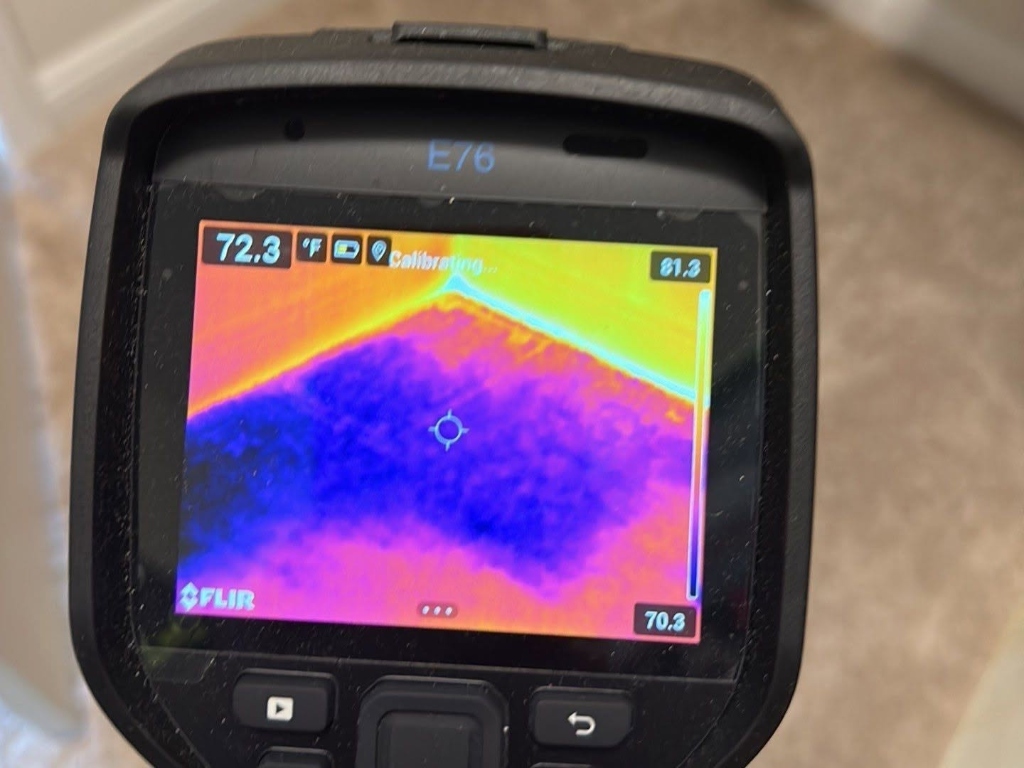
FLIR® Thermal Mapping & Baseline Scans
Infrared thermal scans detect trapped moisture behind walls and beneath concrete without invasive exploratory demolition.
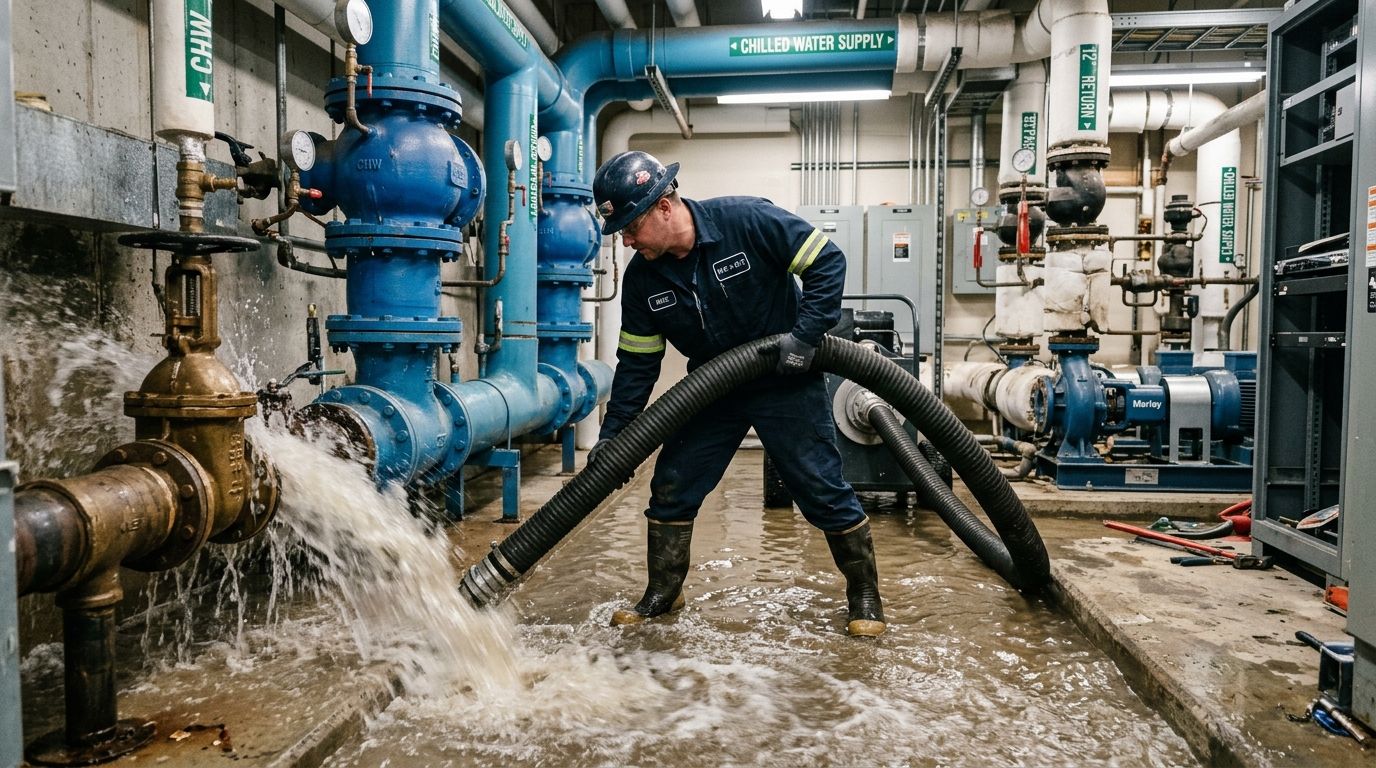
High-Volume Bulk Extraction
31-HP truck-mount extraction units pump standing water away at hundreds of gallons per minute.
Controlled Selective Demolition
Precision flood cuts 12 to 24 inches above moisture lines, removing wet insulation and opening wall framing to dry airflow.
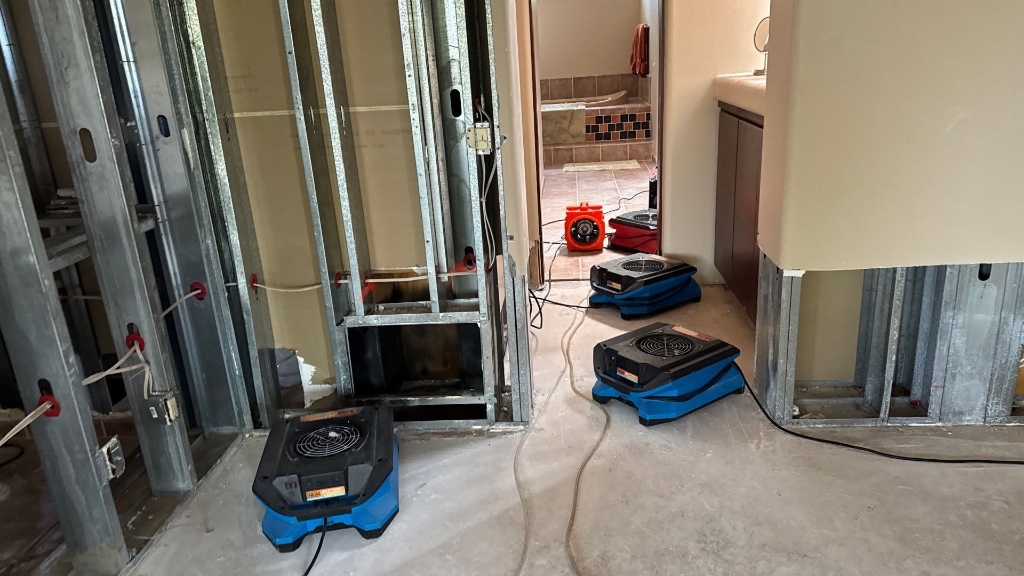
Thermodynamic Dehumidification
Industrial Low-Grain Refrigerant dehumidifiers pull deep trapped moisture from dense framing lumber and concrete slabs.
Antimicrobial Sanitization & Verification
EPA-registered botanical application (Benefect Decon 30) and calibrated moisture testing to issue an official dry certificate.

Specialized Equipment & Industrial Restoration Technology
Mitigating severe property damage requires industrial-grade technology capable of altering thermodynamic psychrometrics:
Truck-Mounted Extraction Rigs
31-HP engines producing 16+ inches Hg vacuum suction to evacuate bulk water rapidly into holding tanks.
Low-Grain Refrigerant Dryers
Pre-cooling heat-pipe systems driving ambient grains per pound below 25 GPP to draw deep trapped water out of framing.
HEPA Negative-Air Scrubbers
Hospital-grade 99.97% particulate filtration capturing microscopic fungal spores, soot, and biohazard aerosols.
FLIR® Thermal Scanners & Probes
Infrared thermography detecting evaporative cooling boundaries behind walls, combined with digital RF pinless scanners.

Professional Restoration vs. DIY Mitigation
Attempting DIY cleanup during a property disaster creates severe hidden liabilities:
- Trapped Moisture: Surface drywall dries while moisture inside cavities triggers hidden mold blooms.
- Pathogenic Risks: Category 2 & 3 water contains bio-contaminants standard cleaners fail to kill.
- Insurance Denial: Insurers require daily psychrometric logs; lack of data causes claim disputes.
Transparent Upfront Itemized Pricing
Valley Restoration Pros operates with complete transparency:
- Free On-Site Assessment: Complete physical inspection before work begins.
- Upfront Itemized Estimates: Detailed line items calculated via industry-standard Xactimate.
- Zero Surprise Billing: No hidden charges or unauthorized repairs.
Certified tempe commercial biopharmaceutical fermenter jacket burst cleanup Field Documentation
Every response performed by Valley Restoration Pros is documented through photographic and thermographic records:
Comprehensive tempe commercial biopharmaceutical fermenter jacket burst cleanup Technical Manual & Operational Standards
Exhaustive engineering protocols, psychrometric calculations, geological multipliers, and step-by-step restoration standards for Maricopa County properties:
Executive Emergency Abstract: Commercial Biopharmaceutical Fermenter Jacket Burst & Cleanroom Containment in Tempe, Arizona
Within the East Valley biotechnology corridor of Tempe, Arizona, centered around the prestigious ASU Research Park along West Warner Road, South River Parkway, and the Loop 101 Price Freeway, life science manufacturing operations represent multi-million-dollar capital investments. These specialized facilities house contract development and manufacturing organizations (CDMOs), commercial mammalian cell culture suites, recombinant therapeutic protein synthesis hubs, and advanced fermentation operations. At the epicenter of biopharmaceutical production are large-scale 5,000-liter ASME-certified 316L electropolished stainless steel fermentation vessels and bioreactors operating within strictly classified ISO Class 7 (Class 10,000 / Grade C) cleanroom envelopes. These cleanrooms operate under rigorous regulatory scrutiny governed by FDA Current Good Manufacturing Practice (cGMP 21 CFR Part 211) standards, demanding uncompromising air cleanliness, tight differential pressure gradients, and sterile architectural finishes.
When a pressurized dimple cooling water jacket surrounding an active 5,000L biopharmaceutical fermenter catastrophically ruptures, the resulting industrial disaster threatens catastrophic structural and biological contamination. Bioreactor cooling jackets operate under continuous mechanical pressure ranging from 60 to 80 PSI, circulating hundreds of gallons per minute of chilled process cooling water or food-grade inhibited propylene glycol to counter the substantial metabolic heat output of high-density microbiological fermentations. A structural failure along a resistance spot weld or circumferential jacket seam releases between 3,500 and 5,000 gallons of pressurized cooling water, frequently commingled with live nutrient-rich microbial or cell culture media, across the seamless heat-welded coved vinyl cleanroom floor.
The kinetic energy of this pressurized water release instantly breaches magnetic interlock airlocks, submerges low-wall return air grilles, and compromises the cleanroom differential pressure cascade. Within minutes, positive air pressures that prevent external contaminants from entering the sterile processing suite collapse from +30 Pascals down to atmospheric baseline (0 Pa) or even transient negative pressure. Process cooling water mixed with concentrated biological broth—laden with yeast extract, dextrose, peptones, mineral salts, and suspended cellular biomass—spreads beneath modular cleanroom wall systems, saturating sub-slab utility chaseways and pooling around sensitive downstream chromatography skids, tangential flow filtration racks, and sterile buffer preparation tanks.
The financial implications of an uncontained cleanroom fermenter jacket burst are staggering. A single interrupted commercial fermentation batch can represent $4,000,000 to $12,000,000 in lost therapeutic yield, while prolonged cleanroom shutdown introduces crushing clinical supply delays and regulatory re-validation expenses. Uncontrolled moisture in Tempe desert heat rapidly elevates internal relative humidity above 85%, threatening expensive fan filter units (FFUs), corroding printed circuit boards inside automation control cabinets, and incubating opportunistic microbial growth within structural wall cavities. Immediate industrial intervention by certified Master Commercial Restorers is non-negotiable. Property directors and manufacturing leaders require rapid deployment of certified emergency water extraction assets, pharmaceutical-grade desiccant dehumidification systems, and forensic biocontainment procedures engineered to restore facility compliance across tempe water damage scenarios.
Immediate Commercial Cleanroom First-Hour Action Directives
- Utility & Jacket Supply Isolation: Immediately actuate the manual and pneumatic isolation ball valves on the primary chilled process cooling water (PCW) supply and return headers serving the 5,000L fermenter skid. Simultaneously isolate the Clean Steam / Steam-In-Place (SIP) manifold to eliminate thermal shock risks.
- Vessel Motor & Instrumentation De-Energization: Safely de-energize the 480V 3-phase variable frequency drive (VFD) controlling the top-mounted or bottom-magnetic agitator impeller, lower mechanical seal flush system, and electrical immersion heater elements to prevent catastrophic dry-fire and motor burnout.
- Air Cascade & Pressure Balance Stabilization: Coordinate with building automation engineers to modulate supply and return air handling unit (AHU) variable air volume (VAV) dampers, maintaining temporary dedicated negative pressure within the compromised suite relative to primary personnel corridors to stop aerosolized biological migration.
- Engage Certified Industrial Cleanroom Restoration: Immediately mobilize Valley Restoration Pros via our 24/7 Biopharmaceutical Emergency Response Command at (602) 847-9593. Our emergency disaster teams arrive on site in Tempe within 30 minutes equipped with explosion-proof sanitary extraction units, stainless steel vacuum skids, and trailer-mounted desiccant dehumidification systems.
Anatomy of the Bioreactor Dimple Jacket Failure & Bio-Fluid Cleanroom Dynamics
Industrial biopharmaceutical fermentation vessels are complex, precision-engineered pressure vessels built to ASME Boiler and Pressure Vessel Code Section VIII standards. A 5,000-liter production-scale fermenter features an internal vessel shell fabricated from 316L electropolished stainless steel, typically measuring 8 to 12 millimeters in thickness, surrounded by an external cooling and heating jacket. In modern bioprocessing suites across Tempe, dimple jackets (also known as embossed or stay-welded jackets) represent the predominant engineering design. A dimple jacket utilizes a light-gauge stainless steel outer sheet that is pressed with an array of recessed depressions or dimples, spot-welded via automated resistance welding to the exterior of the inner vessel wall, and enclosed by continuous fillet-welded circumferential boundary bands.
This dimple geometry provides high structural strength while allowing relatively thin jacket walls to withstand operating pressures between 60 and 90 PSI. The design creates a turbulent flow channel that dramatically maximizes the heat transfer coefficient between circulating coolant and process fluid. However, this same geometry concentrates immense mechanical and thermal stress across hundreds of localized spot-weld nodes. Over years of intensive commercial synthesis campaigns, dimple jackets undergo severe cyclic operational stresses that precipitate catastrophic structural breach through four distinct engineering failure modes:
Primary Bioreactor Dimple Jacket Structural Failure Vectors
- Severe Thermal Shock During CIP/SIP Transitions: Clean-In-Place and Steam-In-Place thermal cycles inject saturated clean steam at temperatures between 121°C and 134°C (250°F to 273°F) into the vessel. If automated sequential control valves rapidly introduce 4°C (39°F) chilled glycol or cooling water into the jacket without a gradual ramp-down period, extreme thermal contraction gradients generate intense shear forces between the hot inner vessel wall and the cold contracting dimple sheet, shearing resistance spot welds.
- Hydraulic Transient Shock (Water Hammer): Fast-acting pneumatic solenoid control valves regulating cooling water flow can open or snap closed in fractions of a second. This instantaneous fluid deceleration creates severe pressure wave transients (water hammer) that can generate localized acoustic pressure spikes exceeding 180 PSI, far outstripping the jacket design envelope and blowing out weakened spot welds.
- Chloride-Induced Stress Corrosion Cracking (SCC): High mineral content and trace chlorides within municipal or recirculated cooling water loop chemistry concentrate within stagnant crevice zones beneath spot-weld heat-affected zones (HAZ). Under high operational tensile stress and fluctuating temperatures, chloride SCC propagates microscopic intergranular cracks that culminate in sudden, brittle rupture along weld seams.
- Pressure Relief Valve (PRV) Mechanical Seizure: Scale encrustation from hard water minerals can bind pressure relief valves in a closed position. When process steam inadvertently breaches the cooling side or thermal expansion occurs in an isolated closed loop, hydrostatic pressure spikes until the outer dimple jacket ruptures violently.
When a dimple jacket ruptures under 75 PSI, the failure is explosive and immediate. Pressurized chilled water tears through exterior fiberglass or polyisocyanurate thermal insulation and shatters the outer stainless steel weather cladding. Simultaneously, the hydraulic decompression can collapse or puncture the inner vessel shell, releasing thousands of liters of active fermentation broth into the cooling stream. This liquid is not benign clean water; it is a complex, high-viscosity suspension containing active recombinant organisms, suspended cellular debris, concentrated carbon sources (glucose, dextrose), nitrogenous peptones, yeast extracts, and chemical buffering salts.
The hydrodynamics of this bio-fluid flood present unique architectural hazards within an ISO Class 7 cleanroom suite. Cleanroom floors are engineered with monolithic, chemical-resistant sheet vinyl or multi-layer polyaspartic epoxy with 6-inch integral coved bases. While impervious to surface cleaning sanitizers, these installations cannot withstand standing hydrostatic head. As water pools across thousands of square feet, fluid exerts lateral pressure against heat-welded floor seams, finding microscopic pinholes to penetrate the underlying concrete sub-slab. Water migrates beneath perimeter wall partitions, entering structural cavities and rising up vertical utility risers through capillary action.
Critically, cleanroom aerodynamics suffer immediate collapse. Cleanroom HVAC systems utilize low-wall return air grilles positioned 6 to 12 inches above finished floor level to sweep airborne particulates downward in a laminar flow pattern. As standing water submerges these return grilles, air passage is blocked. Static pressure inside return air ducts surges, causing variable frequency drive supply fans to hunt erratically. Within minutes, the differential pressure cascade collapses. Uncontrolled air currents reverse, pulling unfiltered, unclassified air from surrounding utility spaces, loading docks, and exterior hallways into the sterile manufacturing suite. To address complex fluid migration and infrastructure damage, commercial facility operators rely on our specialized burst pipe repair protocols and comprehensive pharmaceutical cleanroom flood restoration solutions across greater Phoenix.
Phoenix & Tempe Environmental Multipliers: Desert Heat, Water Hardness & Caliche Geology
Mitigating a commercial biopharmaceutical disaster in Tempe, Arizona demands deep familiarity with the extreme environmental realities of the Sonoran Desert. Unlike temperate biotechnology hubs in Cambridge, South San Francisco, or Research Triangle Park, facilities operating in Maricopa County face severe climatic and geological variables that radically accelerate structural degradation, bio-fluid amplification, and equipment damage following a pressurized vessel breach.
The primary climatic accelerator is the extreme desert summer heat. Ambient temperatures across Tempe routinely exceed 115°F (46°C) from late May through September, accompanied by intense thermal radiation that pushes commercial roof surface temperatures beyond 165°F (74°C). Biopharmaceutical production suites along Warner Road, River Parkway, and Broadway Road depend heavily on continuous cooling loads supplied by rooftop chiller plants, cooling towers, and complex HVAC networks. When a 5,000L fermenter jacket bursts, the catastrophic loss of process cooling water and the subsequent electrical tripping of pump skids frequently overloads or shuts down central cleanroom air handlers.
Inside the compromised cleanroom, temperatures surge rapidly from the standard operating setpoint of 68°F (20°C) to ambient building temperatures exceeding 90°F to 98°F within two to four hours. This rapid thermal surge transforms standing pools of nutrient-rich fermentation broth into an accelerated microbiological incubator. In a standard municipal water loss, microbial amplification typically requires 48 to 72 hours to achieve dangerous bio-load densities. In contrast, fermentation broth loaded with peptones, glucose, and cellular nutrients, exposed to 95°F desert temperatures, experiences exponential bacterial and fungal proliferation within 6 to 12 hours. Gram-negative environmental bacteria, opportunistic pathogens (*Pseudomonas aeruginosa*, *Bacillus cereus*, *Staphylococcus* species), and airborne fungal spores proliferate rapidly, generating endotoxins (lipopolysaccharides) and volatile organic compounds (VOCs) that saturate architectural wall panels and penetrate HVAC insulation.
A second critical environmental factor is the extreme water hardness characteristic of the Tempe and East Valley municipal water infrastructure. Potable and commercial makeup water supplied from the Salt River Project (SRP) canal network and Central Arizona Project (CAP) aqueduct carries exceptionally high concentrations of dissolved minerals, averaging 18 to 22 Grains Per Gallon (GPG) of dissolved calcium carbonate, magnesium, chlorides, and silicates. In commercial chiller loops where makeup water is softened or treated, trace mineral concentrations remain substantial. When thousands of gallons of cooling water flood a cleanroom and begin to evaporate under desert thermal conditions, heavy alkaline mineral salts precipitate out of solution.
These crystalline mineral deposits adhere tenaciously to electropolished 316L stainless steel bioreactor surfaces, anodized aluminum cleanroom ceiling grids, digital mass flow controllers, and automated control cabinets. The mineral scale forms microscopic crevices that shield bacteria from surface disinfectants while simultaneously disrupting the passive chromium oxide layer of stainless steel, initiating pitting corrosion and rouge formation. Restoring cleanroom surfaces following an East Valley hard-water inundation requires specialized chemical passivation and descaling protocols complying with ASTM A967 standards to prevent permanent equipment damage.
Geologically, the terrain beneath Tempe and the ASU Research Park features dense alluvial clay strata containing heavily cemented caliche deposits. Caliche—a sedimentary rock-like deposit of calcium carbonate common to the Sonoran Desert—creates an impermeable subgrade layer beneath building foundations. When floodwaters escape cleanroom containment and migrate through sub-slab electrical conduits, plumbing trenches, or structural slab joints, water pools above the caliche layer rather than naturally percolating into deep subsoils.
Trapped moisture hydrates expansive clay pockets within the upper soil horizon, producing localized differential sub-slab swelling. This soil expansion can exert thousands of pounds of upward hydrostatic and mechanical pressure against concrete floor slabs, causing micro-cracking, floor leveling deviations, and misalignment of high-precision bioreactor load-cell weighing assemblies. Furthermore, summer monsoon dust storms (haboobs) present an acute atmospheric risk. The instant a fermenter jacket rupture collapses cleanroom positive pressure, outdoor airborne particulates (PM10, PM2.5, silica dust, and endemic *Coccidioides immitis* fungal spores) are drawn into the building envelope. We coordinate closely across all regional sectors, linking protocols with our phoenix water damage restoration operations and our certified commercial mold remediation teams to eliminate cross-contamination and sub-slab moisture entrapment.
Immediate Emergency First-Hour Protocol: Containment, Biocontainment & Utility Isolation
The initial sixty minutes following a pressurized biopharmaceutical fermenter jacket breach dictate whether the incident remains a localized mechanical failure or escalates into an unmitigated multi-million-dollar cleanroom contamination catastrophe. Cleanroom production managers, environmental health and safety (EHS) officers, and facilities engineering staff must execute an immediate, disciplined incident containment response compliant with Biosafety in Microbiological and Biomedical Laboratories (BMBL) criteria and OSHA industrial safety mandates.
The primary operational objective is the immediate isolation of high-pressure fluid energy, electrical feeds, and mechanical drives. In an active bioprocessing suite, pressurized utility headers feed steam, chilled water, instrument air, and high-voltage power simultaneously. Facility personnel and responding engineers must execute the following sequential isolation and biocontainment protocol without hesitation:
Step-by-Step Cleanroom First-Hour Containment & Isolation Sequence
- Isolate Process Cooling Water (PCW) Loop: Actuate emergency motorized isolation valves or manually close the quarter-turn isolation ball valves on the 3-inch or 4-inch chilled process cooling water supply and return headers supplying the 5,000L vessel. Vent trapped jacket pressure via the manual sample port drain into a contained waste carboy to prevent further rupture expansion.
- Lockout/Tagout (LOTO) High-Voltage Electrical Feeds: Immediately trip and lockout the main circuit breakers at the localized motor control center (MCC) supplying 480V 3-phase power to the fermenter agitation drive, variable frequency drive (VFD), mechanical seal lubrication skid, and clean steam booster heaters. De-energizing prevents catastrophic phase-to-ground arcing, short-circuit fire propagation, and eliminates electrocution hazards in standing conductive water.
- Characterize Biological Broth Hazard Tier: Identify the specific organism, host vector, and biosafety level (BSL-1 or BSL-2) active within the bioreactor. If cultivating recombinant *Escherichia coli*, *Pichia pastoris*, or mammalian Chinese Hamster Ovary (CHO) cell lines, treat all discharged fluid as regulated bio-process liquid requiring specialized biocidal neutralization before conventional handling.
- Broadcast Biocidal Neutralization & Oxidation Kinetics: Introduce EPA-registered, pharmaceutical-grade sporicidal disinfectants—specifically stabilized peracetic acid (PAA) and hydrogen peroxide (H2O2) formulations—directly into standing liquid pools across the cleanroom floor. Technicians target an active peracetic acid concentration between 500 and 1,000 PPM with a validated 15-minute contact dwell time complying with USP <1072> disinfection standards. This halts cellular respiration, inactivates recombinant nucleic acids, and prevents endotoxin release while avoiding corrosive chlorine bleach vapors that pit electropolished stainless steel.
- Modulate Cleanroom Differential Pressure Cascade: Direct the facility Building Automation System (BAS) or manually adjust cleanroom supply air dampers to throttle incoming airflow while maintaining dedicated low-wall exhaust. Shift the affected fermentation suite into neutral (0 Pa) or temporary slight negative pressure (-5 to -10 Pa) relative to surrounding gowning airlocks and corridors to prevent aerosolized biological droplets from migrating into adjacent cleanrooms. Verify differential pressure via calibrated Magnehelic manometers.
- Deploy Mechanical Physical Barriers & Anteroom Controls: Place heavy chemical-resistant polyurethane spill barriers, weighted magnetic floor drain covers, and absorbent booms at all perimeter door thresholds and material pass-through airlocks to prevent fluid from escaping into unclassified building zones. Establish a dedicated three-tier gowning airlock equipped with dual tacky mats to capture foot traffic bio-load.
Once preliminary containment barriers are secured, all non-essential personnel must evacuate through the primary personnel airlock, stripping off potentially contaminated cleanroom garments into hermetically sealed, double-lined biohazard disposal containers for autoclaving at 121°C. Facility directors must immediately mobilize professional restoration resources certified in biohazard and industrial water containment to assume incident command.
Valley Restoration Pros integrates certified biocontainment specialists trained in IICRC S500 and S520 protocols with deep cleanroom engineering expertise. Our rapid deployment units arrive on site in Tempe fully equipped with Level C personal protective equipment (PPE), powered air-purifying respirators (PAPR), and sanitary fluid transfer systems. For facilities facing bio-process or hazardous liquid breaches, our team coordinates with our certified biohazard cleanup division and commercial sewage cleanup specialists to guarantee total microbiological deactivation and compliant disposal of bio-fluid waste.
Advanced Industrial Equipment Specifications & Cleanroom Decontamination Deployment
Restoring an active cGMP ISO Class 7 biopharmaceutical cleanroom after a pressurized cooling jacket burst requires an advanced tier of industrial decontamination and drying technology. Standard commercial restoration equipment—such as open-motor air movers, residential-grade dehumidifiers, and standard shop vacuums—is strictly prohibited within classified pharmaceutical environments. Conventional equipment sheds carbon brush dust, exhausts non-HEPA-filtered particulate matter into the cleanroom atmosphere, and introduces incompatible lubricants and materials that permanently compromise cleanroom certifications.
Valley Restoration Pros maintains a dedicated fleet of pharmaceutical-grade, cleanroom-certified restoration apparatus engineered explicitly for zero-particulate emissions, chemical resistance, and non-destructive drying across sensitive life science facilities:
To monitor airborne particulate cleanliness during active drying operations, our teams operate Met One and TSI optical particle counters with isokinetic sampling probes. These precision instruments continuously evaluate airborne concentrations across 0.3µm, 0.5µm, 1.0µm, and 5.0µm channels, verifying that drying equipment does not elevate particle counts above baseline cleanroom thresholds. In addition, zero-count filter checks are performed before and after each sampling sequence to ensure detector sensor accuracy and optical sensor cleanliness. All equipment power supplies feature hospital-grade isolated ground cords to prevent electrical noise interference with sensitive analytical cleanroom instrumentation.
To maintain strict compliance with FDA cGMP records requirements (21 CFR Part 11), our team deploys continuous telemetry sensor arrays across the entire affected zone. NIST-traceable digital psychrometric sensors record dry bulb temperature, relative humidity, dew point, grains per pound, and differential room pressure every fifteen minutes. These data streams upload automatically to encrypted cloud servers, creating an unassailable digital drying audit trail that satisfies both corporate insurance adjusters and FDA compliance auditors.
By deploying this sophisticated equipment lineup, Valley Restoration Pros ensures rapid, non-destructive moisture extraction that protects multi-million-dollar bioprocessing skids and prevents costly architectural demolition. Our engineering-driven approach aligns directly with our comprehensive structural drying methodologies and our dedicated commercial water damage protocols implemented across high-technology facilities in Tempe.
IICRC S500 / S520 Step-by-Step Commercial Restoration Protocol for Biopharma Cleanrooms
Restoring an ISO Class 7 cleanroom suite after a pressurized 5,000-liter bioreactor jacket burst requires a multi-stage, scientifically validated framework that bridges the gap between commercial restoration industry standards and rigorous pharmaceutical regulatory compliance. Valley Restoration Pros adheres strictly to the ANSI/IICRC S500 Standard for Professional Water Damage Restoration and ANSI/IICRC S520 Standard for Professional Mold and Microbial Remediation, fully harmonized with ISO 14644-1 cleanroom classifications and FDA cGMP 21 CFR Part 211 directives.
Our certified Master Commercial Restorers execute this complex disaster recovery through a rigorous six-phase engineering protocol:
Phase 1: Gowning Protocol, Biocontainment Airlocks & Pressure Cascade Inversion
Technicians establish a multi-chamber transitional containment barrier at the suite entrance utilizing flame-retardant 6-mil polyethylene sheeting, hermetic magnetic ziplock entries, and sticky decontamination floor mats. Technicians don cleanroom-compatible Level C PPE, including non-linting Tyvek coveralls, double powder-free nitrile gloves, fluid-resistant boot covers, and 3M Versaflo powered air-purifying respirators (PAPR) equipped with HEPA filtration. Negative-air HEPA scrubbers are balanced to establish an intentional -5 to -10 Pascal pressure differential relative to adjacent clean corridors, ensuring zero fugitive biological aerosols or moisture vapors escape the disaster suite during restoration operations. Airlock entry zones maintain calibrated differential pressure magnehelic monitoring at all times.
Phase 2: Sanitary Bulk Liquid Extraction & Chemical Bio-Inactivation
Sanitary stainless steel vacuum extraction skids deploy high-flow sanitary squeegee wands to extract standing process water, glycol, and culture broth from coved vinyl floors, equipment curbs, and perimeter expansion joints. Recovered liquids are pumped into dedicated mobile hazardous containment tanks for characterized biochemical disposal. Concurrently, technicians apply a fine mist of pharmaceutical-grade, stabilized peracetic acid (PAA) and hydrogen peroxide solution (0.2% PAA / 1.0% H2O2). This oxidizing agent rapidly denatures recombinant proteins, disrupts bacterial cellular membranes, and lyses suspended microorganisms on contact without releasing corrosive chlorine fumes that damage electropolished 316L stainless steel. Dwell time is verified at a strict 15-minute minimum before vacuum recovery.
Phase 3: Non-Destructive Substrate Evaluation & Under-Floor Moisture Extraction
Technicians conduct non-invasive RF surface impedance scans and FLIR thermal imaging to evaluate heat-welded vinyl flooring, wall panel caulking joints, and floor drain seals. Modular cleanroom wall assemblies (fabricated from uPVC or high-pressure phenolic resin laminates enclosing aluminum honeycomb or polyisocyanurate cores) are inspected for moisture migration. If moisture has migrated beneath the vinyl flooring into the concrete slab subgrade, we deploy specialized negative-pressure floor drying mat arrays. These weighted, high-vacuum mat systems connect directly to trailer-mounted desiccant suction lines, drawing trapped moisture vapor through microscopic pores and edge seams without tearing up the seamless vinyl flooring, preserving hundreds of thousands of dollars in sterile flooring assets and preventing costly cGMP floor re-qualification.
Phase 4: Closed-Loop Desiccant Structural Drying & Psychrometric Control
Our 10,000 CFM trailer-mounted desiccant dehumidifier delivers ultra-low dew point air (10 to 12 GPP at < 10% RH) into the cleanroom suite through food-grade antimicrobial lay-flat ducting. Dry process air is delivered at ceiling level and pulled across floor surfaces into low-wall return plenums, creating a turbulent drying vortex. Continuous air circulation (30+ air changes per hour) drives deep moisture out of porous materials, electrical chases, and equipment support skids. Continuous NIST-calibrated sensors log relative humidity, temperature, and vapor pressure until structural concrete reaches the predetermined dry standard baseline (< 3.0 lbs/1,000 sq ft/24 hr calcium chloride emission rate per ASTM F1869 or < 75% internal relative humidity verified via in-situ probes complying with ASTM F2170 after a full 24-hour sensor equilibration cycle).
Phase 5: Stainless Steel Descaling & Chemical Passivation (ASTM A967)
Hard municipal water minerals (18+ GPG) and biological residues deposited on the exterior of the 5,000L fermenter, pipe spools, valves, and skid frames are meticulously remediated. Technicians apply a validated citric-acid-based or nitric-acid-based chemical passivation chemistry complying with ASTM A967 standards. This process chelates free iron particles, dissolves calcium carbonate scale, and re-establishes a dense, uniform chromium-oxide passivation film across all 316L stainless steel surfaces. Chemical passivity is verified using Koslow chemical testing kits and ferricyanide paper tests to confirm the total elimination of free iron and surface contaminants. Surfaces are given a final rinse with USP Purified Water, confirming rinse conductivity < 1.3 µS/cm at 25°C to restore certified electropolished finishes.
Phase 6: Terminal Cleanroom Sanitization, Airborne Laser Particle Clearance & Turnover
The recovery concludes with a comprehensive three-bucket sterile wipe-down using lint-free continuous-filament polyester wipes saturated with USP-grade sterile 70% Isopropyl Alcohol (IPA) and validated sporicides. All ceilings, walls, equipment exteriors, and floors undergo terminal disinfection. Technicians conduct ATP bioluminescence testing (verifying < 10 Relative Light Units across all critical touch points) and perform airborne laser particle counts across defined sampling grids. The suite must achieve documented compliance with ISO 14644-1 Class 7 particulate thresholds (maximum 352,000 particles/m³ at 0.5µm; 2,930 particles/m³ at 5.0µm) before formal facility turnover to Quality Assurance (QA). Complete validation packets, including filter integrity certs and temperature/RH logs, are packaged for client cGMP audit defense.
This meticulous six-stage protocol guarantees that every vector of contamination—liquid, biological, structural, and chemical—is forensically eradicated. We routinely coordinate our high-specification cleanroom protocols with specialized industrial methodologies established across our semiconductor chemical vault water extraction operations and our high-density tempe commercial high-rise preaction fire sprinkler cleanup engagements.
Hyper-Local Case Study: 5,000L Bioreactor Jacket Rupture at ASU Research Park
In mid-July, during a prolonged heatwave where Tempe daytime temperatures soared to 118°F and nighttime ambient conditions hovered at 102°F, a premier contract biopharmaceutical manufacturing organization situated within the ASU Research Park experienced a catastrophic mechanical crisis. The facility—a 26,000-square-foot cGMP manufacturing complex located near the intersection of West Warner Road and South River Parkway, bordering the Loop 101 Price Freeway corridor—was actively running a commercial production campaign producing therapeutic monoclonal antibodies.
At 02:15 AM on a Tuesday, during an automated cooling transition following a bioreactor feed cycle, a catastrophic circumferential weld fracture erupted across the dimple cooling jacket of Bioreactor 04—a 5,000-liter 316L stainless steel production fermenter. Pressurized chilled process cooling water circulating at 75 PSI ruptured through the outer jacket cladding, tearing open an adjacent harvest line fitting. Within twenty-five minutes, an estimated 3,800 gallons of chilled cooling water commingled with 650 gallons of dense mammalian cell culture broth discharged violently across the 4,200-square-foot ISO Class 7 fermentation suite. The deluge breached gowning airlocks and inundated adjacent buffer preparation and media formulation corridors.
ASU Research Park Emergency Response & Psychrometric Drying Timeline
- Hour 0.0 – 0.5 (Emergency Dispatch & Arrival): Automated building management liquid sensors triggered critical alarms at 02:18 AM. Valley Restoration Pros commercial large-loss disaster unit was dispatched at 02:22 AM and arrived on site at West Warner Road in exactly 24 minutes with trailer-mounted desiccant systems and sanitary extraction skids.
- Hour 0.5 – 2.0 (Utility Lockout & High-Volume Sanitary Extraction): Technicians verified complete mechanical isolation of the cooling loop, confirmed electrical LOTO, donned Level C PPE with PAPR respirators, and deployed stainless steel HEPA extraction skids. By Hour 2.0, 4,350 gallons of standing bio-fluid and chilled water were captured and transferred into sealed hazmat containment tanks.
- Hour 2.0 – 6.0 (Biological Neutralization & Desiccant Ducting): Technicians applied pharmaceutical-grade peracetic acid misting to neutralize organic broth across all surfaces. A 10,000 CFM trailer-mounted desiccant dehumidifier was positioned at the exterior loading dock, delivering dry process air through sealed utility ports via lay-flat ducting. Negative-pressure HEPA scrubbers established 32 continuous air changes per hour.
- Hour 6.0 – 24.0 (Psychrometric Vapor Depression): Initial baseline readings inside the flooded suite registered 88% Relative Humidity and 112 Grains Per Pound (GPP). Within eighteen hours of continuous desiccant operation, moisture levels dropped dramatically to 32% RH and 36 GPP. Negative-pressure floor mats extracted capillary moisture trapped beneath coved vinyl flooring seams.
- Hour 24.0 – 48.0 (Deep Structural Slab Stabilization): Concrete slab moisture levels—measured via in-situ probes—declined from 94% equilibrium RH down to the dry standard baseline of 72% RH. Technicians performed ASTM A967 citric acid chemical passivation across the fermenter skid, dissolving 18 GPG mineral scale deposits left by cooling water.
- Hour 48.0 – 72.0 (Terminal Decontamination & ISO Clearance): Sterile three-bucket wipe-down executed using USP-grade 70% IPA. Surface ATP swabs verified < 5 RLU across all contact points. Calibrated airborne laser particle counters confirmed cleanroom particulate concentrations within ISO Class 7 specifications (0.5µm particles at 142,000/m³, well below the 352,000 ceiling). The facility was recertified and returned to production operations.
The rapid, highly technical response produced extraordinary economic salvage. While the active batch inside Bioreactor 04 was lost, rapid containment prevented biological cross-contamination of three adjacent 5,000L production bioreactors holding over $14,500,000 in active therapeutic synthesis. Over $5,200,000 in downstream chromatography columns, skid automation panels, and analytical instrumentation were preserved with zero corrosion damage. Total facility downtime was restricted to 3.5 business days, averting an estimated six-week shutdown that would have occurred under standard commercial restoration methods.
To evaluate potential recovery timelines and preliminary budgeting for your commercial facility, consult our online instant cost estimator or review our regional coverage directory across our designated service locations.
Biotech Commercial Insurance Claims, cGMP Documentation & Transparent Pricing
Navigating a commercial property and business interruption insurance claim following a biopharmaceutical fermenter failure involves complex forensic, regulatory, and financial dimensions. Commercial property policies, boiler and machinery riders (equipment breakdown insurance), and specialized life science research and development spoilage coverages require rigorous forensic substantiation before multi-million-dollar settlements are approved by corporate carriers such as FM Global, Chubb, Travelers, and Zurich.
At Valley Restoration Pros, we operate with complete financial integrity, transparency, and strict adherence to Pay-Per-Call commercial compliance standards. We establish clear contractual parameters from the moment of dispatch:
Commercial Financial Standards & Client Protection Guarantees
- Free Comprehensive On-Site Damage Assessment: Our master commercial estimators deploy to your Tempe facility to perform a thorough, multi-point evaluation of structural inundation, equipment contamination, and psychrometric drying requirements at zero preliminary cost or obligation to your enterprise.
- Transparent Upfront Itemized Pricing Before Work Begins: Prior to mobilizing equipment or initiating decontamination protocols, we deliver a fully itemized commercial scope of work detailing exact equipment day-rates, technician labor tiers, certified sanitizing consumables, and electrical generation costs. Every dollar is disclosed upfront with zero hidden surcharges or post-incident billing surprises.
- Zero Direct Billing Promises & Clear Accountability: We strictly avoid deceptive industry marketing that promises insurance will pay 100% or claims we bill insurance directly without client responsibility. While we work directly alongside your commercial insurance adjusters and forensic engineers, the facility owner or operating entity retains primary contractual authorization, ensuring full visibility and control over all deployed assets.
Our team provides comprehensive Assistance with Claims Documentation & Psychrometric Moisture Logs (also recognized by carriers as Assistance with Claims Documentation & Psychrometric Moisture Logs) engineered to satisfy both commercial insurance forensic adjusters and FDA cGMP compliance auditors. Because biopharmaceutical enterprises are governed by FDA 21 CFR Part 11 requirements regarding data integrity and audit trails, our forensic documentation package is structured to an institutional standard:
Institutional cGMP Insurance Audit Package Components
- Infrared Thermal Mapping Files: High-resolution FLIR thermographic radiometric images with embedded GPS and timestamp metadata documenting initial liquid boundaries and progressive daily structural drying milestones.
- Continuous NIST Psychrometric Data Logs: Automated electronic sensor feeds tracking dry bulb temperature, relative humidity, dew point, grains per pound (GPP), and differential pressure gradients across every isolated drying chamber.
- Equipment Asset Runtime Records: Serialized, barcode-verified tracking logs recording operational hours, fuel consumption, and electrical draw for all trailer-mounted desiccant dehumidifiers, HEPA scrubbers, and vacuum systems.
- Environmental Clearance Certifications: Third-party validated airborne laser particle counter reports (ISO 14644-1) and ATP bioluminescence surface swab logs proving structural decontamination prior to suite turnover.
- Standardized Xactimate Itemization: Full commercial estimates structured with standardized insurance-accepted unit pricing codes (WTR DRY, CLN DECON, HEPA VAC, DESIC CANT) facilitating expedited claim adjudication.
In commercial biotechnology losses, business interruption costs frequently dwarf direct property repair expenses due to massive daily overhead, fixed facility carrying costs, and delayed pharmaceutical clinical milestones. By presenting an indisputable scientific record of rapid mitigation and validated environmental recovery, our documentation package enables insurance underwriters to resolve claims swiftly, safeguarding corporate liquidity and shareholder value.
To consult directly with our commercial disaster estimators or schedule immediate site mobilization, connect with our East Valley response team via our dedicated portal at contact us or speak directly with an operations director via our emergency line: (602) 847-9593.
Frequently Asked Questions: Biopharmaceutical Cleanroom Fermenter Disaster Cleanup
1. What engineering factors cause a pressurized dimple cooling jacket on a 5,000L biopharmaceutical fermenter to rupture?
Dimple jackets on 5,000-liter 316L stainless steel bioreactors experience extreme operational stresses that precipitate mechanical rupture. The primary failure vector is cyclic thermal fatigue occurring during Clean-In-Place (CIP) and Steam-In-Place (SIP) thermal cycles. Injected clean steam heats the inner vessel wall to 121°C–134°C (250°F–273°F); if chilled process water (4°C / 39°F) is introduced too rapidly, differential thermal contraction generates immense shear stress across resistance spot welds bonding the outer jacket to the inner vessel shell. Over hundreds of synthesis batches, micro-fissures develop along spot-weld heat-affected zones. Secondary vectors include hydraulic water hammer generated by fast-closing pneumatic control valves, over-pressurization caused by scale-bound pressure relief valves, and chloride-induced stress corrosion cracking (SCC) driven by mineral salts present in municipal and cooling water supplies.
2. How is cleanroom differential pressure cascade restored following a catastrophic liquid spill?
A catastrophic flood disrupts differential pressure cascades by physically submerging low-wall return air grilles (located 6 to 12 inches above finished floor level) and creating intense local humidity that throws off airflow balance sensors. When returns are submerged, duct static pressure spikes, causing building automation variable air volume (VAV) dampers to fluctuate erratically. Restoring the cascade requires immediate mechanical extraction of standing water surrounding return grilles, followed by active recalibration of supply and exhaust air volumes. During emergency decontamination, master restorers intentionally modulate HVAC controls to place the flooded suite under slight negative pressure (-5 to -10 Pascals) relative to adjacent sterile airlocks, ensuring biological aerosols cannot escape into neighboring cleanrooms. Once terminal sanitization and drying are complete, AHU supply fans are ramped back up to re-establish the standard positive pressure cascade (+30 Pa in core processing, +20 Pa in gowning, +10 Pa in prep suites).
3. Why does Phoenix and Tempe municipal water accelerate corrosion on electropolished 316L stainless steel?
Municipal water in Tempe and across Maricopa County contains heavy concentrations of dissolved minerals, delivering 18 to 22 Grains Per Gallon (GPG) of calcium carbonate, magnesium bicarbonate, sulfates, and chlorides. While 316L stainless steel relies on a continuous passive chromium oxide surface film to resist oxidation, mineral-rich water disrupts this protective barrier. When hard cooling water pools on warm stainless steel surfaces, evaporation leaves dense alkaline scale crystals. Chlorides concentrate underneath these scale deposits, initiating crevice corrosion and breaking down the passive layer. This initiates galvanic micro-pitting and surface rouge (ferric oxide contamination), which permanently degrades electropolished Ra surface finishes. To eliminate this degradation, Valley Restoration Pros applies validated ASTM A967 chemical passivation solutions (citric or nitric acid formulations) that dissolve mineral scale, chelate surface iron, and regenerate the chromium oxide passivation envelope.
4. How do master restorers classify water containing live biopharmaceutical cell culture broth under IICRC S500?
Under the ANSI/IICRC S500 Standard for Professional Water Damage Restoration, standing water is categorized based on its degree of chemical and biological contamination. While uncontaminated process cooling water might originate as Category 1, the instant it mingles with biopharmaceutical cell culture broth or fermentation media, it is classified as Category 3 (grossly contaminated / black water). Fermentation broths contain dense organic nutrients (peptones, yeast extracts, glucose), live recombinant cells (*E. coli*, yeast, or CHO cells), and metabolic cellular byproducts. Under ambient conditions—especially accelerated by Arizona desert heat—this nutrient-dense soup undergoes rapid microbial amplification within hours, producing dangerous levels of bacteria, endotoxins, and fungal spores. Consequently, the remediation demands strict biohazard protocols, including Level C PPE, EPA-registered sporicidal disinfection, and certified hazardous liquid containment.
5. What is the technical procedure for drying saturated seamless vinyl cleanroom flooring without lifting or bubbling?
Seamless chemical-resistant sheet vinyl cleanroom flooring is heat-welded at seams and adhered to concrete sub-slabs using specialized moisture-resistant epoxy or polyurethane adhesives. When standing water penetrates perimeter wall coving or microscopic seam fissures, water becomes trapped between the non-porous vinyl sheet and the concrete slab. If heat or improper drying methods are applied, trapped moisture vaporizes, exerting vapor pressure that shears adhesive bonds, creating massive bubbling, blistering, and delamination. Valley Restoration Pros utilizes non-destructive negative-pressure floor drying mat systems. By applying powerful continuous vacuum extraction across sealed perimeter floor mats connected to trailer-mounted desiccant dehumidifiers, we create a sub-surface vacuum that draws moisture vapor out through expansion joints and perimeter edges. We continually monitor sub-slab moisture using non-invasive RF meters and in-situ relative humidity probes complying with ASTM F2170, mirroring protocols utilized in our specialized slab leak water damage restoration operations.
6. Can cleanroom HEPA filters be reused after exposure to elevated humidity during a fermenter flood?
Ceiling-mounted Fan Filter Units (FFUs) and terminal HEPA filters utilize delicate borosilicate micro-glass fiber paper pleated with aluminum or hot-melt separators. When a cleanroom flood elevates relative humidity above 85% for an extended duration, moisture condenses on the filter media. This causes moisture blinding, swelling of binders, and potential media tearing under system static pressure. More critically, if aerosolized fermentation broth or biological media droplets contact the filter face, the damp organic matter provides a fertile substrate for fungal colonization directly within the sterile air supply. Under pharmaceutical cGMP standards, any HEPA filter exposed to direct liquid contact or prolonged condensing humidity must undergo in-situ Dispersed Oil Particulate (DOP) aerosol challenge testing to verify 99.97% integrity. If media degradation, elevated pressure drop (delta-P), or microbial growth is detected, immediate replacement with certified pharmaceutical-grade terminal HEPA modules is mandatory.
7. How do psychrometric moisture logs and thermal scans assist in commercial insurance recovery for life science facilities?
Commercial insurance carriers managing life science property and business interruption claims require empirical, scientific proof of loss and documented mitigation progression. In an ISO Class 7 cleanroom, speculative or subjective damage estimates lead to claim denials or prolonged forensic audits. Valley Restoration Pros provides an unassailable documentation package including calibrated radiometric FLIR infrared thermography that clearly delineates fluid migration boundaries across structural assemblies. Furthermore, our continuous NIST-traceable psychrometric logs record ambient temperature, relative humidity, dew point, and grain depression every fifteen minutes. This data proves that drying equipment was deployed in direct proportion to structural moisture loads and confirms the exact moment structural substrates achieved dry standards. This objective documentation eliminates adjustor disputes, substantiates equipment usage line items, and accelerates claim settlement.
Verified Local Area Dispatch: Tempe, AZ
Official Geo-Coordinates: 33.4255° N, -111.94° W • Maricopa County
Related Specialized Emergency Restoration Services
Explore specialized rapid-response mitigation protocols across Greater Phoenix and Maricopa County:
Valley-Wide Emergency Response Service Coverage
Our mobile restoration fleet is dispatched across the entire Phoenix metropolitan region, providing rapid 30 to 60 minute emergency response: