

Valley Restoration Pros delivers 24/7 industrial emergency water extraction, thermal psychrometric drying, and structural mitigation across Phoenix and Maricopa County with guaranteed 30–60 minute rapid arrival. All protocols strictly adhere to IICRC S500 standards, featuring upfront itemized pricing and free on-site thermal moisture assessments. Call dispatch directly at (602) 847-9593.
Why Immediate Mitigation Is Critical in Phoenix Heat
Chilled water mechanical riser ruptures in penthouse mechanical rooms discharge thousands of gallons per minute under 125+ PSI hydrostatic pressure, cascading down elevator shafts, electrical utility chases, and structural core columns across multiple corporate tenancy levels. Mineralized municipal Phoenix water carrying 18 to 22 grains per gallon (GPG) hardness saturates suspended acoustic mineral-fiber ceiling assemblies, dissolving binder starches and triggering sudden structural ceiling grid collapses over active trading desks, server racks, and legal document vaults. Water intrusion into raised-floor computer rooms and executive data plenums submerges primary 480V three-phase busways, fiber-optic backbone risers, and redundant uninterruptible power supply (UPS) batteries, creating catastrophic electrical arc-flash explosion and permanent corporate data destruction hazards. Summer ambient temperatures exceeding 115°F in Phoenix heat unconditioned corporate high-rise envelopes to 130°F+ within hours of HVAC emergency electrical shutdown, creating an aggressive psychrometric greenhouse that accelerates Aspergillus and Stachybotrys mold colonization on wallboard and acoustic insulation within 24 to 48 hours. Hydrostatic water accumulation over post-tensioned concrete structural slabs creates severe downward deflection and lateral slab saturation, wicking moisture into perimeter fire-safing assemblies, demising wall stud cavities, and high-value custom millwork.
Service Definition & The IICRC Standard of Care
Professional biltmore financial district commercial water damage restoration phoenix is an engineering and environmental discipline adhering strictly to IICRC S500 protocols, not mere surface mopping. When structural plumbing failures strike in Maricopa County, certified emergency water extraction and thermal structural drying procedures must be deployed immediately. Whether triggered by high-pressure burst pipe emergencies, subfloor leaks, or commercial line ruptures, bound moisture rapidly penetrates concrete subfloors and wall framing. In the desert heat, delays trigger microbial proliferation requiring rapid mold remediation. Request damage assessment through our emergency assessment portal or request 30-minute dispatch across all Valley service areas.
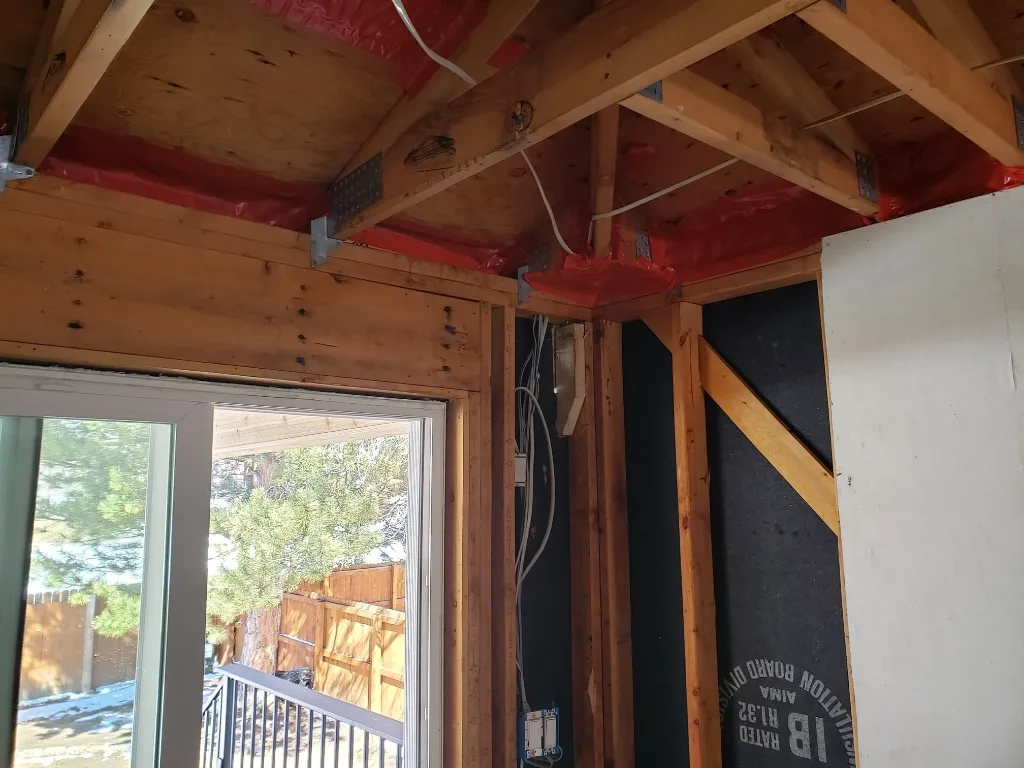
Securing electrical feeds, inspecting load-bearing assemblies, and containing pathogens.
Stopping the intrusion source and erecting 6-mil plastic isolation containment airlocks.
31-HP truck-mount extraction, removing gallons exponentially faster than evaporation.
LGR dehumidifiers and HEPA air scrubbers driving grains per pound below 25 GPP.
Calibrated electronic pinless testing confirming baseline dry standards.
The Complete 6-Stage Restoration Roadmap
Our IICRC-certified crews execute a disciplined, scientific 6-stage protocol to stabilize and dry structural components:
Emergency Dispatch & Perimeter Isolation
30 to 60 minute arrival. Securing electrical shutoffs, evaluating structural loads, and erecting containment airlocks.
FLIR® Thermal Mapping & Baseline Scans
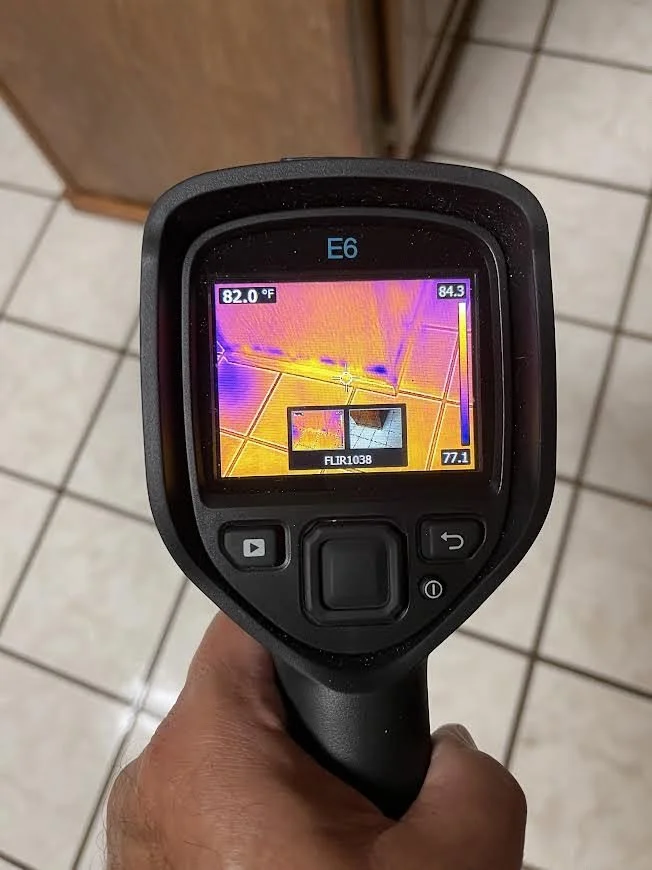
Infrared thermal scans detect trapped moisture behind walls and beneath concrete without invasive exploratory demolition.
High-Volume Bulk Extraction
31-HP truck-mount extraction units pump standing water away at hundreds of gallons per minute.
Controlled Selective Demolition
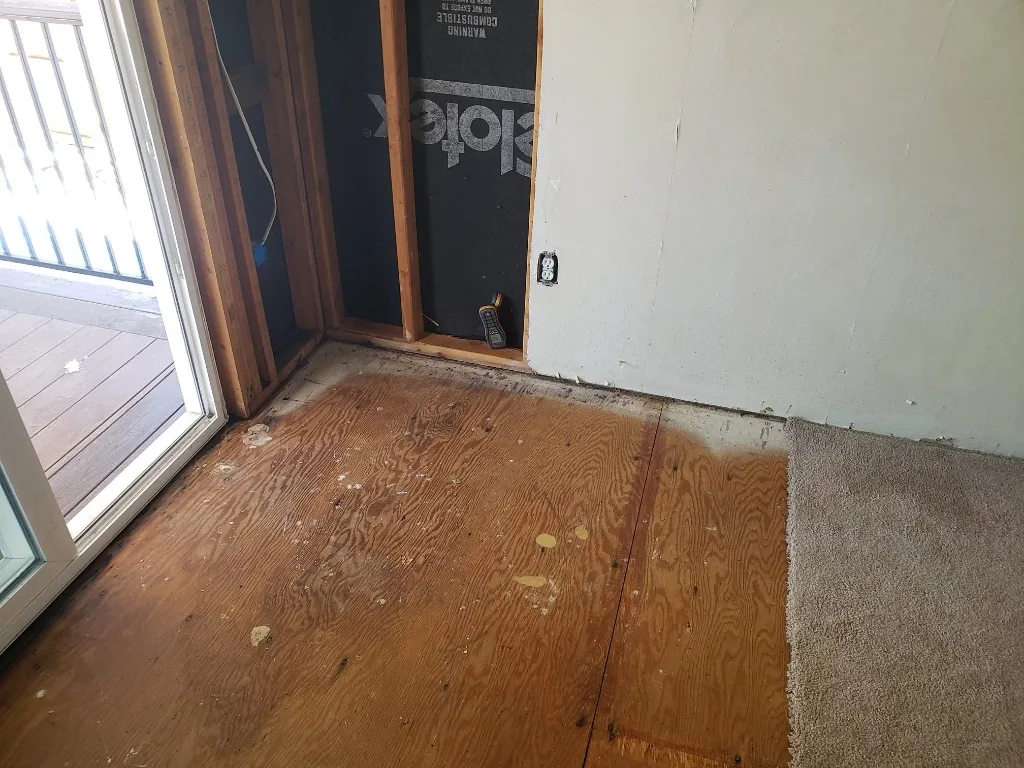
Precision flood cuts 12 to 24 inches above moisture lines, removing wet insulation and opening wall framing to dry airflow.
Thermodynamic Dehumidification
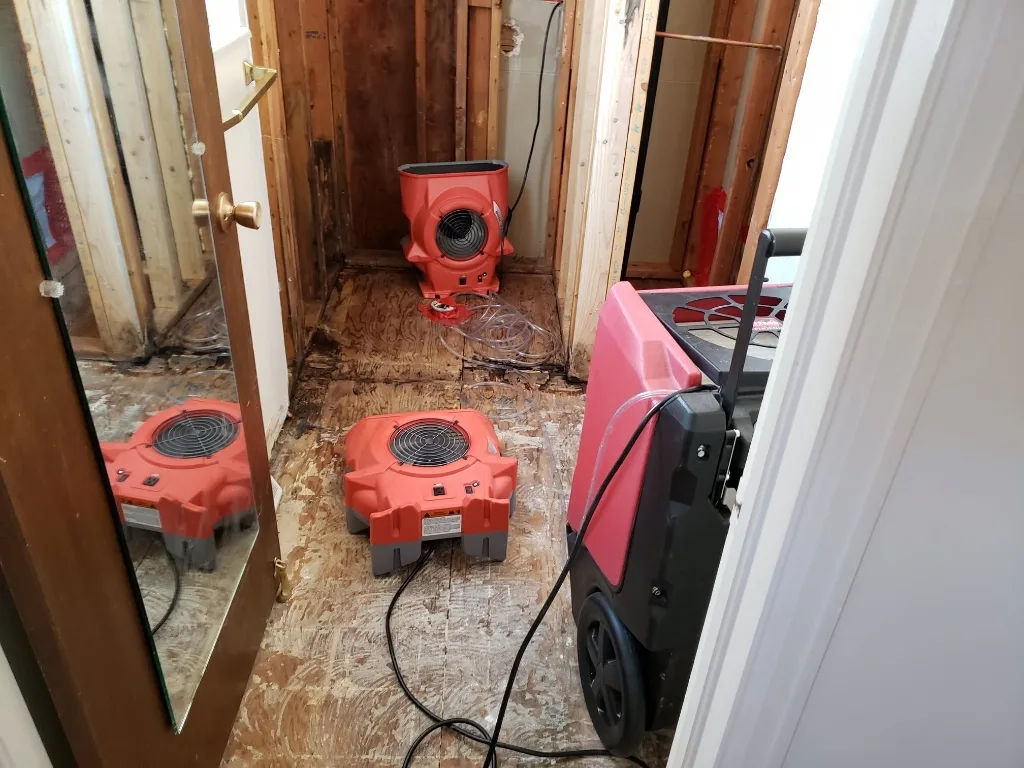
Industrial Low-Grain Refrigerant dehumidifiers pull deep trapped moisture from dense framing lumber and concrete slabs.
Antimicrobial Sanitization & Verification
EPA-registered botanical application (Benefect Decon 30) and calibrated moisture testing to issue an official dry certificate.
Specialized Equipment & Industrial Restoration Technology
Mitigating severe property damage requires industrial-grade technology capable of altering thermodynamic psychrometrics:
Truck-Mounted Extraction Rigs
31-HP engines producing 16+ inches Hg vacuum suction to evacuate bulk water rapidly into holding tanks.
Low-Grain Refrigerant Dryers
Pre-cooling heat-pipe systems driving ambient grains per pound below 25 GPP to draw deep trapped water out of framing.
HEPA Negative-Air Scrubbers
Hospital-grade 99.97% particulate filtration capturing microscopic fungal spores, soot, and biohazard aerosols.
FLIR® Thermal Scanners & Probes
Infrared thermography detecting evaporative cooling boundaries behind walls, combined with digital RF pinless scanners.
Professional Restoration vs. DIY Mitigation
Attempting DIY cleanup during a property disaster creates severe hidden liabilities:
- Trapped Moisture: Surface drywall dries while moisture inside cavities triggers hidden mold blooms.
- Pathogenic Risks: Category 2 & 3 water contains bio-contaminants standard cleaners fail to kill.
- Insurance Denial: Insurers require daily psychrometric logs; lack of data causes claim disputes.
Transparent Upfront Itemized Pricing
Valley Restoration Pros operates with complete transparency:
- Free On-Site Assessment: Complete physical inspection before work begins.
- Upfront Itemized Estimates: Detailed line items calculated via industry-standard Xactimate.
- Zero Surprise Billing: No hidden charges or unauthorized repairs.
Certified biltmore financial district commercial water damage restoration phoenix Field Documentation
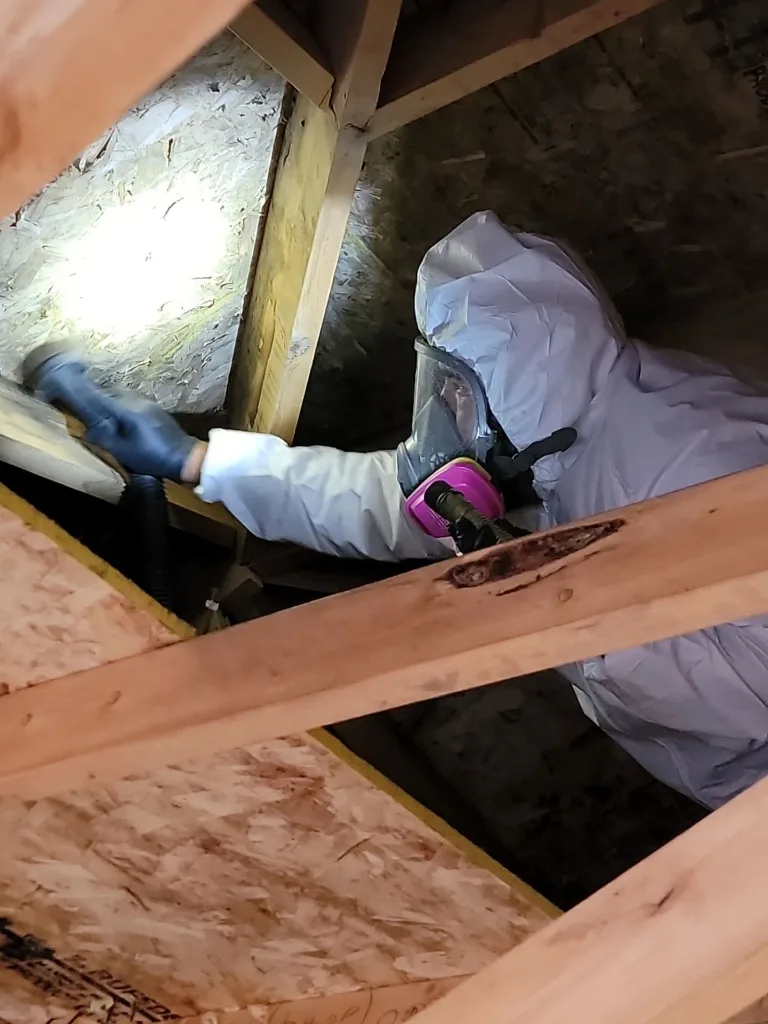
Every response performed by Valley Restoration Pros is documented through photographic and thermographic records:
Comprehensive biltmore financial district commercial water damage restoration phoenix Technical Manual & Operational Standards
Exhaustive engineering protocols, psychrometric calculations, geological multipliers, and step-by-step restoration standards for Maricopa County properties:
Executive Emergency Abstract: Mission-Critical High-Rise Inundation in the Biltmore Financial Corridor
The Biltmore Financial District represents the premier concentration of Class-A commercial real estate, corporate law headquarters, wealth management institutions, and private equity offices in Phoenix, Arizona. Centered along the prestigious intersection of 24th Street and East Camelback Road, extending through the Camelback Esplanade and Biltmore Financial Center complexes, these high-rise and mid-rise office towers operate continuous computing environments, sensitive executive suites, and mission-critical corporate communications infrastructure. When an industrial mechanical failure occurs—most notably the catastrophic rupture of a 4-inch to 8-inch chilled water supply riser within a penthouse mechanical room or vertical pipe chase—the operational and financial implications are immediate and severe. Thousands of gallons of pressurized, chemically treated HVAC loop water cascade downward through elevator hoistways, electrical switchgear closets, demising wall assemblies, and ceiling plenums, threatening structural integrity, multi-tenant lease agreements, and corporate business continuity.
Valley Restoration Pros maintains a dedicated, 24/7 commercial rapid-deployment unit specifically engineered for corporate high-rise and institutional facilities in the Biltmore corridor. Our industrial teams arrive on site within 30 minutes of emergency notification, deploying heavy-duty truckmount extraction platforms, commercial submersible dewatering apparatus, high-capacity trailer-mounted desiccant dehumidifiers, and calibrated radiometric infrared thermography cameras. We execute systematic, surgical commercial disaster mitigation in strict compliance with the Institute of Inspection, Cleaning and Restoration Certification (IICRC S500 standards for professional water damage restoration), ensuring that corporate tenancy downtime is minimized, structural building materials are salvaged in place whenever technically viable, and comprehensive itemized insurance documentation is prepared without delay.
In multi-tenant institutional buildings, a single water loss event frequently involves multiple commercial insurance carriers, property ownership entities, and distinct corporate tenant interests. Commercial law firms, securities brokerages, and private banking chambers require non-negotiable confidentiality protocols, stringent chain-of-custody documentation for sensitive physical records, and surgical containment that prevents particulate or moisture migration into adjoining occupied suites. When elevator shafts become saturated or subterranean equipment pits flood, our dedicated crews deploy specialized subterranean parking garage and vault flood extraction systems to safeguard lower-level infrastructure, foundation slabs, and mechanical rooms.
Time represents the single most decisive variable in high-rise commercial water loss mitigation. Within 60 minutes of uncontained water migration, drywall gypsum cores soften, electrical conduit seals fail, and carpet adhesive emulsions begin irreversible breakdown. Within 24 hours under Phoenix ambient summer temperatures exceeding 115°F, microbial colonization begins across saturated cellulose materials in unconditioned wall cavities. Property managers, facilities engineers, and asset directors throughout the Biltmore Financial District can contact our emergency dispatch operations center immediately at to mobilize priority commercial extraction crews, thermal moisture mapping technicians, and industrial drying vortex arrays.
Anatomy of the Mechanical Failure: Hydraulic Dynamics of High-Rise Chilled Water Riser Breaches
High-rise office towers in the Biltmore Financial District rely on closed-loop hydronic chilled water distribution systems to maintain executive comfort across multi-acre interior floorplates. These systems circulate chilled water at 42°F to 45°F under working hydrostatic pressures ranging from 80 PSI on upper mechanical penthouses to in excess of 175 PSI on lower levels due to vertical gravitational head pressure. The vertical piping network consists of heavy-gauge schedule 40 carbon steel or copper distribution risers anchored within mechanical shafts. Catastrophic riser failures typically originate from four primary mechanical stressors: thermal shock cycling across aging grooved mechanical couplings (Victaulic-style joints), galvanic corrosion between dissimilar piping metals, high-frequency water hammer induced by sudden booster pump check valve closures, and localized stress fractures along uninsulated expansion loops subjected to extreme desert thermal gradients. When vertical chilled loops rupture, the catastrophic mechanical impact mirrors the engineering dynamics detailed in our specialized commercial chiller pipe flood restoration protocol.
When an unmonitored riser coupling shears or a chilled water coil ruptures within a penthouse air handler, the volumetric discharge is staggering. A 4-inch supply line failure under 120 PSI discharges approximately 1,200 to 1,500 gallons per minute (GPM). Because corporate office floor slabs are penetrated by vertical conduits, busway sleeves, plumbing chases, and elevator hoistways, gravity dictates rapid multi-floor vertical migration. Water cascades through concrete floor penetrations, creating a multi-level deluge that travels downward across tens of thousands of square feet of finished tenant space within minutes. Immediate structural emergency water extraction must be initiated at the lowest collection points while simultaneous extraction arrays operate on each affected floorplate.
The fluid dynamics within corporate high-rise buildings create unique moisture entrapment zones that are undetectable to visual inspection. Pressurized water tracks horizontally across the upper surface of suspended acoustic ceiling tile grids, saturating mineral fiber panels until their tensile strength fails under water weight, causing sudden ceiling collapses that demolish executive furnishings, monitors, and confidential client archives. In scenarios where overhead acoustic assemblies disintegrate, our rapid-response teams execute structural stabilization modeled on our commercial ceiling water damage and collapse repair standards.
Simultaneously, water flows into raised-floor computer plenums, submerging high-voltage power distribution whips, Category 6A data cabling bundles, and modular air conditioning ductwork. If left standing, this water wicks upward into perimeter drywall through capillary suction, ascending 18 to 24 inches within hours. Understanding these exact fluid movement vectors allows our IICRC certified engineers to establish strategic extraction dams, deploy suction wands across floor transitions, and contain fluid spread before it penetrates structural demising firewalls. In enterprise facilities housing critical server banks or battery infrastructure, our protocols integrate advanced procedures identical to our commercial data center and battery room flood decontamination procedures.
Furthermore, chilled water loops contain chemical treatment additives, including corrosion inhibitors (molybdate or nitrite compounds), biocides, and glycol antifreeze agents. While classified as Category 1 water at the instant of pressurized discharge, contact with dusty ceiling plenums, building insulation, carpet backing, and electrical raceways rapidly transforms the effluent into a Category 2 (gray water) or Category 3 (black water) biohazard condition. This transformation mandates strict personal protective equipment (PPE) protocols, immediate containment isolation, and specialized surface decontamination using EPA-registered antimicrobial agents during the commercial water damage restoration procedures implemented across the commercial premises.
Phoenix & Biltmore Environmental Multipliers: Severe Municipal Hardness & Desert Psychrometrics
Commercial restoration operations in Phoenix, Arizona, cannot be executed using generic regional procedures. The Sonoran Desert climate and regional geological conditions impose extreme operational multipliers that dictate specialized drying strategies. Chief among these environmental factors is Phoenix municipal water chemistry. Water supplied to commercial properties throughout the Biltmore corridor from the Salt River Project (SRP) and Central Arizona Project (CAP) canals carries extreme mineral hardness measuring between 18 and 22 grains per gallon (GPG), accompanied by total dissolved solids (TDS) exceeding 750 to 950 parts per million (PPM). When thousands of gallons of high-hardness municipal water saturate commercial building assemblies, the dissolved calcium carbonate, magnesium sulfate, and silica remain behind as water evaporates, forming hard crystalline crusts inside wallboard gypsum, concrete pores, and delicate electronic contacts.
These mineral deposits cause irreversible corrosion on electrical circuitry, busway terminals, and network switches within executive suites. Left unaddressed, calcium scale wicks into the microscopic pores of imported Italian marble, polished travertine tile, and terrazzo flooring common to Biltmore corporate lobbies, triggering severe subsurface efflorescence and mineral spalling. Addressing this risk requires immediate high-volume freshwater rinsing and rapid extraction alongside specialized pH-balanced descaling treatments prior to structural drying. In addition, when pressurized plumbing breaches occur beneath foundation slabs, our specialized slab leak water damage restoration protocols ensure that subsurface moisture migration through expansive desert soils is precisely arrested.
The second critical multiplier is the Phoenix thermal envelope. During summer months spanning May through October, ambient daytime temperatures routinely exceed 110°F to 118°F, with roof surface temperatures on high-rise commercial structures reaching 165°F to 180°F. When an emergency water disaster forces the shutdown of building chillers or main electrical switchgear, high-rise interior temperatures surge rapidly. The combination of intense indoor heat, standing water, and saturated porous building materials produces extreme relative humidity (RH > 90%) and elevated vapor pressure inside sealed executive suites. Under these psychrometric greenhouse conditions, microbial amplification accelerates exponentially. Fungal spores of Aspergillus niger, Penicillium, and Stachybotrys chartarum germinate within 24 to 36 hours, transforming a standard structural water mitigation project into an extensive hazardous commercial mold remediation and containment operation requiring negative-air HEPA filtration chambers.
Finally, Phoenix geological formations feature expansive clay and dense calcium carbonate (caliche) sedimentary layers beneath commercial foundation footings. When large-volume commercial water leaks penetrate sub-grade foundation footings or basement elevator pit sumps, the surrounding caliche and clay soil beds absorb moisture, expanding with tremendous hydraulic force. This sub-grade expansion exerts intense upward and lateral heave against post-tensioned foundation slabs, leading to hairline structural cracking, foundation movement, and stress cracking along vertical curtainwall glazing. Our forensic structural engineers and restoration specialists coordinate comprehensive moisture mapping to confirm that water has not compromised subterranean footings or elevator mechanical pit sumps across the property. When wastewater lines or sewer mains back up as a consequence of regional flood stress, our team executes certified commercial sewage cleanup and biohazard extraction to sterilize all contaminated substructures.
Immediate Emergency First-Hour Protocol: Life-Safety Isolation & Asset Triage
The initial sixty minutes following a commercial high-rise water breach determine whether a corporate facility recovers within days or suffers months of disruptive operational shutdown. Upon dispatch confirmation, Valley Restoration Pros immediately coordinates with on-site building engineers, property management teams, and security personnel to execute a rigorous four-phase emergency first-hour containment protocol designed to safeguard human life, protect high-value capital assets, and stabilize the physical building envelope.
Phase 1: Life-Safety Electrical & Mechanical Isolation
Water interacting with commercial electrical distribution networks poses an imminent electrocution and arc-flash hazard. Our certified technicians coordinate with facility engineers to perform immediate Lockout/Tagout (LOTO) isolation on affected main distribution panels (MDP), 480V busway risers, and tenant sub-panels. All passenger and freight elevator cars serving the affected vertical zone are grounded, recalled to lobby levels, and mechanically locked out to prevent cars from entering water-inundated hoistways or elevator pit sumps.
Simultaneously, building engineers isolate secondary chilled water isolation valves or main fire suppression riser control valves. If municipal water mains are compromised, our crews deploy heavy-duty curb keys to isolate regional street valves along Camelback Road and 24th Street, arresting the pressurized fluid supply at its origin.
Phase 2: Executive Data Infrastructure & Critical Asset Protection
Biltmore executive suites house invaluable digital and physical assets, including on-premise server banks, network switches, corporate contracts, and specialized legal work product. Our first-responder crews immediately deploy anti-static heavy-mil polyethylene barriers over server racks, executive mahogany desks, and archival file systems.
Water diversion chutes and high-volume containment funnels are erected directly beneath active ceiling leaks to channel cascading water into heavy-duty containment drums, preventing downward migration onto computing hardware. Saturated raised-floor tiles are systematically removed using non-sparking suction lifters to inspect sub-floor cable trays, initiate immediate vacuum dewatering, and avert permanent electronics submergence.
Phase 3: High-Volume Gravity Drainage & Perimeter Damming
Standing water spreading across post-tensioned concrete slabs seeks downward pathways through expansion joints and floor cores. Our teams deploy polyurethane weighted containment dams, quick-deploy flood berms, and industrial absorbent booms around stairwells, electrical risers, and perimeter curtainwalls. Weighted extraction wands and high-capacity portable extraction extractors are brought to the highest points of pooling water to draw standing moisture off floor surfaces before it penetrates demising walls. In instances involving pressurized pipe ruptures throughout wall cavities, our burst pipe repair and mitigation teams isolate localized valves and perform precision wall cavity relief cuts.
Phase 4: Non-Destructive Thermal Moisture Mapping Baseline
Before any structural assemblies are disturbed, certified thermographers deploy FLIR T-Series radiometric cameras to capture baseline infrared thermal imagery of all walls, ceilings, and flooring assemblies across the affected floors. Evaporative cooling creates clear, distinct thermal signatures that delineate the exact boundary of moisture migration. These baseline thermal scans are cross-calibrated with Protimeter SurveyMaster dual-depth pin and pinless moisture meters, establishing initial moisture content (MC) readings and grains per pound (GPP) ambient psychrometric baselines required for insurance claims substantiation.
Advanced Industrial Equipment Specifications: High-Rise Drying Engineering & Power Distribution
Commercial high-rise water damage restoration in corporate environments requires industrial-grade drying machinery with extraordinary volumetric capacity. Standard residential drying units are entirely ineffective within commercial floorplates spanning 25,000 to 50,000 square feet per level. Valley Restoration Pros maintains a comprehensive fleet of heavy industrial equipment staging trailers located within minutes of the Biltmore corridor, capable of immediate deployment into parking structures and loading docks.
| Equipment Class | Model & Specifications | Operating Capacity | Strategic High-Rise Application |
|---|---|---|---|
| Desiccant Dehumidifiers | Aggreko / Munters 5000 CFM Industrial Trailer | 5,000 CFM, removes 180+ gallons/day at 10% RH | Delivers ultra-dry (under 15 GPP) air via 20-inch vertical riser ducting to dry dense concrete slabs and drywall. |
| LGR Dehumidifiers | Dri-Eaz Revolution LGR / Phoenix 250 MAX | 145 to 180 PPD (Pints Per Day) at AHAM (80°F/60% RH) | Deployed in closed containment chambers inside executive offices and conference suites. |
| High-Velocity Air Movers | Phoenix Focus II Low Profile & Axial Air Movers | 1,000 to 3,100 CFM airflow per unit, 1.8 to 2.5 amps | Arranged in 45-degree vortex arrays across saturated carpet tiles to break boundary layer moisture. |
| Specialized Floor Injectors | Injectidry Floor Mat Drying System HP60 | Negative-pressure vacuum draw across 12-mat arrays | Salvages exotic hardwood boardrooms and executive parquet flooring without destructive tear-out. |
| HEPA Air Scrubbers | DefendAir HEPA 500 with Activated Carbon | 500 CFM, 99.97% capture at 0.3 microns | Maintains negative-air containment to prevent cross-contamination of particulate and microbial spores. |
| Auxiliary Power Generators | Towable 150kW to 250kW Diesel Sound-Attenuated Generators | 480V 3-Phase with camlock cable spider distribution | Powers industrial drying arrays independently when high-rise building electrical power is shut down. |
Power distribution represents a frequent bottleneck in high-rise drying operations. Saturated tenant suites cannot support the electrical draw of commercial dehumidification arrays without tripping secondary breakers. Valley Restoration Pros resolves this challenge by staging towable sound-attenuated diesel generators in building loading docks or subterranean parking bays. Our certified electricians run heavy-duty four-wire camlock feeder cables up external mechanical chases or freight elevator shafts to multi-breaker distribution spider boxes on each affected floor, providing clean, dedicated, unmetered power that operates continuous 24-hour drying arrays without burdening the commercial building electrical grid. In broad floorplate environments suffering extensive carpet saturation, our technicians integrate carpet water damage restoration techniques to pull moisture from deep backing fibers while maintaining air quality.
Vertical logistics in corporate high-rise towers demand precision aerodynamic staging. To deliver dehumidified air from ground-level industrial desiccant trailers up to affected levels on floors 5 through 25, our crews rig 20-inch spiral-reinforced heavy-gauge layflat poly ducting up exterior stairwells or through designated service hoistways. Engineered inline booster fans positioned every five vertical stories counteract static pressure head loss, maintaining a consistent delivery velocity of 3,500 FPM (Feet Per Minute) into upper-floor distribution headers. Once inside corporate office suites, the ultra-low dewpoint air stream is manifolded into 8-inch distribution runs that feed into isolated drywall interstitial cavities, floor plenums, and elevator vestibules.
Simultaneously, negative-air filtration envelopes are established using industrial HEPA scrubbers configured with secondary potassium permanganate gas-phase carbon chemisorption canisters. This advanced filtration capture array eliminates chemical odors from chilled water rust inhibitors, biocide additives, and wet drywall binders before air can recirculate into unaffected common corridors or executive elevator lobbies. This multi-stage industrial engineering framework enables our commercial restoration teams to maintain pristine indoor air quality, protect adjacent operational corporate suites, and achieve targeted dry standards within verifiable 72-hour timelines.
Comprehensive IICRC S500 / S520 Restoration Protocol: The 6-Stage Corporate Recovery Matrix
Valley Restoration Pros executes high-rise commercial water mitigation through a disciplined, six-stage engineering protocol aligned strictly with IICRC S500 (Standard for Professional Water Damage Restoration) and IICRC S520 (Standard for Professional Mold Remediation). Every stage is systematically logged, verified through digital psychrometric instrumentation, and transparently reported to property stakeholders and commercial insurance adjusters.
Stage 1: Multi-Vector Hydro-Extraction
Deploying truckmounted high-vacuum extraction systems and weighted commercial extraction extractors across carpet tiles, glue-down carpets, and hard surfaces. Removing physical standing water is 500 times faster and more energy-efficient than evaporative drying, capturing up to 95% of bulk moisture during initial passes.
Stage 2: Surgical Demolition & Cavity Access
Executing precision, laser-calibrated flood cuts at 12, 24, or 48 inches on non-salvageable wet gypsum board. Removing wet vinyl baseboards and boring engineered ventilation injection holes into bottom wall plates. Non-invasive deconstruction preserves architectural millwork and elevator lobby finishes wherever technically viable.
Stage 3: Antimicrobial Sanitization
Applying EPA-registered, hospital-grade botanical antimicrobial agents (thymol-based) across all exposed concrete slabs, light-gauge steel framing, and subfloor cavities. Neutralizing potential microbial spores and biohazard contaminants without releasing volatile organic compounds (VOCs) that would disrupt corporate re-occupancy.
Stage 4: Controlled Psychrometric Drying Vortex
Arranging high-velocity axial air movers in continuous 45-degree laminar vortex patterns to strip boundary-layer moisture from wet surfaces. High-output desiccant and LGR dehumidifiers maintain indoor relative humidity below 30% and vapor pressure below 0.35 inHg, forcing deeply bound moisture out of concrete slabs.
Stage 5: Daily Psychrometric Monitoring
Logging ambient temperature, relative humidity, dewpoint, and grains per pound (GPP) twice daily using calibrated hygrometers. Recording moisture content (%MC) across structural concrete, steel studs, and drywall against dry standard baselines, recalibrating equipment configurations dynamically as materials dry.
Stage 6: Clearance Verification & Sign-Off
Conducting final non-destructive pinless moisture scanning, thermal thermography audits, and relative humidity testing in accordance with ASTM F2170. Delivering a comprehensive Certificate of Capital Dry Standard Completion to building owners, risk managers, and commercial insurance adjusters.
When water intrusion impacts custom executive flooring materials such as wide-plank oak, walnut, or imported exotic woods in executive boardrooms, our technicians deploy non-destructive vacuum drying arrays instead of aggressive demolition. Our specialized hardwood floor water damage drying procedures utilize negative-pressure mat systems that pull bound water vapor out of wood cell structures without causing cupping or finish cracking.
Hyper-Local Case Study: Chilled Water Riser Rupture at Camelback Esplanade Tower
Incident Background & Emergency Deployment
On a Tuesday at 2:15 AM in mid-July, an 11-story corporate office tower in the Camelback Esplanade complex suffered a catastrophic 6-inch chilled water supply riser coupling failure inside the penthouse mechanical room. Under 115 PSI static line pressure, approximately 28,000 gallons of chemically treated chilled water discharged across the mechanical floor before automatic flow sensors triggered secondary shutoffs. The water found ready pathways through unsealed electrical sleeves, freight elevator hoistways, and communication raceways, cascading vertically through Floors 11, 10, 9, and 8, heavily inundating wealth management trading floors, private law library archives, and executive corner offices.
Forensic Psychrometric Baseline vs. Dry Standard Benchmarks
Valley Restoration Pros commercial rapid-response crews arrived on scene in 26 minutes with four mobile extraction units and two 5,000 CFM trailer-mounted desiccant dehumidifiers. Emergency baseline psychrometric logging conducted at 3:00 AM revealed severe atmospheric and material saturation across four affected levels:
- Initial Ambient Air Quality: 84°F dry bulb, 88% Relative Humidity, 158 GPP (Grains Per Pound) mixing ratio on Floor 10 executive suites.
- Drywall Moisture Content: 99.9% WME (Wood Moisture Equivalent) indicating total structural saturation across demising walls.
- Post-Tensioned Concrete Slab: 96% Relative Humidity measured at 2-inch slab depth via in-situ probe sensors (ASTM F2170).
- IICRC Dry Standard Target: 72°F dry bulb, 35% Relative Humidity, 42 GPP mixing ratio, under 12% WME in drywall, under 75% RH in concrete.
Mitigation Execution & Operational Recovery Timeline
Within two hours of arrival, six commercial truckmount units and twelve high-volume extractors had removed over 22,000 gallons of standing water. Industrial desiccant trailer ducting was routed up exterior window access points to Floors 10 and 9, pumping 10,000 CFM of ultra-dry (18 GPP) air into the building envelope. By 6:00 AM, all trading floor computer servers were fully protected under sealed poly enclosures with localized micro-climate drying.
Continuous psychrometric management achieved the IICRC dry standard across all four floors within 74 hours of initial breach. Over $3.2 million in executive custom finishes, computing hardware, and trading operations were successfully salvaged, allowing corporate tenants to resume core operations by Friday morning with zero business interruption claims filed against the master building policy.
Commercial Claims Management & Transparent Financial Protocols
Navigating large-loss commercial insurance claims following high-rise water damage requires meticulous documentation and transparent accounting practices. In accordance with strict corporate ethics and pay-per-call regulatory standards, Valley Restoration Pros does not make unsubstantiated promises that insurance carriers will pay 100% of restoration invoices without client review, nor do we engage in opaque billing practices. Instead, we provide commercial building owners, asset managers, and risk officers with comprehensive, defensible documentation that streamlines claim approval and ensures total cost transparency before, during, and after mitigation operations.
Our Three Permanent Commercial Financial Guarantees
- Free Comprehensive On-Site Damage Assessment: Our senior commercial project directors inspect your commercial facility, perform non-destructive thermal moisture scans, and deliver a detailed scope of work at zero initial cost or obligation.
- Transparent Upfront Itemized Pricing Before Work Begins: Every equipment placement, extraction hour, and antimicrobial application is pre-calculated using industry-standard Xactimate commercial pricing codes, ensuring that property owners review and authorize all costs upfront.
- Dedicated Commercial Claims & Psychrometric Log Assistance: We compile certified digital drying logs, daily atmospheric chamber data, moisture mapping spreadsheets, and high-resolution photo documentation into standardized packages that commercial adjusters require for rapid claim reimbursement.
Commercial building owners seeking instant budgetary estimates for remediation scopes can utilize our interactive instant commercial cost estimator to calculate square-footage extraction and drying costs across multi-tenant high-rise properties. Furthermore, our corporate accounts team provides direct support for facilities across all East Valley and West Valley municipalities through our regional network detailed in our Phoenix municipal service area directory, providing seamless emergency response throughout the Valley.
For immediate emergency dispatch, priority commercial scheduling, or to request an urgent on-site engineering evaluation, contact our 24/7 Biltmore Financial District response desk directly via our emergency commercial contact portal or by calling our direct hotline at .
Frequently Asked Commercial Engineering Questions: High-Rise Water Mitigation
Subterranean elevator pit de-watering commences immediately upon arrival using explosion-proof submersible trash pumps capable of moving 150 to 250 GPM. Water extraction from elevator pits is typically completed within 60 to 90 minutes. However, returning elevator cars to service requires thorough electrical component dehydration, governor cable drying, safety switch contact cleaning, and certified elevator technician sign-off in compliance with ASME A17.1 safety codes. Our high-velocity desiccant drying arrays dry hoistway walls and mechanical equipment within 12 to 24 hours.
Post-tensioned concrete slabs do not experience loss of structural compressive strength from short-term water contact. However, water penetrating through anchor pocket grout, construction cold joints, or unsealed core drill holes can reach post-tensioning high-strength steel tendons. In the presence of mineralized Phoenix municipal water and oxygen, unbonded tendons can experience rapid electrochemical oxidation and stress corrosion cracking. Industrial desiccant dehumidification must be deployed to extract deeply bound slab moisture below 75% internal relative humidity (ASTM F2170) to safeguard structural steel tendons.
When water enters raised-floor server rooms, our first step is establishing localized micro-containment and isolating non-critical sub-floor power circuits. Specialized wet-vacuum extractors remove standing water beneath raised tiles while trailer-mounted desiccant units pump low-dewpoint (under 15 GPP) dry air directly into the plenum. High-volume HEPA filtration prevents air mover turbulence from blowing dust or particulate into server intake fans, maintaining ISO 14644-1 clean air standards while moisture is actively evaporated.
Chilled water loops contain concentrated chemical treatment inhibitors, including sodium nitrite, sodium molybdate, and biocides used to prevent internal pipe scaling and bio-fouling. Although initially considered Category 1 (potable equivalent) if clean, the presence of chemical additives immediately classifies closed-loop HVAC water as Category 2 (gray water). Once this water flows across commercial ceiling dust, insulation, and floor dirt, it is reclassified as Category 3 (black water) under IICRC S500 standards, requiring Level-C PPE, HEPA air containment, and botanical antimicrobial sanitization.
Yes. Valley Restoration Pros utilizes the Injectidry high-pressure negative-air mat drying system. These specialized silicone-sealed floor mats are adhered across saturated hardwood planking, and powerful vacuum pumps draw trapped water vapor directly through the cellular structure of the wood from sub-surface layers. When deployed within 12 to 24 hours of inundation alongside industrial desiccant dehumidifiers, custom walnut, cherry, and oak plank flooring can be completely restored to baseline dry standards without permanent cupping, crowning, or expensive replacement.
We maintain active corporate tenancy by executing compartmentalized negative-air containment barriers around affected zones. Sound-attenuated industrial drying equipment operates below 65 decibels inside work zones, allowing adjacent corporate offices to continue daily operations without acoustic disruption. In addition, our round-the-clock shift rotations allow heavy extraction and demolition to occur during night cycles (6:00 PM to 6:00 AM), ensuring that public corridors, lobbies, and elevators remain clean and operational during standard business hours.
Our restoration engineers deploy a multi-tiered array of scientific diagnostic instrumentation to audit all structural boundaries. We utilize Tramex Dec Scanner non-destructive impedance meters to track moisture migration across concrete floor slabs, Protimeter SurveyMaster dual-depth pin and search sensors for drywall and millwork assemblies, calibrated in-situ relative humidity probes in strict accordance with ASTM F2170 standards for deep concrete core testing, and FLIR T-Series high-resolution radiometric thermal cameras. All diagnostic readings are uploaded directly into our cloud-based psychrometric telemetry dashboard, generating certified dry standard verification records that provide undisputed documentation for corporate property asset managers and insurance underwriters.
Engineering Deep Dive: Psychrometric Evaporative Physics & Vapor Pressure Differentials
High-rise structural drying is governed by fundamental thermodynamic laws. Water trapped within porous building materials—such as dense post-tensioned concrete slabs, gypsum core boards, and cellular insulation—does not evaporate simply because air is moving across its surface. Evaporation is strictly driven by the vapor pressure differential existing between the bound moisture in the substrate and the ambient air mass immediately adjacent to it. Vapor pressure is expressed in inches of mercury (inHg) or kilopascals (kPa), representing the force exerted by water vapor molecules attempting to escape into the atmosphere.
In a saturated corporate high-rise office suite in the Biltmore corridor where indoor temperatures reach 80°F and relative humidity stands at 85%, the vapor pressure of the ambient air is approximately 0.87 inHg, with an absolute humidity mixing ratio of 132 GPP (Grains Per Pound). Under these saturated conditions, the vapor pressure differential between wet building materials and the surrounding air approaches zero, bringing natural evaporation to an absolute standstill. If standard air movers are deployed without aggressive industrial dehumidification, they merely circulate saturated air, accelerating microbial proliferation across ceiling tiles and perimeter demising wall assemblies without extracting a single pint of moisture from the building.
Valley Restoration Pros engineers overcome this physical barrier by deploying trailer-mounted industrial desiccant dehumidification systems that introduce processed air containing less than 15 GPP at an ambient temperature of 90°F. This creates an engineered ambient vapor pressure of just 0.12 inHg. Meanwhile, the moisture trapped within saturated concrete floor slabs (at 75°F and 100% saturation) maintains an internal vapor pressure of approximately 0.87 inHg. This massive vapor pressure differential of 0.75 inHg creates an intense osmotic drawing force that rapidly pulls bound water molecules out of dense structural concrete pores, brick masonry, and structural framing members, exhausting moisture vapor outdoors through dedicated layflat ducting runs.
To calculate the precise dehumidification capacity required for a 40,000-square-foot high-rise floorplate suffering Class 4 water intrusion, our project directors utilize the IICRC S500 cubic-foot volumetric formula:
Class 4 Dehumidifier Divisor = 40 (Air Changes Per Hour = 1.5 ACH minimum)
Required Desiccant Airflow = 360,000 / 40 = 9,000 CFM
Planned Staging: Two 5,000 CFM Industrial Trailer Desiccants = 10,000 CFM Total Capacity
By delivering 10,000 CFM of processed, ultra-low dewpoint air across the affected tenancy levels, our drying arrays achieve complete air turnover every 36 minutes, sustaining continuous high-velocity moisture desorption until internal concrete relative humidity drops below 75% as verified by ASTM F2170 relative humidity probes. This mathematical precision eliminates guesswork, prevents secondary mold damage, and guarantees complete restoration compliance for corporate risk managers.
Tenant Relations, Chain-of-Custody & Legal Work Product Confidentiality
The corporate tenancy profile of the Biltmore Financial District demands operational protocols far beyond standard property restoration. Facilities housing national law firms, multinational investment banks, and healthcare management conglomerates are bound by stringent federal compliance mandates, including the Health Insurance Portability and Accountability Act (HIPAA), Gramm-Leach-Bliley Act (GLBA), and attorney-client evidentiary privilege rules. When pressurized water cascades through partner offices, file storage vaults, and case workrooms, physical document handling must adhere to strict chain-of-custody protocols to maintain document admissibility and regulatory confidentiality.
All Valley Restoration Pros personnel assigned to Biltmore commercial properties undergo background security vetting and execute binding Non-Disclosure Agreements (NDAs) prior to accessing tenant suites. When physical legal briefs, loan instruments, or corporate contracts suffer water saturation, our certified document preservation specialists deploy on-site blast-freezing chambers. Saturated paper documents are immediately flash-frozen at -20°F to halt dye running, paper fiber disintegration, and fungal colonization. Frozen document cartons are then transferred via temperature-controlled transport to commercial vacuum freeze-drying chambers, where water sublimates directly from solid ice to vapor under deep vacuum, restoring critical legal records to pristine, readable condition without cockling, warping, or text distortion.
To prevent tenant disputes and minimize landlord liability during multi-floor commercial mitigation, our commercial project directors maintain daily liaison meetings with tenant representatives and building ownership. We establish clear physical demarcation boundaries between common-area restoration operations and private tenant demised spaces, providing each corporate tenant with individualized psychrometric drying logs and moisture mapping reports specific to their leased premises. This transparent approach protects commercial property managers from inter-tenant friction, preserves tenant retention rates, and accelerates commercial lease re-occupancy across the Biltmore corridor.
High-Rise Hoistway De-Watering, Elevator Pit Restoration & ASME A17.1 Safety Re-Certification
Vertical elevator hoistways act as primary drainage flumes during high-rise chilled water riser failures. Water pooling on upper levels naturally cascades through hoistway door sills, flowing down structural runner rails, traveling cables, and counterweight assemblies before collecting in subterranean elevator pit sumps. In a typical Biltmore corporate tower with multi-level subterranean parking, elevator pit sumps sit 5 to 10 feet below the lowest parking slab elevation, making them the ultimate collection basin for thousands of gallons of contaminated floodwater.
Restoring elevator systems requires specialized procedures aligned with the American Society of Mechanical Engineers (ASME A17.1 / CSA B44 Safety Code for Elevators and Escalators). Operating an elevator car through a wet hoistway or allowing traveling electrical cables to drag through standing pit water introduces catastrophic short-circuit hazards, motor burnout, and life-safety braking failures. Valley Restoration Pros coordinates directly with certified elevator maintenance contractors (Otis, Schindler, ThyssenKrupp, KONE) to execute safe hoistway decontamination in tandem with our specialized commercial elevator pit water extraction protocol.
Our technicians enter elevator pits under strict OSHA 29 CFR 1910.146 Permit-Required Confined Space standards. Continuous atmospheric monitoring is established using calibrated four-gas monitors measuring oxygen levels, carbon monoxide, combustible gases, and hydrogen sulfide. High-capacity submersible pneumatic trash pumps extract standing water down to slab level, removing hydraulic oil sheens and silt through oil-water separation filtration. Once bulk fluid is removed, high-output desiccant drying ducts are dropped down the hoistway shaft, delivering ultra-dry heated air that rapidly evaporates moisture from elevator buffer springs, governor tension sheaves, electrical compensation cables, and masonry pit walls.
All metallic components within the pit and hoistway—including car runner rails and structural rail brackets—are treated with non-conductive moisture-displacing corrosion inhibitors to prevent surface rust formation from mineralized Phoenix water. Final clearance requires comprehensive megohmmeter (megger) insulation resistance testing on all traveling cable conductors, door interlock circuits, and pit stop switches before elevator cars are cleared for passenger service. By coordinating mechanical drying with certified elevator technicians, Valley Restoration Pros reduces elevator downtime from weeks to under 48 hours, restoring vertical transportation across Biltmore corporate towers without delay. Commercial facilities managers also benefit from our rapid dispatch to neighboring luxury corporate corridors, including our Scottsdale commercial disaster recovery response teams.
High-Voltage Electrical Switchgear Decontamination, Busway Dehydration & NETA Re-Certification
When high-rise chilled water flows into vertical electrical closets and distribution chases, the operational threat reaches critical severity. Water contacting primary 480V/277V three-phase electrical switchgear, busway risers, step-down dry-type transformers, and automatic transfer switches (ATS) introduces extreme arc-flash explosion potential and dielectric insulation failure. Even after liquid water is extracted, mineral salts deposited by evaporating Phoenix municipal water form conductive tracks across busbar insulator supports, phase barriers, and circuit breaker casings. Attempting to re-energize wet or scale-contaminated electrical gear without rigorous forensic decontamination causes catastrophic phase-to-phase explosive faults, complete electrical switchboard destruction, and life-threatening electrical fires.
Valley Restoration Pros executes high-voltage electrical recovery in strict compliance with the InterNational Electrical Testing Association (NETA ANSI/NETA MTS Standard for Maintenance Testing Specifications) and National Fire Protection Association standards (NFPA 70E Standard for Electrical Safety in the Workplace). Our master electricians and certified decontamination technicians first verify zero-energy state through calibrated proximity voltage testers and certified grounding clusters before opening electrical enclosures.
Once switchgear cubicles are opened, technicians utilize specialized non-conductive deionized water rinsing agents and high-purity isopropyl chemical cleaning solvents to dissolve and flush conductive mineral salts, grease, and particulate from copper busbars, silver-plated disconnect fingers, and porcelain insulator standoffs. High-velocity HEPA dry-ice blasting is deployed to clean sensitive relay surfaces and breaker mechanisms without abrasive mechanical damage or secondary moisture introduction.
Following chemical de-scaling and residue removal, targeted low-dewpoint desiccant air streams are channeled directly into open switchgear cabinets through anti-static duct manifolds. Industrial heating arrays maintain cabinet temperatures at 95°F to 105°F with ambient relative humidity held below 15%, drawing absorbed moisture out of laminated phenolic insulation barriers, transformer windings, and molded-case breaker enclosures over a rigorous 24-hour drying cycle.
Final clearance testing is conducted using calibrated high-voltage megohmmeters applying 1,000V to 2,500V DC test voltages. Insulation resistance across all phase-to-phase and phase-to-ground conductors must exceed minimum NETA thresholds of 100 megohms before re-energization authorization is granted. High-potential (Hi-Pot) dielectric withstand testing and micro-ohmmeter contact resistance logging are performed on primary main breaker contacts to verify factory-spec conductance. This forensic electrical restoration methodology prevents multi-million dollar switchgear replacements, complies fully with commercial property insurer underwriting requirements, and allows corporate financial institutions across the Biltmore corridor to safely power back on within days rather than months.
In tandem with primary switchgear restoration, vertical busway duct runs extending from basement main distribution frames to penthouse distribution panels receive comprehensive thermal and hygrometric forensic evaluations. Water entering busway sandwich enclosures causes internal phase-to-phase insulation breakdown within Mylar and epoxy wrap layers. Valley Restoration Pros deploys custom-built positive-pressure desiccant airflow collars clamped directly over busway expansion fittings, forcing heated dry air through hundreds of linear feet of vertical bus enclosure until laboratory-grade hygrometric sensors verify an equilibrium moisture content below 8%. By certifying busway dielectric integrity alongside main switchgear re-commissioning, our forensic electrical protocols eliminate lingering latent fire risks and restore complete electrical service to all corporate tenant floors with absolute technical certainty.
Verified Local Area Dispatch: Phoenix, AZ
Official Geo-Coordinates: 33.4484° N, -112.074° W • Maricopa County
Related Specialized Emergency Restoration Services
Explore specialized rapid-response mitigation protocols across Greater Phoenix and Maricopa County:
Valley-Wide Emergency Response Service Coverage
Our mobile restoration fleet is dispatched across the entire Phoenix metropolitan region, providing rapid 30 to 60 minute emergency response: