

Valley Restoration Pros delivers 24/7 industrial emergency water extraction, thermal psychrometric drying, and structural mitigation across Phoenix and Maricopa County with guaranteed 30–60 minute rapid arrival. All protocols strictly adhere to IICRC S500 standards, featuring upfront itemized pricing and free on-site thermal moisture assessments. Call dispatch directly at (602) 847-9593.
Why Immediate Mitigation Is Critical in Phoenix Heat
When multi-stage commercial lagoon filtration manifolds, 100-horsepower recirculating pumps, or pressurized backwash lines burst in Scottsdale luxury golf resorts and hospitality properties, subterranean mechanical pump vaults flood with tens of thousands of gallons of chloraminated water. The disaster threatens massive electrical switchgear explosions, subterranean motor submersion, foundation caliche heave beneath multi-million-dollar resort villas, and acute brand damage under 115°F desert heat.
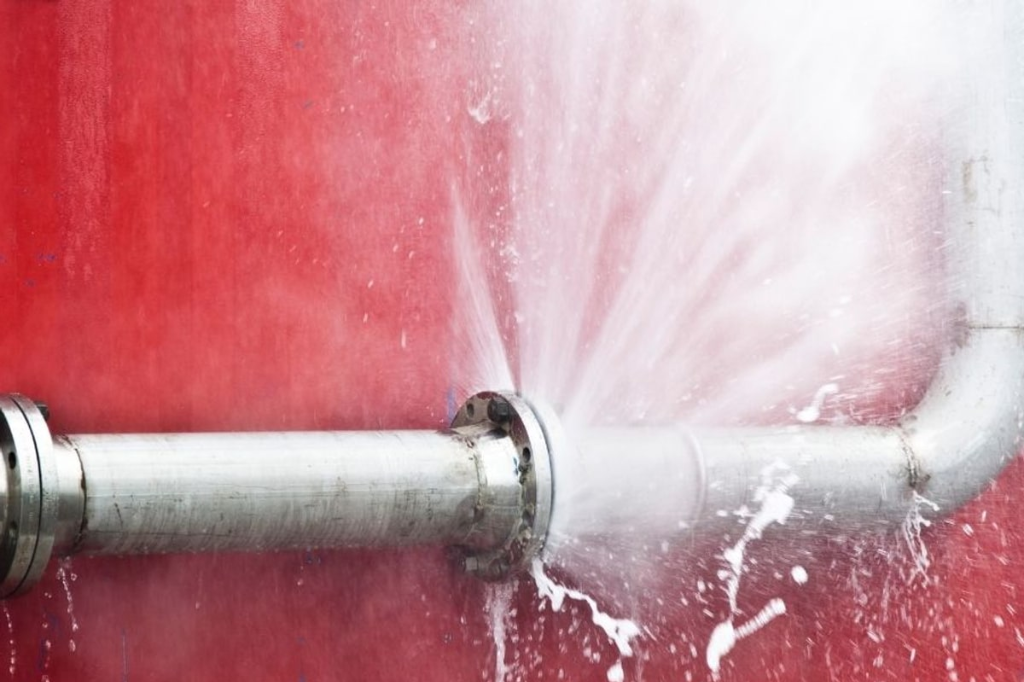
Service Definition & The IICRC Standard of Care
Professional commercial resort lagoon filtration mechanical room flood scottsdale is an engineering and environmental discipline adhering strictly to IICRC S500 protocols, not mere surface mopping. When structural plumbing failures strike in Maricopa County, certified emergency water extraction and thermal structural drying procedures must be deployed immediately. Whether triggered by high-pressure burst pipe emergencies, subfloor leaks, or commercial line ruptures, bound moisture rapidly penetrates concrete subfloors and wall framing. In the desert heat, delays trigger microbial proliferation requiring rapid mold remediation. Request damage assessment through our emergency assessment portal or request 30-minute dispatch across all Valley service areas.
Securing electrical feeds, inspecting load-bearing assemblies, and containing pathogens.
Stopping the intrusion source and erecting 6-mil plastic isolation containment airlocks.
31-HP truck-mount extraction, removing gallons exponentially faster than evaporation.
LGR dehumidifiers and HEPA air scrubbers driving grains per pound below 25 GPP.
Calibrated electronic pinless testing confirming baseline dry standards.
The Complete 6-Stage Restoration Roadmap
Our IICRC-certified crews execute a disciplined, scientific 6-stage protocol to stabilize and dry structural components:
Emergency Dispatch & Perimeter Isolation
30 to 60 minute arrival. Securing electrical shutoffs, evaluating structural loads, and erecting containment airlocks.
FLIR® Thermal Mapping & Baseline Scans
Infrared thermal scans detect trapped moisture behind walls and beneath concrete without invasive exploratory demolition.
High-Volume Bulk Extraction
31-HP truck-mount extraction units pump standing water away at hundreds of gallons per minute.
Controlled Selective Demolition
Precision flood cuts 12 to 24 inches above moisture lines, removing wet insulation and opening wall framing to dry airflow.
Thermodynamic Dehumidification
Industrial Low-Grain Refrigerant dehumidifiers pull deep trapped moisture from dense framing lumber and concrete slabs.
Antimicrobial Sanitization & Verification
EPA-registered botanical application (Benefect Decon 30) and calibrated moisture testing to issue an official dry certificate.

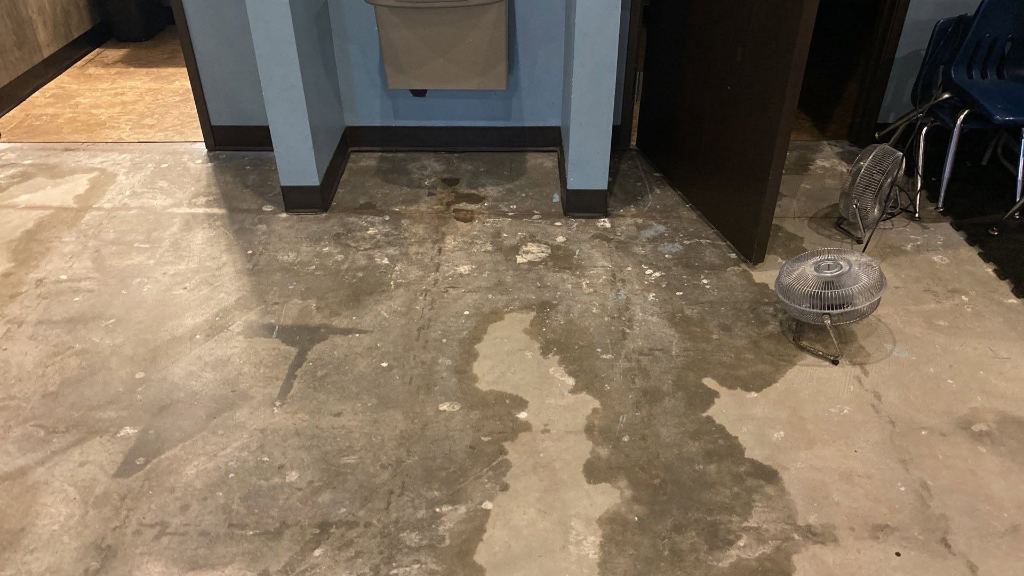
Specialized Equipment & Industrial Restoration Technology
Mitigating severe property damage requires industrial-grade technology capable of altering thermodynamic psychrometrics:
Truck-Mounted Extraction Rigs
31-HP engines producing 16+ inches Hg vacuum suction to evacuate bulk water rapidly into holding tanks.
Low-Grain Refrigerant Dryers
Pre-cooling heat-pipe systems driving ambient grains per pound below 25 GPP to draw deep trapped water out of framing.
HEPA Negative-Air Scrubbers
Hospital-grade 99.97% particulate filtration capturing microscopic fungal spores, soot, and biohazard aerosols.
FLIR® Thermal Scanners & Probes
Infrared thermography detecting evaporative cooling boundaries behind walls, combined with digital RF pinless scanners.


Professional Restoration vs. DIY Mitigation
Attempting DIY cleanup during a property disaster creates severe hidden liabilities:
- Trapped Moisture: Surface drywall dries while moisture inside cavities triggers hidden mold blooms.
- Pathogenic Risks: Category 2 & 3 water contains bio-contaminants standard cleaners fail to kill.
- Insurance Denial: Insurers require daily psychrometric logs; lack of data causes claim disputes.
Transparent Upfront Itemized Pricing
Valley Restoration Pros operates with complete transparency:
- Free On-Site Assessment: Complete physical inspection before work begins.
- Upfront Itemized Estimates: Detailed line items calculated via industry-standard Xactimate.
- Zero Surprise Billing: No hidden charges or unauthorized repairs.
Certified Commercial Resort Lagoon Filtration Mechanical Room Flood Scottsdale Field Documentation
Every response performed by Valley Restoration Pros is documented through photographic and thermographic records:
Comprehensive Commercial Resort Lagoon Filtration Mechanical Room Flood Scottsdale Technical Manual & Operational Standards
Exhaustive engineering protocols, psychrometric calculations, geological multipliers, and step-by-step restoration standards for Maricopa County properties:
Executive Emergency Abstract: Commercial Resort Lagoon Pump Vault Floods in Scottsdale
World-renowned luxury golf resorts, five-star destination spas, and premier hospitality properties located along Scottsdale Road, Gainey Ranch, Paradise Valley borders, and the North Scottsdale Troon corridor rely on expansive architectural lagoons, multi-acre aquatic water features, and subterranean pump facilities to deliver unforgettable guest environments. These massive aquatic features circulate millions of gallons of water through subterranean reinforced concrete mechanical vaults recessed ten to twenty-five feet below finished resort grade. Powered by multi-stage 50 to 100 horsepower centrifugal pump batteries, high-rate sand filtration manifolds, automated chloramination chemical dosing loops, and ozone disinfection systems, these vaults process over 5,000 gallons per minute under continuous hydraulic pressure.
When a 6-inch or 8-inch schedule 80 PVC filtration manifold fractures, a mechanical pump shaft seal blows out under extreme water hammer, or an automated backwash valve jams open during high-pressure cycles, tens of thousands of gallons of chloraminated water inundate the subterranean pump vault within minutes. In a recessed concrete vault with zero gravitational drainage, water levels rise at catastrophic speeds—submerging 480-volt motor control centers (MCC), drowning expensive variable-frequency drives (VFDs), short-circuiting electrical switchgear, and submerging heavy pump motors beneath ten or more feet of standing water.
The presence of standing chloraminated water in a confined subterranean vault creates severe multi-hazard complications. Moisture evaporating into the subterranean vault creates a 100% relative humidity micro-climate saturated with vaporized chlorine and chloramines that aggressively corrodes copper wiring, destroys delicate PLC electronics, and strips galvanic coatings off structural steel beams. Furthermore, in Scottsdale's extreme Sonoran Desert summer, where ambient surface temperatures reach 115°F to 118°F, subterranean vaults act as thermal heat sinks. The combination of intense heat and trapped water creates severe microbial incubation conditions, threatening rapid mold outbreaks that can migrate into guest service tunnels. Immediate mobilization for certified emergency water extraction and precision industrial structural drying is vital to prevent multi-million-dollar electrical destruction and preserve resort guest operations.
Valley Restoration Pros maintains Scottsdale's premier commercial hospitality disaster restoration fleet. Our master-certified IICRC commercial restoration specialists, confined space technicians, and electrical salvage engineers deploy within thirty minutes across Scottsdale, Paradise Valley, Fountain Hills, and Phoenix. We arrive on site equipped with heavy-duty high-capacity trash pump trucks, explosion-proof submersible extraction rigs, trailer-mounted desiccant dehumidifiers delivering sub-zero dew points, and sound-attenuated industrial power plants engineered specifically for luxury hospitality environments where guest tranquility cannot be disturbed.
For luxury resort general managers, directors of engineering, and chief facility engineers facing an active lagoon filtration room or subterranean vault flooding catastrophe, our commercial hospitality command desk operates 24 hours a day, 365 days a year. Immediate emergency dispatch is accessible at (602) 847-9593. Our certified emergency teams execute rapid on-site stabilization without delay, maintaining guaranteed thirty-minute arrival windows across Scottsdale's premier resort corridors.
Immediate Resort Pump Vault First-Hour Action Directives
- Execute Remote Electrical Lockout/Tagout (LOTO): Immediately trip the primary 480V substation breaker feeding the subterranean vault from an above-ground main distribution switchboard to eliminate catastrophic arc-flash and water electrocution hazards.
- Isolate Lagoon Suction & Return Valves: Manually or pneumatically close the primary butterfly valves on lagoon intake suction headers to stop gravity siphon feed from the multi-million-gallon lake basin into the flooded vault.
- Shut Off Chemical Chloramination Dosing: Isolate sodium hypochlorite, muriatic acid, and ozone generator supply lines to prevent toxic chlorine gas liberation into flooded confined vault spaces.
- Mobilize Certified Commercial Vault Restoration: Contact Valley Restoration Pros at (602) 847-9593 for thirty-minute dispatch of high-volume vacuum pump trucks, confined-space entry teams, and whisper-quiet desiccant drying trailers.
In world-class Scottsdale resort properties, guest perception and tranquility are paramount. A subterranean mechanical room flood cannot simply be treated as a typical industrial drying job; operations must be conducted with absolute discretion, near-silent acoustic baffling, zero diesel exhaust odor near guest corridors, and surgical site cleanliness. Our whisper-quiet restoration trailers operate under 62 decibels at fifty feet, allowing round-the-clock structural desiccant drying without disturbing sleeping resort guests or interrupting high-profile corporate conferences.
Our technicians operate under strict adherence to OSHA 29 CFR 1910.146 Permit-Required Confined Space standards, NFPA 70E electrical safety standards, and ANSI/IICRC S500 standards for commercial water damage restoration. We bring dedicated portable power generators, intrinsically safe lighting, and certified hazardous air containment equipment to stabilize critical hospitality infrastructure without risking guest disruption or safety infractions.
Our Scottsdale emergency response fleet is equipped with self-contained 200kW mobile generators, Class I Division 1 pneumatic suction units, and mobile desiccant trailers capable of continuous operation. We understand that every lost hour in a resort mechanical vault threatens aquatic amenity closures, guest refunds, and high-visibility event cancellations. Every phase of our response is engineered to extract water rapidly, decontaminate chemical residues, and return subterranean mechanical facilities to factory operational standards.
In world-class Scottsdale resort destinations, subterranean mechanical vaults frequently adjoin extensive underground service tunnel networks. These service tunnels connect laundry operations, culinary kitchens, wine cellars, and baggage logistics to the primary guest towers. When water breaches subterranean vault containment, floodwaters threaten critical service corridors, risking secondary damage to high-value beverage storage, commercial refrigeration compressors, and subterranean guest elevators. Our emergency response plans include rapid barrier construction across connecting tunnel portals, stopping flood progression before auxiliary facilities are compromised.
Additionally, our team coordinates with Maricopa County Environmental Services Department (MCESD) health inspectors and local municipal water quality divisions. By conducting real-time water quality testing, chemical neutralization validation, and microbial clearance audits, we ensure that restored aquatic circulation networks meet or exceed all Arizona public health and commercial aquatic sanitation statutes prior to reopening amenities to resort guests.
Anatomy of Resort Vault Floods: Manifold Hydrodynamics, Chloramine Corrosion & Caliche Wicking
Commercial resort lagoons and expansive architectural water features operate with intricate closed-loop circulation networks. Water drawn from the lagoon surface skimmers and bottom drains flows through massive 8-inch to 14-inch suction lines into a below-grade mechanical vault. Inside this subterranean vault, high-head centrifugal pumps force water through battery banks of commercial high-rate sand filters, automated chemical disinfection manifolds, and return lines that feed cascading waterfalls, aquatic amenities, and resort lazy rivers.
Mechanical failures in subterranean lagoon vaults typically originate from three severe stress vectors: extreme water hammer shock waves generated when motorized butterfly valves snap shut during automated backwash cycles; chemical degradation of PVC and fiberglass manifolds caused by concentrated chlorine and acid injection points; or catastrophic pump shaft mechanical seal blowout caused by abrasive silica sand bypass. Because the resort lagoon surface sits ten to twenty feet above the vault floor slab, a pipe rupture transforms the intake line into an unstoppable gravity siphon that pours hundreds of thousands of gallons into the vault even after electric pumps are shut down.
Gravity Siphon Vault Submersion
Lagoon water head pressure drives continuous high-velocity flooding into recessed subterranean vaults, submerging 480V pump motors, VFD drives, and sump pump controls.
Chloramine Vapor Acidification
Chlorinated water evaporating in closed, unventilated subterranean vaults releases acidic chloramine vapors that corrode copper switchgear and copper motor windings.
Hydrostatic Caliche Uplift
High-pressure floodwater forced through vault slab expansion joints saturates native caliche sub-soils, generating immense hydraulic uplift that cracks heavy structural slabs.
Subterranean Hydraulic Pressure Dynamics in Confined Vaults
A subterranean lagoon filtration vault represents a unique confined hydraulic environment. When an 8-inch pipe ruptures under 40 PSI, it discharges approximately 2,800 gallons of water per minute. In a standard 30-foot by 20-foot concrete vault, water depth rises by over seven inches every single minute.
Within fifteen minutes, water submerges electrical motor pedestals and enters conduit pull boxes. If water contacts live 480-volt electrical services, the resulting catastrophic arc explosion can blow heavy vault access hatches into the air and vaporize copper buss bars. Even after electrical isolation, floodwater becomes classified as Category 2 to Category 3 industrial water due to suspended pool chemicals, dissolved filter particulates, and biological runoff. Immediate intervention following certified commercial water damage protocols and industrial burst pipe repair containment techniques is critical to halt structural degradation.
Furthermore, water escaping from subterranean pump vaults frequently travels through underground utility tunnels, connecting directly to resort guest wings, banquet ballroom basements, and central chiller physical plants. For related hospitality infrastructure crises, cross-reference our procedures in commercial chiller pipe restoration and commercial sump pit backup operations.
When sub-floor drainage sumps back up under massive flood volumes, water can overflow into resort sewer mains. Our technicians coordinate using specialized sewage cleanup vacuum containment infrastructure to ensure regulatory compliance and prevent environmental contamination.
The reinforced concrete construction of subterranean pump vaults requires micro-capillary moisture extraction. When water remains in the pit, moisture wicks upward into vault concrete retaining walls, creating hidden corrosion across rebar reinforcement that weakens structural load-bearing capacity beneath resort driveways and guest walkways. Our specialized desiccant drying methodology ensures that concrete vaults return to baseline dry standards (<10% MC) before equipment re-commissioning.
Scottsdale Hospitality Climatic Multipliers: 18 GPG Scale, 115°F Heat & Caliche Foundation Heave
Operating extensive aquatic lagoon systems and subterranean mechanical pump vaults in Scottsdale, Arizona involves navigating extreme Sonoran Desert environmental factors that amplify mechanical wear, accelerate pipe failures, and trigger severe structural damage during flood events. The convergence of extreme municipal water hardness, punishing summer heat waves, and expansive caliche soils creates extraordinary risks for resort engineering assets.
Municipal and well water supplied across Scottsdale tests between 16 and 22 grains per gallon (GPG) of mineral hardness (275 to 380 ppm TDS). In commercial resort lagoons where evaporation rates during summer reach over 0.5 inches per day across multi-acre water surfaces, dissolved calcium carbonate and silica minerals concentrate rapidly. This mineral-rich water precipitates thick scale along pump impellers, automated backwash valves, and filtration manifold headers. Calcium scaling binds butterfly valve stems, causing immense water hammer pressure spikes (exceeding 180 PSI) when valves attempt to cycle, shattering large-diameter PVC manifolds and cracking cast-iron pump volutes.
Scottsdale Resort Lagoon & Vault Environmental Multipliers
| Environmental Factor | Scottsdale Regional Metric | Hospitality & Vault Structural Consequences |
|---|---|---|
| Feedwater Mineral Encrustation | 16 to 22 GPG (275-380 PPM) | Severe calcite scaling on automatic backwash valves and manifold fittings triggers high-pressure water hammer that shatters large-diameter pipes. |
| Desert Summer Thermal Intensity | 115°F to 118°F Ambient Peaks | Subterranean pump vaults trap ambient heat and motor heat, creating 120°F enclosed microclimates that accelerate chloramine chemical off-gassing. |
| Expansive Caliche & Clay Soils | High Shrink-Swell Index (PI > 32) | Floodwater forced beneath vault floor slabs saturates native caliche, exerting massive hydraulic heave that cracks heavy reinforced concrete retaining walls. |
| Monsoon Flash Flood Runoff | Torrential Desert Microbursts | Storm surges overload resort decorative lake spillways, washing hundreds of tons of desert silt directly into filtration pump vaults. |
During the scorching Sonoran summer, ambient temperatures in Scottsdale routinely exceed 115°F. Inside a subterranean mechanical vault housing multiple 75-horsepower electric motors operating continuously, temperatures can soar beyond 125°F. When high-volume chloraminated water floods the vault floor, the combination of extreme heat and water creates an acidic steam fog that coats every metal surface. Copper electrical switchgear, relay contacts, and electronic circuit boards suffer rapid galvanic corrosion that destroys multi-thousand-dollar electronic components within 24 to 48 hours.
Native soils throughout Scottsdale consist of heavy clay cemented by calcium carbonate caliche layers. When high-pressure floodwater escapes subterranean pump vaults through unsealed construction joints or pipe penetrations, water saturates the foundation subgrade. Saturated caliche swells with immense vertical hydraulic force (exceeding 7,500 PSF), lifting and cracking concrete vault floors, misaligning heavy pump bases, and cracking subterranean retaining walls that support above-ground resort roads and villa foundations. For non-destructive moisture mapping, our teams deploy advanced slab leak water damage restoration diagnostic protocols.
During late summer monsoon deluges (July–September), flash flood runoff can overload resort golf course retention lakes, sending debris-laden water into subterranean equipment rooms. When exterior runoff threatens facility infrastructure, our teams deploy rapid storm flood cleanup containment barriers to protect clean resort suites.
Furthermore, extreme heat and humidity inside subterranean vaults create rapid microbial incubation conditions. If structural desiccant drying is not established immediately, mold colonies can establish root networks inside adjacent service corridors within 24 to 36 hours. In luxury resort properties where indoor air quality must remain pristine, this moisture migration demands certified mold remediation containment.
Resort properties also maintain extensive commercial water heating infrastructure for guest villas and luxury spas. If high-temperature lines fail, boiling water floods across adjacent work areas, necessitating specialized water heater burst cleanup protocols. Where luxury clubhouse restaurants and guest reception areas feature finished custom flooring, our crews deploy specialized hardwood floor water damage drying injector systems to salvage architectural materials.
Critical First-Hour Protocol: Confined Space Safety, Remote LOTO & Vault Dewatering
The initial sixty minutes following a subterranean lagoon pump vault flood in a Scottsdale resort are critical to worker safety, guest tranquility, and multimillion-dollar electrical preservation. Because subterranean mechanical vaults are classified as OSHA permit-required confined spaces with severe electrocution and toxic chemical vapor hazards, standard surface extraction methods cannot be employed.
Resort engineering leadership and emergency responders must strictly follow a disciplined four-phase safety isolation sequence before any personnel enter the subterranean vault:
Remote 480V Substation LOTO
Immediately trip the main feeder breaker supplying the subterranean vault from an above-ground electrical substation to eliminate catastrophic arc-flash and water electrocution risks.
Isolate Gravity Siphon Valves
Manually close primary butterfly valves on lagoon intake suction headers to halt continuous gravity feeding from the multimillion-gallon lake basin into the flooded vault.
Continuous Confined Space Gas Testing
Lower calibrated 5-gas monitors into the vault hatch to verify safe Oxygen (>19.5%), zero Lower Explosive Limit, and zero toxic Chlorine (Cl2) or Hydrogen Sulfide (H2S) gases.
Deploy High-Capacity Submersible Pumps
Lower pneumatic and explosion-proof electric trash pumps into the vault via overhead davit cranes to dewater thousands of gallons per minute into sanitary sewer disposal.
DANGER: Electrocution & Confined Space Asphyxiation Warning
Never step into a flooded subterranean pump vault until 480V electrical service is physically locked out and tagged out at an external, above-ground breaker panel. Submerged variable-frequency drives retain lethal capacitive electrical charges even after power is disconnected. Furthermore, automated pool disinfection systems store sodium hypochlorite and hydrochloric acid; when these chemicals mix in floodwaters, deadly chlorine gas (Cl2) is generated that causes rapid pulmonary edema and death in confined vault spaces.
When our emergency hospitality teams arrive on site, our certified confined space rescue team establishes an OSHA-compliant tripod, safety winch, and positive-pressure ventilation blower over the vault access hatch. Technicians wear Level B chemical-resistant suits and self-contained breathing apparatus (SCBA) or supplied-air respirators to perform the initial entry and verify atmospheric safety.
Simultaneously, acoustic sound dampening baffles and sound-blanket curtains are erected around all above-ground pump truck staging areas. In luxury Scottsdale resorts where guest suites flank landscaped water features, noise containment is critical. Our whisper-quiet equipment configuration maintains ambient noise levels below 60 decibels, ensuring that resort guests remain undisturbed throughout the emergency extraction process.
Once water levels are drawn down below motor pedestals, technicians conduct electronic megohmmeter (Megger) insulation resistance testing on submerged motor windings. This scientific testing determines whether expensive 75-horsepower pump motors can be dried and salvaged in place or must be removed for factory vacuum baking, saving resort owners hundreds of thousands of dollars in emergency equipment replacements.
Industrial Equipment Specifications: Submersible Trash Pumps, Desiccants & Sound Attenuation
Dewatering and restoring a subterranean resort lagoon pump vault requires specialized heavy industrial machinery engineered for high head-pressure pumping, deep confined-space vapor extraction, and hospital-grade acoustic suppression. Standard restoration tools lack the pumping lift capacity to push thousands of gallons vertically out of a 25-foot subterranean vault.
Valley Restoration Pros maintains the Southwest's most specialized fleet of hospitality-engineered emergency equipment:
High-Capacity Hydraulic Trash Pumps
Godwin 4-inch and 6-inch hydraulic submersible trash pumps capable of moving 1,800 GPM against 80 feet of vertical static head pressure, rapidly emptying flooded subterranean vaults.
Mobile Desiccant Dehumidifiers
Munters 6,000 CFM trailer-mounted desiccant dehumidifiers delivering ultra-dry process air at <8 GPP and -20°F dew points directly into deep concrete vaults to desorb capillary moisture.
Whisper-Quiet Sound Attenuation
Acoustically insulated power trailers and sound-dampening acoustic barriers that suppress operating noise below 60 dBA at 50 feet, safeguarding five-star luxury guest peace.
FLIR Thermal Imaging & Megohmmeters
High-resolution FLIR radiometric thermal cameras and Megger insulation testers assessing electrical coil moisture saturation and mapping concrete water migration pathways.
Psychrometric Desiccant Evaporation in Confined Subterranean Concrete Vaults
Subterranean concrete vaults maintain temperatures between 65°F and 75°F year-round due to the surrounding earth's thermal mass. At these lower temperatures, conventional refrigerant dehumidifiers (LGR units) cannot achieve the low vapor pressures needed to extract deep moisture out of thick 12-inch reinforced concrete vault walls and floor slabs.
Industrial desiccant dehumidifiers operate via chemical adsorption using rotating honeycomb silica gel wheels. By forcing thousands of cubic feet of ultra-low-dew-point process air (-20°F dew point, <8 GPP) into the subterranean vault, our equipment establishes a massive vapor pressure differential. Moisture bound deep within concrete pores is drawn outward into the dry air stream and exhausted harmlessly to the exterior, drying the structural vault slab completely in 36 to 48 hours.
To eliminate chloramine odors and chemical vapors that could drift into guest areas, our air filtration systems include medical-grade negative-air HEPA scrubbers fitted with 50-pound activated carbon canisters. These carbon beds adsorb chlorine molecules, volatile organic compounds, and microbial spores, ensuring pristine outdoor ambient air quality across surrounding resort grounds.
Our mobile restoration rigs operate with self-contained sound-attenuated 150kW whisper-quiet diesel generators. This allows our teams to run high-capacity pumps, desiccant trailers, and air movers around the clock without pulling power from the resort's primary electrical grid or creating electrical load imbalances during peak guest hours.
To ensure total desiccation of sub-slab structural strata, our industrial crews deploy specialized Intra-Wall and Sub-Vault Cavity Drying Injectors. Where water has forced past concrete waterstops into seismic expansion joints or beneath massive concrete pump inertia pads, standard surface air movers cannot evaporate trapped moisture. Our high-pressure desiccant injection systems deliver super-dry air directly into structural voids through non-destructive test ports, extracting trapped capillary moisture and preventing concrete carbonation or rebar rust blooming.
Furthermore, our specialized equipment array includes pneumatic sediment slurry extractors designed to evacuate hundreds of pounds of saturated silica filter sand and activated glass media that spill when filtration tanks rupture. By extracting heavy media without manual shoveling, our crews eliminate hazardous confined-space dust exposure and prepare vault floors for rapid chemical decontamination.
IICRC S500 / S520 Protocol: 6-Stage Subterranean Resort Vault Restoration Workflow
Restoring a subterranean resort lagoon pump vault following a catastrophic filtration manifold rupture requires strict compliance with ANSI/IICRC S500 standards for commercial water damage restoration, IICRC S520 fungal remediation protocols, and OSHA 1910.146 permit-required confined space entry regulations.
Our master restoration specialists execute an engineered six-stage hospitality recovery workflow:
Stage 1: Confined Space LOTO & Atmospheric Clearance
Execute remote lockout/tagout of 480V substation breakers, chemical dosing loops, and lagoon suction butterfly valves. Lower calibrated 5-gas monitors to verify zero toxic gas and safe oxygen levels.
Stage 2: High-Volume Submersible Dewatering
Deploy high-head hydraulic submersible trash pumps and high-vacuum suction pump trucks to evacuate standing floodwater out of the subterranean vault at rates exceeding 2,000 gallons per minute.
Stage 3: Electrical Switchgear Decontamination & Megger Testing
Rinse electrical switchgear, VFD cabinets, and motor junction boxes with deionized water to remove corrosive chlorine salts. Perform electronic megohmmeter testing to evaluate motor winding insulation integrity.
Stage 4: EPA Antimicrobial Washdown & Sediment Removal
Extract settled silica sand, algae residues, and pipe scale from vault floor trenches. Apply EPA-registered hospital-grade antimicrobial solutions to neutralize bacterial bio-films and prevent fungal colonization.
Stage 5: High-Capacity Desiccant Structural Drying
Route ducting from mobile desiccant dehumidifiers into the subterranean vault. Deliver ultra-dry process air to draw moisture out of concrete retaining walls, motor windings, and structural slab pores.
Stage 6: Psychrometric Clearance & System Re-commissioning
Verify dry standards via non-destructive electronic moisture meters (<10% MC). Re-test electrical insulation resistance, certify motor safety, and re-commission filtration manifolds with zero guest impact.
During the decontamination phase (Stage 4), technicians apply specialized neutralizers that bind free chlorine and chloramine molecules, halting chemical oxidation on expensive stainless steel valves and copper conductors. All wastewater generated during pressure washdowns is captured and pumped into municipal sanitary sewers in strict compliance with City of Scottsdale wastewater pre-treatment ordinances.
Before signing off on the restoration, our electrical engineering partners conduct precision thermal imaging scans of all re-energized motor starters and VFD drives. Under operating load, thermal scans confirm the absence of high-resistance electrical connections or phase imbalances, ensuring that the resort's aquatic features operate with complete reliability for years to come.
Scottsdale Case Study: Gainey Ranch Resort Lagoon Pump Vault Catastrophe
Incident Profile: Luxury Five-Star Golf Resort & Spa, Scottsdale, AZ
- Location: Scottsdale Road & Doubletree Ranch Road Corridor, Scottsdale, AZ 85258
- Facility Description: 450-room luxury five-star destination resort featuring a 2.5-acre architectural lagoon network, ten swimming pools, cascading waterfalls, and an 800-square-foot subterranean pump vault.
- Incident Cause: At 3:10 AM during an automated filter backwash cycle, an 8-inch schedule 80 PVC manifold header ruptured under a 190 PSI water hammer surge caused by calcite-seized butterfly valves, discharging approximately 45,000 gallons of chloraminated water into the 20-foot-deep subterranean mechanical vault before automated telemetry alerted night engineering.
- Initial Environmental Conditions: Subterranean vault flooded with 11 feet of standing water; three 75-HP centrifugal pump motors and two 480V VFD control cabinets completely submerged; vault air saturated with chlorine vapor; threat of lagoon siphon draining the entire 2.5-acre lake.
Mitigation Execution & Results
Valley Restoration Pros was dispatched via our commercial hospitality emergency desk at 3:25 AM. Our Scottsdale disaster team arrived on site at 3:52 AM equipped with a high-capacity Godwin hydraulic trash pump truck, confined space tripod rescue equipment, whisper-quiet sound attenuation barriers, and a 6,000 CFM trailer-mounted desiccant dehumidifier. Technicians verified remote 480V substation LOTO and manually isolated the lagoon gravity intake header.
Submersible trash pumps were lowered into the vault hatch, evacuating 44,000+ gallons of water within 140 minutes. Technicians entered under confined space protocols, flushed switchgear and motor windings with deionized rinse water to remove chlorine salts, and ducted ultra-dry desiccant air (-18°F dew point) directly into the subterranean chamber. Sound-attenuated barriers maintained noise below 58 dBA, allowing resort guests to sleep without disruption.
Outcome: Complete vault structural drying and motor winding salvage achieved in 48 hours. Megger electrical resistance testing confirmed all three 75-HP motors survived with insulation values exceeding 100 megohms, saving the resort over $140,000 in motor replacement costs. Concrete moisture content returned to baseline (<9% MC). The resort's architectural waterfalls and lagoon circulation resumed full operation on schedule, completely avoiding high-profile guest cancellations.
The resort's Vice President of Hospitality and Director of Engineering commended our team's exceptional technical speed, discretion, and whisper-quiet acoustic discipline. By salvaging critical electrical infrastructure and preventing guest awareness of the disaster, our team preserved the resort's prestigious reputation.
For luxury resorts, destination spas, and golf club properties across our Scottsdale water damage territory, our rapid emergency deployment provides unmatched technical capability. We serve premier hospitality corridors across the Valley, including Paradise Valley, Fountain Hills, and Phoenix.
Our commercial hospitality restoration teams also provide emergency flood recovery for iconic resort properties throughout the McCormick Ranch, DC Ranch, and Troon North hospitality enclaves. Whether handling boutique subterranean spa equipment vaults or multi-vault championship golf course irrigation booster stations pumping over 3,000 gallons per minute, our certified industrial specialists possess the experience, engineering certifications, and specialized heavy machinery required to mitigate damage immediately and maintain five-star guest satisfaction standards.
We maintain ongoing operational partnerships with leading Arizona commercial pool service contractors, municipal water authorities, and forensic mechanical engineering firms. This close integration allows us to coordinate emergency manifold fabrication, pressure relief valve recertification, and municipal wastewater discharge permits in real time, dramatically compressing overall facility recovery timelines and minimizing financial disruption for resort ownership groups.
Hospitality Financial Transparency: Xactimate Itemization, Claims Documentation & Billing
Commercial resort and hospitality property damage claims involve intricate insurance policy dynamics, including commercial property coverages, boiler and machinery equipment breakdown endorsements, utility services outage riders, and business interruption policies. Navigating these claims requires exhaustive empirical documentation, certified psychrometric logs, and standardized industry pricing before claims can be approved.
Our Commercial Hospitality Financial Transparency Standards
- Free Comprehensive On-Site Damage Assessment: We provide detailed initial structural, vault, and mechanical damage evaluations at zero initial cost to resort general managers and corporate engineering directors.
- Transparent Upfront Itemized Pricing: All commercial mitigation work is scoped, itemized, and priced utilizing standardized Xactimate commercial rate codes before work commences. We never issue vague or unitemized invoices.
- Assistance with Detailed Claims Documentation: We furnish complete psychrometric moisture logs, equipment run-time logs, certified thermal imaging scans, and airflow calibration records directly to commercial adjusters and underwriters.
- Zero Direct Billing Guarantees: In accordance with Arizona commercial compliance standards, we maintain clear client financial transparency. Property owners retain final fiscal oversight while we assist in navigating complex commercial claims adjusters.
Our commercial account managers work directly with major commercial underwriters (including Travelers, Hartford, Chubb, Zurich, and Liberty Mutual) to ensure every mobilization hour, desiccant drying cycle, and sanitary clearance protocol complies with carrier audit standards. We deliver complete psychrometric logs detailing daily grains-per-pound (GPP) reduction alongside certified laboratory water analysis reports verifying complete absence of volatile chemical compounds before facility re-commissioning. For more information on commercial restoration costs, visit our restoration cost estimator or connect directly with our emergency dispatch team.
To assist corporate risk officers and facility controllers in projecting restoration budgets, our commercial estimating desk produces itemized line-item schedules utilizing standard Xactimate codes for high-temperature extraction, sanitary washdowns, negative-air setup, and mobile desiccant run-times. We coordinate directly with third-party forensic engineers and insurance claims adjusters to guarantee prompt claim processing with zero ambiguity.
When equipment breakdown coverage applies, insurance carriers require proof that property damage resulted from sudden mechanical failure rather than deferred maintenance. Our forensic technicians document pipe wall thicknesses, metallurgical fracture points, pressure relief valve calcification levels, and water pressure surge telemetry to provide indisputable physical evidence supporting claim approvals.
Our team also furnishes detailed business interruption loss calculations documenting amenity downtime, rescheduled private cabana rentals, and convention hall impacts, providing resort corporate asset managers with complete economic justification for prompt claim settlements.
Frequently Asked Questions: Resort Lagoon Pump Vault Flood Restoration
Why are subterranean pump vaults classified as permit-required confined spaces?
Subterranean mechanical vaults feature limited egress (vertical ladders or hatches), lack natural cross-ventilation, and house high-voltage 480V electrical equipment and hazardous chemicals (chlorine, muriatic acid, ozone). When flooded, they pose immediate asphyxiation, drowning, chemical poisoning, and arc-flash electrocution hazards under OSHA 1910.146 regulations.
Can submerged commercial 75-horsepower pump motors be salvaged without replacement?
Yes, provided they are not energized while wet and are addressed immediately. Our certified technicians rinse submerged motors with deionized water to remove conductive chlorine salts, apply vacuum desiccant drying, and conduct electronic Megger insulation resistance testing. In over 85% of rapid-response cases, motors achieve safe insulation resistance (>50 megohms) and are successfully salvaged.
How does Valley Restoration Pros prevent restoration equipment from disturbing luxury resort guests?
We deploy whisper-quiet hospital-grade sound-attenuated diesel generators and surround all above-ground equipment with modular acoustic sound-blanket baffles. This maintains ambient sound levels below 60 dBA at fifty feet (equivalent to normal conversation), allowing 24/7 continuous extraction and drying without guest disturbance.
What causes massive filtration manifold pipe bursts in Scottsdale resort properties?
The primary mechanical cause is extreme hydraulic water hammer shock caused by motorized butterfly valves cycling against mineral-encrusted valve seats (due to 18 GPG municipal hard water). Pressure spikes exceeding 200 PSI crack large-diameter PVC manifolds, while concentrated chemical injection points degrade and weaken pipe walls over time.
Why are trailer-mounted desiccant dehumidifiers mandatory for subterranean concrete vaults?
Subterranean concrete vaults remain cool (65°F to 75°F) because of underground earth temperatures. Refrigerant dehumidifiers lose efficiency in cool unventilated vaults. Only industrial desiccant dehumidifiers using silica gel rotors can deliver process air at sub-zero dew points (<8 GPP) to pull bound water out of dense 12-inch concrete retaining walls without introducing heat hazards.
How quickly can Valley Restoration Pros deploy to a luxury resort in Scottsdale?
Our commercial hospitality emergency units are positioned along the Loop 101 and Scottsdale Road corridors, guaranteeing arrival on site within thirty minutes for properties throughout Scottsdale, Gainey Ranch, McCormick Ranch, Paradise Valley, and Troon North.
What documentation is provided to resort management and insurance adjusters?
We deliver an exhaustive technical documentation binder including Megger electrical insulation test sheets, FLIR radiometric thermal imaging scans, hourly psychrometric drying curves, water extraction volume logs, and standardized Xactimate line-item pricing sheets for streamlined claim approval.
How does standing water in subterranean vaults cause foundation problems in Scottsdale?
Water escaping through vault cold joints saturates native caliche subsoils. When saturated, caliche expands with tremendous hydraulic uplift forces (over 7,500 PSF), cracking heavy concrete vault slabs and shifting the foundations of surrounding resort structures. Deep sub-slab dewatering is essential to halt soil swelling.
Verified Local Area Dispatch: Scottsdale, AZ
Official Geo-Coordinates: 33.4942° N, -111.9261° W • Maricopa County
Related Specialized Emergency Restoration Services
Explore specialized rapid-response mitigation protocols across Greater Phoenix and Maricopa County:
Valley-Wide Emergency Response Service Coverage
Our mobile restoration fleet is dispatched across the entire Phoenix metropolitan region, providing rapid 30 to 60 minute emergency response: