
Valley Restoration Pros delivers 24/7 industrial emergency water extraction, thermal psychrometric drying, and structural mitigation across Phoenix and Maricopa County with guaranteed 30–60 minute rapid arrival. All protocols strictly adhere to IICRC S500 standards, featuring upfront itemized pricing and free on-site thermal moisture assessments. Call dispatch directly at (602) 847-9593.
Why Immediate Mitigation Is Critical in Phoenix Heat
Service Definition & The IICRC Standard of Care
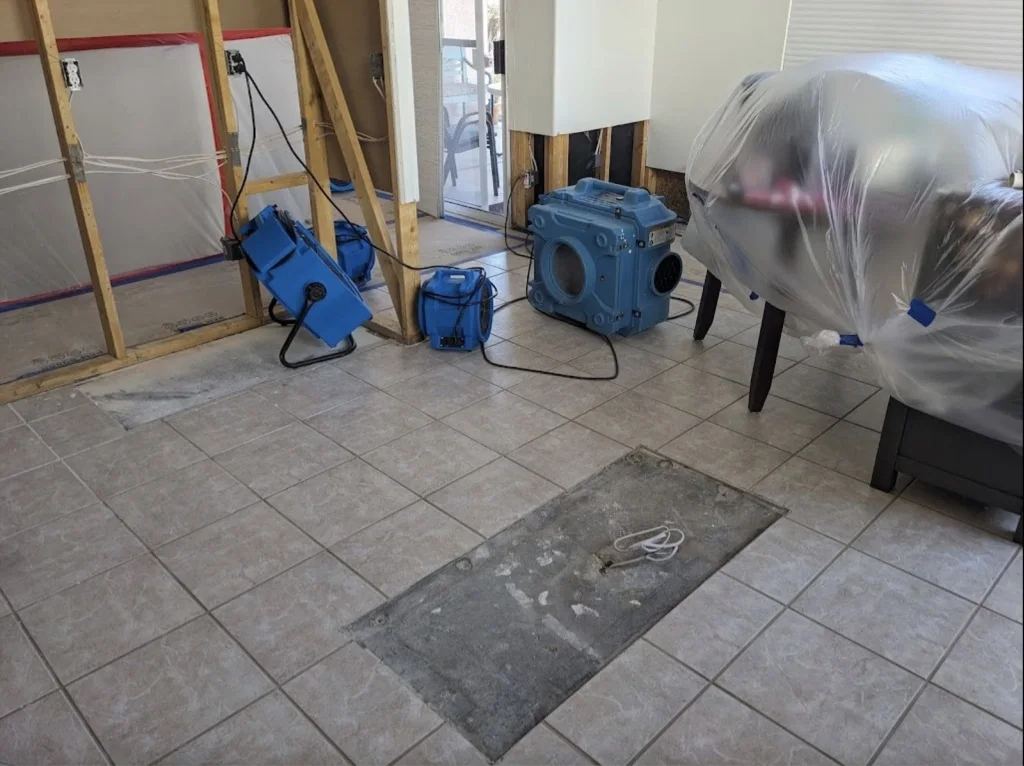
Professional gilbert commercial coffee roastery chaff cyclone fire sprinkler flood is an engineering and environmental discipline adhering strictly to IICRC S500 protocols, not mere surface mopping. When structural plumbing failures strike in Maricopa County, certified emergency water extraction and thermal structural drying procedures must be deployed immediately. Whether triggered by high-pressure burst pipe emergencies, subfloor leaks, or commercial line ruptures, bound moisture rapidly penetrates concrete subfloors and wall framing. In the desert heat, delays trigger microbial proliferation requiring rapid mold remediation. Request damage assessment through our emergency assessment portal or request 30-minute dispatch across all Valley service areas.
Securing electrical feeds, inspecting load-bearing assemblies, and containing pathogens.
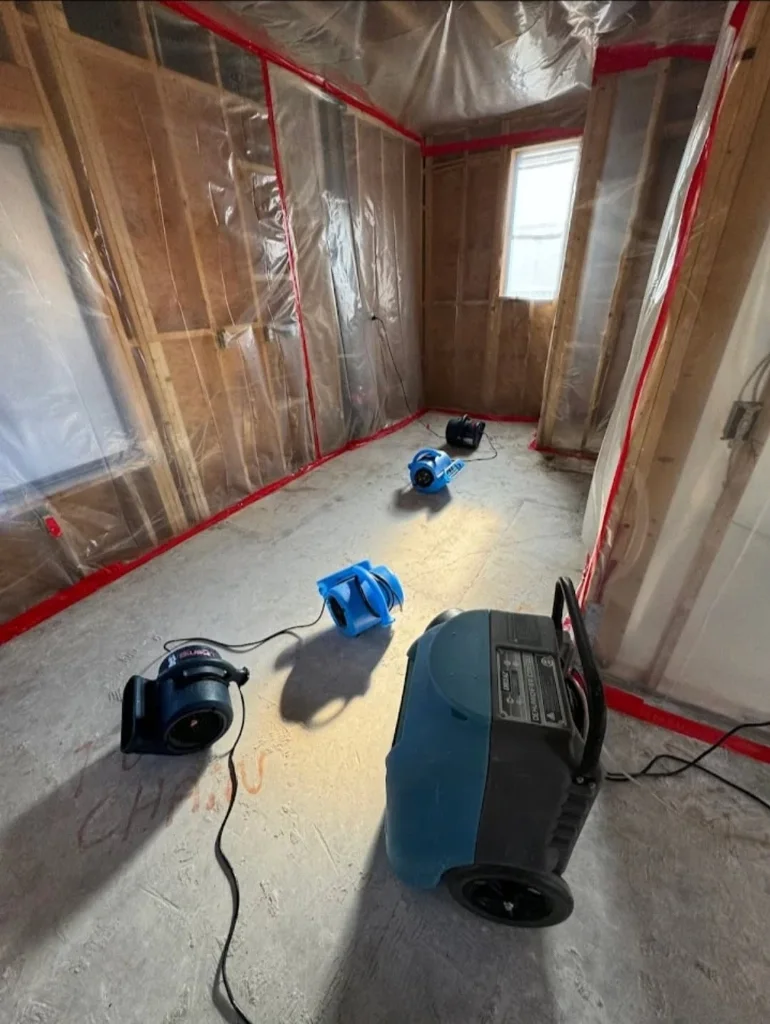
Stopping the intrusion source and erecting 6-mil plastic isolation containment airlocks.
31-HP truck-mount extraction, removing gallons exponentially faster than evaporation.
LGR dehumidifiers and HEPA air scrubbers driving grains per pound below 25 GPP.
Calibrated electronic pinless testing confirming baseline dry standards.
The Complete 6-Stage Restoration Roadmap
Our IICRC-certified crews execute a disciplined, scientific 6-stage protocol to stabilize and dry structural components:
Emergency Dispatch & Perimeter Isolation
30 to 60 minute arrival. Securing electrical shutoffs, evaluating structural loads, and erecting containment airlocks.
FLIR® Thermal Mapping & Baseline Scans
Infrared thermal scans detect trapped moisture behind walls and beneath concrete without invasive exploratory demolition.
High-Volume Bulk Extraction
31-HP truck-mount extraction units pump standing water away at hundreds of gallons per minute.
Controlled Selective Demolition
Precision flood cuts 12 to 24 inches above moisture lines, removing wet insulation and opening wall framing to dry airflow.
Thermodynamic Dehumidification
Industrial Low-Grain Refrigerant dehumidifiers pull deep trapped moisture from dense framing lumber and concrete slabs.
Antimicrobial Sanitization & Verification
EPA-registered botanical application (Benefect Decon 30) and calibrated moisture testing to issue an official dry certificate.

Specialized Equipment & Industrial Restoration Technology
Mitigating severe property damage requires industrial-grade technology capable of altering thermodynamic psychrometrics:
Truck-Mounted Extraction Rigs
31-HP engines producing 16+ inches Hg vacuum suction to evacuate bulk water rapidly into holding tanks.
Low-Grain Refrigerant Dryers
Pre-cooling heat-pipe systems driving ambient grains per pound below 25 GPP to draw deep trapped water out of framing.
HEPA Negative-Air Scrubbers
Hospital-grade 99.97% particulate filtration capturing microscopic fungal spores, soot, and biohazard aerosols.
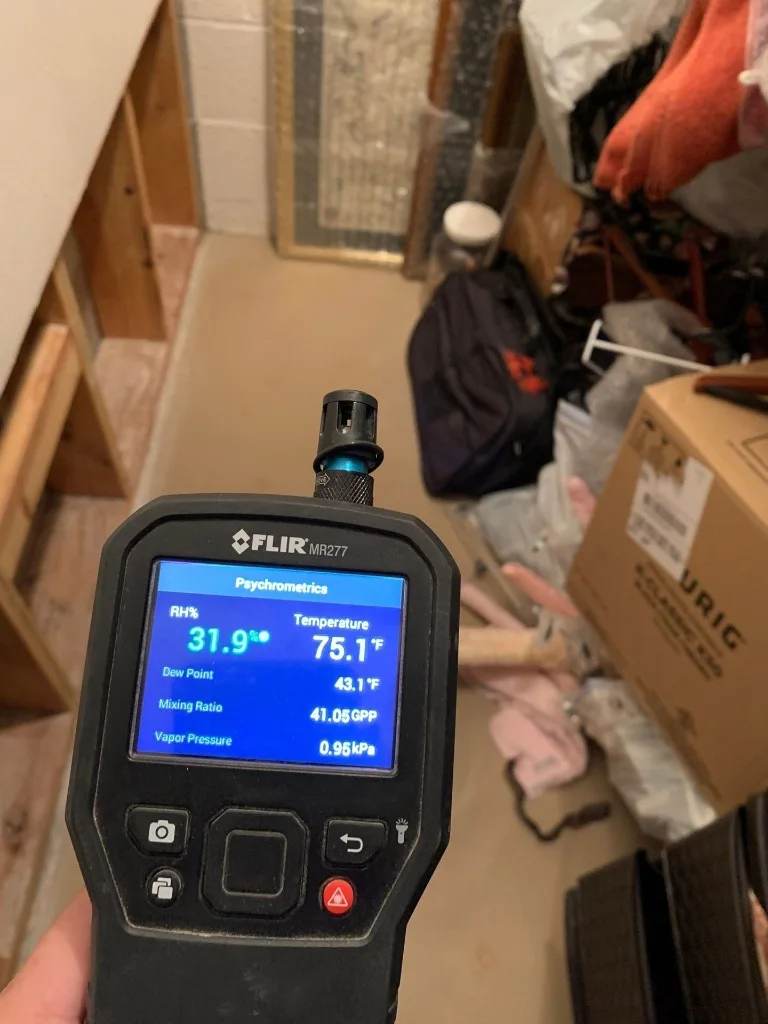
FLIR® Thermal Scanners & Probes
Infrared thermography detecting evaporative cooling boundaries behind walls, combined with digital RF pinless scanners.
Professional Restoration vs. DIY Mitigation
Attempting DIY cleanup during a property disaster creates severe hidden liabilities:
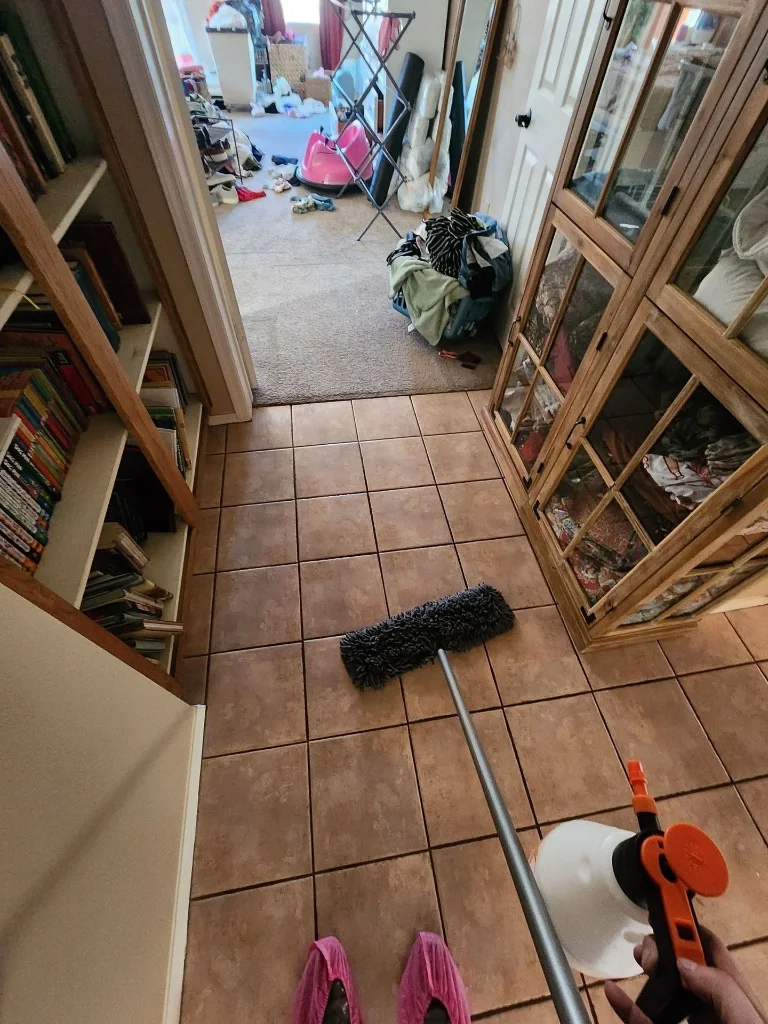
- Trapped Moisture: Surface drywall dries while moisture inside cavities triggers hidden mold blooms.
- Pathogenic Risks: Category 2 & 3 water contains bio-contaminants standard cleaners fail to kill.
- Insurance Denial: Insurers require daily psychrometric logs; lack of data causes claim disputes.
Transparent Upfront Itemized Pricing
Valley Restoration Pros operates with complete transparency:
- Free On-Site Assessment: Complete physical inspection before work begins.
- Upfront Itemized Estimates: Detailed line items calculated via industry-standard Xactimate.
- Zero Surprise Billing: No hidden charges or unauthorized repairs.
Certified gilbert commercial coffee roastery chaff cyclone fire sprinkler flood Field Documentation
Every response performed by Valley Restoration Pros is documented through photographic and thermographic records:
Comprehensive gilbert commercial coffee roastery chaff cyclone fire sprinkler flood Technical Manual & Operational Standards
Exhaustive engineering protocols, psychrometric calculations, geological multipliers, and step-by-step restoration standards for Maricopa County properties:
Executive Emergency Abstract: Commercial Coffee Roastery Chaff Cyclone Deluge Sprinkler Inundation in Gilbert
Across the dynamic industrial and manufacturing sectors of Gilbert, Arizona—spanning the advanced logistical and technology corridors of the SanTan Technology Park, the East Baseline light industrial developments, and the artisanal production facilities flanking the historic Gilbert Heritage District along South Gilbert Road and East Guadalupe Road—commercial specialty coffee roasteries represent complex, high-throughput food manufacturing operations. In these specialized facilities, continuous high-temperature thermal processing equipment, automated pneumatic bean conveyance systems, precision optical color sorters, and high-density green bean pallet storage operate in tightly synchronized coordination. When an industrial thermal runaway event occurs within a roasting drum chaff collection cyclone, triggering a facility-wide fire sprinkler deluge system, the facility experiences an immediate multi-vector catastrophe that threatens structural integrity, high-value specialty inventory, and mission-critical food-grade production assets.
Commercial coffee roasting relies on high-output batch roasting drums—such as automated 70-kilogram and 120-kilogram industrial roasters—operating at internal temperatures exceeding 420°F to 480°F (215°C to 249°C). During the roasting process, coffee beans undergo intense physical transformation, shedding their fibrous outermost skin, known universally across the industry as silverskin or chaff. This combustible organic byproduct is pneumatically evacuated through heavy stainless steel ducting into an external centrifugal chaff cyclone collector. However, when an accumulation of volatile roasting oils and dry chaff dust inside the cyclone encounters a radiant glowing ember carried over from the roasting drum, an immediate deflagration or smoldering fire erupts within the cyclone cone.
This technical operational publication addresses a severe large-loss incident: the high-temperature thermal sensor activation of an industrial chaff cyclone collector serving a commercial 70-kilogram batch coffee roasting system. When glowing embers carried by high-velocity exhaust airstreams ignite fine silverskin chaff accumulation within the cyclone separator, rate-of-rise thermal sensors trip high-pressure pre-action deluge fire sprinkler risers. Discharging between 750 and 1,200 gallons per minute (GPM) of non-potable overhead water across 16,500 square feet of production and warehouse floor, the deluge rapidly overwhelms floor drains, pooling 2 to 4 inches of turbulent, soot-laden water beneath 45 pallets of specialty raw green coffee beans, precision optical sorting machinery, nitrogen-flushed automated packaging lines, and unsealed commercial concrete slab subfloors.
Executing rapid, certified commercial emergency water extraction within the initial 60 minutes is critical to arresting irreversible structural and biological degradation. Raw green coffee beans stored in traditional 60-kilogram and 69-kilogram jute burlap sacks and GrainPro liners represent extreme hygroscopic sponges. Upon contact with deluge floodwaters, the dried green seeds undergo aggressive volumetric expansion, swelling by up to 40 percent. This rapid hydro-expansion bursts burlap seams, destabilizes heavy multi-tier industrial pallet racking, and creates severe crushing collapse hazards for personnel on site. Simultaneously, the combination of organic coffee solubles, dissolved chaff soot, and stagnant water initiates spontaneous wet fermentation and rampant microbial colonization under ambient desert warehouse conditions.
Valley Restoration Pros deploys an elite industrial response task force engineered specifically for commercial water damage disasters in regulated food manufacturing environments. Operating in strict adherence to IICRC S500 Standards for Professional Water Damage Restoration and FDA Food Safety Modernization Act (FSMA) Title 21 CFR Part 117 regulations, our Master Restorers deploy high-capacity truck-mounted vacuum extractors, trailer-mounted industrial desiccant dehumidifiers generating deep vapor pressure differentials, and surgical negative-air HEPA containment barriers. We halt moisture migration, preserve multi-million dollar processing equipment, and safeguard facility compliance without disruptive operational delays.
Roastery Deluge Sprinkler Discharge or Chaff Cyclone Flooding in Gilbert?
Immediate industrial deployment within 20 to 30 minutes across Gilbert, Chandler, and the SanTan Corridor. Specialized green bean salvage, high-capacity slab extraction, and trailer-mounted desiccant drying.
Anatomy of the Chaff Cyclone Thermal Trigger & High-Pressure Deluge Discharge Dynamics
Industrial coffee roasting is an exothermic thermodynamic process where green coffee seeds undergo intense pyrolysis, expanding in roasting drums maintained between 400°F and 485°F (204°C to 252°C). As the beans expand and pass the "first crack" acoustic threshold, the outermost papery integument—known universally in the specialty coffee trade as silverskin or chaff—is mechanically detached by high-velocity airflow. A high-efficiency centrifugal draft fan pulls this combustible, micron-thin organic dust through stainless steel exhaust ductwork and deposits it into an external conical chaff cyclone collector.
Within the cyclone separator, incoming particulate-laden air enters tangentially at velocities exceeding 3,500 feet per minute (FPM). The centrifugal forces fling the low-density chaff outward against the cyclone wall, causing it to spiral downward into a collection barrel while hot exhaust air exits through the central top vortex. However, when dark roasts (such as French or Italian profiles) are produced, or when batch roasting cycles operate consecutively over 12-hour production shifts, combustible oils and micro-fine chaff dust accumulate along the interior duct walls and the cyclone cone. A single hot ember or glowing chaff spark carried over from the roasting drum ignites this hyper-combustible material, triggering smoldering ignition within seconds.
Because chaff fires exhibit intense radiant thermal signatures and high deflagration velocity, modern commercial roasting facilities in Gilbert are protected by dedicated deluge fire suppression systems or pre-action sprinkler systems governed by NFPA 13, NFPA 652 (Standard on the Fundamentals of Combustible Dust), and NFPA 654 standards. Optical infrared spark detection sensors or high-temperature rate-of-rise thermal detectors mounted inside the cyclone ductwork instantly trip the pre-action deluge valve. Unlike standard residential wet sprinkler systems where individual thermal bulbs melt sequentially, a deluge or open-head dry-pipe system energizes multiple high-velocity sprinkler heads across the entire roasting bay, mezzanine, and staging area simultaneously.
In commercial roasting spaces, these industrial deluge systems discharge between 750 and 1,500 GPM at static pressures exceeding 65 to 90 pounds per square inch (PSI). While extinguishing the localized chaff ember, the resulting deluge unleashes hundreds of barrels of non-potable, pressurized water over high-voltage machinery and organic inventory. In scenarios requiring complex remediation, facilities often require specialized fire damage restoration to decontaminate carbonized chaff soot and smoke residues alongside comprehensive water mitigation. Furthermore, the hydraulic shockwave of sudden valve activation can occasionally cause mechanical pipe fractures, necessitating immediate burst pipe repair on aging overhead supply lines.
The hydraulic mechanics of this discharge present a compounding hazard: the high-velocity deluge washes unburned chaff dust, soot particles, and aerosolized roasting oils out of the cyclone exhaust stacks and across the warehouse ceiling trusses. As the deluge water cascades to the concrete floor, it forms a viscous, highly conductive soot slurry. This contaminated runoff flows directly beneath sensitive electrical control consoles, automated destoners, green bean vacuum lift systems, and multi-tier pallet racking holding irreplaceable micro-lot origins. The slurry penetrates electrical conduits and subfloor expansion joints, initiating corrosion and rapid microbial degradation across the entire roasting hall.
Technical Parameters: Industrial Roastery Deluge Discharge & Hydro-Dynamic Loading
| System Metric | Operational Standard | Impact on Roastery Assets |
|---|---|---|
| Discharge Volume Rate | 750 – 1,200 Gallons Per Minute (GPM) | Inundates 16,500 sq ft concrete slab with 2-4 inches standing water within 15 minutes. |
| Sprinkler Line Pressure | 65 – 90 PSI Dynamic Head Pressure | Atomizes water droplets, driving moisture into closed PLC electrical cabinets and motor enclosures. |
| Chaff Soot Slurry Formation | Airborne Silverskin & Ash Deposition | Creates acidic, gelatinous black runoff that clogs floor trench drains and stains porous concrete. |
| Green Bean Hydro-Expansion | 30% – 40% Volumetric Expansion | Swells burlap sacks, tearing stitches, distorting structural pallet uprights, risking racking collapse. |
| Optical Sorter Contamination | High-Speed InGaAs Infrared & CCD Sensors | Mineral deposition and lens fogging destroy optical sorting calibration and high-speed rejector valves. |
Additionally, modern specialty roasteries rely on optical color sorting machines (such as Bühler Sortex or Satake optical sorters) positioned immediately downstream from roasting lines. These ultra-sensitive units utilize multi-frequency cameras and high-frequency pneumatic rejection valves firing at up to 1,000 pulses per second. When deluge sprinkler water atomizes under 80 PSI head pressure, moisture permeates optical enclosures, depositing microscopic mineral scale across lens prisms and blinding CCD sensors. Without immediate decontamination and low-humidity desiccation, the high-precision optical sorters suffer irreversible optical degradation.
Phoenix & Gilbert Climatic, Geological & Agricultural Soil Multipliers
Commercial disaster restoration in Gilbert, Arizona requires deep engineering comprehension of the unique regional environmental, pedological, and geochemical forces operating across the East Valley. Unlike humid coastal or temperate roasteries, a commercial facility in Gilbert experiences an aggressive combination of subterranean soil chemistry, extreme municipal water mineral hardness, and desert ambient thermal spikes that radically accelerate physical property losses. Restoring a facility in our primary municipal coverage zone in Gilbert water damage response, or neighboring industrial facilities in Chandler water damage corridors, demands protocols tailored to Sonoran Desert realities.
First, the geological substrate beneath Gilbert’s commercial corridors—particularly around the historic agricultural zones near South Gilbert Road and East Guadalupe Road, as well as the SanTan corridor—consists of ancient alluvial floodplains shaped by nearly a century of canal irrigation under the Roosevelt Water Conservation District (RWCD). Decades of intensive citrus grove and alfalfa cultivation deposited deep strata of fine smectite and montmorillonite clays interbedded with impenetrable calcium carbonate caliche hardpan lenses. These agricultural subsoils possess extreme shrink-swell potential. When an industrial deluge discharges 15,000 to 25,000 gallons of water across a 6-inch reinforced commercial slab, the water rapidly penetrates unsealed perimeter expansion joints, control saw-cuts, and floor penetrations.
Upon contact with the underlying caliche and clay layers, the soil matrix undergoes massive volumetric hydration expansion, exerting upward hydrostatic heave pressures of 4,000 to 8,000 pounds per square foot against the bottom of the concrete slab. This differential heave creates micro-fracturing along slab joint lines, destabilizes heavy commercial roaster plinths weighing up to 12,000 pounds, and throws high-precision optical sorters out of millimeter-level alignment. If the slab is not desiccated rapidly with controlled vapor extraction, perpetual capillary moisture transmission will destroy epoxy floor coatings and trigger chronic sub-slab efflorescence.
Second, Gilbert's municipal water supply is recognized as among the hardest in North America, routinely registering between 16 and 22 grains per gallon (GPG) of total dissolved solids, primarily calcium carbonate ($CaCO_3$), magnesium sulfate, and dissolved silica salts with total dissolved solids (TDS) exceeding 320 parts per million. When unconditioned municipal water flows through high-pressure deluge sprinkler lines, it carries these dissolved minerals directly onto warm roasting equipment and sensitive electronic instrumentation. As standing water begins to evaporate under desert atmospheric conditions, it leaves behind rock-hard crystalline calcification scale on optical sorting lenses, optical sensor arrays, pneumatic solenoid valves, and stainless steel roasting drum seals, permanently etching sensitive components unless chemically neutralized during the restoration cycle.
Third, the Sonoran Desert’s extreme summer thermal dynamics introduce an unprecedented microbiological incubation window. During Gilbert’s summer season, ambient outdoor temperatures consistently reach 110°F to 118°F, causing unconditioned or water-damaged warehouse interiors to soar to 105°F–120°F with relative humidity levels exceeding 90 percent in the wake of a deluge discharge. In the presence of wet green coffee beans—which contain high concentrations of fermentable polysaccharides, sucrose, and organic proteins—this microclimate acts as an industrial-scale microbial incubator.
Within 4 to 8 hours of water saturation, spontaneous wet fermentation begins within burlap sack cores, generating volatile acetic acid, butyric acid, and noxious sour fermentation odors. By hour 18 to 24, opportunistic agricultural molds including Aspergillus ochraceus, Aspergillus niger, and Penicillium verrucosum colonize the saturated coffee beans. These organisms actively synthesize Ochratoxin A (OTA)—a potent, heat-stable, nephrotoxic mycotoxin that cannot be degraded or destroyed even by subsequent roasting at 450°F. The rapid proliferation of OTA constitutes an immediate biohazard and mandates strict FDA Title 21 CFR Part 117 compliance to prevent contaminated food stock from entering commercial consumer supply chains.
Furthermore, monsoon thunderstorm seasons in the East Valley (July through September) bring sudden atmospheric vapor surges, elevating external dew points to 70°F and beyond. When high ambient outdoor moisture combines with internal deluge discharge, warehouse materials lose their natural ability to dissipate moisture into the atmosphere. This reality makes passive air-drying completely ineffective and necessitates the deployment of heavy industrial desiccant dehumidification systems capable of generating large vapor pressure depressions regardless of exterior desert weather.
Immediate Emergency First-Hour Protocol: Fire Sprinkler Isolation & Green Bean Triage
The initial 60 minutes following a chaff cyclone deluge activation dictate the financial boundary between a contained operational interruption and a multi-million-dollar total facility condemnation. When sprinkler water is actively cascading through warehouse ceiling bays, roastery personnel and facility managers must execute a disciplined incident command sequence to secure life safety, isolate hydraulic systems, and halt moisture migration before structural stability is breached.
First-Hour Emergency Response Protocol: Mandatory Operational Steps
- Sprinkler Main Control Valve Isolation: Locate and close the primary fire sprinkler riser Outside Screw and Yoke (OS&Y) control valve or exterior Post Indicator Valve (PIV) serving the roastery bay. Ensure the inspector's test drain is opened to relieve trapped system head pressure while coordinating directly with the Gilbert Fire & Rescue Department incident commander to confirm complete mechanical flow cessation.
- OSHA Lockout/Tagout (LOTO) of High-Voltage Systems: De-energize the facility’s 480V 3-phase commercial electrical distribution panels feeding the roasting burners, cyclone exhaust draft motors, destoner blowers, and packaging line automation in strict accordance with OSHA Standard 29 CFR 1910.147. Saturated conduit runs, flooded floor raceways, and wet motor junction boxes present catastrophic arc flash and electrocution hazards.
- Immediate Tiered Green Bean Pallet Evacuation: Deploy electric or propane forklifts to execute immediate vertical triage on green coffee pallet racking. Forklift operators must prioritize removing dry Upper Tiers (Tiers 3 and 4) to an uncontaminated, climate-controlled staging area. Lower tiers (Tier 1) sitting in standing deluge water must be cordoned off and labeled as chemically and biologically compromised food stock.
- Precision Machinery Shrouding & Protective Berming: Erect instant water-diversion containment berms using heavy-duty quick-dams and polyethylene sheeting around optical color sorters, electronic bagging weighers, and roaster control terminals to divert cascading ceiling discharge away from electronic cabinets.
- Deployment of Commercial Emergency Extraction Team: Contact Valley Restoration Pros’ 24/7 commercial rapid-response dispatch at (602) 847-9593. Our heavy extraction fleet deploys immediately to commence high-volume vacuum dewatering and comprehensive structural drying protocols.
Special consideration must be directed toward the structural stability of saturated pallet racking. A standard wooden pallet holding twelve 60-kilogram burlap sacks of specialty green coffee has a dry weight of approximately 1,600 pounds. When subjected to deluge sprinkler soaking, the burlap and unroasted porous coffee seeds absorb up to their own weight in water. A single waterlogged pallet can rapidly reach 2,800 to 3,200 pounds. Across a 4-tier racking bay, this dramatic hydro-loading can exceed the certified static engineering capacity of the steel crossbeams and concrete anchor bolts, causing catastrophic structural racking collapse.
Jute burlap fibers possess an extraordinary capillary affinity for liquid water, wicking moisture vertically through stacked bags at rates exceeding 6 inches per hour. When standing water reaches a depth of 3 inches, the lowest tier of sacks acts as a massive wick, transferring water into the dry tiers directly above through contact capillary action even after surface water has receded. Therefore, rapid vertical mechanical separation of pallets is not merely an inventory preservation tactic; it is an active capillary break that halts the progression of moisture into unflooded upper warehouse tiers. Furthermore, operators must establish a designated clean de-staging zone isolated from forklift traffic routes to prevent cross-tracking contaminated chaff slurry into uncompromised dry warehouse zones.
Forklift operations in flooded aisles must be conducted with extreme caution. Wet concrete floors covered with fine coffee chaff slurry present friction coefficients comparable to wet ice, drastically reducing tire traction and steering control. Forklift operators must never attempt to lift fully saturated lower-tier pallets that exhibit bulging burlap or leaning bags, as shifting bean masses can cause sudden tip-overs. Unstable stacks must be mechanically stabilized with cargo ratchet strapping before any movement is attempted.
Furthermore, unsealed floor trench drains in older industrial spaces frequently back up when inundated with large volumes of coffee chaff slurry, creating contaminated backflow conditions that mirror commercial sewage cleanup and biohazard evacuation scenarios. Certified emergency containment barriers must be established immediately to segregate unaffected inventory from the hazardous runoff.
Advanced Industrial Equipment Specifications & Psychrometric Setup
Mitigating a 16,500-square-foot commercial coffee roastery inundation requires specialized industrial drying hardware far beyond the capabilities of conventional commercial restoration gear. Roastery environments feature high-bay open ceilings (ranging from 22 to 32 feet), porous concrete slab subfloors, and delicate micro-electronic packaging equipment that cannot tolerate excessive heat or elevated humidity. Valley Restoration Pros mobilizes a dedicated industrial equipment fleet engineered specifically for high-capacity industrial desiccation.
Trailer Desiccant Dehumidifiers
Munters and Aggreko 5,000 to 9,000 CFM industrial desiccant units utilizing active silica gel sorption rotors. Delivers deep, dry air at under 10% relative humidity and less than 15 grains per pound (GPP), establishing an intense vapor pressure gradient across the high-bay roasting hall.
Vapor Pressure: 0.12 inHgIndustrial LGR Dehumidifiers
Phoenix DryMAX XL and Dri-Eaz Revolution Low-Grain Refrigerant dehumidifiers removing up to 140 pints per day at AHAM. Positioned strategically within enclosed cupping laboratories, retail tasting rooms, and administrative roastery offices.
Enclosed Zone DryingNegative-Air HEPA Scrubbers
Phoenix Guardian and DefendAir 2,000 CFM multi-stage air scrubbers fitted with activated carbon canisters and medical-grade HEPA filters (99.97% retention at 0.3 microns) to capture aerosolized chaff soot particles, burnt roasting oils, and mold spores.
Soot & Spore ExtractionFLIR Radiometric Thermal Systems
FLIR MR277 Imaging Moisture Meters with MSX image enhancement, calibrated thermal sensors, and non-destructive Tramex CME5 concrete moisture impedance meters for sub-surface slab analysis beneath machinery plinths.
Sub-Surface RadiometryIndustrial Equipment Engineering Matrix: Desiccation & Airflow Specifications
| Equipment Unit | Airflow & Capacity | Grain Depression / Efficiency | Target Zone Deployment |
|---|---|---|---|
| Trailer Desiccant (Munters 7500) | 7,500 CFM / 285 lbs/hr water removal | Supply air <15 GPP, dew point <0°F | Main roasting hall & high-bay green bean warehouse |
| Phoenix DryMAX XL LGR | 300 CFM / 140 PPD @ AHAM | Refrigerant grain depression to 42 GPP | Cupping lab, control rooms & retail staging |
| Phoenix Guardian HEPA Scrubber | 2,000 CFM per unit / variable speed | 99.97% DOP capture @ 0.3μm + Carbon VOC | Negative pressure isolation along containment perimeter |
| High-Velocity Axial Air Movers | 3,200 CFM / 2.5 Amps per fan | Boundary layer disruption @ 45° angle | Concrete slab surface & racking structural uprights |
| Ride-On Extraction Scrubbers | 35-gallon recovery tank / 65 PSI head | Continuous 98% water recovery per pass | Open concrete warehouse corridors & dock bays |
The technical linchpin of our drying strategy is the deployment of trailer-mounted desiccant dehumidification systems. Standard refrigerant dehumidifiers rely on cooling air below its dew point to condense water into liquid form. In large warehouse spaces where ceilings exceed 25 feet and ambient indoor temperatures fluctuate wildly during summer, refrigerant systems lose thermodynamic efficiency once relative humidity drops below 40 percent. In contrast, industrial desiccant dehumidifiers utilize chemical adsorption through an active titanium-silica gel honeycomb matrix that absorbs moisture directly from the air regardless of ambient temperatures.
The desiccant rotor operates on a continuous thermodynamic cycle: the process air stream passes through 75 percent of the slowly rotating silica gel rotor, which strips moisture molecules down to less than 15 GPP. The remaining 25 percent of the rotor passes through a reactivation chamber heated to 260°F to 300°F by dedicated external burners. This intense thermal sweep drives the adsorbed moisture out of the silica gel matrix, exhausting it to the exterior Sonoran atmosphere as humid vapor. The refreshed wheel then rotates back into the process air stream to repeat the adsorption process continuously without ice formation or defrost cycles.
By delivering air with a grain depression below 15 GPP and a vapor pressure under 0.15 inches of mercury (inHg), the desiccant stream creates an immense vapor pressure gradient. This gradient literally pulls deep bound moisture out of the porous commercial concrete slab and the capillary pores of structural timber framing, driving moisture out exponentially faster than conventional fans. This level of environmental control is identical to the high-specification standards we enforce in commercial pharmaceutical cleanroom flood restoration protocols across the Valley.
To protect sensitive electronic assets—specifically optical color sorters with sensitive CCD/InGaAs sensor cameras and automated form-fill-seal packaging equipment—our crews construct customized positive-pressure micro-drying enclosures. Filtered, ultra-dry desiccant air is ducted directly into these poly-shrouded machinery enclosures, continuously driving out vapor while preventing secondary condensation and galvanic corrosion on delicate electronic circuit boards and optical sorting chutes.
To power this extensive equipment array without overloading the facility's compromised 480V distribution boards, Valley Restoration Pros deploys an external 150 kW trailer-mounted diesel generator equipped with temporary spider-box power distribution distribution cords, providing dedicated, stable 3-phase power to desiccant rotors, blowers, and scrubbers independently from municipal grid status.
Furthermore, our deployment architecture incorporates continuous laser particulate monitoring to verify that negative-air containment scrubbers are achieving cleanroom-level air exchanges. In a 16,500-square-foot facility with 24-foot ceilings (396,000 cubic feet), achieving 6 air changes per hour requires 39,600 CFM of dedicated filtration. We configure sixteen 2,000 CFM HEPA air scrubbers alongside desiccant blower loops to maintain laminar particulate clearance, ensuring that roasting soot particles, carbon ash, and fungal spores remain isolated from clean warehouse zones, satisfying both OSHA respiratory safety standards and FDA Good Manufacturing Practice requirements throughout the restoration lifecycle.
IICRC S500 / S520 Step-by-Step Commercial Restoration Protocol
Restoring an industrial specialty coffee roasting warehouse requires a multi-stage procedural framework that reconciles structural drying standards with strict FDA food manufacturing hygiene compliance. Valley Restoration Pros executes a disciplined, six-stage commercial restoration protocol certified under the Institute of Inspection, Cleaning and Restoration Certification (IICRC) S500 Standard for Professional Water Damage Restoration and IICRC S520 Standard for Professional Mold Remediation.
Psychrometric Baselines & Critical Containment Zoning
Technicians document comprehensive atmospheric baselines: ambient temperature, relative humidity, dew point, and grains per pound (GPP) across both unaffected control areas and flooded zones. In the roasting room, initial baseline readings frequently indicate 88°F, 94% RH, and 178 GPP, compared to outdoor ambient conditions of 105°F and 35 GPP. Technicians calculate specific air enthalpy and determine target grain depressions. Six-mil flame-retardant poly containment chambers are erected using telescoping spring-loaded isolation poles, creating hermetic barriers under negative pressure (-0.02 inches of water column) to isolate the flooded roasting floor from unaffected green bean staging silos and packaging suites. Three-chamber personnel airlocks equipped with tacky walk-off mats are installed at all ingress points. Digital magnehelic manometers verify constant inward airflow.
Engineering Checkpoint: Calibration of laser particle counters ensuring background particulate counts in packaging suites remain below 10,000 particles per cubic foot during active mitigation, preventing soot cross-contamination.
High-Volume Slurry & Standing Water Evacuation
Heavy truck-mounted vacuum extraction units equipped with weighted industrial floor extractors evacuate standing deluge water and gelatinous chaff soot slurry from concrete floor surfaces. Technicians deploy ride-on automatic scrubbers charged with non-foaming, food-safe neutral surfactants to lift pyrolytic oils bonded to concrete pores without generating harmful vapors. Extracted effluent is pumped directly into portable 330-gallon intermediate bulk container (IBC) poly totes for pH neutralization and regulatory screening before approved sanitary discharge, strictly adhering to Town of Gilbert environmental wastewater ordinances. Floor trench drains, roaster plinth perimeters, and expansion control joints are hydro-flushed and vacuumed clear of compacted organic debris to prevent chronic odor emission and bacterial colonisation. Squeegee extractors remove residual surface puddles to prepare the slab for high-velocity desiccation.
Engineering Checkpoint: Mechanical clearance of stainless steel floor trench traps and wastewater separator interceptors, preventing chaff solids from clogging municipal sewer connections.
FSMA Inventory Quarantine & Biohazard Segregation
In strict adherence to FDA Title 21 CFR Part 117 (Current Good Manufacturing Practice) and FSMA preventive hazard control rules, all green coffee inventory is systematically categorized. Certified moisture technicians perform core grain hygrometer testing across 100% of stored pallet lots to measure internal seed water activity ($a_w$). Any lot displaying water activity exceeding 0.65 $a_w$ or visible burlap saturation is designated as adulterated food stock. Tier 1 saturated burlap bags are condemned, cataloged with high-resolution photographic documentation and weight certificates for insurance recovery, and moved to sealed bio-containment dumpsters. Certified destruction manifests are executed under regulatory chain-of-custody protocols to guarantee adulterated food stock never re-enters the market. Upper-tier hermetically sealed GrainPro bags are sanitized externally and staged in dry dehumidified rooms under continuous monitoring.
Engineering Checkpoint: Chain-of-custody documentation and formal destruction manifests executed for all direct-contact food stock, safeguarding the facility against regulatory recall exposure.
High-Velocity Desiccant Air Distribution & Vapor Flushing
Heavy 20-inch spiral ducting delivers ultra-dry air from trailer-mounted desiccant dehumidifiers across the facility. High-velocity centrifugal and axial air movers are deployed at 45-degree angles to create laminar airflow across the concrete slab. Technicians arrange fans in a coordinated cyclonic sweep across warehouse aisles, continuously displacing the high-humidity boundary layer sitting directly atop the moist slab. This continuous high-velocity boundary layer disruption forces moisture out of porous slab capillaries without creating dead air pockets in warehouse racking corners, dropping vapor pressure across the facility floor. Psychrometric calculations target an aggressive vapor pressure differential of 0.65 inHg between the moist concrete slab and the surrounding air.
Engineering Checkpoint: Attaining an ambient grain depression exceeding 40 GPP across the drying chamber within 24 hours of trailer-mounted desiccant activation.
Precision Machinery Decontamination & Electronics Restoration
Submerged motor control centers, VFD inverters, PLC terminals, and optical sorter camera housings undergo precision decontamination. Technicians disassemble pneumatic conveyance tubes, flushing stainless steel ductwork with high-pressure dry steam, and replace all saturated inline pneumatic air filters. Technicians utilize non-conductive, residue-free dielectric contact solvents to flush out mineral salts and soot particles, followed by controlled low-humidity thermal desiccation to restore insulation resistance values to manufacturer specifications before power re-energization. Optical cameras receive microscopic lens element cleaning with spectroscopic-grade anhydrous solutions, while internal desiccants are completely replaced.
Engineering Checkpoint: Megohmmeter insulation resistance verification exceeding 100 Megohms across all 480V motor windings and variable frequency drive inputs prior to energized testing.
Food-Grade Antimicrobial Sanitization & Clearance Verification
Non-porous and semi-porous production surfaces are treated with EPA-registered botanical antimicrobials (thymol-based Benefect Decon 30) approved for food-contact facilities with zero synthetic chemical residues. Technicians deploy ultra-low volume (ULV) cold foggers to achieve comprehensive 360-degree surface contact across roasting frames, destoners, and packaging conveyors. Technicians conduct ATP bioluminescence surface hygiene swabbing across ten critical machinery touchpoints, requiring readings below 10 Relative Light Units (RLU) to certify biological cleanliness. Final clearance requires verified dry standard compliance (<15% concrete WME), ATP bioluminescence surface hygiene swabs (<10 RLU across all food-contact planes), and negative airborne fungal particulate testing.
Engineering Checkpoint: Third-party verified indoor air quality (IAQ) fungal spore trap clearance confirming non-elevated fungal spore counts relative to outdoor baseline controls.
Should secondary fungal contamination be detected in drywall partitions or insulation cavities, our teams immediately execute advanced mold remediation protocols under full negative-air pressure to prevent airborne mycotoxin migration into clean storage areas. The strict food-safety methodology applied here shares core engineering principles with our specialized work in beverage plants, such as our Chandler commercial craft brewery fermentation floor flood cleanup projects.
Throughout every stage, digital psychrometric data loggers record air conditions at 15-minute intervals. Moisture content maps of concrete slab plinths, framing members, and machinery bases are compiled into daily forensic reports, verifying that structural materials achieve complete equilibrium moisture content (EMC) before containment demobilization. This rigorous protocol ensures that roasting, sorting, and packaging resume under immaculate, compliant conditions.
Hyper-Local Gilbert Roastery Case Study: Chaff Cyclone Trigger & 16,500 Sq Ft Recovery
In October 2025, a premier commercial specialty coffee roastery and wholesale distribution hub located in the light-industrial manufacturing corridor near the intersection of South Gilbert Road and East Guadalupe Road in Gilbert, Arizona suffered a catastrophic fire sprinkler inundation. The 16,500-square-foot facility housed two commercial roasting lines (a 70-kilogram production roaster and a 15-kilogram sample roaster), a four-tier green bean staging warehouse holding over $650,000 in specialty micro-lot coffees, an automated optical color sorting suite, and a continuous nitrogen-flush bagging line.
At 2:15 AM during a high-volume French roast production run, glowing embers carried by high-velocity exhaust airstreams entered the primary cyclone separator, igniting an accumulation of dry silverskin chaff dust. The rapid rate-of-rise thermal sensor tripped an industrial dry-pipe pre-action deluge sprinkler system. Overhead sprinkler lines discharged approximately 1,100 GPM of high-pressure municipal water across the roasting bay, packaging hall, and green bean warehouse for 22 minutes before the municipal riser could be fully isolated. Over 18,000 gallons of deluge water pooled across the polished concrete slab, reaching depths of 3.5 inches around racking uprights and packaging machinery.
Incident Chronology & Psychrometric Desiccation Timeline
24 Minutes
On-site dispatch from baseline call94% RH / 178 GPP
Extreme mold incubation risk26% RH / 29 GPP
Achieved at Hour 48 via desiccant$485,000
74% total raw bean stock preserved| Timeline Phase | Ambient Temp | Relative Humidity | GPP (Moisture) | Concrete Slab WME | Operational Status |
|---|---|---|---|---|---|
| Day 1 (Arrival) | 88°F | 94% RH | 178 GPP | 98% WME | Bulk extraction & poly containment setup |
| Day 2 (24 Hours) | 82°F | 52% RH | 84 GPP | 64% WME | Desiccant trailer operation & bean triage |
| Day 3 (48 Hours) | 76°F | 34% RH | 46 GPP | 32% WME | Machinery desiccation tenting & dielectric flush |
| Day 4 (72 Hours) | 72°F | 26% RH | 29 GPP | 16% WME | Botanical sanitization & electrical testing |
| Day 5 (Clearance) | 72°F | 24% RH | 27 GPP | 12% WME | Final ATP clearance & production sign-off |
Immediate vertical inventory triage enabled the safe forklift evacuation of 48 untouched pallets on Tiers 2, 3, and 4 to a dry off-site warehouse. For the 18 pallets on bottom tiers that absorbed deluge water, beans were segregated and condemned under FDA FSMA protocols, with certified destruction weight receipts provided to the client’s commercial stock throughput insurance adjuster.
Critical machinery interventions proved decisive. The optical color sorter and automated bagging scales were sealed within positive-pressure desiccant enclosures. Technicians disassembled motor junction boxes, flushed mineral scale residues with dielectric cleaners, and dried circuit boards under controlled thermal conditions. By hour 72, psychrometric monitoring verified that concrete slab moisture had returned to baseline dry standards (12% WME) with zero structural warping or efflorescence.
The financial impact of rapid intervention was profound. By salvaging 48 pallets of high-elevation Ethiopian and Guatemalan green coffee beans and rapidly desorbing moisture from the optical sorting apparatus, Valley Restoration Pros prevented over $485,000 in direct inventory condemnation and an estimated $220,000 in machinery replacement expenses. Production roasting resumed on schedule five days later, with full Maricopa County Environmental Services Department clearance.
Similar rapid-deployment containment and drying methodologies are utilized in other high-sensitivity regional settings, such as our Gilbert commercial equestrian surgical suite flood cleanup operations and complex structural desiccation for slab leak water damage restoration across commercial foundations in the Valley.
Pay-Per-Call Financial & Commercial Food Warehouse Insurance Documentation
Navigating a commercial property and inventory loss of this magnitude involves intricate financial and contractual considerations. Commercial food processing facilities operate under multiple overlapping insurance policies, including Commercial Property Coverage, Business Interruption (BI) & Extra Expense, Equipment Breakdown endorsements, and specialized Marine Stock Throughput or Inland Marine cargo policies covering raw agricultural commodities in transit and storage.
In full compliance with strict commercial business consumer protection standards, Valley Restoration Pros maintains absolute financial transparency. We provide a Free Comprehensive On-Site Damage Assessment to determine the precise physical, biological, and structural scope of loss. Before any industrial drying equipment is powered on or containment walls are built, our clients receive Transparent Upfront Itemized Pricing Before Work Begins, eliminating surprise charges or hidden fee structures.
Commercial Claims Transparency & Documentation Integrity
Commercial property restoration contracts require clear legal boundaries. Valley Restoration Pros does not make misleading direct billing promises claiming insurance will pay 100 percent of costs without policyholder responsibility. Insurance coverages depend entirely on individual commercial policy deductibles, sub-limits, stock valuation endorsements (e.g., market value vs landed cost for green coffee), and carrier liability determinations.
Instead, our dedicated commercial loss specialists provide comprehensive Assistance with Claims Documentation & Psychrometric Moisture Logs (also cataloged in insurance filings as Assistance with Claims Documentation & Psychrometric Moisture Logs) directly to your designated commercial carrier (such as FM Global, Travelers, Chubb, Zurich, or Liberty Mutual). We provide carrier-approved Xactimate commercial line-item billing, FLIR thermal imaging surveys, certified destruction manifests for condemned inventory, and calibrated psychrometric logs proving dry standard attainment.
Standardized Commercial Xactimate Billing Classifications
- WTR EXT>: Commercial heavy water extraction from concrete slabs and subterranean trenches using truck-mounted units.
- WTR DRY>: Trailer-mounted desiccant dehumidifier deployment, high-pressure ducting, and power distribution fees.
- WTR FAND: High-velocity centrifugal and axial air movers positioned for laminar boundary-layer slab drying.
- CLN DECON>: Food-contact botanical antimicrobial application across roaster plinths, optical sorters, and conveyor belts.
- ELS ELEC>: Non-conductive dielectric solvent flushing and megohmmeter insulation resistance diagnostics on VFDs and PLCs.
- HAZ DISP>: Regulatory bio-containment, certified transportation, and documented landfill destruction of adulterated coffee beans.
Our commercial inventory logging protocol is specifically engineered to satisfy marine cargo and stock throughput adjusters. When raw green coffee is compromised by deluge water, adjusters require forensic documentation demonstrating whether coffee was stored in traditional jute burlap or hermetically sealed multi-layer liners (such as GrainPro or Ecotact). Our team compiles individual pallet weight slips, photographic evidence of bean swelling and burlap seam rupture, and lab test results documenting moisture content above the 12.5% maximum storage threshold.
For commercial facility managers calculating initial budgeting parameters, our digital cost estimator provides transparent, industry-standard pricing metrics based on square footage, equipment requirements, and contamination categories. For immediate on-site dispatch and forensic property evaluation, reach out directly through our contact us portal or call our 24/7 commercial emergency line.
By establishing transparent documentation standards from the first hour of emergency response, we protect your business interruption claims, accelerate claims adjustment timelines, and ensure that your commercial roasting operations resume on solid financial and legal footing.
Exhaustive Technical FAQ: Roastery Deluge Sprinkler Floods & Inventory Desiccation
Addressing the complex mechanical, chemical, and biological challenges of commercial roastery flood restoration in Gilbert and the Phoenix metropolitan area.
Why does green coffee bean inventory present an urgent structural collapse risk when exposed to deluge sprinkler water?
Unroasted green coffee beans are dense, highly hygroscopic cellular seeds with a baseline moisture content between 10% and 12%. When exposed to deluge floodwaters, the dried seeds absorb moisture rapidly, expanding by 30% to 40% in total volume. In standard 60-kilogram or 69-kilogram burlap sacks stacked three to four tiers high on warehouse pallet racking, this hydro-expansion causes sacks to swell violently, bursting heavy jute seams. The sudden volumetric distortion shifts the center of gravity on pallets, while the added water weight increases pallet loading from 1,600 lbs to over 3,000 lbs per pallet position. This dramatic weight surge can exceed structural beam deflection limits, buckling upright frames and triggering catastrophic multi-tier rack collapse across the entire warehouse aisle.
How does roasting chaff debris affect commercial water extraction equipment and drainage systems?
Coffee chaff (silverskin) is exceptionally light, fibrous, and coated with pyrolytic roasting oils. When mixed with deluge sprinkler water, chaff forms a gelatinous, acidic slurry that rapidly adheres to concrete surfaces and clogs floor trench drains. Standard commercial water pumps and wet vacuums will quickly seize if deployed on chaff slurry because the fibrous material wraps around impellers and blinds primary intake filters. Valley Restoration Pros utilizes specialized heavy-solids diaphragm pumps and industrial extraction equipment with multi-stage particulate pre-separators to evacuate slurry without mechanical failure.
Can deluge-soaked raw green coffee beans be dried and roasted safely under FDA FSMA regulations?
Under FDA Title 21 CFR Part 117 (Current Good Manufacturing Practice) and Food Safety Modernization Act (FSMA) standards, raw green coffee beans directly inundated with non-potable fire sprinkler discharge or floor runoff are classified as adulterated food products. Fire sprinkler water contains stagnant iron rust, pipe cutting oils, and bacterial biofilms that penetrate porous burlap packaging. Furthermore, saturated green beans rapidly cultivate Aspergillus ochraceus molds that produce Ochratoxin A (OTA)—a dangerous mycotoxin that is heat-stable and survives roasting temperatures up to 480°F. Consequently, directly saturated green coffee cannot be salvaged for human consumption and must be formally condemned and documented for insurance recovery.
What makes trailer-mounted desiccant dehumidifiers superior to standard refrigerant dehumidifiers in large coffee roastery warehouses?
Commercial specialty coffee roasteries feature large open volumes with high ceilings (22 to 32 feet) and large concrete slab footprints. Conventional Low-Grain Refrigerant (LGR) dehumidifiers remove moisture via mechanical condensation on chilled coils, which drops precipitously in efficiency once indoor relative humidity reaches 40% or when ambient temperatures rise above 90°F. In contrast, industrial trailer-mounted desiccant dehumidifiers utilize active silica gel rotors to chemically adsorb moisture from the air, producing supply air with less than 10% relative humidity and dew points below 0°F. This creates a massive vapor pressure differential (up to 0.50 inHg) between the saturated concrete slab and the ambient air, drawing deep moisture out of thick slabs exponentially faster.
How do Gilbert's agricultural caliche soil and extreme municipal water hardness complicate concrete slab drying?
Gilbert's commercial areas are largely built upon historic agricultural soils composed of deep smectite clays and dense calcium carbonate caliche layers. When deluge water penetrates perimeter slab edges and expansion saw-cuts, the underlying clay hydrates and swells, exerting up to 8,000 lbs/sq ft of upward heave pressure against the slab. Simultaneously, Gilbert’s municipal water hardness (18+ grains per gallon) leaves severe mineral efflorescence on the drying concrete surface. If moisture is not extracted under controlled negative vapor pressure, the combination of soil expansion and trapped mineral salts will delaminate epoxy floor coatings and create permanent micro-cracking across heavy machinery plinths. For broader regional context, explore our complete coverage across all areas we serve in the East Valley.
What steps are required to restore high-precision optical color sorting machines and packaging PLCs after sprinkler inundation?
High-precision optical sorters (such as Bühler or Sortex units) utilize sensitive InGaAs infrared sensors, high-speed CCD line-scan cameras, and pneumatic ejector valves operating at millisecond tolerances. When sprinkler water penetrates these units, power must be locked out immediately to prevent short-circuiting. Restoration requires enclosing the machine in an airtight positive-pressure desiccant tent, disassembling optical housings, flushing electronic circuit boards with non-conductive dielectric cleaning solvents to remove mineral salts, and executing controlled warm-air desiccation. Similar protocols apply to packaging facility water damage caused by water heater burst cleanup or overhead line ruptures. Megohmmeter insulation resistance testing is performed before any re-energization.
Verified Local Area Dispatch: Gilbert, AZ
Official Geo-Coordinates: 33.3528° N, -111.789° W • Maricopa County
Related Specialized Emergency Restoration Services
Explore specialized rapid-response mitigation protocols across Greater Phoenix and Maricopa County:
Valley-Wide Emergency Response Service Coverage
Our mobile restoration fleet is dispatched across the entire Phoenix metropolitan region, providing rapid 30 to 60 minute emergency response: