
Valley Restoration Pros delivers 24/7 industrial emergency water extraction, thermal psychrometric drying, and structural mitigation across Phoenix and Maricopa County with guaranteed 30–60 minute rapid arrival. All protocols strictly adhere to IICRC S500 standards, featuring upfront itemized pricing and free on-site thermal moisture assessments. Call dispatch directly at (602) 847-9593.
Why Immediate Mitigation Is Critical in Phoenix Heat
Service Definition & The IICRC Standard of Care
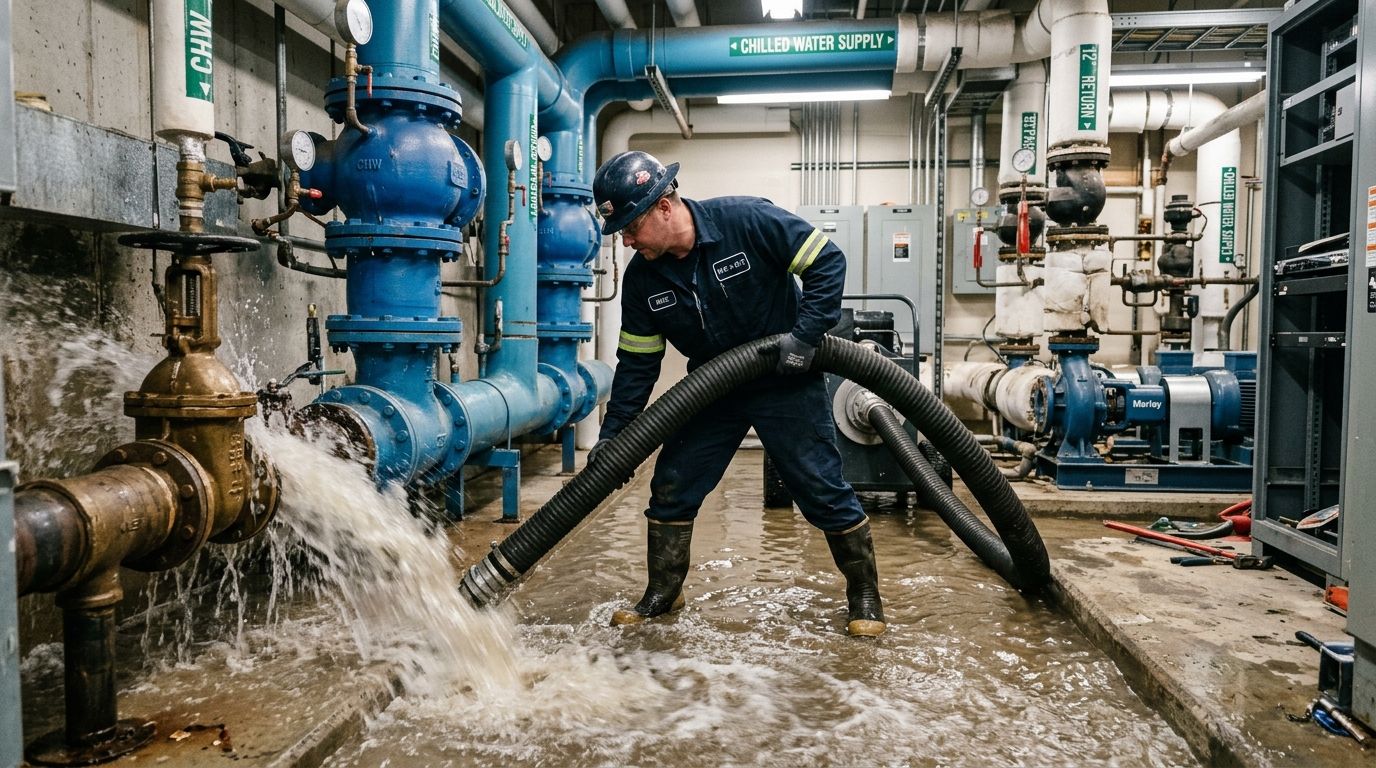
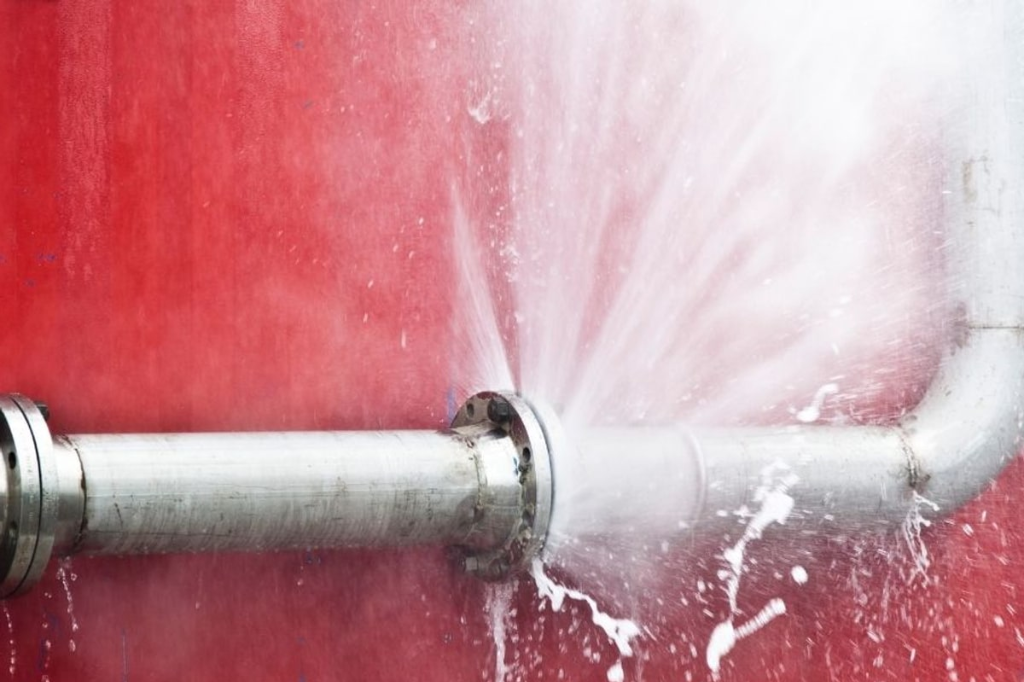
Professional glendale commercial dairy processing cip washdown pipe burst is an engineering and environmental discipline adhering strictly to IICRC S500 protocols, not mere surface mopping. When structural plumbing failures strike in Maricopa County, certified emergency water extraction and thermal structural drying procedures must be deployed immediately. Whether triggered by high-pressure burst pipe emergencies, subfloor leaks, or commercial line ruptures, bound moisture rapidly penetrates concrete subfloors and wall framing. In the desert heat, delays trigger microbial proliferation requiring rapid mold remediation. Request damage assessment through our emergency assessment portal or request 30-minute dispatch across all Valley service areas.
Securing electrical feeds, inspecting load-bearing assemblies, and containing pathogens.
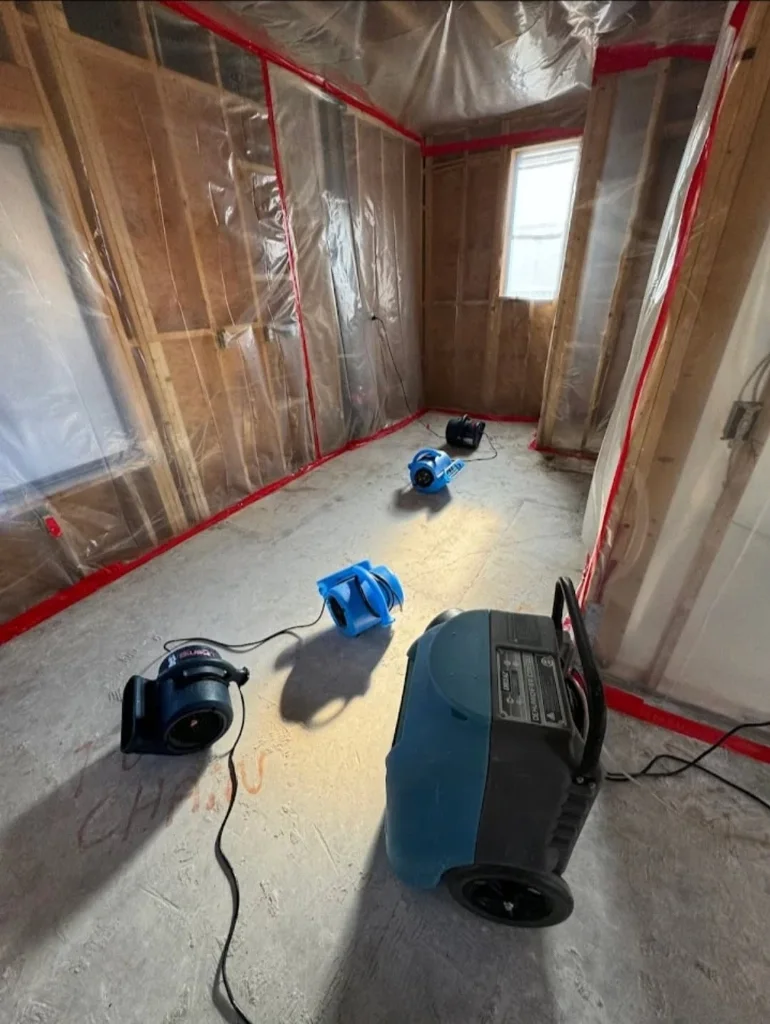
Stopping the intrusion source and erecting 6-mil plastic isolation containment airlocks.
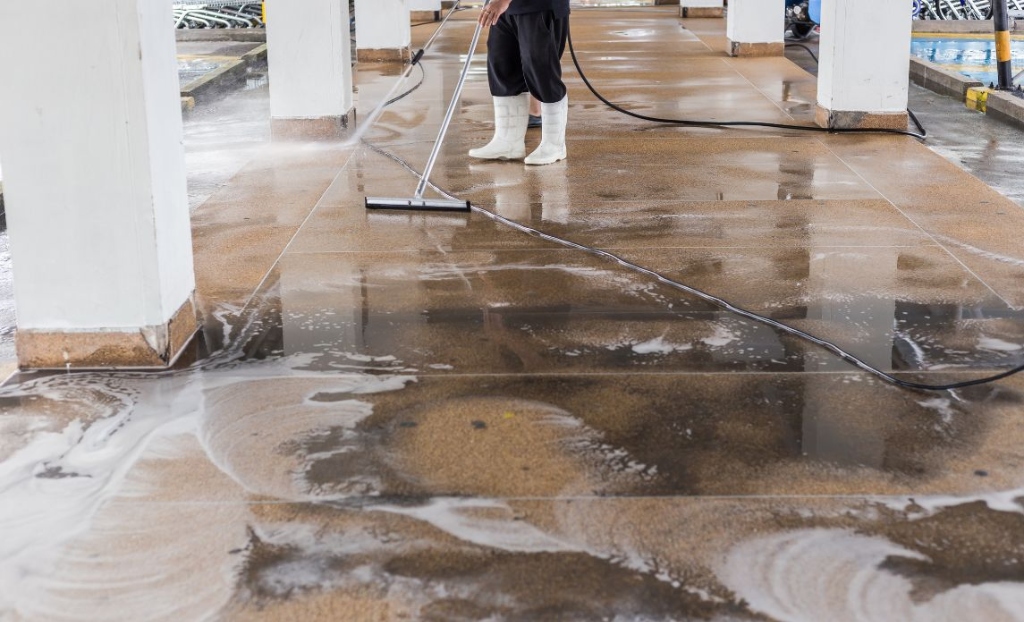
31-HP truck-mount extraction, removing gallons exponentially faster than evaporation.
LGR dehumidifiers and HEPA air scrubbers driving grains per pound below 25 GPP.
Calibrated electronic pinless testing confirming baseline dry standards.
The Complete 6-Stage Restoration Roadmap
Our IICRC-certified crews execute a disciplined, scientific 6-stage protocol to stabilize and dry structural components:
Emergency Dispatch & Perimeter Isolation
30 to 60 minute arrival. Securing electrical shutoffs, evaluating structural loads, and erecting containment airlocks.
FLIR® Thermal Mapping & Baseline Scans
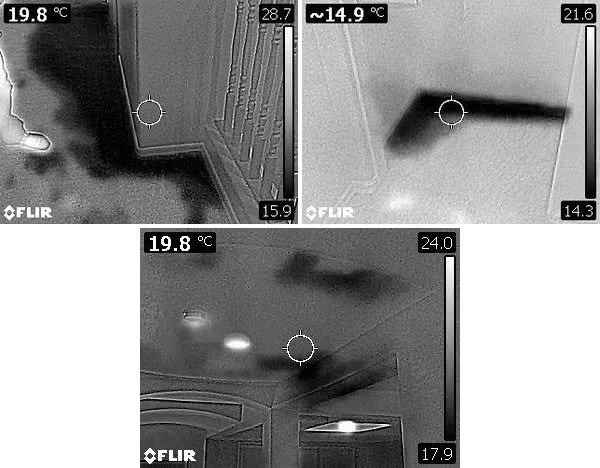
Infrared thermal scans detect trapped moisture behind walls and beneath concrete without invasive exploratory demolition.
High-Volume Bulk Extraction
31-HP truck-mount extraction units pump standing water away at hundreds of gallons per minute.
Controlled Selective Demolition
Precision flood cuts 12 to 24 inches above moisture lines, removing wet insulation and opening wall framing to dry airflow.
Thermodynamic Dehumidification
Industrial Low-Grain Refrigerant dehumidifiers pull deep trapped moisture from dense framing lumber and concrete slabs.
Antimicrobial Sanitization & Verification
EPA-registered botanical application (Benefect Decon 30) and calibrated moisture testing to issue an official dry certificate.
Specialized Equipment & Industrial Restoration Technology
Mitigating severe property damage requires industrial-grade technology capable of altering thermodynamic psychrometrics:
Truck-Mounted Extraction Rigs
31-HP engines producing 16+ inches Hg vacuum suction to evacuate bulk water rapidly into holding tanks.
Low-Grain Refrigerant Dryers
Pre-cooling heat-pipe systems driving ambient grains per pound below 25 GPP to draw deep trapped water out of framing.
HEPA Negative-Air Scrubbers
Hospital-grade 99.97% particulate filtration capturing microscopic fungal spores, soot, and biohazard aerosols.
FLIR® Thermal Scanners & Probes
Infrared thermography detecting evaporative cooling boundaries behind walls, combined with digital RF pinless scanners.
Professional Restoration vs. DIY Mitigation
Attempting DIY cleanup during a property disaster creates severe hidden liabilities:
- Trapped Moisture: Surface drywall dries while moisture inside cavities triggers hidden mold blooms.
- Pathogenic Risks: Category 2 & 3 water contains bio-contaminants standard cleaners fail to kill.
- Insurance Denial: Insurers require daily psychrometric logs; lack of data causes claim disputes.
Transparent Upfront Itemized Pricing
Valley Restoration Pros operates with complete transparency:
- Free On-Site Assessment: Complete physical inspection before work begins.
- Upfront Itemized Estimates: Detailed line items calculated via industry-standard Xactimate.
- Zero Surprise Billing: No hidden charges or unauthorized repairs.
Certified glendale commercial dairy processing cip washdown pipe burst Field Documentation
Every response performed by Valley Restoration Pros is documented through photographic and thermographic records:
Comprehensive glendale commercial dairy processing cip washdown pipe burst Technical Manual & Operational Standards
Exhaustive engineering protocols, psychrometric calculations, geological multipliers, and step-by-step restoration standards for Maricopa County properties:
Executive Emergency Abstract: Glendale Commercial Dairy Processing CIP Washdown Pipe Burst
Within the heavy manufacturing, agricultural processing, and logistics corridors of Glendale, Arizona—flanking the high-throughput transportation arteries of West Northern Avenue, North 99th Avenue, the Loop 101 Agua Fria freeway, and the BNSF railway industrial spur—commercial dairy processing installations, automated fluid milk bottling plants, cheese manufacturing facilities, and continuous aseptic packaging suites operate under rigorous sanitary, thermodynamic, and mechanical mandates. These high-capacity agricultural production hubs handle millions of pounds of raw fluid milk, whey protein concentrates, and cultured dairy products weekly. To sustain continuous food-grade sterility without dismantling miles of sanitary process infrastructure, these facilities depend entirely on centralized, automated Clean-In-Place (CIP) sanitization networks. These systems circulate aggressive chemical washes, scalding water rinses, and specialized acid sanitizers through stainless steel pasteurizers, homogenizers, holding silos, and automated filling lines.
When a mechanical catastrophic event strikes a Clean-In-Place washdown network—such as a high-pressure line rupture, hydraulic pressure wave blow-off, or thermal shock valve failure—the resulting crisis represents a dangerous composite disaster involving chemical hazards, high-temperature thermal inundation, microbiological exposure, and severe regulatory disruption. Unlike conventional domestic or light commercial plumbing failures, industrial dairy CIP wash systems circulate boiling, highly corrosive wash chemistry: caustic sodium hydroxide (NaOH at 2% to 4% concentration, exhibiting pH levels of 12.5 to 13.5) heated to 185°F (85°C), alternating with hot nitric and phosphoric acid washes (pH 1.0 to 2.0) delivered under line pressures of 60 to 90 PSI. A sudden failure in these pressurized distribution headers discharges thousands of gallons of boiling caustic wash water across sanitary epoxy concrete production decks, cold storage packaging rooms, and subterranean utility chases.
The thermodynamic collision of discharging 185°F caustic wash water into cold storage packaging areas—maintained between 34°F and 38°F (1.1°C to 3.3°C)—triggers instantaneous flash evaporation, creating dense whiteout condensation vapor clouds. This airborne moisture plume coats cold stainless steel structures, ceilings, and insulated composite metal wall panels (IMPs). As condensation coalesces on overhead beams and drops into active production zones, it creates an immediate zero-tolerance food safety violation under the United States Food and Drug Administration (FDA) Food Safety Modernization Act (FSMA) and the Grade “A” Pasteurized Milk Ordinance (PMO). Simultaneously, hot caustic washdown runoff aggressively attacks unrated floor sealants, shears epoxy bond lines via acute thermal shock, and surges into subterranean trench drains, flooding subterranean electrical vaults, motor control centers (MCC), and variable frequency drive (VFD) enclosures.
Without immediate, specialized intervention, the loss escalates from localized equipment downtime to full facility condemnation, unrecoverable product write-offs, and millions of dollars in continuous business interruption. Immediate containment requires certified industrial emergency water extraction teams equipped with high-temperature chemical-resistant pumping infrastructure, hazardous fluid neutralization agents, and trailer-mounted low-dewpoint desiccant dehumidifiers. Rapid response halts the spread of caustic contamination, preserves foundation integrity, and mitigates secondary commercial water damage across the dairy enterprise.
Valley Restoration Pros maintains a dedicated industrial large-loss emergency response fleet stationed strategically near Glendale\'s critical commercial arteries. With guaranteed 20- to 30-minute rapid mobilization, our master-certified disaster recovery teams arrive on site fully equipped with explosion-proof positive displacement fluid extractors, trailer-mounted desiccant dehumidifiers, chemical neutralizing chemistry, and calibrated psychrometric diagnostic sensors. Plant directors and facilities management can initiate 24/7 priority commercial dispatch by calling (602) 847-9593 or mobilize our advanced structural drying protocols to protect operating licenses and resolve severe Glendale water damage restoration emergencies.
Immediate First-30-Minute Protocol for Dairy CIP Washdown Line Failure
- Trigger Central CIP E-Stop & LOTO Isolation: Immediately strike the automated Clean-In-Place emergency stop button on the central programmable logic controller (PLC) touch screen. Engage physical lock-out/tag-out (LOTO) padlocks on high-pressure centrifugal chemical booster pumps and primary steam supply headers.
- Evacuate Personnel & Establish Chemical Exclusion Perimeter: Sound the localized evacuation horn to clear all processing and packaging personnel from the affected sector. Restrict re-entry strictly to technicians equipped with certified Level B or C chemical PPE, including face shields, chemical respirators, and neoprene boots.
- De-Energize Subfloor & Trench Power Distribution: Remotely trip the upstream main circuit breakers powering subfloor conduit trenches, conveyor drives, and motor control centers (MCC) in the flooded quadrant to eliminate arc-flash risks.
- Deploy Polypropylene Neutralizing Chemical Berms: Lay down chemical-resistant absorption booms along cold storage transition thresholds, processing room doorways, and expansion joints to halt caustic liquid migration into clean milk product storage.
- Engage Priority Industrial Response: Contact Valley Restoration Pros immediately at (602) 847-9593 for rapid 20-30 minute industrial extraction, hazardous chemical neutralization, and commercial low-dewpoint desiccant stabilization.
Anatomy of the CIP Loop Sanitization Rupture & High-Temperature Caustic Fluid Dynamics
Clean-In-Place (CIP) technology is the foundational lifeblood of modern industrial dairy processing. In high-volume facilities throughout Glendale, automated CIP skid systems maintain continuous sanitary integrity across vast processing arrays: raw milk storage silos, centrifugal separators, tubular and plate heat exchangers (HTST pasteurizers), homogenizers, aseptic holding tanks, and high-speed rotary packaging machinery. Because dairy manufacturing involves organic dairy proteins, butterfat lipids, and lactose sugars, equipment surfaces must be scrupulously cleaned between production runs to prevent the accumulation of adherent bacterial biofilms, organic milk soils, and mineral deposits known as milkstone.
To achieve microbiological decontamination without manual disassembly, commercial dairy CIP systems operate automated 5-stage cleaning sequences under aggressive thermodynamic and chemical conditions. The cycle initiates with a warm pre-rinse (100°F to 120°F) to evacuate loose dairy solids, followed immediately by an intensive hot caustic wash. During the caustic phase, a concentrated solution of sodium hydroxide (NaOH at 2.0% to 4.0% concentration, with a pH of 12.5 to 13.5) is heated via direct steam injection or shell-and-tube heat exchangers to temperatures between 165°F and 185°F (74°C to 85°C). This scalding alkaline solution is circulated through 2-inch to 6-inch 316L stainless steel sanitary piping at velocities exceeding 5.0 to 7.0 feet per second to create turbulent mechanical scrubbing action, saponifying fats and enzymatically dissolving coagulated proteins.
Following an intermediate potable water rinse, the system transitions to a hot acid wash utilizing an aqueous blend of nitric acid (HNO3 at 1.0% to 2.0%) and phosphoric acid (H3PO4), maintained at 130°F to 150°F with an aggressive pH of 1.0 to 2.0. This acid phase dissolves insoluble calcium phosphate scale, mineral salts, and stubborn milkstone that resist alkaline breakdown. Finally, the CIP sequence concludes with a cold sanitizing rinse deploying peracetic acid (PAA) or acidified chlorine dioxide. Throughout these operational cycles, delivery pressures range from 60 to 90 PSI, while high-head centrifugal booster pumps maintain rapid fluid circulation across elevated pipe bridges, vertical drop legs, and subterranean pipe trenches.
Hydraulic Water Hammer & Valve Shock
Automated dairy CIP systems utilize fast-acting pneumatic mix-proof and seat valves controlled by programmable automation. When a computer-controlled valve closes abruptly (in under 0.25 seconds) against a 7.0 ft/s moving fluid column, it generates an instantaneous kinetic pressure spike known as hydraulic water hammer. Transient peak pressures can spike beyond 250 to 300 PSI, violently stressing sanitary tri-clamp ferrules, expanding sanitary elastomer seals, and fracturing overhead welded stainless elbows, requiring urgent industrial burst pipe repair protocols.
Extreme Thermal Cycling & Gasket Fatigue
Sanitary process piping alternates continuously between 34°F (chilled raw milk) and 185°F (hot caustic wash). This massive 151°F thermal excursion causes significant linear expansion and contraction of rigid 316L stainless steel lines. Flange connections, tri-clamp ferrules, and sanitary elastomer gaskets (EPDM, FKM, PTFE/Viton) suffer rapid thermal fatigue, material embrittlement, and compression set. When an aged elastomer gasket blows out under 80 PSI pressure, boiling caustic liquid discharges unrestricted into the surrounding room.
Nitric Acid Stress-Corrosion Cracking
Although 316L stainless steel provides superior resistance to organic acids, cyclic exposure to hot nitric and phosphoric acid formulations at high velocities can initiate microscopic intergranular corrosion in orbital weld zones. Over years of operation, chloride ions present in Glendale municipal water supplies concentrate at heat-affected zones, accelerating stress-corrosion cracking (SCC). When pipe wall thinning reaches critical limits, the line ruptures longitudinally along the seam.
Thermal Shock & Epoxy Delamination
When 185°F caustic solution floods across cold concrete slabs maintaining ambient temperatures of 36°F to 40°F, the severe thermal delta induces acute differential expansion between the structural concrete substrate and protective epoxy or urethane floor toppings. The resulting shear stresses crack perimeter coving and break adhesion bonds. Caustic liquid penetrates sub-slab porous concrete, attacking structural reinforcement and requiring complex industrial recovery similar to Goodyear commercial cold storage glycol line burst cleanup operations.
Furthermore, high-temperature caustic solutions possess low surface tension, enabling rapid capillary infiltration into hairline cracks, construction expansion joints, and under equipment mounting skids. When caustic wash water contacts galvanized conduit, aluminum motor housings, or electrical junction boxes, it initiates vigorous chemical reactions releasing explosive hydrogen gas (H2) and forming conductive salt crusts. This destructive chemical dynamic underscores why conventional commercial restoration techniques are completely inadequate for industrial dairy CIP flood events.
Phoenix & Glendale-Specific Climatic, Geological & Food Processing Infrastructure Multipliers
Industrial food and dairy manufacturing in Glendale operates under unique environmental conditions created by the Sonoran Desert. While modern food processing facilities are engineered as climate-controlled, sealed bio-secure envelopes, external climatic extremes, severe groundwater mineralogy, and regional geological soil dynamics exert continuous physical stress on structural slabs, mechanical piping, and utility infrastructure throughout the West Valley.
18 to 22 GPG Municipal Mineral Hardness: Scale Precipitation & Piping Stress
Municipal water supplies in Glendale and surrounding West Valley industrial zones—sourced from a combination of the Central Arizona Project (CAP), Salt River Project (SRP) canal systems, and deep regional alluvial groundwater wells—exhibit extreme mineral hardness averaging between 18 and 22 Grains Per Gallon (GPG), with Total Dissolved Solids (TDS) regularly exceeding 650 to 900 parts per million (PPM). In high-volume commercial dairy plants where hundreds of thousands of gallons of municipal water pass daily through boilers, water softeners, CIP makeup tanks, and washdown stations, this severe mineral content represents an ongoing mechanical threat.
When water softening beds suffer resin exhaustion or bypass events, calcium carbonate (CaCO3) and magnesium sulfate precipitate aggressively inside high-temperature CIP steam heat exchangers, spray balls, and wash distribution headers. Internal scale accumulation restricts pipe inside diameters, dramatically escalating system flow resistance and forcing centrifugal wash pumps to operate against excessive head pressures. This continuous over-pressurization accelerates cavitation erosion across pipe elbows, valve seats, and weld seams. Furthermore, when unmitigated CIP washdown water or rinse water floods across packaging floors and evaporates in Glendale’s dry atmosphere, it leaves behind dense, abrasive mineral calcification. This crust fouls sensitive automated packaging photo-eyes, proximity sensors, and delicate pneumatic solenoids, compounding physical damage across adjacent Peoria commercial flood restoration territories.
Expansive Agricultural Caliche Soils & Foundation Slab Upheaval
Glendale’s industrial sector, historically developed over rich agricultural farmland, is underlain by expansive alluvial clay soils interbedded with dense calcium carbonate caliche hardpan formations. These smectite and montmorillonite clay matrices possess extreme shrink-swell potential. During extended arid periods, the subsoil contracts and desiccates, only to expand dramatically in volume when exposed to seasonal monsoon rains, perimeter landscape irrigation, or subsurface utility leaks.
Commercial dairy facilities impose massive concentrated static and dynamic loads onto concrete floor slabs. Raw milk receiving bays house vertical outdoor storage silos holding 50,000 to 100,000 gallons of milk—exerting loads in excess of 400,000 to 800,000 pounds per silo base. When sub-slab soil moisture fluctuates, differential settlement and frost-like caliche heave impart enormous deflection forces into reinforced concrete slabs. This micro-shifting transfers severe mechanical shear and bending stresses into rigid, floor-anchored 316L stainless steel process piping, CIP drop legs, and floor drain connections. Over time, anchor bolts loosen, pipe welds experience mechanical fatigue, and subsurface pipe runs suffer shear fractures requiring comprehensive slab leak water damage restoration procedures.
115°F Sonoran Desert Ambient Heat: Accelerated Pathogen Incubation & Vapor Drives
Between May and October, exterior ambient temperatures in Glendale consistently hover between 105°F and 118°F (40.5°C to 47.8°C), accompanied by solar radiation driving roof surface temperatures well above 160°F. Inside a commercial dairy facility, cold storage holding vaults, cheese curing rooms, and milk packaging suites are held at continuous temperatures of 34°F to 38°F. This creates an extreme temperature differential (ΔT) of up to 80°F across the building envelope, generating massive vapor pressure drives that force exterior moisture vapor toward cold interior building surfaces.
When an internal Clean-In-Place line ruptures, releasing 185°F liquid into a cold packaging environment, the local vapor pressure explodes. The air rapidly becomes saturated (100% relative humidity), producing dense thermal fog that saturates building insulation, electrical chases, and ceiling cavities. More critically, high ambient temperatures accelerate the biological souring of spilled milk and dairy residues. Spores of psychrotolerant and mesophilic bacterial pathogens—including Listeria monocytogenes, Bacillus cereus, Salmonella enterica, and Escherichia coli—enter an exponential doubling cycle in pooled warm organic effluent. Within 24 to 48 hours, an unmitigated flood creates an uncontrollable biological reservoir that threatens the facility’s operating permits and requires rigorous industrial decontamination.
Immediate Emergency First-Hour Protocol & Chemical Neutralization / Plant Isolation
The initial sixty minutes following a Clean-In-Place washdown pipe rupture in a Glendale dairy manufacturing plant dictate the ultimate boundary of financial loss, structural destruction, and regulatory intervention. Inundation involving boiling chemical washes cannot be approached as a standard water loss; it is an active hazardous material (HazMat) incident coupled with a critical food safety biosecurity emergency. Plant incident commanders, maintenance directors, and restoration engineers must execute a precise, synchronized first-hour protocol to protect human life, neutralize hazardous chemical solutions, isolate vulnerable dairy inventory, and stabilize the facility envelope.
Phase 1: Process Isolation & Certified Lock-Out/Tag-Out (LOTO)
Immediate intervention starts at the central CIP human-machine interface (HMI). Operators must actuate the emergency cycle abort, which immediately cuts power to high-pressure centrifugal delivery pumps, de-energizes automated steam control valves, and triggers pneumatic spring-return fail-closed seat valves. Technicians trained under OSHA 29 CFR 1910.147 must apply physical LOTO hasps and safety padlocks to the main steam isolation headers, bulk chemical dosing metering pumps (sodium hydroxide and nitric acid feeds), and secondary wash recirculation manifolds. Simultaneously, electrical sub-breakers supplying floor trench sump pumps, motorized filling lines, and subterranean conveyor drives in the inundated quadrant must be opened and locked out to eliminate catastrophic arc-flash hazards.
Phase 2: Atmospheric Multi-Gas Monitoring & HazMat PPE Deployment
Before restoration teams enter the flooded processing hall, hazardous materials specialists initiate comprehensive atmospheric profiling using calibrated multi-gas detectors equipped with photoionization detectors (PID) and electrochemical sensors. Technicians measure atmospheric oxygen levels, lower explosive limits (LEL), carbon monoxide, hydrogen gas (generated if caustic solution contacts galvanized metals), and aerosolized acid vapors (nitric and peracetic acid mists). Entry personnel must don certified Level B or Level C chemical personal protective equipment, including chemical-resistant Viton or butyl rubber coveralls, heavy neoprene boots with steel shanks, high-cuff nitrile gloves, and full-face air-purifying respirators (APR) with multi-contaminant cartridges rated for acid gases and alkaline mists, adhering to strict biohazard cleanup standards.
Phase 3: Scientific In-Situ Chemical Neutralization Engineering
Discharging un-neutralized high-temperature caustic sodium hydroxide (pH 12.5 to 13.5) directly into municipal industrial sewers violates Maricopa County Environmental Services Department and City of Glendale industrial wastewater pre-treatment ordinances, exposing the plant to severe environmental fines. Furthermore, highly alkaline standing pools continuously eat through epoxy floor binders and corrode metal equipment footings.
Valley Restoration Pros executes controlled in-situ chemical neutralization. For high-pH caustic wash pools, our HazMat teams deploy food-grade, buffered organic acid solutions—specifically pharmaceutical-grade citric acid (C6H8O7) or dilute acetic acid buffering agents. Technicians never dump concentrated mineral acids (such as hydrochloric or sulfuric acid) onto caustic pools, as violent exothermic acid-base neutralization reactions cause explosive boiling, chemical splattering, and hazardous acid gas plumes. Buffered citric acid is metered into standing liquid using chemical-resistant pneumatic spray manifolds, while digital pH sensors monitor the effluent until a stable, neutral pH between 6.8 and 7.4 is achieved. Conversely, if the burst occurred during the nitric acid wash phase (pH 1.0 to 2.0), food-grade sodium bicarbonate (NaHCO3) is applied to safely buffer the solution without producing toxic thermal off-gassing.
Phase 4: Physical Containment Dams & Product Quarantine Barriers
To safeguard uncompromised food inventory in adjacent cold storage vaults and packaging lines, technicians immediately deploy chemical-resistant polypropylene containment dikes and weighted magnetic drain covers. Motorized high-speed insulated fabric roll-up doors separating the flooded processing suite from finished product cold rooms are sealed using temporary 6-mil poly containment barriers under negative pressure. By exhausting air out of the flooded chamber through commercial scrubbers, chemical fumes and moisture plumes are prevented from migrating into sensitive product areas, mirroring protocols utilized in commercial poultry processing cold room flood mitigation operations across the West Valley.
Advanced Industrial Equipment Specifications & Setup for Dairy Flood Recovery
Stabilizing an industrial dairy manufacturing facility following a catastrophic Clean-In-Place line rupture requires heavy industrial machinery, specialized HazMat apparatus, and sub-zero psychrometric drying assets. Standard residential or light commercial drying tools cannot operate in 34°F cold rooms, nor can standard plastics survive 185°F corrosive chemical washes. Standard equipment lacks the chemical resilience to withstand sustained exposure to sodium hydroxide and nitric acid solutions. Valley Restoration Pros deploys an advanced industrial equipment fleet specifically engineered for food-grade processing and hazardous chemical remediation.
Pneumatic Chemical-Resistant Diaphragm Pumps
To extract boiling caustic and acid washdown solutions from processing floors and floor trenches without spark ignition hazards, we deploy industrial air-operated double-diaphragm (AODD) pumps (Wilden Pro-Flo Shift and Sandpiper heavy-duty series). Featuring pure PVDF (polyvinylidene fluoride) and PTFE wetted housings with Santoprene diaphragms, these pumps handle fluids up to 212°F (100°C) across a 0 to 14 pH spectrum, pumping aggressive slurry and suspended solids at 150 to 260 GPM directly into mobile HazMat neutralizer holding tanks.
Because air-driven pumps operate entirely on compressed air, they completely eliminate the catastrophic risks of electrical arcing in moisture-saturated environments with flammable washdown vapors. These pumps are self-priming, can run dry without seal degradation, and handle viscous butterfat emulsions without clogging.
Truck-Mounted High-Vacuum Extraction Rigs
For massive liquid volume clearance across broad processing bays, our industrial truck-mounted extraction units utilize Roots-style positive displacement rotary lobe blowers generating 16 to 18 inches of mercury (Hg) vacuum lift and 700 to 1,000 CFM airflow. Fitted with 316 stainless steel waste interceptor tanks and chemical-resistant suction hoses, these units pull neutralized standing wash water from low spots, floor scale pits, and trench networks with extreme velocity, matching standards established in commercial pharmaceutical cleanroom flood restoration sites.
These high-vacuum systems extract liquid from microscopic surface fissures in concrete slabs and floor-to-wall transitions, removing deep moisture that standard surface squeegees cannot touch. Automatic waste pump-out systems ensure continuous high-volume extraction without cycle interruption.
Trailer Desiccant Dehumidifiers (5,000–15,000 CFM)
Standard refrigerant dehumidifiers completely freeze up in refrigerated food processing environments operating below 55°F. Valley Restoration Pros deploys mobile trailer-mounted industrial desiccant dehumidifiers (Munters DryCool and Cargocaire systems delivering 5,000 to 15,000 CFM). Utilizing active silica gel desiccant rotors, these units produce process air with dewpoints as low as -20°F to -40°F and humidity ratios below 15 grains per pound (GPP). Ducted directly into refrigerated packaging and cold storage rooms, they eliminate condensation fog, dry saturated insulated metal panels, and halt ceiling dripping instantly.
By delivering continuous high-volume desiccant process air, our industrial trailers create a powerful vapor pressure deficit across the building envelope. Moisture trapped inside porous concrete decks and insulated metal panels is drawn out into the airstream and exhausted outside, preventing structural degradation while maintaining cold room temperatures.
Chemisorption Negative-Air HEPA Scrubbers
To neutralize hazardous aerosolized chemical mists and pungent dairy souring odors, we operate commercial 2,000 CFM negative-air scrubbers equipped with three-stage filtration. Incoming air passes through a MERV 11 coarse pre-filter, followed by a heavy deep-bed chemisorption cell filled with extruded virgin activated carbon impregnated with potassium permanganate (KMnO4) to chemically adsorb nitric acid, chlorine dioxide, and alkaline vapors. The final stage is a 99.97% true HEPA filter capturing microscopic biological spores and particulate matter down to 0.3 microns.
Continuous air scrubbing establishes negative pressure isolation within the flood boundary. This pressure differential guarantees that aerosolized chemical droplets, mold spores, and sour milk odors cannot migrate into adjacent uncompromised product packaging halls or sterile milk staging sectors.
Subterranean Vault & Conduit Drying Injectors
When caustic liquids inundate subfloor electrical trenches, motor control centers (MCC), and conduit raceways, moisture trapped within conduit piping cannot evaporate passively. We connect high-pressure positive-air drying injection manifolds (Injectidry HP60 systems) to electrical conduit junction boxes. By forcing high-velocity, ultra-dry desiccant air through underground conduit runs, we extract water vapor from buried wires without requiring wire pulling, preventing destructive arc faults and meeting critical sewage cleanup and utility recovery benchmarks.
Our high-pressure injection equipment operates with oil-free compressors and secondary desiccant dryers, delivering process air with relative humidity below 10%. Continuous positive-pressure purging dries complex conduit bends, pull boxes, and subterranean switchgear chases with absolute reliability.
FLIR T1020 HD Thermography & RF Moisture Meters
Subsurface moisture detection in sanitary dairy plants is complicated by stainless steel cladding and urethane cement coatings. Our lead restoration engineers deploy FLIR T1020 HD infrared thermographic cameras with 1024x768 thermal resolution and thermal sensitivity under 20 mK. Thermography maps evaporative cooling patterns, delineating sub-slab liquid migration, wall panel insulation saturation, and trapped moisture beneath equipment mounting plinths with forensic precision.
In tandem with thermal imaging, we utilize Tramex non-destructive radio-frequency concrete moisture meters and Delmhorst structural pin probes. These instruments enable our technicians to evaluate moisture depth profiles through seamless resinous coatings without puncturing sanitary floor membranes or compromising hygienic integrity.
All equipment deployed within food-contact processing zones undergoes pre-entry biosecurity sanitation. Wheels, air ducts, housing frames, and electrical cords are thoroughly decontaminated with food-grade quaternary ammonium or peracetic acid sanitizers prior to entry, guaranteeing that restoration assets introduce zero biological or particulate contaminants into regulated dairy environments.
IICRC S500 / S520 Step-by-Step Commercial Restoration Protocol for Dairy CIP Losses
Restoring a commercial dairy processing plant following a high-temperature Clean-In-Place line rupture demands absolute adherence to scientific engineering principles. Because the discharge contains both hazardous industrial chemical solutions (sodium hydroxide and nitric acid) and organic biological contaminants (unpasteurized milk, butterfat residues, and potential pathogenic bacteria), the loss is classified under the Institute of Inspection, Cleaning and Restoration Certification (IICRC) S500 Standard for Professional Water Damage Restoration as a complex Category 3 (black water / hazardous chemical) event. Valley Restoration Pros executes a 6-phase engineering protocol designed to restore food-grade sanitation, rehabilitate structural substrates, and secure regulatory clearance without operational compromise.
Phase 1: Forensic Hazard Characterization, pH Mapping & Psychrometric Baseline
Upon arrival, lead industrial hygienists and Master Water Restorers establish an on-site command center. Using digital pH meters and multi-point test strips, technicians map surface liquid chemistry across affected rooms, identifying caustic concentration zones (pH > 12.0) versus acidic wash zones (pH < 2.5). Concurrently, atmospheric testing establishes baseline volatile organic compounds (VOCs), ambient relative humidity, dry-bulb temperature, dewpoint, and humidity ratio (grains per pound, GPP).
Thermal imaging technicians utilize FLIR T1020 cameras to trace the exact migration path of 185°F liquids across cold concrete slabs, under machinery baseplates, into floor scale pits, and through subfloor utility trenches. These forensic baselines are entered into computerized moisture tracking logs to benchmark drying progress throughout the restoration lifecycle. Technicians establish clear demarcation lines separating contaminated chemical impact zones from pristine food production areas.
Phase 2: Bulk Chemical Extraction & Drainage Trench Evacuation
Primary fluid removal commences using our chemical-resistant pneumatic diaphragm extraction pumps and truck-mounted high-lift vacuum extractors. Technicians systematically clear bulk standing pools, working from clean buffer zones inward toward the epicenter of the pipe rupture. Stainless steel floor trenches, linear drains, and lift station sumps are pumped dry to eliminate hydraulic back-pressure and prevent contaminated wash effluent from overflowing secondary containment curbs.
All extracted chemical liquids are routed through mobile neutralization manifolds before being transferred into certified poly storage totes or discharged in strict compliance with municipal industrial pretreatment permits, preventing regulatory environmental violations. Specialized weighted floor squeegee wands and suction plates evacuate chemical liquids from surface micro-textures and control joint seams.
Phase 3: Triple-Stage Decontamination, Neutralizing Rinse & Enzymatic Cleansing
Once bulk chemical fluids are evacuated, concrete floor slabs, equipment plinths, and trench walls undergo intensive multi-stage decontamination:
- Stage 1 (Precision pH Neutralization): Concrete decks exposed to caustic sodium hydroxide are flushed with heated deionized water combined with buffered food-grade citric acid solutions. Continuous digital surface testing ensures floor surface pH stabilizes within the neutral 6.5 to 7.5 range, halting epoxy coating degradation.
- Stage 2 (Enzymatic Bio-Soil Digestion): Because spilled milk soils and butterfat residues form hydrophobic films that harbor bacteria, technicians apply specialized food-grade enzymatic detergents. These protease and lipase formulations break down complex casein proteins and dairy lipids, lifting bound soils from microscopic concrete fissures.
- Stage 3 (Thermal Closed-Loop Extraction): Rotary surface extractors operating at 160°F under high vacuum flush and recover all loosened biological and chemical soils, preparing substrates for rapid drying without creating airborne bioaerosols that could require extensive mold remediation intervention.
This rigorous chemical balance neutralizes corrosive salts, dissolves organic films, and ensures that floor coatings do not suffer osmotic blistering or chemical delamination under subsequent production cycles.
Phase 4: Low-Dewpoint Industrial Desiccant Dehumidification Setup
Restoring cold packaging rooms (34°F to 38°F) requires specialized thermodynamic control. Mobile industrial desiccant dehumidifiers stationed outside the building deliver low-grain process air (below 15 GPP with dewpoints under -20°F) via heavy-duty insulated ducting directly into the room ceiling plenum. High-velocity axial air movers establish laminar airflow across floor decks and stainless steel machinery bases, rapidly accelerating moisture evaporation.
By depressing ambient dewpoint temperatures well below structural surface temperatures, condensation stops immediately. Moisture trapped within porous concrete slabs, expansion joints, and insulated metal panel seams is drawn out into the desiccated airstream and exhausted outside the facility envelope. Concurrently, warm utility corridors and boiler support bays are stabilized utilizing advanced commercial assets similar to setups deployed in water heater burst cleanup projects.
Phase 5: Subterranean Vault & Electrical Disconnect Deep Rehabilitation
Caustic liquid intrusion into subfloor electrical raceways and motor control centers poses catastrophic arc-flash and equipment failure hazards. Technicians open trench access covers under strict HazMat protocols, vacuuming liquid out of conduit junction boxes and floor channels. High-pressure desiccant injection manifolds (Injectidry HP60 systems) are connected to conduit ends to force ultra-dry, oil-free air through wireway runs for 24 to 36 continuous hours.
Before electrical disconnects and motor circuits are re-energized, certified electrical technicians perform Megohmmeter (Megger) insulation resistance testing in accordance with IEEE 43 standards. Technicians verify insulation resistance readings exceeding 50 Megohms across all phase-to-phase and phase-to-ground circuits, ensuring total moisture elimination and preventing switchgear blowouts. Thermal imaging scans verify zero residual resistive heating across switchgear contacts under full load.
Phase 6: Microbiological Clearance, ATP Bioluminescence & PMO Re-Certification
The final restoration phase establishes verifiable sanitary clearance compliant with the FDA Food Safety Modernization Act (FSMA 21 CFR Part 117) and Grade “A” Pasteurized Milk Ordinance (PMO) Section 7. Technicians execute rapid adenosine triphosphate (ATP) bioluminescence swab testing across all restored surfaces, requiring readings below 10 Relative Light Units (RLU) on direct food-contact zones and below 30 RLU on environmental floor decks.
Agar contact plates (RODAC) are collected to verify zero growth of Listeria, coliforms, or wild yeasts. A comprehensive clearance binder—containing psychrometric logs, pH neutral charts, Megger electrical test certificates, and ATP lab verification—is delivered to plant quality assurance and regulatory inspectors for immediate operational release. This rigorous documentation package provides facility leadership with complete legal and sanitary verification to resume milk receiving, processing, and packaging operations.
Hyper-Local Case Study: Glendale Dairy Packaging CIP Washdown Line Rupture
At 01:45 AM on a Tuesday during third-shift automated sanitization, a catastrophic hydraulic water hammer event struck the central Clean-In-Place return header at a premier fluid milk and cultured dairy processing plant located near the intersection of West Northern Avenue and North 99th Avenue in Glendale—adjacent to the Loop 101 freight interchange and BNSF railway industrial logistics corridor. A 4-inch 316L stainless steel tri-clamp connection suffered violent ferrule deformation, parting completely under 80 PSI operating pressure.
Over 4,800 gallons of scalding 185°F caustic sodium hydroxide wash solution (3.4% concentration, pH 13.4) discharged across 18,000 square feet of production flooring before automated emergency shutoffs fully engaged. The boiling chemical flood cascaded into the adjacent 36°F continuous carton packaging suite, overflowing stainless steel floor trench drains and inundating subterranean electrical conduit trenches supplying six rotary filling machines and motor control centers (MCC). Flash condensation instantly created zero-visibility conditions, and ceiling sweating threatened over $1,800,000 in perishable inventory quarantined in adjacent holding bays.
Plant operations faced catastrophic total plant shutdown, structural floor delamination, electrical switchgear destruction, and massive inventory loss unless specialized industrial restoration assets were mobilized immediately. Rapid chemical neutralization and moisture extraction were essential to preserve Grade “A” milk processing certifications and prevent prolonged closure.
Emergency Response & Mitigation Timeline
- 02:07 AM (Hour 0:22): Valley Restoration Pros industrial large-loss emergency team arrives on site within 22 minutes of dispatch, deploying two truck-mounted vacuum extractors and a mobile 9,000 CFM trailer desiccant unit.
- 02:40 AM (Hour 0:55): HazMat specialists enter the flooded hall in Level B chemical protective gear, deploy polypropylene containment booms, and initiate in-situ neutralization by metering 450 gallons of food-grade buffered citric acid solution into standing caustic pools, safely titrating surface pH to 7.1.
- 05:15 AM (Hour 3:30): High-volume pneumatic PVDF diaphragm pumps and positive-displacement vacuum units complete bulk extraction of all 4,800 gallons of neutralized effluent and pump floor collection sumps dry.
- 08:30 AM (Hour 6:45): Triple-stage decontamination completed. Heated closed-loop extraction wands and enzymatic lipase/protease cleansers strip all residual milk soils and salt residues from concrete slabs and equipment bases.
- 11:00 AM (Hour 9:15): Trailer-mounted industrial desiccant system ducted into packaging room ceiling plenum, delivering 12 GPP ultra-dry air at 9,000 CFM. Injectidry positive-air manifolds connected to six subterranean electrical conduit runs.
- Day 3, 06:00 AM (Hour 52:15): Megohmmeter electrical testing confirms >75 Megohms across all conduit runs. 60 ATP bioluminescence surface swab tests verify readings below 6 RLU across all packaging decks. FDA and state dairy inspectors grant immediate written re-certification for full production restart.
Forensic Psychrometric Progress: Inundation vs. Dry Standard Benchmark
| Metric & Diagnostic Parameter | Initial Baseline (Hour 2) | 24-Hour Midpoint | Final Dry Standard (Hour 48) |
|---|---|---|---|
| Cold Packaging Room Relative Humidity | 98% RH (Saturation) | 44% RH | 26% RH (Target Met) |
| Desiccant Process Air Dewpoint | +36.4°F (Condensation) | -14.0°F | -28.5°F (Sub-Zero Dry) |
| Concrete Slab Moisture Vapor Emission | 14.8 lbs/1,000 sq ft/24h | 6.8 lbs/1,000 sq ft/24h | 2.8 lbs/1,000 sq ft/24h |
| Subterranean Conduit Cavity RH | 92% RH (Hazardous) | 38% RH | 18% RH (>75 MΩ Verified) |
| ATP Surface Swab Cleanliness | >8,500 RLU (Bio-Fail) | 42 RLU | <6 RLU (Food-Grade Pass) |
By deploying specialized chemical extraction and low-dewpoint desiccant drying within 22 minutes, Valley Restoration Pros prevented $1.8M in inventory write-offs, preserved the plant’s urethane concrete flooring, eliminated subterranean electrical destruction, and restored operational compliance in just 52 hours. The plant returned to full production capacity without a single customer delivery failure across Arizona supply chains, demonstrating the efficacy of rapid scientific industrial restoration.
Commercial Insurance Documentation, Financial Transparency & PMO Compliance
When a high-temperature Clean-In-Place line ruptures in a commercial dairy processing plant, the financial stakes extend far beyond immediate physical repairs. The combination of emergency chemical neutralization, specialized desiccant drying, subterranean electrical rehabilitation, perishable raw milk disposition, and extensive downtime requires rigorous financial controls and forensic documentation. Corporate controllers, risk managers, and commercial property insurers demand complete transparency, verifiable itemization, and ironclad evidentiary substantiation.
Our Transparent Commercial Service Commitment
Valley Restoration Pros operates under strict Pay-Per-Call commercial integrity standards. We do not make deceptive promises that insurance will pay 100% of costs, nor do we claim to bill insurance carriers directly without client authorization. We maintain total financial clarity across every phase of disaster mitigation:
- Free Comprehensive On-Site Damage Assessment: Thorough forensic inspection of chemical migration, thermal slab shock, and electrical contamination with zero upfront assessment fees.
- Transparent Upfront Itemized Pricing Before Work Begins: Every recovery phase is clearly quantified using industry-standard industrial line items before mobilization begins.
- Assistance with Claims Documentation & Psychrometric Moisture Logs: Complete forensic data packages, thermal scans, Megger test certificates, and ATP lab verification to support your commercial property adjuster.
Xactimate Industrial Estimating
Our billing packages utilize standard Xactimate industrial restoration codes (WTR HAZ for hazardous chemical extraction, WTR DRYDES for trailer-mounted desiccant systems, CLN DISINF for enzymatic decontamination, ELEC TST for subterranean circuit testing, and HZMT PPE for Level B/C gear). This standardized methodology provides insurers with transparent, pre-negotiated rate structures that prevent dispute delays.
Business Interruption (BI) Substantiation
We maintain minute-by-minute psychrometric, environmental, and equipment operational logs. This objective forensic data substantiates period-of-restoration claims, helping plant controllers prove necessary operational pauses and defend business interruption losses against aggressive carrier scrutiny.
PMO & FDA FSMA Regulatory Dossiers
Every project includes certified documentation demonstrating compliance with Grade “A” Pasteurized Milk Ordinance (PMO) Appendix B and FDA FSMA 21 CFR Part 117 preventive controls. These dossiers provide legal defense against unjustified product quarantine or license suspension by state health authorities, ensuring complete regulatory alignment.
Contingent Stock & Milk Loss Audits
Our forensic chain-of-custody tracking precisely demarcates direct chemical-contact spoilage from protected, unadulterated inventory in adjacent cold vaults, preventing unnecessary disposal while justifying necessary stock loss write-offs with insurance adjusters and forensic accountants.
Additionally, our project managers coordinate directly with Maricopa County Environmental Services Department and Arizona Registrar of Contractors (ROC) compliance officers. When flood damage necessitates structural modifications, code upgrades, or sanitary drainage improvements, our forensic reporting identifies covered code-upgrade endorsements within your commercial policy. This comprehensive accounting bridges the gap between emergency restoration work and long-term capital preservation, guaranteeing full financial transparency throughout the claim lifecycle.
Our commercial accounting division works closely with corporate risk managers to deliver itemized daily work orders, certified equipment deployment manifests, and detailed labor tracking sheets. By establishing clear cost accountability before and during operations, we ensure that plant management retains complete control over mitigation expenditures while expediting seamless claim settlement without contentious audit delays.
To forecast recovery investments or calculate baseline industrial drying budgets, facility executives can utilize our online instant commercial cost estimator. For emergency response agreements or immediate disaster mitigation dispatch, contact our emergency dispatch team directly or view our comprehensive regional Valley service areas across Maricopa County.
Exhaustive Technical FAQ: Glendale Commercial Dairy Processing CIP Washdown Pipe Burst
Clean-In-Place systems circulate extremely aggressive chemical solutions at elevated temperatures and pressures. A CIP burst discharges 165°F to 185°F caustic sodium hydroxide (NaOH at pH 12.5 to 13.5) or 140°F nitric acid (HNO3 at pH 1.0 to 2.0) under 60 to 90 PSI. This creates immediate chemical burn risks, generates toxic aerosolized vapors, causes severe thermal shock delamination of concrete coatings, and triggers mandatory FDA FSMA and Pasteurized Milk Ordinance regulatory shutdowns that standard clean water plumbing leaks do not induce.
Dumping strong mineral acids (like hydrochloric or concentrated sulfuric acid) onto hot caustic pools causes violent exothermic reactions, explosive boiling, and toxic acid gas release. Valley Restoration Pros uses food-grade, buffered organic acids—specifically pharmaceutical-grade citric acid solutions or dilute acetic buffer compounds. These agents are metered into the standing liquid using pneumatic manifolds while digital sensors monitor pH titration. The liquid is brought smoothly to a neutral pH between 6.8 and 7.4, halting chemical etching of epoxy or urethane floor coatings and rendering effluent safe for municipal discharge.
Standard refrigerant (LGR) dehumidifiers rely on cooling air below its dewpoint to condense moisture. In dairy cold rooms held at 34°F to 38°F, refrigerant coils freeze solid within minutes, completely halting moisture extraction. Industrial desiccant dehumidifiers (such as our Munters 5,000 to 15,000 CFM units) use chemical adsorption via rotating silica gel wheels. They operate efficiently at sub-zero temperatures, delivering process air with dewpoints as low as -20°F to -40°F and moisture ratios below 15 GPP. This ultra-dry air eliminates condensation fog and dries saturated building materials without requiring the cold room to be warmed up.
Re-energizing wet electrical disconnects, motor control centers (MCC), or wireway raceways creates catastrophic arc-flash and electrical explosion hazards. Following positive-air desiccant drying using Injectidry systems, certified electricians perform insulation resistance testing using calibrated Megohmmeters in accordance with IEEE 43 and NETA standards. Phase-to-phase and phase-to-ground insulation resistance must exceed a minimum threshold of 50 Megohms (and typically 100+ Megohms for 480V three-phase motors) before main distribution breakers can be closed.
The Grade “A” Pasteurized Milk Ordinance (PMO) and FDA FSMA require documented verification that flooded production suites are completely sanitary prior to receiving or packaging milk products. Our clearance protocol incorporates: first, 100% visual inspection verifying zero chemical residue or biological sludge; second, adenosine triphosphate (ATP) bioluminescence swab testing with target thresholds below 10 RLU on food-contact equipment and below 30 RLU on floor decks; third, microbiological contact agar plating (RODAC) confirming absence of Listeria, coliforms, and spore-forming bacilli.
Glendale tap water contains elevated concentrations of dissolved calcium carbonate and magnesium salts. In high-temperature CIP loops, minerals precipitate out as dense scale inside heat exchangers and distribution lines. This scale narrows the internal pipe bore, elevating backpressure and forcing centrifugal pumps to work under higher dynamic loads. Over time, high-velocity fluid flow past irregular scale deposits induces cavitation erosion and turbulent fatigue along pipe welds and tri-clamp ferrules, culminating in sudden structural blowouts.
Yes, provided professional restoration begins before moisture degrades closed-cell polyurethane (PUR) or polyisocyanurate (PIR) core structures. Water primarily enters through compromised floor cove sealant beads and vertical joint flashings. Using calibrated FLIR infrared cameras, we map trapped moisture boundaries. Microscopic sanitary access ports are installed in the bottom stainless flashing, and positive-pressure desiccant air manifolds are attached to flush trapped moisture vapor out of panel cavities. Once dry baseline standards are verified, ports are sealed with FDA-approved antimicrobial sealant.
Valley Restoration Pros maintains 24/7/365 commercial emergency response assets on standby at our central West Valley deployment facility near the Loop 101 and Loop 303 corridors. For commercial food processing plants located along West Northern Avenue, Glen Harbor Boulevard, North 99th Avenue, and the Glendale Industrial Park, our guaranteed emergency on-site arrival window is 20 to 30 minutes. Facility engineers can trigger priority dispatch immediately by calling (602) 847-9593.
Verified Local Area Dispatch: Glendale, AZ
Official Geo-Coordinates: 33.5387° N, -112.186° W • Maricopa County
Related Specialized Emergency Restoration Services
Explore specialized rapid-response mitigation protocols across Greater Phoenix and Maricopa County:
Valley-Wide Emergency Response Service Coverage
Our mobile restoration fleet is dispatched across the entire Phoenix metropolitan region, providing rapid 30 to 60 minute emergency response: