

Valley Restoration Pros delivers 24/7 industrial emergency water extraction, thermal psychrometric drying, and structural mitigation across Phoenix and Maricopa County with guaranteed 30–60 minute rapid arrival. All protocols strictly adhere to IICRC S500 standards, featuring upfront itemized pricing and free on-site thermal moisture assessments. Call dispatch directly at (602) 847-9593.
Why Immediate Mitigation Is Critical in Phoenix Heat
High-temperature hydrotherapy mineral soak pools and subterranean hydronic circulation systems operate under immense thermal and hydraulic pressures. When autofill balance tanks overflow or sub-deck circulation lines fail, thousands of gallons of chemical-treated water inundate porous travertine pool decks, seep beneath luxury treatment cabanas, and saturate underlying post-tension slabs. In Paradise Valley 115°F summer heat, trapped sub-slab moisture triggers expansive caliche clay soil upheaval, accelerates structural timber dry rot, causes devastating crypto-efflorescence mineral crystallization that fractures imported stone, and spawns toxic microbial blooms within 24 to 48 hours.
First-Hour Resort Hydrotherapy Spa Flood Emergency Protocol
- De-energize dedicated 480V/240V spa circulation pump, heater, and ozonator electrical breakers at main mechanical distribution panel.
- Close automated municipal makeup water supply valves and isolation ball valves feeding the hydrotherapy balance surge tank.
- Deploy weighted absorbent containment dikes and perimeter spill berms across guest corridors to prevent water migration into guest wings.
- Initiate chemical neutralization testing to measure free chlorine and bromine residuals before bulk discharge into authorized drains.
- Power down aquatic wing HVAC air handlers to prevent circulating humid, chlorine-saturated air throughout adjacent resort facilities.
- Contact Valley Restoration Pros priority emergency dispatch at (602) 847-9593 for 30-minute commercial desiccation mobilization.
Service Definition & The IICRC Standard of Care
Professional luxury resort spa flood mitigation is an engineering and environmental discipline adhering strictly to IICRC S500 protocols, not mere surface mopping. When structural plumbing failures strike in Maricopa County, certified emergency water extraction and thermal structural drying procedures must be deployed immediately. Whether triggered by high-pressure burst pipe emergencies, subfloor leaks, or commercial line ruptures, bound moisture rapidly penetrates concrete subfloors and wall framing. In the desert heat, delays trigger microbial proliferation requiring rapid mold remediation. Request damage assessment through our emergency assessment portal or request 30-minute dispatch across all Valley service areas.
Securing electrical feeds, inspecting load-bearing assemblies, and containing pathogens.
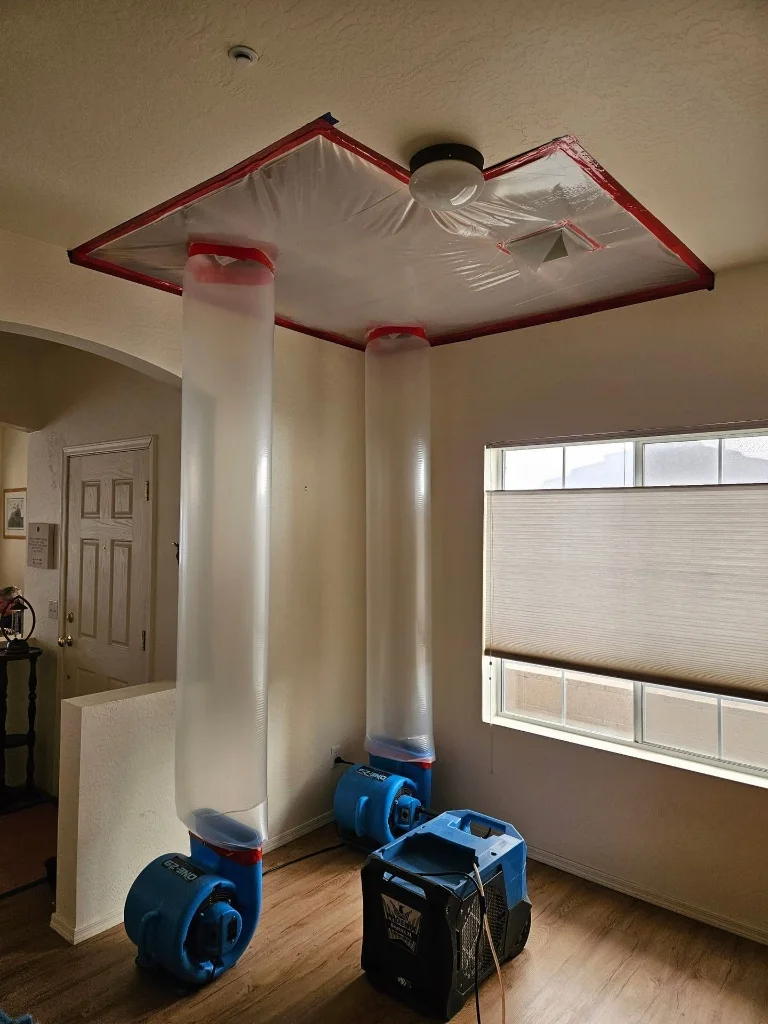
Stopping the intrusion source and erecting 6-mil plastic isolation containment airlocks.
31-HP truck-mount extraction, removing gallons exponentially faster than evaporation.
LGR dehumidifiers and HEPA air scrubbers driving grains per pound below 25 GPP.
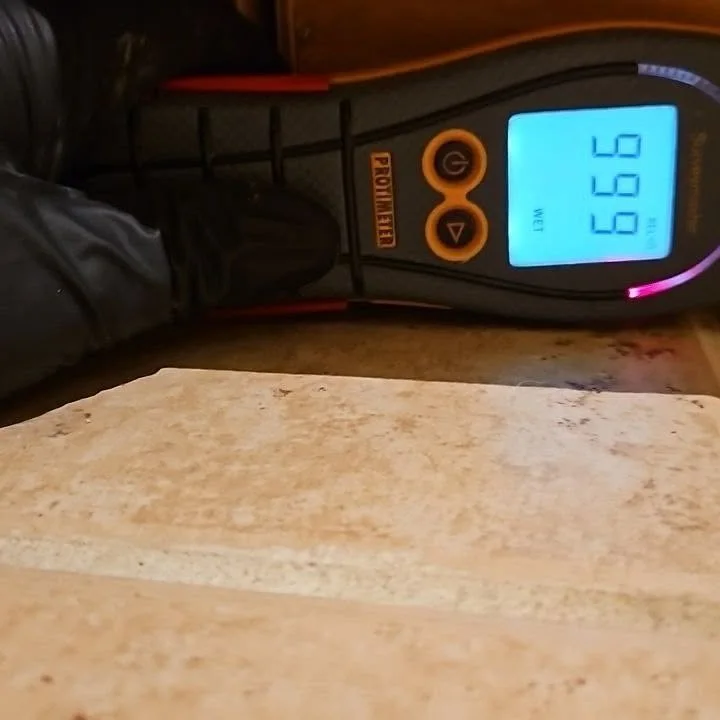
Calibrated electronic pinless testing confirming baseline dry standards.
Costly Errors Luxury Resorts Make During Spa & Pool Inundation
Property owners naturally try to act fast, but well-intentioned DIY measures frequently escalate structural damage or void insurance claims:
- Attempting Surface-Only Water Extraction: Standard wet vacuums extract surface puddles but leave hundreds of gallons trapped within mortar beds and sub-slab cavities.
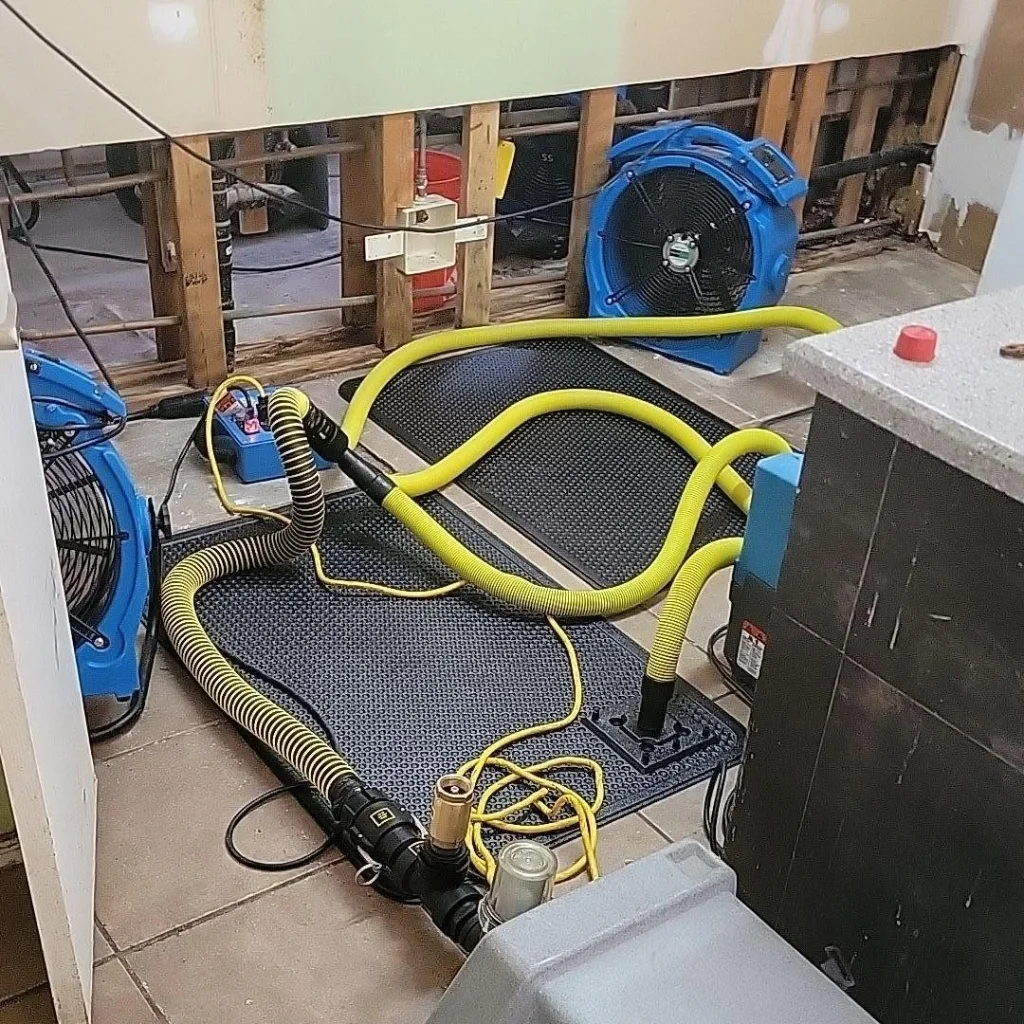
- Premature Demolition of Travertine & Limestone Decking: Ripping out high-end imported stone costs hundreds of thousands in replacement expenses; specialized negative-pressure Injectidry systems salvage stone in place.
- Failing to Neutralize Active Pool Sanitizers: Pumping concentrated chlorinated or brominated flood water degrades copper wiring, corrodes commercial structural studs, and triggers environmental penalties.
- Operating Facility Air Handling Units: Circulating 95% relative humidity air through resort ductwork spreads toxic chemical vapors and creates secondary ceiling condensation across hotel lobbies.
- Delaying Moisture Mapping Documentation: Delaying scientific psychrometric logs and infrared thermography leads to disputed commercial insurance claims and uncompensated business interruption losses.
Damage Severity Classification & Contamination Matrix
Industry standards categorize property damage by contamination risk and drying difficulty. Review the matrix below to understand the technical protocols required:
Class 1: Contained Balance Tank Overflow (Localized Surge)
Source Examples: Mechanical float switch sticking or balance tank overflow valve failure releasing 200 to 500 gallons into mechanical trenches.
Hazards & Risks: Mechanical trench flooding, pump motor submersion, localized equipment room drywall dampness.
Certified Protocol: Truck-mounted extraction, pump lockout verification, LGR dehumidifier deployment, FLIR moisture mapping.
Class 2: Sub-Deck Hydronic Loop Rupture (Multi-Suite Inundation)
Source Examples: High-pressure 2-inch to 4-inch recirculation line rupture or heat exchanger flange shear discharging 500 to 2,500 gallons.
Hazards & Risks: Lateral migration beneath travertine decking, drywall wicking up to 36 inches, saturation of treatment suites and sauna vestibules.
Certified Protocol: Chemical sanitizer neutralization, Injectidry negative-pressure floor mat array, negative-air HEPA containment, wall cavity desiccation.
Class 3: Catastrophic Night-Time Hydrotherapy Deluge (Facility-Wide Loss)
Source Examples: Unattended overnight automated makeup line failure or primary pool shell pipe shear discharging 2,500 to 10,000+ gallons.
Hazards & Risks: Deep post-tension slab saturation, caliche clay soil upheaval, severe efflorescence salt crystallization, widespread microbial bloom.
Certified Protocol: Mobile desiccant drying trailers (2,500+ CFM), sub-slab core venting, non-destructive travertine desiccation, full hospital-grade biocide treatment.
The Complete 6-Stage Restoration Roadmap
Our IICRC-certified crews execute a disciplined, scientific 6-stage protocol to stabilize and dry structural components:
Emergency Dispatch & Perimeter Isolation
30 to 60 minute arrival. Securing electrical shutoffs, evaluating structural loads, and erecting containment airlocks.
FLIR® Thermal Mapping & Baseline Scans
Infrared thermal scans detect trapped moisture behind walls and beneath concrete without invasive exploratory demolition.
High-Volume Bulk Extraction
31-HP truck-mount extraction units pump standing water away at hundreds of gallons per minute.
Controlled Selective Demolition
Precision flood cuts 12 to 24 inches above moisture lines, removing wet insulation and opening wall framing to dry airflow.
Thermodynamic Dehumidification
Industrial Low-Grain Refrigerant dehumidifiers pull deep trapped moisture from dense framing lumber and concrete slabs.
Antimicrobial Sanitization & Verification
EPA-registered botanical application (Benefect Decon 30) and calibrated moisture testing to issue an official dry certificate.
Specialized Equipment & Industrial Restoration Technology
Mitigating severe property damage requires industrial-grade technology capable of altering thermodynamic psychrometrics:
Truck-Mounted Extraction Rigs
31-HP engines producing 16+ inches Hg vacuum suction to evacuate bulk water rapidly into holding tanks.
Low-Grain Refrigerant Dryers
Pre-cooling heat-pipe systems driving ambient grains per pound below 25 GPP to draw deep trapped water out of framing.
HEPA Negative-Air Scrubbers
Hospital-grade 99.97% particulate filtration capturing microscopic fungal spores, soot, and biohazard aerosols.
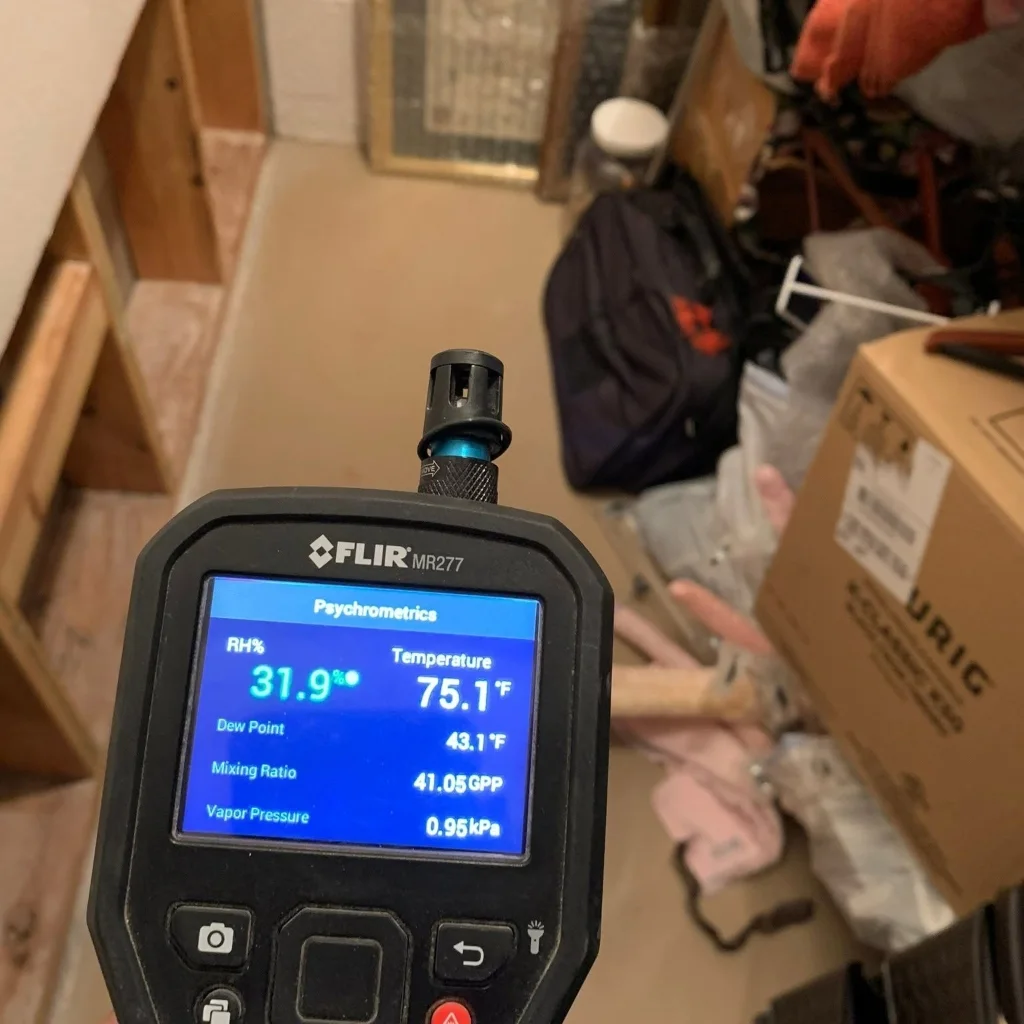
FLIR® Thermal Scanners & Probes
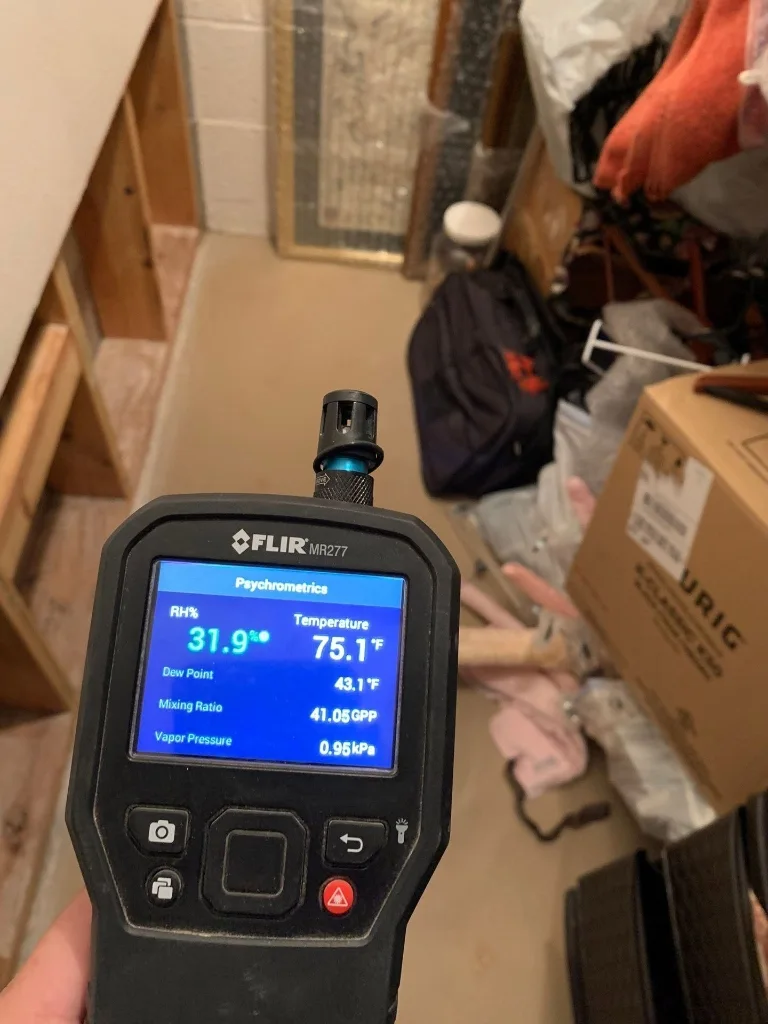
Infrared thermography detecting evaporative cooling boundaries behind walls, combined with digital RF pinless scanners.
Professional Restoration vs. DIY Mitigation
Attempting DIY cleanup during a property disaster creates severe hidden liabilities:
- Trapped Moisture: Surface drywall dries while moisture inside cavities triggers hidden mold blooms.
- Pathogenic Risks: Category 2 & 3 water contains bio-contaminants standard cleaners fail to kill.
- Insurance Denial: Insurers require daily psychrometric logs; lack of data causes claim disputes.
Transparent Upfront Itemized Pricing
Valley Restoration Pros operates with complete transparency:
- Free On-Site Assessment: Complete physical inspection before work begins.
- Upfront Itemized Estimates: Detailed line items calculated via industry-standard Xactimate.
- Zero Surprise Billing: No hidden charges or unauthorized repairs.
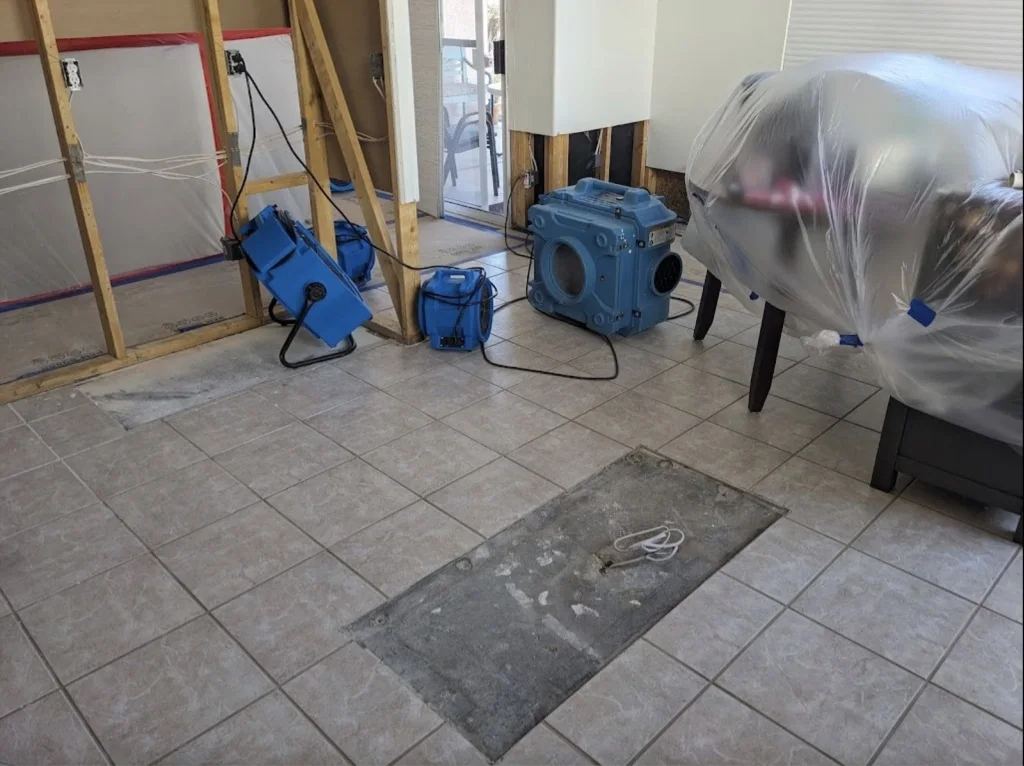
Certified Luxury Resort Spa Flood Mitigation Field Documentation
Every response performed by Valley Restoration Pros is documented through photographic and thermographic records:
Comprehensive Luxury Resort Spa Flood Mitigation Technical Manual & Operational Standards
Exhaustive engineering protocols, psychrometric calculations, geological multipliers, and step-by-step restoration standards for Maricopa County properties:
Executive Emergency Abstract: Luxury Resort Hydrotherapy Spa Pool Deluge Mitigation
Nestled along the prestigious thoroughfares of Lincoln Drive, Mockingbird Lane, and Tatum Boulevard in Paradise Valley, Arizona, premier five-star luxury resorts and world-class destination spas offer state-of-the-art hydrotherapy aquatic amenities. These exclusive wellness sanctuaries feature heated Roman vitality mineral soak pools, custom hydrotherapy jet grottos, subterranean cold plunge pools, and saline floatation recovery basins designed to deliver transcendent guest experiences. However, underneath the opulent imported Turkish silver travertine decks, vein-cut Italian limestone walls, and architectural tile finishes lies a complex, high-pressure hydronic circulation infrastructure moving thousands of gallons of scalding, chemically enriched water every hour.
When an automated balance surge tank overflow valve seizes, a subterranean hydronic recirculation line ruptures, or an automated chlorination/bromination makeup assembly suffers sudden mechanical seal failure, the resulting indoor flood is swift, voluminous, and structurally devastating. Unlike standard domestic plumbing failures, hydrotherapy spa pool systems operate at elevated temperatures ranging from 98°F to 104°F under continuous booster pump pressures exceeding 60 to 80 PSI. When containment is breached, thousands of gallons of heated mineral graywater discharge rapidly across luxury pool decks, cascading into subterranean mechanical vaults, flooding private treatment suites, soaking custom eucalyptus millwork, and penetrating deep beneath monolithic post-tension concrete foundations.
The presence of elevated thermal energy fundamentally alters the physics of water damage. At 104°F, liquid water exhibits reduced surface tension and heightened thermodynamic activity, accelerating capillary absorption into porous mortar screeds, concrete slab matrices, and drywall framing at triple the rate of ambient water intrusion. Simultaneously, intense evaporation drives ambient relative humidity inside enclosed spa wings past 90%, saturating acoustic ceiling assemblies, blistering high-end wall coverings, and depositing corrosive halogen salts onto high-voltage electrical switchgear and architectural bronze fixtures. Immediate deployment of certified emergency water extraction and specialized structural drying protocols is imperative to prevent irreversible stone delamination, severe foundation movement, and aggressive fungal contamination across five-star hospitality facilities.
Valley Restoration Pros maintains a 24/7 dedicated Hospitality & Commercial Large-Loss Response Fleet serving premier resort destinations throughout Paradise Valley and Scottsdale hospitality corridors. Mobilizing master-certified commercial restorers in under thirty minutes, our teams arrive fully equipped with high-volume truck-mounted extraction platforms, positive-pressure Injectidry floor mat systems, mobile desiccant dehumidification trailers, and non-destructive FLIR thermal imaging instruments to stabilize luxury spa environments, safeguard priceless architectural stone, and protect brand prestige without disruptive demolition.
Immediate Luxury Resort Spa Inundation Emergency Directives
- Emergency Hydronic Isolation: Immediately shut off motorized automated makeup water valves and close secondary manual ball valves feeding the hydrotherapy balance surge tank.
- High-Voltage Lockout/Tagout: De-energize dedicated 480V 3-phase pump sub-panels, 240V immersion heaters, automated chlorinators, and ozonators before maintenance staff enter flooded mechanical chases.
- HVAC Isolation & Vapor Containment: Power down local air handling units servicing the aquatic wing to prevent circulating humid, chlorine-saturated air into luxury guest suites and resort atrium lobbies.
- Deploy Guest Corridor Berm Barriers: Install quick-dam absorbent berms across transition thresholds leading to treatment suites, meditation lounges, and retail boutiques to halt lateral capillary spread.
- Mobilize Specialized Commercial Mitigation: Connect directly with Valley Restoration Pros at (602) 847-9593 for immediate dispatch of specialized desiccant drying trailers and non-destructive stone desiccation arrays.
Anatomy of Sub-Deck Hydronic Pipe Failures, Mineral Soak Pool Overflow & Travertine Substrate Saturation
Commercial resort hydrotherapy pools, vitality mineral spas, and thermal recovery grottos are complex engineering systems that differ fundamentally from standard recreational swimming pools. To maintain continuous therapeutic mineral concentration, precise water elevation, and constant 100°F to 104°F temperatures, these facilities rely on closed-loop perimeter deck gutter spillways, subterranean surge balance tanks, secondary hair-and-lint strainers, commercial plate-and-frame hydronic heat exchangers, and high-flow variable-frequency drive (VFD) circulation pumps. These components are interconnected through an intricate network of schedule 80 PVC, chlorinated polyvinyl chloride (CPVC), and rigid copper hydronic pipe loops embedded beneath reinforced structural concrete decks.
Primary Mechanical Failure Modes in Commercial Spa Facilities
Catastrophic inundation events within five-star Paradise Valley resort spas stem from three primary mechanical vulnerabilities:
- Balance Surge Tank Float Switch & Autofill Solenoid Seizure: In hydrotherapy spas featuring perimeter infinity overflow edges, displaced water gravity-drains into an underground balance tank. An automated electronic solenoid valve monitors liquid level to replenish water lost to splash-out and evaporation. Under constant exposure to high-temperature mineral water, mechanical float pivots bind, and solenoid diaphragms encrust with mineral scale. When the valve seizes in the 100% open position during low-occupancy overnight periods, continuous municipal water pressure pumps hundreds of gallons per hour into the balance tank, overwhelming gravity overflow drains and submerging mechanical subterranean vaults.
- Sub-Deck Hydronic Circulation Pipe Joint Shearing: High-temperature hydronic circulation lines operating at 104°F experience continuous thermal expansion and contraction cycles. Combined with hydraulic water hammer shocks generated by rapid automated valve cycling and high-volume pump starts, underground pipe joints experience severe mechanical fatigue. Solvent-welded CPVC fittings and soldered copper manifolds running beneath pool decks develop stress cracks, discharging high-pressure scalding water directly into the sub-deck foundation soil and stone underlayment. When underground pipes fail, review our sub-slab leak water damage restoration procedures.
- Plate-and-Frame Heat Exchanger Flange & Gasket Rupture: Commercial hydronic heating systems transfer thermal energy from boiler loops to pool water via titanium or stainless steel plate heat exchangers. High operational pressures, chemical erosion from sanitizers, and thermal cycling degrade elastomeric EPDM gaskets between plates. Sudden gasket blowouts discharge thousands of gallons of boiling water into mechanical equipment rooms, rapidly flooding adjacent treatment wings.
Travertine Porosity, Capillary Action & Sub-Deck Screed Saturation Dynamics
The architectural hallmark of luxury Paradise Valley resort spas is natural imported stone—predominantly Turkish silver travertine, French limestone, and Italian marble pavers installed across pool decks, shower grottos, and transition corridors. Travertine is a terrestrial sedimentary limestone formed by rapid chemical precipitation of calcium carbonate around geothermal springs. As a result of this formation process, travertine possesses an intricate cellular microstructure riddled with natural interconnected voids, fissures, and microscopic capillary channels. Its water absorption capacity ranges from 1.5% to over 3.2% by weight.
In commercial resort construction, these heavy stone pavers are set over an unbonded sand-and-cement mortar screed (mud bed) ranging from 1.5 to 3 inches in thickness, resting upon a structural post-tension concrete deck slab. When thousands of gallons of hydrotherapy pool water breach surface gutters or rupture sub-deck piping, the porous mortar screed acts as a massive subterranean sponge. Driven by powerful matrix suction and capillary wicking forces, water travels horizontally beneath the stone pavers at velocities between 4 and 6 linear feet per hour, bypassing surface drains entirely.
As water saturates the mortar bed, it dissolves free calcium hydroxide (lime) present within the Portland cement matrix. When this moisture migrates upward through the porous stone and evaporates into the air, it combines with atmospheric carbon dioxide to precipitate insoluble calcium carbonate crusts across the polished stone surface. This phenomenon, known as efflorescence, is catastrophic. When surface sealers trap moisture underneath, sub-surface salt crystallization—crypto-efflorescence—generates hydraulic crystallization pressures exceeding 3,000 PSI within the microscopic pores of the travertine. This extreme pressure shatters the stone surface from within, causing irreversible spalling, flaking, and hollow-sounding debonding. To prevent permanent stone ruin, review our advanced tile efflorescence and sub-slab moisture drying standards for Maricopa County hospitality properties.
When sub-deck screeds remain saturated, lateral water migration does not stop at the pool deck boundary. Capillary action pulls graywater through structural wall bottom plates, saturating interior treatment room drywall, rotting custom teak massage tables, swelling imported walnut cabinetry, and migrating into five-star hospitality guest corridors. Immediate professional intervention utilizing commercial water damage restoration protocols is mandatory to arrest lateral migration and protect multi-million-dollar hospitality assets.
Phoenix Climatic & Geological Multipliers: Mineral Scale, Desert Heat & Caliche Soil Upheaval
Restoring commercial water damage in Paradise Valley requires an intimate understanding of the unique environmental, chemical, and geological realities of the Sonoran Desert. In metropolitan Phoenix, water damage cannot be mitigated using standard national restoration formulas. Three powerful regional multipliers drastically accelerate structural deterioration and complicate drying dynamics:
1. 18 GPG Extreme Mineral Hardness & Calcification of Hydronic Heat Exchanger Valves
Municipal water supplies in Paradise Valley and Scottsdale, delivered via the Central Arizona Project (CAP) aqueduct and the Salt River Project (SRP) reservoir system, exhibit some of the highest mineral concentrations in North America. Total dissolved solids (TDS) routinely surpass 450 to 650 parts per million (PPM), with total mineral hardness averaging between 18 and 24 grains per gallon (GPG). This water is heavily supersaturated with calcium ions, magnesium ions, silicates, and bicarbonates.
In luxury resort hydrotherapy spas operating at 102°F, the chemical equilibrium of calcium bicarbonate shifts violently. As water temperature rises, carbon dioxide gas is driven out of solution, causing soluble calcium bicarbonate to rapidly convert into insoluble calcium carbonate (calcite scale) in accordance with the Langelier Saturation Index (LSI):
This dense crystalline scale precipitates relentlessly onto heated surfaces. Within commercial hydronic circulation loops, calcite encrusts the internal plungers of automated makeup solenoid valves, coats the seating surfaces of 3-way motorized mixing valves, and constricts plate-and-frame heat exchanger tubes. Scale buildup prevents valves from achieving a complete mechanical seal. When nighttime municipal water distribution pressures surge up to 90 to 110 PSI across Paradise Valley mainlines, water forces its way past calcified valve seats, steadily overfilling balance surge tanks until thousands of gallons flood into surrounding facility structures. To understand how mineral hardness causes systemic plumbing erosion, review our analysis of copper pipe pinhole leak remediation throughout Phoenix.
2. 115°F Desert Ambient Summer Heat & Thermal Acceleration of Trapped Moisture
During Paradise Valley summers, sustained outdoor ambient temperatures frequently hover between 110°F and 118°F, creating extreme thermal loads on resort building envelopes. When thousands of gallons of warm hydrotherapy water flood an indoor spa facility, this extreme heat accelerates physical and biological degradation exponentially:
- Vapor Pressure Escalation: Saturated building assemblies subjected to desert heat generate massive internal vapor pressures. In accordance with psychrometric principles, water trapped beneath travertine floor pavers and post-tension concrete slabs transitions into high-pressure vapor seeking an escape path, causing wood framing to warp, epoxy adhesives to emulsify, and stone sealers to fail.
- Accelerated Microbial Proliferation: In cooler climates, Category 1 clean water takes 48 to 72 hours to transition into Category 3 hazardous water. In Paradise Valley, warm spa water combined with 115°F desert heat creates an ideal microbial incubator. Once residual chlorine or bromine dissipates, microbial incubation windows collapse to just 24 to 36 hours. Opportunistic pathogenic fungi, including Aspergillus, Penicillium, and Chaetomium, alongside waterborne bacteria such as Pseudomonas aeruginosa and Legionella pneumophila, proliferate aggressively within wall cavities and under-floor insulation. Immediate containment and professional commercial mold remediation must be engaged to prevent resort closure.
3. Expansive Caliche Clay Soil Upheaval Beneath Luxury Resort Pool Decks
The geological subsurface of Paradise Valley, flanked by Camelback Mountain to the south and Mummy Mountain to the north, is characterized by alluvial fans composed of decomposed granite, quartz silt, and dense strata of calcium carbonate-cemented hardpan known locally as caliche. Interspersed within these geological layers are dense lenses of expansive smectite and montmorillonite clays.
In its natural state, caliche clay is rock-hard and desiccated. However, when an underground hydronic pipe ruptures or an overflowing balance tank discharges thousands of gallons into the sub-grade through cold joints and pipe penetrations, the montmorillonite clay mineral platelets absorb water molecules directly into their crystalline interlayer structures. This hydration triggers dramatic volumetric swelling ranging from 8% to over 15%, generating immense upward hydraulic upheaval pressures exceeding 6,000 to 10,000 pounds per square foot (PSF).
This differential heave lifts monolithic post-tension concrete slabs, fractures luxury travertine pool decks, shears underground drainage lines, and cracks subterranean retaining walls. The structural consequences are devastating, turning a mechanical plumbing loss into a complex engineering structural crisis. For detailed protocols regarding subterranean foundation moisture in custom estates, consult our specialized analysis on shower pan leak sub-slab moisture remediation in Paradise Valley.
Immediate Emergency First-Hour Safety & Chemical Isolation Protocol
When thousands of gallons of boiling, chemically treated hydrotherapy water breach containment in a five-star resort, the initial sixty minutes determine whether the incident remains a localized mechanical repair or escalates into a catastrophic multi-million-dollar loss involving guest evacuation and structural condemnation. Valley Restoration Pros implements a strict First-Hour Incident Command Protocol designed specifically for luxury hospitality environments:
1. High-Voltage Lockout/Tagout (LOTO)
Commercial hydrotherapy equipment rooms house high-amperage 480V 3-phase pump motor distribution panels, 240V electric immersion heaters (ranging from 18kW to 54kW), automated high-output ozonators, and UV disinfection ballasts. Subterranean flooding submerges conduit trenches and pump junction boxes. Technicians immediately verify total electrical de-energization using certified non-contact voltage detectors and apply OSHA-compliant lockout/tagout padlocks to prevent lethal electrocution hazards before bulk extraction commences.
2. Chemical Sanitizer Neutralization
Hydrotherapy water carries heavy chemical oxidizers—free chlorine levels between 2.0 and 4.0 PPM or active bromine between 3.0 and 5.0 PPM. Escaped chlorinated water off-gasses hazardous chloramine fumes in enclosed treatment rooms and corrodes brass fixtures. Furthermore, discharging chlorinated water into municipal stormwater infrastructure violates Maricopa County Environmental Services Department (MCESD) regulations. We titrate standing floodwater and administer measured doses of technical-grade sodium thiosulfate (Na2S2O3) to neutralize active halogens into inert salts prior to disposal.
3. Poly Containment & Guest Privacy Isolation
In five-star hospitality operations, discretion and guest tranquility are critical. Our crews erect floor-to-ceiling 6-mil flame-retardant poly containment chambers secured with spring-loaded ZipWall poles across all connecting corridors. Dual commercial zipper doorways with walk-off tacky mats prevent tracking moisture or debris into operational resort zones. Sound-dampening acoustic baffles are installed around commercial equipment to maintain whisper-quiet operations throughout adjacent luxury guest suites.
Critical Air Handling & Vapor Pressure Management
One of the most catastrophic errors maintenance staff make during an indoor pool flood is leaving the central HVAC air handling units operating. Because 104°F hydrotherapy water evaporates at extraordinary speed, building supply ducts draw in super-saturated 95% relative humidity air laden with halogen oxidizers. The HVAC system distributes this corrosive, moisture-rich air into distant resort areas, causing ceiling drywall sagging, secondary condensation behind wallpaper in guest corridors, and rusting of fire damper linkages.
Our incident protocol mandates immediate shutdown of the affected zone\'s air handlers and the simultaneous deployment of portable HEPA 500 air filtration machines venting through flexible ducting directly to exterior building envelopes. This creates a controlled negative-air pressure differential (minimum 0.02 inches of water column) that physically prevents moisture vapor, chemical odors, and airborne mold spores from escaping into unaffected resort amenities. For full commercial containment standards, review our hotel and hospitality flood restoration and hotel resort pipe burst water damage protocols. In addition, when mechanical room flooding threatens pool filtration equipment, our specialized swimming pool pump pipe burst flood cleanup specialists safeguard circulation motors.
Advanced Industrial Equipment Setup: Non-Destructive Stone & Sub-Deck Desiccation Fleet
Restoring multi-million-dollar luxury spa facilities without demolishing irreplaceable architectural finishes requires advanced industrial drying technology. Standard commercial air movers and retail dehumidifiers are completely inadequate for extracting moisture deeply bound within saturated post-tension slabs, thick mortar screeds, and natural stone pavers. Valley Restoration Pros deploys an elite commercial equipment fleet calibrated specifically for IICRC Class 4 specialty drying scenarios:
1. High-Vacuum Injectidry Negative-Pressure Floor Mat Systems
The greatest financial threat in a luxury resort spa flood is the loss of custom travertine, French limestone, or Italian marble flooring. Traditional demolition and replacement costs routinely exceed $150 to $300 per square foot, accompanied by months of facility downtime. To prevent this destruction, Valley Restoration Pros deploys the Injectidry Floor Mat System configured in high-vacuum negative-pressure extraction mode.
Engineered polyethylene vacuum panels equipped with airtight closed-cell perimeter gaskets are arranged in interlocking grids across wet stone decks. These panels are connected via reinforced vacuum manifolds to high-performance regenerative vacuum blowers generating up to 6.5 inches of mercury (inHg) negative pressure:
- Capillary Pressure Inversion: The intense vacuum lowers the boiling point of water and reverses capillary forces, drawing liquid moisture trapped within the underlying mortar bed straight up through the porous cellular structure of the travertine.
- Separation & Drainage: Extracted moisture is captured by inline water separators and automatically pumped into drainage receptacles, preventing re-saturation.
- Vapor Replacement: As moisture is evacuated, dry low-grain air from the surrounding containment envelope is pulled downward through perimeter expansion joints and grout lines, accelerating deep structural drying without lifting a single stone tile. To review wood drying applications, see our hardwood floor water damage drying methodologies.
2. Mobile Desiccant Dehumidification Trailers & Low-Grain Refrigerants (LGR)
Extracting moisture from dense concrete foundations requires air with an exceptionally low mixing ratio (grains per pound, or GPP). Standard refrigerant dehumidifiers lose operational effectiveness when room humidity drops below 40% RH or 45 GPP. In contrast, Valley Restoration Pros mobilizes industrial desiccant drying trailers and high-efficiency Low-Grain Refrigerant (LGR) units:
- Industrial Desiccant Trailers (1,500 to 5,000 CFM): Utilizing rotating honeycomb silica gel desiccant wheels, these mobile units process thousands of cubic feet of air per minute, discharging ultra-dry process air with dew points below 10°F (-12°C) and mixing ratios below 15 GPP. This dry air creates a massive vapor pressure differential across the concrete slab surface, driving deeply trapped sub-slab moisture outward. For large commercial mechanical failures, explore our commercial chiller pipe flood restoration capabilities.
- Dri-Eaz LGR 7000 XLi Dehumidifiers: For localized treatment suites and massage rooms, our technicians position LGR units with internal pre-cooling heat pipes that remove up to 130 pints of water per day at AHAM conditions (80°F/60% RH), continually pulling ambient chamber conditions down to 30 GPP. Check estimated equipment mobilization investments with our instant commercial cost estimator.
3. Radiometric FLIR Thermal Imaging & Hospital-Grade Botanical Antimicrobial Application
Precision diagnostics ensure zero hidden moisture pockets remain undetected. Our technicians conduct continuous thermal inspections using high-resolution FLIR T-Series and MR277 radiometric thermal imaging cameras. As moisture evaporates from affected surfaces, evaporative cooling creates a distinct thermal boundary signature that appears clearly on infrared scans, revealing hidden water migration behind tiled shower surrounds, within subterranean plumbing chases, and beneath raised sauna platforms.
Following bulk extraction and moisture mapping, all accessible surfaces and wall cavities receive targeted hospital-grade antimicrobial decontamination. We apply EPA-registered, thymol-based botanical disinfectants (Benefect Decon 30) via ultra-low volume (ULV) cold foggers. Because this botanical formula is 100% plant-derived, non-toxic, and free of synthetic chemicals, it requires no synthetic chemical rinse, leaves zero toxic residue, and will not dislodge natural stone sealers or damage custom woodwork—ensuring the spa environment remains completely safe for discerning wellness guests immediately upon project completion.
IICRC S500 Step-by-Step Restoration Protocol for Luxury Hospitality & Spa Facilities
Commercial restoration within operational five-star resorts requires uncompromising adherence to the Institute of Inspection, Cleaning and Restoration Certification (IICRC) S500 Standard for Professional Water Damage Restoration. Valley Restoration Pros executes an exacting seven-stage scientific protocol tailored specifically to complex luxury hospitality environments:
Stage 1: Scientific Psychrometric Evaluation, Loss Classification & Safety Audit
Lead restoration masters establish comprehensive psychrometric baselines by recording dry bulb temperature, relative humidity (%RH), dew point, and specific humidity in grains per pound (GPP) in both affected spa zones and unaffected control rooms. In accordance with IICRC S500 standards, the loss is categorized: Category 2 (hydrotherapy water containing dissolved mineral salts, human organic residues, and chemicals) or Category 3 (if water stagnated or contacted raw soil beneath the deck). The drying loss is classified as Class 4, signifying deeply bound moisture in low-porosity materials, including post-tension concrete, thick mortar screeds, and natural stone.
Stage 2: High-Volume Bulk Slurry Extraction & Subterranean Trench Evacuation
Water removal begins immediately using high-vacuum truckmounted extraction systems delivering over 650 CFM of continuous airflow. Technicians deploy commercial weighted squeegee wands and subterranean sump vacs to evacuate standing water from pool decks, balance tank trenches, and sub-deck mechanical vaults. Removing bulk water within the first 60 to 90 minutes eliminates hydrostatic pressure and arrests capillary penetration into porous mortar beds. Where subterranean garage or utility levels are affected, review our subterranean parking garage flood extraction protocols.
Stage 3: Poly Containment Isolation, Floor Armor & Negative Air Scrubbing
To isolate the incident from resort guests, airtight 6-mil poly containment walls are erected across all facility access corridors. High-traffic walkways are shielded with heavy-duty neoprene runners and Ram Board floor protection. HEPA 500 air filtration scrubbers equipped with three-stage activated carbon pre-filters are placed inside the drying chamber, establishing negative air pressure (6 to 8 air changes per hour) to capture volatile organic compounds (VOCs), halogen vapors, and airborne particulates before they can reach guest areas.
Stage 4: Surgical Millwork Detachment & Non-Destructive Cavity Access
Rather than performing aggressive structural flood cuts that deface luxury architectural woodwork, technicians utilize specialized non-marring tools to detach custom teak, cedar, and walnut baseboards. Precision 5/8-inch ventilation holes are drilled through the lower drywall track behind the baseboard line, creating access ports into saturated wall cavities. Injectidry positive-pressure tubing manifolds are connected directly into these ports, forcing low-humidity air through the wall cavities while preserving expensive wall textures and imported Venetian plaster.
Stage 5: Industrial Desiccant & Injectidry Vacuum Mat Deployment
Injectidry negative-pressure floor mats are deployed across the entire saturated travertine pool deck and treatment room footprint. Reinforced lay-flat ducting connects our exterior mobile desiccant trailer directly into the containment chamber, delivering ultra-dry supply air below 15 GPP. High-velocity centrifugal and axial air movers are positioned strategically at 45-degree angles along the floor perimeter to shear the stagnant boundary layer of moist air from surfaces, accelerating evaporation into the desiccant-conditioned air stream.
Stage 6: Daily Psychrometric Logging & In-Situ Moisture Equilibrium Verification
Every twenty-four hours, master technicians execute comprehensive psychrometric audits. We record moisture content percentages (%MC) in wood sill plates using calibrated deep-wall pin probes, map stone impedance with non-invasive radio frequency meters, and monitor concrete relative humidity using in-situ relative humidity probes conforming to ASTM F2170. Daily grain depression—the difference in specific humidity between dehumidifier inlet and exhaust air—is logged to verify continuous moisture removal until all materials reach the regional dry equilibrium standard.
Stage 7: Hospital-Grade Botanical Sanitization & Stone Protective Sealing
Once quantitative verification confirms the structure has achieved dry standard clearance, all surfaces are HEPA vacuumed and treated with Benefect Decon 30 botanical antimicrobial wash. Technicians re-install the preserved custom baseboards, touch up caulking, and apply breathable, deep-penetrating silane/siloxane hydrophobic impregnating sealers to the travertine deck. The project concludes with delivery of an official, stamped Certificate of Structural Dryness.
Hyper-Local Case Study: 5-Star Resort Spa Wing Deluge on Mockingbird Ln & Lincoln Dr, Paradise Valley, AZ
Incident Background & Critical Emergency Challenge
At 2:45 AM on a Sunday morning during an automated overnight filtration backwash cycle, an underground hydrotherapy mineral soak pool balance tank suffered a catastrophic float switch failure. Paradise Valley municipal tap water, carrying 22 GPG extreme calcium hardness, had heavily encrusted the mechanical level sensor arm over months of high-temperature operation. The sensor failed to register full water capacity, locking the high-pressure 4-inch automated municipal makeup valve wide open. Over a four-hour window, 3,850 gallons of 102°F chlorinated mineral water overflowed the subterranean balance chamber, submerged sub-deck mechanical vaults, and flooded across 4,200 square feet of hand-cut Turkish silver travertine pool decks, private couples treatment rooms, and eucalyptus steam vestibules.
The resort was operating at 100% capacity with a high-profile international wellness retreat hosting VIP dignitaries scheduled to begin treatments at 9:00 AM Monday. The resort general manager and director of engineering faced severe business interruption losses exceeding $75,000 per day in spa revenue, potential guest relocation liabilities, and an estimated $340,000 in structural demolition and stone replacement costs if the travertine flooring had to be jackhammered out.
Valley Restoration Pros Rapid Deployment & Technical Execution
Valley Restoration Pros dispatched two emergency commercial large-loss mobile units, arriving on scene in Paradise Valley in exactly 24 minutes. Our master restoration technicians executed an immediate multi-tiered stabilization plan:
- First-Hour Mechanical & Chemical Control: Locked out 480V pump panels, isolated the municipal makeup line, and administered 12 kilograms of technical sodium thiosulfate into standing floodwaters to neutralize active chlorine sanitizers, preventing hazardous chloramine gas release and protecting architectural bronze fixtures.
- High-Volume Bulk Extraction: Two truckmounted extractors evacuated 3,400+ gallons of standing water in 75 minutes, utilizing weighted squeegee wands to pull free water off the stone before deeper absorption could take place.
- Whisper-Quiet Negative Air Containment: Erected full 6-mil poly containment walls with sound-dampening acoustic panels across connecting corridors, backed by 4 HEPA 500 air scrubbers operating under negative pressure to prevent humidity or chemical odor migration into guest areas.
- Non-Destructive Travertine Desiccation Array: Deployed 36 high-vacuum Injectidry floor mats directly across the wet travertine deck, backed by a 2,500 CFM mobile desiccant dehumidification trailer parked discreetly in the service dock delivering ultra-low 12 GPP dry process air.
Empirical Psychrometric Drying Log
| Monitoring Interval | Chamber Temp (°F) | Relative Humidity (%RH) | Specific Humidity (GPP) | Travertine Substrate (%WME) | Concrete Slab Internal RH |
|---|---|---|---|---|---|
| Day 1: Arrival (04:00 AM) | 82.4°F | 89.0% | 148 GPP | 99.9% (Saturated) | 98.0% |
| Day 2: Mid-Drying (08:00 AM) | 77.8°F | 44.2% | 62 GPP | 48.5% | 86.0% |
| Day 3: Stabilization (08:00 AM) | 75.2°F | 34.8% | 44 GPP | 22.4% | 79.0% |
| Day 4: Clearance (11:00 AM) | 74.1°F | 30.5% | 38 GPP | 11.8% (Target Dry) | 72.0% (Equilibrium) |
Case Resolution & Commercial Financial Impact
Through scientific desiccation technology, 100% of the hand-cut Turkish silver travertine flooring was preserved in place with zero tile fractures, efflorescence spalling, or debonding. Non-destructive wall cavity injection drying salvaged all custom eucalyptus millwork and architectural baseboards.
The resort reopened three unaffected treatment suites by Monday morning, maintaining core guest services without cancellation. Full facility clearance was achieved on Thursday morning with zero microbial colonization verified by independent laboratory air testing. Direct reconstruction savings exceeded $340,000, and our exhaustive Xactimate documentation package facilitated full insurance reimbursement with zero carrier disputes. For emergency commercial support, contact our emergency hospitality dispatch team immediately.
Transparent Pay-Per-Call Financial & Insurance Documentation Standards
Valley Restoration Pros operates under strict ethical financial compliance protocols designed to protect commercial property owners, resort directors, and risk management personnel. We believe that transparent pricing and rigorous documentation are just as essential as technical engineering excellence:
Mandatory Consumer & Commercial Financial Protections
- Free Comprehensive On-Site Damage Assessment: Our master commercial restorers inspect your luxury property, perform preliminary FLIR infrared moisture mapping, and calculate drying requirements completely free of charge before any contract is executed.
- Transparent Upfront Itemized Pricing Before Work Begins: Every scope of work is generated using Xactimate—the universally recognized insurance estimating platform utilizing Maricopa County localized price databases for equipment rates, labor, and materials. You receive a detailed line-by-line itemization with zero hidden fees.
- Strict Pay-Per-Call Compliance & Zero Direct Billing Promises: We strictly adhere to FTC and state advertising standards. We never make false or misleading claims that "insurance will pay 100% of all expenses with zero deductible responsibility" or promise to "bill insurance directly without property owner authorization." Insurance coverage depends entirely on individual commercial policy terms, sub-limits, mechanical breakdown endorsements, and deductible structures. The commercial property owner or designated facility director remains the primary contracting party.
Comprehensive Insurance Claims Documentation Dossier
Navigating commercial property insurance claims for luxury hospitality water losses requires rigorous forensic proof. Our administrative claims division works hand-in-hand with your commercial risk adjuster, supplying an unassailable documentation dossier:
- Radiometric Thermal Imaging Reports: Calibrated FLIR infrared images with temperature scale overlays confirming exact moisture migration boundaries.
- Daily Psychrometric Drying Logs: Mathematical verification of grain depression, vapor pressure differentials, and continuous equipment performance.
- In-Situ Concrete Moisture Verification: ASTM F2170 relative humidity probe readings documenting sub-slab structural recovery.
- Forensic Cause-of-Loss Photographic Chronology: High-resolution timestamped photography detailing failed valves, ruptured fittings, and water progression.
- Official Certificate of Structural Dryness: Stamped engineering certification confirming all structural materials have met IICRC S500 dry standard equilibrium.
Frequently Asked Questions: Certified Master Restorer Insights for Resort Facilities
Hydrotherapy vitality pools and mineral soak spas operate at 98°F to 104°F with elevated mineral and chemical concentrations. High-temperature water exhibits significantly lower surface tension and increased molecular kinetic energy, enabling it to penetrate dense concrete pores and mortar screeds up to 300% faster than ambient domestic cold water. Furthermore, warm moisture creates high vapor pressure differentials that force moisture into surrounding wall framing and unconditioned building cavities, while evaporating water deposits aggressive chloride and sulfate salts that chemically corrode steel post-tension cables and structural framing.
Yes. Through the specialized deployment of negative-pressure Injectidry floor mat arrays and mobile desiccant dehumidification trailers, Valley Restoration Pros salvages custom natural stone in place without invasive demolition. The high-vacuum negative pressure draws bound moisture out of the underlying mortar bed directly through the microscopic pore structure of the stone, while ultra-low grain process air evaporates trapped water safely, preserving irreplaceable imported finishes and saving hundreds of thousands in reconstruction expenses.
Municipal water in Paradise Valley and Phoenix averages 18 to 24 GPG mineral hardness, containing high concentrations of dissolved calcium and magnesium carbonates. When this water is heated to 104°F within hydrotherapy circulation systems, the calcium rapidly precipitates as hard calcite scale. This mineral scale encrusts automated makeup float switches, seizes solenoid valve diaphragms in an open position, and clogs heat exchanger coils. As a result, automated makeup lines fail to terminate fill cycles, resulting in severe unattended balance tank overflows.
Hydrotherapy pools carry active chemical sanitizers—bromine at 3.0 to 5.0 PPM or chlorine at 2.0 to 4.0 PPM. When hundreds or thousands of gallons breach containment into enclosed spa treatment corridors, the chemicals off-gas irritating chloramine or bromamine vapors that cause respiratory distress and ocular irritation. Additionally, active sanitizers corrode electrical conduits and architectural metal finishes. Our certified restorers neutralize active oxidizers using calculated sodium thiosulfate applications before bulk extraction begins.
Paradise Valley soils feature dense caliche hardpan interbedded with expansive smectite clays. When flooded water penetrates below the slab through cold joints or broken hydronic piping, the clay absorbs moisture and expands volumetrically by 8% to 15%. This expansion produces upward swell pressures exceeding 6,000 to 10,000 PSF, capable of heaving monolithic concrete slabs, shearing underground plumbing runs, and cracking structural pool shell walls if sub-deck moisture is not rapidly desiccated.
In heated indoor spa facilities where ambient temperatures exceed 80°F and relative humidity tops 85%, the microbial incubation window collapses to just 24 to 36 hours. Opportunistic fungal colonies such as Aspergillus and Chaetomium, alongside waterborne pathogens like Pseudomonas aeruginosa, multiply rapidly on damp drywall, carpet backing, and wood framing. Immediate deployment of negative-air HEPA containment and high-capacity desiccant drying within the first 12 to 24 hours is vital to halt microbial amplification.
Injectidry floor mat arrays utilize high-performance vacuum blowers generating up to 6.5 inHg negative pressure across sealed, gasketed panels placed directly over wet stone or tile. The vacuum lowers the local vapor pressure at the stone surface, converting trapped moisture within the mortar bed into vapor while drawing free capillary water through the microscopic stone pores into water separators. Low-grain dry air circulating across the perimeter replaces the extracted water, desiccating the entire subfloor assembly without structural demolition.
Yes. Sudden and accidental mechanical equipment failures, hydronic circulation line ruptures, and balance tank overflows are standard covered perils under comprehensive commercial property policies with boiler and machinery endorsements. Valley Restoration Pros assists resort management and claims adjusters by providing itemized Xactimate estimates, daily psychrometric logs, radiometric FLIR thermography, and ASTM F2170 concrete relative humidity verification to substantiate all mitigation and business interruption costs.
Verified Local Area Dispatch: Paradise Valley, AZ
Official Geo-Coordinates: 33.5311° N, -111.9426° W • Maricopa County
Frequently Asked Questions: Certified Restorer Insights
Direct answers to the most critical technical, operational, and insurance questions Phoenix property owners ask:
Related Specialized Emergency Restoration Services
Explore specialized rapid-response mitigation protocols across Greater Phoenix and Maricopa County:
Valley-Wide Emergency Response Service Coverage
Our mobile restoration fleet is dispatched across the entire Phoenix metropolitan region, providing rapid 30 to 60 minute emergency response: