

Valley Restoration Pros delivers 24/7 industrial emergency water extraction, thermal psychrometric drying, and structural mitigation across Phoenix and Maricopa County with guaranteed 30–60 minute rapid arrival. All protocols strictly adhere to IICRC S500 standards, featuring upfront itemized pricing and free on-site thermal moisture assessments. Call dispatch directly at (602) 847-9593.
Why Immediate Mitigation Is Critical in Phoenix Heat
Secondary propylene glycol loops operating at 60+ PSI release thousands of gallons of viscous, hygroscopic solution across blast freezer production floors, creating severe Category 2 slip hazards and permeating concrete expansion joints. Sub-zero temperatures down to -40°F in commercial spiral blast freezers freeze compromised sub-slabs when glycol compromises subfloor insulation, inducing violent frost heave that fractures 8-inch reinforced concrete foundations. City of Goodyear municipal water carries 18 to 22 GPG extreme mineral hardness, reacting with degraded glycol additives to form dense scale and accelerated copper/steel galvanic corrosion across chiller manifolds. Infiltrating chemical effluent reaching expansive Sonoran Desert caliche clay subsoils beneath Goodyear industrial facilities triggers deep soil swelling, displacing structural column footings and commercial dock slabs.
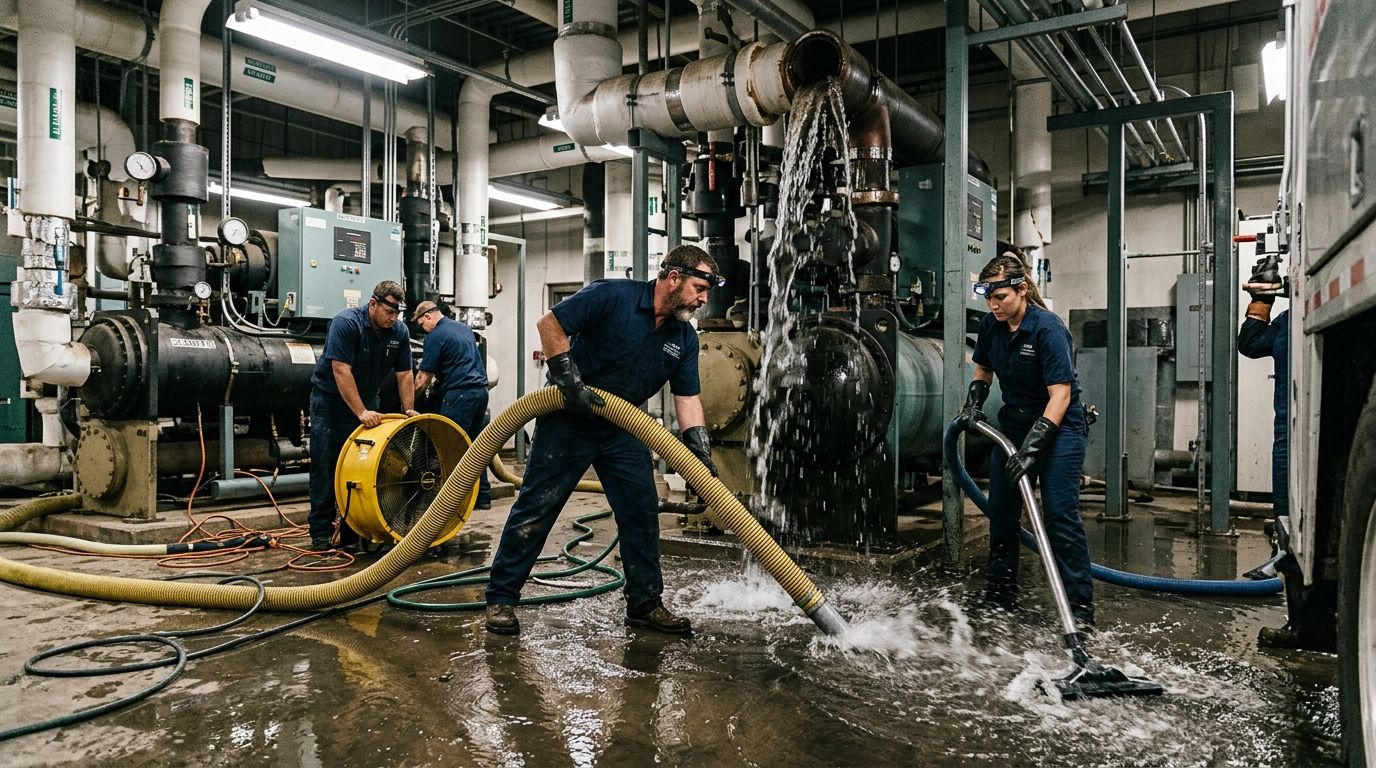
Service Definition & The IICRC Standard of Care
Professional goodyear airport blast chiller glycol flood cleanup is an engineering and environmental discipline adhering strictly to IICRC S500 protocols, not mere surface mopping. When structural plumbing failures strike in Maricopa County, certified emergency water extraction and thermal structural drying procedures must be deployed immediately. Whether triggered by high-pressure burst pipe emergencies, subfloor leaks, or commercial line ruptures, bound moisture rapidly penetrates concrete subfloors and wall framing. In the desert heat, delays trigger microbial proliferation requiring rapid mold remediation. Request damage assessment through our emergency assessment portal or request 30-minute dispatch across all Valley service areas.
Securing electrical feeds, inspecting load-bearing assemblies, and containing pathogens.
Stopping the intrusion source and erecting 6-mil plastic isolation containment airlocks.
31-HP truck-mount extraction, removing gallons exponentially faster than evaporation.
LGR dehumidifiers and HEPA air scrubbers driving grains per pound below 25 GPP.
Calibrated electronic pinless testing confirming baseline dry standards.
The Complete 6-Stage Restoration Roadmap
Our IICRC-certified crews execute a disciplined, scientific 6-stage protocol to stabilize and dry structural components:
Emergency Dispatch & Perimeter Isolation
30 to 60 minute arrival. Securing electrical shutoffs, evaluating structural loads, and erecting containment airlocks.
FLIR® Thermal Mapping & Baseline Scans
Infrared thermal scans detect trapped moisture behind walls and beneath concrete without invasive exploratory demolition.
High-Volume Bulk Extraction
31-HP truck-mount extraction units pump standing water away at hundreds of gallons per minute.
Controlled Selective Demolition
Precision flood cuts 12 to 24 inches above moisture lines, removing wet insulation and opening wall framing to dry airflow.
Thermodynamic Dehumidification
Industrial Low-Grain Refrigerant dehumidifiers pull deep trapped moisture from dense framing lumber and concrete slabs.
Antimicrobial Sanitization & Verification
EPA-registered botanical application (Benefect Decon 30) and calibrated moisture testing to issue an official dry certificate.
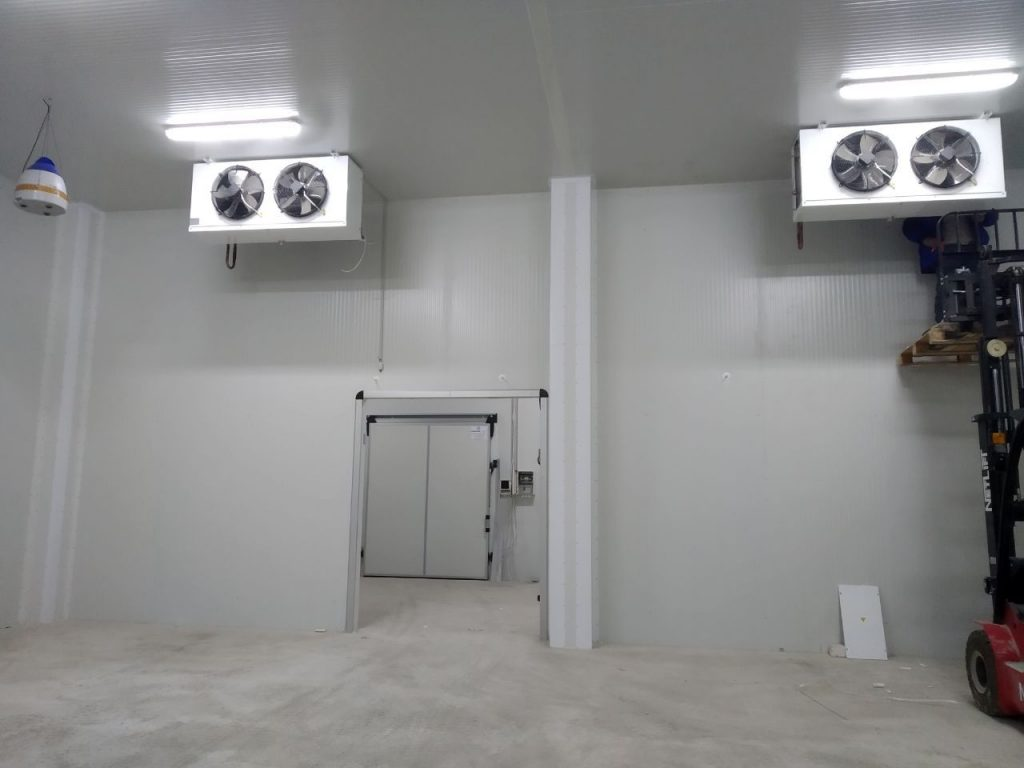
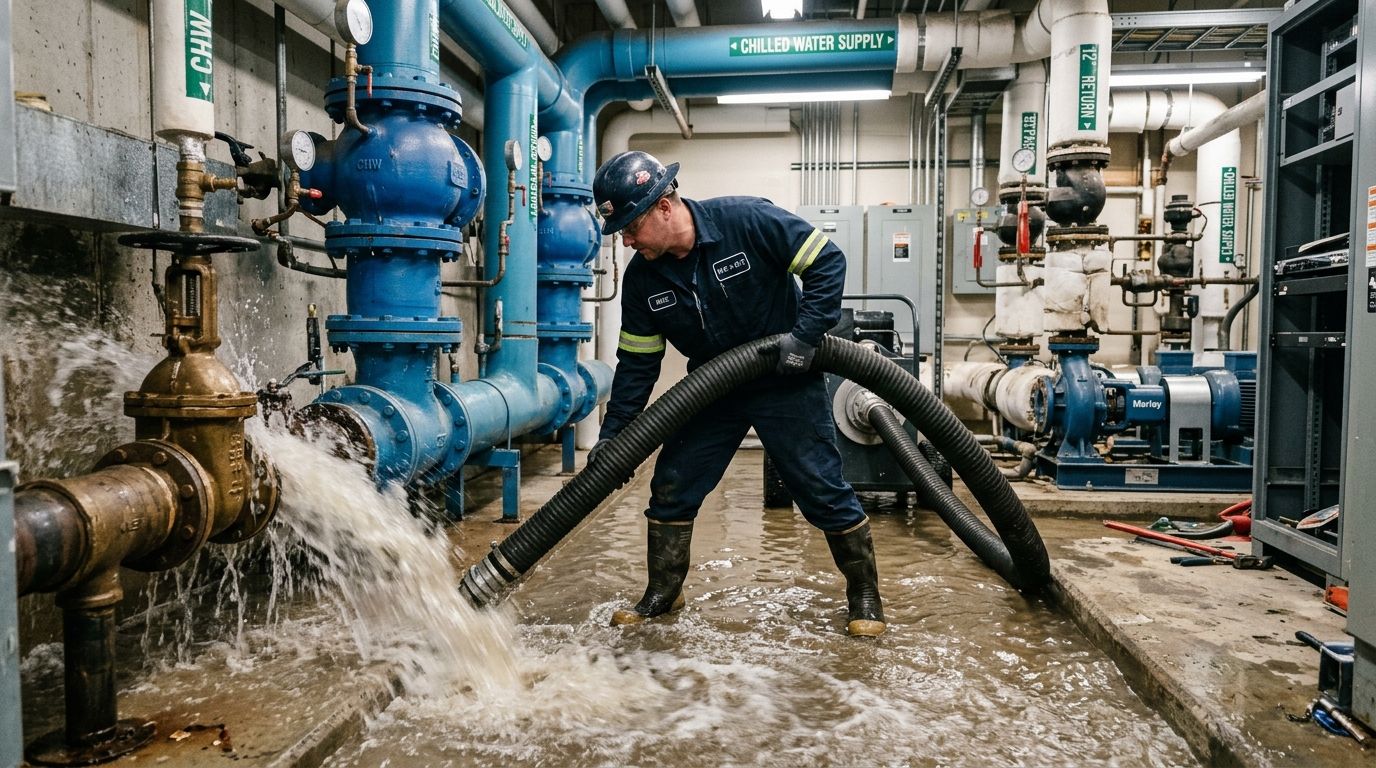
Specialized Equipment & Industrial Restoration Technology
Mitigating severe property damage requires industrial-grade technology capable of altering thermodynamic psychrometrics:
Truck-Mounted Extraction Rigs
31-HP engines producing 16+ inches Hg vacuum suction to evacuate bulk water rapidly into holding tanks.
Low-Grain Refrigerant Dryers
Pre-cooling heat-pipe systems driving ambient grains per pound below 25 GPP to draw deep trapped water out of framing.
HEPA Negative-Air Scrubbers
Hospital-grade 99.97% particulate filtration capturing microscopic fungal spores, soot, and biohazard aerosols.
FLIR® Thermal Scanners & Probes
Infrared thermography detecting evaporative cooling boundaries behind walls, combined with digital RF pinless scanners.


Professional Restoration vs. DIY Mitigation
Attempting DIY cleanup during a property disaster creates severe hidden liabilities:
- Trapped Moisture: Surface drywall dries while moisture inside cavities triggers hidden mold blooms.
- Pathogenic Risks: Category 2 & 3 water contains bio-contaminants standard cleaners fail to kill.
- Insurance Denial: Insurers require daily psychrometric logs; lack of data causes claim disputes.
Transparent Upfront Itemized Pricing
Valley Restoration Pros operates with complete transparency:
- Free On-Site Assessment: Complete physical inspection before work begins.
- Upfront Itemized Estimates: Detailed line items calculated via industry-standard Xactimate.
- Zero Surprise Billing: No hidden charges or unauthorized repairs.
Certified goodyear airport blast chiller glycol flood cleanup Field Documentation
Every response performed by Valley Restoration Pros is documented through photographic and thermographic records:
Comprehensive goodyear airport blast chiller glycol flood cleanup Technical Manual & Operational Standards
Exhaustive engineering protocols, psychrometric calculations, geological multipliers, and step-by-step restoration standards for Maricopa County properties:
Executive Emergency Abstract: Commercial Blast Chiller Glycol Flood Remediation at Goodyear Airport Industrial Park
The Goodyear Airport Industrial Corridor, strategically positioned along South Bullard Avenue and the historic Maricopa County Highway 85 (MC 85) logistics belt, represents one of the Southwest United States premier concentrations of refrigerated food manufacturing, automated cold-chain logistics, commercial bakery operations, and pharmaceutical cold storage facilities. Within these high-throughput production plants, continuous spiral blast chillers and cryogenic blast freezers operate around the clock, dropping food product core temperatures from 160°F cooking thresholds down to sub-zero storage parameters (-20°F to -40°F) in minutes. To achieve these extreme thermodynamic transfers safely without exposing internal food production spaces to toxic ammonia refrigerants, modern facilities utilize secondary closed-loop cooling circuits circulating thousands of gallons of food-grade propylene glycol (USP-grade monopropylene glycol blended with corrosion-inhibiting phosphate buffers) pressurized between 45 and 70 PSI.
When an industrial secondary glycol loop experiences catastrophic hydraulic failure—whether triggered by cryogenic thermal shock during aggressive defrost cycles, mechanical stress fracture along header manifold flanges, or vibration-induced pipe fatigue—the consequences are immediate and disastrous. Thousands of gallons of viscous, hygroscopic glycol-water emulsion discharge across impervious epoxy screed floors, inundate stainless steel production drainage channels, and cascade into subterranean utility trenches. Unlike clean municipal water floods, propylene glycol exhibits a dense, oily molecular consistency that resists conventional drainage, aggressively absorbs atmospheric moisture, breaks down subfloor expansion joint elastomeric sealants, and permeates concrete structural micro-fissures. If fluid migrates past sub-freezer vapor barriers into underlying sub-slab insulation boards, the continuous sub-zero temperatures above cause rapid moisture freezing, triggering violent sub-slab frost heave that can permanently fracture 8-inch reinforced concrete structural foundations.
Valley Restoration Pros maintains a 24/7 dedicated commercial restoration division engineered specifically for high-capacity industrial food processing emergencies. Deploying from strategic West Valley deployment centers, our HAZWOPER-certified technicians arrive on site within 30 minutes equipped with explosion-proof chemical fluid extraction pumps, food-safe containment bladders, industrial desiccant dehumidification trailers, and non-destructive thermal imaging diagnostic arrays. We execute precision chemical evacuation, sub-slab psychrometric stabilization, and antimicrobial decontamination strictly conforming to IICRC S500 standards and FDA Food Safety Modernization Act (FSMA) sanitary mandates. Plant managers, facility engineers, and cold-storage directors facing an active refrigeration breach can reach our direct dispatch line at (602) 847-9593 or trigger rapid deployment via our 24/7 commercial emergency dispatch portal.
Critical Cold-Chain Containment Objectives: First 45 Minutes on Site
- Pressure Isolation & Loop Lockout: Assist plant engineering teams in verifying complete mechanical isolation of the ruptured secondary glycol loop, shutting isolation gate valves, disabling secondary circulation pumps, and depressurizing the header to halt active fluid discharge.
- Trench Berming & Municipal Sewer Protection: Deploy heavy chemical-resistant polyurethane containment dikes around production area floor drains and exterior storm catchments to prevent high-BOD glycol effluent from entering the City of Goodyear municipal sewer network without authorized discharge permits.
- Sub-Zero Air Boundary Containment: Seal blast chiller chamber access doors and interlock loading vestibules using heavy 6-mil poly containment barriers, preventing rapid warm, humid desert air ingress that causes catastrophic ceiling condensation and ice formation.
- Continuous High-Volume Fluid Extraction: Deploy industrial vacuum pumps and pneumatic diaphragm extractors via dedicated emergency water extraction units to remove free-standing glycol solutions before liquids can penetrate sub-freezer expansion seams.
Anatomy of Industrial Blast Chiller Failures, Cryogenic Stress & Secondary Glycol Loop Ruptures
Modern commercial food manufacturing facilities throughout the Goodyear Airport Industrial Park utilize continuous spiral blast chillers, impingement freezers, and plate freezing tunnels to process poultry, bakery goods, prepared consumer meals, and fresh produce. Unlike conventional commercial comfort cooling systems operating at chilled water temperatures of 42°F to 45°F, blast freezing circuits demand secondary cooling mediums capable of remaining fluid at temperatures as low as -35°F (-37°C). To satisfy this operational requirement, closed-loop refrigeration systems utilize inhibited industrial propylene glycol aqueous solutions (typically 35% to 50% concentration by volume).
These high-volume cooling networks operate under severe thermodynamic, hydraulic, and mechanical stresses. Heavy industrial chillers located in central mechanical rooms pump chilled glycol through overhead insulated supply lines into roof-mounted blast evaporator coils or modular spiral freezer cages. The structural breakdown of these secondary piping networks typically stems from three primary engineering failure mechanisms:
Thermal Shock & Cyclic Defrost Fatigue
Blast freezer evaporator coils accumulate dense frost that must be cleared via automated hot gas or electric defrost cycles every 4 to 8 hours. The rapid shift from -30°F operating conditions to +65°F defrost temperatures causes severe thermal expansion and contraction cycles across copper tube sheets, brazed U-bends, and header welds. Over time, metal fatigue leads to micro-fissuring, resulting in a sudden high-pressure header blowout requiring urgent burst pipe repair protocols.
Water Hammer & Hydraulic Valve Shock
High-volume secondary glycol circulation pumps move fluid at velocities exceeding 8 to 10 feet per second. When automated solenoid modulating valves or two-position zone isolation valves snap closed rapidly, kinetic energy generates extreme hydraulic pressure spikes (water hammer) exceeding 250 PSI. These shockwaves shatter brittle cast iron valve bodies, blow out elastomeric flanged gaskets, or sever threaded schedule 40 nipples, releasing thousands of gallons of fluid in minutes.
Inhibitor Degradation & Acidic Corrosion
Propylene glycol naturally degrades over time in the presence of dissolved oxygen and elevated operating temperatures, oxidizing into organic acids including lactic acid, glycolic acid, and formic acid. If chemical corrosion inhibitors are not rigorously maintained, the fluid pH plunges from an alkaline 9.5 down to an acidic 5.0, aggressively leaching copper from evaporator coils and creating pinhole perforations that trigger widespread commercial water damage restoration emergencies.
When 3,000 to 6,000 gallons of pressurized propylene glycol release at floor level, the physical behavior of the fluid creates immediate structural and operational crises. Propylene glycol has a specific gravity of approximately 1.04 to 1.06 and a kinematic viscosity significantly higher than pure water. This high viscosity causes the chemical to form thick, persistent surface films across processing floors, preventing standard gravity floor drains from operating at designed flow rates.
Furthermore, glycol is extraordinarily hygroscopic. Even as cleanup efforts commence, standing glycol actively draws water vapor out of the facility atmosphere, increasing the overall liquid volume and diluting chemical concentrations. The resulting emulsion flows across insulated metal panel (IMP) base channels, penetrates underneath conveyor support footings, and pools in subterranean maintenance chases where it threatens electrical busways and processing controls.
Sub-Slab Frost Heave, Concrete Thermal Shock & Subfloor Structural Fracture Mechanics
In commercial blast freezers and sub-zero storage vaults at the Goodyear Airport Industrial Park, concrete foundation slabs are engineered under strict cryogenic building specifications. A typical industrial blast freezer floor assembly comprises an 8-inch heavily reinforced structural wear slab, a continuous 15-mil vapor barrier, 6 to 10 inches of high-density extruded polystyrene (XPS) rigid board insulation, a secondary slip sheet, and an under-floor sub-slab warming system (consisting of either low-wattage electric heat-trace cables or warm secondary glycol fluid loops embedded in an uninsulated mud slab). This under-floor heating system is mandatory: without it, sub-zero temperatures from the freezer room migrate downward through the soil, freezing subgrade ground moisture and forming expansive ice lenses.
When a secondary glycol chiller pipe bursts inside or immediately adjacent to a blast freezer, the integrity of this delicate thermal equilibrium is catastrophically undermined. Three destructive physical mechanisms occur in rapid succession:
1. Cryogenic Concrete Thermal Shock & Joint Sealant Delamination
In operating food processing facilities, warm ambient washdown water or processing runoff suddenly coming into contact with super-chilled glycol solutions creates intense localized thermal gradients across the concrete slab. As the slab experiences differential thermal contraction, internal shear stresses exceed the tensile strength of the concrete (typically 400 to 500 PSI in industrial slabs), initiating micro-cracking along contraction joints. The chemical solvent action of propylene glycol rapidly dissolves polyurethane and polyurea joint fillers, opening direct pathways for fluid migration into sub-slab cavities requiring specialized subfloor water damage repair and diagnostic interventions.
2. Inundation of Sub-Slab Insulation & Thermal Short-Circuiting
Once fluid penetrates joint seals, thousands of gallons of glycol-water slurry flood the staggered joints of the extruded polystyrene insulation boards. Although XPS insulation exhibits closed-cell resistance to liquid absorption, the fluid fills board seams, voids, and perimeter expansion gaps. This displaces air pockets and creates a dense conductive liquid bridge, destroying the effective R-value of the thermal insulation envelope (reducing thermal resistance from R-40 down to less than R-10). The sub-zero operating cold immediately bridges directly into the subgrade soil.
3. Catastrophic Subgrade Ice Lens Formation & Frost Heave Slab Displacement
If the floodwater dilutes the glycol concentration in the subfloor space below 25%, the solution freezing point rises dramatically (pure water freezes at 32°F; 20% glycol freezes at 18°F). With the blast freezer continuing to hold -30°F, trapped subfloor fluid freezes into massive underground ice lenses. As water transitions from liquid to crystalline solid, it expands by approximately 9% by volume, generating immense upward hydraulic pressures exceeding 15,000 pounds per square foot. This upward force shears concrete rebar, heaves the structural slab upward by 2 to 6 inches, dislodges automated conveyor rack uprights, and cracks perimeter tilt-up wall panels. Addressing this catastrophic displacement requires forensic moisture extraction and precision concrete slab leak restoration engineering.
Phoenix West Valley Environmental Multipliers: 18 GPG Hard Water, Caliche Clay Heave & 115°F Thermal Loads
Industrial facilities located within the Goodyear Airport Industrial Park and the broader Southwest Valley corridor (encompassing Goodyear, Avondale, Buckeye, and Litchfield Park) operate in an aggressive desert environment that intensifies both mechanical equipment failure rates and structural flood damage severity. Three localized environmental factors directly govern industrial restoration outcomes across this corridor:
18 to 22 GPG Municipal Water Hardness
Municipal water supplies sourced from the West Valley groundwater basins and the Central Arizona Project (CAP) contain extreme dissolved mineral concentrations ranging from 300 to 420 parts per million (PPM), equivalent to 18 to 22 grains per gallon (GPG) of hardness. Calcium carbonate and magnesium silicate precipitate out during system make-up cycles, forming rock-hard crystalline scale inside chiller heat exchangers, piping manifolds, and boiler jackets. This scale layer insulates heat transfer surfaces, creates severe localized thermal stress, and accelerates galvanic corrosion beneath deposits, leading to sudden pipe wall perforation.
Expansive Sonoran Caliche Clay Subgrades
The geological strata underlying the Goodyear Airport and the lower Gila River alluvial plain feature dense, calcium-cemented caliche hardpan interbedded with highly expansive montmorillonite clays. In their natural arid state, these subsoils remain desiccated and rigid. However, when hundreds of thousands of gallons of glycol-water flood effluent penetrate unsealed slab joints or subgrade conduit chases, the clay minerals absorb water aggressively, exhibiting volumetric swell potentials of 8% to 14%. This soil heave exerts massive differential pressures against structural column footings and dock aprons.
115°F Summer Heat & Massive Vapor Drive
During Sonoran Desert summers, ambient temperatures consistently exceed 115°F (46°C), with unshaded industrial metal roofs exceeding 160°F. When an industrial blast freezer operates at -30°F directly adjacent to loading docks and warehouse bays exposed to desert heat, the temperature differential across the building envelope reaches an astounding 145°F (ΔT 80°C). This extreme differential drives immense vapor pressure (exceeding 1.2 PSI) inward through building joints, accelerating moisture migration toward cold surfaces and supercharging condensation when cooling pipes rupture.
Compounding these environmental stresses, the annual North American Monsoon season (July through September) brings sudden, high-intensity convective thunderstorms delivering 1 to 2 inches of torrential rain within 45 minutes. Industrial parks near the Goodyear Airport experience rapid stormwater accumulation across vast roof structures and impervious concrete truck aprons. When outdoor storm catchments become hydraulically surcharged, stormwater backs up through industrial floor drains, mingling with internal chemical leaks and creating complex multi-source disasters documented in our Goodyear Airport warehouse dewatering project archives.
Emergency First-Hour Response Protocol: Cold-Chain Preservation & Industrial Site Isolation
When an industrial blast chiller glycol loop ruptures, the first sixty minutes determine whether an incident remains an isolated mechanical repair or spirals into a multi-million-dollar loss involving widespread food inventory condemnation, sub-slab foundation destruction, and extended facility shutdown. Plant operations teams and facility directors must execute a disciplined, staged emergency isolation protocol immediately upon breach detection:
During the initial containment phase, personnel safety remains paramount. Propylene glycol has a very low coefficient of friction on polished concrete and urethane screed surfaces, creating severe slip-and-fall hazards. All personnel entering the affected perimeter must be outfitted with chemical-resistant footwear featuring high-traction oil-resistant outsoles, full-body splash protection, and nitrile gloves to prevent dermal chemical absorption.
Advanced Industrial Equipment Deployment & High-Capacity Food-Grade Extraction Fleet
Remediating high-volume industrial glycol floods within commercial food processing and cold-chain facilities requires specialized equipment far beyond conventional water damage extraction tools. Standard portable extractors and commercial wet vacuums lack the chemical resistance, continuous pumping capacity, and sanitary certification necessary to operate in USDA-regulated environments. Valley Restoration Pros mobilizes a heavy industrial fleet engineered specifically for commercial refrigeration failures:
Pneumatic Double-Diaphragm Pumps
Air-driven, explosion-proof double-diaphragm pumps (AODD) featuring PTFE (Teflon) diaphragms and 316 stainless steel housings. Powered by external clean-air compressors, these pumps operate safely in volatile or washdown environments, pumping viscous, particulate-laden glycol solutions at rates exceeding 150 gallons per minute without mechanical shearing or motor overheating.
Trailer-Mounted Vacuum Extraction Systems
High-volume positive displacement liquid ring vacuum extraction units generating up to 1,200 CFM of airflow at 16 inches of mercury vacuum. Capable of lifting dense glycol slurries through 4-inch heavy-duty hoses over distances exceeding 300 feet, these units pull pooled liquids directly from subterranean conveyance chases and deep drainage sumps into dedicated holding tanks.
Sanitary Ride-On Auto-Scrubbers
Industrial ride-on floor scrubbers equipped with non-marking chemical-resistant urethane squeegees, cylindrical scrubbing decks, and continuous fluid recovery tanks. These machines apply heated enzymatic neutralizers while simultaneously vacuuming slurry residues, scrubbing textured food-grade resin floors without scratching antimicrobial protective coatings.
Sub-Zero Desiccant Dehumidification Trailers
Trailer-mounted active silica-gel rotor desiccant dehumidifiers producing 3,000 to 9,000 CFM of ultra-dry processing air at moisture levels below 10 grains per pound (GPP). Unlike refrigerant dehumidifiers that freeze into solid blocks below 45°F, our desiccant arrays operate efficiently at sub-zero temperatures, providing continuous deep-drying energy throughout complex commercial chiller pipe flood restoration projects.
To verify subsurface moisture intrusion and track liquid migration beneath insulated concrete floors, our technical teams deploy high-resolution FLIR T1020 HD thermal imaging cameras, Tramex Dec Scanner continuous impedance moisture meters, and calibrated deep-wall Delmhorst resistance probes. This non-destructive diagnostic arsenal enables real-time mapping of sub-slab glycol migration without breaching the sanitary integrity of the food processing envelope.
Multi-Phase Glycol Decontamination Protocol: Bulk Recovery, Emulsion Neutralization & Descaling
Cleaning up an industrial propylene glycol release requires an exhaustive, four-phase chemical decontamination and restoration methodology. Because propylene glycol is a viscous polyol with strong solvent properties, simple surface mopping or vacuuming leaves an oily microscopic residue that compromises floor traction, degrades subsequent epoxy coatings, and serves as an organic carbon food source for opportunistic bacterial and fungal growth. Our four-phase protocol guarantees complete molecular eradication:
Phase 1: High-Volume Bulk Chemical Extraction & Secondary Containment
Technicians deploy heavy vacuum extraction lines and submersible chemical transfer pumps to remove standing pools of glycol-water solution. Free-standing liquid is pumped into temporary on-site polyethylene storage tanks or certified vacuum tankers for chemical testing, recovery, or manifest-tracked industrial disposal. Sump pits, trench drains, and sub-floor utility channels are evacuated to their lowest suction thresholds to eliminate continuous hydrostatic head pressure against concrete seams.
Phase 2: Alkaline Emulsion Scrubbing & Mineral Scale Descaling
To break down stubborn, dried glycol films and bind with high-calcium mineral scale deposited by Goodyear 18 GPG municipal water, we apply warm (140°F to 160°F) specialized alkaline surfactant and chelating solutions. Industrial rotary scrubbers agitate the cleaning agents across the floor surface, emulsifying viscous polyol chains and dissolving mineral encrustations. The emulsified slurry is immediately extracted using high-efficiency vacuum recovery systems, preventing slurry re-deposition across cleanroom perimeters.
Phase 3: High-Pressure Hot-Water Hydro-Rinsing & Trench Scouring
Stainless steel drainage trenches, conveyor bed frames, blast freezer floor-to-wall coves, and sub-floor chases receive comprehensive 200°F low-volume, high-pressure hot-water washdowns. Customized zero-degree rotating turbo nozzles strip adhered contaminants from under-equipment crevices and expansion joints. Where biological degradation or sewer backflows mingle with chemical spills, our certified teams integrate rigorous industrial chemical and biohazard decontamination procedures.
Phase 4: EPA-Registered Antimicrobial Sanitization & Bio-Barrier Application
The final decontamination phase involves the application of EPA-registered, USDA-accepted broad-spectrum peracetic acid and quaternary ammonium sanitizing compounds. These biocides neutralize lingering microbial spores, combat psychrotrophic bacteria (such as Listeria monocytogenes) that thrive in cold-moisture environments, and prepare the facility for rigorous quality assurance environmental swabbing, seamlessly coordinated with our commercial mold remediation standards.
Specialized Psychrometric Sub-Zero Drying Dynamics & Desiccant Dehumidification
Drying a commercial food processing plant or blast chiller room presents severe thermodynamic complexities fundamentally different from standard commercial structural drying. In typical office or residential environments, low-grain refrigerant (LGR) dehumidifiers condense airborne moisture against chilled evaporator coils. However, when the ambient room temperature drops below 50°F (and particularly in operating cold rooms at 0°F to 35°F), the moisture on an LGR coil instantly freezes into thick ice, completely stalling the dehumidification process.
To achieve effective structural drying in low-temperature food production environments, Valley Restoration Pros deploys advanced industrial desiccant dehumidification systems. Desiccant technology utilizes a continuously rotating honeycombed wheel impregnated with active silica gel or synthetic aluminosilicate zeolites. Atmospheric moisture is absorbed directly from process air via chemical vapor pressure differential, without requiring condensation or liquid phase change.
Thermodynamic Performance Parameters of Desiccant Arrays in Cold Environments
| Parameter | Standard LGR Dehumidifier | Industrial Desiccant System |
|---|---|---|
| Minimum Operating Temp | 45°F (Coil Freezes Solid Below) | -20°F (Full Psychrometric Function) |
| Process Air Grain Depression | 15 to 25 GPP Delta | 45 to 70 GPP Delta |
| Lowest Attainable Humidity | 30% Relative Humidity | < 5% Relative Humidity (< 10 GPP) |
| Vapor Pressure Gradient | Weak in Cold Environments | Massive Sub-Zero Evaporative Drive |
By introducing massive volumes of ultra-dry processing air into sealed blast chambers, we establish an extreme vapor pressure gradient between moisture trapped deep inside concrete slab capillaries and the bone-dry ambient atmosphere, accelerating molecular evaporation under comprehensive structural drying standards.
Concrete Sub-Slab Frost Heave Remediation & Subfloor Structural Stabilization
When subfloor ice lenses form beneath a flooded blast freezer or cold storage chamber, attempting to rapidly thaw the frozen ground with uncontrolled direct heat creates catastrophic soil settlement and structural slab collapse. As dense ice lenses melt rapidly into liquid water, the volume of supporting soil diminishes by 9%, leaving massive underground subterranean voids. If the structural wear slab is loaded with heavy automated spiral machinery, pallet racks, or forklift traffic, the unsupported slab will crack and shear under its own weight.
Valley Restoration Pros employs a highly calibrated, controlled thermal restoration methodology developed specifically for cryogenic commercial foundations:
1. Calibrated Thermal Gradual Thawing Control
Using calibrated variable-wattage electric heat-trace controllers or low-temperature warm fluid loops, we elevate sub-slab ground temperatures at a strictly governed rate not exceeding 0.75°F to 1.0°F per 24-hour cycle. This controlled elevation allows melted ground moisture to be pulled away through deep vacuum extraction relief ports before hydraulic saturation undermines the caliche subgrade.
2. High-Density Structural Polyurethane Void Grouting
As sub-slab ice lenses thaw and moisture is extracted, technicians drill 5/8-inch precision injection ports through the concrete wear slab. We inject high-density, closed-cell structural hydro-insensitive polyurethane foam directly into the voids beneath the insulation layer. The polyurethane expands with a force exceeding 7,200 pounds per square foot, compacting the thawed subgrade, sealing residual moisture pathways, and restoring continuous 100% load-bearing contact beneath the foundation.
3. Thermal Stress Crack Injection & Food-Safe Joint Reconstruction
Structural cracks resulting from thermal shock or frost heave are mechanically chased using HEPA-shrouded diamond saws and vacuum-injected with high-modulus, moisture-tolerant epoxy resins rated for continuous sub-zero operating performance. Floor expansion joints are reconstructed using USDA-compliant polyurea elastomeric fillers capable of 250% elongation at -30°F, restoring seamless sanitary protection across the facility footprint.
Engineering Comparative Matrix: Secondary Glycol Loop Breaches vs Ammonia & Comfort Chiller Floods
Commercial and industrial facilities utilize various fluid cooling technologies depending on operational scale, regulatory requirements, and temperature targets. Understanding the distinct operational and hazard profiles between secondary propylene glycol refrigeration systems, industrial anhydrous ammonia (R-717) direct-expansion plants, and commercial hydronic chilled water HVAC systems is essential for plant engineers executing disaster contingency planning:
While ammonia releases demand massive air evacuation and chemical hazmat neutralizers, glycol floods require deep physical extraction, prolonged desiccant drying, and extensive structural joint sealing. Valley Restoration Pros coordinates seamlessly across all industrial refrigeration disciplines, ensuring complete mechanical and structural containment.
FDA Food Safety Modernization Act (FSMA) & USDA Sanitary Clearance Verification
For commercial food manufacturers, bakeries, and cold-chain distributors operating in the Goodyear Airport Industrial Park, returning a flooded blast chiller room to service is not merely a structural or mechanical milestone—it is a rigorous regulatory compliance challenge. Under the FDA Food Safety Modernization Act (FSMA) 21 CFR Part 117 (Current Good Manufacturing Practice, Hazard Analysis, and Risk-Based Preventive Controls for Human Food) and USDA Food Safety and Inspection Service (FSIS) regulations, plant operators cannot resume food packaging or processing until the entire production envelope has been certified chemically and biologically sanitary.
Valley Restoration Pros partners with facility Quality Assurance (QA) directors, Hazard Analysis Critical Control Point (HACCP) coordinators, and third-party food safety auditors (such as SQF, BRCGS, and AIB International) to execute an exhaustive verification protocol:
1. Real-Time Adenosine Triphosphate (ATP) Bioluminescence Swabbing
Following enzymatic scrubbing and hot-water sanitization, our certified technicians execute systematic ATP swab testing across all direct food-contact surfaces (conveyor belts, spiral freezer tiers, product alignment rails) and adjacent non-contact areas (floor coves, drain baskets, IMP wall surfaces). Readings are quantified via luminometer in Relative Light Units (RLU). While standard industrial food plants permit up to 30 RLU, our restoration clearance protocol mandates strict thresholds below 10 RLU before certifying a zone ready for production sanitization.
2. Psychrotrophic Microbial Environmental Surveillance
Standing cold-water emulsions create ideal microclimates for cold-tolerant psychrotrophic bacterial pathogens, specifically Listeria monocytogenes and Pseudomonas fluorescens. We conduct rapid PCR microbial environmental monitoring swabs targeting floor-wall junctions, refrigeration evaporator fins, and drain sumps. Results are processed through accredited environmental laboratories, delivering certified negative pathogen certificates essential for regulatory file completion.
3. Formal Certificate of Sanitary Decontamination & Audit Packet
Upon project completion, Valley Restoration Pros issues a comprehensive Certificate of Sanitary Decontamination. This formal audit packet includes the chemical SDS registry of all cleaning and biocidal agents utilized, luminometer ATP calibration records, laboratory environmental culture reports, thermal imaging moisture maps, and psychrometric dry-standard logs. This exhaustive documentation enables facility management to withstand rigorous FDA and USDA regulatory scrutiny without production delays.
Pay-Per-Call Financial Transparency & Commercial Insurance Claims Documentation
Major mechanical failures in commercial refrigeration systems trigger complex property damage and business interruption insurance claims. In industrial cold-chain facilities, losses quickly encompass emergency chemical extraction, subfloor structural repairs, ruined perishable inventory, secondary glycol replacement costs, and lost production revenue. Valley Restoration Pros upholds strict commercial transparency, operating as an objective restoration partner dedicated to accurate forensic documentation without making direct billing promises:
Free Comprehensive On-Site Damage Assessment
Our commercial technical directors deploy to your Goodyear facility to conduct an immediate, non-invasive forensic inspection. Utilizing FLIR thermal cameras, concrete dielectric moisture sensors, and optical refractometers, we delineate the exact boundaries of chemical migration and structural slab impact at zero preliminary expense.
Transparent Upfront Itemized Pricing Before Work Begins
Every phase of work is scoped and priced using standardized commercial industrial price codes (Xactimate industrial mechanical restoration pricing). Facility directors receive clear, itemized scopes covering fluid extraction, chemical neutralization, desiccant dehumidification, and sub-slab stabilization prior to work authorization.
Assistance with Detailed Claims Documentation & Psychrometric Moisture Logs
We supply commercial adjusters, forensic engineers, and forensic accountants with complete evidentiary packages. Daily atmospheric readings (GPP, dry-bulb, relative humidity), moisture mapping grids, thermal thermograms, equipment run-time verification, and certified waste disposal manifests are assembled for rapid claim adjustment.
To forecast projected restoration budgets and understand regional pricing models for commercial mechanical flooding, industrial plant operators can utilize our digital instant commercial cost estimator for comprehensive budgetary insight.
Hyper-Local Industrial Case Study: South Bullard Avenue & MC 85 Food Processing Complex
The operational stakes of commercial blast chiller failures are vividly demonstrated in an emergency response executed at a 140,000-square-foot commercial bakery and frozen dough manufacturing plant located near South Bullard Avenue and West MC 85, directly east of the Phoenix Goodyear Airport (GYR) runway complex:
Project Profile: 4,200-Gallon Propylene Glycol Spiral Blast Chiller Rupture
Completed in 76 Hours | Zero Food CondemnationIncident Breakdown & Timeline of Response:
At 2:15 AM on a Tuesday morning during high-volume production, an automatic 4-inch butterfly valve on the secondary glycol feed line to the main spiral freezer suffered catastrophic flanged gasket shear. Driven by 65 PSI system operating pressure, 4,200 gallons of sub-zero propylene glycol poured into the spiral freezer enclosure and surged outward across 28,000 square feet of staging floors, packaging cleanrooms, and subterranean maintenance conduits.
Valley Restoration Pros emergency mobilization units arrived on site within 24 minutes of emergency dispatch. Technicians deployed pneumatic diaphragm pumps and high-capacity vacuum extraction trailers, containing the liquid spread before it could reach the plant municipal sewer connection. Within 4 hours, all 4,200 gallons of standing fluid were successfully evacuated into dedicated on-site containment bladders.
To protect the blast freezer 8-inch concrete wear slab against frost heave, technicians deployed two 5,000 CFM industrial desiccant dehumidifiers and activated controlled sub-slab heat tracing, maintaining concrete temperatures at 34°F to prevent under-slab ice lens growth. Following intensive alkaline hot-water scrubbing, peracetic acid sanitization, and luminometer testing yielding spotless 4 RLU readings, the plant received full QA clearance and resumed full manufacturing in just 76 hours. Plant managers facing similar refrigeration failures rely on our specialized Goodyear emergency water damage services for immediate containment.
Exhaustive Technical FAQ: Industrial Blast Chiller Glycol Flooding & Sub-Zero Restoration
Food-grade propylene glycol (USP-grade monopropylene glycol) is non-toxic to humans in trace amounts and is FDA-approved as a direct and indirect food additive (GRAS - Generally Recognized As Safe). In contrast, ethylene glycol is highly toxic if ingested and cannot be utilized inside food processing facilities. However, in flood scenarios, both chemicals exhibit extremely high Biochemical Oxygen Demand (BOD) that threatens aquatic life and violates municipal sewer discharge limits. Furthermore, food-grade propylene glycol contains phosphate corrosion inhibitors that leave persistent surface residues, requiring specialized enzymatic alkaline scrubbing to eliminate slip hazards and meet USDA hygiene standards.
Drying subfloors under blast freezers requires a delicate balance of thermal management and deep vapor pressure depression. Rapidly blasting high heat into a frozen slab causes the 9% volume of underground ice lenses to liquefy instantaneously, leaving large voids that induce catastrophic slab settlement and cracking. We utilize controlled heat-trace management to elevate sub-slab ground temperatures at no more than 0.75°F to 1.0°F per day. Concurrently, trailer-mounted industrial desiccant dehumidifiers deliver sub-zero air with moisture ratios below 10 GPP, evaporating subgrade moisture through precision-drilled relief ports while high-density structural polyurethane foam is injected to fill emerging micro-voids.
No. The City of Goodyear Municipal Industrial Wastewater Pretreatment regulations strictly prohibit discharging high-BOD chemicals, concentrated glycols, or industrial cooling solutions into public sanitary sewer lines. Uncontrolled discharge of thousands of gallons of propylene glycol can overwhelm the municipal biological treatment plant by depleting dissolved oxygen levels in aeration basins. All spilled glycol-water solutions must be captured, vacuum-extracted into certified mobile containment tankers, and transported off-site for licensed recycling or industrial treatment under formal manifest tracking.
Refrigerant-based dehumidifiers (including standard LGR units) rely on dropping the temperature of incoming air below its dew point so moisture condenses onto refrigerated cooling coils. In a blast chiller room operating at 0°F to 35°F, condensation freezes into solid ice immediately upon contact with the coil, forcing the machine into perpetual defrost cycles with zero net moisture removal. Industrial desiccant dehumidifiers operate without refrigeration coils; instead, they pass air through an active silica gel wheel that adsorbs water vapor directly at temperatures down to -20°F, creating extreme evaporative gradients in sub-zero environments.
We implement a three-tier scientific clearance protocol. First, we perform systematic ATP bioluminescence swabbing with calibrated luminometers across stainless steel conveyor surfaces, equipment frames, and floor-wall joints, requiring readings below 10 RLU. Second, we collect rapid PCR microbiological surface swabs analyzed by independent laboratories to verify the total absence of Listeria monocytogenes, Salmonella, and Pseudomonas. Third, we deliver a formal Certificate of Sanitary Decontamination that provides QA managers and third-party food auditors with complete regulatory compliance documentation.
Most comprehensive commercial property and industrial boiler/machinery insurance policies cover sudden and accidental mechanical breakdowns, including pipe bursts, secondary glycol fluid replacement, structural slab drying, and emergency decontamination. Additional endorsements—such as Spoilage Coverage, Utility Service Interruption, and Business Interruption (BI)—cover contaminated inventory and lost operational revenue. Valley Restoration Pros compiles itemized Xactimate estimates, daily psychrometric logs, and photographic evidence to support your commercial claims adjuster throughout the filing process.
The expansive montmorillonite clay interbedded with caliche in the Goodyear Airport basin begins absorbing moisture within 6 to 12 hours of exposure. As fluid penetrates unsealed joints and saturates the sub-base, soil swelling initiates rapidly, reaching up to 8% to 14% volumetric expansion within 48 to 72 hours. This immense expansion exerts vertical pressures capable of displacing heavy warehouse columns and cracking monolithic concrete floor slabs, emphasizing the necessity of immediate high-volume vacuum extraction within the first hour of failure.
Goodyear & West Valley Industrial Corridor Fast Response Matrix & Preventative Standards
When an industrial refrigeration failure threatens cold-chain integrity, response velocity is the single most critical factor in mitigating structural and financial losses. Valley Restoration Pros operates strategic industrial mobile response units stationed throughout the Southwest Valley, guaranteeing rapid mobilization across all major manufacturing hubs:
To prevent unexpected catastrophic failures, facility directors should implement regular preventative maintenance protocols: conduct semi-annual ultrasonic wall thickness testing on secondary cooling loop headers, monitor glycol inhibitor concentration and reserve alkalinity monthly, inspect sub-slab heat-trace sensor telemetry quarterly, and reseal all concrete floor expansion seams annually. Discover our full operational coverage across our West Valley regional service areas.
Immediate Industrial Emergency Response at Goodyear Airport Industrial Park
When a blast chiller refrigeration pipe bursts, glycol floods production floors, or sub-slab frost heave threatens your facility foundation in Goodyear, immediate intervention is vital. Contact Valley Restoration Pros for 24/7 industrial chemical fluid extraction, sub-zero desiccant drying, and FDA/USDA sanitary decontamination.
Verified Local Area Dispatch: Goodyear, AZ
Official Geo-Coordinates: 33.4353° N, -112.3582° W • Maricopa County
Related Specialized Emergency Restoration Services
Explore specialized rapid-response mitigation protocols across Greater Phoenix and Maricopa County:
Valley-Wide Emergency Response Service Coverage
Our mobile restoration fleet is dispatched across the entire Phoenix metropolitan region, providing rapid 30 to 60 minute emergency response: