

Valley Restoration Pros delivers 24/7 industrial emergency water extraction, thermal psychrometric drying, and structural mitigation across Phoenix and Maricopa County with guaranteed 30–60 minute rapid arrival. All protocols strictly adhere to IICRC S500 standards, featuring upfront itemized pricing and free on-site thermal moisture assessments. Call dispatch directly at (602) 847-9593.
Why Immediate Mitigation Is Critical in Phoenix Heat
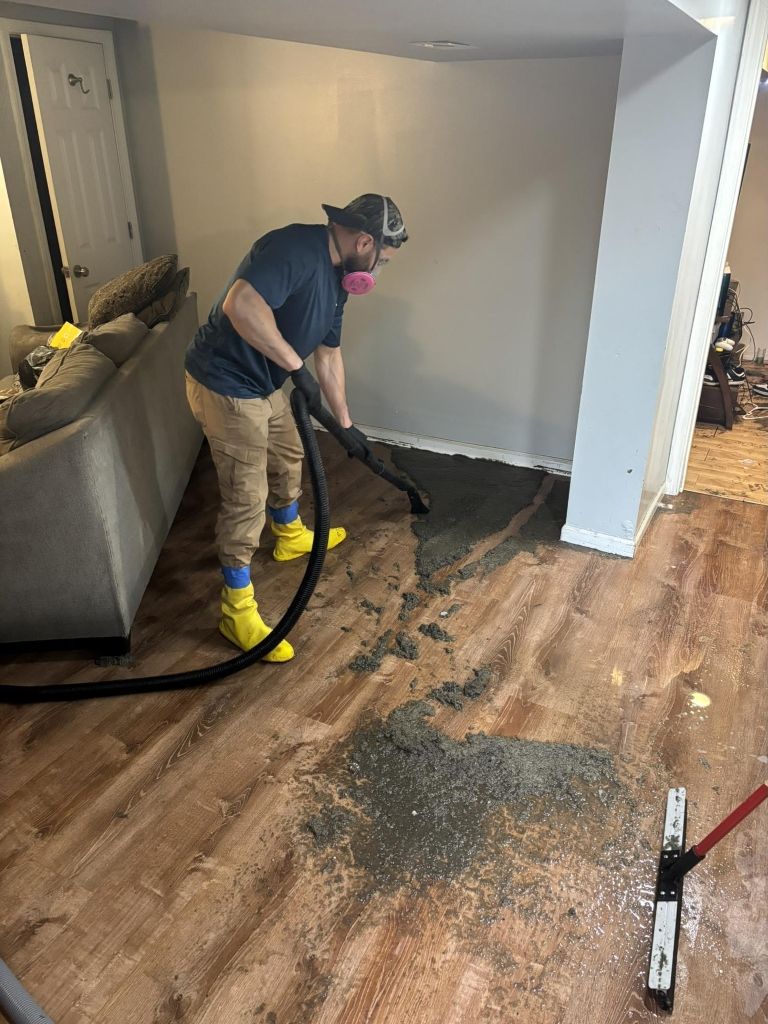
Sonoran Desert haboobs blast millions of tons of microscopic particulate matter (PM10 and PM2.5), alkali mineral salts, and organic desert fungi across Phoenix before torrential monsoon downpours unleash raging flash floods. When stormwaters breach doors and windows, fine desert silt combines with floodwater into a dense, abrasive mud slurry. This alkaline slurry enters wall cavities, subfloors, and HVAC ducts, turning rock-hard like concrete as it dries, locking moisture against wood framing, and incubating Valley Fever (Coccidioidomycosis) fungal spores and toxic black mold within 24 to 36 hours.

Service Definition & The IICRC Standard of Care
Professional monsoon haboob mud slurry restoration phoenix is an engineering and environmental discipline adhering strictly to IICRC S500 protocols, not mere surface mopping. When structural plumbing failures strike in Maricopa County, certified emergency water extraction and thermal structural drying procedures must be deployed immediately. Whether triggered by high-pressure burst pipe emergencies, subfloor leaks, or commercial line ruptures, bound moisture rapidly penetrates concrete subfloors and wall framing. In the desert heat, delays trigger microbial proliferation requiring rapid mold remediation. Request damage assessment through our emergency assessment portal or request 30-minute dispatch across all Valley service areas.
Securing electrical feeds, inspecting load-bearing assemblies, and containing pathogens.
Stopping the intrusion source and erecting 6-mil plastic isolation containment airlocks.
31-HP truck-mount extraction, removing gallons exponentially faster than evaporation.
LGR dehumidifiers and HEPA air scrubbers driving grains per pound below 25 GPP.
Calibrated electronic pinless testing confirming baseline dry standards.
The Complete 6-Stage Restoration Roadmap
Our IICRC-certified crews execute a disciplined, scientific 6-stage protocol to stabilize and dry structural components:
Emergency Dispatch & Perimeter Isolation
30 to 60 minute arrival. Securing electrical shutoffs, evaluating structural loads, and erecting containment airlocks.
FLIR® Thermal Mapping & Baseline Scans
Infrared thermal scans detect trapped moisture behind walls and beneath concrete without invasive exploratory demolition.
High-Volume Bulk Extraction
31-HP truck-mount extraction units pump standing water away at hundreds of gallons per minute.
Controlled Selective Demolition
Precision flood cuts 12 to 24 inches above moisture lines, removing wet insulation and opening wall framing to dry airflow.
Thermodynamic Dehumidification
Industrial Low-Grain Refrigerant dehumidifiers pull deep trapped moisture from dense framing lumber and concrete slabs.
Antimicrobial Sanitization & Verification
EPA-registered botanical application (Benefect Decon 30) and calibrated moisture testing to issue an official dry certificate.

Specialized Equipment & Industrial Restoration Technology
Mitigating severe property damage requires industrial-grade technology capable of altering thermodynamic psychrometrics:
Truck-Mounted Extraction Rigs
31-HP engines producing 16+ inches Hg vacuum suction to evacuate bulk water rapidly into holding tanks.
Low-Grain Refrigerant Dryers
Pre-cooling heat-pipe systems driving ambient grains per pound below 25 GPP to draw deep trapped water out of framing.
HEPA Negative-Air Scrubbers
Hospital-grade 99.97% particulate filtration capturing microscopic fungal spores, soot, and biohazard aerosols.
FLIR® Thermal Scanners & Probes
Infrared thermography detecting evaporative cooling boundaries behind walls, combined with digital RF pinless scanners.
Professional Restoration vs. DIY Mitigation
Attempting DIY cleanup during a property disaster creates severe hidden liabilities:
- Trapped Moisture: Surface drywall dries while moisture inside cavities triggers hidden mold blooms.
- Pathogenic Risks: Category 2 & 3 water contains bio-contaminants standard cleaners fail to kill.
- Insurance Denial: Insurers require daily psychrometric logs; lack of data causes claim disputes.
Transparent Upfront Itemized Pricing
Valley Restoration Pros operates with complete transparency:
- Free On-Site Assessment: Complete physical inspection before work begins.
- Upfront Itemized Estimates: Detailed line items calculated via industry-standard Xactimate.
- Zero Surprise Billing: No hidden charges or unauthorized repairs.
Certified Monsoon Haboob Mud Slurry Restoration Phoenix Field Documentation
Every response performed by Valley Restoration Pros is documented through photographic and thermographic records:

Comprehensive Monsoon Haboob Mud Slurry Restoration Phoenix Technical Manual & Operational Standards
Exhaustive engineering protocols, psychrometric calculations, geological multipliers, and step-by-step restoration standards for Maricopa County properties:
Executive Emergency Abstract: Desert Haboob Mud-Slurry & Monsoon Flood Recovery
The summer monsoon season across Greater Phoenix, Scottsdale, Paradise Valley, Mesa, Chandler, Gilbert, Tempe, Glendale, and Peoria unleashes one of the most violent meteorological phenomena on the North American continent: the desert haboob. Originating over agricultural expanses in Pinal County and the Sonoran Desert, convective thunderstorm downdrafts collapse into massive, rolling dust walls towering up to five thousand feet high and spanning nearly one hundred miles across the horizon. Driven by hurricane-force microburst winds exceeding sixty to seventy-five miles per hour, these immense dust storms sweep across the Valley of the Sun, engulfing entire residential neighborhoods and commercial developments in a dense cloud of airborne particulates.
Within minutes of the dust wall passing, atmospheric moisture condenses rapidly into torrential, cloudburst downpours dropping two to four inches of rain in under forty-five minutes. As blinding rainfall collides with millions of tons of freshly deposited desert silt, fine agricultural dust, and desert clay, the mixture does not flow as clean stormwater. Instead, it transforms into an ultra-dense, highly viscous, abrasive mud slurry. When street storm drains and neighborhood retention basins back up, this chocolate-brown slurry surges across yards, breaches patio sliding door tracks, and inundates living rooms, basements, and commercial facilities under several inches of thick silt-laden sludge.
Unlike standard clear-water domestic pipe breaks, haboob mud slurry represents an acute biological, chemical, and structural emergency. Sonoran Desert soil consists of alkaline caliche smectite clay, carrying municipal mineral salts, agricultural nitrates, avian fecal matter, and hazardous microscopic fungal arthroconidia—specifically Coccidioides immitis, the airborne pathogen responsible for Valley Fever. Under extreme Phoenix summer temperatures hovering between 110°F and 118°F, standing slurry rapidly dehydrates into a rock-hard, cement-like crust. As it hardens, it locks trapped moisture against baseboards and structural sill plates, while aerosolized dust spreads through central air conditioning ducts, creating hazardous indoor air conditions and cultivating toxic black mold within 24 to 36 hours.
Valley Restoration Pros operates a 24/7 Rapid Monsoon Storm & Haboob Slurry Extraction Division across Maricopa County. Arriving on-site within thirty minutes, our IICRC-certified master storm restorers deploy heavy truckmounted slurry extractors, sub-surface rotary jet extractors, multi-stage HEPA air scrubbers, and industrial desiccant dehumidifiers to extract heavy silt, flush structural cavities, decontaminate HVAC systems, and restore your property to pristine condition.
Immediate Haboob Mud-Slurry Emergency Directives for Property Owners
- Shut Down Central HVAC Air Conditioning Immediately: Do not allow the air handler to run. Operating your HVAC system pulls microscopic silt, haboob dust, and fungal spores into return duct plenums, distributing abrasive mud throughout unflooded bedrooms.
- De-Energize Submerged Floor Outlets & Baseboard Circuits: Water saturated with conductive mineral salts easily shorts out low-mounted electrical receptacles. Trip the main breaker for affected living zones at the main electrical panel.
- Do Not Attempt Dry Sweeping or Domestic Vacuuming: Household vacuums lack HEPA filtration and will spew hazardous PM10 silt and Valley Fever spores directly into your breathing air, while dry sweeping grinds abrasive silt crystals into hardwood floor finishes.
- Mobilize Industrial Slurry Extraction: Call our 24/7 Rapid Emergency Response Hotline at (602) 847-9593. Our heavy extraction fleet arrives in 30 minutes equipped with truckmount slurry pumps, containment chambers, and negative-air scrubbers.
Anatomy of Haboob Mud-Slurry Incursions: Microburst Physics & Structural Breaches
Monsoon dust storms and flash floods combine dynamic aerodynamic forces with high-volume surface hydraulic pressure. Understanding how haboob slurry penetrates residential and commercial building envelopes reveals the necessity of specialized industrial extraction:
Patio Sliding Door Threshold Overflows & Silt Dams
Microburst winds push deep accumulations of desert sand against rear sliding glass doors. When torrential rain begins minutes later, rainwater pooling on rear concrete patios cannot drain through weep holes blocked by sand. Water levels rise above the bottom aluminum threshold track, discharging gallons of muddy brown slurry directly across living room flooring. Review our specialized storm flood cleanup protocols.
Parapet Roof Scupper Clogs & Attic Mud Cascades
Flat foam and single-ply roofs characteristic of Southwestern architecture accumulate tons of airborne haboob dust during the initial dust storm. When intense rains strike, wet silt washes toward primary roof scupper drains, clogging drain strainers into dense mud dams. Trapped storm runoff ponds several inches deep before breaching roof membrane joints and pouring mud into attic insulation. For roof failures, see our roof leak water damage restoration services.
Municipal Storm Drain Surges & Street Runoff
Phoenix desert streets function as storm channels during monsoons. When curb gutters are choked with desert vegetation and haboob dust, street water surges over sidewalks. Silt-laden runoff enters through garage doors, front entryways, and exterior weep screeds, categorizing the intrusion as Category 3 blackwater. Learn about biohazard extraction in our sewage cleanup operational overview.
HVAC Fresh Air Intake Dust Loading & Saturated Duct Silt
Rooftop package heat pumps and commercial economizers pull massive volumes of outdoor air. During haboobs, high-velocity winds force fine dust straight past standard pleated filters. When followed immediately by driving monsoon rains, moisture enters the air stream, turning internal duct dust into an adhesive mud lining inside supply drops.
When abrasive mud slurry breaches your building perimeter, rapid deployment of certified heavy extraction equipment is vital to extract dense particulates before they cure into an unyielding concrete-like crust.
Phoenix Climatic & Geological Multipliers: Caliche Smectite Clay, 115°F Baking & Valley Fever
Restoring structures after a desert haboob mud flood involves managing unique geological and environmental conditions found exclusively in the Sonoran Desert:
1. Caliche Smectite Clay Cementation & High-Alkaline Chemical Burning
Soil across Maricopa County contains high levels of smectite clay and calcium carbonate (caliche). When mixed with water, this clay forms a colloidal suspension with an alkaline pH ranging between 8.5 and 9.5. This high alkalinity chemically burns organic finishes, stripping polyurethane from hardwood floors and bleaching textile dye pigments in carpets.
Furthermore, caliche clay particles are microscopically small (less than 2 microns). They penetrate microscopic fissures in ceramic tile glaze and porous concrete slabs, generating severe mineral crystallization as moisture dries. Review our advanced procedures for tile efflorescence sub-slab moisture drying across desert homes.
2. 115°F Post-Storm Solar Baking & Rapid Slurry Solidification
Within twelve hours of a monsoon deluge, desert storm clouds clear and extreme solar radiation drives Phoenix daytime temperatures past 110°F. Saturated outdoor soils and indoor floodwaters face intense atmospheric vapor draw.
This flash heat bakes wet mud slurry into hard masonry mortar before standard water mitigation equipment can arrive. Trapped moisture remains locked beneath the hardened mud crust, rotting wood framing and cultivating aggressive colonies of mold. Explore our comprehensive protocols for mold remediation under desert climate conditions.
3. Valley Fever (Coccidioidomycosis) Spore Infiltration Risks
Sonoran Desert topsoil naturally harbors Coccidioides immitis, an endemic dimorphic fungus that produces microscopic arthroconidia. Haboobs shear millions of these fungal spores from desert soil, driving them into the air and depositing them inside buildings along with flood slurry.
When flood slurry dries and becomes airborne dust, inhaling these spores can trigger Valley Fever—a serious, debilitating respiratory infection. Valley Restoration Pros uses specialized HEPA negative air containment and wet extraction methods to ensure spores are safely captured without being aerosolized into indoor living areas.
4. Foundation Caliche Expansion & Concrete Slab Uplift
When flash floods pool against exterior stem walls and perimeter caliche soil, moisture penetrates deep into subterranean clay layers. Smectite clay minerals expand up to thirty percent in volume when saturated, creating powerful hydraulic uplift forces.
This localized foundation heave cracks post-tensioned residential slabs and destabilizes load-bearing walls. For diagnostic sub-slab structural evaluations, see our slab leak water damage restoration structural engineering standards.
Immediate First-Hour Emergency Protocol: Slurry Containment & Structural Isolation
The initial sixty minutes following a monsoon haboob slurry flood determine whether hardwood floors, custom cabinetry, and drywall can be preserved or must undergo costly structural demolition:
Exterior Silt Diversion & Hydro-Barrier Sandbagging
Our emergency teams immediately deploy quick-dam polyurethane flood barriers and heavy synthetic sandbags across compromised patio thresholds, garage entries, and window wells to halt continuous storm slurry intrusion from saturated exterior grading.
Electrical De-Energization & LOTO Protocol
Because desert flood slurry contains high concentrations of conductive alkali mineral salts, standing water conducts electricity with lethal efficiency. Technicians execute Lockout/Tagout (LOTO) protocols on affected floor-level circuits before starting work.
Continuous Truckmount Slurry Vacuum Pumping
High-horsepower truckmounted vacuum extractors equipped with solid-separation interceptors pump heavy mud, gravel, and liquid out of the structure at rates exceeding 1,800 gallons per hour, preventing slurry from baking into floor pores. Review our rapid emergency water extraction capabilities.
HEPA Negative-Air Scrubbing & Containment
Technicians erect 6-mil poly containment barriers to isolate flooded rooms from unaffected living quarters. Commercial HEPA 500 air scrubbers establish negative air pressure, exhausting filtered air outdoors and scrubbing airborne Valley Fever spores and dust from the breathing zone.
For commercial properties, office parks, and retail centers suffering large-scale monsoon flash flooding, explore our dedicated commercial water damage large-loss restoration division.
Advanced Equipment Fleet: Truckmounted Slurry Extractors & Negative-Air Scrubbers
Extracting heavy mud slurry and microscopic desert dust requires specialized industrial equipment that far exceeds the power of standard residential water vacuums:
Truckmounted Heavy-Slurry Extraction Units
Model: Sapphire Scientific 370SS / Prochem Apex GTX Industrial
Equipped with tri-lobe positive displacement vacuum blowers generating up to 16 inches of mercury (Hg) vacuum lift, our truckmounted units easily extract heavy, silt-laden water and mud slurry through 2-inch reinforced hoses. Solid sediment interceptors separate coarse sand and gravel before liquid reaches collection recovery tanks.
- Vacuum Lift: 16 in. Hg high-density lift capacity
- Flow Rate: Up to 1,800 gallons per hour continuous extraction
- Filtration: Multi-stage in-line sediment traps preventing municipal drain blockages
- Hose Reach: Up to 300 feet of continuous commercial vacuum hose
Nikro & Phoenix Industrial HEPA Negative-Air Scrubbers
Model: Nikro 2000 CFM Negative Air Machine / Phoenix Guardian HEPA
Haboob dust contains hazardous PM2.5 and PM10 micro-silt particles that remain suspended in indoor air for days. Our industrial air scrubbers cycle 2,000 cubic feet of air per minute through certified three-stage filtration, capturing 99.97% of airborne particles down to 0.3 microns, including Valley Fever fungal spores and mold spores.
- Air Processing: 2,000 CFM continuous filtration per machine
- Filtration Stages: Pleated pre-filter, ring-panel secondary, certified true HEPA
- Ducting Configuration: 12-inch and 14-inch lay-flat ducting to exhaust outside
- Pressure Monitoring: Magnehelic differential pressure gauges verifying filter efficiency
Combined with Phoenix 250 MAX LGR dehumidifiers and high-velocity axial air movers, our equipment fleet extracts standing mud, scrubs particulate from the air, and dries saturated structural framing safely back to dry standard equilibrium.
IICRC S500 Category 3 Blackwater Slurry Remediation Roadmap
Because haboob dust storms wash surface soil, agricultural chemicals, and animal waste into structures during monsoons, flood slurry is formally classified under ANSI/IICRC S500 standards as Category 3 blackwater. Our technicians execute a systematic five-phase remediation protocol:
Phase 1: Incursion Profiling & Calibrated Particulate Mapping
Technicians use FLIR infrared thermal cameras to trace subterranean moisture wicking behind drywall, baseboards, and beneath floor tiles. We map wet perimeters and collect particulate air samples to establish baseline airborne micro-silt concentrations before work commences.
Phase 2: Heavy Slurry Bulk Extraction & Sediment Evacuation
Deploying high-vacuum truckmounted extraction rigs with slurry filtration wands, we remove bulk mud, sand, and liquid. Highly porous materials that cannot be sanitized—such as contaminated carpet padding and saturated gypsum drywall—are carefully cut out under negative air containment.
Phase 3: High-Pressure Surface Rinse & Silt Extraction
Microscopic clay particles embed tenaciously in concrete slab pores and tile grout. We apply heated pressurized rinse water through enclosed rotary extraction tools that inject clean water and instantly vacuum it away, flushing out stubborn silt without spreading water into clean rooms.
Phase 4: EPA-Registered Botanical Biocide Application
We treat exposed structural framing, concrete slabs, and subfloors with Benefect Decon 30—an EPA-registered botanical disinfectant that eradicates coliform bacteria, fungi, and viral pathogens without producing toxic chemical vapors or volatile organic compounds (VOCs).
Phase 5: Desiccant Psychrometric Desorption & Air Scrubbing
LGR and desiccant dehumidifiers run continuously alongside HEPA 500 air scrubbers, maintaining specific humidity below 35 GPP until wood moisture content drops safely below 12% dry standard baseline and airborne particle counts confirm clean desert air quality.
For comprehensive structural drying benchmarks and thermodynamic moisture tracking standards, review our specialized structural drying technical documentation.
Hyper-Local Case Study: Ahwatukee Foothills Mountain Wash Flash Flood & Haboob Slurry Inundation
Incident Breakdown: Desert Haboob Followed by 3.2 Inches of Mountain Runoff
On an intense August evening, a massive 4,000-foot-high haboob dust storm swept across South Mountain into Ahwatukee Foothills near S 48th St and E Warner Rd, depositing thick layers of sand and clay across residential properties. Immediately behind the dust wall, a severe thunderstorm dumped 3.2 inches of torrential rain within thirty-five minutes.
A natural desert wash bordering the rear property line overflowed its banks. Silt-choked runoff swept across the swimming pool deck, overwhelmed rear French door seals, and sent four inches of thick caliche mud slurry surging into the home's open-concept living room, kitchen, and primary bedroom suite. Trapped mud covered 2,200 square feet of travertine tile and engineered hardwood, threatening to bake into solid cement in post-storm 114°F heat.
Rapid Restoration Timeline & Health Clearance Metrics
- Minute 26: Rapid On-Site Mobilization: Valley Restoration Pros deployed two heavy truckmount extraction rigs, six certified technicians, and emergency sandbagging barriers on-site within twenty-six minutes, immediately diverting remaining wash runoff away from the home.
- Hour 1 to 5: Bulk Slurry Extraction & Silt Separation: Extracted an estimated 3,400 gallons of heavy mud slurry using truckmounted vacuum blowers with in-line sediment filters. Removed mud from travertine floors before it could chemically stain porous natural stone tiles.
- Hour 6 to 16: Controlled Drywall Flood Cuts & Cavity Flush: Performed clean 12-inch flood cuts along saturated perimeter drywall. Silt trapped inside hollow wall cavities was flushed with pressurized botanical rinse solutions and vacuumed out completely.
- Hour 18 to 48: High-Capacity Psychrometric Desorption: Deployed three Phoenix 250 MAX LGR dehumidifiers, twelve axial air movers, and three Nikro HEPA air scrubbers. Ambient humidity dropped from 94 GPP down to 31 GPP within thirty-six hours.
- Hour 60: Complete Clearance & Zero Microbial Odor: Travertine tile moisture normalized, wall sill framing reached 9.4% wood moisture content, and laser particulate testing verified indoor air quality exceeded outdoor Phoenix baseline standards with zero Valley Fever spores detected.
Verified Ahwatukee Homeowner Testimonial:
"Watching a wall of brown desert mud rush through our French doors during that crazy monsoon storm was pure panic. We thought our custom home was completely destroyed. Valley Restoration Pros arrived in twenty-six minutes on a wild storm night. They stopped the mud, pumped out thousands of gallons with massive truck extractors, and saved our travertine floors without a single stain. Their transparent upfront itemized pricing and comprehensive insurance documentation made our claim approval seamless. They are the best storm restorers in Phoenix!"
— David & Jennifer S., Ahwatukee Foothills, Phoenix AZ
Transparent Upfront Itemized Pricing & Storm Insurance Claims Dossier
Experiencing a sudden flash flood mud disaster is profoundly stressful. Homeowners and property managers deserve honest, clear financial transparency rather than confusing sales pressure. Valley Restoration Pros operates under strict consumer advocacy standards:
Free On-Site Damage Assessment
Our master storm restorers conduct a comprehensive on-site physical evaluation, including FLIR thermal scanning and digital moisture mapping, at zero cost or obligation to you before any work begins.
Transparent Upfront Itemized Pricing
We utilize Xactimate® pricing software—the recognized industry standard used by all major property insurance adjusters—generating clear line-item estimates based on standardized regional Maricopa County labor and equipment rates.
Zero Misleading Direct Billing Promises
We maintain total ethical integrity by never falsely claiming that insurance will cover 100% of costs without reviewing your policy. We review your policy endorsements, flood exclusions, and deductible terms openly before work starts.
Comprehensive Storm Claims Dossier
We provide your insurance adjuster with complete IICRC-compliant documentation: high-resolution thermal imaging, timestamped digital photos of mud breach points, daily psychrometric drying curves, and particulate clearance reports.
To calculate preliminary restoration ranges for your property, use our interactive free on-site assessment. To confirm service availability in your neighborhood, view our active coverage zones in areas we serve, or contact our dispatch team on our contact us page.
Frequently Asked Technical Questions: Monsoon Haboob & Mud-Slurry Restoration
Yes, provided professional extraction begins before the mud bakes into the wood grain. The primary danger is physical abrasion from hard silica quartz crystals scratching polyurethane finishes during extraction. We use non-abrasive liquid suspension wands that float silt away without scratching the wood, followed by high-vacuum floor drying mats. Learn more about wood floor recovery in our hardwood floor water damage drying technical resource.
Shoveling only removes surface bulk mud. Microscopic caliche silt particles remain trapped inside concrete pores, under baseboards, and within wall cavities. As water evaporates in dry desert heat, the remaining silt bakes rock-hard, trapping moisture behind drywall and cultivating toxic mold and bacterial colonies within 24 to 48 hours. Professional hydro-flushing and industrial vacuum extraction are essential.
Yes. Under IICRC S500 standards, any floodwater entering a structure from exterior surface ground runoff is classified as Category 3 blackwater. Haboob dust contains desert bird droppings, animal feces, agricultural fertilizers, road oils, and microscopic fungal spores (including Coccidioides immitis). Full antimicrobial decontamination is mandatory before the space is safe for occupancy.
When rooftop scupper drains clog with desert dust during a storm, ponding mud water enters the attic envelope. Mud-saturated drywall ceiling panels gain tremendous weight (up to 12 pounds per square foot), leading to sudden, catastrophic ceiling collapses into living areas. Review our specialized ceiling water damage restoration structural stabilization procedures.
We deploy high-horsepower HEPA vacuum extraction systems connected directly to supply and return trunks, paired with mechanical rotary whip brushes that dislodge caked mud from internal duct walls without damaging flexible duct liners. Once clean, we fog EPA-registered botanical antimicrobials throughout the system to sanitize the air path.
Coverage depends on how water entered the property. If water entered through wind-damaged roofs, broken windows, or storm-punctured doors, damage is typically covered under standard homeowners policies. Rising ground water or exterior street mud may require dedicated flood insurance (NFIP). We prepare comprehensive documentation with thermal imaging to clarify coverage for your insurance adjuster.
Solid wood furniture can almost always be saved if elevated on protective foam blocks before wood pores absorb mud water. Upholstered furniture and rugs must be evaluated based on water contamination category. We utilize specialized immersion cleaning and botanical sanitizers to restore valuable area rugs and salvageable contents whenever feasible.
Silt Slurry Fluid Dynamics: Non-Newtonian Viscosity & Capillary Wicking Physics
Haboob mud slurry behaves fundamentally differently from clear pipe water floods. Slurry behaves as a non-Newtonian fluid—specifically a Bingham plastic—meaning it requires a specific shear stress before it will flow:
Colloidal Silt Suspension & Baseboard Damming
Clear floodwater drains freely through weep screeds and doorways once exterior water recedes. In contrast, haboob mud slurry forms a thick, gelatinous dam against bottom wall plates and baseboard molding. As water tries to drain away, heavy silt sediments settle out of suspension, forming an impermeable mud barrier that traps standing liquid inside interior wall cavities.
Simultaneously, the liquid phase of the slurry carries dissolved mineral salts deep into porous drywall paper and fiberglass insulation batts via capillary suction. This wicking action elevates moisture several feet above the physical flood line within hours. For subfloor spaces and crawl foundations suffering liquid damming, explore our crawl space water damage restoration engineering procedures.
Our extraction specialists utilize pressurized liquid disruption wands that liquefy settled silt deposits, converting thick paste back into an easily pumpable fluid that our truckmounted vacuum units extract completely.
Particle Size Distribution & Micro-Pore Lodging
Sonoran Desert dust storm particles span a wide granulometric spectrum: coarse sand (100 to 500 microns), silt (2 to 50 microns), and ultra-fine colloidal clay (under 2 microns). Coarse grains settle rapidly, while fine silt and clay remain suspended, lodging deep within concrete micropores, grout lines, and wood grain pores.
Standard surface cleaning merely smears these microscopic clay plates across surfaces, creating a slick film that bonds tenaciously upon drying. Our rotary extraction equipment utilizes multi-directional spray jets and high-velocity suction to flush these micro-pores completely clean.
Preserving Hardwood Flooring Under Mud-Slurry Inundation: Non-Abrasive Desorption
Solid oak, maple, engineered hardwood, and bamboo flooring represent substantial investments in Phoenix luxury homes. When covered in desert mud slurry, traditional extraction methods risk permanent surface destruction:
Preventing Scratch Abrasion
Haboob sand consists largely of angular quartz crystals with a Mohs hardness of 7—harder than steel. Dragging hard extraction wands or scrubbing with brooms will gouge polyurethane finishes. We deploy non-contact liquid suspension wands that glide over floors on a cushion of water, lifting silt without scratch contact. For sudden water line ruptures, explore our burst pipe repair protocols.
Sub-Floor Silt Flushing
Water and silt penetrate tongue-and-groove joints, pooling beneath planks on the concrete sub-slab. Left in place, wet silt rots the underside of wood boards while the top appears dry. We flush joints with conditioned botanical rinse solutions, then vacuum out residue using high-vacuum negative-air floor panels.
Vacuum Drying Mat Systems
We clamp Dri-Eaz Rescue Mat systems across saturated hardwood floors, pulling up to 5 inches of mercury vacuum through board seams. This draws trapped water directly out of the wood core and underlying concrete slab, reversing board cupping and saving thousands in floor replacement costs.
By combining non-abrasive extraction with precision negative-air drying mats, Valley Restoration Pros preserves original hardwood floors that other contractors routinely condemn for tear-out.
HVAC Air Ductwork Decontamination & Saturated Plenum Remediation
During a desert haboob, central air systems suck vast volumes of microscopic silt into intake grills. When torrential rains immediately follow, humidity spikes, turning internal duct dust into an adhesive bio-sludge:
Duct Silt Sedimentation & Coil Smothering
Fine caliche clay dust bypasses standard filters, coating evaporator coils, blower fan blades, and internal sheet metal supply trunks. When moist monsoon air circulates, this dust absorbs water and forms an impenetrable crust across cooling fins. This reduces airflow by up to sixty percent, causes compressor short-cycling, and creates an active fungal reservoir that blows mold spores into clean living spaces.
For comprehensive post-storm odor neutralization and thermal misting procedures, explore our certified methods in smoke odor removal thermal fogging and duct sanitation.
Our NADCA-trained technicians isolate air ducts with bladders, connect 2,500 CFM negative-air vacuum machines, and scrub duct walls with pneumatic whip assemblies, extracting all caked silt directly into outdoor HEPA containment collectors.
Botanical Antimicrobial ULV Fogging
Following mechanical duct cleaning, we introduce an ultra-low-volume cold aerosol fog of Benefect Decon 30 botanical disinfectant throughout the entire air handling network. The micron-sized antimicrobial mist coats all interior plenum surfaces, neutralizing remaining bacterial spores and fungal hyphae without leaving synthetic chemical residues.
This critical decontamination process protects building occupants from breathing hazardous Valley Fever spores and musty microbial odors once the air conditioning system is safely re-energized.
Exterior Caliche Foundation Footing Saturation & Sub-Slab Wicking
Monsoon flash floods frequently pool against exterior perimeter stem walls, saturating dense caliche soil and creating long-term structural threats:
Subterranean Hydraulic Pressure
Caliche clay acts like a hydraulic sponge. When water ponds against exterior stem walls, soil swelling exerts upward pressure beneath concrete foundation footings. This forces moisture through microscopic cold joints between the foundation slab and stem walls, wicking liquid upward into perimeter drywall.
Stucco Weep Screed Compromises
Arizona building codes require stucco weep screeds to sit four inches above exterior grade. Haboob dust storms pile sand berms against exterior walls, burying weep screeds. When rain strikes, water drains directly behind stucco paper into exterior wall framing cavities.
Perimeter Drainage Remediation
Our crews clear exterior silt dams, re-establish proper positive drainage slope away from foundation stem walls, and deploy high-volume structural desiccant dehumidification internally to pull moisture out of concrete slabs before structural settling can occur.
For older mid-century homes with rooftop evaporative cooling assemblies affected by monsoon storms, review our specialized swamp cooler roof leak water damage restoration procedures.
Homeowner & Property Manager Monsoon Haboob Emergency Action Checklist
When a haboob and flash flood inundate your home or commercial facility, immediate decisive action limits damage and streamlines insurance claim settlements:
Critical Immediate Action Directives
- Capture Video and Photographs Before Moving Mud: Record comprehensive video showing mud depth against baseboards, water breach points at patio sliders, and silt accumulations for your insurance claim adjuster.
- Elevate Furniture Legs on Aluminum Foil or Plastic Risers: Place aluminum foil squares or plastic foam blocks beneath wooden chair and sofa legs to halt continuous capillary absorption of muddy water.
- Shut Off Central Air Conditioning at the Thermostat: Prevent abrasive silt from circulating through ducts and coating internal cooling coils.
- Notify Insurance Carrier & Mobilize Certified Restoration: Contact your insurance provider to report the storm incident and call Valley Restoration Pros immediately for professional slurry extraction.
Dangerous Actions to Avoid
- Do Not Use Household Vacuum Cleaners: Residential vacuums blow microscopic silt and fungal spores directly into indoor breathing air and risk electrical motor burnout.
- Do Not Walk Barefoot in Flood Mud: Flood slurry contains sharp debris, broken glass, animal waste, and pathogenic bacteria that cause severe skin infections.
- Do Not Dry Mud with Heat Guns: Applying high heat bakes caliche clay into hard brick, permanently locking stains into porous flooring surfaces.
Particulate Science: PM2.5 Micro-Silt, Valley Fever Spores & Fungal Ecology
A haboob flood differs fundamentally from ordinary plumbing pipe floods because it introduces billions of microscopic desert particulates into the indoor building ecology:
PM10 & PM2.5 Inhalable Particulates
Particles smaller than 10 microns (PM10) bypass nasal passages and lodge deep within human bronchioles, while PM2.5 micro-dust penetrates directly into the alveolar sacs of the lungs. Desert dust contains toxic silica quartz, triggering acute asthma exacerbations, bronchitis, and cardiovascular stress in sensitive occupants.
Coccidioides Immitis (Valley Fever) Ecology
Endemic to Arizona desert soil, Coccidioides fungi survive in alkaline caliche soil. High winds shear arthroconidia (barrel-shaped fungal spores) from dry topsoil. When floodwaters dry, these spores become airborne. Our true HEPA filtration systems (capturing 99.97% down to 0.3 microns) remove these spores completely from indoor breathing air.
Secondary Desert Mold Proliferation
In addition to soil-borne fungi, desert dust contains heavy concentrations of Aspergillus, Alternaria, and Cladosporium spores. In 115°F post-storm heat with indoor relative humidity above 75%, these spores germinate within 24 hours on wet drywall, requiring rapid psychrometric dehumidification.
Valley Restoration Pros ensures that post-mitigation indoor air is free of hazardous micro-silt and fungal pathogens, restoring safe breathing environments for families and building occupants.
Drywall Flood Cuts vs. Sub-Base Slurry Flushing & Cavity Decontamination
When Category 3 storm slurry breaches interior walls, simple surface wiping is strictly prohibited under professional restoration standards:
Why Mud Cannot Be Left Behind Wall Cavities
When flood slurry contacts gypsum drywall, the paper backing acts as an organic wick, drawing water upward. More dangerously, heavy caliche silt settles inside the hollow wall cavity directly atop the bottom 2x4 wood sill plate. Even if drywall appears dry on the outside, thick caked mud remains damp inside the wall for weeks.
This trapped moisture rots structural wood studs, corrodes electrical outlet boxes, and cultivates hidden colonies of Stachybotrys chartarum (toxic black mold). For complete restoration protocols, review our comprehensive water damage restoration service parameters.
Our technicians perform surgical chalk-line flood cuts twelve to twenty-four inches above the high-water line, bag contaminated drywall and wet insulation, and vacuum all settled silt directly off the sill plate before applying botanical biocides.
Non-Destructive Wall Cavity Drying on Uncontaminated Walls
Where storm water was purely Category 1 or Category 2 without bulk silt accumulation, we avoid aggressive demolition by removing baseboards and drilling precision 5/8-inch access holes into drywall bases. High-pressure injection hoses force desiccated heated air directly into wall studs, drying framing safely without replacing drywall.
This targeted approach saves homeowners thousands of dollars in drywall re-hanging and texturing costs while guaranteeing structural framing reaches dry standard baseline.
Monsoon Seasonality & Atmospheric Dynamics: July to September Haboob Cycles
Phoenix haboobs follow distinct atmospheric patterns dictated by the North American Monsoon system:
Early Monsoon Formation (Late June - Mid July)
High-pressure ridges shift eastward, drawing tropical moisture northward from the Gulf of California. Intense desert solar heating triggers violent convective thunderstorms over Tucson and Pinal County. Collapsing downdrafts push the initial massive dust walls into the Phoenix basin with zero warning.
Peak Convective Deluges (Late July - August)
Atmospheric moisture peaks with dew points exceeding 60°F. Thunderstorm complexes produce severe downbursts with rainfall rates exceeding 4 inches per hour. Urban washes and street drainage channels overflow, resulting in severe residential mud inundations across the Valley.
Late-Season Tropical Surges (September)
Decaying Eastern Pacific hurricanes channel massive moisture plumes into Arizona. While winds are milder than July haboobs, continuous heavy rainfall over saturated soils triggers widespread foundation flooding and prolonged structural moisture wicking.
Valley Restoration Pros maintains fully mobilized storm response fleets 24 hours a day throughout the entire Arizona monsoon season, prepared to respond instantly to haboob deluges across Greater Phoenix.
Post-Remediation Particulate & Microbial Clearance Verification
Because haboobs introduce microscopic mineral silt and Valley Fever fungal spores into the indoor environment, our restoration process concludes with rigorous quantitative air and surface clearance validation:
Laser Particle Counter Clearance Testing
Our technicians utilize calibrated handheld laser particle counters (TSI AeroTrak) to measure airborne particulate concentrations in six size channels (0.3 µm, 0.5 µm, 1.0 µm, 2.5 µm, 5.0 µm, and 10.0 µm). We take comparative baseline measurements outdoors and inside remediated living zones.
Clearance benchmark: Indoor particulate levels across the 0.3 µm to 2.5 µm range must demonstrate particle counts equal to or lower than outdoor background ambient desert air, confirming that abrasive micro-silt has been completely filtered from your living environment.
Third-Party Post-Remediation Verification (PRV) Spore Trap Testing
To provide complete peace of mind and satisfy property insurance requirements, Valley Restoration Pros facilitates third-party Post-Remediation Verification (PRV) testing conducted by independent Certified Indoor Environmentalists (CIEs). Testing includes calibrated Spore Trap air sampling (Air-O-Cell cassettes) inside affected rooms compared against outdoor Phoenix baseline controls.
Clearance requires that indoor airborne fungal spore concentrations match or beat outdoor baseline levels with zero presence of pathogenic marker molds such as Stachybotrys, Chaetomium, or Coccidioides arthroconidia. A formal Certificate of Sanitization and complete psychrometric drying report are delivered directly to the property owner.
Verified Local Area Dispatch: Phoenix, AZ
Official Geo-Coordinates: 33.4484° N, -112.074° W • Maricopa County
Related Specialized Emergency Restoration Services
Explore specialized rapid-response mitigation protocols across Greater Phoenix and Maricopa County:
Valley-Wide Emergency Response Service Coverage
Our mobile restoration fleet is dispatched across the entire Phoenix metropolitan region, providing rapid 30 to 60 minute emergency response: